
REVIEW · INDIA
Kolkata Heritage Tram Tour
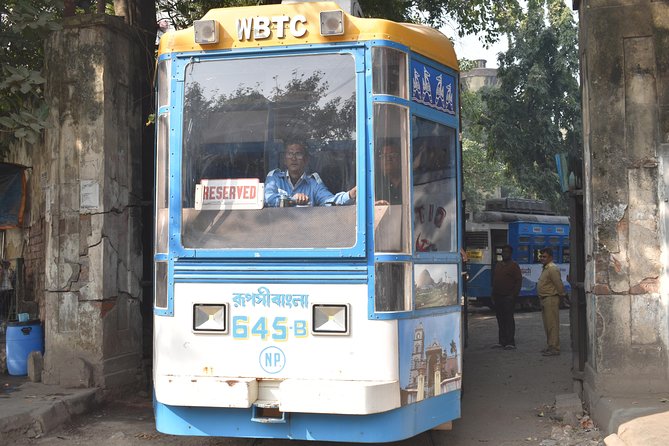
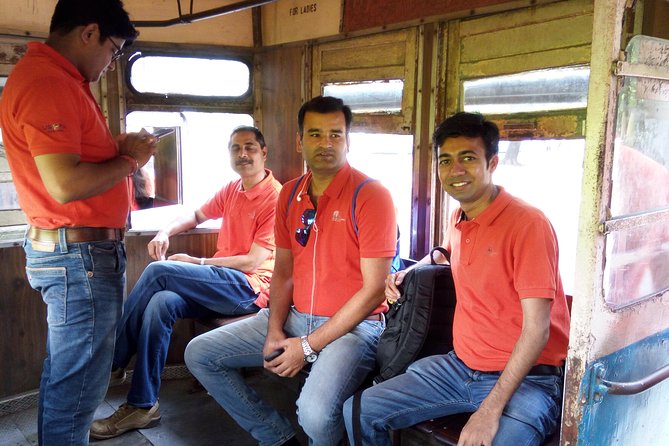
Kolkata’s tram is more than transport. It is a slow-moving window onto the city, carrying you past grand memorials, old churches, mosques, cemeteries, schools, and crowded central streets. I like the early 7:00 am start, when traffic is lighter, and the generous snacks and refreshments that make the morning easier. I also like that the tour gets you off the tram at places such as Tipu Sultan Masjid and Mother House instead of leaving you to admire everything through glass.
The main drawback is the guide commentary. Tram noise and street sounds can make it hard to hear, especially in a group of up to 20 people. You should also allow for a flexible pace: the tour lasts about 2 to 3 hours, and the exact tram movement and weather can affect the morning.
Key points to know before booking
- India’s only tram network: Ride a piece of Kolkata transport history on a heritage tram.
- A 7:00 am departure: The early hour helps you see central Kolkata before traffic builds.
- More than a tram ride: Walk through selected stops, including Tipu Sultan Masjid, Nonapukur Tram, and Mother House.
- A broad city introduction: The route links religious buildings, schools, cemeteries, cultural institutions, and major sights.
- Food is part of the morning: Snacks and refreshments are provided, with one review describing the snack bag as especially generous.
- Small but not private: The maximum group size is 20, and pickup is offered.
Why Kolkata’s tram makes a fine city introduction
Kolkata is a city best understood at street level. Its old neighborhoods bring together Hindu temples, Portuguese and British-era churches, Islamic architecture, schools, bookshops, cemeteries, and memorials within a relatively compact part of town. A standard car tour can show you the buildings, but it often misses the feeling of moving through the city at local speed.
The heritage tram solves part of that problem. You are not sealed away from the streets, and you are not required to walk the whole route in Kolkata’s heat and traffic. The tram gives you time to watch daily life pass by while your guide explains what you are seeing.
The route covers more than the best-known postcard sights. You may pass Birla Mandir and another major Birla family building, the Maidan, Victoria Memorial, Maulana Azad College, old churches, and several Muslim institutions. Some locations are brief exterior views, while other stops allow about 20 to 30 minutes to get down and look around.
That mix is important. If you want only Victoria Memorial, this is not the most direct way to see it. If you want to understand how Kolkata’s communities and institutions sit alongside one another, the route has much more to offer.
More Tram and Streetcar Tours in India:
- Tour of the Historical Tram Museum Including Tram and Metro Ride
★ 5.0 · 2 reviews - Mallorca: Island Tour with Boat, Tram & Train from the South
★ 4.4 · 3,888 reviews - Lisbon: 72/96-Hour Hop-On Hop-Off Bus, Tram & Boat Ticket
★ 4.4 · 2,170 reviews
The early start changes the feel of the city
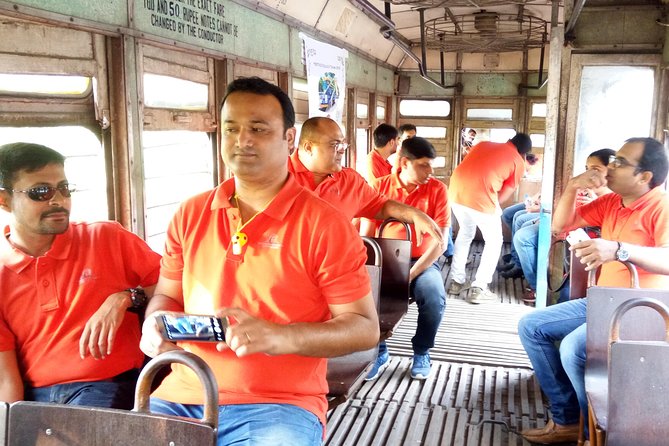
The tour begins at 7:00 am, a useful choice in a city where traffic can quickly turn a short crossing into a slow one. The early hour also gives the tram ride a calmer beginning, with Kolkata waking up around you rather than pressing in from every direction.
I like this timing for another reason: the city’s old buildings are easier to appreciate when you are not rushing between them. The tram moves slowly, and the morning light can make the ride feel less like a checklist and more like a gradual introduction.
Pickup is offered, but the provided information does not specify every pickup area or the exact meeting arrangement. Confirm those details when booking. Your confirmation is issued at booking time, and the mobile ticket makes the reservation easy to keep on your phone.
The group can include up to 20 people. That is small enough for a shared experience, but not necessarily small enough for every word to carry over the tram’s mechanical noise. A seat closer to the guide may help, and you should ask questions promptly if you miss an explanation.
Birla Mandir and Kolkata’s grand civic sights
Birla Mandir is one of the early points of interest. Built by the Birla family on Asutosh Chowdhury Avenue in Ballygunge, this Hindu temple is dedicated to forms of Vishnu, including Rama and Krishna. Its presence introduces one of Kolkata’s important religious and architectural traditions before the tour moves into the central city.
Another Birla family landmark is also included. The supplied details do not identify the building by name, so you should treat this as a passing point rather than plan your visit around a specific interior. The value here is the larger picture: the Birlas helped shape several prominent parts of modern Kolkata, and the tour places those buildings within the city’s changing streets.
The route also passes the Maidan and Victoria Memorial. These are among Kolkata’s most recognizable sights, but the tram format gives them a different role. You may not get a long formal visit at each one, yet you see how open civic space and monumental architecture fit into the city’s daily movement.
This is one reason to choose the tour as a first-day activity. It helps you mark major districts and buildings before returning later on your own. For a detailed interior visit to Victoria Memorial, allow separate time.
Churches, cemeteries, and the city’s layered faiths
The itinerary includes several Christian sites, and this is one of its strongest features. Sacred Heart Church receives a 20-minute stop, with time to consider the Portuguese legacy of Bengal and the church’s place in central Kolkata. The route also includes an ancient church described as a quiet place of worship, along with Thoburn Memorial Methodist Church and the Lord Jesus Church.
These stops show why Kolkata cannot be reduced to one architectural style or one religious story. The Lord Jesus Church, located in Taltala, was formerly a Church of Scotland Presbyterian place of worship before being handed to the Jesuits in 1986. Thoburn Memorial Methodist Church dates to 1873. Such details give the street corners a human scale.
The Lower Circular Road Cemetery adds a more reflective stop. Also known as the General Episcopal Cemetery, it was established in 1840 and remains a functioning cemetery, with about 12,000 graves. It is not simply an old wall to pass in the tram. It points to the many communities that helped shape Kolkata and to the people whose lives are recorded in the city’s older burial grounds.
You should not expect a long, quiet cemetery visit unless the schedule allows it. The tour moves through a lot of material in a short time. Still, this part of the route adds depth that a basic sightseeing circuit often misses.
More History Trips in India:
- 1-Day Private Tour to Agra with 3 UNESCO world Heritage from Delhi by Train
★ 5.0 · 9 reviews - Prague: Hop-on Hop-Off Historical Tram Ticket for Line 42
★ 4.1 · 1,702 reviews - The Hague: Hop-on Hop-off Heritage Tram Tour
★ 4.5 · 1,311 reviews - Puffing Billy Railway: Heritage Steam Train Journey
★ 4.6 · 1,195 reviews
Tipu Sultan Masjid and Kolkata’s Islamic heritage
Tipu Sultan Masjid is one of the clearest scheduled walking stops, with about 20 minutes and no admission charge. Named after Tipu Sultan, the ruler of Mysore, the mosque is an important piece of Kolkata’s architectural and cultural past.
The stop matters because it shifts the tour from seeing religious buildings at a distance to spending time beside one. Your guide can connect the mosque with the city’s broader Muslim institutions and explain how central Kolkata’s streets contain several different traditions within a short distance.
The time is enough for a focused look, but not a long visit or a detailed architectural study. Dress and behavior should be respectful at any religious site, and follow the guide’s instructions about where you may go. The tour description does not promise entry into every building, so consider the stop primarily as a chance to see and understand the mosque in context.
Other points along the route include the Muslim Institute and the West Bengal Urdu Academy. The Muslim Institute was founded in 1902 after students and young people took the lead in creating it. The Urdu Academy was established to support the Urdu language. Together, these sites show that Kolkata’s cultural life is carried not only by monuments, but also by schools, language institutions, and community organizations.
From Maulana Azad College to the old bookshop
Maulana Azad College is another useful stop for understanding Kolkata as an education center. Founded in 1926, it is a government-administered college focused on liberal arts and science. Its location near Rafi Ahmed Kidwai Road and SN Banerjee Road places it within a busy central section of the city.
The itinerary also passes the first Assembly of God Church School in Kolkata. Pastor Buntain founded it in January 1964 after seeing the hardship faced by poor and homeless children. The school began with 200 children and provided education and support. This is a reminder that the city’s story includes social service and education alongside grand architecture.
A heritage book store is also included among the points along the route. No extended visit time is specified, but its presence fits the tour’s wider theme. Kolkata’s identity is tied to reading, debate, schools, colleges, and public ideas as much as to its famous monuments.
These are the kinds of places that reward a guide who can connect the view outside the tram with local life. Arif and Haris are identified as guides for the experience, and Arif is described as having deep roots in Kolkata. The company owner is also identified as Mr. Ariff in one account. If having a particular guide matters to you, ask at booking, since guide assignment is not guaranteed in the tour details.
Nonapukur Tram and the machinery of the ride
Nonapukur Tram is one of the most distinctive stops because it is described as the birthplace of Calcutta Tramways. The tour allows about 20 minutes there, with no admission charge.
For anyone interested in public transport, this may be the morning’s highlight. The tram is not just a prop for sightseeing. The experience uses old cars with original mechanical parts, giving the ride a working, physical quality that modern sightseeing buses cannot match.
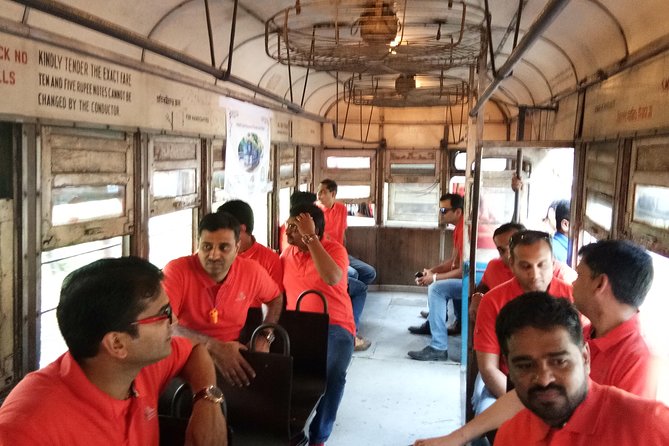
You will hear and feel the vehicle as it moves. That is part of the charm, but it also explains the main weakness of the experience: commentary may be difficult to catch. One account specifically noted that the guide was not always audible because of high noise levels, and the company indicated that headsets might be added in the future. Do not assume that headsets are included now.
The tram ride is also a good reason to keep your expectations realistic. This is not a polished luxury vehicle or a silent museum display. It is an operating heritage tram, and its age is part of the appeal. If you enjoy transport history, the rough edges add character. If you need quiet, uninterrupted narration, you may find the ride less comfortable.
Mother House brings the tour to a quiet close
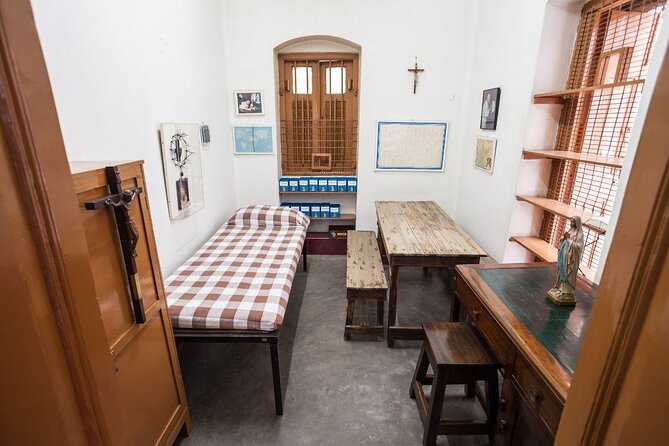
Mother House receives the longest listed stop, about 30 minutes. It is associated with Mother Teresa and is described as her former home and final resting place, with the site now known as Mother House.
This stop gives the tour a quieter finish after the tram’s noise and the dense sequence of city sights. It also brings the route back to the human concerns that appear elsewhere, including education, poverty, faith, and community service.
Thirty minutes is enough for a meaningful visit if the site is open and the schedule runs as planned, but it is not a full study of Mother Teresa’s work or Kolkata’s charitable institutions. Think of it as one important stop within a broad city introduction.
The value of ending here is emotional and practical. You have seen the city’s institutions and streets from the tram, then pause at a place linked to one of Kolkata’s most widely known figures. It gives the morning a clear final point rather than ending with an anonymous tram junction.
Snacks, comfort, and the real value of $60
The price is $60 per person. That is not a bargain-basement fare for a short city ride, so you should judge it as a guided cultural tour rather than as public transportation.
The price includes the heritage tram experience, a guide, stops at several significant sites, snacks, and refreshments. One account describes the snack bag as incredibly generous. That helps, especially with a 7:00 am start, though you should not book this as a food tour. The supplied details do not list the exact snacks or drinks.
For me, the value rests in the combination. You get a city overview, transport history, local explanation, and a route that would be awkward to assemble independently in one morning. The tour also saves you from walking the entire distance between churches, mosques, schools, cemeteries, and central landmarks.
The price is less attractive if you want a private guide, lengthy visits inside each building, or a focused tour of only one subject. It is also worth remembering that the route covers a lot of ground. Some stops may be brief, and not every building is described as offering interior access.
The 4.2 rating from 395 ratings suggests a generally strong experience with some practical limits. The most consistent strengths are the unique tram, the guide’s local knowledge, and the chance to see less obvious parts of Kolkata. The clearest weakness is hearing the commentary over the tram and street noise.
Who should book this Kolkata tram tour?
I would recommend it to you if this is your first visit to Kolkata and you want a quick orientation that does not feel like a standard vehicle circuit. It also suits anyone interested in public transport, religious architecture, colonial-era institutions, education, or the everyday structure of central Kolkata.
It is a good choice for people who prefer seeing a city through several connected themes rather than spending three hours at one major monument. Families and older visitors may appreciate the chance to rest during the ride instead of walking continuously, though the itinerary still includes getting down at stops.
You may want another kind of tour if you need a very quiet experience, detailed interior access, or a fixed minute-by-minute schedule. The tram can be noisy, the group may reach 20 people, and weather can affect the activity. Good weather is required, and a cancellation for poor conditions results in either another date or a full refund.
Free cancellation is available up to 24 hours before the start time. Changes or cancellations inside that window are not accepted for a refund, so keep the local cutoff time in mind.
My verdict: book it for the tram and the wider city story
Book this experience if you want Kolkata in broad strokes, with enough pauses to notice the city’s many communities and institutions. The heritage tram is the hook, but the real value is the route through churches, cemeteries, mosques, colleges, language centers, and Mother House.
I would book it early in a Kolkata stay, then return independently to the places that catch your interest. Go in expecting a lively, noisy tram ride rather than a perfectly audible lecture. If that tradeoff suits you, the tour offers a memorable way to get your bearings and see a side of Kolkata that a short list of famous monuments would leave out.
FAQ
What time does the Kolkata Heritage Tram Tour start?
The tour starts at 7:00 am.
How long does the experience last?
The tour lasts approximately 2 to 3 hours.
What is included in the tour?
The experience includes a heritage tram ride, guided stops at key sites, snacks, and refreshments. Pickup is offered, and the ticket is available on a mobile device.
How many people can join the tour?
The maximum group size is 20 people.
Which major stops are included?
Stops include Sacred Heart Church, Tipu Sultan Masjid, Nonapukur Tram, and Mother House. The route also passes or includes places such as Birla Mandir, the Maidan, Victoria Memorial, Lower Circular Road Cemetery, Maulana Azad College, and several other religious and cultural institutions.
Is admission included at the stops?
The listed stops at Sacred Heart Church, Tipu Sultan Masjid, Nonapukur Tram, and Mother House show free admission.
Can I cancel for a full refund?
Yes. You can cancel at least 24 hours before the experience starts for a full refund. Cancellations or changes made less than 24 hours before the start time are not accepted for a refund. If poor weather causes the tour to be canceled, you will be offered another date or a full refund.
Just added around India
- Agra Day Trip from Delhi Taj Mahal and Agra Fort by Train★ 5.0 · 2 reviews
- Same day Agra tour from Delhi by express train★ 5.0 · 5 reviews
- Taj Mahal by Superfast Train Gatimaan Express★ 5.0 · 3 reviews
- Private Tour of Taj mahal from Delhi by Train in 90 Min★ 5.0 · 46 reviews
- All Inclusive Luxury Taj Mahal Tour from Delhi by Express Train★ 5.0 · 51 reviews
- Private Tajmahal Day Tour From New Delhi By Gatiman Express Train★ 5.0 · 14 reviews
- Taj Mahal and Agra Fort tour By Superfast Train from Delhi★ 4.5 · 3 reviews
- Taj Mahal same day luxurious Tour by Superfast Train from Delhi★ 5.0 · 27 reviews
India Train Tours, compared.
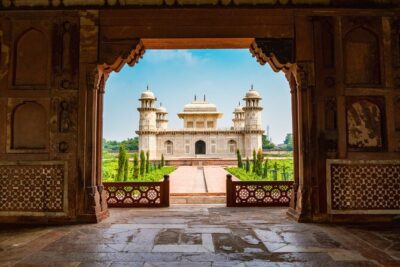
Taj Mahal Tour from Delhi by Express Train (Viator Award Winner)
Read our review →
Taj Mahal, Agra Fort, Baby Taj Tour from Delhi by Superfast Train
Read our review →
Delhi to Agra and Taj Mahal Private Day Trip by Express Train with Lunch
Read our review →
Taj Mahal & Agra Tour by Gatimaan Express Train
Read our review →
All Inclusive Taj Mahal & Agra Tour by Superfast Train From Delhi
Read our review →
Delhi to Agra Taj Mahal Private Day Trip by Superfast Train
Read our review →
Jaipur Day Trip from Delhi by Car or Train – All Inclusive
Read our review →
Private Taj Mahal & Agra Day Tour by Superfast Train From Delhi
Read our review →Browse the lists this tour appears in