
REVIEW · INDIA
Tour of the Historical Tram Museum Including Tram and Metro Ride
Kolkata’s oldest operating tram system is the star here, but this tour gives you more than a rattling ride. You taste a local sweet at K. C. Das, inspect a working 1938 tram at Smaranika Museum, and ride the underwater metro between Esplanade and Howrah. I like the smart contrast between old and new, and I like the compact route through several central Kolkata landmarks. The main drawback is the price: at $80 per person, you are paying for a guided, tightly planned outing rather than simply buying tram and metro tickets.
The four-hour program also works well if you want a quick introduction to central Kolkata without planning every crossing and connection yourself. Guide Haris leads the experience in English, Hindi, Bengali, or Urdu, and the small group is capped at 15 people. Expect some walking, stairs, and public transport, so this is not a wheelchair-accessible tour.
Key points at a glance
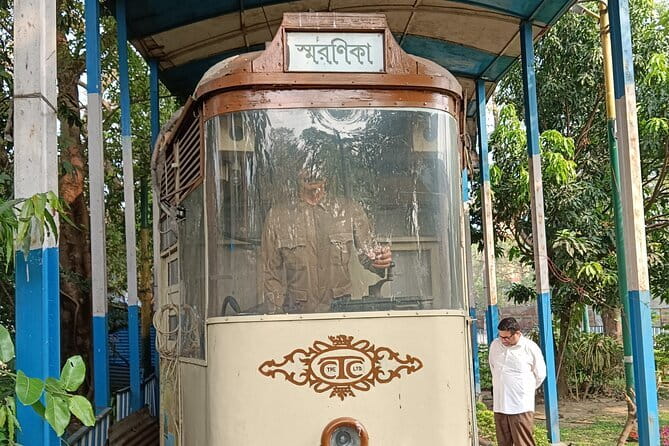
- A working 1938 tram becomes the museum: Smaranika is housed inside a vintage wooden tram, with one car used as a café and another filled with tram memorabilia.
- You ride two very different rail systems: The tour includes a heritage tram joyride and a journey on Kolkata’s underwater metro.
- The opening sweet tasting sets the tone: K. C. Das is both the meeting point and your first taste of Kolkata’s food culture.
- Four central landmarks come before the museum: Tipu Sultan Masjid, Sacred Heart Church, Raj Bhavan, and Thoburn Memorial Methodist Church add architecture and history to the transport theme.
- The route is easy to join by public transport: The meeting point is at K. C. Das on Central Avenue in the Esplanade area.
- The group stays fairly small: A maximum of 15 participants gives the guide room to explain details and manage the public-transport sections.
Why Kolkata’s tram is worth your afternoon
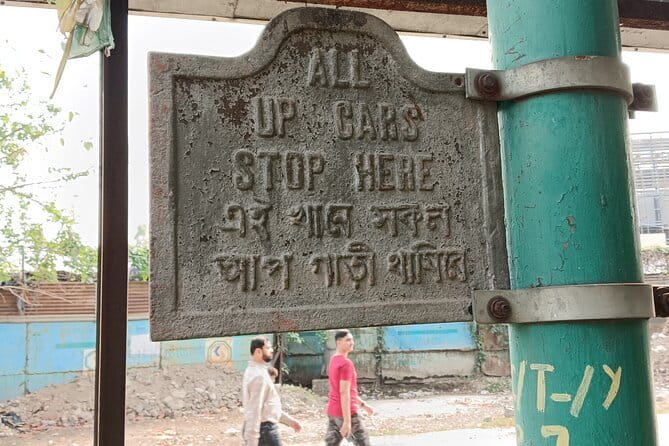
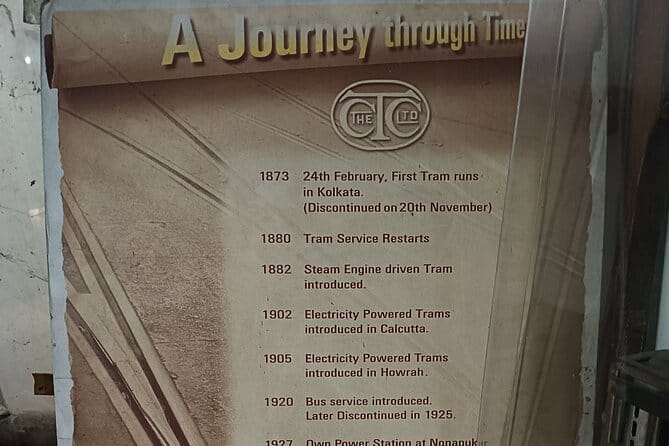
Kolkata’s tram system began operating in 1902, making it India’s oldest operating tram network. That fact matters less as a statistic than it does when you are sitting in a carriage that still moves through ordinary city streets, sharing the road with cars, buses, pedestrians, and modern rail services.
The tram is not preserved only for display. It remains part of daily urban life, with its bell, metal tracks, and slow pace. You get to see why it has become such a lasting symbol of Kolkata. It is practical transport for some people, a historic curiosity for others, and a moving reminder of how much the city has changed around it.
I especially like that the tour does not treat the tram as an isolated museum object. You first see old religious and civic buildings, then examine tram equipment and tickets, then ride the metro below the Hooghly River area and return to a vintage tram. The sequence gives you a useful story: Kolkata’s transport past is still connected to its present.
The timing is also manageable. The scheduled activity begins at 1:00 pm and lasts about four hours. Pickup is offered roughly 45 minutes before the tour, though the listed meeting point is K. C. Das at 11A&B Central Avenue, in the Esplanade and Chowringhee North area. Private transportation is not included, so confirm the pickup details when you book.
More Tram and Streetcar Tours in India:
- Kolkata Heritage Tram Tour
★ 4.0 · 395 reviews - Mallorca: Island Tour with Boat, Tram & Train from the South
★ 4.4 · 3,888 reviews - Lisbon: 72/96-Hour Hop-On Hop-Off Bus, Tram & Boat Ticket
★ 4.4 · 2,170 reviews
Starting with sweets at K. C. Das
K. C. Das is more than a place to gather. It is a heritage sweet shop, and the tour begins with a tasting of its signature sweet. This is a good choice for an opening stop because it gives you an immediate sense of Kolkata beyond monuments and transport.
You have about 20 minutes here. Do not expect a full food tour. Instead, think of it as a small introduction to a famous local tradition before the walking portion begins. The tasting is one of the details that makes the outing feel connected to the city rather than like a standard vehicle tour.
The shop also helps you get your bearings. Since Tipu Sultan Masjid and Sacred Heart Church are directly opposite or nearby, you move into the next part of the route without a long transfer. If you arrive independently, allow time to find the Central Avenue address and meet the group before the 1:00 pm start.
Three buildings around Dharamtala
The first sightseeing section covers religious and civic buildings in central Kolkata. Each stop lasts roughly 20 to 30 minutes, which is enough for an explanation and photographs, but not enough for an extended interior visit or a slow architectural study.
Tipu Sultan Masjid
Tipu Sultan Shahi Mosque, commonly called Tipu Sultan Masjid, is at 185 Dharamtala Street. It was named after Tipu Sultan, the ruler of Mysore, and remains an important piece of Kolkata’s architectural and cultural record.
Because it is opposite K. C. Das, this is an efficient first landmark. The value here comes from the guide’s context. Rather than passing the mosque as city scenery, you get a short explanation of its connection to Kolkata’s past and its place in the central city.
The stop is not presented as a separate museum visit, so dress and behave respectfully around the active religious site. The tour information allows about 20 minutes, making this a concise exterior-focused heritage stop.
More Museum Visits in India:
- Steam Engines And Railway Museum In Rewari From Delhi
★ 5.0 · 2 reviews - Brussels: Train World Museum Entrance Ticket
★ 4.7 · 524 reviews - London: Postal Museum Entry Ticket and Underground Rail Ride
★ 4.6 · 363 reviews - Brussels Train World Museum Entrance Ticket
★ 4.5 · 220 reviews
Sacred Heart Church
Across from Tipu Sultan Masjid is the Church of the Sacred Heart of Jesus, usually called Sacred Heart Church or the Portuguese Church. The church was consecrated in the 1830s, and its foundation stone was laid on February 12, 1832.
The church was built by Mrs. Pascoa da Souza, a member of a prominent Portuguese family in British Calcutta. That background gives the stop a useful human detail. Kolkata’s central streets were shaped by many communities, and this church adds a Portuguese Catholic chapter to a route that has just included a mosque associated with Mysore.
Again, you have about 20 minutes. The appeal is the contrast between the two religious buildings and the way they sit across from one another in a crowded central district. If you enjoy architecture, listen closely to the guide rather than expecting a long independent visit.
Raj Bhavan
Raj Bhavan is the official residence of the Governor of West Bengal. Built in 1803, it was known as Government House during Company rule and the British Raj.
The building later became the official residence of the Viceroy of India after power shifted from the East India Company to the British Crown in 1858. When the capital moved from Calcutta to Delhi in 1911, it became the residence of Bengal’s Lieutenant Governor. Since Indian independence in 1947, it has served as the Governor’s official residence.
You spend about 30 minutes at this stop, the longest of the three heritage visits. The key point is its changing role. One building lets you trace the shift from Company administration to British imperial rule and then to post-independence government.
Do not expect a full palace tour. Raj Bhavan is an official residence, so the experience is primarily about the setting, exterior, and historical explanation. It is still a worthwhile pause before the transport-focused half of the tour.
Inside the 1938 tram at Smaranika
Smaranika Tram Museum is the heart of the historical section. The museum is housed in a vintage tram built in 1938, and the wooden-bodied, streamlined vehicle is still functional. That combination is the point: you are not only looking at a dead exhibit behind glass.
One tram car has been modified as a cafeteria. The other displays photographs, written material, and objects from Kolkata’s tram system. The collection covers horse-drawn tram cars, disinfectant trams, flat wagon trams, omnibus-style vehicles, watering trams, and other stages in the system’s development.
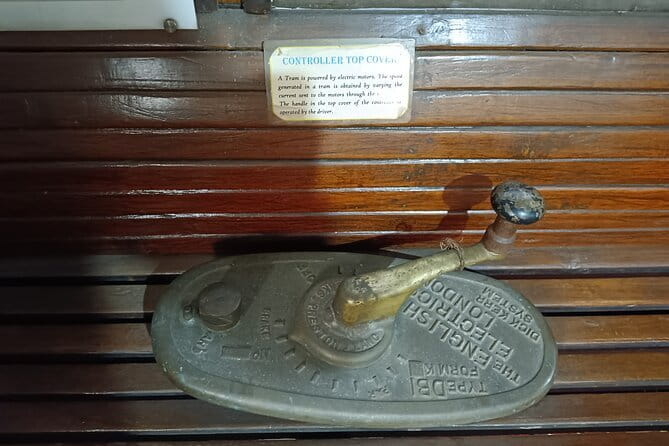
You can also see old tram tickets, tram passes, conductor pens, coins, armlets, conductor caps, a coin exchanger machine, and assorted tram parts. These small objects may be more revealing than a large vehicle. A ticket or coin machine shows how people actually used the system, while a conductor’s cap and tools put a human face on the work.
The museum visit lasts about 30 minutes. That is enough time for a guided overview, but enthusiasts may want longer. If you are especially interested in industrial design, public transport, or old city photographs, this is the portion where you may wish the schedule were less tight.
Still, the museum works because the next step is a ride. The guide does not leave you with static displays. You move from the history of the tram to Kolkata’s current rail network.
The underwater metro between Esplanade and Howrah
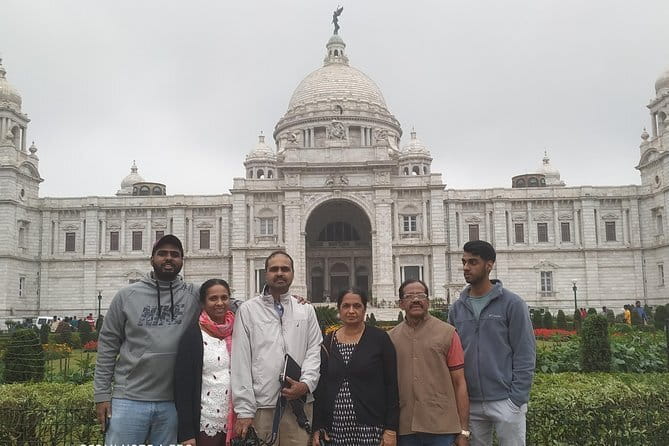
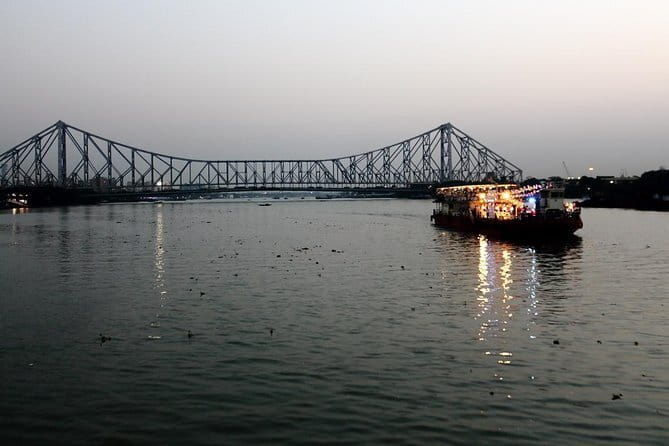
From Smaranika, the group goes to Esplanade Metro Rail Station. The tour includes a ride between Esplanade and Howrah on the underwater metro, described as the first underwater metro rail in Asia.
You spend about an hour on this part of the route, including the journey up and down. It is a sharp change from the wooden tram and its exposed city streets. Here, you see the newer side of Kolkata’s transport story, with the city moving below the river rather than along old surface tracks.
The metro segment is valuable because it gives the tour a clear time contrast. At the museum, you are looking at tickets, conductors, and cars from earlier decades. At the station, you are using a modern rail system built for present-day movement. The tour makes that contrast without needing a separate lecture about urban development.
Keep your expectations practical. This is a transport ride, not a sightseeing cruise with broad views. The interest lies in the engineering idea and the change in atmosphere. The guide’s presence is useful here, especially for keeping the group together during the station and train portions.
The route uses public transport, so you should be comfortable walking through a station and managing a short ride with the group. The tour notes that no more than 10 stairs occur at any one place, with escalators and lifts available otherwise. It is not wheelchair accessible, however, and that limitation should guide your decision.
The heritage tram joyride back to the city
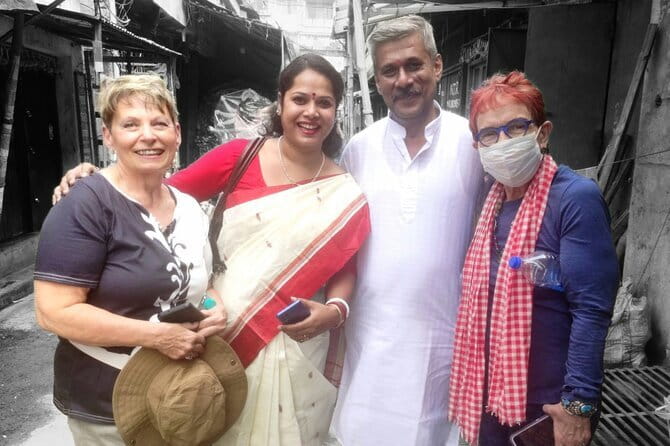
The final major section begins at Esplanade Tram Terminus. You take a heritage tram from Esplanade toward Shyambazar or Gariahat and return, with the route passing more than 25 landmark heritage sites.
This is the most atmospheric part of the afternoon. The tram’s slow movement gives you time to see Kolkata at street level. You are not looking at the city from a sealed tour bus. You hear the carriage, see the conductor at work, and watch ordinary traffic and daily routines pass close by.
The exact branch is listed as Shyambazar or Gariahat, so the route may depend on tram operations. That uncertainty is worth accepting. A working historic system does not always behave like a museum timetable, and the appeal is partly in riding a living piece of the city.
The joyride lasts about an hour. That is long enough to settle into the carriage and watch the central streets unfold, but it also means the tram portion is not just a quick photo stop. The route includes more than 25 heritage landmarks, though the tour information does not name each one.
One named site is Thoburn Memorial Methodist Church, founded in 1873 by Reverend Dr. J. M. Thoburn. It is described as the largest Methodist church in Calcutta and is included among the heritage sights passed on the route.
The tram returns you to the original meeting point. That makes the end simple, especially if you have plans for the evening in central Kolkata.
What the $80 price includes
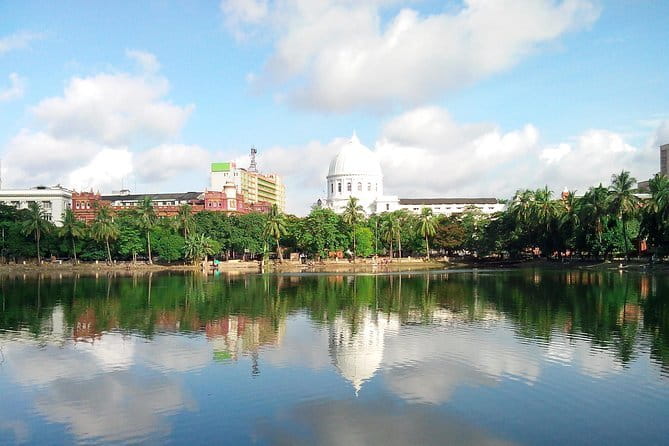
At $80 per person, this is not the cheapest way to ride a tram or metro. You could use Kolkata’s public transport independently for far less. The price makes more sense if you value the guide, the connected history, the museum admission, the sweet tasting, and the planning required to link several sites in one afternoon.
The fee includes coffee or tea, snacks, bottled water, soda or pop, all fees and taxes, the tram museum admission, the metro ride, and the heritage tram ride. Guide languages are English, Hindi, Bengali, and Urdu.
For me, the strongest value is the variety. In four hours, you get food, religious architecture, a former colonial government residence, a specialist museum, an underwater metro ride, and a historic tram journey. That is a lot of different material, even if no single stop receives a long, unhurried visit.
The price is harder to justify if your main goal is simply a leisurely tram ride. In that case, the museum and walking stops may feel like extras. It is also less appealing if you prefer to explore independently or already know central Kolkata well.
Who should book this tour
I would recommend it to first-time visitors who want a structured introduction to central Kolkata and anyone with a particular interest in public transport. Families with older children may also enjoy the clear contrast between the old tram and the underwater metro, provided everyone can manage the walking and station sections.
It suits people who like short historical stops rather than long museum visits. You should be happy to keep moving, listen to explanations, and share the experience with a group of up to 15 people.
The tour is less suited to anyone needing wheelchair access, anyone looking for a private vehicle throughout, or anyone wanting a slow, highly detailed study of each building. It also requires good weather. If poor weather causes cancellation, you are offered another date or a full refund.
Free cancellation is available if you cancel at least 24 hours before the start time. Changes or cancellations made less than 24 hours ahead are not accepted for a refund.
My take: an excellent old-and-new Kolkata pairing
I like the way this tour uses transport as its organizing idea. The mosque, church, and Raj Bhavan give you historical context, but the tram and metro make the afternoon memorable. Haris’s role is especially important because the route needs someone to explain why a conductor’s coin machine, a 1938 wooden tram, and an underwater railway belong in the same story.
The sweet tasting and included refreshments add comfort, while the small group keeps the public-transport sections manageable. The main caution is value: $80 is a considered purchase in Kolkata, and you should book only if you want the guided combination rather than a basic ride.
If you want to understand how Kolkata connects its past with its present, I would book it. If you want a quiet museum visit or a private sightseeing vehicle, choose another kind of outing.
FAQ
Where does the tour begin?
It begins at K. C. Das, 11A&B Central Avenue, Esplanade, Chowringhee North, Bow Barracks, Kolkata, West Bengal 700069, India.
What time does the tour start?
The scheduled start time is 1:00 pm. Pickup is offered approximately 45 minutes before the tour.
How long does the tour last?
The experience lasts approximately four hours.
Does the tour return to the starting point?
Yes. The activity ends back at the K. C. Das meeting point.
Which languages does the guide speak?
The guide is available in English, Hindi, Bengali, and Urdu. Guide Haris is identified as one of the guides for this experience.
Is private transportation included?
No. Private transportation is not included, although pickup is offered.
Is the tour wheelchair accessible?
No. The tour is not wheelchair accessible. There can be up to 10 stairs at a given place, while escalators and lifts are available otherwise.
What is the cancellation policy?
You can cancel at least 24 hours before the start time for a full refund. Cancellations or changes made less than 24 hours before the start time are not accepted for a refund. If poor weather cancels the tour, you are offered another date or a full refund.
More History Trips in India
- 1-Day Private Tour to Agra with 3 UNESCO world Heritage from Delhi by Train
★ 5.0 · 9 reviews - Prague: Hop-on Hop-Off Historical Tram Ticket for Line 42
★ 4.1 · 1,702 reviews - The Hague: Hop-on Hop-off Heritage Tram Tour
★ 4.5 · 1,311 reviews - Puffing Billy Railway: Heritage Steam Train Journey
★ 4.6 · 1,195 reviews
Just added around India
- Agra Day Trip from Delhi Taj Mahal and Agra Fort by Train★ 5.0 · 2 reviews
- Same day Agra tour from Delhi by express train★ 5.0 · 5 reviews
- Taj Mahal by Superfast Train Gatimaan Express★ 5.0 · 3 reviews
- Private Tour of Taj mahal from Delhi by Train in 90 Min★ 5.0 · 46 reviews
- All Inclusive Luxury Taj Mahal Tour from Delhi by Express Train★ 5.0 · 51 reviews
- Private Tajmahal Day Tour From New Delhi By Gatiman Express Train★ 5.0 · 14 reviews
- Taj Mahal and Agra Fort tour By Superfast Train from Delhi★ 4.5 · 3 reviews
- Taj Mahal same day luxurious Tour by Superfast Train from Delhi★ 5.0 · 27 reviews
India Train Tours, compared.
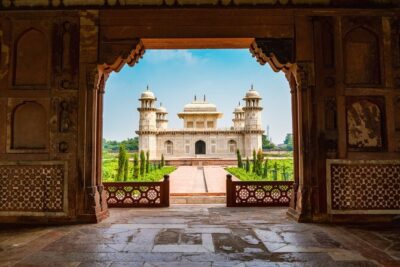
Taj Mahal Tour from Delhi by Express Train (Viator Award Winner)
Read our review →
Taj Mahal, Agra Fort, Baby Taj Tour from Delhi by Superfast Train
Read our review →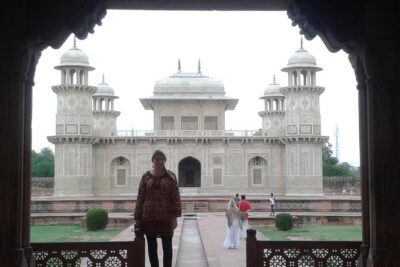
Delhi to Agra and Taj Mahal Private Day Trip by Express Train with Lunch
Read our review →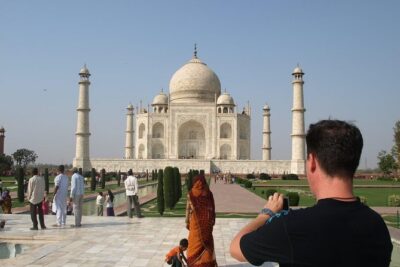
Taj Mahal & Agra Tour by Gatimaan Express Train
Read our review →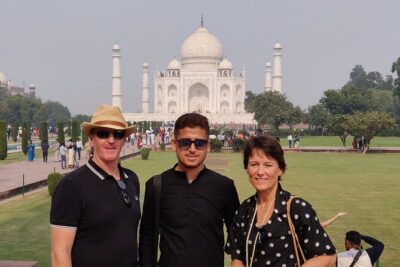
All Inclusive Taj Mahal & Agra Tour by Superfast Train From Delhi
Read our review →
Delhi to Agra Taj Mahal Private Day Trip by Superfast Train
Read our review →
Jaipur Day Trip from Delhi by Car or Train – All Inclusive
Read our review →
Private Taj Mahal & Agra Day Tour by Superfast Train From Delhi
Read our review →Browse the lists this tour appears in