
REVIEW · CITY
Valparaiso: Street Art, Funiculars and Port City Tour
Valparaíso makes its best impression from the hills, where street art covers walls, stairways, and entire facades and old funiculars connect the port with steep neighborhoods. This two-hour tour gives you that quick lift, both literally and culturally, without sending you off on a long day trip from Santiago.
I like the ride on El Peral funicular and the guide’s use of old photographs to show how the city has changed. I also like the personal side of the walk: guides such as Alex and Grex are connected with artists, shopkeepers, and residents, so the murals come with stories instead of just photo stops. The main drawback is the pace. Two hours covers a lot of ground, and steep streets, stairs, and uneven walking make this a poor fit for anyone with mobility limits.
Key points at a glance

- Ride El Peral funicular: Reach Cerro Alegre by one of Valparaíso’s historic hillside lifts, with views across the port and bay.
- Read the murals properly: Guides explain the artists, symbols, and social ideas behind the street art in Pasaje Gálvez and nearby lanes.
- Use old photographs as a time machine: Compare past and present Valparaíso in the squares and viewpoints you visit.
- Taste a local alfajor: The included Chilean cookie supports a local maker and adds a small but welcome food stop.
- Walk through several cultural districts: Cerro Alegre, Cerro Concepción, Paseo Atkinson, Paseo Dimalow, and the port all appear in one compact route.
- Get practical help at the end: Your guide can suggest restaurants and explain how to return to the starting area.
Why this short Valparaíso tour works
Valparaíso is not a city you understand by ticking off one church or one viewpoint. Its appeal comes from the mix: a working port below, steep hills above, aging houses, colorful paint, grand public buildings, and art that changes as you turn into another narrow passage.
This tour handles that mix well. You begin at Muelle Prat, walk through the port district, climb by funicular, and then spend most of the time in the hill neighborhoods. The route gives you a useful first look at the city before you decide where to return on your own.
The guide matters here. The best guides on this experience, including Alex, Benjamin, Maria, Grex, and Cristóbal, are praised for making the walk feel personal and easygoing. Alex is especially associated with a folder of historic photographs, detailed mural explanations, and introductions to local artists and shopkeepers. Guide assignments can vary, so you should not assume you will receive a particular person.
At $41 per person, the value rests mainly in the guide rather than the transport. You get the funicular tickets and an alfajor, but this is not a food tour and it is not a long sightseeing excursion. You are paying for orientation, local context, and a carefully connected walk through places that can be hard to interpret alone.
More Funicular and Mountain Railway Rides in the world:
- Montserrat & Cogwheel Train, Gourmet Wine Tasting & Tapas/Lunch
★ 5.0 · 6,290 reviews - Lucerne: Mt. Pilatus Cable Car, Cogwheel Train & Lake Cruise
★ 4.7 · 2,338 reviews - Krakow: Zakopane, Funicular, Cheese, and Highland Day Trip
★ 4.7 · 1,489 reviews
Starting at Muelle Prat and the working port
Your meeting point is around the two cannons at Prat Pier, close to the Tourist Information Office. This is a practical place to begin because it puts you beside the port and near the central sights.
The first port stop gives you a sense of Valparaíso as a maritime city rather than only an open-air art gallery. You see the bay, the waterfront, and the hills rising behind the city. The view is attractive, but the guide’s explanation helps you understand why the port has shaped Valparaíso’s streets, commerce, and architecture.
From there, you walk toward the square and compare old images with the city in front of you. This is one of the tour’s most useful touches. Instead of treating old buildings as isolated monuments, the photographs show how streets and neighborhoods have changed over time.
Sotomayor Square and the city’s public face
Sotomayor Square is a broad civic space surrounded by important buildings. The monument here is one of the central visual markers of the city, while the nearby fire department building and Chilean Navy Headquarters give the square a formal, institutional character.
The visit to the fire department building is brief, but it adds another layer to Valparaíso’s identity. The route also passes part of the financial street, helping you see how offices and public buildings fit beside the port and tourist areas.
I like this early section because it keeps the tour from becoming a simple mural hunt. You see the official city first, then move into the more informal hill districts where art, small businesses, and old homes shape the experience.
El Peral funicular and the first hilltop views

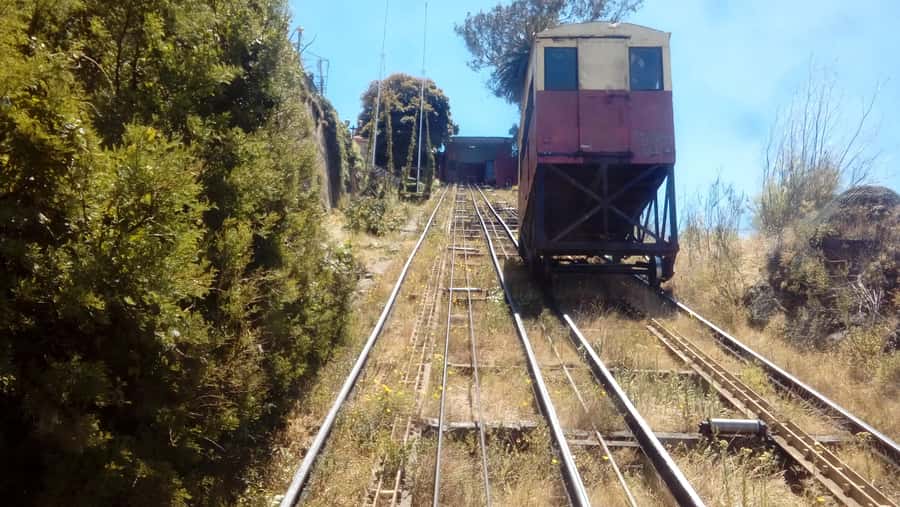
The ride on Ascensor El Peral is the tour’s most practical piece of transport. Rather than laboring up the steep lower slopes, you are carried toward the hills and arrive near Paseo Yugoslavo in Cerro Alegre.
The funicular system dates from the early twentieth century and remains one of the clearest symbols of how Valparaíso adapted to its terrain. The ride is short, but the change in elevation is noticeable. From above, you begin to see the bay, roofs, church towers, and layered hills in one view.
The route description also includes Ascensor Concepción, although the exact operating details can vary. Historic funiculars may have changing schedules or access conditions, so treat the rides as a key feature, not the only reason to book. Entry tickets are included.
At this point, the walk becomes more demanding. You will use narrow streets, passages, steps, and hillside promenades. The tour is not described as physically demanding by one recent booking, but the official guidance excludes people with mobility impairments, pregnant women, and people with altitude sickness. That advice is worth taking seriously.
Same tracks, a very different ride:
- Bangkok: Damnoen Saduak Market and Maeklong Railway Market
★ 4.5 · 26,723 reviews - Mt Fuji and Hakone 1-Day Bus Tour Return by Bullet Train
★ 5.0 · 26,383 reviews - The Old Siam: Damnoen Saduak and Maeklong Railway Market
★ 4.5 · 10,992 reviews - Bangkok: Train Market & Floating Market with Boat Ride
★ 4.7 · 9,547 reviews
Paseo Yugoslavo and Pasaje Bavestrello
Paseo Yugoslavo offers one of the first broad hilltop views. It is a good place to pause and understand Valparaíso’s unusual shape, with the port below and the hills folding upward behind it.
Pasaje Bavestrello brings a different mood. The passage reflects the city’s Italian heritage and the way residents shared community life in earlier periods. This is the sort of stop that benefits from a guide because the physical setting alone may not explain its cultural importance.
You also pass small shops, galleries, cafes, restaurants, and places selling crafts, jewelry, magnets, and other souvenirs. The tour does not build in a long shopping break, but your guide can point out places worth revisiting after the walk.
Pasaje Gálvez, where the walls do the talking
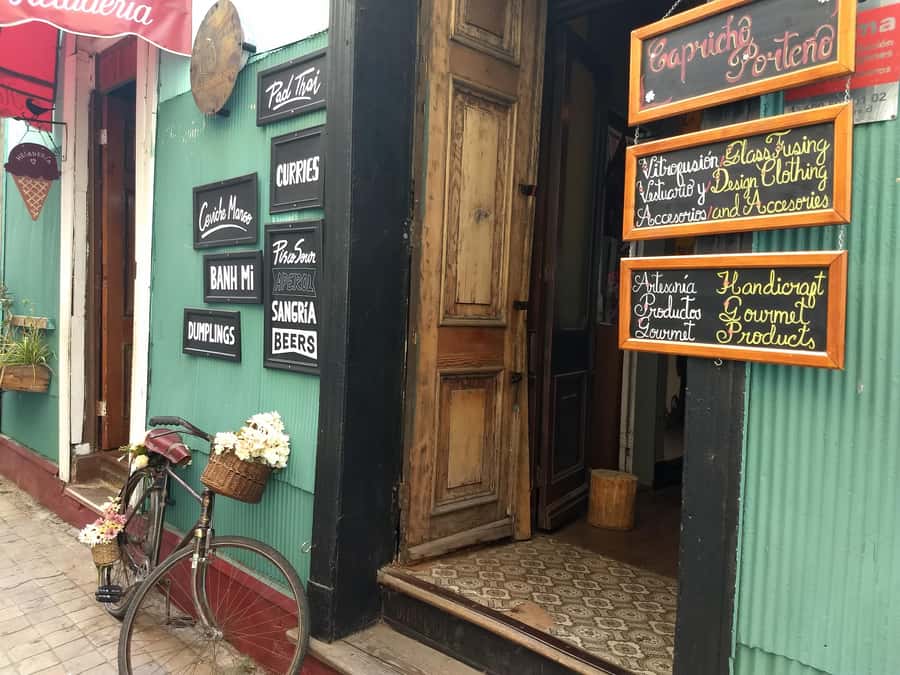
Pasaje Gálvez is the main street-art section, with around 30 minutes set aside for murals and public art. This is the heart of the experience.
The walls are not treated as simple decoration. Guides explain styles, artists, meanings, and the social comments contained in the work. That context changes what you see. A painted figure, political image, or playful design becomes part of a conversation about Chile and Valparaíso rather than a colorful background for a photograph.
Several people who booked the tour especially valued introductions to local artists and visits to workshops or galleries. Those encounters are not guaranteed at every departure, but the guides’ local connections are one of the experience’s strongest features.
You also pass the famous colorful stairs connected with Calle 13’s song Latinoamérica. This is a quick but memorable photo stop, and it fits the city’s habit of turning ordinary stairways into public art.
At Paseo Gervasoni, you get another viewpoint and a chance to compare the dense hillside streets with the open water beyond them. Ascensor Concepción is included in the route, giving you another look at the transport system that links the hills with the lower city.
Paseo Atkinson and Valparaíso’s European influences
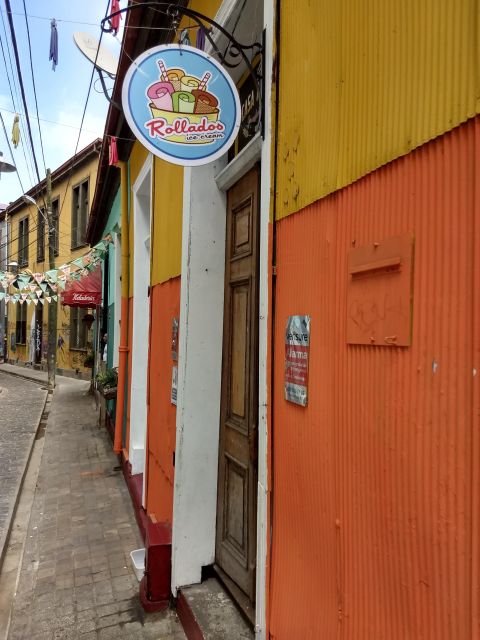
Paseo Atkinson shows a more residential side of the hills. Its houses and gardens reflect the British influence that helped shape parts of Valparaíso, while the nearby Deutsche Schule points to the city’s German community.
The route also passes Brighton Restaurant, known for its terrace and views toward the city and sea. You do not stop for a meal as part of the tour, and food and drinks beyond the included alfajor are extra. Still, this is a useful place to note if you want a seafood lunch or a drink with a view afterward.
Pastor Theodor Schmidt passage recalls the German pastor connected with the Lutheran Church. Nearby, the Hotel Manoir Atkinson illustrates building methods used to protect large walls from Valparaíso’s changing weather. These details help explain why the hills contain such a mix of grand homes, narrow lanes, gardens, and improvised-looking additions.
The Piano Staircase and two historic churches
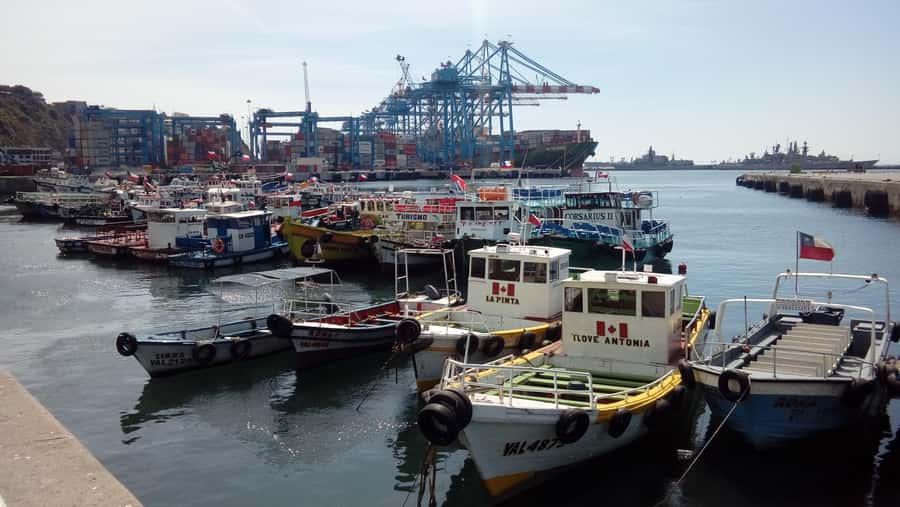
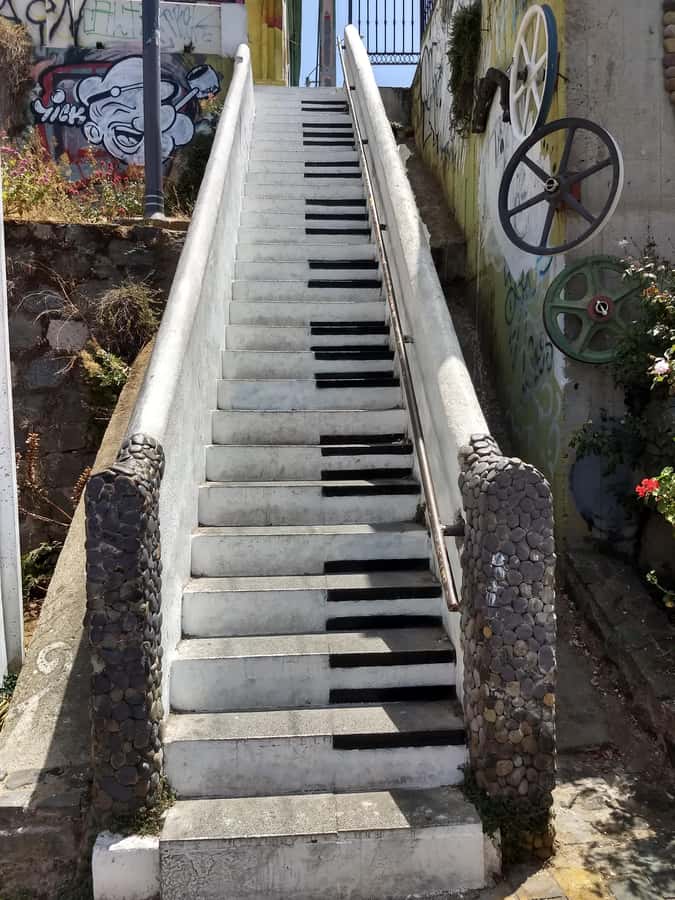
The Piano Staircase is one of the tour’s most recognizable art features. Its painted steps turn an ordinary climb into a public installation, and the stop gives you a good example of how art is built into daily movement around the hills.
The Lutheran Church of the Holy Cross, dating from 1897, represents the German presence in the city. The Anglican Saint Paul Cathedral was among the early churches built in the hills, helping maintain a shared community for residents living above the port.
These church stops are brief, usually about five minutes each. Do not expect an interior tour or a long architectural lecture. Their value is in the wider story: Valparaíso’s hillside neighborhoods were shaped by several immigrant communities, faiths, and building traditions.
Paseo Dimalow and the final murals
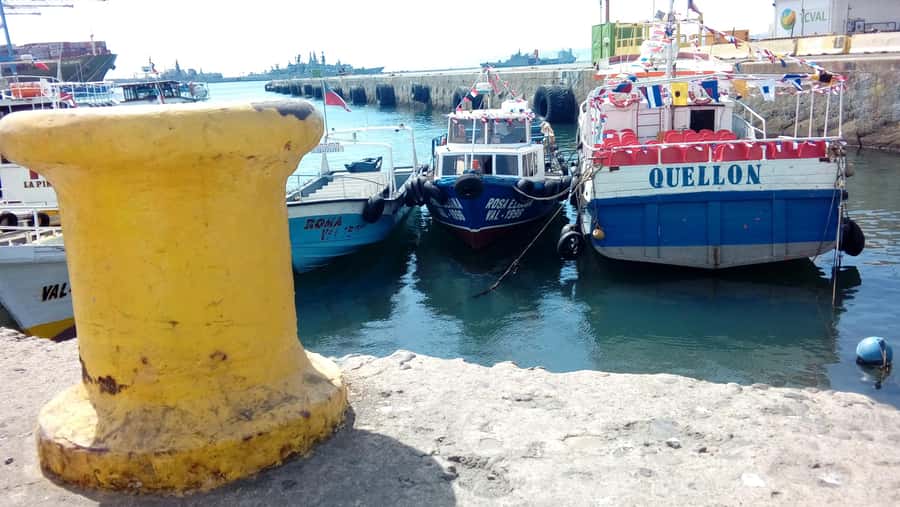
The walk continues along Paseo Dimalow in Cerro Alegre, another good viewpoint over the hills. Your guide can also point out restaurants in the area, which is helpful if you want to stay for lunch or dinner after the tour.
The final art stop is the mural titled We are not hippies, we are happies. It captures the playful, self-aware spirit found in much of the city’s public art. You finish near Ascensor Reina Victoria, rather than returning to Muelle Prat.
That ending matters. Your guide explains how to get back to the starting point and can suggest places to eat. Some guides have even walked with participants for part of the way when they felt extra help was needed. Still, you should ask clearly for directions before separating, especially if you need to return to a ship, hotel, or transport connection.
What the guide adds to the experience
The repeated praise for this tour centers on the guides’ local ties and ability to explain art in plain language. Alex is described as warm, patient, and especially strong on mural history and Chilean context. Benjamin is praised for mixing humor with clear explanations, while Maria is noted for making people feel comfortable asking questions.
Grex is associated with artist connections and an easygoing style. Cristóbal has guided lively conversations about the city and its buildings. These names give you an idea of the team, but the person leading your departure may be different.
The guide also helps with safety and orientation. Valparaíso’s hills can feel confusing, with lanes that twist, stairs that change direction, and public art tucked into side passages. The group format lets you see more confidently, though you should still stay with the guide and follow local advice.
Who should book it?
This tour suits you best if you want a compact introduction to Valparaíso’s art and hill neighborhoods. It works well for first-time visitors, cruise passengers with limited time, couples, families with older children, and small groups that want personal explanations rather than a large bus tour.
It is also useful if you are staying in Santiago and considering a much longer organized trip to Valparaíso. A two-hour walk cannot replace a full day in the region, but it gives you a focused taste of the port, hills, funiculars, art, and food.
You should think twice if stairs are difficult, if you need a slow pace, or if you want a relaxed food experience. The tour covers many stops in two hours, so it is more of a brisk orientation than an unhurried afternoon.
Final verdict: good value for the right visitor
Book this tour if you want Valparaíso explained as a living city, not just photographed as a colorful one. The funicular rides, old photographs, mural stories, artist connections, alfajor, and practical restaurant advice make the $41 price reasonable for a first visit.
Skip it if you prefer to wander alone, spend long periods in galleries, or avoid steep streets and stairs. For most visitors who want a safe, well-organized introduction to the hills, this is a smart way to get your bearings before exploring more on your own.
FAQ
Where does the tour start?
The tour starts at Muelle Prat, near the two cannons and the Tourist Information Office.
Where does the tour finish?
It finishes near Ascensor Reina Victoria.
How long does the experience last?
The tour lasts two hours.
Are funicular tickets included?
Yes. Entry tickets to the funiculars are included.
Is food included?
An alfajor made by local people is included. Additional food and drinks are not included.
Which languages are available?
Live guiding is available in English, Chinese, French, and Portuguese.
Is this a private tour or a group tour?
Private and small-group options are available.
Can I cancel the booking?
You can cancel up to 24 hours in advance for a full refund. You can also reserve now and pay later.
Just added around the world
- Zurich: Audio Guided City Tour and Train to “Top of Zurich”★ 4.2 · 65 reviews
- Zermatt Village & Gornergrat Railway Tour | From Bern★ 5.0 · 2 reviews
- Zagreb: Plitvice With Secured Tickets, Boat And Train Ride★ 4.6 · 15 reviews
- Zagreb: Private Walking Tour with Funicular Ride & Transfers★ 5.0 · 2 reviews
- York Day Rail Tour from London including Hop-on Hop-off tour★ 5.0 · 3 reviews
- Xi’an: Maiji Grottoes & Fuxi Temple Day Trip by Bullet Train★ 5.0 · 2 reviews
- Zagreb: Group walking tour of Zagreb (funicular included)★ 4.9 · 16 reviews
- Winter Tour Viking Village, Nærøyfjord Cruise & Flåm Railway★ 4.6 · 26 reviews
City Tours, compared.
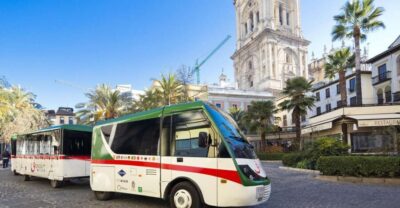
Granada City Train 1 or 2-Day Hop-On Hop-Off Ticket
Read our review →
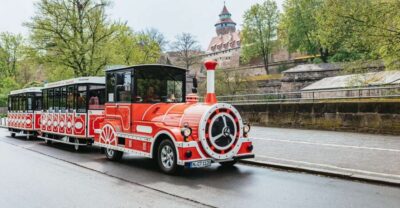

Würzburg: City Tour with the Bimmelbahn Train
Read our review →
Regensburg: City Tour with the Bimmelbahn Train
Read our review →
Hanoi City Tour Highlight, Train Street Combine visit Countryside
Read our review →
EasyCityPass | City Card | Bus Metro Tram | Savings
Read our review →
Browse the lists this tour appears in