
REVIEW · POLAND
Warsaw: Tour to Krakow and Auschwitz by Train with Pickup
Auschwitz and Birkenau are the heart of this long day from Warsaw. You visit both parts of the former Nazi camp complex with an English-speaking guide, then get several hours to walk Krakow’s UNESCO-listed Old Town. The contrast is stark, and that is exactly what gives this trip its weight.
I like the careful door-to-door planning and the fact that a driver helps you find the right train, waits until you board, and meets you again at the other end. I also like the three-hour pause in Krakow, enough for the Main Market Square, a meal, and a quick look at Wawel Hill. The drawback is simple: this is a very long, tightly timed day, and lunch can be rushed.
Key points at a glance
- A full day from hotel lobby to hotel lobby: Expect roughly 16 to 17 hours, often with an early morning pickup and a late return.
- A 3.5-hour guided visit: The tour covers both Auschwitz I and Auschwitz II Birkenau with an English-speaking guide.
- Three hours in Krakow: You have time for the Main Market Square, St. Mary’s Basilica, Cloth Hall, and a walk toward Wawel Hill.
- Hands-on transfer help: Drivers assist at the Warsaw and Krakow train stations, a big help when the schedule changes.
- Bring food and water: Lunch is not included, and the gap between the two camp visits may be too short for a relaxed meal.
- Prepare for walking and emotion: Comfortable shoes are essential, and the tour is not suitable for wheelchair users or people with limited mobility.
Why Auschwitz and Krakow belong on the same day
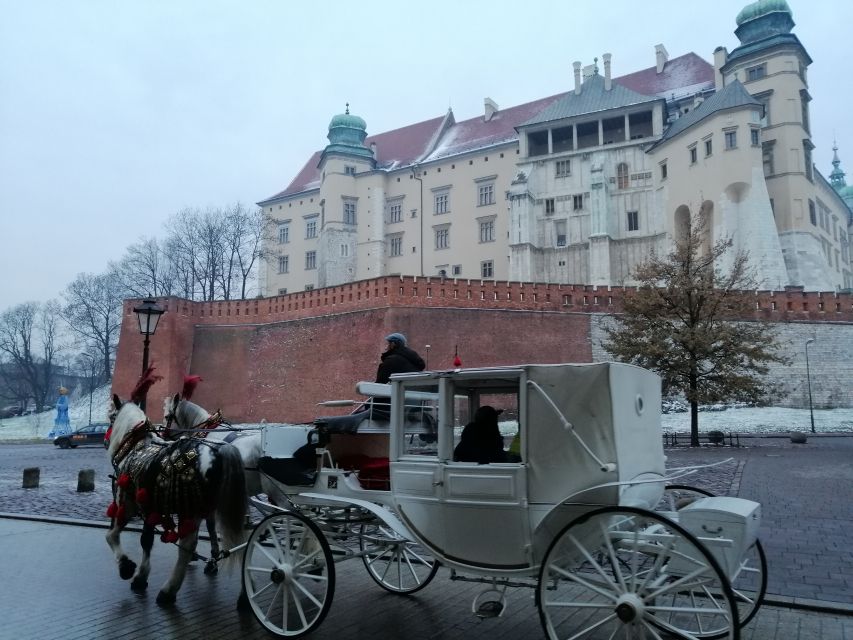
This trip brings together two very different Polish experiences. Auschwitz and Birkenau confront you with the machinery and human cost of the Holocaust. Krakow offers medieval streets, churches, cafés, and the former royal center at Wawel. The shift can feel abrupt, but it also places Poland’s wartime past beside the older city that survived it.
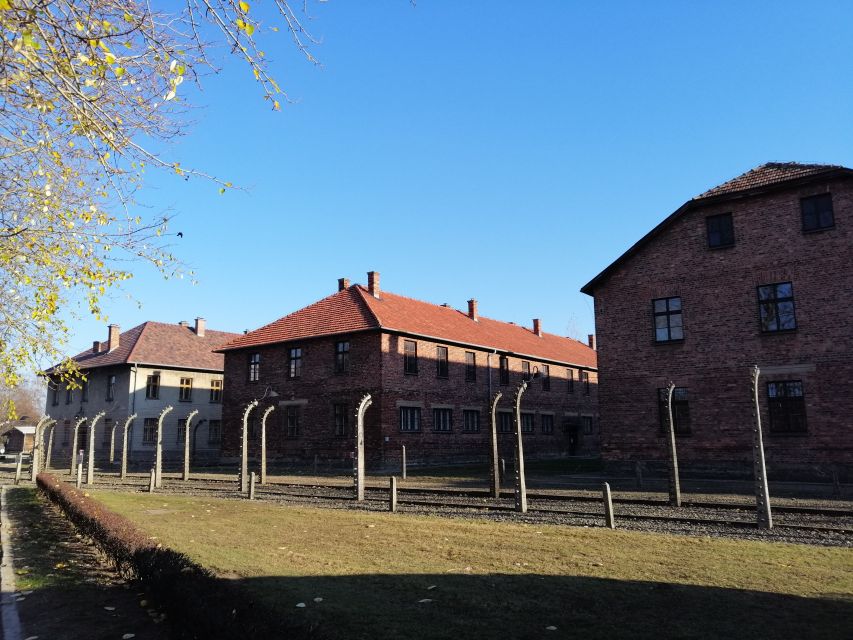
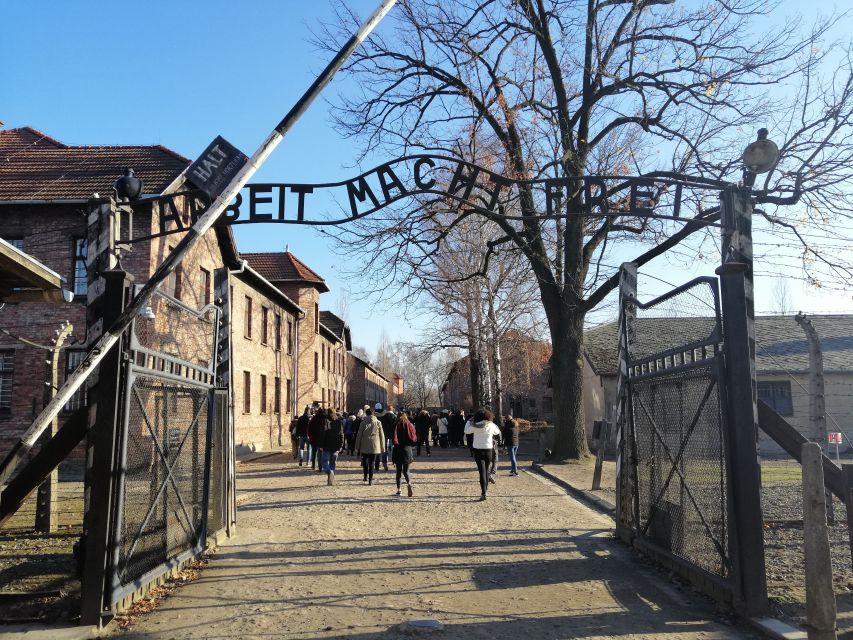
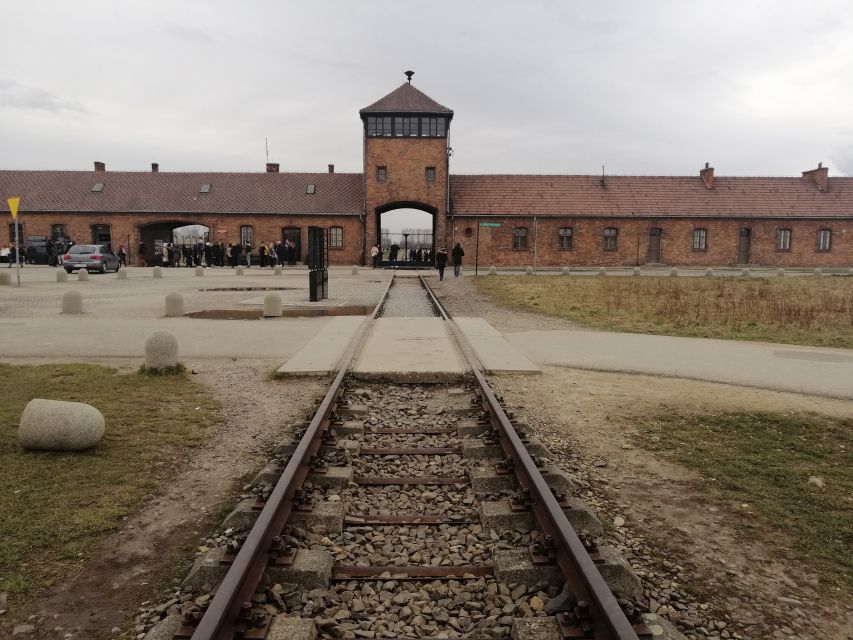
At Auschwitz, you learn how German Nazis established the camp outside Oswiecim in 1940. The former camp now operates as a museum, with buildings, objects, and evidence of the genocide. A film made after liberation is shown in several languages, adding historical context before you continue to Birkenau.
Birkenau, also called Auschwitz II, was created in 1941. Between 1942 and 1945, about 1.5 million people lived and died there. Around 90 percent were Jewish, while other victims included Poles, Roma, Russians, and prisoners from 28 European countries. The Auschwitz-Birkenau site received UNESCO World Heritage and National Heritage status in 1979.
I would not treat this as a sightseeing stop in the usual sense. The guide’s role is important because the place is large, the subject is difficult, and many details are easy to miss on your own. Guides such as Damian, Anja, Eugeniusz, Lidia, and Peter have led groups on this route, and the strongest reports describe clear, respectful explanations and a serious approach to the subject.
More Train Tours in Poland:
- Krakow: Zakopane, Funicular, Cheese, and Highland Day Trip
★ 4.7 · 1,489 reviews - Krakow to Zakopane: Funicular, Tasting and Thermal Baths Day Trip
★ 5.0 · 1,189 reviews - ZAKOPANE & THERMAL SPRINGS, Funicular, Cheese Tasting
★ 5.0 · 459 reviews
The early start from Warsaw
Your day begins at your Warsaw accommodation. The pickup time depends on your location and the train schedule, so you receive the exact time the day before. Wait in the hotel lobby about 10 minutes early, and look for a driver holding a sign with your last name. Drivers wait only five minutes after the scheduled pickup time.
A private vehicle takes you to the station. This first transfer is more useful than it may sound. Instead of finding the platform, sorting out tickets, and wondering if you are on the correct train, you have an English-speaking driver to help with check-in and boarding.
The train ticket is second class and included in the $209 price. The Polish intercity trains are described as comfortable, and some bookings have offered a paid upgrade to a faster or premium service. That upgrade is not part of the stated package, but it may be offered after booking when the schedule allows. It can mean more sleep in Warsaw and extra time in Krakow.
The train ride itself is the easy part of the day. The more important point is that the transfer is managed for you. Several changes can occur during a day like this, and the operator has sometimes shifted plans from train travel to a direct vehicle transfer when guide availability or train arrangements changed.
Finding your way from Krakow to Auschwitz
At Krakow station, a local English-speaking driver meets you. You then travel by shared transport toward Auschwitz. The change from train to vehicle is one of the points where independent planning can become awkward, especially if you do not speak Polish or if the train arrives late.
Keep your phone available and read the day-before instructions carefully. The meeting details can change with the train departure, and one part of the day depends on getting to the memorial at the assigned entry time. The operator has provided direct assistance when plans changed, but you should still allow no extra sightseeing between the station and the pickup point.
The transport between Krakow and the camps is shared. That keeps the price down, but it also means the schedule is built around the group and the memorial’s visitor service. You do not control the pace of the guided portion or the length of its breaks.
Auschwitz I: evidence, buildings, and a difficult lesson
The first section is Auschwitz I, the original camp established in 1940. Here, the museum presents surviving buildings and evidence of the crimes committed there. The guide explains how the camp was created and how the Nazi system developed.
Expect security procedures and considerable walking. Large bags and luggage are not allowed, so carry only what you need in a small day bag. Bring your passport or ID card, because the name on your booking must match the name on the identification used at entry. The memorial can refuse entry if the names do not match.
The museum material is not easy. You may see personal belongings and other evidence of mass murder. The post-liberation film adds another layer, though this is not a place to rush through while thinking about your next photo or meal. I would give yourself mental space before the visit and avoid packing the rest of the day with anything demanding.
Group tours have a practical benefit here. A guide can connect the buildings and objects to the wider story instead of leaving you to read every panel alone. The tradeoff is that you follow the group’s pace. One guide may speak clearly in a quiet spot, while another may be harder to hear when crowds gather, so tell the guide at once if you cannot hear.
Same tracks, a very different ride:
- From Warsaw Auschwitz and Krakow one day tour by train with pick up and drop off
★ 4.5 · 267 reviews - From Krakow: Zakopane Day Tour with Tasting & Funicular Ride
★ 4.7 · 227 reviews - Zakopane Day Tour from Krakow with Tasting and Funicular ride
★ 5.0 · 171 reviews - From Krakow: Zakopane Tour with Gubalowka Funicular & Museum
★ 4.5 · 80 reviews
Birkenau: scale and open space
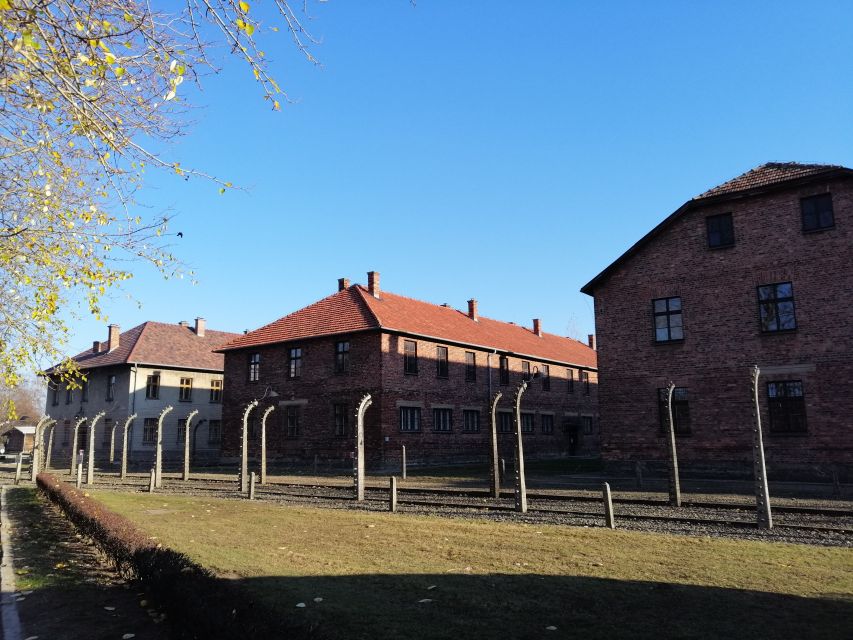
After Auschwitz I, the tour continues to Birkenau. The setting is more open and spread out, which helps you grasp the scale of the camp. It also means more walking, often across large outdoor areas, so comfortable shoes are not optional.
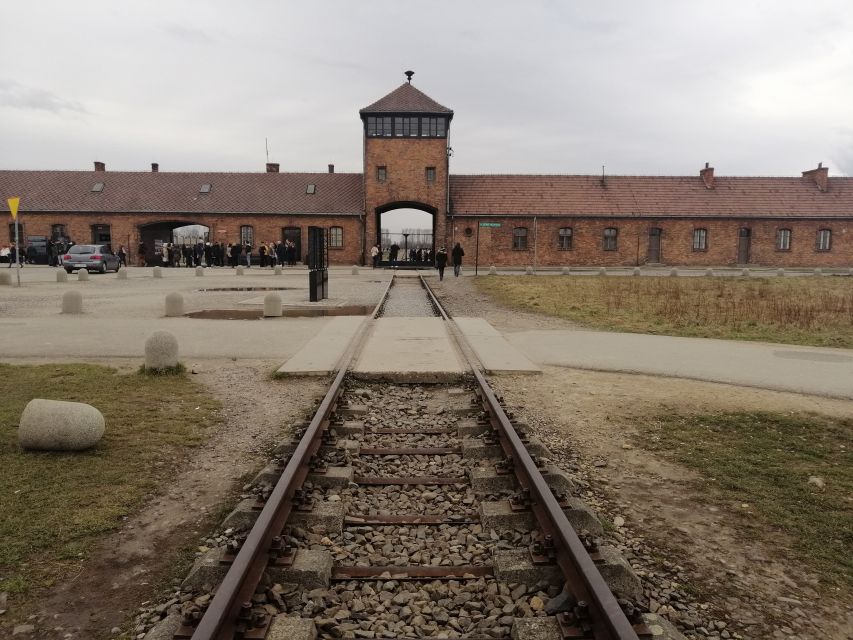
The history here is central to understanding the camp system. Auschwitz II Birkenau was established in 1941, and the site became the place where the majority of the complex’s victims were murdered. The guide explains the function of the camp and the fate of the people sent there.
The full guided visit lasts about 3.5 hours across both sites. That sounds substantial, but it is not enough time to stop at every point or process every detail. I would treat the tour as a structured introduction and memorial visit, not an exhaustive study session. The pace is set by the museum, not by the private operator, and break times can be shorter than you hope.
Some people find the visitor flow frustrating. Large numbers of people may move through the same spaces, and you may have little time for quiet reflection. That is a genuine limitation of a scheduled group visit, but tickets are limited and the guided format is one of the practical ways to gain entry from Warsaw.
The three-hour pause in Krakow
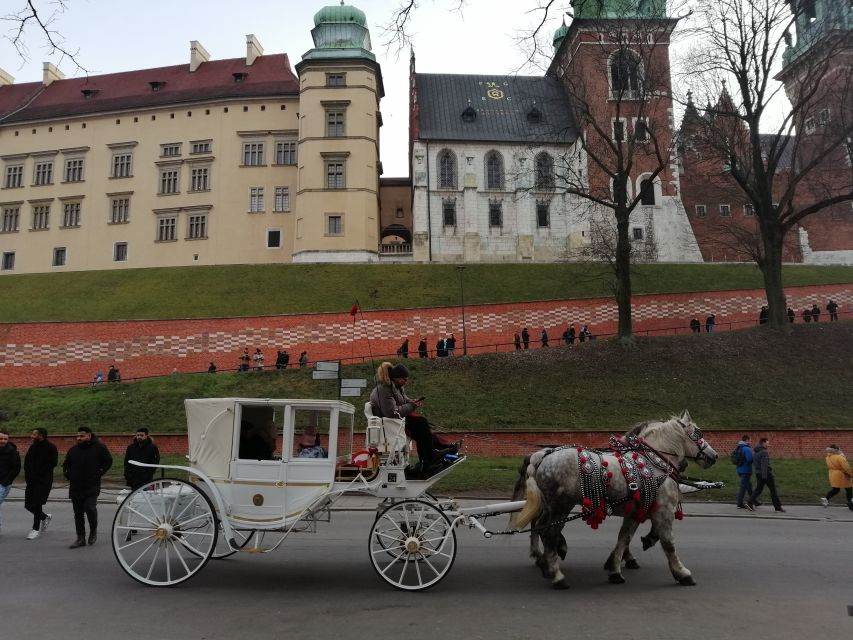
After Auschwitz and Birkenau, the group travels back toward Krakow. The journey is about 1.5 hours, traffic permitting. You then have roughly three hours to explore independently before the evening train back to Warsaw, usually around 8:30 PM.
Three hours is enough for a first look, not a full Krakow visit. Start at the Main Market Square, the largest medieval old town square in Europe. From there, you can see the Town Hall Tower, St. Mary’s Basilica, and Sukiennice, the Cloth Hall. The square is a good place to get your bearings because several major sights sit close together.
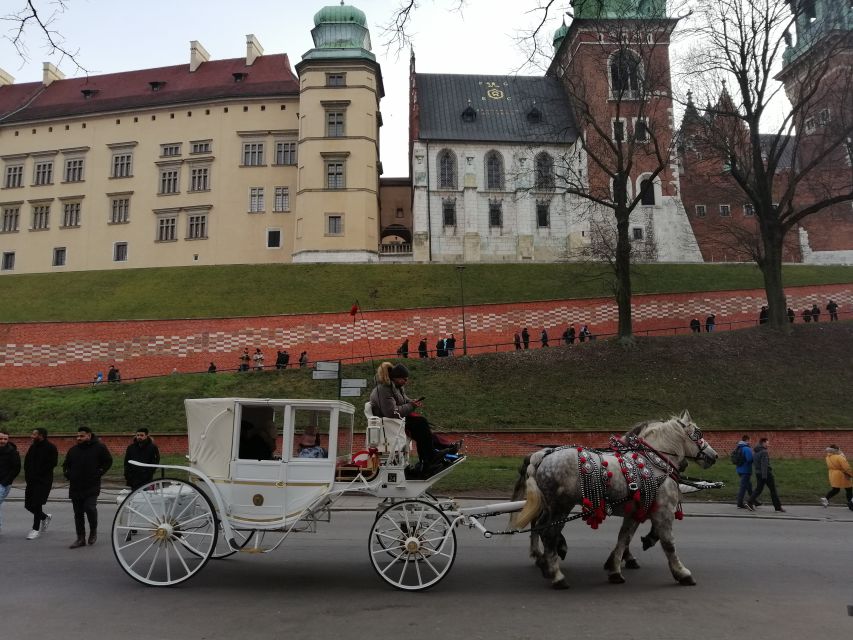
If you have enough time, walk toward Wawel Hill. The cathedral and royal castle are among Krakow’s key landmarks, but this tour does not include a separate guided visit or guaranteed interior admission. You may need to settle for seeing the hill and buildings from outside.
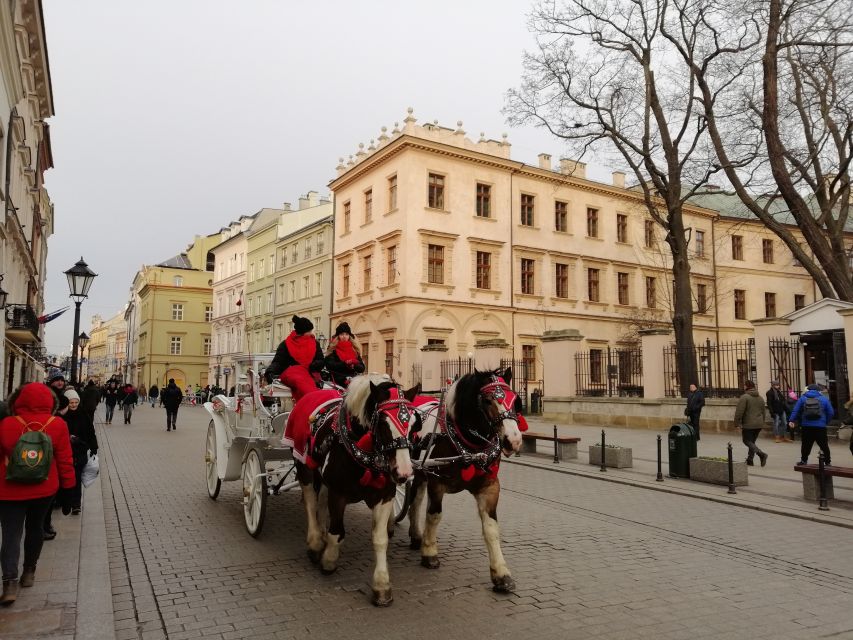
The Krakow Barbican is another worthwhile point near the Old Town. You can also use this break for a Polish meal, coffee, or a short rest. Horse-drawn cabs, historic buildings, bars, and regional restaurants give the city a lighter mood after the memorial visit.
I would not try to do everything. Choose one route through the center, keep an eye on the meeting time, and allow time to reach the station. One useful improvement would be to prepare a short Krakow walking plan before the day, since your free time is independent and no city guide is included.
Food, timing, and the real cost of the day
Food and drinks are not included. The schedule may include time for lunch, but the timing between Auschwitz and Birkenau can be tight. Some people have had no chance to stop for a proper meal before the second camp, particularly when trains were delayed or traffic slowed the transfer.
Bring a sandwich, breakfast box, snacks, and water if your hotel can provide them. This is especially useful in hot weather or during a delayed connection. Do not rely on a leisurely restaurant lunch before the camp visit. Krakow is the better place for a proper meal, but that comes later.
At $209 per person, the value is not just the train ticket. You are paying for hotel pickup and drop-off, station assistance, return second-class intercity rail, shared transport to Auschwitz, museum arrangements, and the guided visit. Booking every piece separately might cost less in some situations, but it would require you to coordinate train times, camp admission, local transport, and meeting points.
The main value is reduced stress. A driver escorts you to the train in Warsaw and meets you at the platform in Krakow. At the end, you are collected from the train platform in Warsaw and taken back to your hotel. That support matters on a 17-hour day when a missed connection could cause a serious problem.
Still, the price does not buy a relaxed pace. You spend much of the day in transit, and the return train can become a weak point if a service is delayed or sold out. One reported problem involved a full return train and a choice between paying extra for another service or waiting two more hours in the cold. The operator has also changed arrangements at short notice when needed, but I would keep some flexibility in your evening plans.
Who should book this day trip
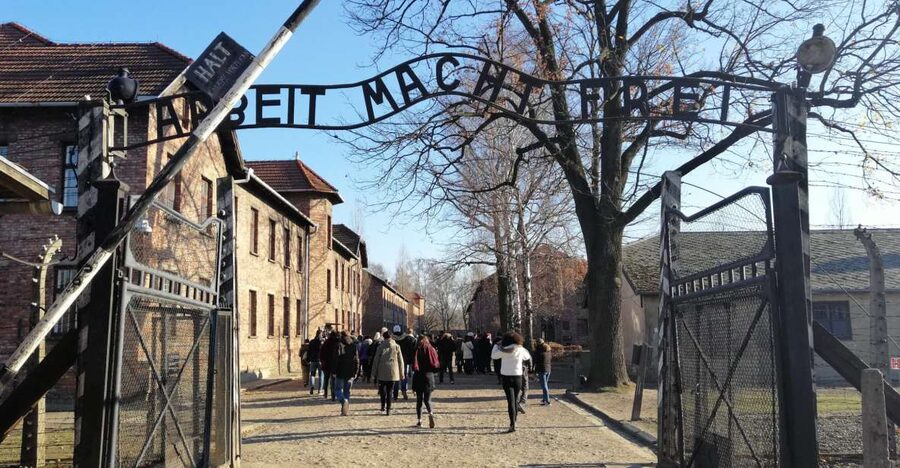
I would choose this tour if you have limited time in Poland and want to see Auschwitz without giving up an entire separate day for Krakow. It suits solo visitors and small groups who want help with the language, stations, transfers, and memorial admission.
It is also a good fit if you value structure. You do not need to figure out how to reach Oswiecim from Krakow, where to meet the camp guide, or how to find your hotel after the late train. The English-speaking drivers and museum guide handle the parts that are easiest to get wrong.
I would hesitate if you dislike early starts, group schedules, or long transport days. The tour is not recommended for people with limited mobility, and it is not suitable for wheelchair users. You should expect outdoor walking at Birkenau, standing, security checks, and a full day on your feet.
The subject matter also deserves an honest warning. Auschwitz is emotionally heavy, and the visit may stay with you long after the return to Warsaw. Krakow offers a useful change of pace, but the city break does not erase the seriousness of the morning.
Should you book this Warsaw to Auschwitz and Krakow tour?
Book it if Auschwitz is a priority and you want the simplest practical route from Warsaw. The strongest parts are the station assistance, clear communication, professional drivers, and the English guided visit at both camp sites.
Before paying, make sure you can manage the 17-hour schedule, confirm every name exactly as it appears on each ID, and plan to carry food and water. If you want a slower visit to Auschwitz or several days in Krakow, stay overnight in Krakow instead. If you have only one open day from Warsaw, this package gives you a meaningful memorial visit plus a useful first taste of Krakow for a fair, if not cheap, price.
FAQ
How long does the Warsaw to Auschwitz and Krakow tour last?
The advertised duration is 17 hours. Pickup is early in the morning, and the return to your Warsaw hotel can be late in the evening.
What is included in the $209 price?
The price includes hotel pickup and drop-off, transfers to and from the train station, second-class round-trip intercity train tickets, shared transport between Krakow and Auschwitz, the Auschwitz and Birkenau visit, and a guide.
Is lunch included?
No. Food and drinks are not included. Bring snacks, water, or a breakfast box because the time between the two camp visits may not allow for a relaxed meal.
How much time do I get in Krakow?
You receive about three hours of free time in Krakow. This is enough for a walk around the Main Market Square and a quick visit toward Wawel Hill, but not enough for a full city tour.
Is the Auschwitz tour guided in English?
Yes. The activity includes a live English-speaking guide, and the guided visit to Auschwitz and Birkenau lasts about 3.5 hours.
Do I need identification?
Yes. Bring a passport or ID card. The full name on your booking must match the name on your identification, or entry to the museum may be refused.
Can I bring luggage?
No large bags or luggage are allowed. Bring only the small amount you need for the day.
Is this tour suitable for wheelchair users?
No. The tour is not recommended for people with limited mobility and is not suitable for wheelchair users. Comfortable shoes are required.
Just added around Poland
- Wroclaw: Private Tour by smal Historic Tram (1,5h, 16 seats)★ 4.8 · 24 reviews
- From Warsaw: Auschwitz-Birkenau Tour with Premium Train Transportation★ 4.0 · 7 reviews
- From Warsaw: Krakow and Auschwitz Day Tour by Train★ 3.5 · 2 reviews
- In 10 days around Poland – by train, with hotels and local tours★ 5.0 · 5 reviews
- Discover Poznan: Walk, Take a tram and have a traditional snack★ 5.0 · 4 reviews
- Zakopane Funicular Hill & Thermal Springs regular tour★ 5.0 · 9 reviews
- Zakopane & Gubalowka Funicular – Private Winter Tour from Krakow★ 5.0 · 10 reviews
- Krakow Zakopane Tour Tatra Mountains and Funicular Car★ 5.0 · 5 reviews
Poland Train Tours, compared.
Zakopane, Funicular, Cheese, and Highland Day Trip
Read our review →
Krakow to Zakopane: Funicular, Tasting and Thermal Baths Day Trip
Read our review →
ZAKOPANE & THERMAL SPRINGS, Funicular, Cheese Tasting
Read our review →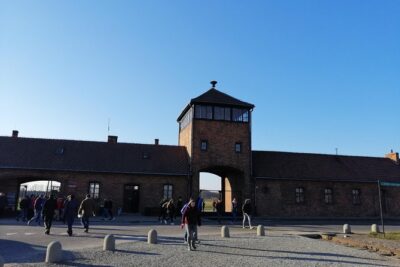
From Warsaw Auschwitz and Krakow one day tour by train with pick up and drop off
Read our review →
Zakopane Day Tour with Tasting & Funicular Ride
Read our review →
Zakopane Day Tour from Krakow with Tasting and Funicular ride
Read our review →
Zakopane: Funicular, Cheese and Highland Highlights
Read our review →Browse the lists this tour appears in