
REVIEW · LONDON
London: Postal Museum Entry Ticket and Underground Rail Ride
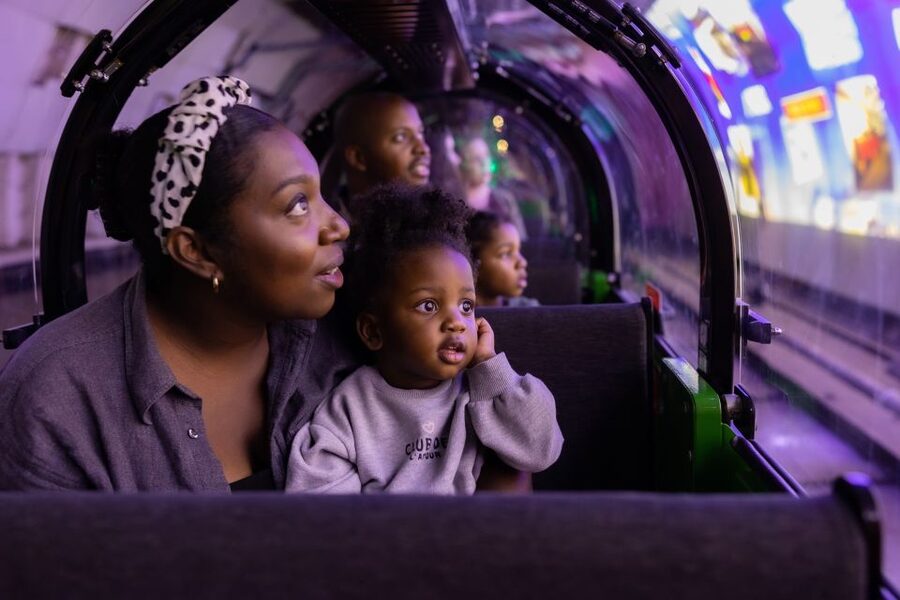
London’s Postal Museum has one great surprise: a 15-minute ride beneath the city in the Post Office’s old underground railway. You board a small train and travel through tunnels that once carried mail across London, with projected films, commentary, and glimpses of a system hidden below busy streets.
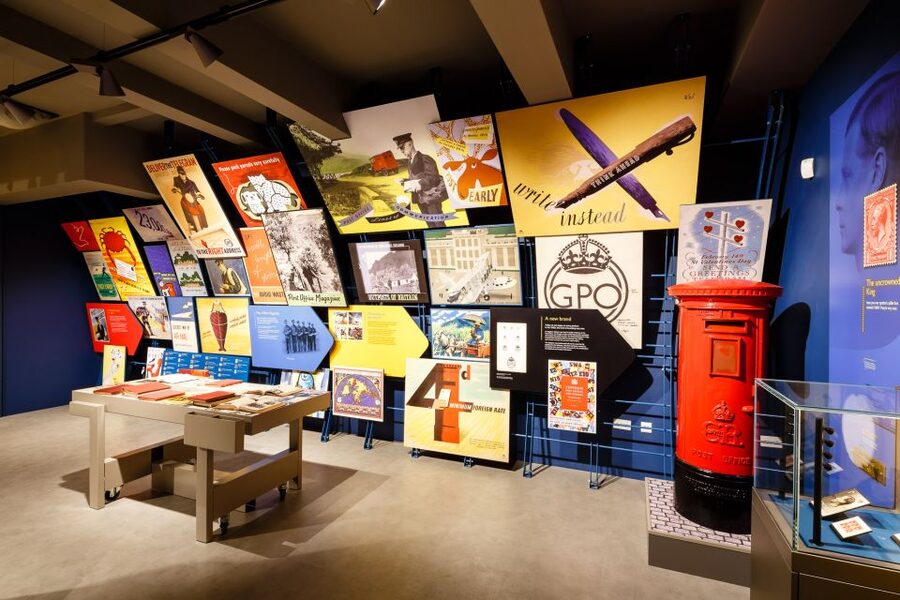
I like the hands-on mail-sorting carriage and the chance to see the first postage stamp, the Penny Black. I also like the way the museum connects postal history with everyday communication, from old post boxes to telephone boxes. The main drawback is that the rail ride is brief, and much of the museum is designed with children in mind. Tall visitors and anyone uneasy in tight, dark spaces should think twice.
Key points at a glance

- Ride through the old Mail Rail tunnels: The miniature train trip lasts about 15 minutes and includes commentary and projected film clips.
- See the Penny Black: The museum displays the world’s first postage stamp alongside objects from more than 500 years of postal service.
- Try the wobbly mail-sorting carriage: A mock-up train carriage shows how workers sorted letters while the floor moved under them.
- Expect strong family appeal: Children can dress up, play educational games, design stamps, and tackle interactive displays.
- Allow extra time: The advertised visit lasts 1.5 hours, but many people need two to three hours to see the museum properly.
- Plan for a short underground ride: The Mail Rail is the main draw, but the museum galleries provide the context that makes the ride worthwhile.
Why London’s old mail railway is worth your time
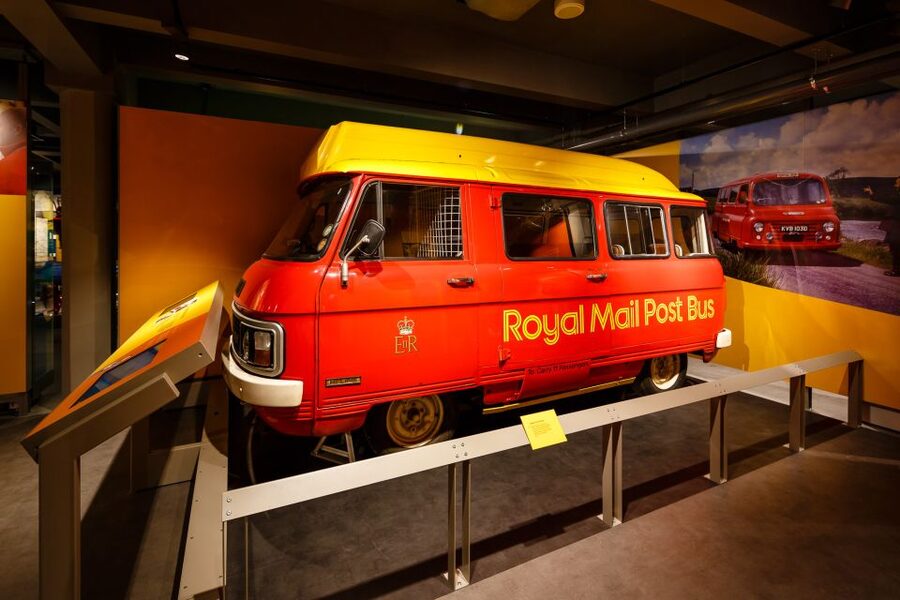
The Postal Museum tells a story most people rarely consider: how a letter moved from sender to recipient before email, mobile phones, and home printers changed daily life. London’s postal system developed over more than five centuries, and the displays show the people, tools, vehicles, and rules that kept it moving.
The Mail Rail makes that story physical. Instead of only reading about underground delivery, you sit in a miniature rail car and pass through the former tunnels used by the Post Office. The journey is short, but it gives you a clear sense of the ingenuity involved in shifting mail beneath a crowded capital.
I would not book this only for a long train ride. Fifteen minutes goes quickly, with stops for projected video material and narration. The real value comes from pairing the ride with the galleries, where you can see how the postal system worked above ground and below it.
The attraction has a rating of 4.6 from 363 ratings, and the most consistent praise focuses on the train ride, staff, interactive displays, and family appeal. The pattern is easy to understand: this is a focused museum with one unusual feature, not a full-day transport museum.
More Museum Visits in London:
- From London: Liverpool FC Stadium & Museum Rail Day Tour
★ 4.8 · 8 reviews - Brussels: Train World Museum Entrance Ticket
★ 4.7 · 524 reviews - Brussels Train World Museum Entrance Ticket
★ 4.5 · 220 reviews
Starting with the Mail Rail experience
The underground railway is usually the first thing I would prioritize. It dates back more than 100 years and was built for the Post Office rather than ordinary passengers. The miniature train carries you through the long-hidden tunnels while commentary explains the railway and its role in moving mail.
The presentation uses projected video clips on the tunnel walls, which adds movement and context without turning the trip into a simple ride in the dark. One especially useful feature is the link between the old railway and the people who worked on it. You get a sense of the system as a workplace, not just as an engineering oddity.
The train ride lasts around 10 to 15 minutes, depending on how the timing is described on the day. That is long enough for children to stay interested and short enough not to become tiring. It is not long enough for anyone expecting a substantial rail tour, so set your expectations correctly.
The carriages are small. One visitor specifically noted that the ride may not suit people who are very tall or uncomfortable with confined spaces. There is also a black-out element in the experience, which can feel slightly startling. If darkness or tight quarters bother you, ask staff for practical advice before boarding.
Bag storage is handled carefully for the rail trip. Bags are placed in separate lockers on the train, and a staff member locks them before the ride, then opens them when you return. That arrangement may feel unusual at first, but it means you are not trying to hold belongings in a compact carriage.
The galleries: more than stamps and envelopes

After the railway, give yourself time for the museum proper. The galleries trace the postal system from its early origins through later changes in communication. They are not packed with endless cases, but the objects are supported by clear explanations and activities that help you understand how the system worked.
The Penny Black is the headline object. Seeing the first postage stamp matters because it represents a major change in how people paid for letters. The museum places this small item within a wider story about access, cost, delivery, and the growth of regular communication.
You will also find flintlock pistols once used to protect the mail from theft. They are a good reminder that carrying letters was not always a quiet or safe job. Mail coaches and postal workers faced real risks, and the museum does a good job of showing the practical problems behind a familiar service.
One memorable display concerns a mail stagecoach horse attacked by a lioness. Details like this prevent the museum from becoming a dry timeline. The postal system depended on animals, vehicles, workers, roads, and buildings, all of which could fail in unexpected ways.
The collection also includes a Victorian miniature rail car that operated on London’s streets. It helps bridge the gap between the underground railway and the more visible parts of the postal network. You can see how transport changed as the Post Office searched for faster and more reliable ways to move letters.
The wobbly sorting carriage
The mail-sorting activity is one of the best parts for adults and children because it turns an unfamiliar job into a physical challenge. You step into a mock-up train carriage and try to sort letters while the floor wobbles beneath you.
That moving floor explains something a written label cannot. Postal workers had to sort mail while trains were in motion, using speed, balance, memory, and accuracy. It is a small activity, but it gives you an immediate sense of why the job required practice.
Children usually get the most out of the dress-up areas, sorting games, and stamp activities. Adults can still enjoy the displays, especially if they remember rotary telephones, old post boxes, or other forms of communication that younger family members may never have used.
The museum also shows the development of post boxes and telephone boxes. These familiar objects become more interesting when you see how they fit into the wider story of public communication. I like this part because it connects national history with things you may have passed on British streets without giving them much thought.
More Tickets in London:
- Christ the Redeemer Entry Ticket by Corcovado Train
★ 4.4 · 4,476 reviews - Granada City Train 1 or 2-Day Hop-On Hop-Off Ticket
★ 3.5 · 3,128 reviews - Lisbon: 72/96-Hour Hop-On Hop-Off Bus, Tram & Boat Ticket
★ 4.4 · 2,170 reviews - Prague: Hop-on Hop-Off Historical Tram Ticket for Line 42
★ 4.1 · 1,702 reviews
How much time should you allow?
The official duration is 1.5 hours, but I would treat that as a minimum for the main experience rather than a firm limit. A quick visit focused on the train and a few galleries can fit that schedule. If you read the panels, try the activities, and stop for the café, two to three hours is more realistic.
Several practical details affect your timing. The Mail Rail ride runs at a scheduled time, so you may have a gap before or after boarding. A delay of around 20 minutes has occurred, and one longer delay was linked to a large group. Build a little flexibility into your London day rather than scheduling a major timed attraction immediately afterward.
You may also find yourself needing longer in the main exhibition than expected. The displays are compact, but the stories invite you to pause. If your children want to try each activity, the visit can stretch well beyond the advertised time.
The museum café offers snacks, refreshments, and tea. It is useful for a break, especially during a family visit, though service and table cleanliness may vary at busy times. If you stop late in the day, allow staff a moment to clear tables and spills.
Is the $24 price good value?
At $24 per person, the attraction is reasonably priced for London, provided you use more than just the train ride. The Mail Rail alone is a short experience, so the admission becomes better value when you explore the galleries and take part in the hands-on displays.
The museum’s range helps justify the price. You get a transport experience, historical objects, educational activities, and family entertainment in one visit. Adults interested in postal or industrial history may find the museum slightly small, while families can easily spend several hours there.
The attraction can also work well when London weather is poor. You have indoor exhibits, a café, and an unusual activity that does not depend on sightseeing conditions. It is especially useful for families looking for something beyond the city’s major art galleries and royal sights.
The museum provides good value for children who engage with the activities. Designing a stamp, sorting letters, dressing up, and watching the rail presentation give them different ways to take part. The educational content is not simply delivered through labels, which keeps the visit moving.
If you are visiting alone and have limited time, I would book it only if the Mail Rail strongly interests you. If you have a free afternoon, the price is easier to justify because you can take in the full story rather than rushing through.
Who will enjoy it most?
Families with school-age children are the clearest match. The museum gives children something to do every few minutes, while adults can read about the development of postal services and communication. The attraction suits a mixed-age group better than a museum made only of display cases.
It also works for adults who enjoy transport systems, engineering, social history, or old technology. The underground railway is the main reason to visit, but the Penny Black, weapons, mail coach stories, and sorting equipment add useful context.
The experience may be less satisfying if you want a large collection or a long underground journey. The museum is not vast, and some galleries are clearly aimed at younger children. On a busy weekend, toddlers may take over popular interactive stations, making it harder for adults to use them.
People who dislike darkness, confined spaces, or very small train cars should consider the physical setting carefully. The ride includes a black-out section, and taller passengers may find the carriage uncomfortable. The museum itself is wheelchair accessible, but the train experience may have its own practical limits, so check with staff before boarding if you need specific assistance.
Simple ways to get more from the visit
Start by checking the Mail Rail departure time and plan the galleries around it. If the railway is the reason you came, you do not want to spend too long reading at the entrance and then rush to board.
Give the museum another look after the train ride. The first pass gives you an overview, but the second pass can make details such as sorting methods, postal protection, and transport equipment easier to understand.
If you are with children, let them lead some of the hands-on sections, then point out one or two objects that connect to modern life. The Penny Black, post boxes, and old telephone boxes are good starting points.
Do not assume the visit ends when the train returns. The gallery activities are where the museum explains why the railway existed and how the wider postal network functioned. The ride is memorable, but the exhibits give it meaning.
Tickets may remain valid for a year, according to the information provided with the experience. That can be useful if you run out of time, though you should confirm the terms when booking. The separate Sorted! Postal Play Space for children aged 8 is not included and must be booked through the Postal Museum website.
Should you book the Postal Museum?
Book it if you want an unusual London attraction with a short underground railway, practical displays, and plenty for a family to handle and explore. The Mail Rail ride is the clear highlight, while the Penny Black, flintlock pistols, Victorian rail car, and wobbly sorting carriage give the museum enough substance to fill out the visit.
Skip it if you want a long train journey, a huge collection, or a quiet adult-only museum. For everyone else, especially families with children and anyone curious about how London worked behind the scenes, the $24 admission is fair. Plan for at least two hours if possible, and treat the 1.5-hour duration as the quick version.
FAQ
How long does the Postal Museum experience last?
The listed duration is 1.5 hours. You may want two to three hours if you plan to explore the galleries, use the interactive displays, and stop at the café.
How long is the underground Mail Rail ride?
The underground ride lasts about 15 minutes, though some descriptions place it at around 10 to 15 minutes.
What is the Mail Rail?
Mail Rail is the Post Office’s former underground railway. The ride takes you through tunnels dating back more than 100 years.
Is the museum suitable for children?
Yes. It includes educational games, interactive displays, dressing-up activities, stamp design, and a hands-on mail-sorting exhibit.
Is the train ride suitable for people who are claustrophobic?
The train travels through confined underground spaces and includes a black-out section. It may not suit people who dislike tight or dark areas.
Is the Postal Museum wheelchair accessible?
Yes, the activity information states that the museum is wheelchair accessible.
Is the café included?
The café is part of the museum facility and sells snacks and refreshments. Café purchases are not included in the entry ticket.
Is Sorted! Postal Play Space included in admission?
No. Sorted! Postal Play Space for children aged 8 is bookable separately through the Postal Museum website.
Can I cancel the booking?
You can cancel up to 24 hours in advance for a full refund.
Can I pay later?
Yes. The booking option allows you to reserve your place and pay later.
Just added around London
- Private Westminster, Whitehall, and Windsor Castle Tour by Train★ 5.0 · 5 reviews
- York Day Rail Tour from London Including Hop-on Hop-off Tour★ 3.0 · 3 reviews
- Oxford by Rail Day Tour with Harry Potter Insights Tour★ 4.5 · 4 reviews
- London to Dublin by Ferry and Rail★ 4.0 · 15 reviews
- Paris by Rail – Sightseeing Bus and Eiffel Tower Champagne Lunch★ 4.0 · 18 reviews
- Paris by Rail with Sightseeing Bus and River Seine Lunch Cruise★ 4.5 · 17 reviews
- Liverpool and The Beatles 2 Day Rail Tour from London with Hotel★ 4.0 · 10 reviews
- Edinburgh, Loch Ness, The Highlands from London – 3 Day Rail Tour★ 4.0 · 40 reviews
London Train Tours, compared.
Paris by Rail with Sightseeing Bus and River Cruise
Read our review →
Edinburgh Rail Trip from London with Castle entry and Hop-on Hop-off bus
Read our review →
Welcome to Paris Day Trip from London via Train
Read our review →
Paris Explorer Rail Tour from London with Paris Sightseeing Bus
Read our review →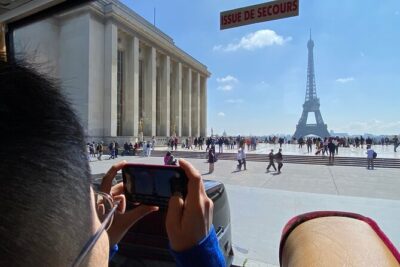
Guided Paris Day Trip from London by Train with Seine Cruise
Read our review →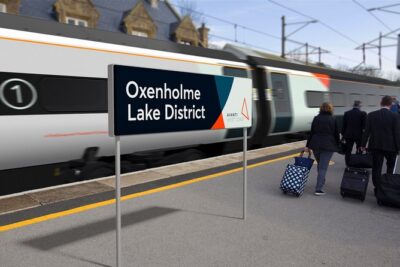
Lake District – Rail Tour from London with Cream Tea and Cruise
Read our review →
Edinburgh, Loch Ness, The Highlands from London – 3 Day Rail Tour
Read our review →
Paris by Rail – Sightseeing Bus and Eiffel Tower Champagne Lunch
Read our review →Browse the lists this tour appears in