
REVIEW · HISTORICAL
Amsterdam: Historic Tram Ride on Heritage Line to Amstelveen
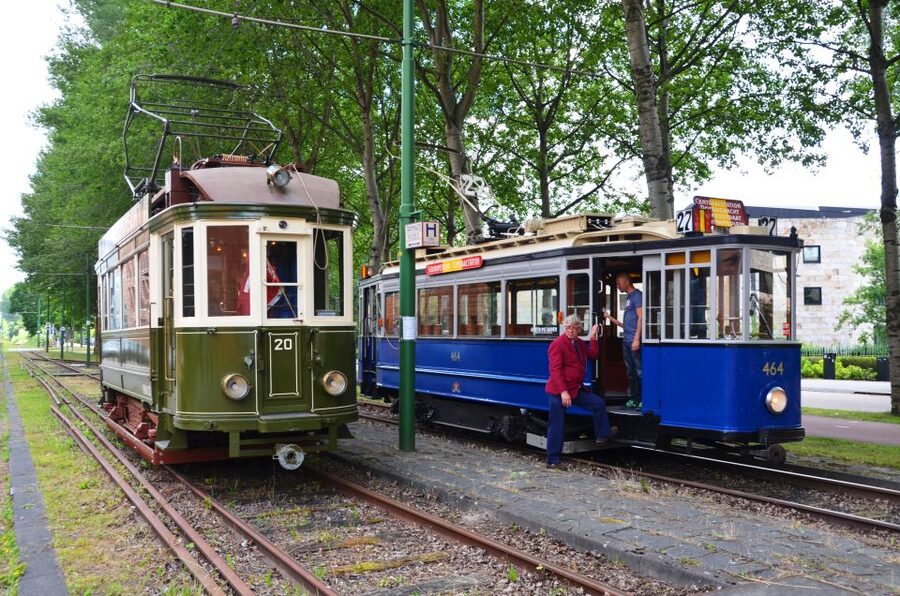
The best part of this ride is not the destination. It is the fully restored tram car, the punched paper ticket, and the cheerful old routine of whistles, bells, red flags, and conductors signaling the driver. You ride a line more than 100 years old, starting at Haarlemmermeerstation and heading out toward Amstelveen.
I like the hands-on feel, especially having a conductor punch your ticket instead of simply scanning a phone. I also like the freedom to leave the tram at the Olympic Stadion, Amsterdamse Bos, lake Bosbaan, Heemtuinen, or the Old Village. The main drawback is clear: much of the route may feel ordinary, with limited scenery between the more useful stops.
Key points to know
- A real working heritage tram: Ride a restored vehicle maintained in an old-fashioned style rather than a modern city tram.
- Old tram sounds and signals: Listen for the whistle, bell, stop announcements, and departure signals.
- A flexible round trip: Ride the full route or get off at selected stops before returning to the line.
- Useful nearby stops: The Olympic Stadion, Amsterdamse Bos, Bosbaan, Heemtuinen, and Old Village each offer a reason to pause.
- Simple pricing: At $9 per person, the ride is inexpensive for an hour of transport and local history.
- Plan for limited access: Non-folding wheelchairs, electric wheelchairs, and non-folding strollers are not allowed.
Why this old tram ride is worth your hour
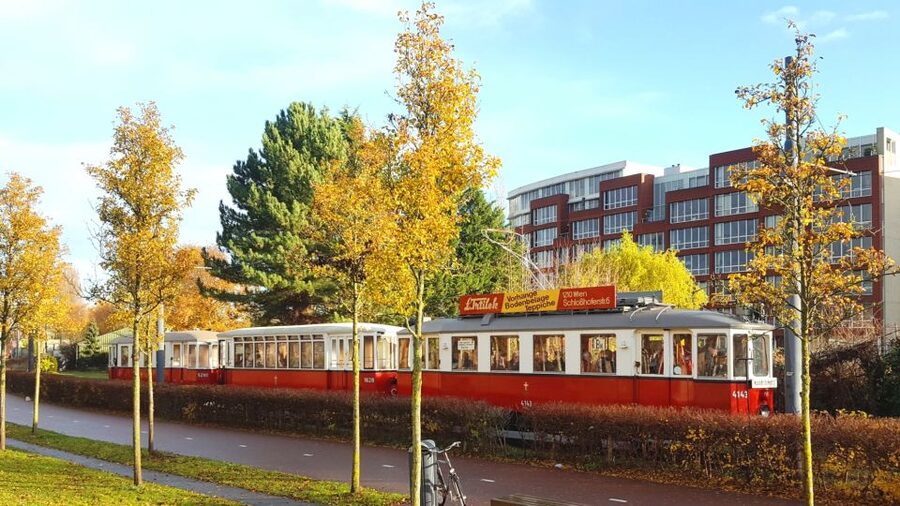
Amsterdam is famous for its modern trams, but this experience gives you a different view of the city’s transport past. You board Lijn 30 at Haarlemmermeerstation, home of the Electric Tram Museum Amsterdam, then travel toward Amstelveen on a line that is more than a century old.
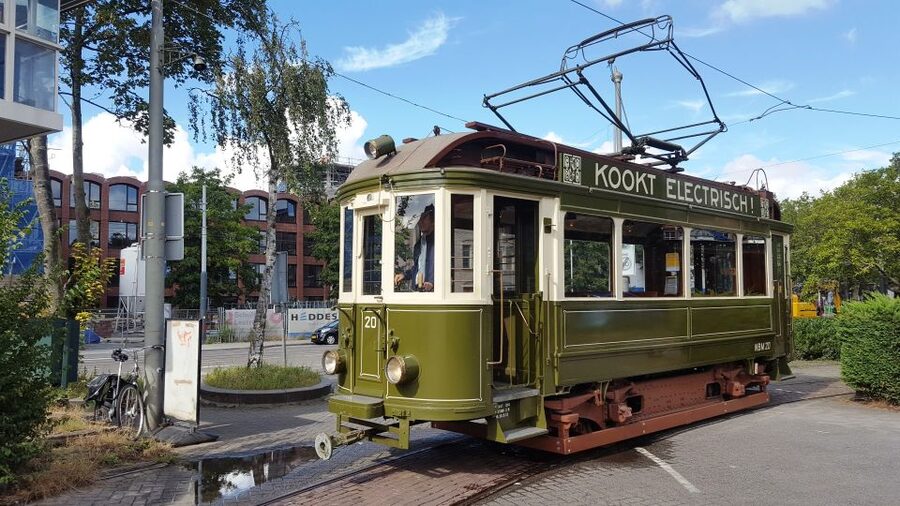
The tram itself is the attraction. The conductor punches your ticket. Stops are called out. A whistle and bell help prepare the vehicle for departure. At crossings, red flags are used to secure the route. These small actions make the ride feel like a working piece of transport history, not simply a vehicle placed behind glass.
I would choose this outing if you enjoy mechanical details, local history, or unusual ways to spend an hour in Amsterdam. It is also a good change of pace after crowded central streets and major museums. You are not paying for a grand sightseeing circuit with famous views. You are paying for an old tram ride with a strong sense of place and a few useful stops along the way.
The current price is $9 per person. That is good value if you treat the trip as a short heritage attraction plus transport to several outdoor areas. It is less convincing if you want nonstop sights from the window. One practical rating puts the experience at 4.4 out of 5 from 20 ratings, which fits the main tradeoff: the tram is well maintained and appealing, while the route itself can be less interesting than the vehicle.
More Tram and Streetcar Tours in the world:
- Mallorca: Island Tour with Boat, Tram & Train from the South
★ 4.4 · 3,888 reviews - Lisbon: 72/96-Hour Hop-On Hop-Off Bus, Tram & Boat Ticket
★ 4.4 · 2,170 reviews - From Cape Town: Franschhoek Wine Tram Hop-on Hop-off
★ 4.7 · 1,972 reviews
Starting at Haarlemmermeerstation
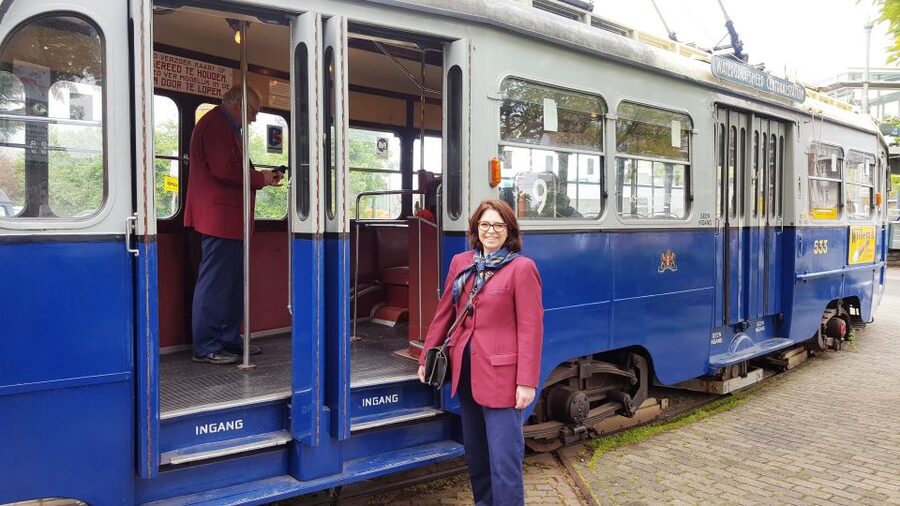
Your visit begins at Haarlemmermeerstation, where you exchange your ticket at the Tramshop. From there, staff guide you to the waiting tram. Allow a little time to find the shop and complete this exchange before departure, since the ride does not begin directly from a regular city tram platform.
The station is part of the Electric Tram Museum Amsterdam. That setting matters. You are not simply catching an old vehicle at a random stop. You are beginning at a place connected to the preservation of Amsterdam’s electric tram service.
Once aboard, expect a more traditional setup than you would find on a modern tram. The conductor checks and punches your ticket, and the sounds of the vehicle become part of the experience. The whistle and bell are not recorded effects. They are used as part of the tram’s operating routine, along with calls announcing stops.
I like this beginning because it gives the ride a clear sense of occasion without making it formal or lengthy. You get a simple task, exchange the ticket, follow the host, find a seat, and watch the crew prepare the vehicle. It is a small ritual, but it helps you pay attention to how the tram works.
The host or greeter speaks Dutch or English. No individual guide names are provided, so expect assistance from the museum tram staff rather than a named sightseeing guide. The focus is on the vehicle and its operation, not on a long narrated lecture.
The ride toward Amstelveen
The round trip lasts about one hour, including the journey to Amstelveen and the return to Haarlemmermeerstation. You can remain aboard for the complete circuit, which is the simplest choice if you mainly want the old tram experience.
As the tram leaves, listen for the familiar sequence of sounds: the hum of the motor, the bell, the whistle, and the conductor’s work. The tram’s motion and sounds are more important here than a steady stream of famous buildings. You get a close look at an older form of city transport and the way the crew communicates with the driver.
Crossings are secured with red flags. At the end of the outward journey, the vehicle may need to be prepared for the return trip. You might have to leave the tram temporarily or change vehicles at the terminus. This is worth knowing if you expect to remain seated from start to finish.
The route does not provide a major attraction at every turn. One important caution is that the line itself is not always visually exciting. If you choose the complete ride only for window views, you may find parts of it slow. I would focus on the experience inside the tram, then use the stops to add an outdoor walk or a nearby visit.
What to do at the Olympic Stadion stop
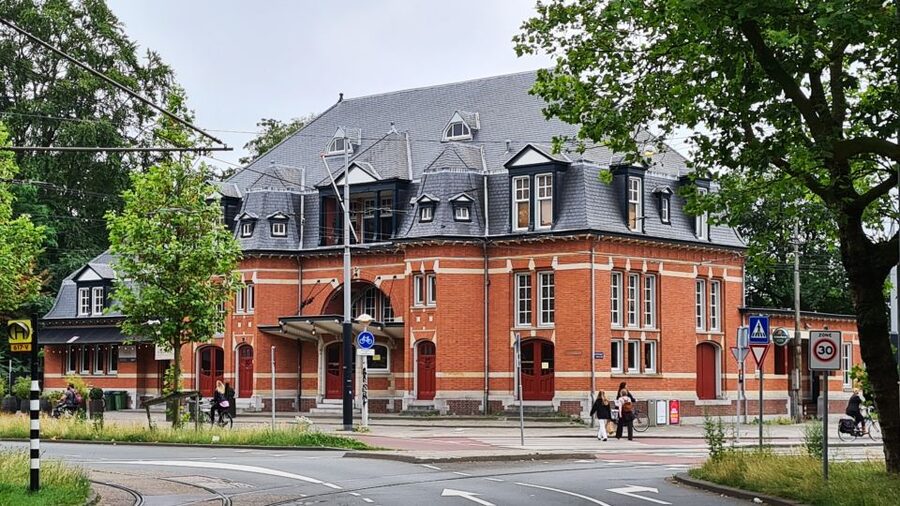
The Olympic Stadion is one of the more obvious places to leave the tram. The stop gives you an option to connect the heritage ride with one of Amsterdam’s notable sporting sites.
The information provided does not include a detailed tour of the stadium, so you should not expect entry, a guided visit, or included food and drinks. Think of it as a useful point along the route rather than a separate stadium tour.
This stop works best for you if the Olympic Stadion already interests you or if you want to break up the ride. You can step off, spend time in the area, and continue your plans from there. If your priority is the restored tram, stay aboard and let the vehicle remain the main event.
More History Trips in the world:
- Prague: Hop-on Hop-Off Historical Tram Ticket for Line 42
★ 4.1 · 1,702 reviews - The Hague: Hop-on Hop-off Heritage Tram Tour
★ 4.5 · 1,311 reviews - Puffing Billy Railway: Heritage Steam Train Journey
★ 4.6 · 1,195 reviews - Dublin to Cork, Blarney Castle & Cóbh Heritage Centre by train
★ 4.5 · 510 reviews
A greener pause at Amsterdamse Bos
Amsterdamse Bos gives the route a more open, outdoor feel. You can get off here for a walk and a change from the tram’s compact interior.
The supplied details do not promise a guided walk, so plan to explore independently. The stop is useful because it lets you combine a heritage transport ride with time outside, rather than returning immediately to the city center.
I would choose Amsterdamse Bos if you have already seen Amsterdam’s canals and central streets and want a quieter break. It is also a sensible option for an itinerary with flexible timing, since the tram allows you to decide whether to stay aboard or stop along the route.
Do keep the one-hour duration in mind. The full activity is short, and a longer walk may require you to manage your timing carefully. The exact departure schedule varies, so check the available starting time before you plan a stop and return.
Bosbaan and Heemtuinen for an outdoor detour
Lake Bosbaan is another stop that gives the ride a practical purpose beyond nostalgia. You can leave the tram near the lake and spend time beside the water before continuing your day.
Heemtuinen, described as a wildlife garden, offers a different kind of stop. It is a better choice if you like planted spaces and small natural areas rather than sporting history or tram mechanics. The experience does not include a guided garden visit, admission details, or refreshments, so confirm your own plans before relying on it as the main part of the outing.
These stops are useful because the tram line can act as a link between several places. You do not have to choose between a museum-style transport experience and time outdoors. You can use the vehicle to reach a park or garden, then return to the tram route if the schedule permits.
Still, I would not assume every stop deserves a long visit. The trip works best when you pick one place that matches your interests. Trying to leave at every stop would make the ride feel rushed and may not fit comfortably within the short duration.
Amstelveen’s Old Village
The Old Village in Amstelveen is described by its redbrick buildings. It gives you a chance to see a more traditional part of the destination rather than treating Amstelveen only as the end of a tram line.
Again, the activity does not include a guided walking tour or a meal. You can get off to look around, but the experience is built around the tram rather than a detailed visit to the village.
I would select this stop if you prefer streets and buildings to parks. The redbrick setting should make a pleasant contrast with the mechanical character of the tram, though the supplied information does not promise a long list of specific sights. If you want the strongest heritage focus, remain with the tram and pay attention to its operation. If you want a short local wander, the Old Village is the more natural choice.
The return journey and the terminal routine
At the Amstelveen terminus, the tram may be prepared for the return trip. This is one of the most distinctive details of the experience because you get to see that the vehicle is part of a functioning heritage service.
You might need to step out for a short time, or you might need to change to another vehicle. That is not a flaw, but it does make the operation less predictable than a standard city tram. Keep personal items with you and listen to the staff’s instructions at the terminal.
The return leg gives you another chance to notice the sounds and procedures you may miss on the outward ride. The bell, whistle, ticket punching, stop calls, and red flags all help show how much work once went into a simple tram journey.
For many people, the return trip will be the point when the experience either clicks or loses its appeal. If you enjoy transport history, the repeated sounds and routines are part of the fun. If you mainly want sightseeing, the return may feel repetitive, particularly if you did not leave the tram at one of the outdoor stops.
What the $9 price really buys you
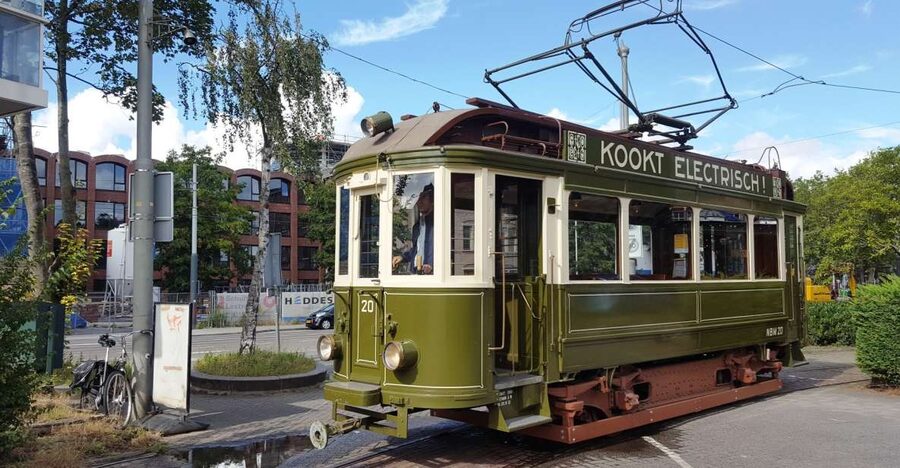
At $9, this is a modestly priced experience. The fare includes a return ticket from Haarlemmermeerstation to Amstelveen, access to the restored tram ride, and the staff-led process of boarding and operating the vehicle.
It does not include food or drinks. Nothing in the supplied details suggests an included museum tour, guided walk, stadium entry, or garden admission. Bring that distinction into your budget. You are buying the tram journey, not a full day of visits at every stop.
The value is strongest for three types of visitors:
- You enjoy historic vehicles and want an authentic operating experience.
- You want a short activity outside the busiest central sights.
- You plan to visit Amsterdamse Bos, Bosbaan, Heemtuinen, the Olympic Stadion, or the Old Village.
The value is weaker if you want a scenic city tour with constant highlights. One hour is enough for a pleasant outing, but not enough to provide detailed visits at all the stops. The route is also not ideal if you judge a tram ride by the view alone.
Practical details before you book
You can cancel up to 24 hours before the activity for a full refund. A reserve-now, pay-later option is also available, which helps if your Amsterdam schedule is still changing.
Smoking, food, drinks, alcohol, and drugs are not allowed inside the vehicle. Non-folding wheelchairs, electric wheelchairs, and non-folding strollers are also not accepted. The experience is listed as unsuitable for people with mobility impairments, wheelchair users, and people with motion sickness.
These limits are especially important because the tram is an older vehicle. If you use a mobility aid, check the arrangements before booking rather than assuming modern public transport access. If motion affects you on older vehicles, the combination of tram movement and a closed interior may be uncomfortable.
The host or greeter can assist in Dutch or English. Check the available starting times before committing to a park stop or return connection. At the terminus, the need to leave the tram or change vehicles may also affect your timing.
Who should take Lijn 30?
I would recommend this ride to anyone who enjoys transport history, restored vehicles, and small details that turn a simple journey into an activity. Families with children who like bells, whistles, and moving machinery may also find the ticket punching and departure routine memorable, provided the children can follow the vehicle rules.
It suits repeat visitors to Amsterdam especially well. You do not need another standard canal or central sightseeing circuit. Instead, you get a different side of the city and the option to combine the tram with green spaces or Amstelveen’s older streets.
I would be more cautious if your time in Amsterdam is very limited. With only one hour, the ride is easy to fit in, but it still uses time that might otherwise go to major museums or central sights. I would also skip it if your main goal is dramatic scenery, since the route has stretches that may feel plain.
Should you book this heritage tram ride?
Book it if the old tram is the reason you are interested. The restored car, punched ticket, whistle, bell, red flags, and terminal routine give you an experience you cannot get from a normal modern tram. At $9, it is a fair, low-cost way to spend an hour.
Use the stops strategically. Pick the Olympic Stadion, Amsterdamse Bos, Bosbaan, Heemtuinen, or Old Village based on your own interests instead of trying to see them all. If you expect a nonstop sightseeing ride, the route may disappoint. If you enjoy authentic transport and a slower look at Amsterdam’s edges, Lijn 30 earns its place in your plans.
FAQ
Where does the historic tram ride begin?
The activity begins at Haarlemmermeerstation in Amsterdam. Exchange your ticket at the Tramshop, then staff guide you to the tram.
Where does the tram go?
The return route runs from Haarlemmermeerstation to Amstelveen and back.
How long does the experience last?
The activity lasts about one hour. Starting times vary, so check availability before booking.
Is the ticket one way or round trip?
The included ticket is a return ticket from Haarlemmermeerstation to Amstelveen.
Can I get off the tram during the ride?
Yes. You can choose to get off at stops including the Olympic Stadion, Amsterdamse Bos, lake Bosbaan, Heemtuinen, and the Old Village in Amstelveen.
What languages are available?
The host or greeter can provide assistance in Dutch and English.
Are food and drinks included?
No. Food and drinks are not included, and food, drinks, alcohol, and drugs are not allowed inside the tram.
Can I bring a wheelchair or stroller?
Non-folding wheelchairs, electric wheelchairs, and non-folding strollers are not allowed. The experience is listed as unsuitable for wheelchair users and people with mobility impairments.
What can happen at the Amstelveen terminus?
You may need to leave the tram temporarily or change vehicles before the return journey. The tram is also prepared for its trip back to Haarlemmermeerstation.
Just added around the world
- Zurich: Audio Guided City Tour and Train to “Top of Zurich”★ 4.2 · 65 reviews
- Zermatt Village & Gornergrat Railway Tour | From Bern★ 5.0 · 2 reviews
- Zagreb: Plitvice With Secured Tickets, Boat And Train Ride★ 4.6 · 15 reviews
- Zagreb: Private Walking Tour with Funicular Ride & Transfers★ 5.0 · 2 reviews
- Xi’an: Maiji Grottoes & Fuxi Temple Day Trip by Bullet Train★ 5.0 · 2 reviews
- Zagreb: Group walking tour of Zagreb (funicular included)★ 4.9 · 16 reviews
- York Day Rail Tour from London including Hop-on Hop-off tour★ 5.0 · 3 reviews
- Winter Tour Viking Village, Nærøyfjord Cruise & Flåm Railway★ 4.6 · 26 reviews
Historical Tours, compared.
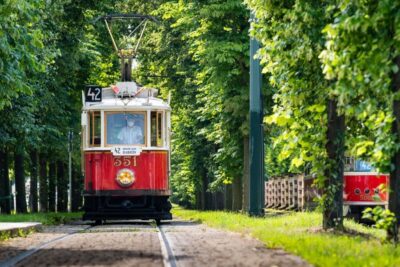
Hop-on Hop-Off Historical Tram Ticket for Line 42
Read our review →

Puffing Billy Railway: Heritage Steam Train Journey
Read our review →
Dublin to Cork, Blarney Castle & Cóbh Heritage Centre by train
Read our review →

Guided Tuk-Tuk Tour Along the Historic Tram Line 28
Read our review →
Browse the lists this tour appears in