
REVIEW · CUSCO
Cusco: 4-Day Lares Trek to Machu Picchu with Panoramic Train
The Lares Trek gives you a quieter route to Machu Picchu, with two nights under cold Andean skies before the grand finale at the Inca citadel. You trade the famous Inca Trail for potato fields, alpaca country, Quechua villages, weaving cooperatives, and a high pass at 4,750 meters.
I like the way this trip connects scenery with daily life, especially the weaving cooperative and the visit to Canchacancha village. I also like the practical support: cooks prepare three dinners and four breakfasts, muleteers carry your camping gear, and the Vistadome train gives you a comfortable finish.
The main caution is altitude and cold. You sleep at 3,900 meters and climb to 4,750 meters, so this is not a casual walk. The route is manageable for a fit person, but low oxygen, steep climbs, and chilly nights can quickly humble you.
Key points to know before you book
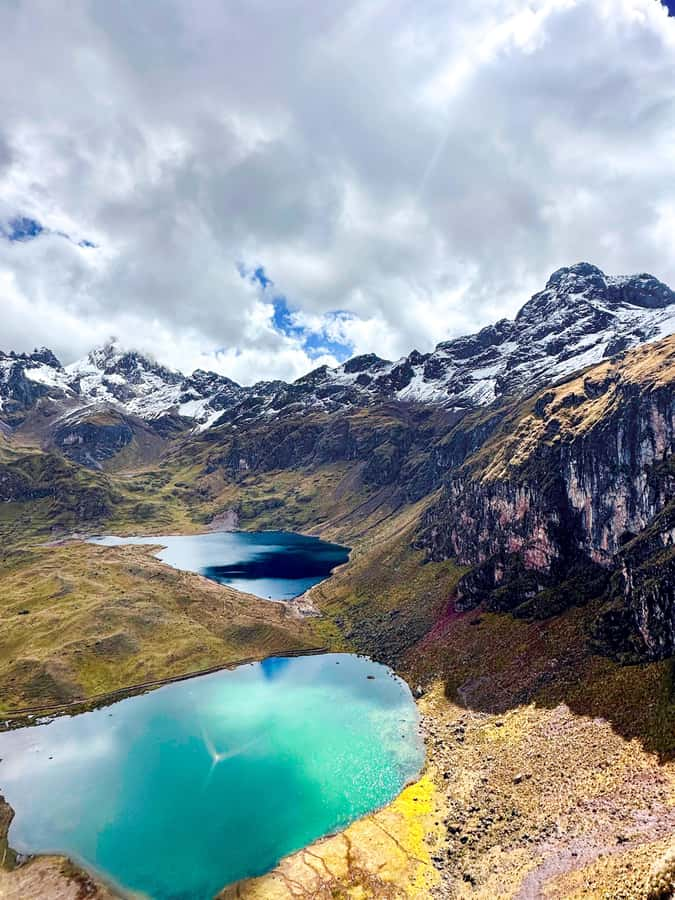
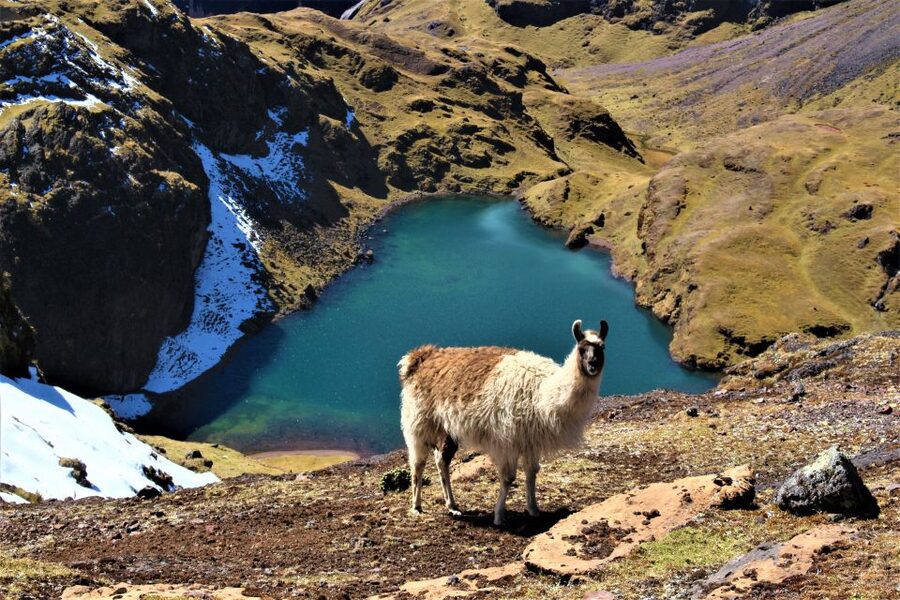
- Reach Condor Pass at 4,750 meters: This is the physical high point, with views of snowy peaks and turquoise mountain lakes.
- Sleep two nights in camps: The camps are scenic, but warm clothing and suitable sleeping equipment matter.
- Meet Quechua-speaking families: Canchacancha offers a direct look at village life, homes, school routines, farming, and local language.
- Support women-led weaving work: The cooperative visit adds a useful cultural stop rather than just another photo break.
- See more than Machu Picchu: Maras, Ollantaytambo, Lares Hot Springs, and the Sacred Valley fill out the trip.
- Travel in comfort at the end: Your return includes the panoramic Vistadome train from Aguas Calientes to Ollantaytambo.
Why choose the Lares route to Machu Picchu?
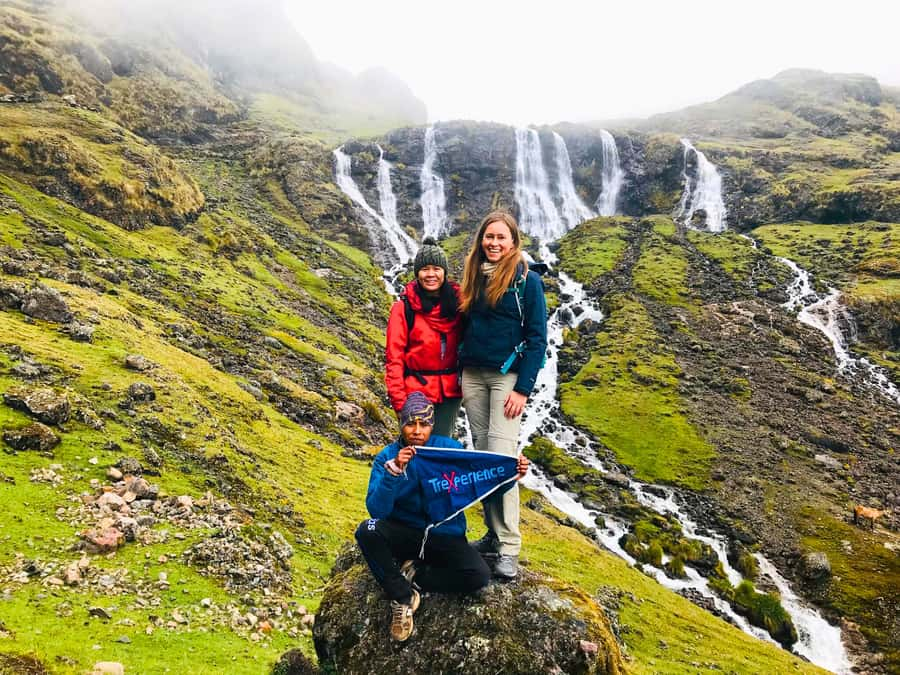
Many trips to Machu Picchu focus on the destination. This one makes the route part of the point. Over three active days, you move from high mountain valleys to warmer Sacred Valley farmland, passing through potato fields, waterfalls, lakes, corn, and avocado crops.
The route also brings you into contact with communities that are easy to miss on a faster trip. You visit a weaving cooperative, stop in Canchacancha, meet local families, and have a chance to learn a few Quechua phrases. That makes the journey feel connected to the people who live in these mountains.
The price is $690 per person. That is not a bargain-basement trek, but it covers a lot: a professional guide, entrance fees, transport, two nights of camping, one hotel night, cooks, muleteers, buses at Machu Picchu, and the Vistadome return train. You also receive a personal duffle carried by muleteers, with up to 7 kilograms for your camping gear.
For a four-day trip in Peru, the package is reasonably strong in value. You will still need to budget for a sleeping bag, air mattress, trekking poles if needed, final-day lunch, optional Huayna Picchu or Machu Picchu Mountain tickets, insurance, and personal spending.
More Scenic Train Journeys in Peru
- Cusco: Machu Picchu 2-Day Inca Trail with Panoramic Train
★ 4.9 · 260 reviews - Excursion to the Sacred Valley and Machu Picchu by Panoramic Train
★ 5.0 · 45 reviews - Inca Trail 4 Day Adventure to Machu Picchu with Panoramic Train
★ 5.0 · 34 reviews
Day 1: Calca, Ancashmarca, Lares Hot Springs, and Blue Lagoon
Your first day starts early with pickup in Cusco or the Sacred Valley. The route begins with Calca’s market, a useful first glimpse of local food and trade before the mountain roads take over.
You then visit Ancashmarca, an ancient Inca site. It is an early reminder that this is not simply a walk through pretty scenery. The valleys hold older settlements, farming traditions, and stonework that connect the modern communities with the Inca past.
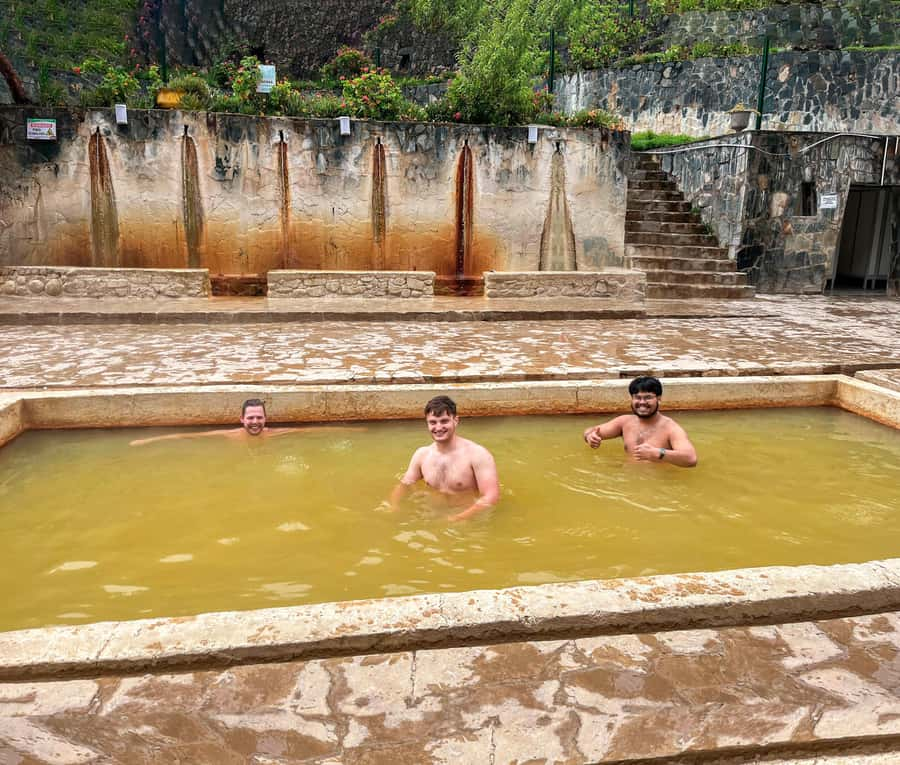
A high plateau stop introduces you to the puya de Raimondi, a striking Andean plant known for its tall flower stalk. The program then brings you to Lares Hot Springs, where you can soak with mountain views and have breakfast. This is smart planning. A warm bath early in the trip can loosen your legs before the serious walking begins.
The cultural stop at a weaving cooperative is one of the best parts of the day. You learn about Andean textile traditions and see how women-run groups help keep weaving skills in local hands. It is also a chance to buy directly from a community rather than treating local culture as a display behind glass.
After driving to Pampacorral, you begin walking through valleys dotted with alpacas and lined with potato fields. You stop in Kiswarani for a fresh lunch, then follow a waterfall toward the Blue Lagoon campsite at 3,900 meters.
The evening is simple: coca tea, dinner, and stargazing. Do not expect hotel comforts. At this altitude, the cold can be serious after sunset, and a good sleeping bag is important. A past family group specifically found the camp nights very cold, so pack more warmth than you think you need.
Day 2: Blue Lagoon to Condor Pass and Canchacancha
Day two is the hardest and most dramatic day. You begin with coca tea or coffee at your tent, followed by breakfast. Then the trail climbs through high valleys with lakes and Andean wildlife.
The climb to Condor Pass reaches 4,750 meters. That number matters. Even a fit hiker can feel short of breath at this height, and your pace will naturally slow. Your guide can adjust the rhythm and allow pauses, which is important because rushing at altitude helps nobody.
At the pass, you get broad views of snowy peaks and turquoise lagoons. A traditional offering ceremony takes place before the descent, giving the high point a cultural meaning beyond the physical challenge. This is one of those moments where the quiet of the mountains does much of the work.
After descending, you stop in Acopata for a hot lunch. The route then continues through valleys with llamas and alpacas before reaching Canchacancha at 3,750 meters.
Canchacancha is more than a campsite. You meet local families, see how homes and the village school fit into daily life, and learn a few Quechua phrases. The community visit is a strong reason to choose this route over a faster trip centered only on Machu Picchu.
You finish with dinner and mountain views. By now, the support crew becomes especially valuable. The cooks prepare the meals, while muleteers carry food and equipment. You carry only your daypack, with your personal duffle limited to 7 kilograms.
Day 3: Canchacancha, the Sacred Valley, Maras, and Ollantaytambo
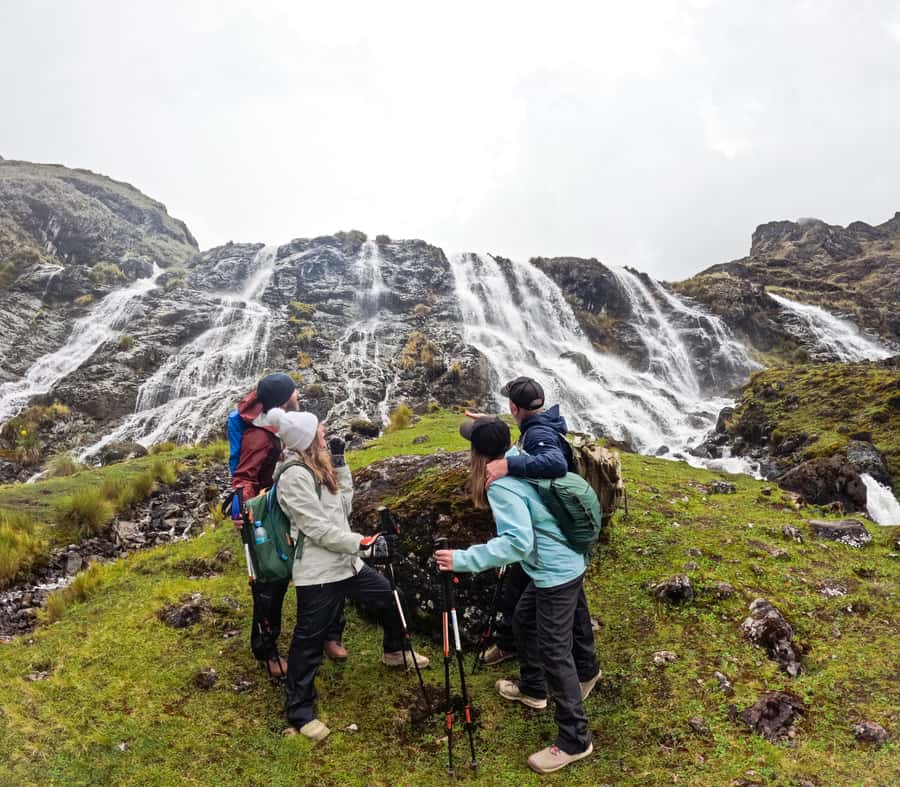
Start with breakfast and a closer look at Canchacancha. You can visit homes and the school, and you may donate supplies. If you plan to do this, bring practical items and confirm what is useful rather than handing over random goods.
The day’s main walk is a four-hour downhill hike into the Sacred Valley. The changing crops show how altitude shapes farming. Potato fields give way to corn and avocado as you descend to Huaran at 2,700 meters.
This is a beautiful transition, but downhill walking can be hard on knees and thighs. Trekking poles are worth considering, especially if you find descents more tiring than climbs. They are not included, though they can be rented.
At Huaran, you have a picnic lunch and say goodbye to the muleteers and chef. That goodbye matters because the support team has carried much of the trip behind the scenes. You then continue by private van to the Salineras of Maras.
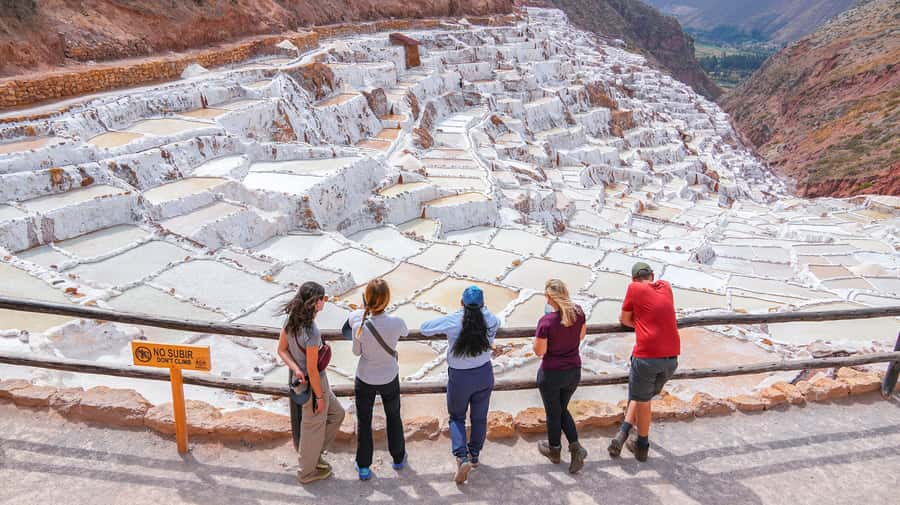
The Maras salt mines are built from hundreds of salt ponds fed by a natural spring. Traditional salt harvesting still shapes the site, and your guide explains how the ponds work. The pale terraces contrast sharply with the green and brown mountain slopes around them. The stop is fairly easy physically, which comes at a good point after the long descent.
Next comes Ollantaytambo, described as the last living Inca town. Its stone streets and old urban plan still form part of a working settlement. This is a useful stop because you see Inca construction as part of a living town, not only as an isolated ruin.
After dinner, you board the train to Aguas Calientes, also called Machu Picchu Pueblo. Your overnight stay is in a comfortable three-star hotel. This change from tents to a proper bed will feel well earned.
More Machu Picchu Train Tours in Cusco:
- The First Class Machu Picchu Train by Inca Rail
★ 4.0 · 182 reviews - From Cusco: 1-day Machu Picchu Tour by Train
★ 4.6 · 138 reviews - From Cusco: Sacred Valley & Machu Picchu 2-Day Tour by Train
★ 4.9 · 79 reviews - Machu Picchu 2-Day Adventure by Train with Overnight Stay
★ 5.0 · 70 reviews
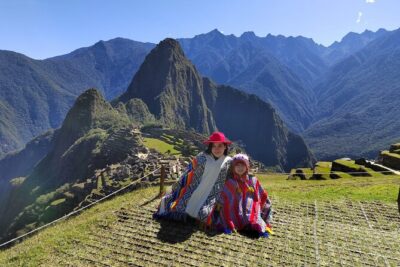
Day 4: Machu Picchu and the Vistadome train
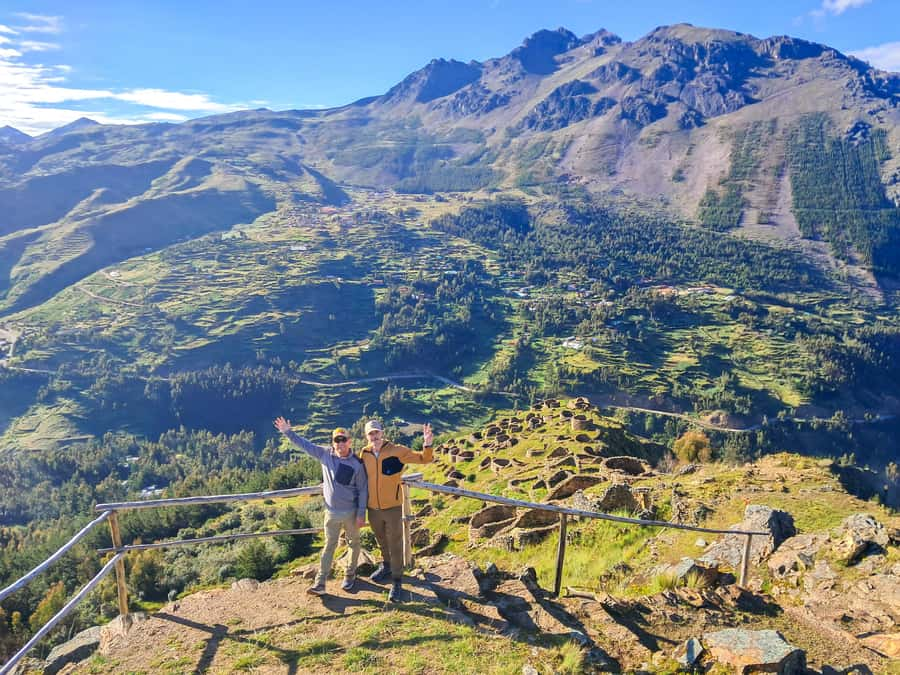
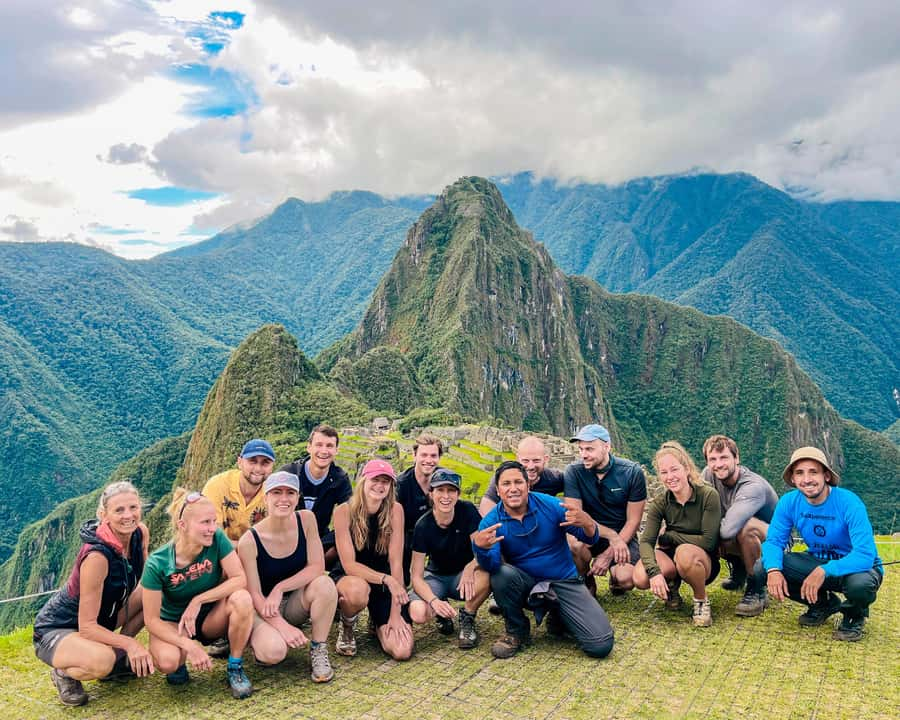
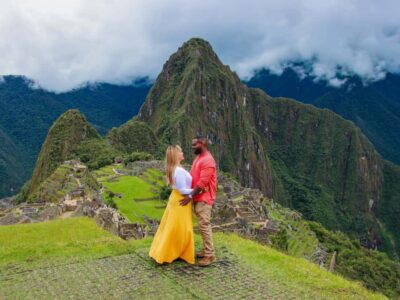
You leave early after breakfast and take the bus up to Machu Picchu. The timing aims to get you there as the sun rises over the citadel, though exact light and visibility depend on the day’s conditions.
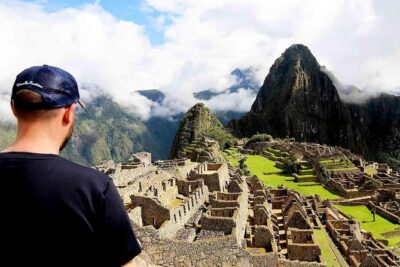
Your guide leads a two to three-hour walk through the site. Expect stops at major viewpoints and explanations of Inca engineering, daily life, and the way the citadel was built into the mountain setting. The guided visit gives structure to a place that can otherwise feel like a maze of terraces and stone walls.
You should bring your passport because it is required for the trip. Comfortable hiking shoes, sun protection, rain gear, water, and a camera all belong in your daypack. Conditions can change quickly, so pack for both sun and rain.
After Machu Picchu, you return to Aguas Calientes for lunch and free time. Lunch is not included on this final day, so keep cash available. You then board the Vistadome train to Ollantaytambo.
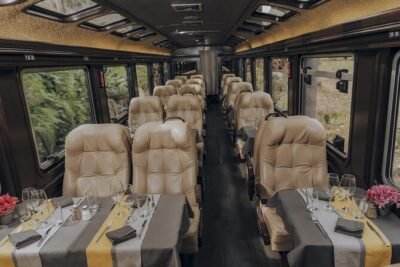
The panoramic windows are a pleasant final touch. Instead of spending the entire return journey watching the inside of a train carriage, you can take in the river valley and mountain scenery. From Ollantaytambo, a private transfer brings you back to Cusco by evening.
Food, camping, and what you carry
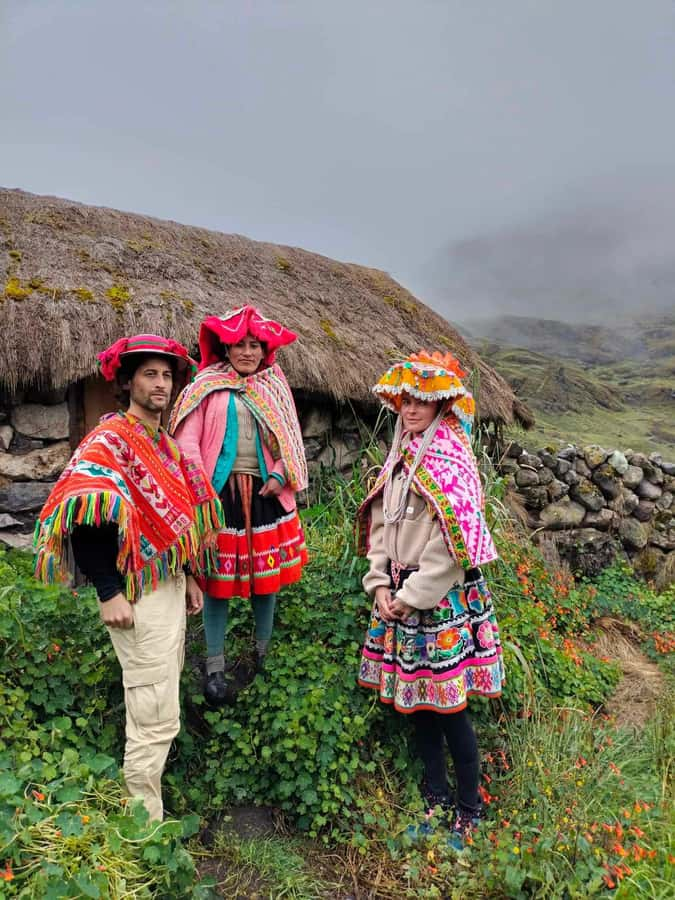
The trekking kitchen is a major part of the trip’s value. You receive four breakfasts, three lunches, and three dinners, prepared by trekking cooks. Special dietary needs should be provided when you book.
A vegan menu was handled successfully on a past departure, but you should still state your requirements early. Do not assume that a last-minute request will be easy to manage in remote camps.
Two nights are spent camping, with one night in a three-star hotel. The tents, sleeping bags, air mattresses, and trekking poles need careful attention. Sleeping bags and other equipment can be rented on request, but they are not included in the $690 price.
The 7-kilogram duffle allowance is helpful, but it is not a full suitcase. Pack only the camping gear and clothing you need, then keep daily essentials in your daypack. You can store extra luggage in Cusco at no charge before the trek.
How hard is the trek?
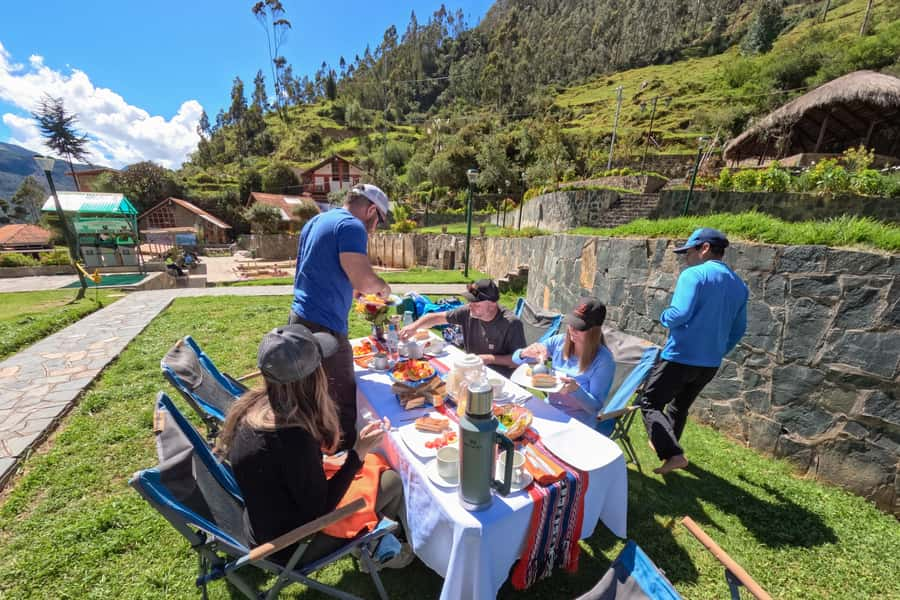
The route is suitable for people in good physical condition, but it is not suitable for anyone looking for a light sightseeing trip. The main challenges are altitude, the climb to Condor Pass, cold nights, and the four-hour descent into the Sacred Valley.
A past family group found the difficulty manageable, while also noting that thin air and cold reduced their physical ability. That is a fair description. You do not need to be an elite athlete, but you should be comfortable hiking for several hours and walking on uneven mountain paths.
The trip is not suitable for people with heart or back problems, mobility impairments, or for wheelchair users. It is also not suitable for pregnant women. Children must be accompanied by an adult.
The guide can adapt the pace and allow breaks. Guides such as Manolo and Filio have led departures, and Manolo was singled out for keeping a group comfortable and well supported. Your assigned guide may differ, but the important question is whether the guide listens to your pace and explains the route clearly.
Practical preparation for altitude and weather
Cusco and the Lares region can bring strong sun, cold air, rain, and sharp temperature changes. Pack layers rather than relying on one heavy jacket. Include hiking pants, warm clothing, rain gear, a sun hat, sunglasses, sunscreen, and sturdy hiking shoes.
Coca tea is served at camp and in the morning, but it is not a substitute for sensible pacing. Drink water, take breaks, and tell your guide if you feel unwell. The high point at 4,750 meters deserves respect.
You should also pack insect repellent, toiletries, hand sanitizer or tissues, and cash. Alcohol, drugs, smoking, weapons, and sharp objects are not allowed. A passport and passport details are required at booking.
Pickup is included from accommodation in Cusco. Wait in the lobby about 10 minutes before the scheduled time. If your accommodation is outside the Cusco district, you will need to reach a meeting point near the main square.
Who should book this four-day route?
I would choose this trip if you want Machu Picchu but also care about mountain villages, local textile work, farming communities, and a less direct approach. It suits hikers who enjoy a real physical challenge and do not mind trading hotel comfort for two nights of camping.
It is also a good choice if you want the logistics handled for you. The guide, meals, muleteers, private transfers, Machu Picchu bus, hotel, and train are arranged in one package.
I would choose another plan if you dislike high altitude, cold tents, early starts, or long downhill walks. The trip is non-refundable, so check your fitness, equipment needs, dietary requirements, and passport details before paying.
Should you book it?
Book this Lares Trek if you want a fuller Andean experience than a simple train ride to Machu Picchu. The strongest parts are the high pass, the quiet villages, the weaving cooperative, the capable food team, and the variety of transport and scenery.
At $690, the price makes sense for the amount included, especially with the Vistadome train and professional support crew. Just arrive prepared for altitude and cold. If you do, this route gives you Machu Picchu as the finale to a real journey rather than the only event of the trip.
FAQ
How long is the Lares Trek to Machu Picchu?
The experience lasts four days. It includes two nights of camping, one hotel night in Aguas Calientes, and the Machu Picchu visit on the final day.
What is the highest point on the trek?
The highest point is Condor Pass at 4,750 meters. You should expect thin air and plan to walk slowly with regular breaks.
Does the trip include Machu Picchu entrance and transport?
Yes. The package includes Machu Picchu entrance, the round-trip bus between Aguas Calientes and Machu Picchu, and the Vistadome return train to Ollantaytambo.
Are meals included?
The trekking cooks provide four breakfasts, three lunches, and three dinners. Lunch on the final day in Aguas Calientes is not included.
Is camping equipment included?
Two nights of camping are included, but sleeping bags, air mattresses, and trekking poles are not. These items can be rented upon request.
How much luggage can muleteers carry?
Your personal duffle can weigh up to 7 kilograms, or about 11 pounds. Muleteers carry it along with food and camping equipment.
Can I request special meals?
Yes. You should provide details about dietary needs when booking. A vegan menu has been accommodated on past departures.
Which languages are available?
The live guide service is available in English and Spanish.
More Walking and Hiking Trips in Cusco
- St. Lucia Zip line, Aerial Tram and Hiking tour Ultimate 3
★ 5.0 · 313 reviews - St Lucia Ultimate 3: Aerial Tram, Zipline and Hiking at Rainforest Adventures
★ 4.5 · 262 reviews - Tour with the Mountain Train, Trek to Mystic Forest and Castle
★ 5.0 · 101 reviews - Babonneau/Castries: Rainforest Zip Line, Tram, and Hike Tour
★ 4.1 · 77 reviews
More Scenic Train Journeys in Cusco
- Private Machu Picchu Day Tour by Panoramic Train
★ 5.0 · 32 reviews - Cusco: 4-Day Salkantay Trek to Machu Picchu, Panoramic Train
★ 4.3 · 17 reviews - 2-Day Inca Trail Hike to Machu Picchu & Panoramic Train
★ 4.7 · 7 reviews - From Cusco: Machu Picchu Private Day Trip on Panoramic Train
★ 5.0 · 6 reviews
Just added around Cusco
- Tour to Machupicchu By Train Full-Day★ 4.5 · 56 reviews
- Machu picchu one day by train all included★ 4.5 · 53 reviews
- Tour To Machupicchu 2 Days by Train★ 5.0 · 64 reviews
- Machu Picchu 1 Day Tour from Cusco by Train★ 5.0 · 44 reviews
- 2-Day Sacred Valley Machu Picchu by Train with Llama Experience★ 5.0 · 55 reviews
- Machu Picchu Tour By Train (2 Days)★ 4.5 · 49 reviews
- Machu Picchu 2-Day Adventure by Train with Overnight Stay★ 5.0 · 70 reviews
- Full Day Tour to Machu Picchu by Train★ 5.0 · 52 reviews
Cusco Train Tours, compared.
The First Class Machu Picchu Train by Inca Rail
Read our review →
Sacred Valley & Machu Picchu 2-Day Tour by Train
Read our review →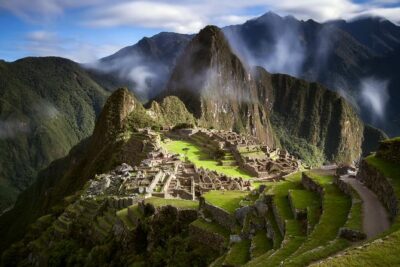
Machu Picchu 2-Day Adventure by Train with Overnight Stay
Read our review →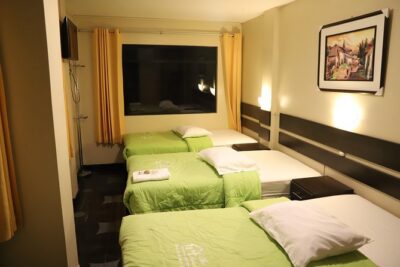
2-Day Sacred Valley Machu Picchu by Train with Llama Experience
Read our review →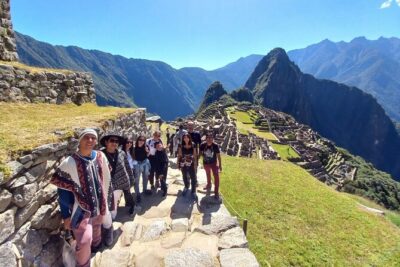
Browse the lists this tour appears in