
REVIEW · INDIA
From Delhi : 2 Days Varanasi Tour By Fastest Train
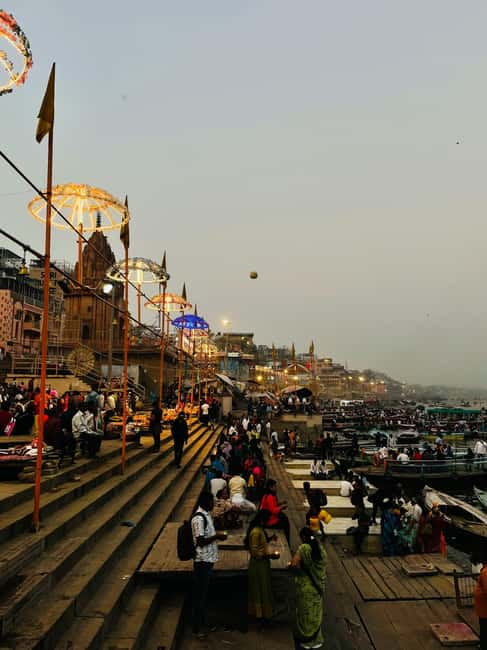
Varanasi makes a strong first impression: prayer lamps flicker over the Ganges, cremation fires burn at Manikarnika Ghat, and pilgrims move through lanes that can feel centuries removed from modern Delhi. This fast-train trip gives you a quick, organized way to see the city without losing hours on the road.
I like the Vande Bharat Express connection, which cuts the journey to about eight hours, and I like the early boat ride, when the ghats are quieter and the river gives you a clear view of daily worship. The main catch is time. You get a useful introduction, not a slow, unhurried stay, and an optional shopping stop may take time away from the old city.
The essential details at a glance
- About eight hours by Vande Bharat Express: Leave Delhi around 6 AM and reach Varanasi at about 2 PM.
- Evening Ganga Aarti at Dashashwamedh Ghat: This is the tour’s most memorable public ritual.
- One-hour morning boat cruise: See the riverfront, Manikarnika Ghat, and Assi Ghat from the water.
- Three major sightseeing areas: Kashi Vishwanath Temple, Banaras Hindu University, and Sarnath.
- Private touring with station support: Pickup and drop-off are available from Delhi, New Delhi, Gurugram, Noida, Faridabad, Ghaziabad, or Varanasi.
- A very full schedule: The package suits you best if you want a first look at Varanasi and have little spare time.
Why this train trip works for a short visit
At about $53 per person, this is an appealing price for a private day-and-night package that combines train tickets, local transport, a guide, sightseeing, parking, fuel charges, and station transfers. Accommodation is included only if you choose the appropriate option, so check the exact package before paying. The low headline price may not cover entrance fees, personal meals, or shopping.
The real value is convenience. Delhi to Varanasi is a long trip, and arranging the train, hotel transfer, driver, guide, river trip, and return connection yourself can take patience. Here, the operator can meet you at the station and keep you moving. That matters in Varanasi, where traffic and confusing access roads can eat into a short visit.
You also get a private group rather than being folded into a large coach party. That gives you a better chance to ask questions, adjust the pace slightly, and get help with the stations. The tour has guides in English, Hindi, Chinese, French, German, Japanese, Russian, and Spanish, although you should confirm your preferred language when booking.
The tradeoff is control. The schedule is designed to cover the headline sights in roughly 24 hours. You will not have much time to wander the lanes, sit by the river, or return to a favorite ghat. One Japanese visitor was especially pleased with the support before boarding the train and the Japanese-speaking guide, while another found an unwanted silk factory and shop stop frustrating. If shopping is not your interest, say so clearly at the start.
More Bullet Train Tours in India
- Taj Mahal Day Tour from Delhi by Superfast Train – TOP RATED TOUR
★ 5.0 · 4,166 reviews - Taj Mahal, Agra Fort, Baby Taj Tour from Delhi by Superfast Train
★ 5.0 · 1,494 reviews - From Delhi: Taj Mahal & Agra Tour by Gatimaan Express Train
★ 4.8 · 1,041 reviews
Boarding the Vande Bharat from Delhi at 6 AM
The first morning starts early, with pickup from one of several Delhi-area locations. The advertised train is the Vande Bharat Express, which takes around eight hours to Varanasi. That is a major advantage over a slower rail service, especially when your entire trip lasts only two days.
The train is not just transportation here. It is what makes this short visit practical. You can settle in for the long run east, and a meal on board is listed as included. Bring your passport details well in advance because the operator needs your full name, age, gender, date of birth, passport number, nationality, and optional food preference to book tickets in your name.
Do not treat the timetable as something to ignore. A departure around 6 AM and arrival around 2 PM leaves a useful afternoon, but any rail delay can affect the evening program. Station assistance is one of the stronger parts of this arrangement. You are collected, directed to the correct train, and met again in Varanasi rather than being left to decode the station on your own.
The listed return train leaves Varanasi around 3 PM on the second day. That means the morning sightseeing is not optional window dressing. You need to be ready early and keep an eye on the clock.
Evening prayers at Dashashwamedh Ghat
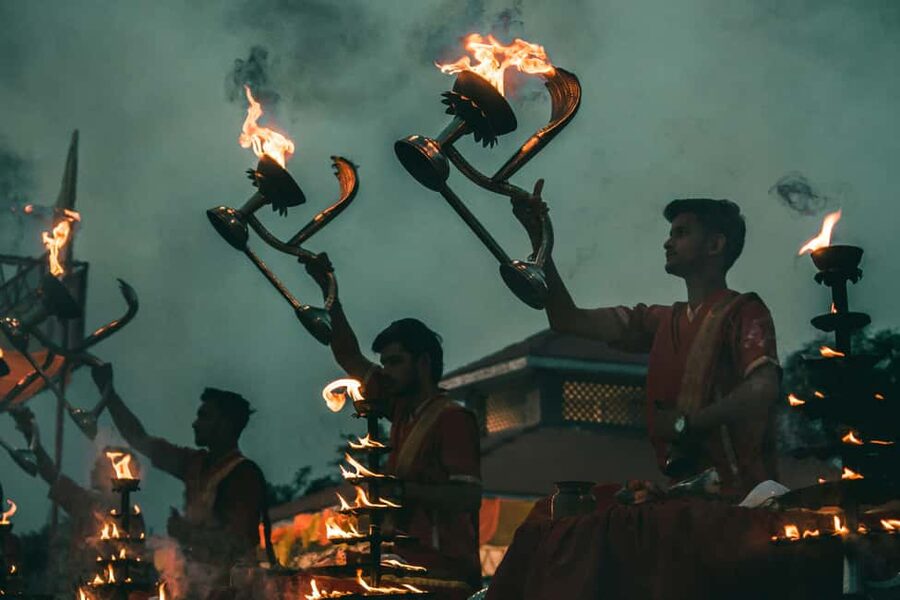
After checking in and resting, you head toward Dashashwamedh Ghat for Ganga Aarti. This is a Hindu ceremony honoring the Ganges, performed with lamps, incense, bells, music, and coordinated movement along the riverfront. It is highly visual, but it is also a living religious service, so your guide should help you watch respectfully rather than treat it as a stage show.
The exact order of the evening can vary with traffic and local conditions, but the point is clear: this is the emotional center of the trip. The river, the priests, the crowds, and the sound of bells create a scene that photographs cannot quite explain.
Arrive with modest expectations about personal space. Dashashwamedh is one of Varanasi’s best-known ghats, and the area can be crowded. Keep your passport and valuables secure, follow your guide’s instructions, and avoid blocking worshippers. You will probably have time to observe and take photographs, but this is not the moment for a relaxed meal beside the water.
The schedule sends you back to the hotel afterward. That is sensible because the next morning begins early, though it also means your first evening is tightly managed. If you want to explore more of the ghats after the ceremony, ask before the tour begins. There may not be much spare time.
Sunrise on the Ganges
The morning boat ride is one of the best uses of your limited time. From the water, you see Varanasi from a different angle, with the long line of ghats rising beside the river. The listed cruise lasts about one hour, while the broader riverfront walk and sightseeing portion is about two hours.
The boat passes or shows areas including Manikarnika Ghat and Assi Ghat. Manikarnika is Varanasi’s principal cremation ghat, and it requires particular sensitivity. Do not photograph funeral activity or stare at families. Your guide can explain what you are seeing, but the respectful approach is quiet observation.
Assi Ghat gives you another side of the city. It is associated with morning activity, river worship, and a more open stretch of the waterfront. The contrast between different ghats is part of the lesson: Varanasi is not one single postcard scene. It is a working religious city with many uses for the river.
The timing matters. A morning cruise lets you see the ghats before the day’s heat and traffic become more intense. It also gives you the clearest sense of how the river fits into ordinary life. Wear practical shoes for the riverfront walk, bring sun protection, and carry only what you need. The tour is not a place for polished resort clothing or a heavy day bag.
Breakfast is listed at the hotel, while the general inclusions also mention a meal on board. Other meals are not included, so budget for lunch and any drinks or snacks beyond the train service.
Same tracks, a very different ride:
- Taj Mahal Tour from Delhi by Express Train (Viator Award Winner)
★ 5.0 · 2,849 reviews - From Delhi: Private Taj Mahal and Agra Tour by Express Train
★ 4.9 · 1,605 reviews - Delhi to Agra and Taj Mahal Private Day Trip by Express Train with Lunch
★ 5.0 · 1,389 reviews - All Inclusive Taj Mahal & Agra Tour by Superfast Train From Delhi
★ 5.0 · 918 reviews
Kashi Vishwanath Temple and the old city
Kashi Vishwanath Temple is dedicated to Shiva and is one of Varanasi’s central religious sites. For many visitors, it is the place that gives the city its strongest spiritual focus. The temple visit can also be the most logistically demanding part of the day because access, security, crowds, and photography rules can change.
Follow your guide closely and bring your passport, which is listed among the required items. Do not assume you can carry every personal item inside. Your guide should explain the current entry process and help you avoid wasting time at the approach.
The temple area also puts you near Varanasi’s narrow lanes. This is where a private guide can add real value. You can ask about customs, temple practice, local stories, and the relationship between the river and the city. The short format will not allow a long wandering tour, but even a walk through the lanes helps you understand why Varanasi feels so different from a standard monument visit.
A useful tip comes from the shape of the schedule: if you prefer old lanes and ghats to retail stops, say that plainly. One guest would have preferred more time around Manikarnika Ghat instead of visiting a silk factory and shop. The operator may not be able to remove every planned stop, but clear preferences are easier to honor when stated early.
BHU, the New Vishwanath Temple, and Bharat Kala Bhavan
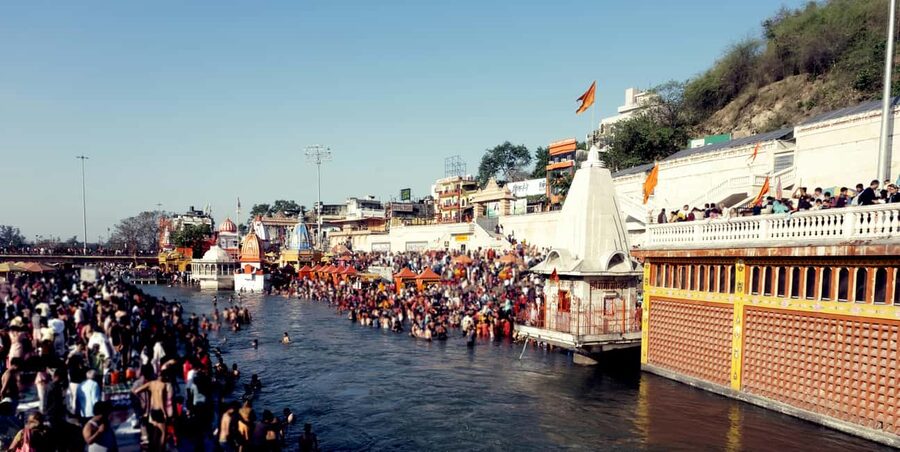
Banaras Hindu University gives you a change of pace after the dense riverfront. The campus includes the New Vishwanath Temple and the Bharat Kala Bhavan Museum. These stops help place Varanasi in a wider cultural setting rather than reducing it to ceremonies beside the Ganges.
The New Vishwanath Temple is connected to the university campus and offers another look at modern Hindu temple design. Bharat Kala Bhavan Museum adds an art and cultural layer to the day. The visit is listed as part of the BHU sightseeing block, so your actual museum time may depend on traffic, opening conditions, and the train schedule.
I would treat BHU as an important supporting stop, not the main reason to book the tour. The strongest moments are likely to be the river, the ghats, and the evening Aarti. Still, if you enjoy museums and want a break from crowded religious sites, this part of the route gives the day some balance.
Sarnath and the Buddhist connection
Sarnath lies about 10 kilometers from Varanasi and is the site where Buddha gave his first sermon. The visit usually includes Dhamek Stupa and the Sarnath Archaeological Museum, with about two hours set aside for guided sightseeing.
Sarnath changes the tone of the trip. Varanasi is closely tied to Hindu practice and Shiva worship, while Sarnath connects the area to Buddhism and the beginning of Buddha’s teaching tradition. Dhamek Stupa is the major visual focus, and the museum helps explain the site through sculpture and archaeological remains.
The phrase if time permits matters here. Sarnath is not guaranteed if the train, traffic, temple access, or morning river program runs late. You should consider it a bonus within this short itinerary rather than the one stop around which you plan the trip. If Sarnath is your main reason for coming, a longer Varanasi stay would be safer.
A private driver makes the short schedule possible
The driver and car are not minor extras. Varanasi sightseeing involves separate areas, busy roads, and a fixed return train. A skilled driver can save time between the ghats, BHU, Sarnath, hotel, and station.
The service has received particularly strong praise for driving, clean vehicles, and help at the railway stations. Guides named in the supplied feedback include Rahul, Suresh Kumar, and a Japanese-speaking guide whose name was not provided. The strongest pattern is warm assistance, clear explanations, and a feeling of safety during a demanding schedule.
That does not mean every part will be perfect. Your experience depends on the assigned guide, traffic, train availability, and the precise package you choose. Confirm pickup instructions, the return train, hotel arrangements, entrance fees, and any shopping stops before departure.
What the $53 price really covers
The advertised price is attractive, but you should read it as a starting point rather than an all-in total. Included services are listed as:
- Pickup and drop-off
- Driver and car
- Train tickets
- Tour guide
- Sightseeing
- Parking fees
- Fuel charges
- Meal on board
- Accommodation, if you select the accommodation option
Entrance tickets, general meals, and shopping are not included. This distinction matters because a low tour price can become less low after temple, museum, and other admission costs, plus lunch, drinks, and personal purchases.
For a private trip with train tickets and local transport, the package can be good value if you want a guided introduction and do not want to arrange each piece yourself. It is less attractive if you already feel comfortable booking Indian trains, hiring a car, and choosing your own hotel. Independent planning gives you more time in the lanes and more control over where you spend the afternoon.
The tour also offers free cancellation up to 24 hours before departure and a reserve-now, pay-later option. These are useful safeguards when your train plans are not yet final, but they do not remove the need to check ticket names and passport details carefully.
Who should book this Varanasi trip?
I would recommend it to you if you have only two days, want the major spiritual sights, and prefer a guide to handle transport. It is especially suitable if you feel uneasy about Indian railway stations or want support in a language other than English or Hindi.
It also suits first-time visitors who want structure. You will see the Ganges by boat, attend the Aarti, visit Kashi Vishwanath Temple, cover BHU, and possibly reach Sarnath without spending your short stay solving transport problems.
I would hesitate if you want a slow, reflective Varanasi visit. The schedule leaves little room for independent exploration, and the route can include a silk shopping stop that may not interest you. Families with babies under one year and people with altitude sickness are listed as unsuitable, and you must have the passport information needed for train booking.
The overall rating is 4.6 from seven reviews, with repeated praise for the guides, station support, drivers, and organization. The one recurring concern is not safety or transport. It is the limited time and the possibility of being taken somewhere you did not choose.
Final verdict: a smart first look, not the whole city
Book this tour if you want to reach Varanasi quickly from Delhi and see its main sights with a capable local team. The Vande Bharat train, river cruise, Ganga Aarti, and private transfers give you a lot in a very small window.
Skip it if you want to set your own pace, spend hours around Manikarnika and Assi ghats, or avoid all shopping stops. Varanasi rewards time, but this package gives you a well-organized first encounter. Think of it as an introduction that may leave you wanting a longer return visit.
FAQ
How long does the train journey from Delhi to Varanasi take?
The Vande Bharat Express takes about eight hours. The listed departure from Delhi is around 6 AM, with arrival in Varanasi at about 2 PM.
What time does the return train leave Varanasi?
The return Vande Bharat Express is scheduled for around 3 PM on the second day, with arrival in Delhi in the evening.
Is accommodation included?
Accommodation is included only if you choose the option that includes it. Check the selected package before booking.
Is the Ganga Aarti held in the morning or evening?
The planned Ganga Aarti visit is at Dashashwamedh Ghat in the evening. The morning activity is the boat ride on the Ganges.
What sights are included in Varanasi?
The program includes the Ganges and its ghats, Ganga Aarti, Kashi Vishwanath Temple, Banaras Hindu University, the New Vishwanath Temple, and Bharat Kala Bhavan Museum. Sarnath is included if time permits.
Is Sarnath guaranteed?
No. Sarnath is listed as a visit if time permits. The schedule includes Dhamek Stupa and the Sarnath Archaeological Museum.
What information is needed to book the train tickets?
You need to provide your full name, age, gender, date of birth, passport number, nationality, and optional food preference. Bring your passport and visa if required.
Are entrance fees and meals included?
Entrance tickets and general meals are not included. A meal on board the train is listed as included, and breakfast is scheduled at the hotel.
More Two-Day Trips in India
- From Delhi: 2 Days Taj Mahal & Agra City Tour With Fatehpur Sikri
★ 5.0 · 90 reviews - Golden Triangle 2-Day Tour to Agra and Jaipur from Delhi by Train
★ 5.0 · 9 reviews - Private 2-Day Tour to Golden Temple and Amritsar from Delhi by Train
★ 5.0 · 4 reviews - 2 Days (Overnight) Agra Tour by Gatimaan Train With Hotel Accommodation
★ 4.5 · 3 reviews
Just added around India
- Agra Day Trip from Delhi Taj Mahal and Agra Fort by Train★ 5.0 · 2 reviews
- Same day Agra tour from Delhi by express train★ 5.0 · 5 reviews
- Taj Mahal by Superfast Train Gatimaan Express★ 5.0 · 3 reviews
- Private Tour of Taj mahal from Delhi by Train in 90 Min★ 5.0 · 46 reviews
- All Inclusive Luxury Taj Mahal Tour from Delhi by Express Train★ 5.0 · 51 reviews
- Private Tajmahal Day Tour From New Delhi By Gatiman Express Train★ 5.0 · 14 reviews
- Overnight Taj Mahal and Agra Private Tour by Train from Delhi★ 5.0 · 6 reviews
- Taj Mahal and Agra Fort tour By Superfast Train from Delhi★ 4.5 · 3 reviews
India Train Tours, compared.
Taj Mahal Tour from Delhi by Express Train (Viator Award Winner)
Read our review →
Taj Mahal, Agra Fort, Baby Taj Tour from Delhi by Superfast Train
Read our review →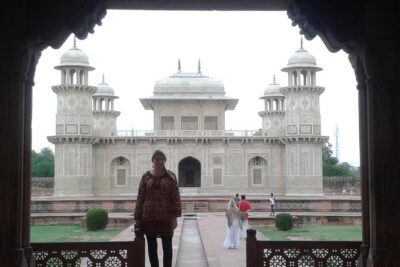
Delhi to Agra and Taj Mahal Private Day Trip by Express Train with Lunch
Read our review →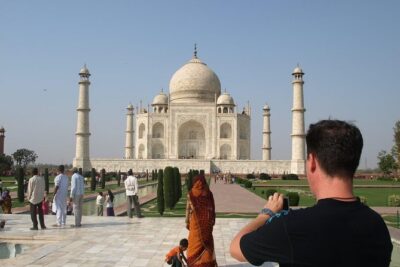
Taj Mahal & Agra Tour by Gatimaan Express Train
Read our review →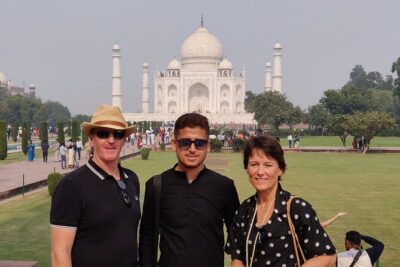
All Inclusive Taj Mahal & Agra Tour by Superfast Train From Delhi
Read our review →
Delhi to Agra Taj Mahal Private Day Trip by Superfast Train
Read our review →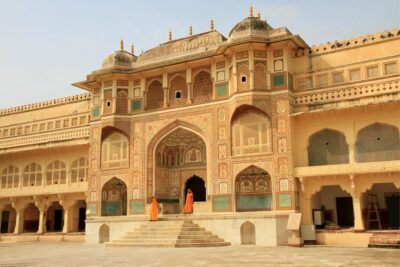
Jaipur Day Trip from Delhi by Car or Train – All Inclusive
Read our review →
Private Taj Mahal & Agra Day Tour by Superfast Train From Delhi
Read our review →Browse the lists this tour appears in