
REVIEW · HANOI
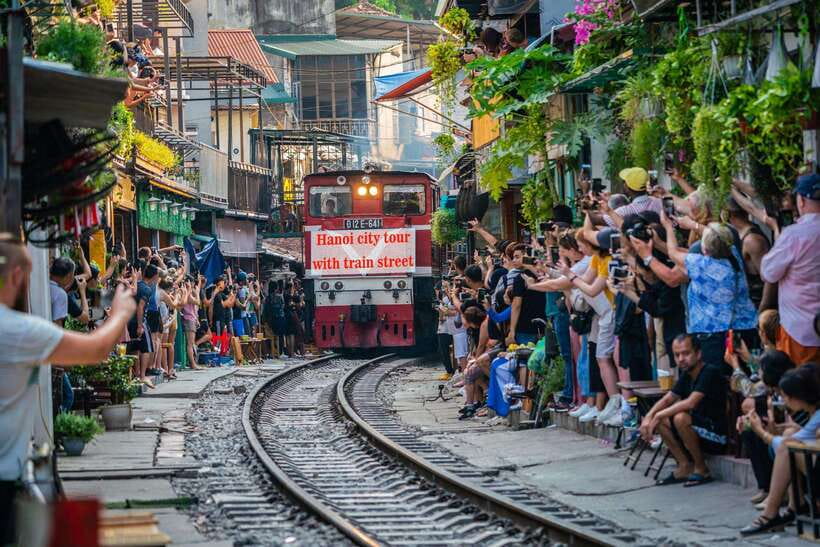
Highlight Hanoi city tour with train street.
Hanoi Train Street is the hook here: real railway tracks run between homes, cafés, and daily life in the old city. This private tour then fills in the bigger picture with Ho Chi Minh’s complex, Tran Quoc Pagoda, Dong Xuan Market, Saint Joseph Cathedral, and either the Museum of Ethnology or Hoa Lo Prison.
I like the private car and flexible pickup, especially for a first day in Hanoi. I also like the range: one morning can take you from a Buddhist pagoda beside West Lake to a French-built cathedral and a wholesale market. The main drawback is traffic, so the four-hour version must be selective, and Train Street access can change with local operating conditions.
Key points at a glance
- Train Street brings Hanoi’s daily life unusually close: railway tracks pass directly between buildings and businesses.
- The private format helps with hotel pickup: service is available from many Hanoi districts, with a private vehicle sized for your group.
- The full-day route covers Hanoi’s major themes: national history, Buddhism, ethnic culture, French colonial architecture, shopping, and street life.
- The guide makes a real difference: Hien and Hin are specifically noted for clear English, city knowledge, and making guests comfortable.
- The four-hour option is not the whole itinerary: it includes three places and Train Street, so check the selected option carefully.
- Timing matters: the Ho Chi Minh Mausoleum opens only in the morning and closes on Monday, Friday, and from June 15 to August 15.
A practical first look at Hanoi
At $51 per person, this tour is priced as a private sightseeing day rather than a basic shared bus outing. The cost includes a private car or minibus, an English-speaking guide, hotel pickup and drop-off, entrance fees at the listed sites, and a bottle of water. The full-day option also includes a simple Vietnamese meal.
That package can be good value if you are traveling with family or friends and want to cover a lot without arranging several taxis. It is less compelling if you prefer to wander independently or spend long stretches in one museum. Hanoi traffic can be slow, and the route has several stops spread across the city.
You can choose a four-hour tour or a longer outing of up to eight hours, depending on availability. The shorter option visits three places and Train Street, while the full-day plan adds more stops, lunch, and the Museum of Ethnology. Read the selected option closely before paying, since the headline list describes the full day.
Pickup is available from many districts, including Hoan Kiem, Ba Dinh, Tay Ho, Dong Da, Hai Ba Trung, Cau Giay, Long Bien, Ha Dong, Thanh Xuan, Hoang Mai, My Dinh, and others. You need to provide your hotel name and address clearly, then be ready in the lobby 10 minutes before departure.
More Train Street Tours in Hanoi:
- Hanoi: Guided Food Tour with Train Street Visit
★ 4.9 · 6,239 reviews - Hanoi: Street Food Tour with Train Street & Hidden Alleyways
★ 5.0 · 2,831 reviews - Hanoi: Guided Street Food Tour with Train Street Experience
★ 4.9 · 2,479 reviews
Ho Chi Minh’s complex and the One Pillar Pagoda
The morning route begins at Ba Dinh Square, the ceremonial heart of modern Vietnam. The Ho Chi Minh Mausoleum is the final resting place of Ho Chi Minh, often called Uncle Ho by Vietnamese people. His preserved body lies inside the building, although his wishes were for cremation.
The mausoleum visit is controlled and formal. Dress modestly, with long pants or an appropriate skirt and covered shoulders. Shorts and sleeveless shirts are not allowed at the mausoleum, temples, and pagodas. If you arrive in hot weather, this dress rule is worth planning for rather than discovering at the gate.
The mausoleum itself is only part of the stop. The surrounding garden and square help explain the importance of the site, and your guide can put the political setting into context. If your tour runs in the afternoon, or during the summer closure, you will see the exterior and garden instead of entering.
The opening rules are especially important. The mausoleum is open in the morning, except on Monday and Friday, and it closes from June 15 through August 15. A morning booking on another day gives you the best chance of seeing the interior. The operator may adjust the route if the building is closed.
Nearby, the One Pillar Pagoda offers a very different mood. The small Buddhist structure rises from a pond in a form meant to resemble a lotus flower. Its origin is linked to a dream of Emperor Ly Thai Tong, in which the enlightened figure Avalokiteshvara presented him with a baby son resting on a lotus.
The pagoda is compact, so do not expect a long visit. Its value comes from the story, its unusual shape, and the way it connects royal history with Buddhist symbolism. I find it works best when the guide explains the image rather than treating it as just another photo stop.
Tran Quoc Pagoda beside West Lake
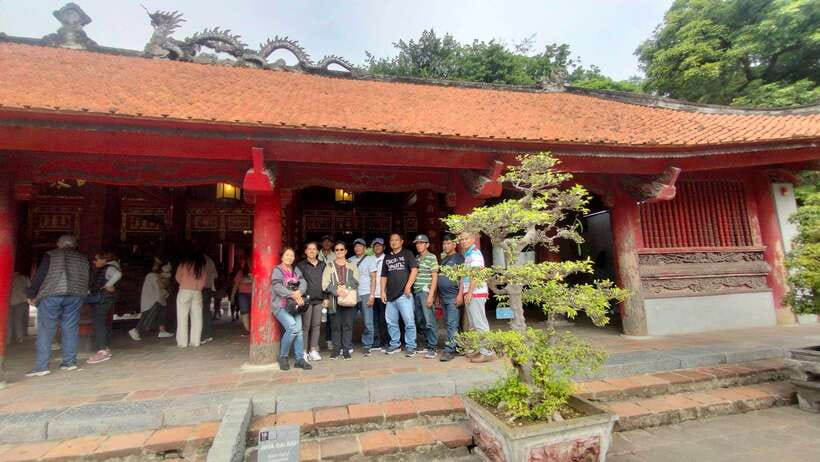
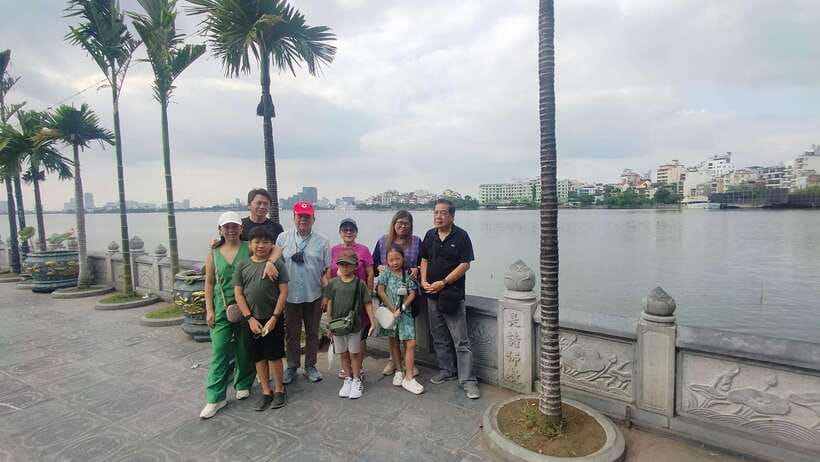
Tran Quoc Pagoda sits beside West Lake, Hanoi’s largest lake. The pagoda dates to the sixth century and is described as the oldest pagoda in Hanoi, making it one of the city’s key religious sites.
This stop gives you a break from the density of central Hanoi. The water, temple grounds, and pagoda create a calmer setting than Ba Dinh Square or the market streets. You will want respectful clothing here too, especially if you plan to enter temple areas.
The tour includes entry to Tran Quoc Pagoda and West Lake. The stop is not only about scenery. It shows how religious places remain part of the city rather than being separated from ordinary urban life. The contrast with the traffic and close-packed streets later in the day is useful.
Allow yourself time to look at the details and listen to the guide. The pagoda is an older site, but the overall visit is still fairly short compared with a museum. If you want a slow, reflective morning, the private format gives you a better chance of lingering than a tightly packed group departure.
Lunch and the choice of Museum of Ethnology or Hoa Lo Prison
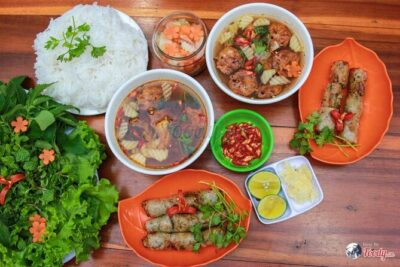
On the full-day plan, lunch is provided at a local Vietnamese restaurant. The included meal is a light bowl of beef or chicken noodle soup, or bun cha. Drinks are not included, so bring water or budget for drinks by order. Vegetarian and other special food requests should be sent to the operator in advance.
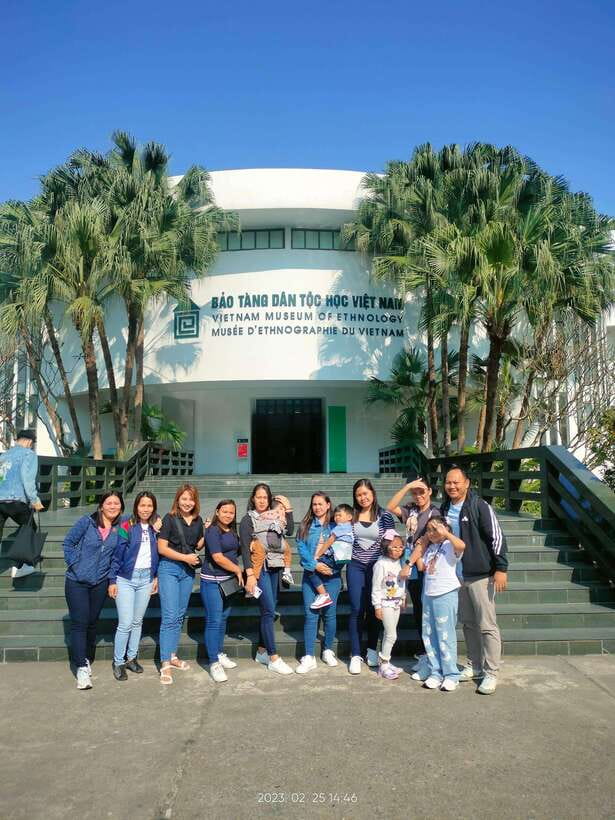
The afternoon museum stop depends on the day. The Museum of Ethnology introduces the cultures of Vietnam’s 54 ethnic groups. This is a strong choice if you want more than monuments and markets. It adds social and cultural context to the country, showing that Vietnam is made up of many distinct communities rather than one single tradition.
The Museum of Ethnology is closed on Monday. On that day, the route changes to Hoa Lo Prison, also known as the Hanoi Hilton. This former prison offers a darker look at the city’s colonial and wartime past. The swap is practical, but the two museums provide very different experiences, so check the day of your booking if one is especially important to you.
The museum is included only with the full-day option. If you select the four-hour tour, you will not receive the full museum visit or included lunch. That shorter route is better for a quick orientation than for a complete survey of Hanoi.
More City Tours in Hanoi:
- Hanoi City Tour Highlight, Train Street Combine visit Countryside
★ 5.0 · 925 reviews - Hanoi Jeep City Highlight, Backstreet, Train Street, Countryside
★ 5.0 · 666 reviews - Vespa City Tour &Train Street Female With Ao Dai Riders 4,5 Hours
★ 5.0 · 314 reviews - Hanoi City Half-Day Private Tour: Train Street And All Highlights
★ 5.0 · 298 reviews
Dong Xuan Market and Hanoi’s working side
Dong Xuan Market was built in 1889 and remains Hanoi’s largest wholesale market. It is a useful counterpoint to the city’s formal monuments. Instead of royal stories or national ceremonies, you see a place built around trade, supplies, clothing, fabric, handicrafts, souvenirs, and food.
You can browse a wide range of goods, though this is not presented as a special shopping trip. Wholesale markets can feel practical and crowded rather than polished. Go with realistic expectations: the interest is in seeing how commerce works, not in finding a carefully arranged boutique experience.
The market also helps you understand Hanoi’s old quarter as a place where people work and shop, not just a backdrop for photographs. Your guide can help explain what you are seeing and keep the stop from becoming a simple walk through stalls.
If you are looking for souvenirs, you might find fabric, clothes, local handicrafts, and small gifts here. Personal expenses are not included, so purchases are your responsibility. Keep the visit focused, since traffic and later stops can put pressure on the schedule.
Saint Joseph Cathedral and Hanoi’s French influence
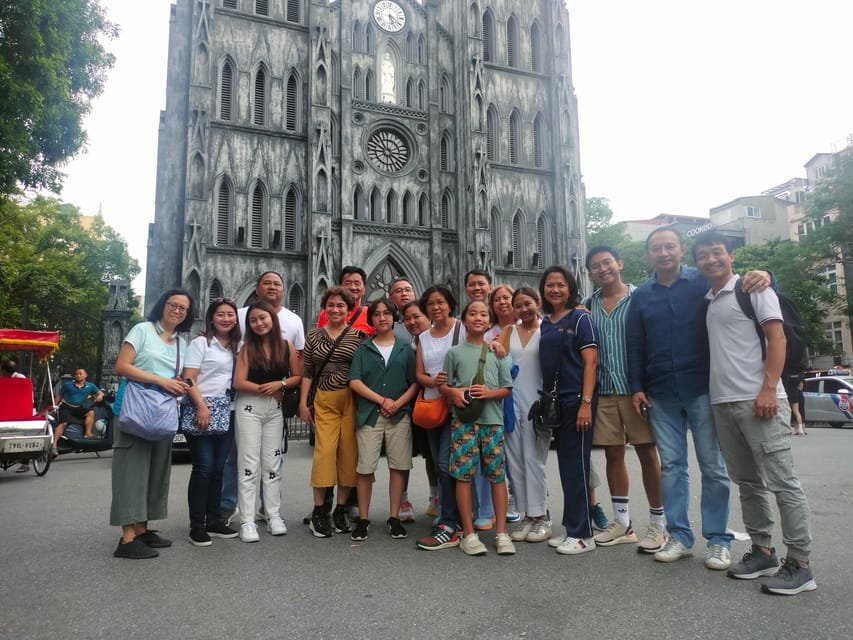
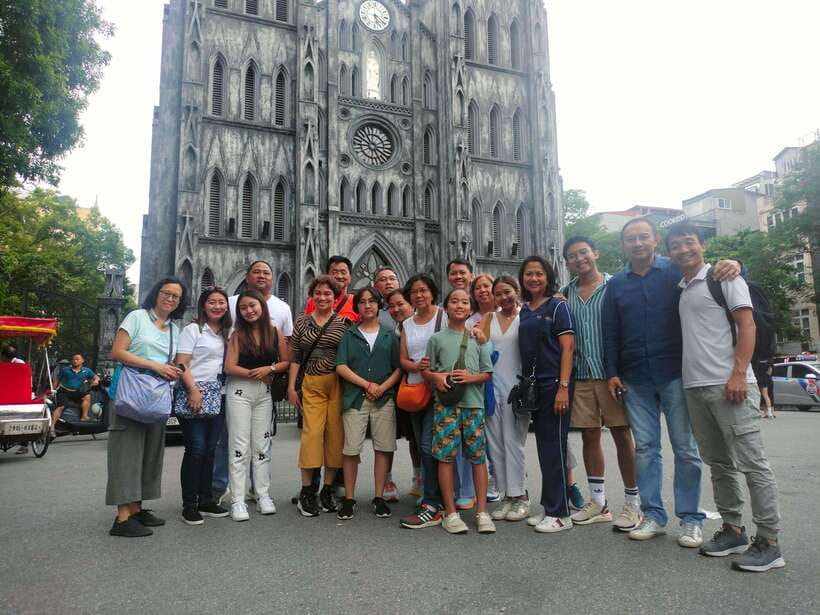
Saint Joseph Cathedral stands at 40 Nha Chung Street. Built in neo-Gothic style, it was completed in 1886 after the French army conquered Hanoi. The cathedral and the surrounding Nha Chung area were built on land that had belonged to Bao Thien Pagoda during the Ly dynasty.
This is one of the clearest examples of Hanoi’s layers of history in one small area. The cathedral reflects French colonial rule, while the former pagoda site points to an older Vietnamese religious setting. You do not need a long visit to see why the building matters.
The stop also gives you a chance to compare architectural styles. The One Pillar Pagoda is tied to Buddhist symbolism and imperial legend. Saint Joseph Cathedral follows European church design. Placing them in the same day helps you see how varied Hanoi’s built environment is.
The exact amount of time here depends on traffic and the selected route. It is best treated as a focused architectural and historical stop rather than a full church tour.
Hanoi Train Street: the tour’s most memorable stop
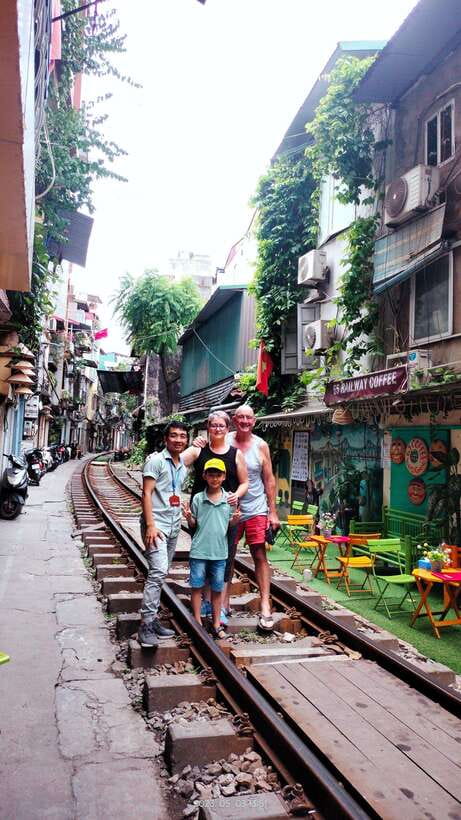
Train Street is the part many people most want to see. Actual railway tracks run through a narrow residential area, with houses and businesses opening directly onto the rail line. It is not a normal road for cars or motorbikes, and the close quarters make the setting feel unlike any other stop on this route.
You will see a side of Hanoi that is difficult to understand from a museum display. Laundry, homes, cafés, and railway infrastructure share the same tight space. The appeal is the ordinary life built around an extraordinary constraint.
Access and timing can change because the area is affected by railway operations and local conditions. The tour information does not promise a train passing during your visit, so do not book this expecting a guaranteed train photo. Treat the stop as a chance to see the railway corridor and local setting safely with a guide.
Follow your guide’s instructions closely. Stay clear of the tracks and do not treat the railway as a stage for photographs. Conditions can change without notice, and the route may be adjusted for weather or operating reasons.
For many people, Train Street is the highlight. It is also the place where expectations need the most care. The experience depends on access at the time of your visit, not only on the advertised schedule.
Why the guide and vehicle matter
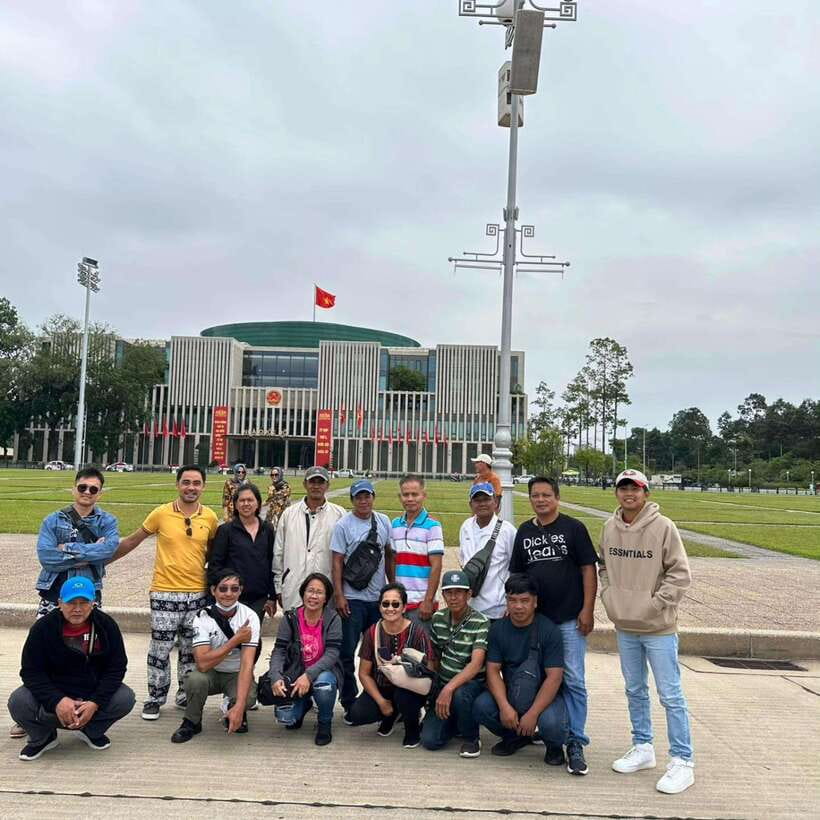
This is a private-group tour, not a fixed shared outing. The vehicle is a private minicar or bus depending on group size, and pickup and drop-off take place at your chosen location within the listed Hanoi districts. That makes the day easier for families, older visitors, and anyone who does not want to negotiate Hanoi taxis between every stop.
The guide is the other important part of the experience. Hien is described as speaking excellent English and giving clear information about Hanoi, Vietnam, and local culture. Hin is also noted for being easy to understand, well informed, and attentive to comfort. The two names appear in the tour feedback, so your assigned guide may be someone else.
A private guide can also help when the city does not follow a neat schedule. A mausoleum closure, Monday museum closure, traffic delay, or Train Street access issue may require a change. The operator states that the itinerary and timing can change because of weather and operating conditions.
The tradeoff is that a private vehicle does not remove traffic. One person specifically advised being ready to sit in traffic between sights. The route covers a broad part of Hanoi, so the car is useful, but you should not assume every transfer will be quick.
What to bring and who should book
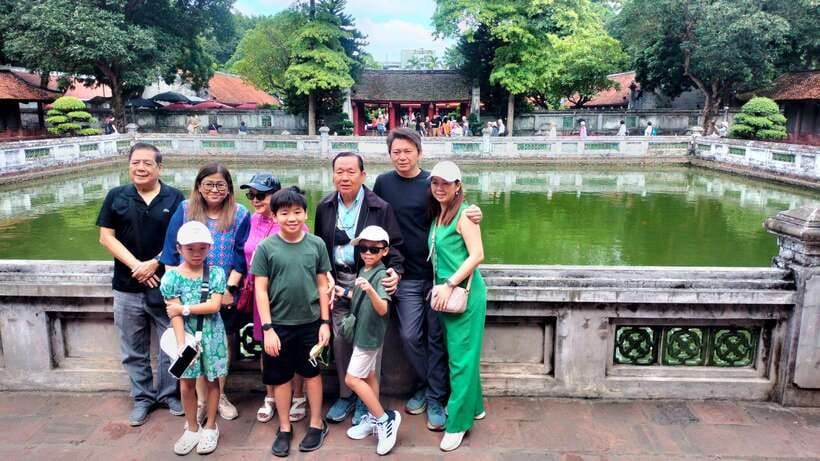
Bring sunscreen, a sun hat, drinks, and a long-sleeved shirt. Long pants are the safest choice for a day that includes the mausoleum and pagodas. Comfortable clothing matters because you will move between outdoor areas, religious sites, markets, and city streets.
The tour is wheelchair accessible, and it is offered as a private group. Tell the operator about food needs before the day of the tour. English and Vietnamese guides are available, while other languages can be requested.
I would choose this tour for a first day in Hanoi, especially if you want a broad introduction without planning every transfer. It also suits families and small groups that value a private vehicle and direct hotel pickup. The full-day plan works best for people who want national history, religion, culture, architecture, shopping, and Train Street in one outing.
I would choose the four-hour version if you have limited time or want a light orientation before exploring on foot. Just remember that you will see only three places and Train Street, not every stop described in the full-day route.
Cancellation is free up to 24 hours before departure, and you can reserve now and pay later. Those terms help if your Hanoi schedule is still moving, but they do not remove the need to check the date, pickup address, mausoleum access, and museum option.
Should you book this Hanoi city tour?
Book it if you want a private, guide-led introduction to Hanoi with major sights packed into one day. The strongest reasons are the flexible pickup, the range of stops, the included admissions, and guides such as Hien or Hin who can explain what you are seeing in clear English.
Choose the full-day option for the best value, since it adds lunch and the Museum of Ethnology. Choose the shorter option only if you understand that it covers fewer places.
Skip it if your priority is a slow morning at one museum, extended market shopping, or independent wandering. Hanoi traffic will limit the pace, and Train Street access is not fully predictable. For a first look at the city, though, this tour gives you a useful map of Hanoi’s past and present, from imperial Buddhism and national history to markets, churches, and a railway running through everyday life.
FAQ
How long does the Hanoi city tour last?
The available options run from four to eight hours. Starting times depend on availability, so check the date and selected option when booking.
Is hotel pickup included?
Yes. Pickup and drop-off are available from many Hanoi districts, including Hoan Kiem, Ba Dinh, Tay Ho, Dong Da, Hai Ba Trung, Cau Giay, Long Bien, Ha Dong, Thanh Xuan, Hoang Mai, and My Dinh. Provide your hotel name and address clearly.
Is the tour private?
Yes. The tour is for a private group, with a private minicar or bus depending on group size.
What is included in the full-day option?
The full-day option includes an English-speaking guide, private transfers, water, listed entrance fees, a light meal of beef or chicken noodle soup or bun cha, and entry to the Museum of Ethnology.
Is lunch included in the four-hour option?
No. The included light meal is part of the full-day option only.
What happens if the Museum of Ethnology is closed?
The Museum of Ethnology is closed on Monday. The tour changes to Hoa Lo Prison, also called the Hanoi Hilton.
Can I enter the Ho Chi Minh Mausoleum in the afternoon?
No. The mausoleum opens only in the morning. It is also closed on Monday and Friday and during the summer closure from June 15 through August 15. In those cases, you will visit the exterior and garden instead.
What should I wear?
Wear long pants and a shirt with sleeves. Shorts and sleeveless shirts are not allowed at the temples, pagodas, and Ho Chi Minh Mausoleum.
Just added around Hanoi
- Visit Train Street Hear History &Eat Local Food Know Culture★ 5.0 · 20 reviews
- Uncover Hanoi’s Hidden Treasures: Old Quarter & Train Street★ 5.0 · 61 reviews
- The insider’s Hanoi + Train Street 4,5 Hours Female Ao Dai Riders★ 5.0 · 53 reviews
- The insider’s Hanoi 4.5 hours All highlight Places & Train Street★ 5.0 · 41 reviews
- Female Riders Vespa Night Street Food + Train Street food 4 Hours★ 5.0 · 35 reviews
- Hanoi Vespa After Dark Street food + Train Street+ Live Music★ 5.0 · 18 reviews
- Highlights and Secrets of Hanoi Old Quarter Through Train Street★ 5.0 · 24 reviews
- Red River island backroad, Rural Countyside Area and Train Street★ 5.0 · 57 reviews
Hanoi Train Tours, compared.
Street Food Tour with Train Street & Hidden Alleyways
Read our review →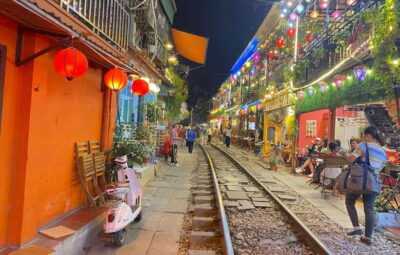
Guided Street Food Tour with Train Street Experience
Read our review →
Hanoi City Tour Highlight, Train Street Combine visit Countryside
Read our review →
Hanoi Walking Street Food Tour with Train-Street Visit
Read our review →
Hanoi Jeep City Highlight, Backstreet, Train Street, Countryside
Read our review →
Walking Street Food Tour in Hanoi and Train Street
Read our review →Browse the lists this tour appears in