
REVIEW · PORTO
Porto: Magic Train Tour and Port Wine Cellar with Tastings
Porto’s Port wine cellar visit is the real prize here. The train gets you from the cathedral through the old center to Real Companhia Velha, where you watch a 15-minute film, see the oldest part of the cellar, and taste two Ports.
I like the easy introduction to Porto’s major sights, including São Bento Station, Clérigos Tower, Batalha Square, and the Carmelite churches. I also like the price: at $24, the city ride, cellar entry, guided visit, and two tastings make this a useful first look at Porto.
The main drawback is that the train is more of a scenic transfer than a full sightseeing tour. It can shake hard on Porto’s stone streets, and the audio commentary may be difficult to hear from the back.
Key points to know before you book
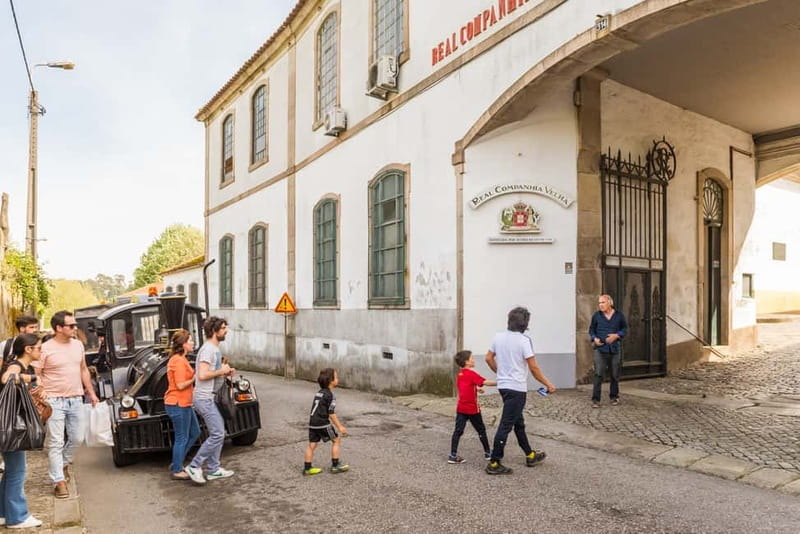
- The cellar is the strongest part: Real Companhia Velha dates to 1756 and provides a short, focused introduction to Port production.
- The train starts at Porto Cathedral: You meet at Sé Catedral, then travel through the historic center before reaching the cellar.
- Two Port wines are included: The tasting is short enough to fit into a busy day, but still gives you a feel for Porto’s fortified wines.
- This is not a hop-on hop-off service: You cannot use it as an all-day sightseeing bus.
- Expect rough streets: Porto’s cobbles can make the ride lively, especially in the rear seats.
- Lunch is an optional upgrade: The added buffet is served at Ruela da Villa, inside a four-star hotel.
A practical introduction to Porto in two hours
This experience combines two things that can otherwise take planning: seeing central Porto and visiting a Port cellar. You begin outside Porto Cathedral, the large Romanesque church at the top of the old city. It is a good starting point because the cathedral area puts you close to Porto’s oldest streets and gives you a clear sense of the city’s steep, layered character.
The tourist train leaves from R. de Saraiva de Carvalho. Departure times are set at intervals of about 30 minutes, though you should still confirm the available time when booking. Before boarding, exchange your voucher for the actual ticket. This step matters, since arriving with only the phone voucher can cause confusion and may mean waiting for the next train.
The train’s audio guide is available in Portuguese, Spanish, French, English, and Italian. A host or greeter may speak Portuguese, English, Spanish, or French. The combination works well for a quick orientation, though the live commentary and onboard audio are not always equally clear from every seat.
I would treat the ride as a moving preview of Porto, not a substitute for walking. You pass important buildings and squares, but the train does not stop long enough for you to study their details. Use it to mark places you want to revisit on foot later.
More Wine Trips in Portugal:
- Porto: City Train Tour, River Cruise & Wine Cellar
★ 3.9 · 2,601 reviews - Douro Experience – Boat and Train Ride – Lunch and Wine Tasting – All Included
★ 4.5 · 141 reviews - Régua: Wine tasting at a Quinta, traditional lunch, cruise, and train ride
★ 4.5 · 79 reviews
From Sé Cathedral to Batalha Square
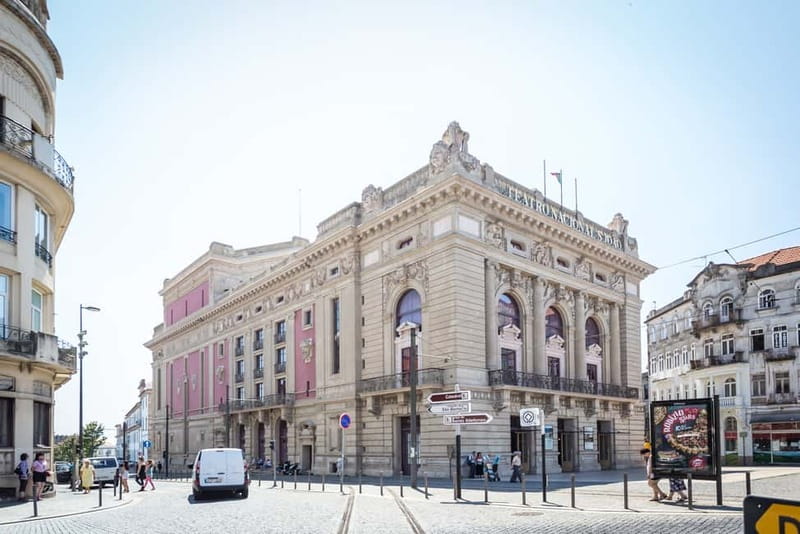
The first part of the route gives you a broad look at Porto’s central sights. You pass through the historic core and reach Praça da Batalha, or Batalha Square, where the São João National Theatre is located. The square is an important city landmark, and the theatre gives the route a strong architectural focus.
This is the kind of sightseeing that works well on a first afternoon. You can sit back, listen to the commentary, and make notes about places worth returning to. It is especially useful if you have only one day in Porto and need a quick sense of the city’s layout.
The tradeoff is detail. Porto’s streets are narrow and often crowded with pedestrians, and the train keeps moving. You will see facades, churches, and busy streets in passing rather than receive a close architectural explanation. The ride feels more useful as an overview than as a formal guided city tour.
The route continues along Avenida dos Aliados, one of central Porto’s main avenues. From there, you pass near São Bento Station, famous for its blue-and-white tiled interior. The train lets you identify the station, but it does not replace going inside. If São Bento is on your list, return later and spend time with the tile panels at your own pace.
Clérigos Tower, Carmelite churches, and Porto’s bookshop district
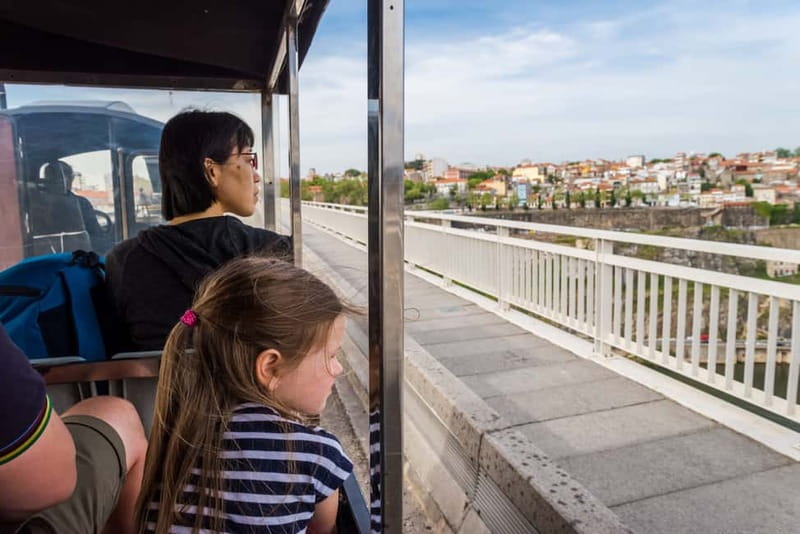
The train also passes the baroque Bell Tower of Clérigos Church. This is one of Porto’s most recognizable landmarks, rising above the central streets and serving as a useful point of orientation. The route gives you the outside view, but the experience does not include entry to the church or tower.
You also pass the Convent and Church of the Carmelites, a pair of historic churches close to Livraria Lello and several cafés. This is one of the busiest sightseeing areas in Porto, so seeing it from the train can save your feet during a packed day. Still, I would return on foot if you want to examine the churches or visit the bookshop.
The onboard music and commentary can add character to the ride. At the same time, sound quality varies. One practical tip is to sit where you can hear the speakers clearly and avoid assuming that the rear seats will provide the best view or sound. The train’s motion and road noise can make the back less comfortable.
Touring Real Companhia Velha’s old cellar

The train takes you directly to Real Companhia Velha, described as the oldest Portuguese wine cellar. The company was founded in 1756 by King José I, giving the cellar a long connection with Portugal’s wine trade.
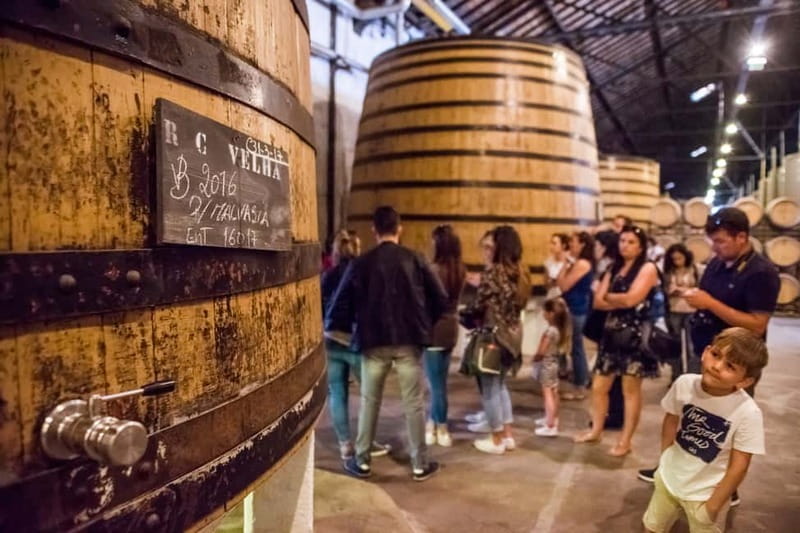
You leave the train for the cellar portion of the experience. The visit begins with a 15-minute documentary explaining Port wine and the work of major Port producers. This film gives you the basic vocabulary and production background before you enter the older part of the cellar.
The cellar visit is valuable because Port is not simply a sweet red wine. It is a fortified wine, and its production, aging, and styles are central to Porto’s identity. The visit helps explain what makes it different from ordinary table wine and why the city became so closely linked with the drink.
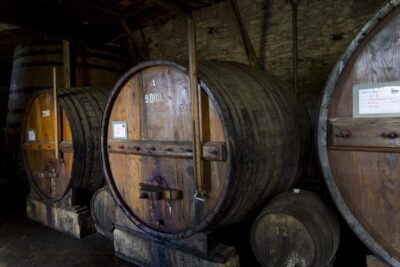
The old section of the cellar is the most atmospheric part of the tour. You can expect a guided walk through this historic area, followed by the tasting. The cellar guide is separate from the train commentary, and the cellar portion has received especially strong praise for being clear and informative.
Do not expect a long winery program. The cellar visit is designed as a compact introduction, not a full technical course in viticulture. That is a strength if you want a manageable activity between other sights. It may feel brief if you already know Port well or want an extended tasting with many styles.
More Train Tours in Portugal:
- Lisbon: 72/96-Hour Hop-On Hop-Off Bus, Tram & Boat Ticket
★ 4.4 · 2,170 reviews - Lisbon: 3-in-1 Hop-On Hop-Off Bus and Tram Tours
★ 4.3 · 1,537 reviews - Lisbon: Tram 28 Entry Ticket & Audio Guide with 24-Hour Pass
★ 4.0 · 930 reviews - Lisbon: Hills Red Tram Tour by Tram 28 Route 24-Hour Ticket
★ 4.1 · 874 reviews
What the two Port tastings add
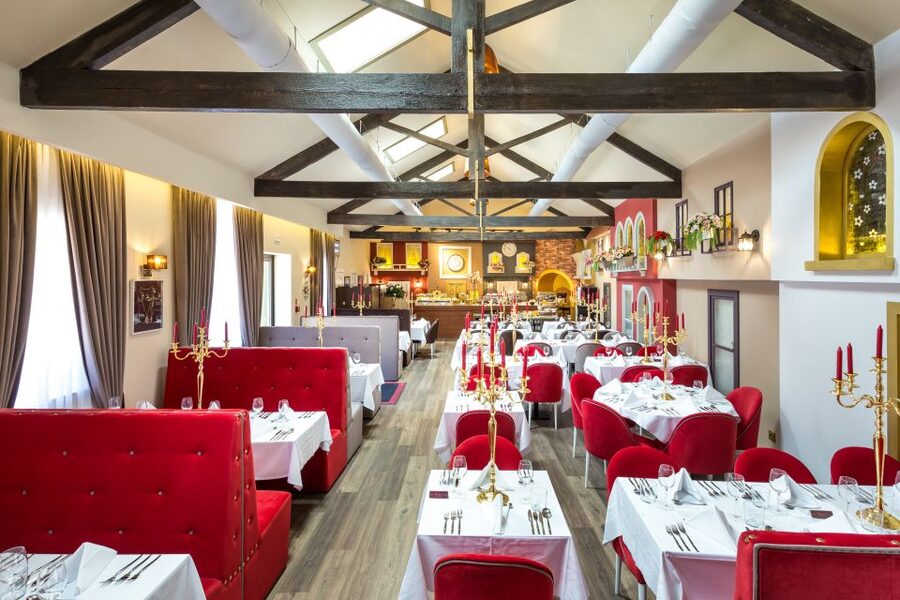
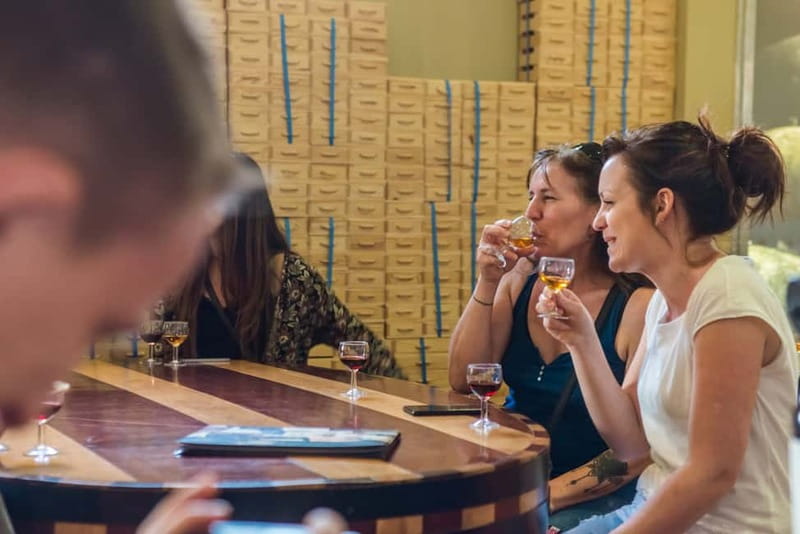
Two Port wines are included. The tasting gives you a simple way to compare the character of Port after learning how it is made. The portions are intended for tasting rather than a full drinking session, so this remains an easy activity to fit into a day of sightseeing.
I like this structure because the tasting follows the film and cellar tour. You first receive the background, then see the old production setting, and only then sample the wines. That order gives the tasting more meaning than simply receiving two glasses at a bar.
The wine portion is also short enough for people who are curious but not committed Port enthusiasts. You do not need to build your entire day around wine. The activity provides a first taste, and you can later visit other cellars or wine bars if you want more depth.
If you are traveling with someone who does not drink, the city ride and historic setting still offer some value, but wine is clearly one of the main reasons to choose this experience. The cellar tour is included rather than treated as an optional add-on, so the activity suits people who want Porto’s wine story built into their sightseeing.
The return ride and the limits of the format
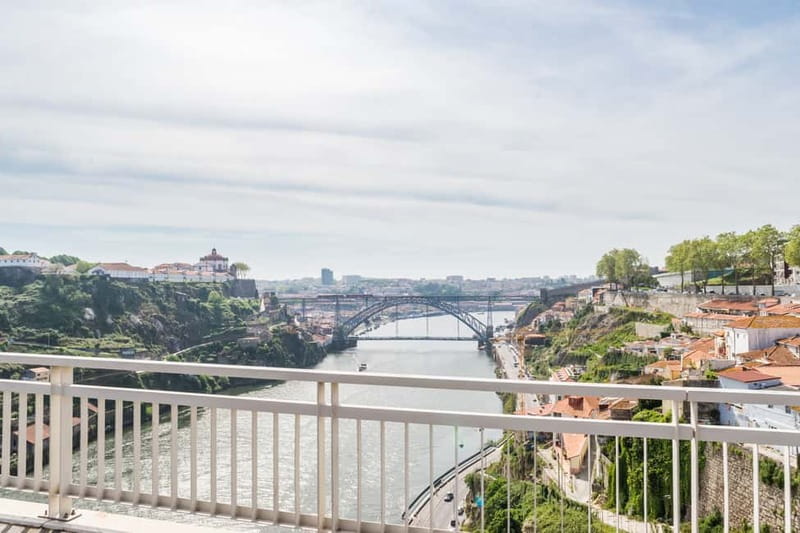
After the cellar visit, you reboard the train and continue around the center. The return route gives you another chance to identify streets, monuments, and shopping areas. Music may play during this part of the ride, and the mood can feel lighter than the historical section.
This is also where the limits become clear. The train does not operate as a true hop-on hop-off service. You cannot get off whenever you see an interesting street, spend an hour exploring, and then use the next train as part of the same open-ended ticket.
The trip is best understood as a planned two-hour circuit with a cellar stop. The train connects the cathedral and wine cellar while adding a city overview. It is not a flexible transport pass.
Porto’s paving makes the ride physically lively. The train can shake sharply over stone streets, especially at the rear. If you have back problems, motion sensitivity, or simply prefer a smooth ride, consider this before booking. The experience is not described as suitable for wheelchair users, so wheelchair users should choose another format.
Optional lunch at Ruela da Villa
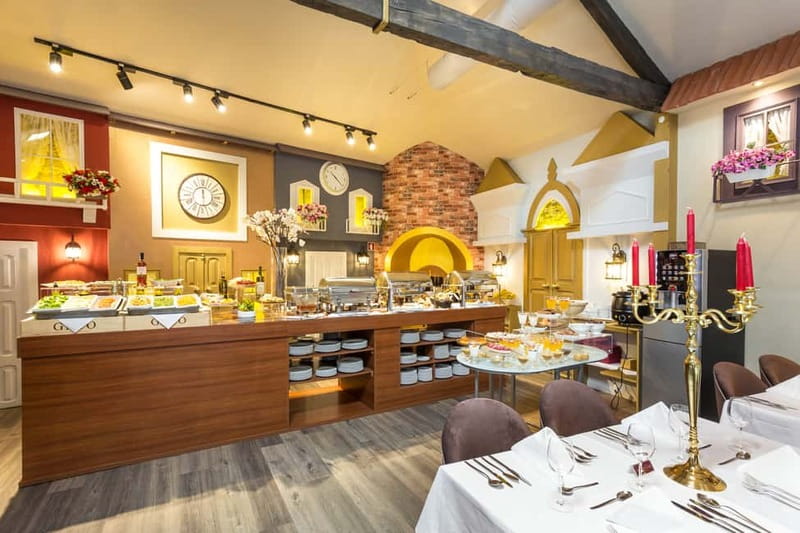
You can upgrade the activity to include lunch at Ruela da Villa, the restaurant of a four-star hotel. The meal is an all-you-can-eat buffet with Portuguese dishes and desserts.
The train stops in front of the restaurant, so the lunch option is built into the route rather than requiring a separate transfer. You can get off for the meal and rejoin the train afterward, according to the tour arrangement.
The lunch upgrade makes the most sense if you want a simple midday plan and prefer a buffet to choosing from a menu. It is less useful if you already have a restaurant booked or want to spend your lunch break in one of Porto’s smaller local cafés.
The supplied details do not specify the exact dishes served on a given day, so think of it as a convenient Portuguese buffet rather than a fixed tasting menu. The main tour remains the better choice if the cellar and city ride are your priorities.
Price, timing, and practical value
At $24 per person, this is good value for a compact introduction to Porto. The price includes the train ride, entrance to the cellar, a guided cellar visit, the 15-minute documentary, and two Port tastings. You are paying for a combined experience rather than a simple sightseeing ride.
The value is strongest for a first visit, a short stay, or a day when you want an organized introduction before exploring alone. The tour can help you decide which sights deserve more time, especially São Bento Station, Clérigos, Batalha Square, and the Carmelite churches.
The value drops if you expect a detailed walking tour or a flexible city transport service. The train’s commentary is useful but limited, and the ride does not provide long stops at the monuments. You may still need to return independently to see the interiors.
Plan around the timing carefully. The full activity lasts about two hours, but the final departure that includes the cellar visit begins 1.5 hours before the service ends. If you arrive late in the day, check the last suitable departure rather than assuming every train includes the cellar stop.
Free cancellation is available up to 24 hours before the activity for a full refund, and you can reserve now and pay later. Those terms are useful when your Porto schedule is still changing, but you still need to exchange the voucher for tickets at the meeting point.
Who should book this Porto train and cellar tour?

I would recommend it to first-time visitors who want a quick orientation, wine-curious visitors who do not want to plan a separate cellar visit, and anyone with only a short time in Porto. Families and mixed-age groups may also appreciate the train format, though the rough ride is worth keeping in mind.
It works particularly well at the beginning of a stay. After the ride, you will know which sights to revisit on foot, and the cellar visit gives you useful context for Porto’s most famous drink.
I would choose something else if you want a serious wine education, a long tasting, or a detailed walking tour of the historic center. The train offers a broad view, not close inspection. Its best feature is the combination of easy city orientation and a worthwhile cellar visit at a modest price.
For most people, book it for the cellar and use the train as an added bonus. Arrive early, exchange your voucher, sit where you can hear the audio, and save time later to walk inside São Bento Station and around Clérigos.
FAQ
Where does the Porto Magic Train Tour begin?
It begins at Porto Cathedral, also called Sé Catedral, at R. de Saraiva de Carvalho, 4000-520 Porto, Portugal.
How long does the activity last?
The stated duration is two hours.
What languages are available on the audio guide?
The audio guide is available in Portuguese, Spanish, French, English, and Italian.
What languages may be spoken by the host or greeter?
The host or greeter may speak Portuguese, English, Spanish, or French.
Which wine cellar does the tour visit?
The tour visits Real Companhia Velha, founded in 1756 by King José I.
How many Port wines are included?
Two Port wine tastings are included.
Is lunch included?
Lunch is not included in the standard option. You can upgrade to an option with an all-you-can-eat Portuguese buffet at Ruela da Villa.
Is this a hop-on hop-off train?
No. The activity is not a hop-on hop-off tour, although the lunch option includes getting off and back on in front of the restaurant.
Do I need to exchange my voucher?
Yes. You need to go to the meeting point and exchange the voucher for the tour tickets.
Is the tour suitable for wheelchair users?
The activity is listed as not suitable for wheelchair users.
Can I cancel for a refund?
Yes. You can cancel up to 24 hours in advance for a full refund.
Can I reserve now and pay later?
Yes. The activity offers a reserve now and pay later option.
Just added around Portugal
- Douro Valley Tour with Train and Vinho Verde★ 5.0 · 6 reviews
- Transfer Taxi Service Porto , Gaia , Airport , Train , Bus , Ship★ 5.0 · 4 reviews
- Douro River Cruise from Pinhão with Scenic Train Return★ 4.5 · 3 reviews
- Lisbon Walking Tour: Belém Neighborhood, Tram & Boat Ride★ 5.0 · 27 reviews
- Private Belem tour with tram and the new Quake Museum★ 5.0 · 3 reviews
- Tavira: Tourist Train City Highlights Tour★ 3.5 · 61 reviews
- Porto Highlights and Tram – Private Tour★ 4.2 · 13 reviews
- Lisbon: Walking Tour, Belém Neighborhood, Tram and Boat Ride★ 4.8 · 55 reviews
Porto Train Tours, compared.
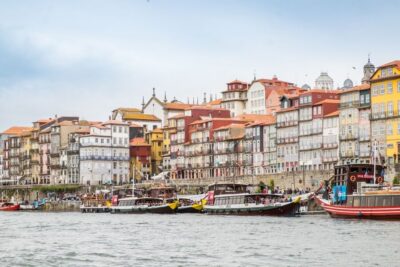

Douro Valley Full-Day Boat, Train, and Lunch Tour
Read our review →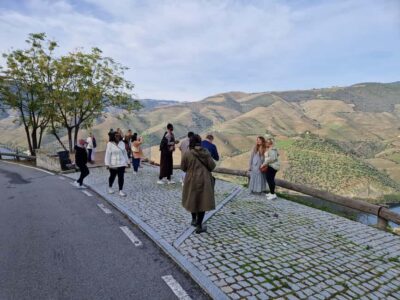
From Porto Douro Valley Tour with Train and Vinho Verde
Read our review →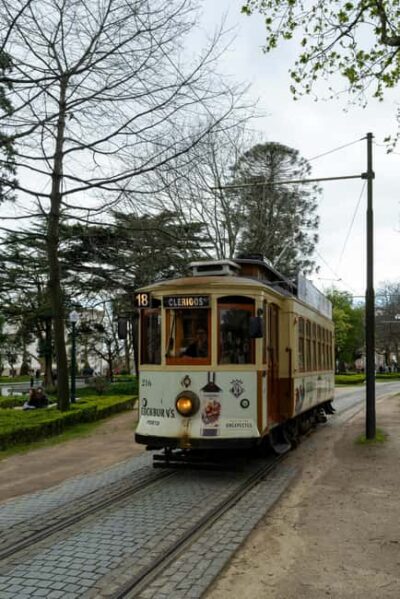
Wine Tasting with Lunch at a Quinta, Cruise, and Train Ride
Read our review →

Transfer Taxi Service Porto , Gaia , Airport , Train , Bus , Ship
Read our review →Browse the lists this tour appears in