
REVIEW · CUSCO
Sacred Valley & Machu Picchu by Train: 2-Day, 1-Night Tour
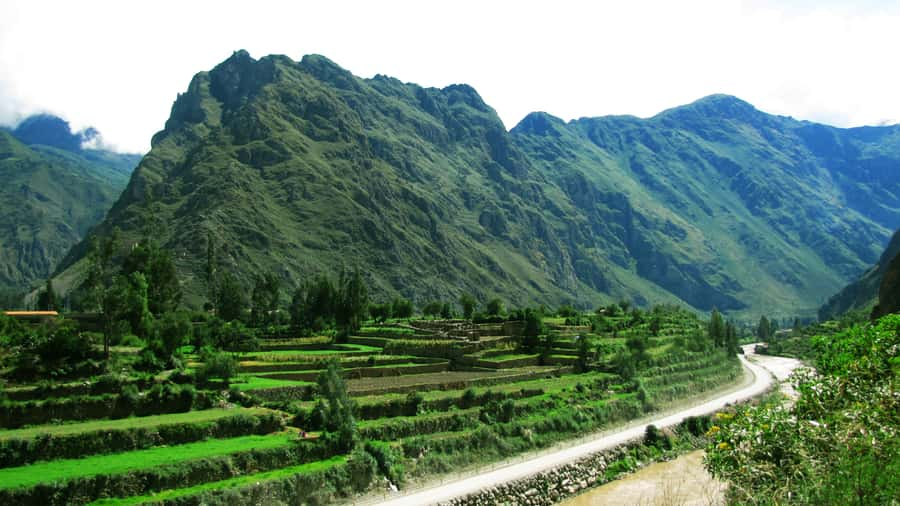
Machu Picchu is the headline, but the real strength of this trip is the route getting there. In two days, you move from Pisac’s mountain ruins and market to Moray’s great circular terraces, Maras’s salt ponds, and Ollantaytambo before reaching the citadel by train.
I like the efficient door-to-door transport and the small group limit of 16 people. I also like that the price includes several major entrance fees, a buffet lunch, dinner, a night in Aguas Calientes, buses, trains, and guides. The drawback is the pace: this is a packed two days, with a long first day and little free time for wandering on your own.
Key points to know before booking
- The first day covers a remarkable amount: alpacas, Pisac, Moray, Maras, Ollantaytambo, and the train to Aguas Calientes.
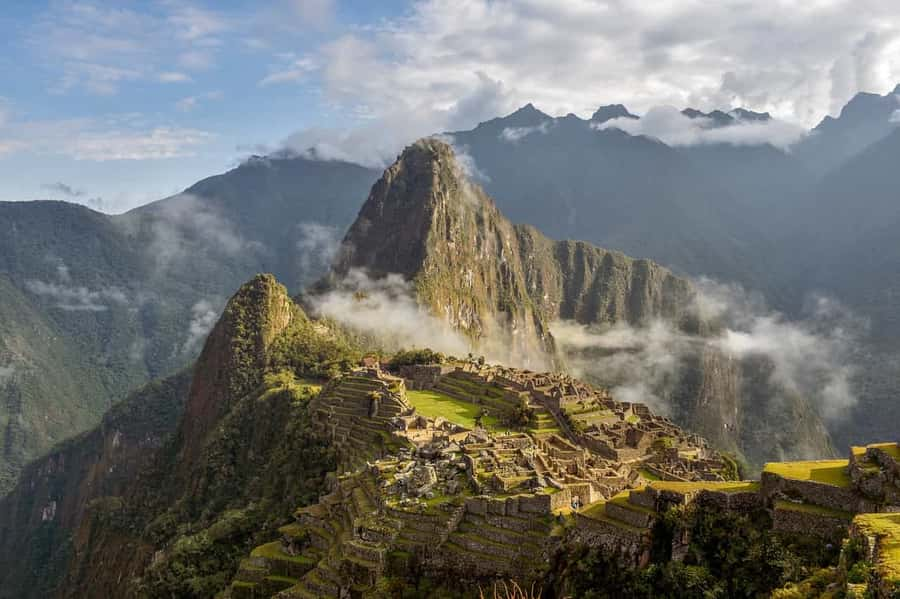
- Machu Picchu comes early on day two, giving you a strong chance to reach the citadel near sunrise, depending on bus timing and entry arrangements.
- The Expedition train is included both ways, but you do not choose the departure times yourself.
- The guide makes a major difference: past departures were led by Herbert Vidal, Alex, and Oliver, with especially strong praise for clear explanations and patience.
- The $698 price includes many essentials, but extra hikes, some meals, and travel insurance cost more.
- Pack only a daypack: large bags and luggage are not allowed on the Machu Picchu portion.
Why this two-day route works
This tour is designed for you if you want to see the Sacred Valley and Machu Picchu without arranging separate taxis, trains, buses, tickets, and hotels. It takes care of the moving parts, which matter in Peru because the route involves several vehicles and timed entries.
The tradeoff is simple. You get a broad look at the Cusco region, but you do not get much spare time. The first day runs from a Cusco hotel through multiple archaeological sites before the evening train. Day two starts early and ends with the return to Cusco.
A small group of up to 16 is a useful middle ground. You are not in a giant coach party, but you also do not get the complete flexibility of a private guide. The guide can explain the sites in English or Spanish, and past guides including Herbert Vidal, Alex, and Oliver received especially warm praise for clear explanations, patience, and prompt help.
More Machu Picchu Train Tours in Cusco:
- Cusco: Machu Picchu 2-Day Inca Trail with Panoramic Train
★ 4.9 · 260 reviews - The First Class Machu Picchu Train by Inca Rail
★ 4.0 · 182 reviews - From Cusco: 1-day Machu Picchu Tour by Train
★ 4.6 · 138 reviews
From Cusco to the alpaca center
Pickup is available from a hotel, hostel, or Airbnb in Cusco. After meeting the guide, you drive about 30 minutes to an alpaca farm and textile center.
This stop gives you a gentle introduction to Andean animal life. You may see llamas, alpacas, vicuñas, and guanacos, then learn how local textiles are made and how natural colors are produced. The weaving demonstration adds context to the alpaca sweaters and other goods you will see later in the markets.
You can shop at the textile center. That is useful if you want a guided explanation of the materials and dyeing process, but remember that shopping stops can add expense to an already costly day. You do not need to buy anything to enjoy the visit.
Taray viewpoint and the broad Sacred Valley
The next drive takes about 30 minutes to Mirador Taray, a viewpoint above the Sacred Valley. From here, you can see the Urubamba River, farmland, and the steep Andean slopes that made this valley such an important agricultural area for the Incas.
This is a good early photo stop because it helps you understand the shape of the valley before you visit its ruins. The view is not just scenery. It shows why the Incas built terraces and irrigation channels here, using different elevations to grow crops in a difficult mountain environment.
The viewpoint is brief, so keep your daypack and camera ready. You are not settling in for a long walk or a quiet morning. This is a quick orientation to the region.
Pisac ruins and the market
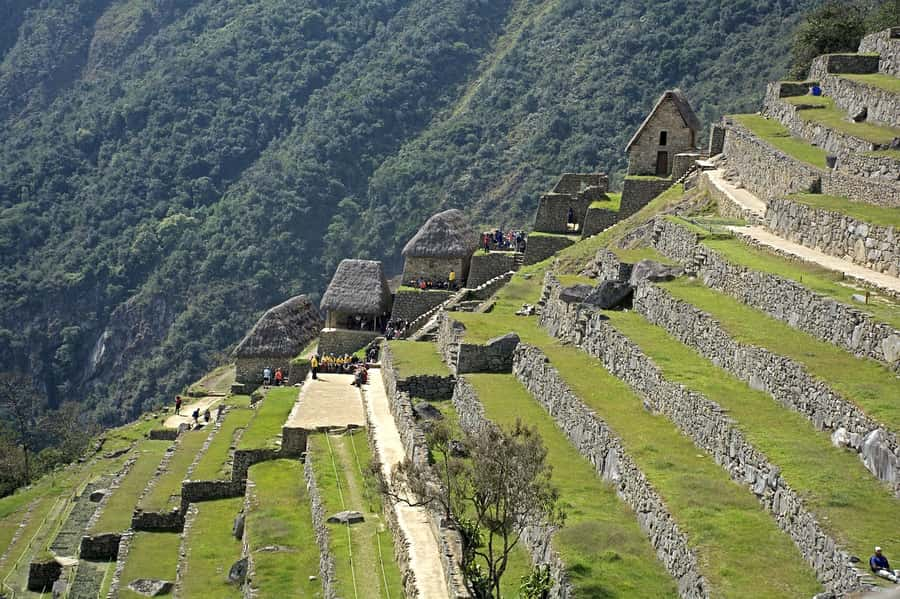
Pisac gives you one of the day’s strongest archaeological visits. The site sits high on the mountainside, with stone walls, farming terraces, irrigation systems, temples, and storehouses. It also includes what is described as the largest cemetery in the Inca Empire.
The terraces are the practical highlight. They show how the Incas shaped steep slopes for farming while managing water and soil. The mountain position also gives the site a commanding view over the valley below.
Your guide is important here. There is plenty to see, and the stonework can look like a series of walls unless someone explains how the parts fit together. Past guides were praised for answering questions and explaining both Machu Picchu and the other ruins in detail.
After the ruins, you visit Pisac Market. Artisans sell ceramics, textiles, jewelry, Andean instruments, alpaca products, and souvenirs. You can bargain, but keep it friendly and realistic. This is a good place to compare colors, patterns, and prices before buying, though the tour schedule means you cannot spend unlimited time browsing.
More Evening Trips in Cusco:
- Battambang: Tuk-Tuk, Bamboo Train, Killing/Bat Caves, Sunset
★ 4.9 · 1,436 reviews - Singapore: Night Safari Entry Ticket with Tram Ride
★ 4.1 · 952 reviews - Singapore: Night Safari Ticket, Tram Ride, & Return Transfer
★ 3.9 · 611 reviews - Vespa Female Ao Dai riders Night Street Food + See Train Street
★ 5.0 · 254 reviews
Lunch in Urubamba
After Pisac, the group drives about an hour to Urubamba for a buffet lunch. The meal features local Peruvian dishes made with fresh local products, and it is included in the tour price.
A buffet is practical on a tight schedule. You can eat quickly and choose among several options instead of waiting for a single dish. It also gives you a proper break after a morning of ruins and market browsing.
The tour includes this lunch, but not every meal during the two days. You should budget for lunch on day two in Aguas Calientes, along with any drinks or other meals not listed.
Moray’s circular terraces
The Terraces of Moray are one of the more unusual stops on the route. Great circular depressions step down into the earth, creating a striking pattern that is very different from the straight agricultural terraces at Pisac.
The value of visiting Moray is not only the photograph. The site raises questions about how the Incas used altitude, temperature, and controlled growing spaces. Your guide can help you connect the shape of the terraces to the wider Inca approach to farming and water management.
Time here is guided and scheduled. You will see the terraces, hear the explanation, and continue onward rather than spending hours exploring nearby paths.
Maras salt ponds
The Salineras of Maras offer another change of scene. Here, many small salt ponds cover the mountainside. Water flows through the system, leaving salt behind as it moves from pond to pond.
The ponds are still associated with local salt production, and the site gives you a close look at a working tradition rather than only an abandoned ruin. The white and brown pools form a strong contrast with the surrounding mountain slopes.
You can shop for salt products at the site, but buying is optional. Follow the guide’s instructions about where you may walk, since the ponds are part of an active production area.
Ollantaytambo, the last major ruin of day one
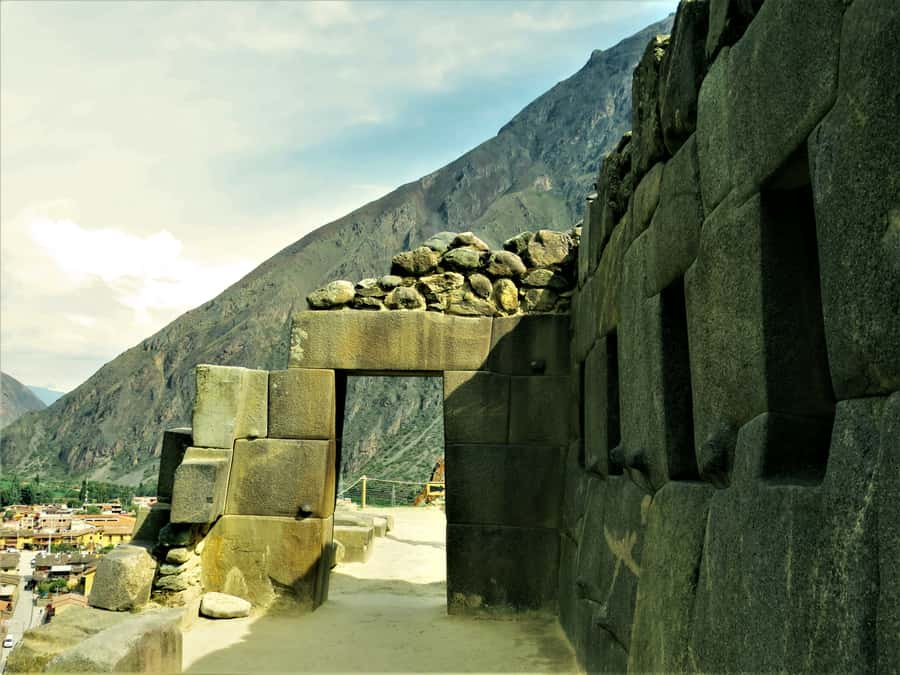
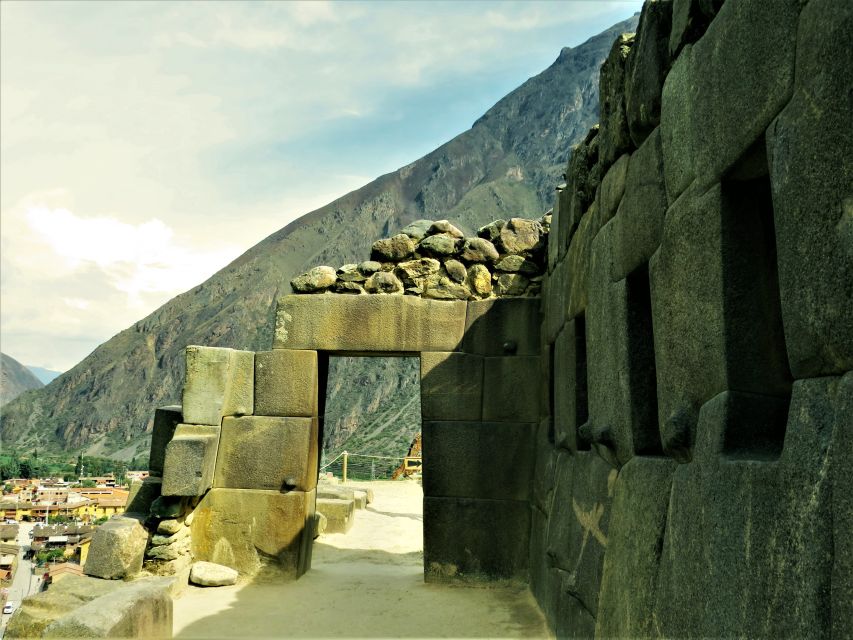
Ollantaytambo is the final major stop before the train. The town is built around ancient Inca structures, and the archaeological site includes temples, terraces, storehouses, and a large monolithic stone.
This is more than a quick photo stop. You can see how the old town and the archaeological remains fit together, with Inca walls still forming part of the settlement. The terraces rise above the town, while the temple area shows the scale and precision of the stonework.
The tour includes entrance to Ollantaytambo and dinner there before you board the Expedition train. This arrangement is efficient, but day one is long. By this point, you will have visited several sites, spent hours in vehicles, and still need to catch a train.
The Expedition train to Aguas Calientes
The included Expedition train takes you from Ollantaytambo to Aguas Calientes, the gateway town below Machu Picchu. You spend the night in a 3-star hotel there.
The train removes one of the biggest planning tasks from a Machu Picchu visit. You do not need to arrange separate rail tickets or work out how to connect the Sacred Valley sites to the station. The return train is also included.
One limitation is that the train times are selected for the group. A past departure found the trip comfortable but wished for more choice over the train schedule. That is worth considering if you care strongly about a later return, a longer evening in Aguas Calientes, or a private timetable.
Early buses and the Machu Picchu citadel
Day two begins with breakfast at the hotel and one of the first buses up to Machu Picchu. The early start is sensible. It gives you the best chance of reaching the citadel near sunrise and avoids wasting the morning in Aguas Calientes.
Bring your original passport. You must show it at the checkpoint to enter Machu Picchu. A daypack is allowed, but large bags and luggage are not, so pack lightly from the start.
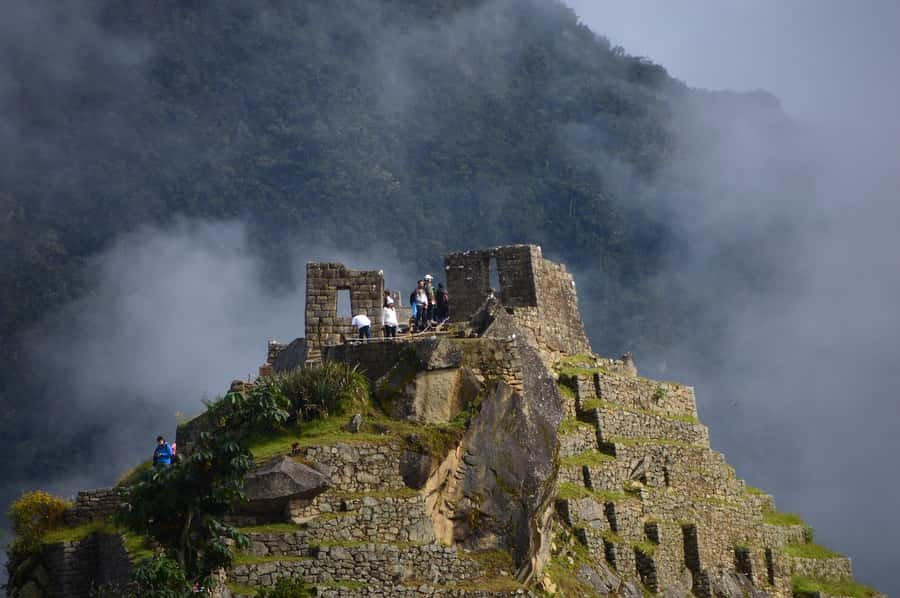
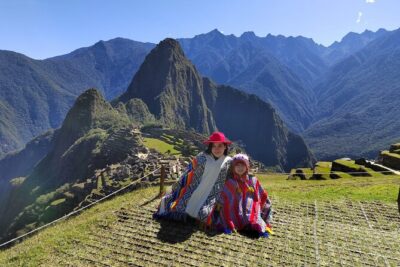
The guided visit lasts about three hours. You will see terraces, storehouses, temples, and palaces, with the guide explaining how the site functioned and how its different areas relate to one another.
Machu Picchu can feel overwhelming because there is so much stonework spread across the mountain. A guide helps you focus on the key structures instead of simply following the crowds from one viewpoint to the next. The strongest praise for this experience centers on the guides’ explanations, with specific past guides such as Herbert Vidal, Alex, and Oliver singled out for patience, clear answers, and strong knowledge of the Inca period.
The sunrise promise needs a small qualification. The tour gets you onto an early bus, but the exact view depends on the bus and entry timing. Weather and clouds can also affect what you see. Treat sunrise as a good possibility, not a guaranteed private spectacle.
Optional Huayna Picchu or Machu Picchu Mountain
After the main guided visit, you may be able to take an extra hike to Huayna Picchu or Machu Picchu Mountain. These hikes are not included in the $698 price.
They also need separate planning and permission, so do not assume you can add one casually after arriving. The standard guided tour is the core product. The extra mountain walk is for you if you want additional views and are prepared to pay more and follow the required entry arrangements.
If you choose an extra hike, your available time for lunch and the return schedule will matter. The tour already has a fixed bus and train plan, so confirm the details before booking.
Returning to Cusco
After Machu Picchu, you take the bus down to Aguas Calientes. Lunch is on your own, then you board the Expedition train back toward Ollantaytambo.
From Ollantaytambo, a van takes you back to your Cusco hotel. The door-to-door service is one of the tour’s practical advantages. You do not need to locate a taxi at the station or arrange a separate final transfer.
The return is likely to feel long after an early start. Still, having the full route organized is valuable, especially if you are not comfortable managing several train, bus, and hotel connections on your own.
What the $698 price really covers
At $698 per person, this is not the cheapest way to see Machu Picchu. You are paying for convenience and a broad first day, not only for entry to the citadel.
The package includes:
- Hotel pickup and return to your Cusco accommodation
- Transportation throughout the route
- A small-group guide in English or Spanish
- Entrance fees for Pisac, Moray, Maras, Ollantaytambo, and Machu Picchu
- Buffet lunch in Urubamba
- Dinner in Ollantaytambo
- One night in a 3-star Aguas Calientes hotel
- Round-trip bus service to Machu Picchu
- Round-trip Expedition train
- Taxes and reservation charges
That list makes the price easier to judge. If you value having one company arrange transport, tickets, meals, lodging, and guiding, the package has solid practical value. If you already know Peru well and are happy booking each part yourself, you might pay less independently.
Travel insurance is not included. Neither are the optional mountain hikes, all meals, or personal purchases at the textile center and Pisac Market. The activity is also non-refundable, so check your dates carefully before paying.
Who should book this tour?
I would recommend it to you if you have only two days, want both the Sacred Valley and Machu Picchu, and prefer a guide to handle the route. It suits first-time visitors who want context at the ruins rather than simply arriving at the famous viewpoint.
It is also a good fit if you appreciate a small group but do not need a private itinerary. The 16-person limit should feel more manageable than a large bus tour, while keeping the cost below a fully private trip.
You may want a different plan if you dislike early starts, long touring days, fixed train times, or scheduled shopping stops. It is also less suitable if your main goal is to spend several quiet days in Aguas Calientes or explore Machu Picchu at your own pace.
FAQ
Is hotel pickup included in Cusco?
Yes. Pickup is available from a hotel, hostel, or Airbnb in Cusco, and the service also returns you to your Cusco accommodation.
Is the tour conducted in English?
Yes. Live guiding is available in English and Spanish.
How many people are in the group?
The group is limited to 16 participants.
Is the Machu Picchu entrance fee included?
Yes. The package includes entrance to Machu Picchu, as well as entrance fees for Pisac, Moray, Maras, and Ollantaytambo.
Are the Huayna Picchu and Machu Picchu Mountain hikes included?
No. Both are optional extra hikes and are not included in the tour price.
What should I bring?
Bring your original passport and a daypack. Large bags and luggage are not allowed, and drones, alcohol, drugs, and feeding animals are prohibited.
Should you book it?
Book this tour if you want maximum sightseeing in a short stay and prefer one company to coordinate the details. The strongest reasons are the range of Sacred Valley stops, the included train and hotel, and the guide-led visit to Machu Picchu.
Skip it if you want a slow schedule or complete control over train times. At $698, the value comes from organization and coverage rather than rock-bottom pricing. For a two-day introduction to Cusco’s major Inca sites, it is a busy but sensible choice.
More Two-Day Trips in Cusco
- From Cusco: Sacred Valley & Machu Picchu 2-Day Tour by Train
★ 4.9 · 79 reviews - Machu Picchu 2-Day Adventure by Train with Overnight Stay
★ 5.0 · 70 reviews - Tour To Machupicchu 2 Days by Train
★ 5.0 · 64 reviews - 2-Day Sacred Valley Machu Picchu by Train with Llama Experience
★ 5.0 · 55 reviews
Just added around Cusco
- Tour to Machupicchu By Train Full-Day★ 4.5 · 56 reviews
- Machu picchu one day by train all included★ 4.5 · 53 reviews
- Tour To Machupicchu 2 Days by Train★ 5.0 · 64 reviews
- Machu Picchu 1 Day Tour from Cusco by Train★ 5.0 · 44 reviews
- 2-Day Sacred Valley Machu Picchu by Train with Llama Experience★ 5.0 · 55 reviews
- Machu Picchu Tour By Train (2 Days)★ 4.5 · 49 reviews
- Full Day Tour to Machu Picchu by Train★ 5.0 · 52 reviews
- Excursion to MachuPicchu with Train Vistadome Full Day★ 4.5 · 31 reviews
Cusco Train Tours, compared.
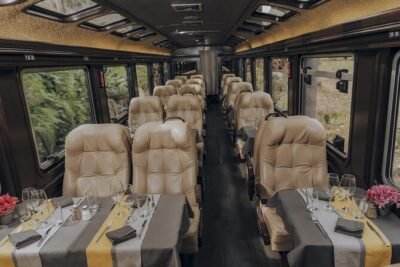
The First Class Machu Picchu Train by Inca Rail
Read our review →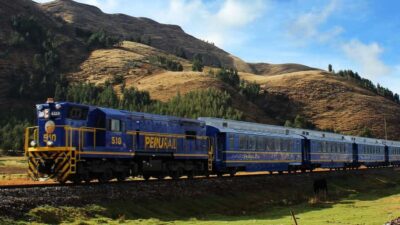
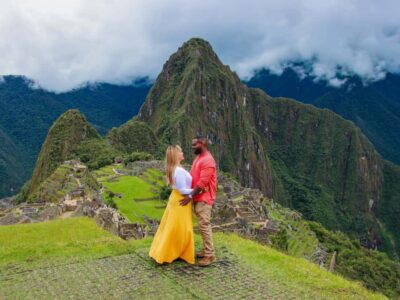
Sacred Valley & Machu Picchu 2-Day Tour by Train
Read our review →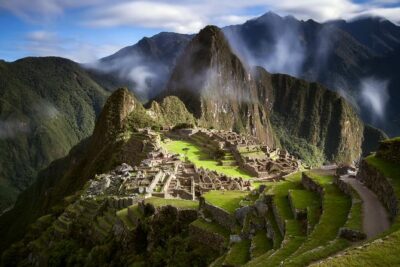
Machu Picchu 2-Day Adventure by Train with Overnight Stay
Read our review →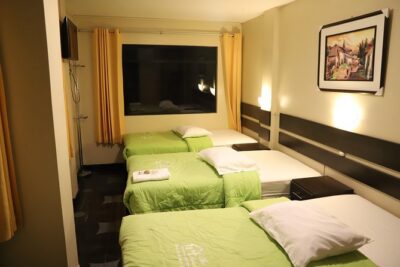
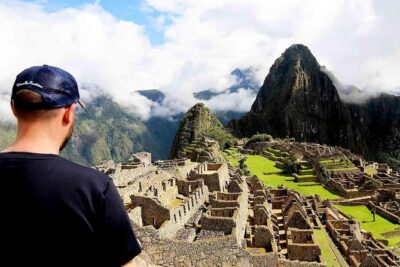
2-Day Sacred Valley Machu Picchu by Train with Llama Experience
Read our review →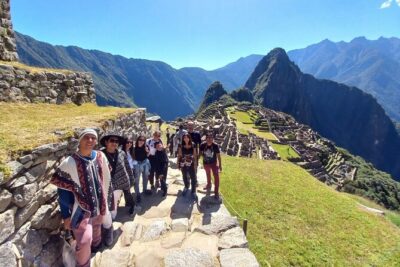
Browse the lists this tour appears in