REVIEW · TRAIN
Travel to Gobi by train Visit World energy Center
The most unusual part of this Gobi trip is the overnight train journey. You leave Ulaanbaatar at 8:50 pm, sleep on the train, and wake in Sainshand for a full day of monasteries, sacred places, desert views, and local history. It feels less like a standard sightseeing bus tour and more like a short Mongolian rail adventure.
I like the mix of spiritual sites and local culture, especially Khamriin Khiid, known as the World Energy Center, and the Danzanravjaa Museum. I also like that the $310 price includes train tickets, transport, guide, meals, water, and entrance fees. The main drawback is the tight schedule: you travel overnight both ways, and lunch arrangements may not suit every visitor.
Key points at a glance
- Two overnight train rides: Leave Ulaanbaatar at 8:50 pm and reach Sainshand at about 7:00 am, with the return train following the same evening.
- Khamriin Khiid: Visit one of Mongolia’s best-known spiritual centers, linked to the teacher and writer Danzanravjaa.
- Sacred Gobi sites: See Bayanzurkh Mountain and the Shambala Stupa, places tied to local belief and pilgrimage.
- Small group format: The group is limited to 10 people, with guides available in English, Japanese, Korean, or Russian.
- Strong guide feedback: Taisun is praised for clear English and historical knowledge, while Usukhbayar is noted for his easy company and understanding of Mongolian tradition.
- All major costs included: The price covers round-trip train travel, meals, drinking water, transport, admission, and guiding.
Why this train journey is different
Many Gobi trips focus on wide-open desert scenery and long road transfers. This one takes a different route. You travel south by sleeping train, then use Sainshand as your base for a concentrated day of cultural and spiritual sights.
That choice matters. The train gives the trip a more local feel than flying or spending the entire night in a vehicle. You can settle into a sleeping berth, leave the capital behind, and arrive early in the morning ready for the day. The train is also part of the experience, not just a way to reach the next stop.
The schedule is demanding, though. You leave at 8:50 pm and arrive around 7:00 am, then spend the day touring before returning to the station for dinner and another overnight train. I would choose this trip if you value access to unusual places and do not mind giving up two nights to rail travel.
The experience lasts about 40 hours. That is enough time for a rewarding taste of Dornogovi, but not enough for a slow, unplanned stay. You will follow a set route and keep an eye on the clock.
More Train Tours in the world:
- Bangkok: Damnoen Saduak Market and Maeklong Railway Market
★ 4.5 · 26,723 reviews - Mt Fuji and Hakone 1-Day Bus Tour Return by Bullet Train
★ 5.0 · 26,383 reviews - The Old Siam: Damnoen Saduak and Maeklong Railway Market
★ 4.5 · 10,992 reviews
From Ulaanbaatar to Sainshand by sleeping train
Your journey begins in the evening. The exact pickup point is arranged in advance, so you need to send your hotel name or address to the operator. You also provide your full name, passport number, and date of birth so the train tickets can be purchased.
The train departs Ulaanbaatar at 8:50 pm. Since this is a sleeping train, you are not simply sitting upright all night. Still, train comfort can vary, and you should bring a change of clothes and a charged phone. Pack only what you need for the short trip, along with cash, a camera, and personal snacks if you prefer something specific.
You arrive in Sainshand at about 7:00 am. The early start gives you a full touring day, but it also means you should be prepared for a quick transition from train berth to breakfast and sightseeing.
A driver meets you at the station. The morning begins with breakfast near the main square, followed by a high point in Sainshand for broad views over the city and surrounding area. This first stop helps you get your bearings before heading farther into the Gobi region.
Khamriin Khiid and the World Energy Center
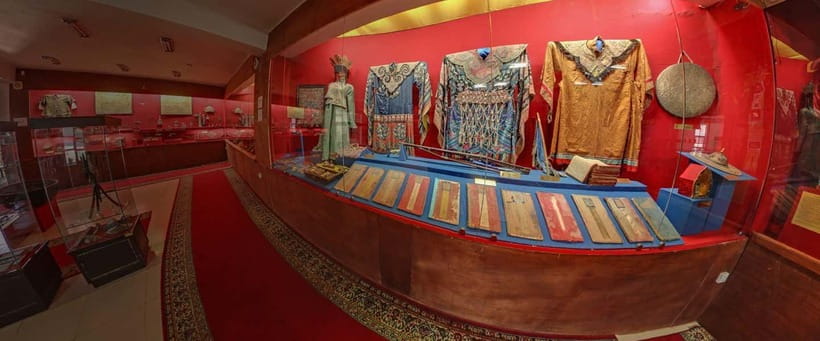
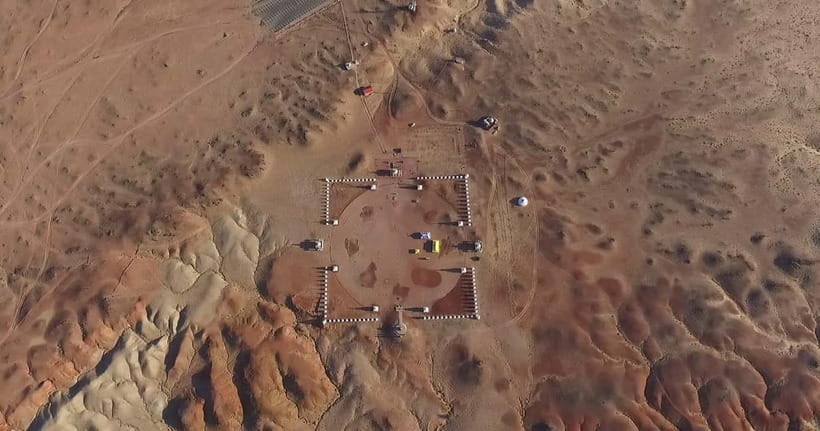
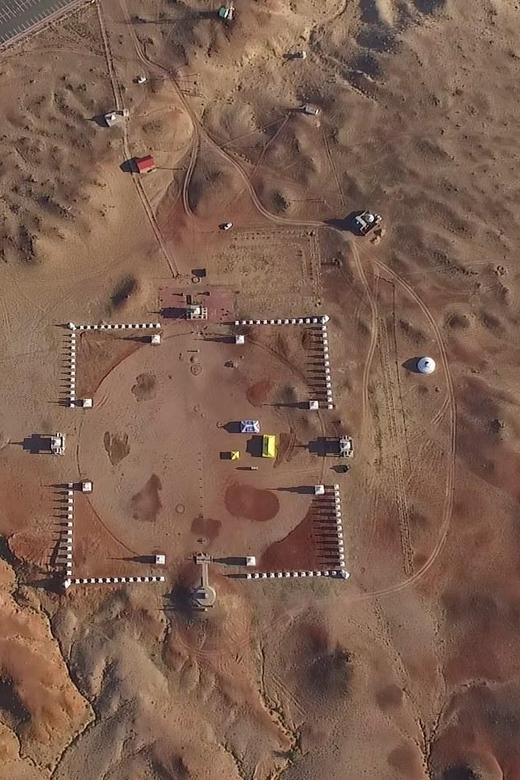
The main attraction is Khamriin Khiid, often called the World Energy Center. Many people come here because they believe the area can restore or strengthen the body’s energy. You do not need to share that belief to find the place meaningful. The visit offers a direct look at how spirituality, pilgrimage, and local tradition shape travel in Mongolia.
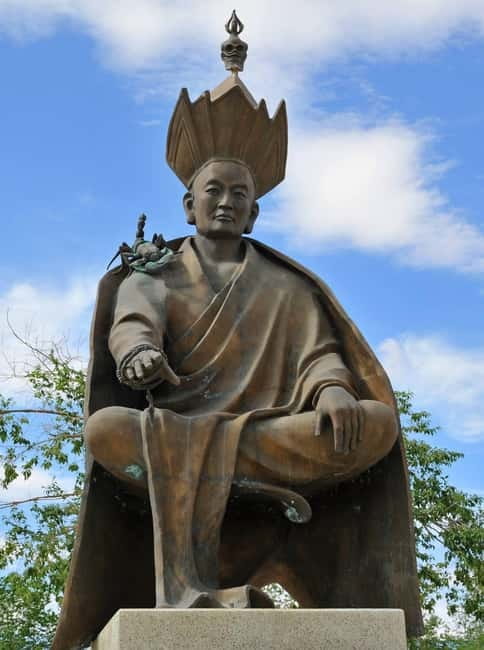
Khamriin Khiid is also linked to Danzanravjaa, a major Mongolian Buddhist teacher, writer, and religious figure who lived from 1803 to 1856. The monastery was an important center of the Buddhist Red Sect, giving the site more depth than a simple photo stop.
Your guide is important here. The place carries religious and historical meaning that is not always obvious from the buildings alone. Taisun, one guide associated with the tour, has received praise for clear English and strong explanations. If your guide is Taisun, you can expect help connecting the site to Mongolian history and belief.
Take time to look around rather than treating the monastery as a quick checklist stop. You may find the spiritual side of the visit more interesting if you approach it with respect and curiosity, even if you are not religious.
Danzanravjaa Museum and the story behind the site
The Danzanravjaa Museum adds context to Khamriin Khiid. Instead of seeing the monastery as an isolated religious monument, you learn more about the person associated with it and the role he played in Mongolian culture.
Danzanravjaa was not only a Buddhist teacher. He was also a writer and an important intellectual figure. The museum visit gives the day a cultural balance. You move from sacred spaces to objects and historical material connected with a real individual.
I particularly like this part of the schedule because it helps prevent the usual problem with short tours: visiting impressive places without understanding them. The museum cannot provide a full course in Mongolian history, but it gives you a clearer frame for the surrounding sites.
The experience is also a good fit if you prefer culture to standard outdoor sightseeing. The Gobi is often marketed through its scale and scenery, but this route focuses just as much on ideas, faith, and local identity.
Same tracks, a very different ride:
- Bangkok: Train Market & Floating Market with Boat Ride
★ 4.7 · 9,547 reviews - Mt Fuji & Hakone Cruise, Drum Show Bullet Train 1 Day from Tokyo
★ 4.0 · 7,413 reviews - Montserrat & Cogwheel Train, Gourmet Wine Tasting & Tapas/Lunch
★ 5.0 · 6,290 reviews - Hanoi: Guided Food Tour with Train Street Visit
★ 4.9 · 6,239 reviews
Bayanzurkh Mountain and Shambala Stupa
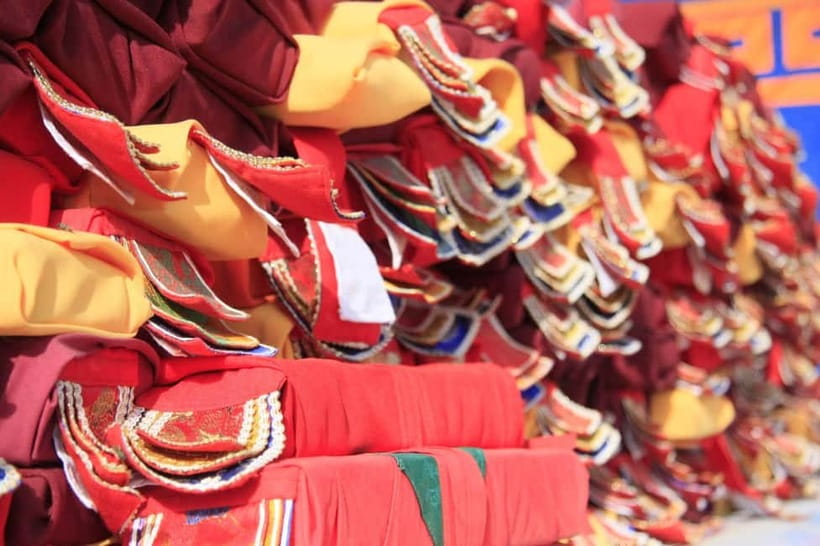
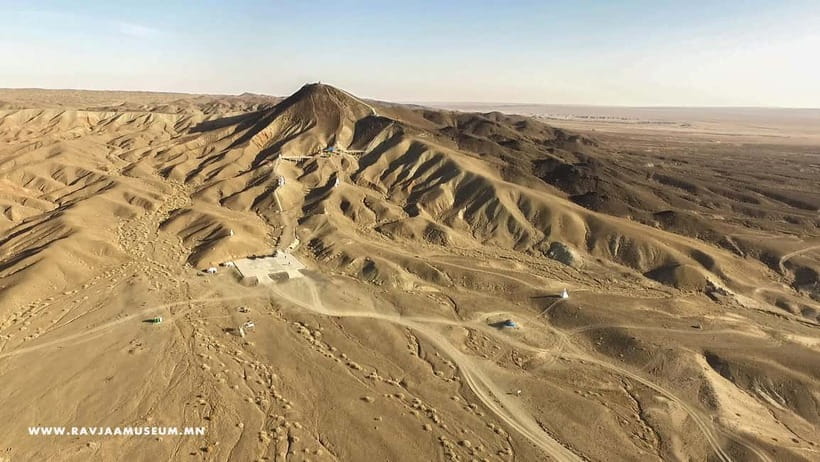
Later in the day, you visit Bayanzurkh Mountain, described as a sacred mountain in the area. The attraction here is not a long mountain expedition. It is the chance to see a natural feature that carries spiritual value for local people.
That distinction is worth keeping in mind. You are visiting a sacred place, not signing up for a demanding hike. The available information does not promise extensive walking or a technical climb, so ask your guide about the walking conditions on the day. Comfortable shoes remain a sensible choice.
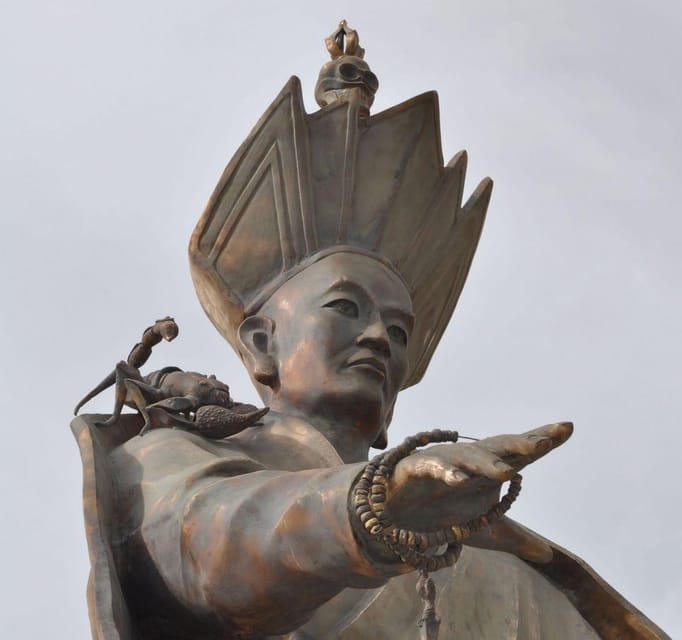
The route also includes the Shambala Stupa. Together, the mountain and stupa show how natural sites and Buddhist practice connect in this part of Mongolia. The experience is less about collecting dramatic viewpoints and more about seeing why certain places matter.
You may find this portion quieter than the museum and monastery. That is useful after the early train arrival and busy morning. It gives you time to pause, take photographs, and absorb the setting before returning to Sainshand.
Meals, transport, and the value of $310
The $310 price includes two-way train tickets, transport during the day, an English-speaking guide, entrance fees, breakfast, lunch, dinner, and drinking water. That is a solid package for a short trip that combines rail travel with a private touring day in Dornogovi.
The cost is easier to judge when you consider the practical work involved. You do not need to arrange the train tickets, find a driver at Sainshand station, organize admission, or work out how to reach Khamriin Khiid and the other sites on your own.
The small group limit of 10 people is another plus. You are not joining a large coach where every stop becomes a headcount exercise. A small group should also make it easier to ask questions and hear the guide.
Lunch is the one area where I would keep expectations flexible. One visitor specifically wished for a different lunch location. That does not make the meal a serious problem, but food matters on a long day, especially after an overnight train. If you have dietary needs or strong preferences, explain them before departure.
Dinner is taken at the train station before you board the return service. This is practical rather than leisurely. You are eating as part of the travel schedule, not settling into a long restaurant evening.
Alcohol is not included, and alcohol and drugs are not permitted. Personal snacks are also not included, so bring cash and a few preferred items if you like to have food between scheduled meals.
The return train and the real pace of the trip
After the day’s visits, the driver takes you back to the station. You have dinner there, then board the train to Ulaanbaatar at 8:50 pm. Arrival is scheduled for about 7:00 am the next morning.
This return journey is the part most likely to test your energy. You have already spent a full day sightseeing, so the train berth may feel welcome. On the other hand, if you sleep poorly on trains, the back-to-back overnight schedule could leave you tired when you reach the capital.
I would avoid booking important activities immediately after your arrival. The tour information gives the arrival time, but it does not promise a buffer for delays or a relaxed morning. Keep your next appointment flexible.
The train is also the reason this trip suits some people much better than others. If you enjoy rail travel, changing scenery, and a sense of movement, it is a major part of the appeal. If you want a comfortable hotel night and an unhurried schedule, a longer Gobi trip with more overnight stays may be a better choice.
Guides, languages, and group size
Guiding is one of the strongest parts of this experience. The tour can operate in English, Japanese, Korean, or Russian, depending on the guide assigned to your departure.
Taisun has been praised for excellent English and clear explanations. Usukhbayar has also made a strong impression, with particular skill in sharing Mongolian tradition and history in a relaxed way. Those details matter because the spiritual and historical sites are not self-explanatory.
The group is limited to 10 participants. That is small enough to keep the day personal while still allowing you to meet other people. You should still expect a shared experience rather than a fully private tour.
The guide and driver combination is useful in Sainshand. The driver handles the regional transport while the guide explains the places you visit. That division lets you focus on the sites instead of dealing with directions and local timing.
Who should book this Sainshand trip?
I would recommend this tour to you if you want a compact introduction to Dornogovi and like the idea of traveling by train. It suits people who are curious about Mongolian Buddhism, local spiritual beliefs, and cultural history rather than only seeking desert scenery.
It is also a good choice if you have limited time in Mongolia. The package brings together train travel, Sainshand, Khamriin Khiid, the Danzanravjaa Museum, Bayanzurkh Mountain, and the Shambala Stupa without requiring you to plan separate transport.
You should think twice if you need a soft schedule. Two overnight train journeys and a full day of sightseeing demand stamina. Babies under one year old are not considered suitable for the activity, and it is not intended for people over 95.
Bring a change of clothes, a camera, cash, and a charged smartphone. Carry your hotel details when arranging pickup, and send your passport information in time for the train reservation. Free cancellation is available up to 24 hours before departure, and you can reserve now and pay later.
Should you book this Gobi train experience?
Book it if the combination of Mongolian rail travel, Buddhist sites, and local history sounds more appealing than a standard desert drive. The strongest reasons to go are the unusual route, the included transport and meals, the small group, and the chance to visit Khamriin Khiid with a guide who can explain its meaning.
Skip it if you need two full nights of comfortable sleep or want a relaxed, flexible day. The schedule is tight, and lunch arrangements may not be perfect for everyone.
For the right person, $310 is fair value. You receive a complete round-trip experience with the major practical costs handled, plus access to places that would be awkward to reach independently in such a short time. I would choose it as a focused cultural side trip from Ulaanbaatar, especially if the train ride itself is part of the attraction.
FAQ
How long does the Gobi train experience last?
The activity lasts about 40 hours, including the overnight train journey from Ulaanbaatar to Sainshand, the daytime tour, and the return train.
What time does the train leave Ulaanbaatar?
The sleeping train to Sainshand leaves at 8:50 pm.
What time do you arrive in Sainshand?
The train is scheduled to arrive in Sainshand at about 7:00 am.
What does the $310 price include?
The price includes transport, an English-speaking guide, entrance fees, breakfast, lunch, dinner, drinking water, and two-way train tickets.
Which places do you visit?
The route includes Khamriin Khiid, Bayanzurkh Mountain, the Shambala Stupa, Sainshand city viewpoints, and the Danzanravjaa Museum.
Which languages are available?
Guiding is available in English, Japanese, Korean, and Russian.
How large is the group?
The activity is limited to 10 participants.
What information is needed to reserve the train ticket?
You need to provide your full name, passport number, and date of birth. You also need to send your pickup address, hotel name, or location.
Just added around the world
- Zurich: Audio Guided City Tour and Train to “Top of Zurich”★ 4.2 · 65 reviews
- Zermatt Village & Gornergrat Railway Tour | From Bern★ 5.0 · 2 reviews
- Zagreb: Plitvice With Secured Tickets, Boat And Train Ride★ 4.6 · 15 reviews
- Zagreb: Private Walking Tour with Funicular Ride & Transfers★ 5.0 · 2 reviews
- York Day Rail Tour from London including Hop-on Hop-off tour★ 5.0 · 3 reviews
- Xi’an: Maiji Grottoes & Fuxi Temple Day Trip by Bullet Train★ 5.0 · 2 reviews
- Zagreb: Group walking tour of Zagreb (funicular included)★ 4.9 · 16 reviews
- Winter Tour Viking Village, Nærøyfjord Cruise & Flåm Railway★ 4.6 · 26 reviews
Train Tours, compared.

Damnoen Saduak Market and Maeklong Railway Market
Read our review →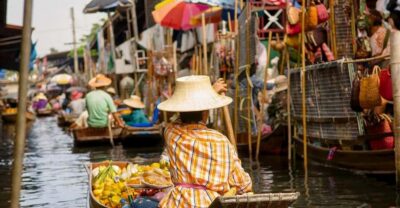
The Old Siam: Damnoen Saduak and Maeklong Railway Market
Read our review →
Mt Fuji & Hakone Cruise, Drum Show Bullet Train 1 Day from Tokyo
Read our review →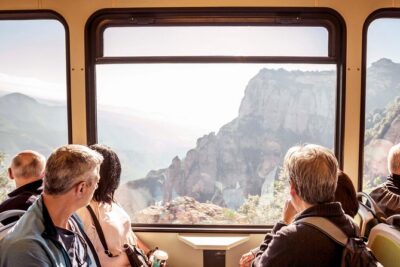
Montserrat & Cogwheel Train, Gourmet Wine Tasting & Tapas/Lunch
Read our review →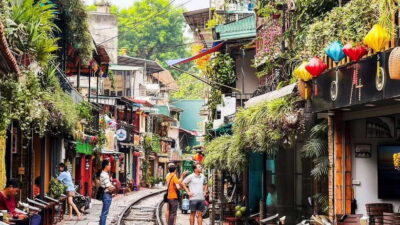
Lake Como Cruise, St. Moritz & Bernina Red Train
Read our review →
Dachau Concentration Camp Memorial Site Tour from Munich by Train
Read our review →