
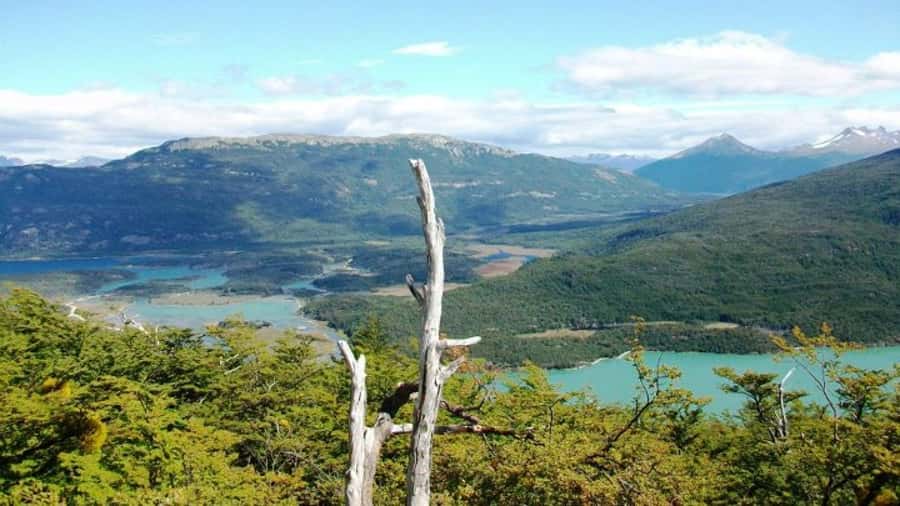
REVIEW · USHUAIA
Ushuaia: End of the World Train Ride & Tierra del Fuego Park
The most memorable part is the story behind the rails. Prisoners once rode this route to cut wood, and the old railway now carries you past the Pipo River, La Macarena waterfall, a tree cemetery, and lenga forest. I like the vintage steam locomotive and the large-window cars, and I like that the train ride connects naturally with Tierra del Fuego National Park.
You also get a useful mix of history and scenery in one half-day outing. The main caution is value: at $140 per person, plus an estimated $22 park fee, this can feel expensive if you mainly want transportation. Train tickets depend on availability, and the park portion may feel rushed if you want long walks.
Key points to know before booking
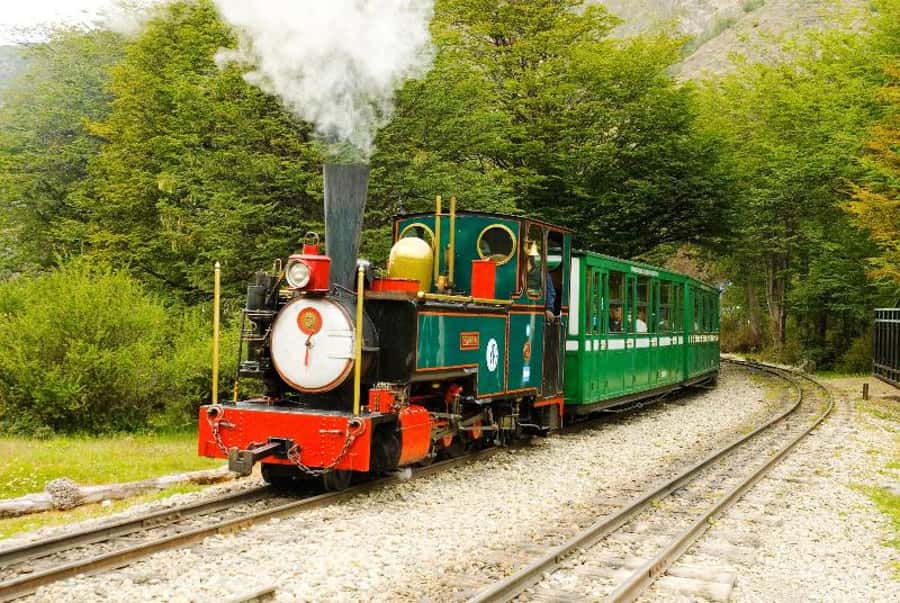
- The train runs one way: You ride from the End of the World Station to National Park Station, then return to Ushuaia by shared transfer.
- The prison story gives the train purpose: Audio and guide commentary explain the forced labor that shaped this railway.
- The park includes several short stops: Expect Pipo River, Mount Susana, Lake Acigami, Laguna Verde, the Alakush Visitor Center, and Lapataia Bay.
- Lapataia Bay is the big finish: This is where the Pan-American Highway ends, beside the Beagle Channel.
- The price does not include the park fee: Budget about $22 extra for entry.
- Train tickets are not guaranteed until confirmed: Full passenger details are required, and availability can affect your date.
Riding the End of the World Train from Ushuaia
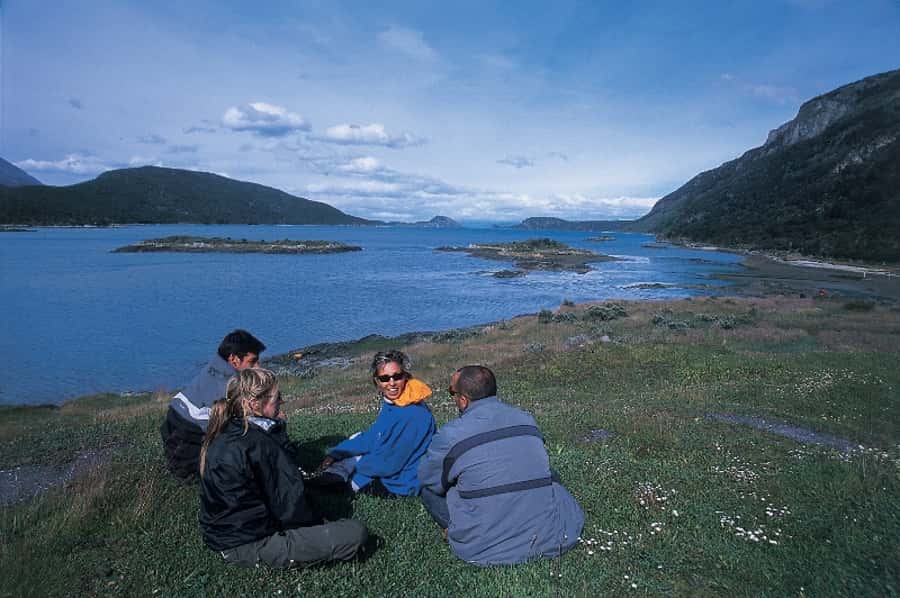
The train begins at the End of the World Station, outside central Ushuaia. From there, the old railway follows a route once used by prisoners from Ushuaia’s penal colony. Their daily work involved cutting and hauling firewood, a hard task that helped supply the town.
That history makes the train more than a short scenic ride. You are not simply rolling through southern forest in a steam carriage. You are following a working route tied to Ushuaia’s past, and the narration helps explain why the railway existed in the first place.
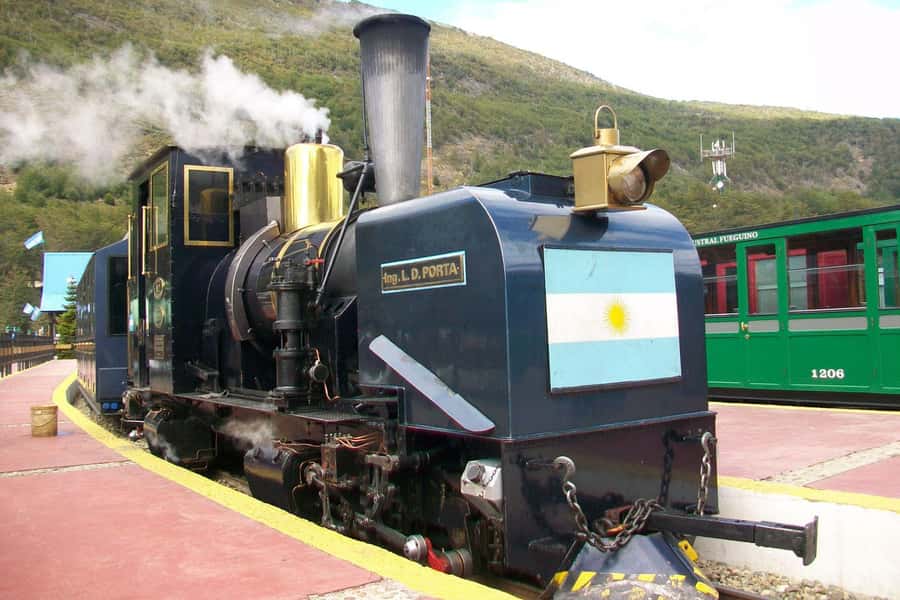
The vintage train has steam locomotives and cars with large windows. That matters here. The scenery is the main attraction, and wide windows give you a better chance to see the Pipo River, beech forest, hills, and open stretches along the line without constantly craning your neck.
An individual audio system provides commentary in seven languages. The live guide speaks English or Spanish, and guides can answer questions about the railway, plants, animals, and nearby geography. The supplied information does not name individual guides, so you should not book expecting a particular person.
The train ride is not especially long, and this is not a luxury rail journey. One review described the train as uncomfortable, while another found the English translation much shorter than the Spanish explanation. If you need detailed commentary in English, ask your guide questions directly rather than relying only on the audio.
More Train Tours in the world:
- Bangkok: Damnoen Saduak Market and Maeklong Railway Market
★ 4.5 · 26,723 reviews - Mt Fuji and Hakone 1-Day Bus Tour Return by Bullet Train
★ 5.0 · 26,383 reviews - The Old Siam: Damnoen Saduak and Maeklong Railway Market
★ 4.5 · 10,992 reviews
What you see along the railway
The first part of the ride follows the winding Pipo River. Water, forest, and mountain slopes give the journey its shape. You get a sense of how narrow valleys and thick southern forest once made wood cutting difficult.
La Macarena waterfall is another key sight. The stop or viewing area gives the train journey a clear visual marker, though this should not be confused with a long waterfall walk. The outing is designed to show several places in a limited time, not to give you hours at each one.
The tree cemetery offers a more sobering reminder of the railway’s old purpose. Cut trees and the history of prison labor are part of the same story here. This is one reason I prefer the train to simply taking a road vehicle straight into the park. The route adds context to the scenery.
The lenga forest is the natural star of the rail journey. Lenga is a southern beech found in Patagonia, and its changing colors can make the ride look quite different across the year. The exact appearance depends on weather and season, but you will always be moving through subantarctic forest rather than open farmland or a built-up area.
From National Park Station to Tierra del Fuego
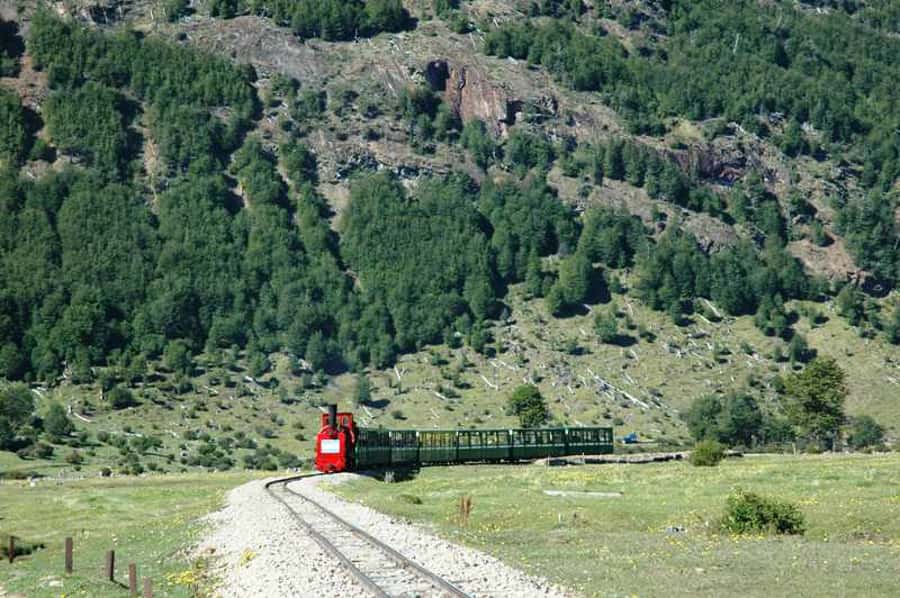
At National Park Station, the train ends and your guide continues the visit by shared transfer. This change matters. The train shows you one slice of Tierra del Fuego, while the vehicle lets you reach the park’s lakes, roads, viewpoints, visitor center, and coast.
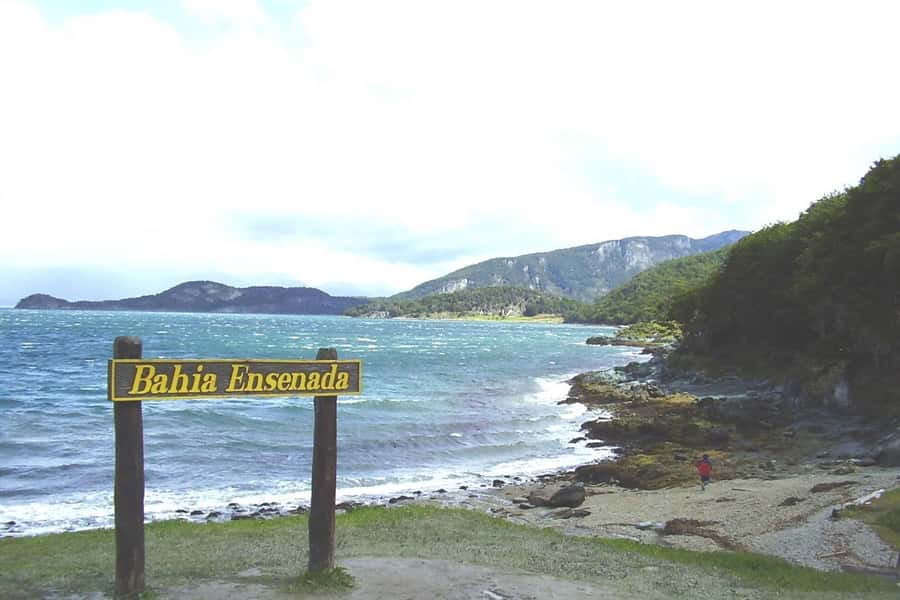
Tierra del Fuego National Park is Argentina’s southernmost protected area. It is unusual because it brings together mountains and sea coast, with valleys, rivers, lakes, forest, and the Beagle Channel in one protected setting.
The park portion is scenic, but it is also time sensitive. The full activity lasts 330 minutes, or about five and a half hours, including transfers, the train, stops, and the return to Ushuaia. You will make photo stops and a short hike, subject to weather. Do not plan on a long independent walk or a slow picnic at every stop.
Pipo River and Mount Susana
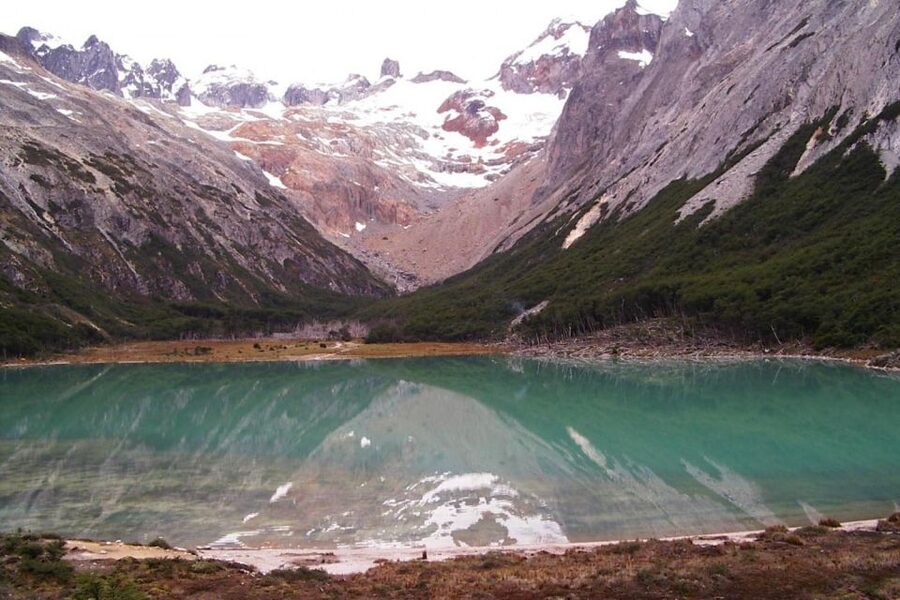
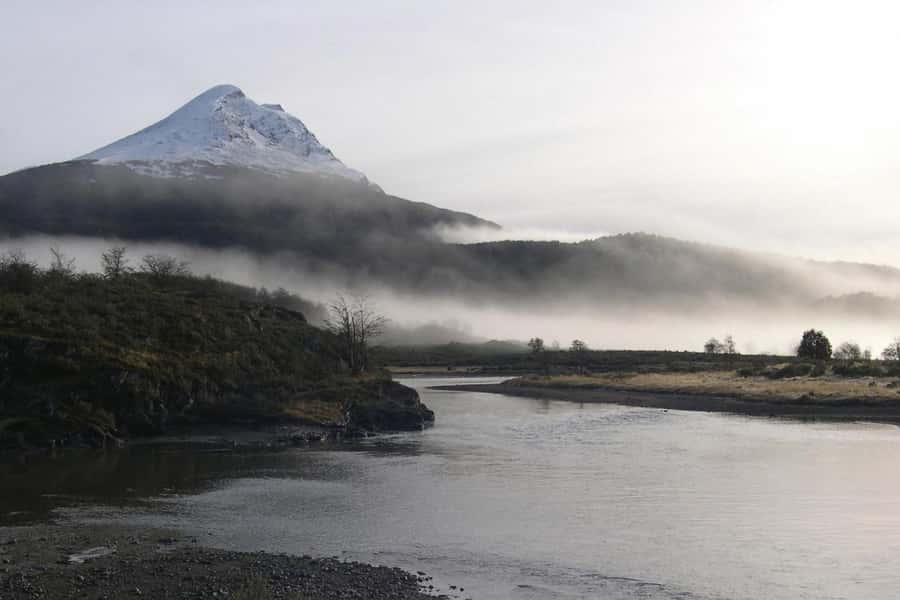
The Pipo River appears during the railway section and again helps orient you in the park. Its winding course cuts through forest and low mountain country, creating the kind of broad natural view that is hard to see from the train alone.
Mount Susana adds a mountain reference to the route. You are not promised a summit walk, and the tour does not present itself as a mountain hike. Instead, the stop helps you see how the park’s wooded valleys sit below larger ridges.
I like this combination because it gives you variety without requiring specialist hiking gear or a full day on foot. If you want a serious trek, this trip will not be enough. If you want an easy introduction to the park with a guide, it fits better.
Same tracks, a very different ride:
- Bangkok: Train Market & Floating Market with Boat Ride
★ 4.7 · 9,547 reviews - Mt Fuji & Hakone Cruise, Drum Show Bullet Train 1 Day from Tokyo
★ 4.0 · 7,413 reviews - Montserrat & Cogwheel Train, Gourmet Wine Tasting & Tapas/Lunch
★ 5.0 · 6,290 reviews - Hanoi: Guided Food Tour with Train Street Visit
★ 4.9 · 6,239 reviews
Lake Acigami and the park’s southern forest
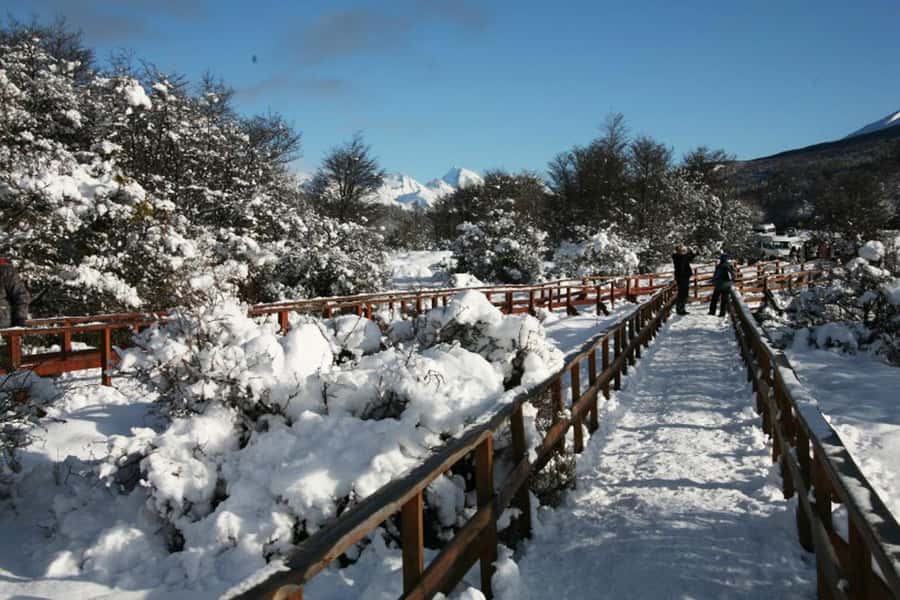
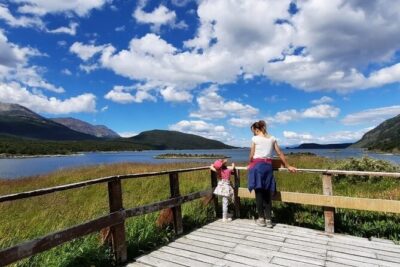
Lake Acigami is one of the major stops on the road through the park. The lake gives you an open view after the tighter forest and river sections, and it helps show the park’s mix of water and mountains.
The tour focuses on seeing the lake and taking photographs, not on water sports or a long shoreline walk. Weather can change the experience quickly. Cloud, rain, or wind may limit how long you stay outside, so bring clothing that works for changeable conditions.
The surrounding subantarctic forest is another reason to keep your eyes open between formal stops. The guide can explain the local plants and animals, and you may spot a Fuegian red fox or birds such as the cachaña, giant woodpecker, rayadito, Patagonian thrush, or caranca goose.
Wildlife sightings are never guaranteed. The caranca goose is especially tied to the park’s identity, but you should treat any animal sighting as a bonus, not part of the schedule.
Laguna Verde and Alakush Visitor Center
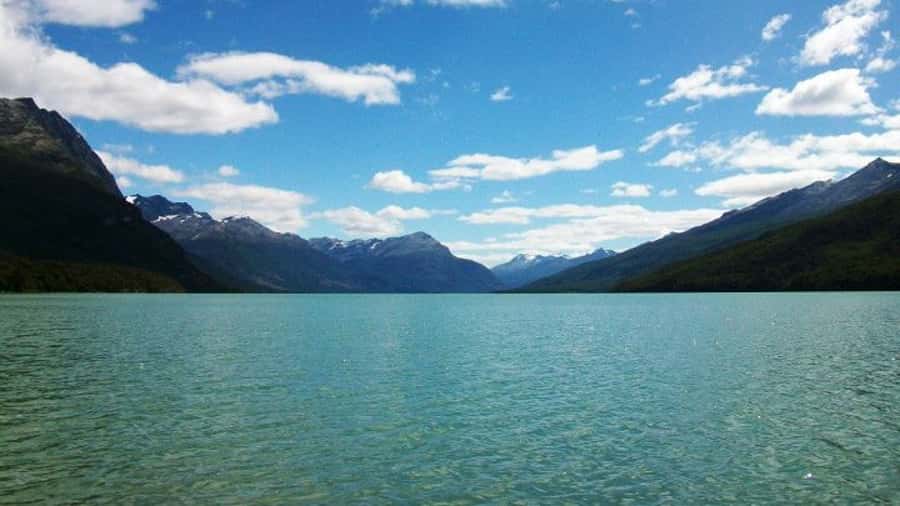
Laguna Verde provides another water-and-forest view, with a stop planned for photographs. Its appeal is scale and setting rather than a large attraction built around it. You get another chance to see how the park shifts from wooded valleys to more open water views.
The Alakush Visitor Center is a practical pause in the route. The supplied details do not promise a museum program, meal, or shopping stop, so keep your expectations simple. It serves as one of the park’s named points on the guided route and gives the group a place to orient itself before continuing.
The guide is important during this section. A road vehicle can show you the park, but it cannot explain why the area matters, how the prison railway relates to the region, or what you are seeing in the forest. The English and Spanish guiding may not be equally detailed at every moment, so ask for clarification if a translation feels brief.
Lapataia Bay and the end of the Pan-American Highway
Lapataia Bay is the emotional finish. Here, the Pan-American Highway ends, giving the stop a simple sense of arrival. You are beside the Beagle Channel, at the southern edge of Argentina’s road network, with forest and mountain scenery around you.
This is usually the stop people most want to photograph, and the tour makes time for it. Still, the exact amount of time depends on the day’s traffic, weather, train schedule, and group pace. The listed itinerary promises a short hike and photo stops, not an extended stay at the bay.
The bay also gives the tour a stronger geographic payoff. You begin with a historic railway near Ushuaia, pass through forest and lakes, and finish at a coastal endpoint with a famous road marker. That sequence works better than treating the train and park as unrelated attractions.
What $140 really buys you
The advertised price is $140 per person, and the national park entry fee is not included. With an estimated fee of about $22, your total is roughly $162 per person before any other personal spending.
That is a serious price for a 330-minute activity. The value comes from combining several services: hotel pickup and drop-off in Ushuaia, a one-way train ticket, the chosen Tourist or Premium Class ticket, a guided park visit, and the return transfer.
You are paying for convenience as much as admission. Arranging the train, park transport, and a separate guide yourself could take more planning. The package also saves you from working out how to connect the train’s final station with the park’s farthest points.
The weak point is that some of the five and a half hours are spent moving between places. One review judged the outing too expensive for what felt like transport, and that criticism makes sense if you already have a car or only care about the train ride.
The best value comes when you want both attractions in one booking and prefer not to manage the connections yourself. If your main goal is a long park walk, a separate park excursion may serve you better. If the railway is your priority, a train-only ticket may be worth comparing.
Pickup, timing, and ticket risk
Hotel pickup and drop-off are included, but not every Ushuaia hotel is on the pickup route. If yours is excluded, the operator will give you a nearby meeting point. You need to wait in the lobby of the indicated hotel, not at an improvised street corner.
Port pickup and drop-off are not available. This is important if you are visiting Ushuaia from a cruise ship or planning the tour around a ship schedule. You will need to arrange your own connection between the port and the assigned hotel pickup point.
Train confirmation depends on availability. Give your full name, date of birth, passport or ID details, nationality, hotel, and phone number for every passenger. For anyone under 18, a passport photo is also required. Missing information can leave the reservation unconfirmed.
The non-refundable policy makes timing especially important. One booking problem involved a train date being shifted because tickets were unavailable, leaving the customer unable to use the replacement date before a flight. I would not schedule this activity close to your departure from Ushuaia unless you have a generous buffer.
Tourist Class or Premium Class
You can choose Tourist Class or Premium Class, depending on the option available when you book. The supplied details do not explain the exact difference in seating, service, or inclusions, so read the option description carefully before paying more.
Do not assume Premium Class will fix every comfort concern. One review found the train uncomfortable, and the cars remain a compact rail setting even when the ticket category changes. The large windows are useful in either case because views are central to the ride.
If the class difference is small in price, the upgrade may appeal to you for seating preference. If it is substantial, I would put the money toward the park fee or another activity unless the booking page clearly lists extra benefits you care about.
Who should book this half-day outing?
I would recommend it to you if you want a guided introduction to Ushuaia’s signature railway and national park in one outing. It suits people who value an organized route, need hotel transport, or have limited time in town.
It is also a good fit if you enjoy history with your scenery. The prisoner railway story gives the train a human context, while the park stops show the region’s forests, lakes, mountains, and coast.
I would hesitate if you want to hike for several hours, set your own pace, or spend most of the day at Lapataia Bay. The short hike and multiple scheduled stops keep the experience moving.
Families can consider it, but the booking requirements for minors are strict. Anyone under 18 needs a passport photo supplied during reservation. The activity is not presented as an accessible or specialized walking tour, so ask the operator about individual mobility needs before booking.
Should you book the End of the World Train and park tour?
Book this tour if you want the train and Tierra del Fuego National Park together, with transport and guiding handled for you. The route has a clear story, strong scenery, and a satisfying finish at Lapataia Bay.
Think twice if $140 plus the park fee feels high for a half-day, or if you dislike fixed schedules. The train ticket may not be confirmed immediately, English commentary may be shorter than Spanish commentary at times, and the park stops can feel brief.
My practical advice is to reserve early, submit every passenger detail correctly, avoid placing it beside a flight, and treat the weather as part of the deal. If those conditions work for you, this is a convenient way to see several essential corners of Tierra del Fuego without arranging each piece yourself.
FAQ
How long does the activity last?
The activity lasts 330 minutes, or about five and a half hours. This includes the train ride, the national park visit, stops, and the shared transfer back to Ushuaia.
Is the national park entry fee included?
No. The park entry fee is separate and is approximately $22 per person.
What languages are available?
Live guiding is available in English and Spanish. The train also has an individual audio system with narration in seven languages.
Does the train return to Ushuaia?
No. The included train ticket is one way, from the End of the World Station to National Park Station. You return to Ushuaia from the park by shared transfer.
Is hotel pickup included?
Yes, pickup and drop-off are included from participating Ushuaia hotels. Some hotels are outside the pickup routes, in which case you will receive a nearby pickup location. Pickup and drop-off from the port are not available.
Is the train ticket guaranteed when I book?
Train ticket confirmation is subject to availability. You must provide each passenger’s full name, date of birth, ID or passport details, nationality, hotel, and telephone number. A passport photo is required for passengers under 18.
Just added around the world
- Zurich: Audio Guided City Tour and Train to “Top of Zurich”★ 4.2 · 65 reviews
- Zermatt Village & Gornergrat Railway Tour | From Bern★ 5.0 · 2 reviews
- Zagreb: Plitvice With Secured Tickets, Boat And Train Ride★ 4.6 · 15 reviews
- Zagreb: Private Walking Tour with Funicular Ride & Transfers★ 5.0 · 2 reviews
- York Day Rail Tour from London including Hop-on Hop-off tour★ 5.0 · 3 reviews
- Xi’an: Maiji Grottoes & Fuxi Temple Day Trip by Bullet Train★ 5.0 · 2 reviews
- Zagreb: Group walking tour of Zagreb (funicular included)★ 4.9 · 16 reviews
- With the steam train through Transylvania- 8 Day★ 5.0 · 2 reviews
Ushuaia Train Tours, compared.
National Park & Train of the End of the World Tour
Read our review →
National Park and Train Trip End of the World Guided Tour
Read our review →
National Park, Train, and Beagle Channel Navigation
Read our review →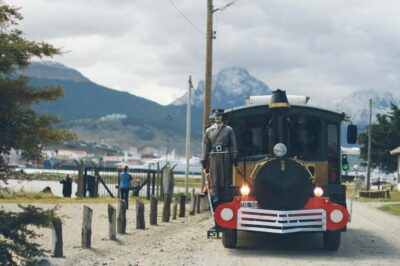
Half-Day Tierra del Fuego National Park with Train
Read our review →
Tierra del Fuego Park & Train Tour for Cruisers (no tickets)
Read our review →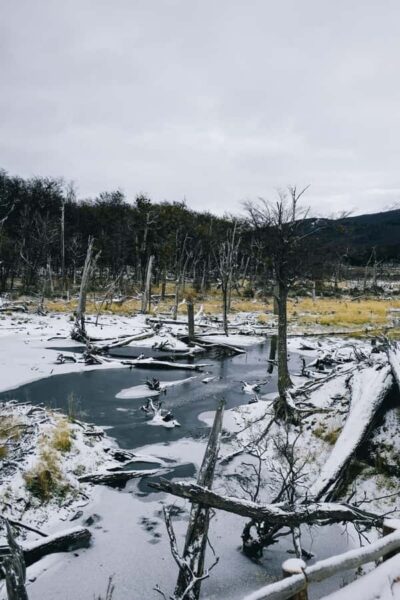
USHUAIA | Tierra del Fuego National Park & Optional Train
Read our review →Browse the lists this tour appears in