
REVIEW · CAIRO
12-Night Private Tour: Amarna and El Minya with Cruise and Train
Amarna is the unusual prize here. Most Egypt trips rush between Cairo, Luxor, and Aswan, but this one takes you to the remote capital of Akhenaten, along with the tombs at Beni Hassan and Tuna el-Gebel. You also get the grand classics: Giza, Karnak, the Valley of the Kings, and Abu Simbel.
I like the mix of transport. A private car handles local sightseeing, trains connect Cairo, Minya, and Luxor, and a four-night cruise carries you south from Luxor to Aswan. I also like the private Egyptologist guide, with guides such as Salah and Fathy Taher available, including Portuguese support. The drawback is that many entrance tickets and several headline sights, including Abu Simbel and Philae, cost extra, so the advertised price is not the final bill.
Key points to know before booking
- Amarna gives this trip its rare focus: Visit the Northern and Southern Tombs, Akhenaten’s city, and the Boundary Stelae.
- The Nile cruise covers four nights: Sail from Luxor through Edfu and Kom Ombo to Aswan on a deluxe ship with full board.
- Transport is part of the experience: Use private air-conditioned vehicles, first-class sitting trains, and a sleeper train back to Cairo.
- The pace is full but varied: Ancient tombs, temples, city visits, rail journeys, and quiet time on the river all appear in one route.
- Several major visits are optional or extra cost: Abu Simbel, Philae, Dahshur, and some Cairo and Luxor excursions may require additional payment.
- The price offers broad coverage: At $1,973.36 per person, the package includes hotels, guides, transport, many meals, and the cruise, but not entry fees or gratuities.
Why Amarna changes the shape of this Egypt trip
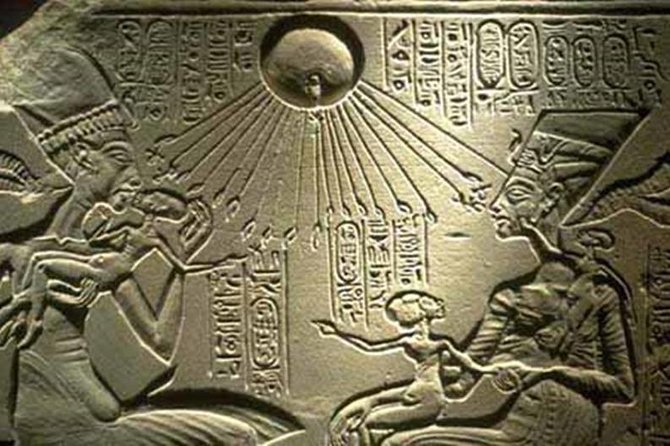
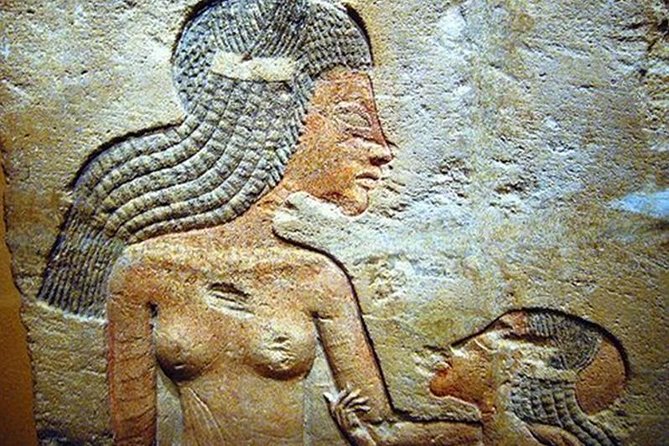
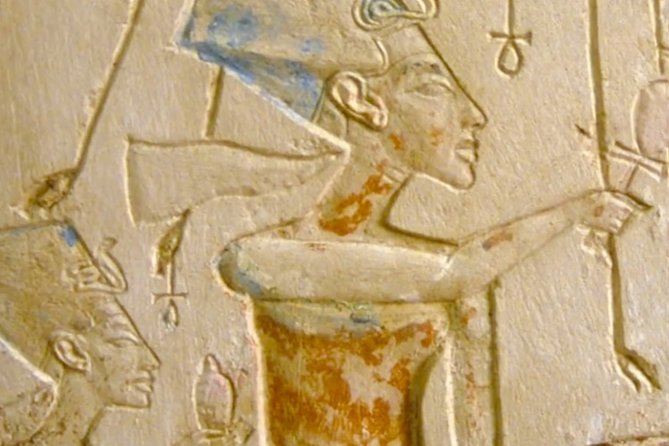
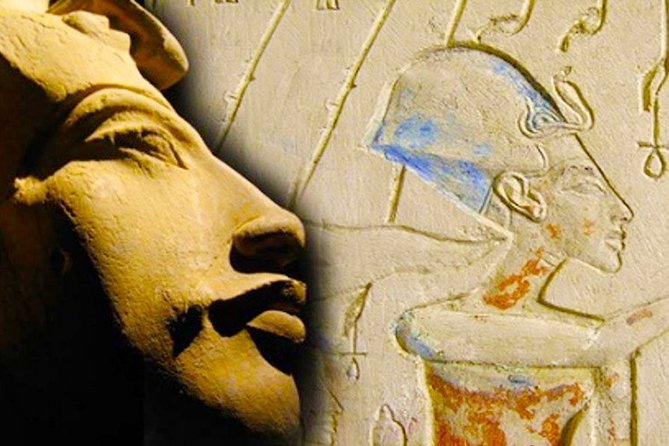
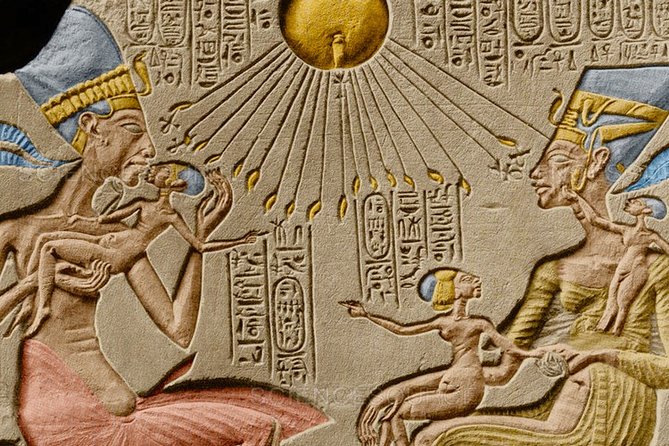
Amarna is not Egypt’s easiest ancient site to reach, and that is exactly why it adds something different. King Akhenaten established his new capital here in the late 14th century BC, moving away from the powerful priesthood of Amun and promoting Aten, the sun disk, as the central god.
The city was later largely destroyed when the old religious order returned. What remains is less polished than Karnak or Luxor, but it gives you a closer look at a short, dramatic chapter in Egyptian history. You visit the Northern Tombs, including the tombs of Ahmose, Huya, and Mery-Re I, followed by the Southern Tombs of Ay and Mahu.
The route also includes Beni Hassan and Tuna el-Gebel. At Beni Hassan, tombs belonging to provincial nobles show daily life, funerary customs, and religious scenes from Egypt’s Middle Kingdom. Tuna el-Gebel brings you to Akhenaten’s Boundary Stelae, the tomb of Petosiris, ibis catacombs, and the tomb associated with Isadora.
I would choose this program over a standard Nile package if you already know that Amarna interests you. If your main aim is simply to see the pyramids and famous temples, a shorter itinerary may be easier and less tiring.
More Evening Trips in Cairo:
- Private 7-Night Egypt Explorer Tour including Sleeper Train and Nile Cruise from Cairo
★ 4.5 · 3 reviews - over night by train from Cairo to luxor with hot air balloon
★ 5.0 · 2 reviews - Battambang: Tuk-Tuk, Bamboo Train, Killing/Bat Caves, Sunset
★ 4.9 · 1,436 reviews
Cairo begins with Memphis, Saqqara, and Dahshur
After airport assistance and a meeting with your guide, the first full sightseeing day heads south of Cairo. Saqqara is the essential stop. The Step Pyramid of Djoser, built in the Third Dynasty, is recognized as the world’s oldest major stone structure.
Give yourself time here. The site is not one single monument but an extensive cemetery, and your guide can help connect the pyramid to the earlier development of Egyptian royal tombs. Entrance is not included, so keep a separate budget for admission fees.
The Serapeum follows. This underground complex held the burials of sacred Apis bulls, placed in large stone sarcophagi and linked with the worship of Osiris, Apis, and Ptah. It is a more enclosed and atmospheric visit than the open pyramid fields, though the guide explains the background outside the tombs because guides are not allowed inside.
Dahshur is listed as an optional visit. The Bent Pyramid and Red Pyramid offer a useful contrast with Saqqara and Giza, showing how pyramid design developed during the Fourth Dynasty. The Pyramids of Giza and the Sphinx are also described as optional on this day, so confirm exactly what your booking includes before departure.
The day ends at Memphis, Egypt’s first capital, where you see the huge fallen statue of Ramses II and the alabaster sphinx. The stop is short, around 30 minutes, but it rounds out the story by connecting the pyramid cemeteries with the ancient center of government.
First-class rail to Minya and the tombs of Amarna
The Minya section begins early. You transfer to Giza railway station at about 7:30 in the morning, take a first-class sitting train, and arrive in Minya around 11:00. A local guide meets you there, and the drive to the Amarna area takes about two hours.
This is a long transfer day, but the train gives you a look at modern Egypt beyond the usual tourist circuit. The route passes farms and desert areas, and the change from Cairo’s dense streets to Upper Egypt’s quieter surroundings helps explain why Amarna feels removed from the main route.
Lunch in El Minya is at your own expense. The itinerary describes a four-star hotel in Amarna, sometimes for one night and sometimes for two, so ask for the exact hotel plan before paying. That detail matters because the route is not simply a day trip from Cairo. You spend time close to the ancient sites, which reduces the need to return north immediately.
The next morning brings Tuna el-Gebel before the train to Luxor. The Boundary Stelae are especially important. They mark the area Akhenaten selected for his new capital and show the king and queen worshipping Aten. The tomb of Petosiris and the ibis catacombs add a different side of ancient religious life.
At about 11:30, you transfer to the railway station for Luxor. Arrival is scheduled around 7:00 in the evening, followed by a hotel transfer. Expect this part of the trip to feel more like an archaeological expedition than a relaxed holiday.
Luxor’s west bank rewards careful pacing
Before boarding the Nile ship, you explore Luxor’s west bank. The Valley of the Nobles contains tombs decorated with scenes of farming, feasts, funerals, and the hoped-for afterlife. These are less famous than the royal tombs but often more personal, giving you a clearer picture of ordinary elite life in ancient Thebes.
The Ramesseum follows. This memorial temple of Ramses II is partly ruined, but its surviving reliefs still show the Battle of Kadesh, Syrian campaigns, and religious festivals. A large seated statue once dominated the site, though only fragments remain.
Medinet Habu is one of the best-preserved New Kingdom memorial temples. Its military scenes and inscriptions record the victories of Ramses III, while the remains of a royal palace sit near the forecourt. The visit lasts about 30 minutes in the supplied schedule, so you may want to ask your guide how the timing will work on your date.
You then return to your hotel or cruise arrangements. The accommodation plan lists two nights at the Aracan Eatape Luxor hotel on bed and breakfast, while the cruise begins later in the itinerary. Confirm the exact night-by-night sequence, since sailing times can change.
More Private Train Tours in Cairo:
- 2-Day Private Tours to Luxor and Dendera from Cairo by Sleeper Train
★ 5.0 · 3 reviews - Private Tour: 8 Days 7 Nights Great Pyramids & Nile Cruise by Train from Cairo
★ 4.5 · 3 reviews - 2-Nights-1-Day Private Tour to Luxor from Cairo by Sleeper Train
★ 5.0 · 2 reviews - From Delhi: Private Taj Mahal and Agra Tour by Express Train
★ 4.9 · 1,605 reviews
Karnak and Luxor Temple after dark
Karnak is one of the largest temple complexes in Egypt, not a single building. It includes the Great Temple of Amun-Ra, the Temple of Khonsu, and the Ipet Temple, among other structures. The scale can be hard to grasp at first, so I would stay close to your guide and allow time for the major halls, columns, and processional spaces.
The itinerary places the cruise check-in after the Karnak visit, with lunch on board and time to relax. Luxor Temple is then scheduled for an evening visit. This is a smart pairing. Karnak rewards daylight and orientation, while the illuminated columns and avenue of sphinxes at Luxor Temple create a very different mood at night.
The program describes the cruise as five-star deluxe, but the included section calls it a deluxe Nile cruise. I would ask for the ship name, cabin category, and exact sailing dates before booking. Wi-Fi is not available on the ship, and television service may not work during sailing because of weak signal.
The Valley of the Kings and Hatshepsut
The west bank continues with the Valley of the Kings, where almost 70 royal tombs were cut into the hills. The route highlights the tombs of Ramses III and Tutankhamun, though the specific tombs open on any day can vary. Entry to the monuments is not included in the package price.
Tutankhamun’s tomb is small compared with the grander royal chambers, but it has a special pull because the burial remained largely intact when discovered. Guides explain the story outside the tombs, then you explore inside independently.
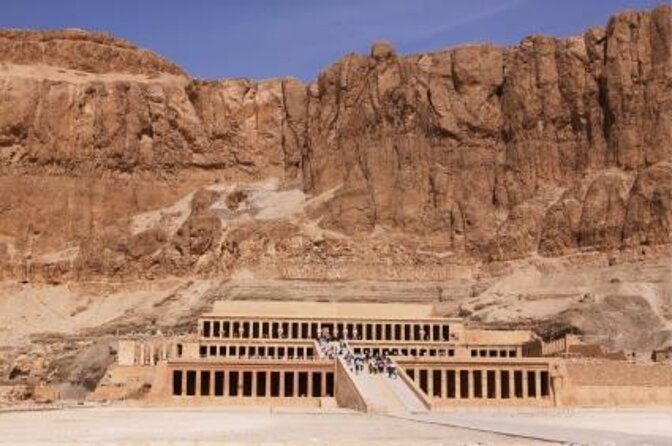
The Temple of Hatshepsut at Deir el-Bahari is another essential stop. Hatshepsut ruled as Egypt’s only female pharaoh, and her temple rises in broad terraces against the cliffs. Its formal design contrasts with the enclosed tombs visited earlier.
The Colossi of Memnon provide a short final stop. These two enormous statues once guarded the entrance to a funerary temple. The stop is free and lasts about 30 minutes, making it an easy final sight before returning to the ship.
Edfu and Kom Ombo from the river
The cruise days are where the schedule becomes less demanding. You sail toward Edfu, then ride by horse carriage to the Temple of Horus. The carriage transfer is part of the route, and the temple itself is one of the best-preserved major sanctuaries in Egypt.
Edfu was dedicated to Horus of Behdet and contains extensive carved walls. Your guide helps you read the temple as a working religious complex rather than just a collection of columns. Afterward, you return to the ship and continue toward Kom Ombo.
Kom Ombo is unusual because it is a double temple. One side honored Sobek, the crocodile god, and the other was dedicated to Hathor. Later Roman additions remain visible, adding another layer to the site.
This is also a chance to enjoy the river itself. The four cruise nights include full board, and the slow movement between sites is a useful break after the early starts and long rail transfers. Do not expect constant internet access. The ship has no Wi-Fi, so download anything important before boarding.
Aswan, Abu Simbel, and the final train
Abu Simbel is listed as an optional excursion, but it is one of the strongest additions you can make. The two temples were built by Ramses II, with one dedicated to him and the other connected with his queen. The alignment of the larger temple with the sun is linked to the king’s birthday and coronation, remembered today through the Sun Festival.
The scheduled visit is brief in the itinerary, but the drive itself makes this a substantial outing. Ask about departure time, transport, and the additional cost. If Abu Simbel is high on your list, confirm that it can be added before you travel.
In Aswan, the High Dam shows modern Egypt’s effort to control the Nile and protect settlements from flooding. It also changed the fate of ancient monuments, many of which required relocation when the reservoir formed.
The Unfinished Obelisk offers a direct look at ancient stoneworking. It was intended to be the largest obelisk ever made and is associated with Queen Hatshepsut. Philae is another optional excursion, reached by boat according to the tour description. The temple complex is dedicated largely to Isis and tells the story of Isis and Osiris.
At about 6:00 in the evening, you board a sleeper train to Cairo. A flight upgrade is available for an added supplement. The sleeper train is a memorable way to finish the southern section, but it is not the same as a hotel night, so consider the flight if you value sleep and speed.
Old Cairo and a free final day
After arrival at Giza railway station, a private air-conditioned vehicle takes you to Old Cairo. The Hanging Church dates back roughly 1,700 years and is one of the best-known Christian sites in the city.
The nearby Ben Ezra Synagogue dates from the ninth century and is tied to Cairo’s once-substantial Jewish community. Both visits are free of admission charges in the supplied plan, though the guide and vehicle remain part of the private arrangement.
Day 12 is free. Your guide can suggest optional excursions, but this open day is useful after a packed route. You can rest, revisit a favorite Cairo area, or use the time for a site not covered earlier.
On the final morning, an airport transfer is provided. The hotel information says the airport is about five minutes away and that you can ask reception about a free shuttle bus.
What the $1,973.36 price really covers
At $1,973.36 per person, the cost is attractive for a 13-day private program that includes four Cairo nights, an Amarna hotel, two Luxor hotel nights, four nights on a deluxe Nile cruise, a sleeper train, private vehicles, an Egyptologist guide, airport assistance, and many meals.
You receive breakfast for 12 days, four lunches, and five dinners. The cruise is based on full board, while the Cairo and land hotels are generally bed and breakfast. First-class sitting train travel from Cairo toward Minya and onward to Luxor is included, as is the sleeper train to Cairo.
The price does not include the Egyptian entry visa, monument entrance fees, gratuities, ship Wi-Fi, or optional excursions. Abu Simbel, Philae, Dahshur, and some Giza and Luxor visits may add to your total. Christmas and New Year dates from December 20 through January 7 carry a 20 percent supplement payable on site.
That makes this a good value if you want a bundled route and will use the guide and transport every day. It is less appealing if you prefer to choose every monument yourself or dislike extra fees appearing during the trip.
Who should book this private Egypt itinerary
I would recommend it to someone who wants more than the standard Cairo and Nile combination. Amarna, Beni Hassan, and Tuna el-Gebel make the route special, and the combination of private transport, rail, cruise, and local guides gives you several ways to see Egypt.
It suits people who can handle early mornings, long road and rail transfers, and several changes of hotel. Most people can participate, but the schedule is active and some archaeological sites involve uneven ground and walking in heat.
The private format means your group has its own guide and vehicle, though the terms say groups of two to nine adults may share some tours or transfers between two families. Clarify this point if you require a fully exclusive arrangement at every stage.
Book it if Amarna is a priority and you want the major southern sites in the same trip. Skip it if you want a slow holiday, dislike optional add-ons, or would rather spend more nights in one place.
FAQ
How long is the tour?
The program lasts approximately 13 days and is described as a 12-night private tour.
What kind of guide is included?
A private English-speaking Egyptologist guide is included. Spanish is available, and other languages require a supplement. Guides such as Salah and Fathy Taher may be assigned, with Portuguese support noted for Fathy Taher.
Is the Nile cruise included?
Yes. Four nights on a deluxe Nile cruise are included, with full board. The route sails from Luxor toward Aswan and visits Edfu and Kom Ombo.
Are entrance fees included?
No. Monument entrance fees are excluded, including the fees for many Cairo, Luxor, and Aswan sites. Student discounts are listed as 50 percent.
Is Abu Simbel included?
No. Abu Simbel is listed as an optional excursion and carries an additional cost.
Is Wi-Fi available on the ship?
No. The tour information states that Wi-Fi is not available on the ship. Hotel Wi-Fi is described as free, though availability may vary by property.
Can I cancel for a full refund?
Yes, if you cancel at least 24 hours before the experience start time. Cancellations within 24 hours are not refundable, and changes within that period are not accepted.
Is airport pickup provided?
Yes. A representative meets you at Cairo International Airport, assists with arrival procedures, and transfers are included at the beginning and end of the tour.
Just added around Cairo
- over night by train from Cairo to luxor with hot air balloon★ 5.0 · 2 reviews
- 2-Day Private Tours to Luxor and Dendera from Cairo by Sleeper Train★ 5.0 · 3 reviews
- Private Tour: 8 Days 7 Nights Great Pyramids & Nile Cruise by Train from Cairo★ 4.5 · 3 reviews
- Luxor Day Tour by Sleeper Train★ 5.0 · 3 reviews
- Package 8 Days 7 Nights to Pyramids, Luxor & Aswan by Train★ 5.0 · 3 reviews
- Package 7-Days 6-Nights Cairo Pyramids, Nile Cruise&Alexandria by Sleeper Train★ 5.0 · 2 reviews
- Cheap Egypt holiday 11 Days Cairo-Luxor-Aswan-Abu Simbel by sleeping train★ 5.0 · 4 reviews
- 10 Day Around Egypt to Cairo ,Giza ,White desert ,Nile Cruise With Train & Hotel★ 5.0 · 5 reviews
Cairo Train Tours, compared.
Overnight Luxor Tours by train from Cairo with Hot Air Balloon and much more
Read our review →
6- Days Aswan , Abu Simbel , Cruise , Luxor & Round Sleeper Train
Read our review →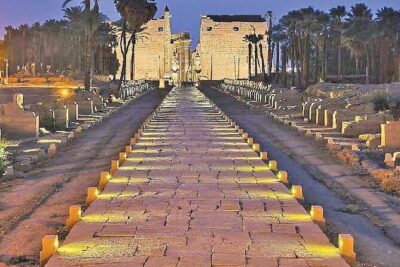
Luxor East and West Banks Tour & Overnight SLEEPER Train Rounded trip
Read our review →
Luxor East and West Banks Tour by Overnight Sitting Train Rounded trip
Read our review →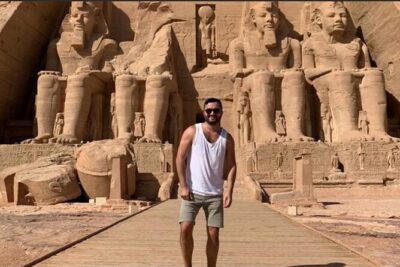
4 Days Nile cruise luxor, Aswan,Hot air balloon&abu simbel with Train from Cairo
Read our review →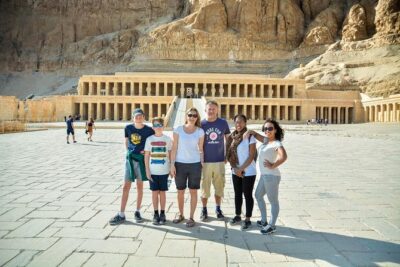
Luxor East and West Banks Guided Tour& Overnight Sitting Train Round Trip
Read our review →
Egypt 8 D: Cairo, Aswan,Abu Simbel, cruise, Luxor & Sleeper Train
Read our review →
Kings of Ancient Egypt : 6 Days Cairo and Luxor Guided Tours & Overnight Train
Read our review →Browse the lists this tour appears in