
REVIEW · CAIRO
Luxor Day Tour by Sleeper Train
Cairo to Luxor by sleeper train gives you a rare look at Egypt beyond the usual airport-to-hotel routine. You leave Cairo at night, wake near the Nile Valley, and spend a full day among the tombs and temples of ancient Thebes before taking the train back.
I like the way round-trip transfers remove the guesswork at Cairo’s train station, and I like having a qualified Egyptologist beside you at the main sites. The private vehicle in Luxor also keeps the day focused, with no waiting for a large group.
The main drawback is the pace. You spend about 20 hours on trains across two nights, then pack several major sights into one long day. The train ride is part of the adventure, but the included meals may not impress you, and sleep can be broken.
Key points to know before booking
- Two overnight sleeper trains: Leave Cairo around 8:15pm and return from Luxor around 11pm the next night.
- A full West Bank visit: See three selected tombs in the Valley of the Kings, then visit Hatshepsut’s temple and the Colossi of Memnon.
- A private Luxor touring day: Your group travels by air-conditioned vehicle with an Egyptologist guide.
- Major sites are covered: Entry fees include the Valley of the Kings, Temple of Hatshepsut, and Karnak Temple.
- Most core costs are included: Train tickets, hotel transfers, meals, bottled water, lunch, and entrance fees are part of the $700 price.
- A demanding schedule: Moderate fitness helps, and you should be ready for early starts, walking, heat, and two overnight train rides.
Why the sleeper train makes this trip different
The simplest way to picture this trip is as a moving hotel for two nights. A driver collects you from your Cairo hotel around 7:00 to 7:30pm and takes you to the train station for the 8:15pm departure. Once aboard, you have dinner and settle into a two-berth sleeper compartment for the roughly 10-hour ride.
You are not choosing this tour for speed. Flying to Luxor would be quicker, but the train lets you travel in the same broad manner that many Egyptians have used for generations. You also avoid paying separately for a Cairo hotel night and a Luxor hotel night, since the train covers both overnight stretches.
The sleeper compartment is described as comfortable, but comfort on a train is not the same as a quiet hotel room. You may hear movement in the carriage, and the overnight schedule can make the next day tiring. Bring earplugs, a small amount of water for personal use, and only the luggage you need for two days.
The included train meals make the trip easier, though they are not the strongest part of the package. One practical report describes the meals as disappointing while still rating the train ride itself as a worthwhile part of the adventure. I would treat the food as convenient rather than a reason to book.
More Overnight and Sleeper Trains in Cairo
- Egypt on Budget – 8 Days ( Cairo , Aswan , Nile Cruise – Luxor ) Sleeper Train
★ 4.5 · 121 reviews - 6- Days Aswan , Abu Simbel , Cruise , Luxor & Round Sleeper Train
★ 5.0 · 25 reviews - Cairo : Luxor East and West Banks Tour & Overnight SLEEPER Train Rounded trip
★ 4.5 · 21 reviews
Arriving in Luxor around sunrise
The train reaches Luxor around 6:00 to 7:00am. Your Egyptologist guide meets you at the station, and you continue in a private, air-conditioned vehicle.
That transfer matters. After a night on the train, you do not want to search for a taxi, negotiate a ride, or work out how to reach the West Bank. The private vehicle also gives your group a place to leave bags and escape the heat between stops.
Your first touring day begins almost at once. There is no hotel check-in or long break built into the morning, so plan your clothing and luggage with that in mind. Wear practical shoes, carry sun protection, and keep anything you need for the day easy to reach.
Three tombs in the Valley of the Kings
The West Bank of Luxor holds the ancient funerary zone often called the City of the Dead. The Valley of the Kings cuts into bare mountains and limestone hills, creating a sharp contrast with the cultivated Nile plain.
Your guide introduces you to three tombs. That number is useful because the valley contains far more tombs than you could reasonably see in one morning, and the interiors differ in decoration, size, and condition. A guide can explain what the painted scenes mean and how the tombs served the pharaohs who were buried there.
The tombs are the heart of this day for many people. Their entrances can look modest from outside, but the walls inside carry painted religious scenes and hieroglyphs. The setting also helps you understand why royal burials were placed here, away from the open river plain.
Do not expect every famous tomb to be included. The program promises three tombs selected by the guide, rather than a particular named tomb. If there is a specific tomb you hope to enter, ask before booking or confirm with the guide on the day. Special tomb tickets, if required, are not identified as part of this package.
The valley can involve walking over uneven ground and moving through narrow interiors. The tour asks for a moderate fitness level, and that is sensible. You should be comfortable walking between sites and climbing into or out of tomb entrances.
Hatshepsut’s terraces and the Colossi of Memnon
A short drive takes you to the Temple of Hatshepsut at Deir el Bahari. The temple rises in broad terraces against towering cliffs, giving it a different feel from the underground tombs you have just seen.
Hatshepsut ruled as pharaoh and used the dress and symbols traditionally linked with male kings, including the ceremonial false beard. That detail gives your guide a useful starting point for explaining how royal power was presented in ancient Egypt. The temple is not only a place to photograph. Its design and setting show how architecture was used to connect a ruler with the gods and the surrounding cliffs.
The stop lasts about an hour, including the visit to the Colossi of Memnon. These two huge seated statues portray Amenhotep III on his throne. They once guarded the entrance to his great mortuary temple, much of which no longer survives in its original form.
The Colossi are an easy stop, but do not dismiss them as a quick photo break. Their size gives you an immediate sense of the scale favored by Egypt’s rulers. You also get a change of pace after the enclosed tombs and the broad terraces of Hatshepsut’s temple.
More Overnight and Sleeper Trains in Egypt
- Kings of Ancient Egypt : 6 Days Cairo and Luxor Guided Tours & Overnight Train
★ 5.0 · 7 reviews - Egypt 8 D: Cairo, Aswan,Abu Simbel, cruise, Luxor & Sleeper Train
★ 4.5 · 7 reviews - Cairo : 3-Days Cairo and Luxor Guided Tours by Overnight Train
★ 5.0 · 6 reviews - Full day Luxor tour from Cairo by a sleeper train
★ 5.0 · 5 reviews
Crossing to Karnak on the East Bank
After the West Bank, you cross the Nile and stop for a buffet lunch at a local restaurant. Lunch is included, but drinks are not, so carry some Egyptian pounds or another accepted payment method for beverages.
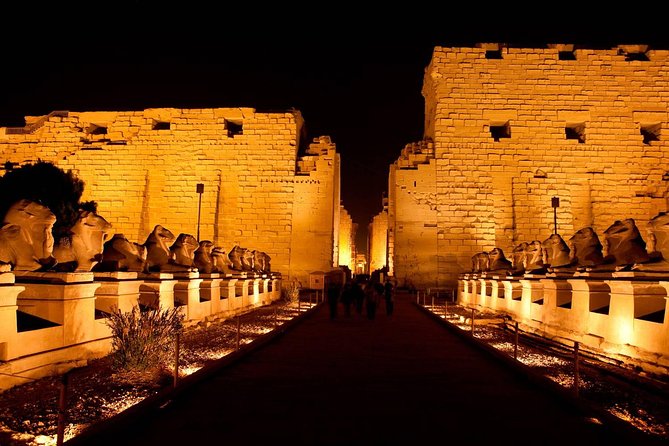
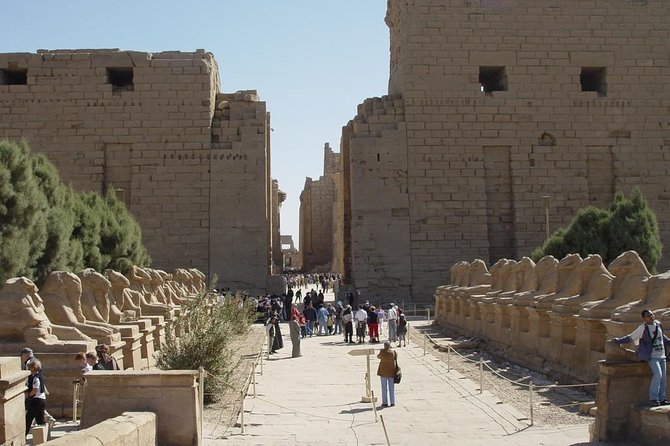
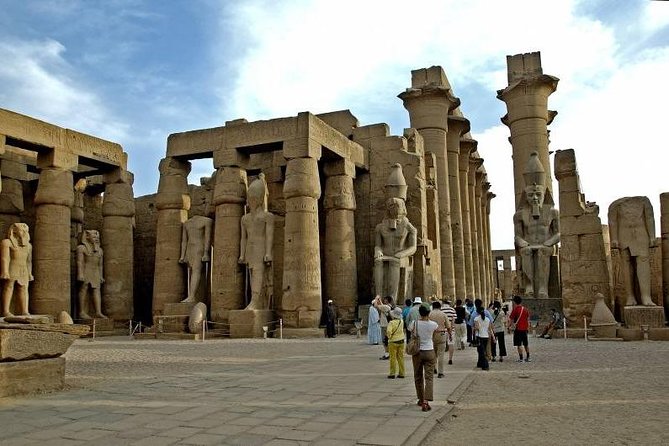
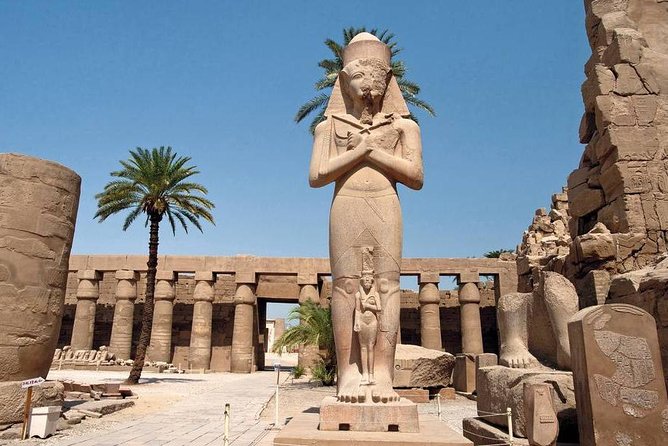
The schedule gives you about two hours at Karnak Temple. That is enough to see the main areas with a guide, but not enough to study every inscription or corner of the complex. Karnak grew over thousands of years as successive rulers added halls, pylons, sanctuaries, columns, and statues.
The scale is the point. Long rows of columns and massive gateways make Karnak feel less like one building and more like an entire sacred district. Your Egyptologist can help separate the different periods and explain how the site developed instead of leaving you with a blur of enormous stones.
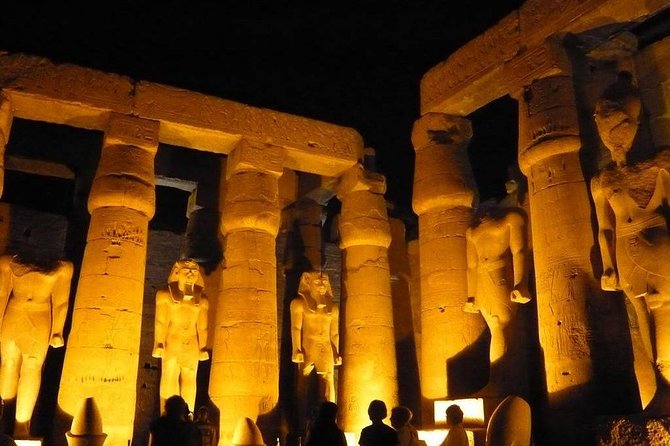
Luxor Temple is also available as an optional addition at your own expense. The guide can accompany you, but the stated program centers on Karnak. Since the day is already full, ask about timing and cost before deciding to add it. You may prefer a slower visit at Karnak rather than squeezing in one more monument.
The East Bank portion also gives you a useful view of modern Luxor. The ancient religious center is woven into a living city, and the contrast between present-day streets and the temple precinct is part of the appeal.
Returning to Cairo after a very long day
After the East Bank visit, you return to Luxor station in time for the 11:00pm train. The return journey lasts about 10 hours, with arrival in Cairo around 9:00am. A driver then takes you back to your hotel.
This is where the tour asks the most of you. You have already spent the morning at the Valley of the Kings, walked through Hatshepsut’s temple, crossed the river, eaten lunch, and explored Karnak. Then you board another overnight train instead of checking into a room.
For some people, that is a fair trade. You gain Luxor’s major sights without booking a separate domestic flight, hotel, local transport, and guide. For others, the return train will feel like one leg too many. If you value sleep and unhurried sightseeing, a multi-day Luxor stay will suit you better.
The schedule does have one practical advantage: you arrive back in Cairo in the morning rather than losing another daytime sightseeing period. If your Egypt trip is short and you want to keep moving, this can be a smart use of time.
What the $700 price includes
At $700 per person, this is not a budget train trip. It becomes easier to judge once you add up what is bundled into the price:
- Round-trip sleeper train tickets
- Dinner and breakfast for the train journey, as listed
- Lunch in Luxor
- A qualified Egyptologist guide
- Private, air-conditioned transport in Luxor
- Transfers between your Cairo hotel and the train station
- Pickup and drop-off service
- Bottled water
- Entrance fees for the named attractions
- Landing and facility fees
The biggest value comes from coordination. You do not have to arrange Cairo station transfers, buy sleeper tickets, find a Luxor guide, hire a private car, or purchase entry tickets one by one. You also have a person meeting you at Luxor station early in the morning, which is especially useful after an overnight ride.
The price makes more sense for two or more people sharing the private arrangements. Group discounts are offered, though the exact reduction is not provided. A child rate applies only when the child shares with two paying adults.
The package is less attractive if you want a low-cost independent train journey. You would be paying for professional guiding, private transport, admissions, and convenience. It is also less suitable if you plan to spend several days in Luxor, since this trip only gives you one concentrated touring day.
Food, comfort, and the small practical details
Meals are included, but drinks are not. Dietary requirements should be provided when you book. The included food saves you from arranging meals during a tightly timed day, though you should keep expectations modest for the train catering.
A current passport is required on the day of travel, and the booking requires each participant’s passport name, number, expiry date, and country. Confirmation is sent within 48 hours, subject to availability, so do not leave the reservation until the last minute if your dates are fixed.
The tour is private, meaning only your group participates. That makes the pace more manageable than a large coach tour, and it gives you a better chance to ask questions at the tombs and temples. The guide’s name is not provided in advance, but the tour includes a qualified Egyptologist rather than a basic driver escort.
Wear clothing suited to walking and warm conditions. The supplied details do not promise hotel rest time, showers, or luggage storage, so ask the operator if any of those points matter to you. The private vehicle is air-conditioned, but the archaeological sites themselves are open-air or partly exposed.
Free cancellation is available up to 24 hours before the start time for a full refund. Changes or cancellations inside that 24-hour window are not accepted for a refund.
Who should book this Luxor trip?
I would choose this tour if you have limited time in Egypt and want the major Luxor sights handled in one organized package. It suits first-time visitors who want context at the monuments, do not want to manage Cairo and Luxor transport alone, and are comfortable with overnight train travel.
It also fits people who like travel with a little texture. The sleeper train is not just a transfer. It is part of the story, even if the food and sleep are ordinary.
I would hesitate if you need a full night’s sleep, dislike fixed schedules, or want time for Luxor’s other major attractions. The program does not include a relaxed hotel stay, and Luxor Temple is optional and at your own expense. A longer stay would give you more breathing room, but it would also cost more and require additional planning.
Should you book it?
Book this Luxor sleeper train tour if your priority is maximum sightseeing in roughly two days, with the important costs and logistics handled for you. The Valley of the Kings, Hatshepsut’s temple, the Colossi of Memnon, and Karnak make a strong first visit to ancient Thebes, and the Egyptologist guide adds meaning to what you are seeing.
Skip it if comfort matters more than efficiency. The price is fair for the private transport, guide, admissions, and two sleeper-train journeys, but the schedule is demanding and the meals are a weak point. For the right kind of visitor, the train ride is not an inconvenience to endure. It is part of the Egyptian experience.
FAQ
How long does the Luxor sleeper train tour take?
The experience lasts about two days. You leave Cairo in the evening, reach Luxor around 6:00 to 7:00am, tour for the day, take the return train around 11:00pm, and reach Cairo around 9:00am the following morning.
What sites are included in Luxor?
The program includes the Valley of the Kings, the Temple of Hatshepsut at Deir el Bahari, the Colossi of Memnon, and Karnak Temple. Luxor Temple is optional and available at your own expense.
Are train tickets and meals included?
Yes. Round-trip sleeper train tickets are included, along with dinner and breakfast listed for the train journey. Lunch in Luxor is also included. Drinks are not included.
Is hotel pickup available in Cairo?
Yes. A driver collects you from your Cairo hotel around 7:00 to 7:30pm and transfers you to the train station. After you return to Cairo, a driver takes you back to your hotel.
Is this a private tour?
Yes. Only your group participates. Transport in Luxor is by private, air-conditioned vehicle with a qualified Egyptologist guide.
What documents and fitness level are required?
A current valid passport is required on the day of travel. Passport name, number, expiry date, and country are required for all participants at booking. The tour recommends a moderate level of physical fitness.
Just added around Cairo
- over night by train from Cairo to luxor with hot air balloon★ 5.0 · 2 reviews
- 2-Day Private Tours to Luxor and Dendera from Cairo by Sleeper Train★ 5.0 · 3 reviews
- Private Tour: 8 Days 7 Nights Great Pyramids & Nile Cruise by Train from Cairo★ 4.5 · 3 reviews
- Package 8 Days 7 Nights to Pyramids, Luxor & Aswan by Train★ 5.0 · 3 reviews
- Cheap Egypt holiday 11 Days Cairo-Luxor-Aswan-Abu Simbel by sleeping train★ 5.0 · 4 reviews
- 10 Day Around Egypt to Cairo ,Giza ,White desert ,Nile Cruise With Train & Hotel★ 5.0 · 5 reviews
- Package 7-Days 6-Nights Cairo Pyramids, Nile Cruise&Alexandria by Sleeper Train★ 5.0 · 2 reviews
- Cairo : Luxor Full Day Guided Tour & Overnight Train Rounded trip★ 5.0 · 4 reviews
Cairo Train Tours, compared.

Overnight Luxor Tours by train from Cairo with Hot Air Balloon and much more
Read our review →
6- Days Aswan , Abu Simbel , Cruise , Luxor & Round Sleeper Train
Read our review →
Luxor East and West Banks Tour & Overnight SLEEPER Train Rounded trip
Read our review →
Luxor East and West Banks Tour by Overnight Sitting Train Rounded trip
Read our review →
4 Days Nile cruise luxor, Aswan,Hot air balloon&abu simbel with Train from Cairo
Read our review →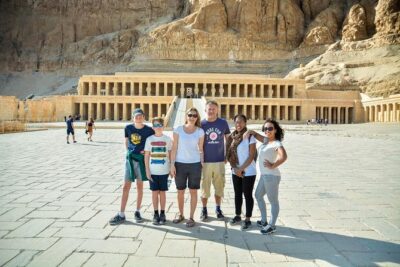
Luxor East and West Banks Guided Tour& Overnight Sitting Train Round Trip
Read our review →
12-Night Private Tour: Amarna and El Minya with Cruise and Train
Read our review →
Egypt 8 D: Cairo, Aswan,Abu Simbel, cruise, Luxor & Sleeper Train
Read our review →Browse the lists this tour appears in