
REVIEW · JAPAN
Osaka: Wakayama Cat Train, Seafood market, Hot Springs Tour
Wakayama’s cat train and Tama’s story give this day trip its unusual hook, but the real treat is the mix of small-town rail travel, fresh seafood, hot springs, and Pacific views. From Nipponbashi, you trade Osaka’s crowded streets for citrus country, fishing towns, and the open coast.
I like the live tuna cutting show at ToreTore Market, where lunch can be as simple as sashimi or grilled seafood from the market stalls. I also like the helpful, hands-on guiding reported from Tiger, who keeps the day organized and offers practical advice about what to buy and eat. The catch is the long bus ride, with about four hours on the road in total, and the cat train ride itself may be shorter than you expect.
Key points to know before booking
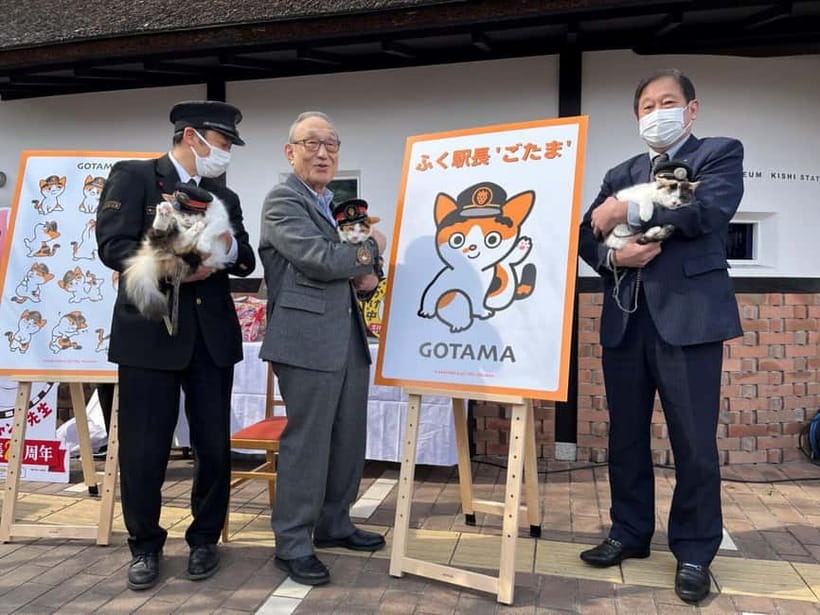
- Tama’s legacy at Kishi Station: See the cat-shaped station and learn how a calico cat helped revive a rural railway.
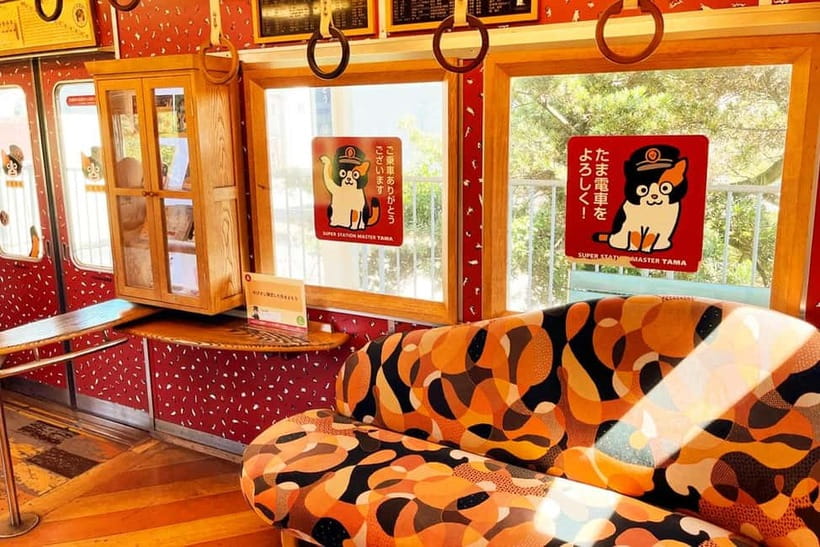
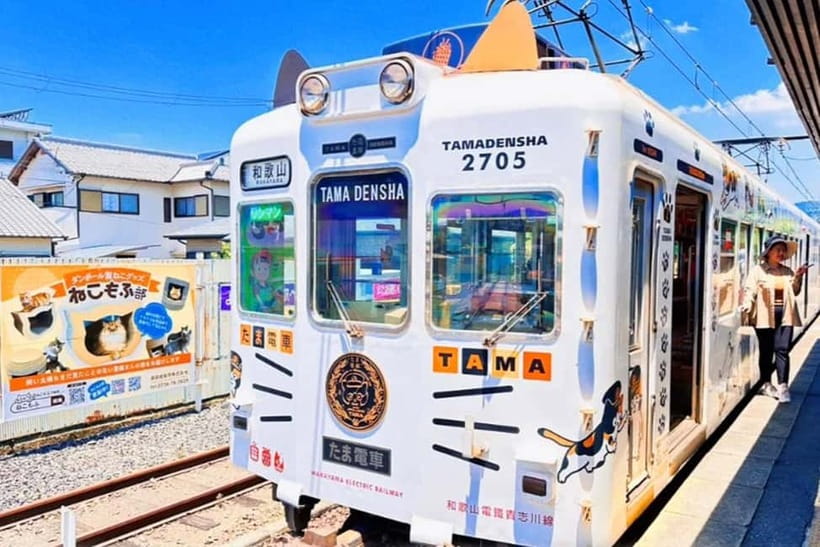
- Three possible cat trains: The train may be the Tama Train, Strawberry Train, or Toy Train, depending on the day.
- ToreTore Market’s tuna show: Watch a whole tuna cut down with quick, practiced strokes, then choose your own lunch.
- Shirahama’s ocean cliffs: Senjojiki and Sandanbeki offer two very different views of the Pacific.
- Optional hot spring stop: Toretore Onsen adds a traditional Japanese bath, but entry is not included and tattoos may restrict access.
- A full ten-hour day: The tour leaves Nipponbashi at 8:30 a.m. and is expected back around 6:40 p.m., traffic allowing.
Why this Osaka day trip works
This is not a quick sightseeing loop around Osaka. It is a long day devoted to Wakayama, a neighboring prefecture with a slower pace and a very different feel. You get a countryside train ride, a working seafood market, and a rugged coast without having to figure out several rail connections and local buses yourself.
The strongest part is the variety. The cat train is playful. The market is noisy, practical, and delicious. The cliffs are serious and windswept. The hot spring, if you choose it, gives the day a quiet pause between the market and the coast.
The price is $83 per person. That is a fair deal if you value convenience. It covers the air-conditioned bus, driver, guide, tolls, parking, fuel, and the cat-themed train ride. You still pay for lunch, the optional hot spring, and Sandanbeki Cave admission, so your actual spending will be higher.
I would not choose this trip if you want a slow, independent day. The schedule is tight, and the bus is your base for much of the day. I would choose it if you want to see several parts of Wakayama in one outing and prefer having the route, transport, and basic explanations handled for you.
More Market Trips in Japan:
- 3-Day Private Tokyo and Nagano: Snow Monkeys, Tsukiji Market and Bullet Train
★ 5.0 · 2 reviews - Bangkok: Damnoen Saduak Market and Maeklong Railway Market
★ 4.5 · 26,723 reviews - The Old Siam: Damnoen Saduak and Maeklong Railway Market
★ 4.5 · 10,992 reviews
Leaving Osaka from Nipponbashi
The meeting point is at Nipponbashi Station Exit 2, near the Namba and Shinsaibashi area, at 8:30 a.m. Use the address 1-chōme-3-6 Nipponbashi, Chuo Ward, Osaka, and arrive at least 15 minutes early. This area serves many tour groups, so do not count on finding your guide at the last second.
The operator sends details the evening before, including information about your guide, driver, vehicle, and meeting arrangements. Pay attention to that message. The vehicle changes with group size, and the guide may contact you through WhatsApp. Tiger, one of the guides named in the tour information, has been especially praised for clear updates, careful head counts, and keeping people informed during the day.
The first bus ride takes about an hour and a half. That may sound long, but it is the price of reaching Wakayama’s rural rail line and southern coast in one day. Bring comfortable shoes, a camera, and cash. Food is not allowed in the vehicle, so plan to eat at the market rather than carrying a meal onto the bus.
Kishi Station and the Tama cat train
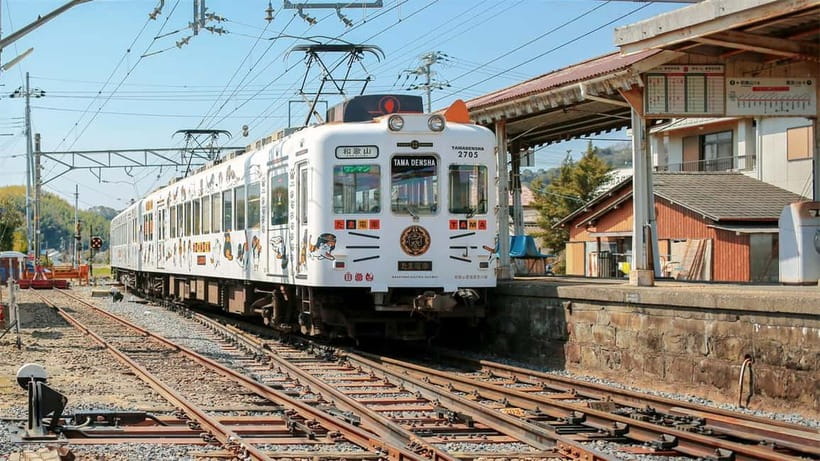
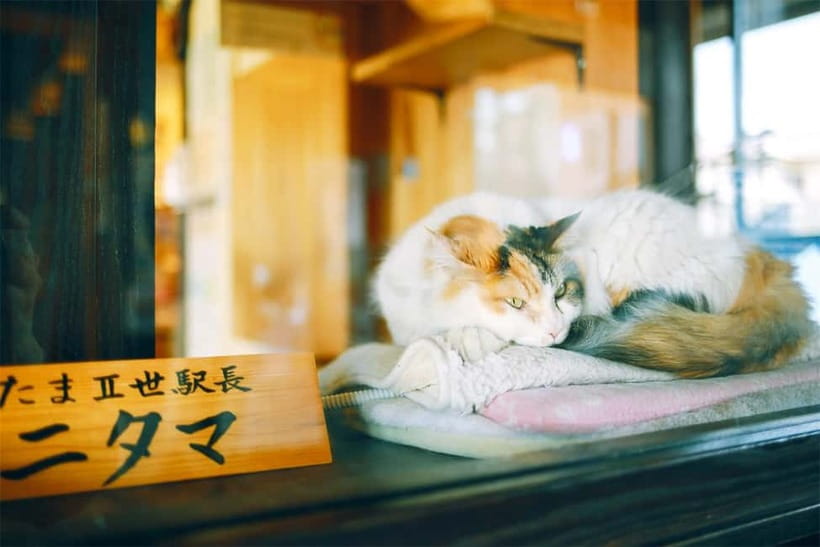
Kishi Station is the emotional center of the morning. The small station is shaped like a cat’s face, and the story behind it is more interesting than the building itself.
A rural railway line was once at risk of closing. A calico cat named Tama became stationmaster, greeting passengers and drawing attention to the line. The role was not a normal railway job, of course, but Tama’s presence became a local symbol and helped bring new life to the station. Today, her successor Nitama, meaning Second Tama, continues the tradition.
You can see the cat-themed station, visit the Tama Shop, collect cat stamps, and look through souvenirs. There is also a cat-themed café. This is a small stop, not a major museum, so your enjoyment will depend on how much you like local stories, railway oddities, and cats. If you expect a large attraction with hours of exhibits, you may find it modest.
The train is the fun part. Depending on the day’s service, you may ride the Tama Train, Strawberry Train, or Toy Train. The design is not guaranteed, so do not book this expecting one exact carriage. The themed train segment is listed at about 15 minutes, while the broader rail portion is described as a panoramic ride of about 70 minutes. The exact timing depends on the day’s rail schedule and the group’s movements.
That distinction matters. You are getting a taste of the cat railway, not a long scenic rail expedition. One assessment of the day found the cat train less impressive than expected, so keep your expectations in check. Its value is in the story, the station, and the charm of the local railway rather than the length of the ride.
ToreTore Market and the tuna cutting show
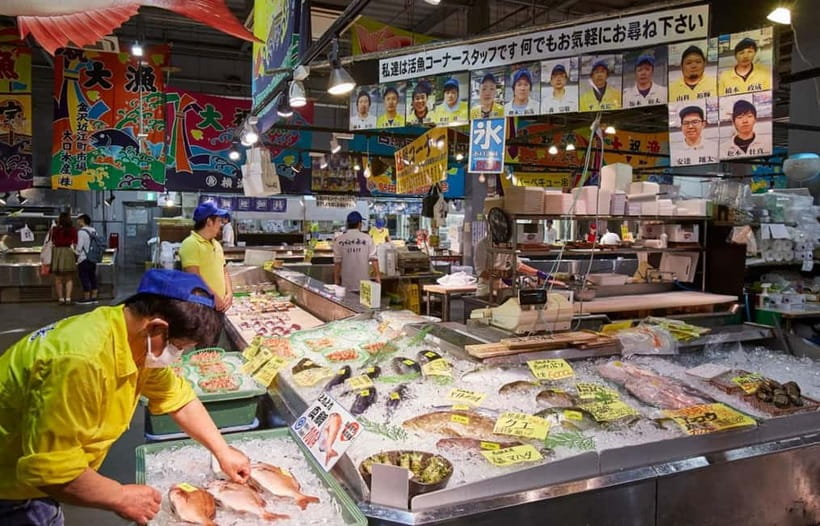
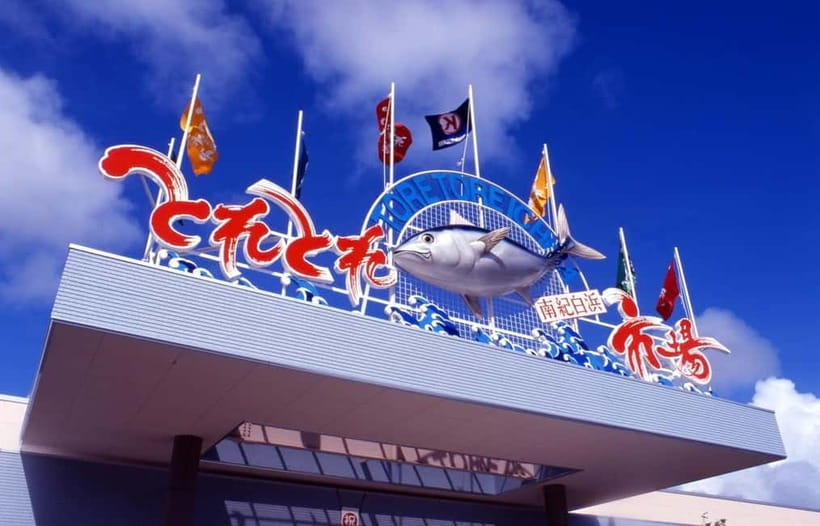
After the station, the tour heads to ToreTore Ichiba, described as the largest seafood market in western Japan. This is where the trip becomes especially useful for anyone who enjoys eating local food but does not want to guess what to order.
The market receives fresh seafood several times a day, with deliveries listed at two or three times daily. You can browse tuna, grilled fish, octopus rice, sashimi bowls, seasoned seafood, and regional food gifts. Some areas also allow you to buy seafood for cooking at barbecue tables, according to the tour information and dining options described by the guide.
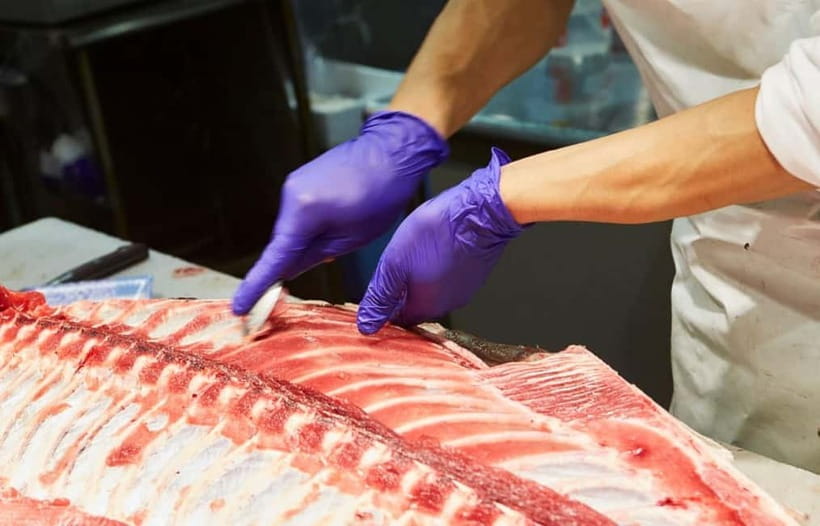
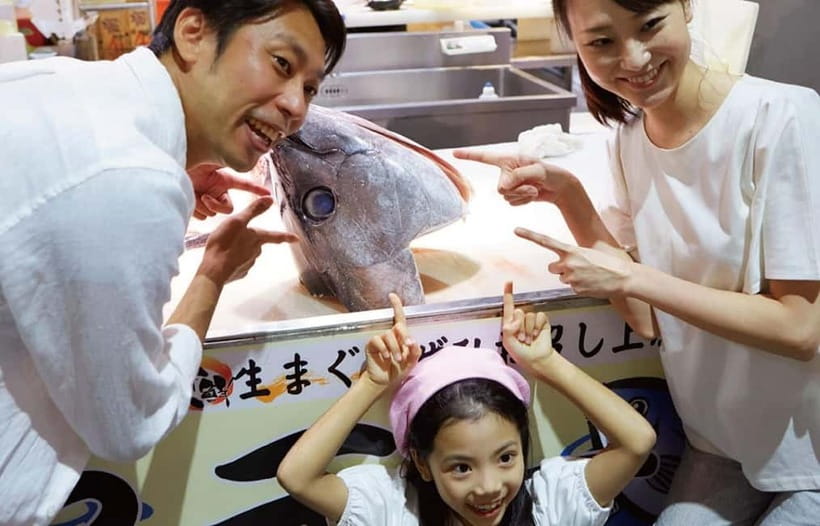
The tuna cutting show is the market’s main performance. A large tuna is broken down in front of you while the cutter explains the fish’s parts and anatomy. It is quick, physical, and educational. You see how a whole fish becomes the familiar portions served in restaurants.
The timing is not fixed. The show runs two or three times a day, but the cutting time is random. Bad weather or other special circumstances can cancel it. Treat it as a welcome bonus rather than the single reason to book the tour.
You have about two hours at the market, including the visit and guided portion. That gives you enough time to watch the demonstration if the timing works, choose lunch, browse the stalls, and buy food gifts. Lunch is not included, so budget separately. This is one place where cash is useful.
Tiger’s market guidance can make a real difference. One English-speaking participant received a personal walk-through of the stalls and advice on which products to buy and cook. If you are unsure about Japanese seafood names or preparation, ask your guide before spending your money.
More Shopping Trips in Japan:
- Bangkok: Train Market & Floating Market with Boat Ride
★ 4.7 · 9,547 reviews - Bangkok: Floating Market and Train Market Experience
★ 4.8 · 3,998 reviews - Half-Day Railway Market and Floating Market Tour in Thailand
★ 4.5 · 3,924 reviews - Bangkok: Damnoen Saduak, Train Market & Mahanakhon Day Trip
★ 4.7 · 2,162 reviews
Toretore Onsen and the practical bathing decision
The hot spring stop is optional. Toretore Onsen is associated with Shirahama, a resort area known for hot springs said to have more than 1,300 years of history. The bath uses sodium bicarbonate spring water, described as gentle on the skin, and includes a salt-stone bedrock bath.
This is a good chance to slow down after the market. A Japanese hot spring is not a sightseeing room where you keep your clothes on. You bathe before entering the shared water, and you should follow the facility’s instructions.
Entry is not included in the $83 price. If you want to use the bath, bring cash and allow for the extra fee. Tattoos can also be a problem, since hot spring entry may be restricted. Check with the guide or facility before counting on this part of the day.
Because the stop is optional, the tour can still suit people who do not want to bathe. You may have sightseeing time instead, but the exact arrangement can depend on the day’s schedule and traffic. Do not assume you will get a long independent break.
Senjojiki Rock Plateau by the Pacific
Senjojiki means a thousand tatami mats, a reference to the broad layers of rock spread along the coast. Here, you stand above large slabs facing the Pacific. The rock is the attraction, but the sense of space is what makes the stop memorable.
You get about 30 minutes for photographs and sightseeing. Wear shoes with a good grip and watch your footing near uneven edges. The ocean wind can be strong, and the rocks may be slippery in wet conditions.
If the timing works, sunset can add a dramatic finish, with the sky and water changing color over the flat rock shelves. Sunset is not guaranteed, though. Traffic, seasonal daylight, and the day’s earlier stops all affect the schedule.
This is a short stop, so you will not have time for a long coastal walk. Think of it as a concentrated viewpoint. You get the main rock formations and open ocean, then return to the bus.
Sandanbeki Cave and the pirate stories
Sandanbeki is another coastal cliff stop, but it feels more vertical and enclosed than Senjojiki. An elevator takes you 36 meters down to sea-level caves. The caves are linked with stories of Heian-era pirates, and displays recreate parts of that history.
Natural erosion shaped the cave walls, while the exhibits give the place a human story. The combination makes this more than a simple photo stop. You are looking at the coastline from below rather than from a high rock shelf.
Cave admission is optional and not included. You get about 30 minutes here, so check the timing before paying to enter. If the group is scheduled to move on quickly, the elevator queue and cave visit may use most of your stop.
You can still enjoy the cliff area without entering. But if underground coastal formations interest you, the admission may be worthwhile. Ask the guide how much time remains before you decide.
The bus ride, schedule, and group pace
The return drive takes about two and a half hours, and the day includes about four hours of coach travel overall. The air-conditioned bus is a real benefit, especially after walking around the market and cliffs. The driver handles expressway travel, tolls, parking, and the changing road conditions.
Traffic can affect the order and length of the stops. On weekends, public holidays, and busy travel periods, the guide may shorten a visit, change the order, or reduce the number of stops. This is important because the schedule already packs several distant places into one day.
The tour ends back near Nipponbashi at an estimated 6:40 p.m. The arrival time is not fixed. If you have dinner reservations, a show, or a train to catch, leave a generous buffer.
The guides speak English, Japanese, and Chinese. Tiger has been singled out for clear communication, friendly organization, and detailed explanations. The guide quality matters here because the day moves quickly and includes several places where local context improves the visit.
Who should book this tour?
I would recommend it to you if you want a wide sample of Wakayama in one day. It suits first-time visitors based in Osaka, families who like unusual stops, seafood fans, cat lovers, and anyone who prefers a guided route over several complicated connections.
It also works well for people who want more than temples and shopping. The cat railway is quirky, the market is practical, and the cliffs show a rougher side of Japan’s coast. You get small-city and rural views along the drive, including citrus-growing areas mentioned by one participant.
I would hesitate if you dislike long bus rides, need lots of free time, or want guaranteed access to a particular train design or tuna show. The cat train may be brief, the tuna cutting can be canceled, and optional admissions increase the cost.
At $83, the tour offers solid value for transport and coverage. Book it for the combination of places, not for one headline attraction. The best day will be one where you enjoy the changing pace: Tama and the cat station in the morning, seafood at midday, then hot spring and ocean cliffs before the ride back to Osaka.
FAQ
Where does the tour meet in Osaka?
Meet at Nipponbashi Station Exit 2, near the Namba and Shinsaibashi area. The address is 1-chōme-3-6 Nipponbashi, Chuo Ward, Osaka, 542-0073.
What time does the tour leave and return?
Departure is at 8:30 a.m. The estimated return to Osaka is 6:40 p.m., although traffic and schedule changes can affect arrival.
Which cat train will I ride?
The service changes daily. The train may be the Tama Train, Strawberry Train, or Toy Train, depending on the operating schedule.
Is the tuna cutting show guaranteed?
No. The show usually takes place two or three times daily at changing times, but weather or other special circumstances can lead to cancellation.
Is lunch included?
No. Lunch is at your own expense at ToreTore Market. You can choose from seafood dishes such as sashimi bowls, grilled seafood, octopus rice, and other market foods.
Is the hot spring included?
No. Toretore Onsen is an optional experience, and the entry fee is separate. Tattoo restrictions may apply.
Is Sandanbeki Cave admission included?
No. Sandanbeki Cave admission is optional and costs extra. The tour also includes time to see the surrounding coastal area.
Should you book it?
Book this tour if you want Wakayama’s highlights without arranging the bus, train, market, and coastal stops yourself. The strongest reasons are the Tama story, fresh seafood, and two very different Pacific viewpoints.
Skip it if the thought of a ten-hour day and several hours on a coach sounds tiring. For most people who want a convenient taste of Wakayama from Osaka, though, the mix is well judged. Just budget for lunch and optional admissions, arrive early, and treat the cat train and tuna show as schedule-dependent pleasures rather than guarantees.
More Spa & Hot Springs in Japan
- Kyoto: Arashiyama Day Tour with Train, Boat, and Onsen
★ 4.9 · 48 reviews - From Zakopane: Tatra Mountains with Hot Springs & Funicular
★ 5.0 · 12 reviews
Just added around Japan
- Train in Samurai Swordsmanship and Defeat the Demon in Tokyo★ 5.0 · 5 reviews
- Private tour with Yasushi and Yoko – by car, train, on foot★ 5.0 · 2 reviews
- Tokyo-Izu: Volcano, Ocean& Capybara Cuddle with Izu Scenic Train★ 3.5 · 3 reviews
- Tokyo Private Guided 1/2-Day Walking Subway Tour English guide★ 5.0 · 7 reviews
- Private Tour – Thousands of lucky cats! Go by tram, Gotokuji Tour★ 5.0 · 16 reviews
- Bullet Train and Mt. Fuji Famous Food Tour★ 5.0 · 4 reviews
- Snow Monkey Park and Miso Production Tour Bullet Train from Tokyo★ 4.5 · 26 reviews
- Kyoto Early Bird Tour Tokyo Round or One Way Shinkansen★ 5.0 · 10 reviews
Japan Train Tours, compared.
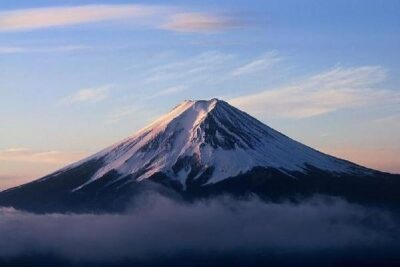
Mt Fuji & Hakone Cruise, Drum Show Bullet Train 1 Day from Tokyo
Read our review →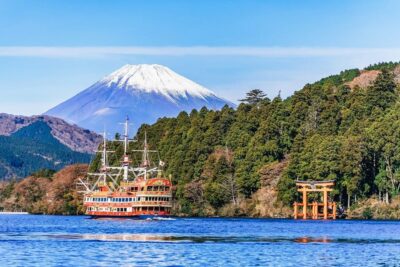
Tokyo Mt Fuji 5th St & Hakone Cruise Bus Tour w/Bullet Train
Read our review →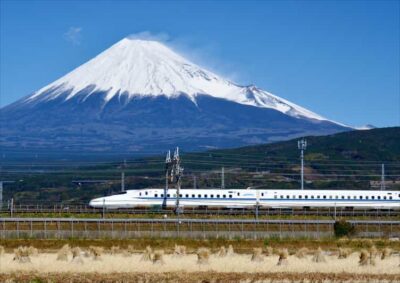
Mt. Fuji & Hakone Tour w/ Return by Bullet Train
Read our review →
Osaka/Kyoto: Hiroshima Miyajima Bus Tour & Shinkansen Ticket
Read our review →
From Tokyo 1-Day Kyoto English-guided Tour by Bullet Train
Read our review →
Mt. Fuji and Hakone Day Trip From Tokyo with Bullet Train Option
Read our review →
Fukuoka: Takachiho Gorge & Scenic Railway One Day Tour
Read our review →Browse the lists this tour appears in