
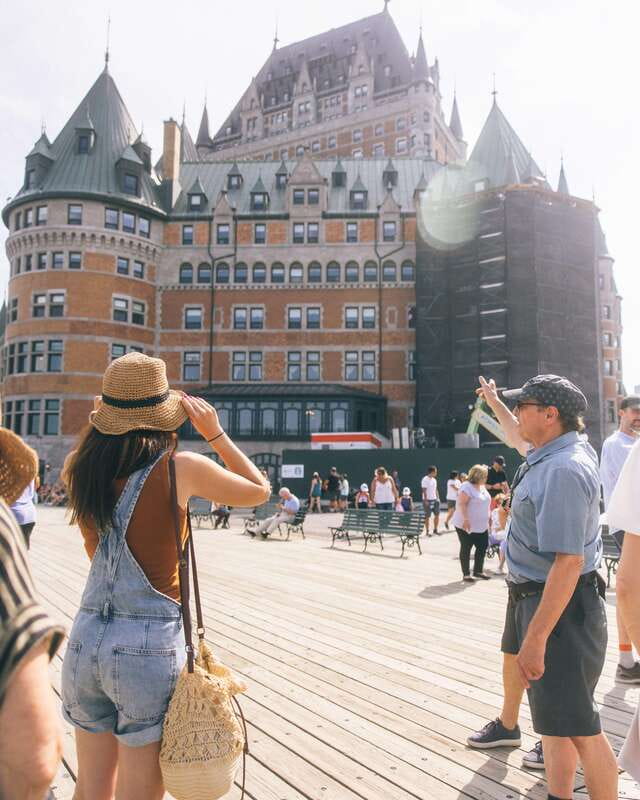
REVIEW · CANADA
Quebec City Private Walking Tour with Funicular Ride
Quebec City’s great trick is that its story unfolds on two levels. This private tour takes you through Lower Town, then sends you up by funicular instead of making you climb the steep hill, giving you fine views of the St. Lawrence River along the way. At the top, you reach the city’s grandest sights, including Château Frontenac and Dufferin Terrace.
I like the private format for up to eight people, since your guide can answer questions and adjust the pace. I also like the clear route through both halves of Old Quebec, which helps you understand how Place Royale, Petit Champlain, the fortifications, and Upper Town fit together.
The main drawback is the walking itself. The tour is not suitable for wheelchair users or people with mobility impairments, and even with the funicular, Old Quebec includes slopes and uneven streets. Plan for comfortable shoes and allow close to three hours.
Key points at a glance
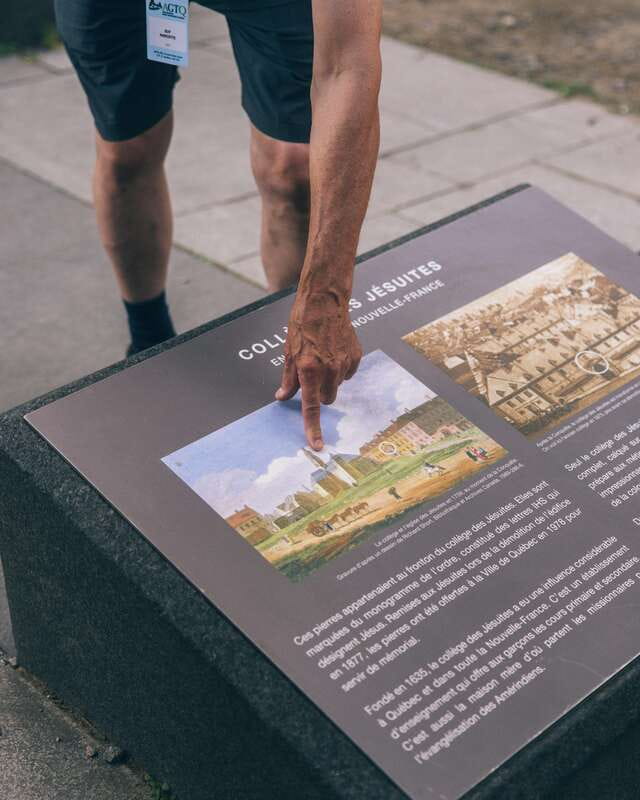
- Two levels of Old Quebec: Walk through Lower Town before reaching Upper Town by funicular.
- Private group of up to eight: You get direct time with a licensed guide rather than following a large crowd.
- A strong first-day orientation: The route covers the city’s key sights and its major historical eras.
- Five guide languages: Tours are offered in English, French, Italian, Spanish, and Portuguese.
- Pickup where you are: Your guide can meet you at an Old Quebec hotel, Airbnb, or selected meeting point.
- Plan for hills and walking: A taxi can replace the funicular if it is closed, but accessibility remains limited.
Why this route works so well in Old Quebec
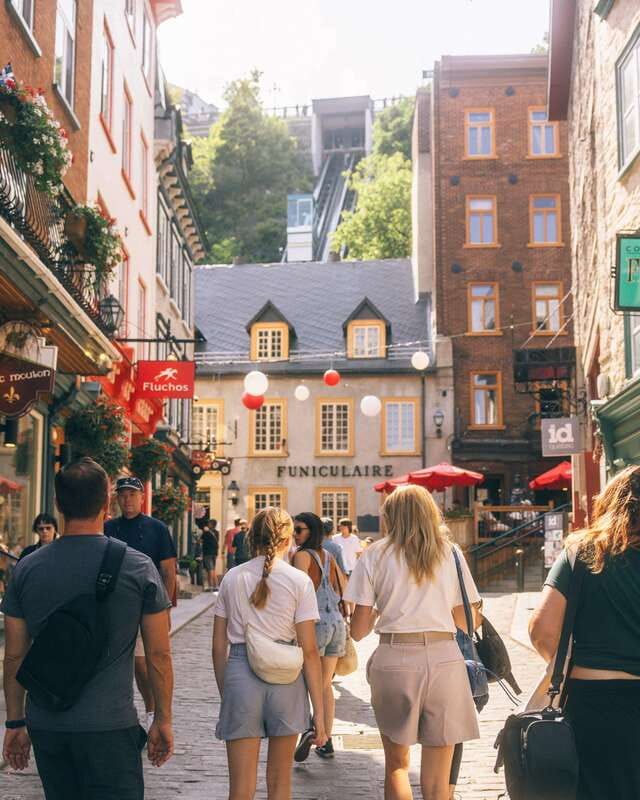
Old Quebec can feel confusing at first. Streets rise sharply from the river, major sights sit in different districts, and the city’s French and British chapters are layered together rather than neatly separated. This tour gives you a useful map in your head before you start exploring on your own.
The route begins in Lower Town, the older-feeling section near the river. From there, you see how Quebec City developed around the harbor, Place Royale, and the narrow streets of Petit Champlain. The funicular then carries you directly to Upper Town, where the scale changes. Here, monumental buildings, city walls, terraces, and broad river views replace the smaller streets below.
That progression is the best reason to choose this tour instead of a simple highlights walk. You are not just checking off landmarks. You are moving through the city in the same vertical pattern that makes Quebec City different from most North American destinations.
Because the group is private, you can ask for more history, more architecture, or more practical advice. Guides such as Dennis, Alessandra, and Ricardo have been praised for clear explanations, warm personalities, and their ability to answer questions. Alessandra has led the tour in Italian, while Ricardo has guided in Spanish. The available languages also include English, French, and Portuguese.
More Funicular and Mountain Railway Rides in Canada:
- Old Quebec Classique Walking Tour with Funicular
★ 5.0 · 1,317 reviews - Quebec City: Old Quebec Classic Walking Tour with Funicular
★ 4.9 · 695 reviews - Private Walking Tour of Old Quebec with Funicular
★ 5.0 · 238 reviews
Starting at your hotel, Airbnb, or a practical meeting point
Pickup is included when you stay in Old Quebec. Your guide can meet you in your hotel lobby, at an Airbnb, or at another agreed location in the historic district. This saves time and removes the need to find an unfamiliar office.
If you are arriving by cruise ship, two useful meeting choices are the Museum of Civilization and 112 rue Saint-Paul. Both are a short walk from the main terminals. If your accommodation is outside Old Quebec, you can meet at Tourny Fountain in Upper Town or Maison Historique Chevalier in Lower Town, near the ferry.
I would choose the pickup point based on your plans for the rest of the day. If you want to finish near the major monuments, starting in Lower Town makes sense because the tour ends in Upper Town. If you already have a reservation or appointment near one of the meeting places, tell the operator when booking.
The timing is listed as two to three hours, with the three-hour version providing the fuller route. One Italian-speaking guest found that even the two-hour option gave a clear picture of the city, but I would choose three hours if this is your first visit or if you expect to ask many questions.
Place Royale and the city’s earliest chapter
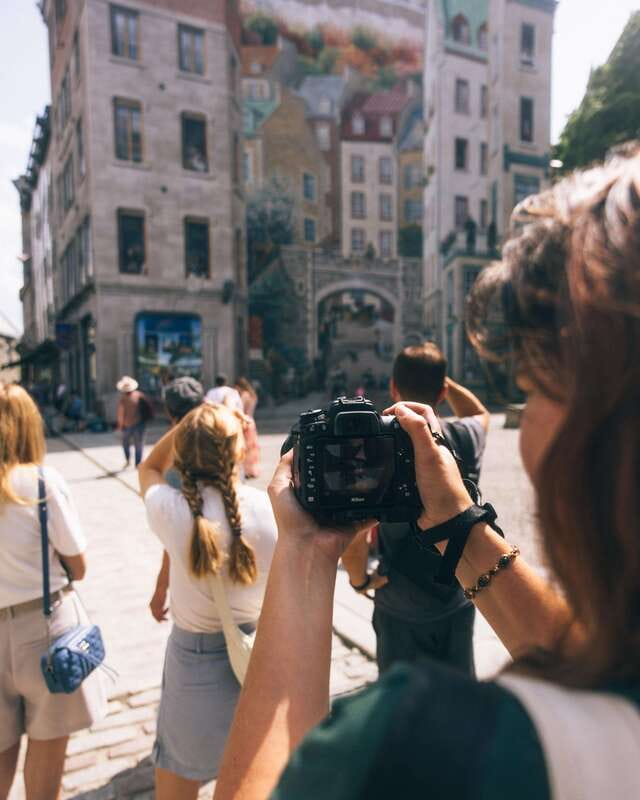
Place Royale is one of the most important stops in Lower Town. It gives you a sense of Quebec City as an early settlement and trading center, not just a pretty district of old stone buildings. Your guide can connect the square to the city’s larger story and explain how different eras shaped the streets around it.
This is where a private guide adds real value. A plaque or sign can tell you a date, but it cannot easily explain why the square matters or how it relates to the rest of the city. The tour is designed to cover the major periods of Quebec City, from its early development through later French and British rule.
You should expect the area to be attractive and popular, but the experience is not limited to photo stops. The point is to understand how Lower Town grew around the river and why this part of the city still feels distinct from Upper Town.
Bring your camera here, but do not let the photo opportunities take over. The best use of the stop is to look at the layout of the square, listen to the explanation, and then take a few pictures before moving on.
The Quebec City Mural and the streets of Petit Champlain
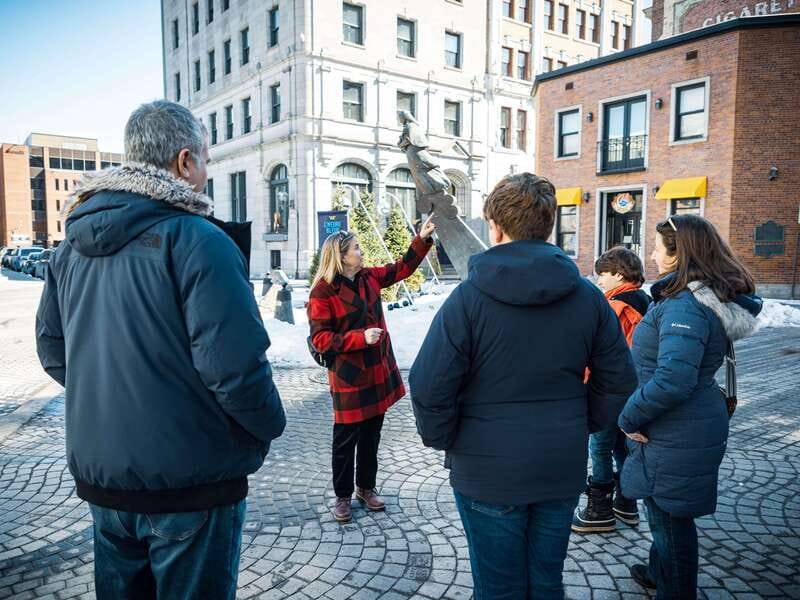
The Quebec City Mural offers a compact way to see the city’s past presented in visual form. It is especially useful early in your visit because it gives you a broad look at Quebec City before you continue through its actual streets and landmarks.
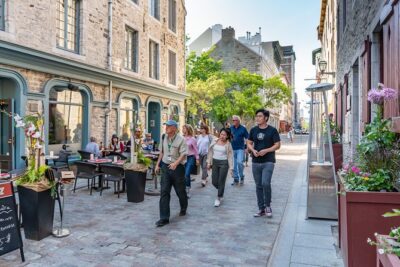
The nearby Quartier Petit Champlain is more intimate. Its narrow lanes and historic buildings make it one of the most enjoyable parts of the walk. You will have time to appreciate the details at street level, rather than seeing the district only from a bus window or rushing through it between organized stops.
This section can be busy, and the streets are not always easy for a group moving side by side. A private guide can help by setting a comfortable pace and pausing when there is something worth explaining. You may also want to note shops or cafés you would like to revisit after the tour.
The walking route is a strength, but it also sets the physical demands of the experience. Petit Champlain involves sloping streets and old paving. If you tire easily, mention it at the start so your guide can manage the pace as much as possible.
More Walking Tours in Canada:
- Shore Excursion: Private Walking Tour with Funicular
★ 5.0 · 31 reviews - Quebec City Scenic Walking Tour with 1 Funicular Ride
★ 4.5 · 7 reviews - Plitvice Lakes: Guided Walking Tour with Train and Boat Ride
★ 4.4 · 1,093 reviews - Hanoi Walking Street Food Tour with Train-Street Visit
★ 5.0 · 857 reviews
The funicular ride up to Upper Town
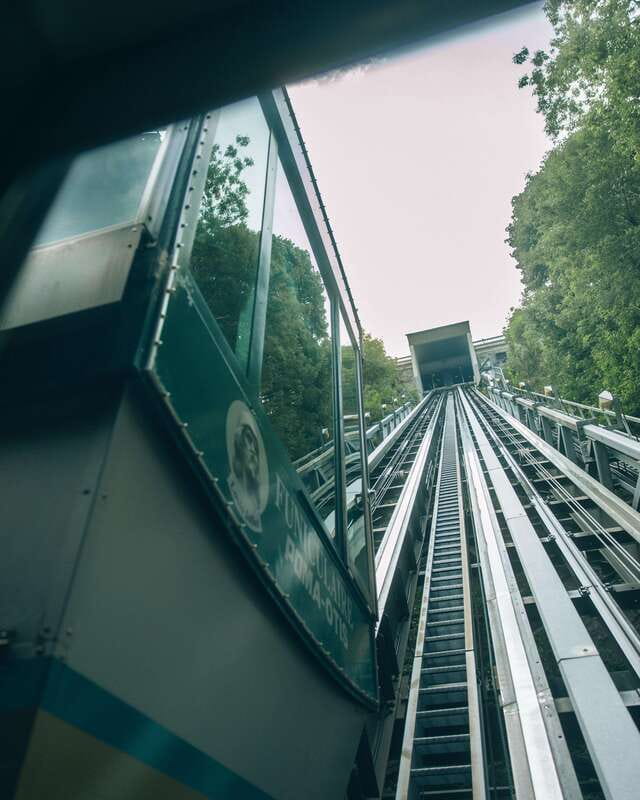
The funicular is the tour’s most useful bit of transport. Instead of walking the steep connection between Lower and Upper Town, you ride directly uphill and look out toward the St. Lawrence River as you ascend.
This is more than a novelty. The funicular gives you a quick sense of Quebec City’s dramatic height difference, and it preserves your energy for the Upper Town sights. It also creates a natural break between the two parts of the tour.
The ride is included, but it depends on operation. If the funicular is closed, the tour provider can arrange a cab so you do not have to walk up the hill. Another option is receiving a ticket to use later during your stay if you prefer to walk up with more time.
That backup plan is helpful, though it does not make the tour fully accessible. The rest of the route still involves walking, slopes, and historic streets. If mobility is a concern, contact the provider before booking rather than relying only on the funicular.
Château Frontenac and Dufferin Terrace
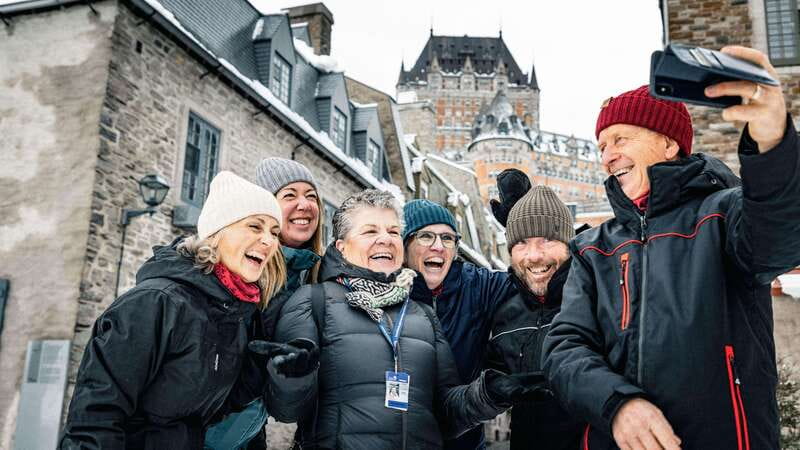
Once you reach Upper Town, the route moves into Quebec City’s most recognizable setting. Fairmont Le Château Frontenac dominates the skyline, while Terrasse Dufferin runs along the edge of the upper district with views toward the river.
Château Frontenac is a working hotel, not a museum, so the value here comes from the exterior, the setting, and your guide’s explanation of its place in the city. Its grand appearance helps you understand how Quebec City presents itself as a major historic capital.
Dufferin Terrace is the natural place to pause for photographs. The views are one of the tour’s strongest features, especially if you want a first look at the St. Lawrence and the lower districts from above. Weather will affect how much you see, so keep expectations sensible on a cloudy or rainy day.
I would use this stop to orient yourself. Look back toward Lower Town and the river, then notice how the city’s walls and upper plateau shape the views. After the tour, you can return here for a slower walk or another set of pictures.
Notre-Dame de Québec Basilica-Cathedral and City Hall
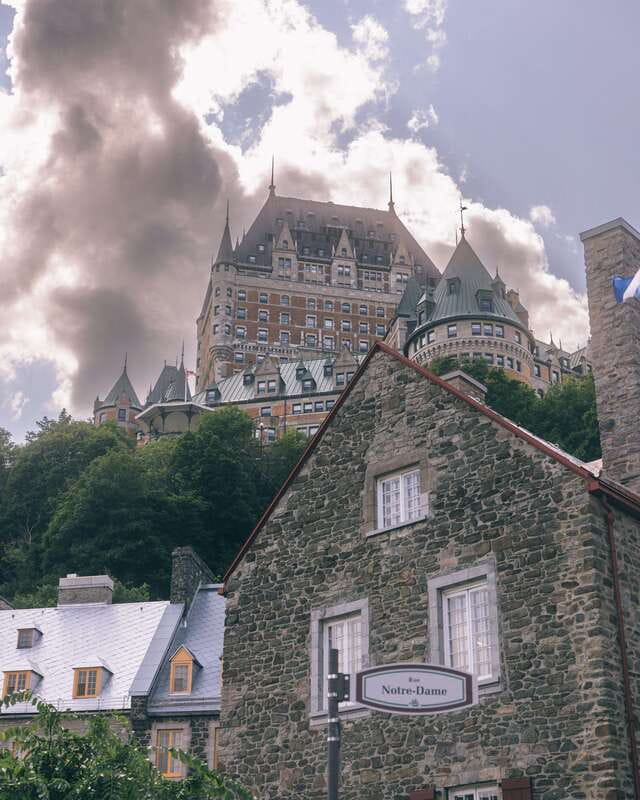
The tour continues to Notre-Dame de Québec Basilica-Cathedral, an important religious and architectural landmark in Upper Town. Its inclusion adds a quieter counterpoint to the open views at Dufferin Terrace and the grand scale of Château Frontenac.
The exact amount of time inside or around each site can depend on opening conditions and the group’s pace. The supplied details promise a visit to the basilica-cathedral, but they do not promise a special interior program or private access. Think of it as a guided introduction rather than a full specialist architecture tour.
Quebec City Hall provides another change of tone. Here, the focus shifts from religious life and grand hotels to civic government and the modern role of the historic center. Together, these stops help keep the tour from becoming only a parade of scenic viewpoints.
I value this mix because it gives you several ways to read the city. You see its religious institutions, public buildings, defenses, commercial streets, and river setting in one compact outing.
What the private format is worth at $225
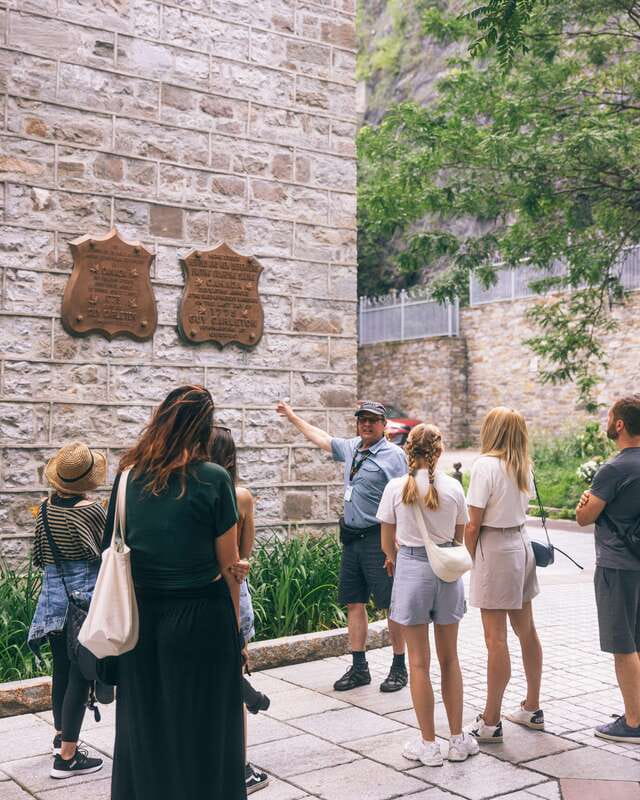
The price is $225 per group of up to eight people. That is not a low-cost walking tour for one person, but it can be a fair deal for a family or group that fills most of the places.
For eight people, the cost works out to $28.13 per person before gratuity. For four people, it is $56.25 each, and for two people, $112.50 each. The economics change quickly, so this experience makes the most sense when you have several people sharing the fee.
You are paying for a private guide, hotel pickup within the stated areas, the funicular ride, and a route that covers both Lower and Upper Town. You are not paying for drinks, snacks, or entry to additional attractions. A 15 to 20 percent tip is strongly recommended, so include that in your budget.
The best value comes from the personal attention. If you want a flexible conversation about Quebec City’s history, or if your group has different interests, private guiding is useful. If you only need a quick list of sights and do not care about a personal guide, a less expensive group walk may suit you better.
Who should book this three-hour walk
I would recommend this tour to first-time visitors who want a clear introduction before exploring alone. It is also a good fit for families or small groups who prefer not to spend the day finding each district and landmark on their own.
The multilingual service is a practical advantage. You can request French, English, Italian, Spanish, or Portuguese, which makes the history easier to follow for mixed-language groups. The warm, engaging approach noted for guides such as Dennis, Alessandra, and Ricardo is particularly useful when children or several generations are asking questions.
The tour is less suitable if you want a slow food outing, extensive shopping time, or museum interiors. It is a sightseeing walk with historical explanation, not a tasting tour or a full-day cultural program.
Wear comfortable shoes and bring water. Drinks and snacks are not included, and the route lasts up to three hours. The city’s hills are part of the experience, even though the funicular reduces the hardest climb.
Booking details worth knowing
You can cancel up to 24 hours before the tour for a full refund. The reserve-now-and-pay-later option lets you keep your schedule flexible, which is useful when you are arranging several Quebec City activities.
Choose a pickup location carefully. Old Quebec accommodations qualify for pickup, while locations outside the district use the stated meeting points. Cruise passengers should select a place near the terminal, such as the Museum of Civilization or 112 rue Saint-Paul.
The tour is private, with a maximum group size of eight. Confirm your preferred language and tell the provider about any mobility concerns before you commit. If the funicular is closed, ask whether you prefer cab transport or a ticket for later use.
Should you book the Quebec City private walking tour?
Book it if you want a well-shaped first look at Quebec City, prefer a private guide, and have enough people to share the $225 group price. The route covers the city’s most useful orientation points, and the funicular makes the change between Lower and Upper Town easier and more memorable.
Skip it if you need a wheelchair-friendly outing, dislike hills, or want substantial free time at each attraction. For everyone else, especially first-time visitors, the combination of clear historical context, five language options, personal guiding, and river views makes this a sensible way to begin your stay.
FAQ
How long does the Quebec City private walking tour last?
The tour is designed to last two to three hours. The three-hour option allows more time for the full route and questions.
How many people can join the private tour?
The private group can include up to eight people.
What sights are included?
The route includes Place Royale, the Quebec City Mural, the fortifications of Quebec, Quartier Petit Champlain, Fairmont Le Château Frontenac, Terrasse Dufferin, Notre-Dame de Québec Basilica-Cathedral, and Quebec City Hall.
Is the funicular ride included?
Yes. One funicular ride is included in the tour price.
What happens if the funicular is closed?
The provider can arrange cab transport so you do not have to walk up the hill. You can also receive a ticket to use later during your stay if you prefer to walk up.
Where does pickup take place?
Your guide can meet you at your hotel, Airbnb, or another chosen location in Old Quebec City. Cruise passengers can use the Museum of Civilization or 112 rue Saint-Paul. Locations outside Old Quebec can meet at Tourny Fountain or Maison Historique Chevalier.
What languages are available?
Guides are available in French, English, Italian, Spanish, and Portuguese.
Is the tour suitable for wheelchair users?
No. The tour is not suitable for wheelchair users or people with mobility impairments.
Just added around Canada
- Whistler Train Wreck, Suspension Bridge & Hidden Waterfall Adventure★ 5.0 · 24 reviews
- Private Vancouver Airport YVR or Train Stn Transfer to Vancouver★ 5.0 · 5 reviews
- 6-Day Rocky Mountaineer Train Tour, From Vancouver to Rockies★ 4.5 · 10 reviews
- 5-Day Rocky Mountaineer Train Tour, From Vancouver to Rockies★ 4.5 · 8 reviews
- Quebec City Scenic Walking Tour with 1 Funicular Ride★ 4.5 · 7 reviews
- Shore Excursion: Private Walking Tour with Funicular★ 5.0 · 31 reviews
- Guided Bike Tour on Historical Kettle Valley Railway at Myra Canyon & Wine Tour★ 5.0 · 19 reviews
- Bicyle Tour on Historical Kettle Valley Railway from Myra Canyon to Penticton★ 5.0 · 62 reviews
Canada Train Tours, compared.
Old Quebec Classique Walking Tour with Funicular
Read our review →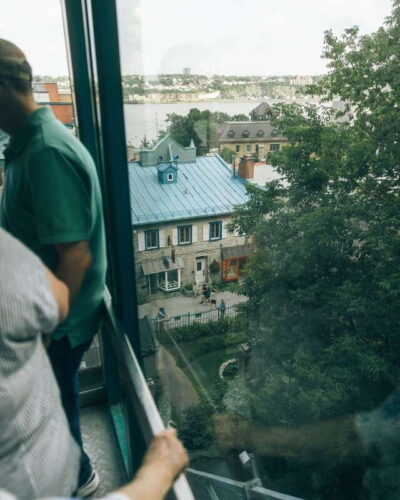
Quebec City: Old Quebec Classic Walking Tour with Funicular
Read our review →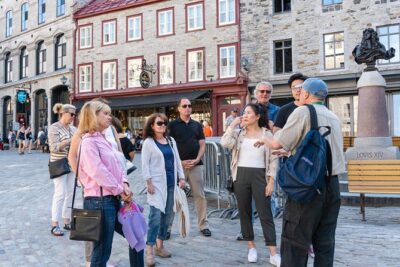
Private Walking Tour of Old Quebec with Funicular
Read our review →
Niagara Parks: Power Pass + Falls Incline Railway
Read our review →
Bicyle Tour on Historical Kettle Valley Railway from Myra Canyon to Penticton
Read our review →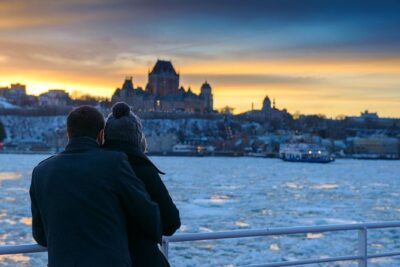
Shore Excursion: Private Walking Tour with Funicular
Read our review →
Whistler Train Wreck, Suspension Bridge & Hidden Waterfall Adventure
Read our review →
Guided Bike Tour on Historical Kettle Valley Railway at Myra Canyon & Wine Tour
Read our review →Browse the lists this tour appears in