
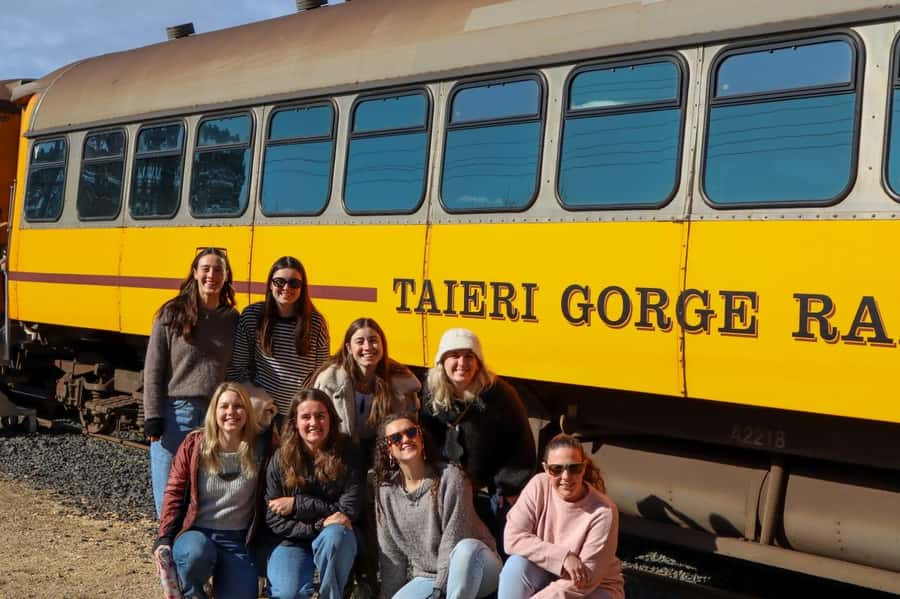
REVIEW · NEW ZEALAND
Queenstown to Dunedin Incl Taieri Gorge Train (One-Way)
Central Otago gives this trip its real character. You leave Queenstown by comfortable Mercedes-Benz vehicle, pass through the Gibbston wine region and Kawarau Gorge, then trade the road for the Taieri Gorge Train, which cuts through rugged Otago country toward Dunedin. The mix of gold rush towns, old bridges, river valleys, and rail travel makes this more than a simple transfer.
I like the small group size, capped at 16, and the chance to see places such as St Bathans that are easy to miss on a standard Queenstown to Dunedin route. I also like the useful combination of transport and sightseeing: you get hotel pickup, a guided road journey, snacks and water, and a train ticket all in one day. The drawback is time. Eight hours is a long ride, and the stops in Ophir and St Bathans are brief.
Key points to know before booking
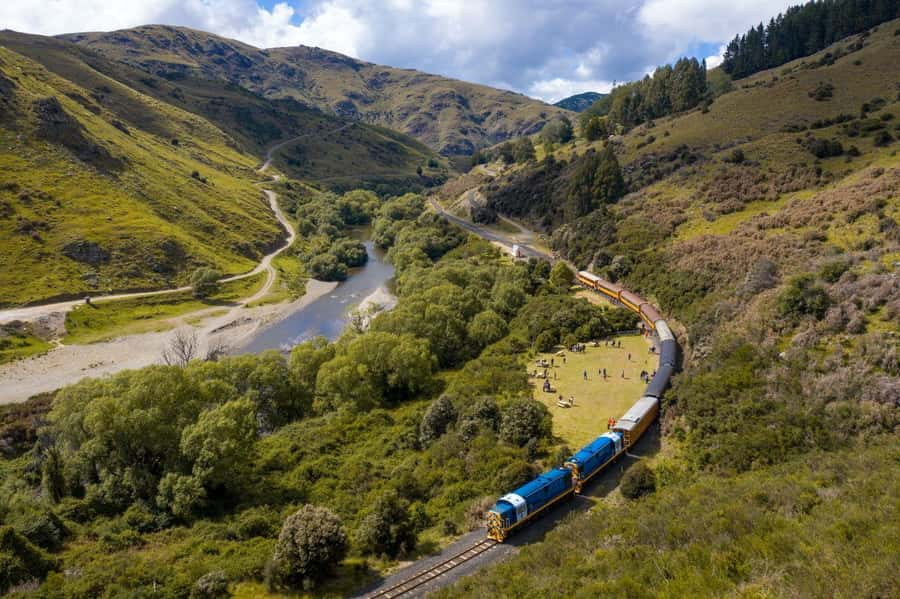
- The journey changes from road to rail: You travel by Mercedes-Benz vehicle from Queenstown to Pukerangi, then continue by train to Dunedin.
- St Bathans is the most atmospheric stop: You have about 30 minutes to walk around the old gold mining settlement and see Blue Lake.
- Dunstan House adds a proper historic pause: Stop in Clyde for 15 minutes, with food and drinks available to buy.
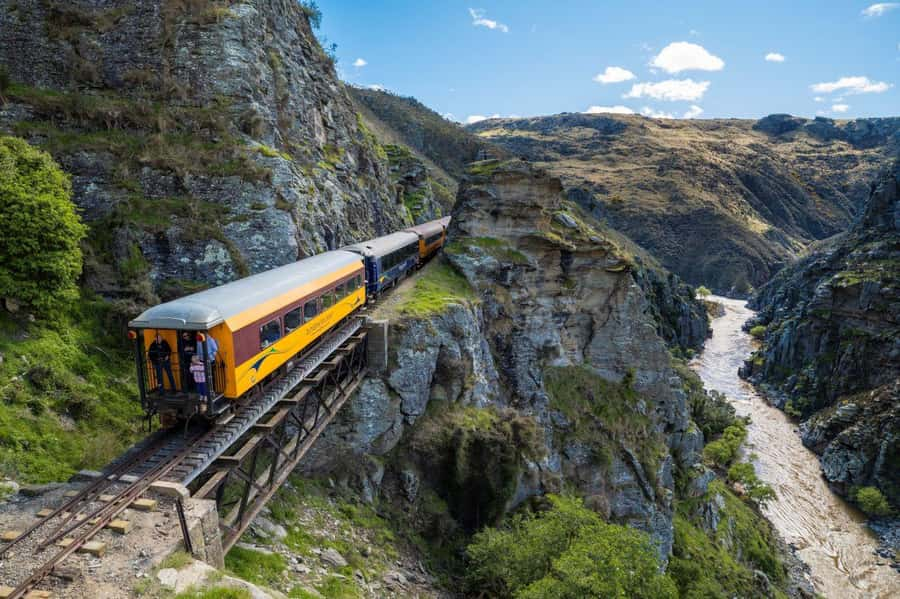
- The train section lasts about two hours: Expect canyons, viaducts, tunnels, cliffs, and river valleys on the way to Dunedin.
- Small groups make the road section easier: A maximum of 16 people is more manageable than a large coach.
- This is not suitable for wheelchair users: The day also involves walking at historic sites, so comfortable shoes matter.
Why this Queenstown to Dunedin route works
Most people think of the trip between Queenstown and Dunedin as a practical transfer. This outing turns it into a full day of scenery and local stories. You cross Central Otago by road, stop in settlements shaped by gold mining, and finish on a heritage railway that reaches parts of the region you cannot see from the main road.
The route also has a pleasing change of pace. The morning begins with views from the vehicle, followed by short walks and photo stops. Later, you settle into the Taieri Gorge Train and let the railway do the work. That variety matters on an eight-hour day.
The price is $173 per person. I see reasonable value here if you need to get from Queenstown to Dunedin and want the journey itself to be part of your holiday. You are paying for transport, a guide, hotel pickup, a small group road tour, snacks and water, and the train ticket. It is less compelling if you only want the fastest or cheapest way between the two cities.
The train is the centerpiece, but the road portion gives the day its sense of place. You see how the valleys, rivers, old settlements, and gold mining sites fit together before reaching the railway. That context makes the final train ride feel like the second half of one long Central Otago story.
More Train Tours in New Zealand:
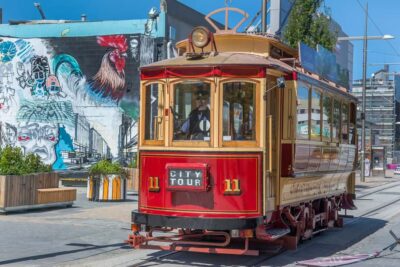
- Christchurch Hop-On Hop-Off Tram
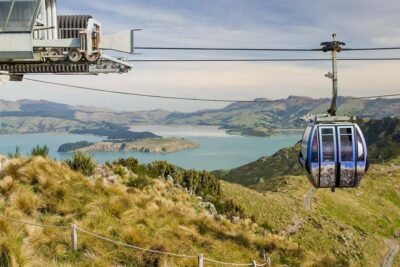
★ 4.5 · 841 reviews - Christchurch Gondola and Tram City Tour Combo
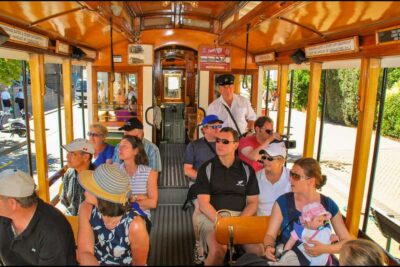
★ 4.5 · 725 reviews - Christchurch: Hop-On Hop-Off Tour by Vintage Tram
★ 4.6 · 717 reviews
Leaving Queenstown through Gibbston and Kawarau Gorge
Pickup is available from a long list of Queenstown hotels, hostels, resorts, and apartments, along with Frankton Terminus. If your accommodation is not listed, you need to select the nearest available pickup point. The Station, Home of Adventure, can be used temporarily if your accommodation has not yet been confirmed.
Once everyone is aboard, the guide gives a safety briefing before the vehicle heads east. You pass through Gibbston, known for its wine country, and continue into Kawarau Gorge. This early stretch quickly changes the mood from Queenstown resort town to Central Otago road journey.
Kawarau Gorge brings together steep rock, open views, and the story of the region’s gold rush. You do not stop for a long walk here, but the drive gives you a useful first look at the rugged setting that shaped local settlements and transport routes.
The Mercedes-Benz vehicle is a practical advantage. You are not spending the first part of the day on a large coach, and the maximum group size of 16 should make boarding and short stops less awkward. Still, space is shared, and you should expect a full vehicle rather than a private tour.
Lake Dunstan and Cromwell’s gold mining country
The road continues alongside Lake Dunstan and toward Cromwell. The water and surrounding hills create some of the day’s broadest views, while Cromwell adds a strong historical thread. The town sits near the meeting point of the Clutha and Kawarau Rivers, an area tied closely to gold mining and Central Otago transport.
This is mainly a scenic drive rather than a long Cromwell visit. You will see the area from the vehicle, so keep your camera ready and listen to the guide’s explanation as the route unfolds. If you want extensive time in Cromwell itself, this tour will feel too quick.
The journey is especially appealing if you like seeing how a region changes from one valley to the next. Queenstown begins with tourism and alpine drama. Around Lake Dunstan and Cromwell, the country opens out and the old gold rush settlements become more central to the story.
Morning tea at Dunstan House in Clyde
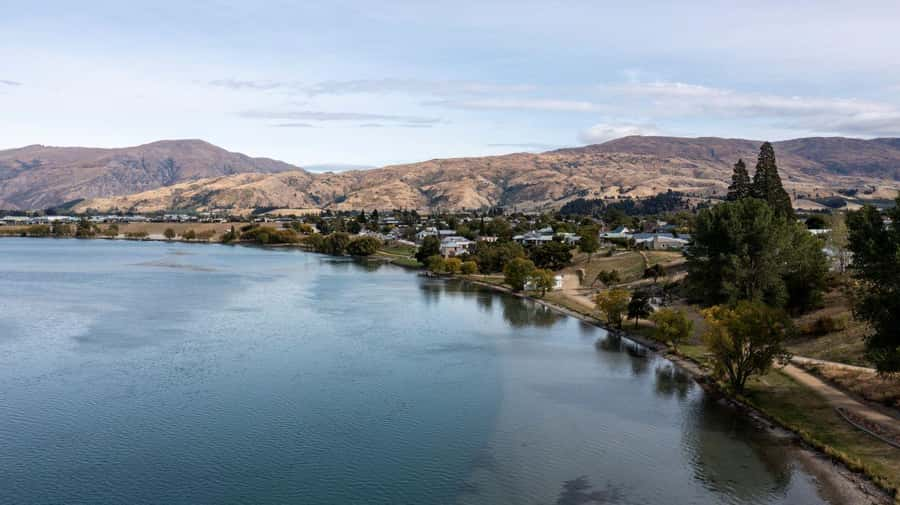
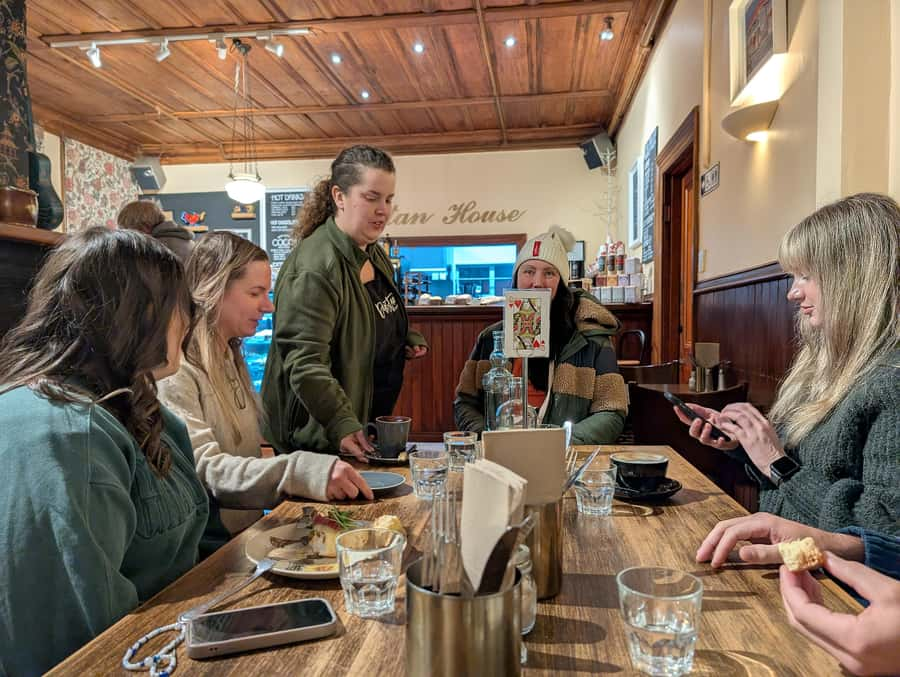
Clyde provides a short break of about 15 minutes at Dunstan House. The building dates from 1898 and once served gold prospectors and other people moving through the region. Its restored interior and antique character offer a welcome contrast to the open roads outside.
Food and drinks are available to purchase, but morning tea is not included in the tour price. That is worth noting if you prefer to budget tightly. Water and snacks are provided during the day, yet you may still want to buy something at Dunstan House or bring a small extra snack.
Fifteen minutes is enough for a quick coffee, a bite, and a look at the building. It is not enough for a leisurely meal. I would treat this as a refreshment stop, not a full café visit.
The short pause also helps break up the road section. You have already been moving through the Gibbston, Kawarau, Lake Dunstan, and Cromwell areas, so a historic building and a chance to stretch your legs arrive at the right time.
Same tracks, a very different ride:
- Christchurch: Tram, Punt and Gondola Ride Combo Ticket
★ 4.7 · 608 reviews - Northern Explorer Train Journey from Wellington to Auckland
★ 4.0 · 513 reviews - TranzAlpine Train, Arthur’s Pass and Castle Hill Day Trip
★ 5.0 · 426 reviews - Coastal Pacific Train Journey from Picton to Christchurch
★ 4.5 · 345 reviews
A quick look at Ophir’s old bridge
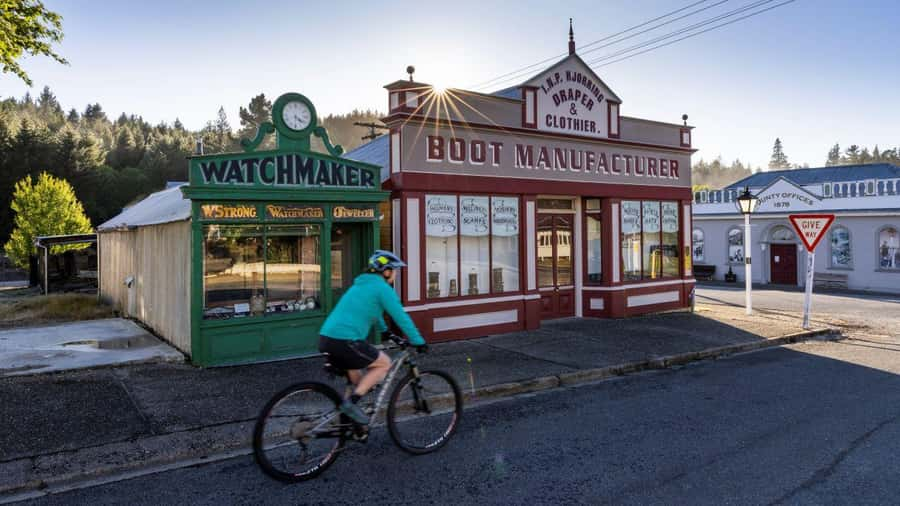
The stop at Ophir lasts about five minutes, mainly for photographs and a quick look around. The focus is the 1880 suspension bridge over the Manuherikia River, an old piece of engineering in one of Central Otago’s early settlements.
Five minutes goes quickly. You should be ready to leave the vehicle, take your photographs, and return promptly. This is not a stop for a long wander, but it gives you a clear, tangible link to the area’s 19th-century travel routes.
Ophir works best as a small detail within the wider trip. It would not justify booking the tour by itself, but paired with Clyde and St Bathans, it builds a picture of how people once moved through this remote part of Otago.
St Bathans and the Blue Lake stop
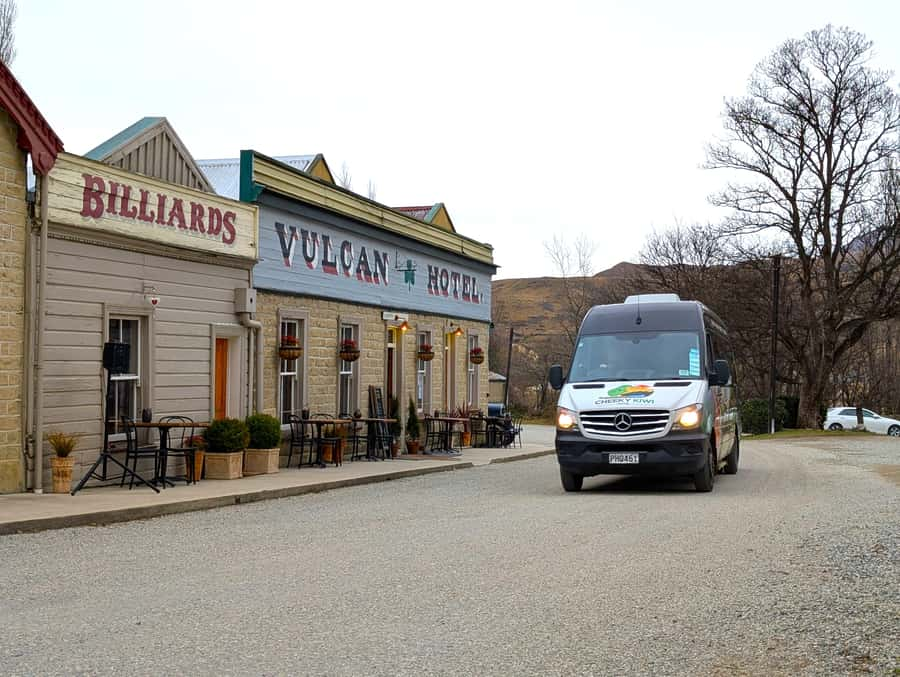
St Bathans is the most distinctive road stop. You have around 30 minutes to walk through the old settlement, take photographs, and see Blue Lake, a body of water formed by gold mining.
This is where the day feels least like a transfer. The former mining town has old buildings and an unusually quiet feel, while Blue Lake gives the stop a striking focal point. The mining past is not just something you hear about from the guide. It remains visible in the setting and the surviving structures.
The time is enough for a short walk and photographs, but not for a long exploration. Wear comfortable shoes, especially if you want to make the most of the walking time. The tour information specifically warns that the day includes walking at historic towns and sites.
St Bathans may also be the stop most affected by weather. Central Otago conditions can change quickly, and the open setting offers limited shelter. Bring sunscreen, water, and clothing that can handle changing conditions. A camera is worthwhile here, but do not let photographs use up the entire half hour.
Changing from the vehicle to the Taieri Gorge Train
At Pukerangi, the road portion ends. After a short safety briefing of about five minutes, you say goodbye to your guide and board the Taieri Gorge Train for the final part of the journey.
This handover is important to understand before you book. The road guide takes you from Queenstown to Pukerangi, but the guide does not continue on the train. You should be comfortable managing this change without the same guide beside you.
The train ride lasts about two hours. It is not simply a faster way to reach Dunedin. The railway takes you through country that feels remote and difficult to reach by ordinary road. The route includes deep canyons, high viaducts, ancient tunnels, towering cliffs, and river valleys.
I like this arrangement because the road section gives you close-up stops and local context, while the railway offers a longer period to sit, look out, and enjoy the views. After several short stops, the train provides a calmer finish.
What to expect on the Taieri Gorge Train
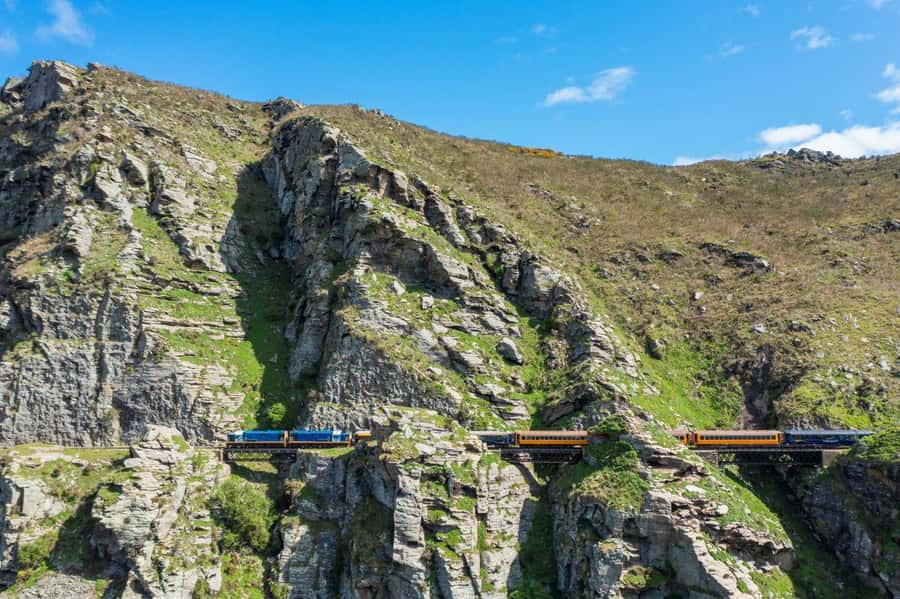
The Taieri Gorge Railway is the day’s main scenic event. From the train, you see steep rock walls, narrow gorges, bridges, tunnels, and broad river views. The scenery changes from the open Central Otago roads to a more enclosed route through the interior.
A two-hour panoramic ride sounds simple, but it is worth thinking about your own travel style. If you enjoy watching scenery pass from a train window, this is a strong reason to book. If you prefer long walks or active stops, the rail section may feel passive.
The train also gives you a different view of the region’s scale. From the road, you see settlements and farms at ground level. From the railway, the cliffs and cuttings show how challenging the route must have been to build and maintain.
You should keep your camera ready, but also give yourself time to watch without photographing every turn. The most useful feature of a scenic train ride is that you can enjoy the views without navigating or checking road directions.
Arriving at Dunedin Railway Station
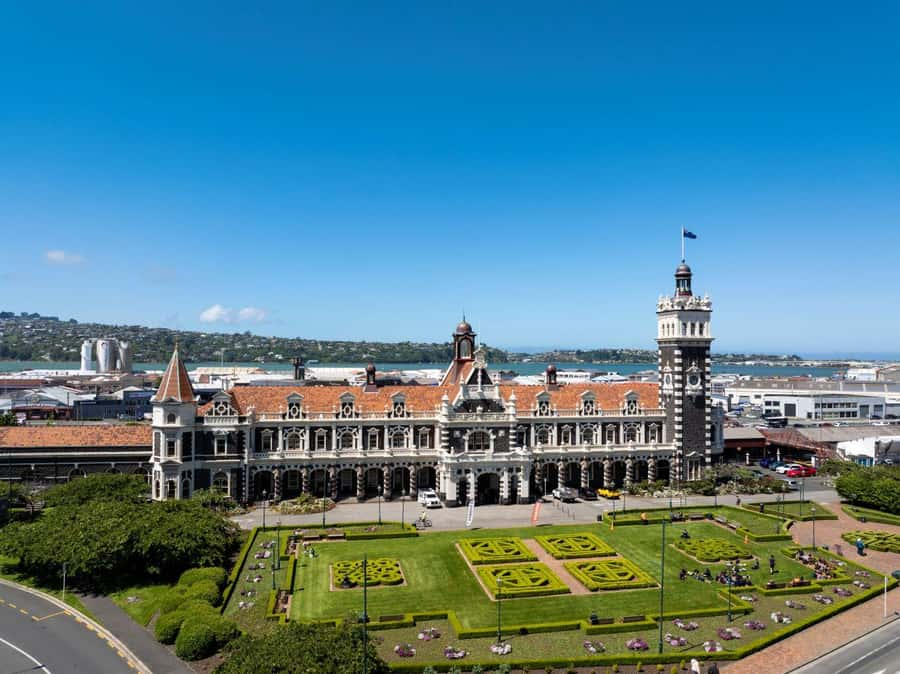
The trip finishes at Dunedin Railway Station, one of the city’s most ornate Edwardian buildings. You are dropped off directly at the station, which makes the end of the day straightforward if you are staying in Dunedin or continuing from the city.
The arrival point is more than a transport stop. The station’s grand design provides a strong final image after a day spent around old bridges, mining buildings, tunnels, and railway works. You move from Central Otago’s quiet settlements into Dunedin, a city known for Scottish connections, culture, and handsome architecture.
Because the tour ends at the railway station rather than at your Dunedin accommodation, plan your next step in advance. The provided information confirms station drop-off, not hotel delivery. If you have luggage, make sure you are ready to manage it at the end of the day.
Comfort, group size, and practical details
The tour runs for about eight hours. That includes the road trip from Queenstown to Pukerangi, the short stops in Clyde, Ophir, and St Bathans, and the two-hour train journey. It is a full day, but the changing format keeps it from becoming eight identical hours in a vehicle.
The group maximum is 16 people. That is small enough to make the guided road portion more personal and should help with quick stops. It is not a private tour, so you still need to follow the group timetable, especially at Ophir and St Bathans.
Bring:
- Comfortable shoes
- Comfortable clothing
- Sunscreen
- Water
- A camera
Water and snacks are supplied, but food at Dunstan House costs extra. Smoking is not allowed in the vehicle, and drinks are not allowed inside it.
You must provide all guest names when booking. Free cancellation is available up to 24 hours before departure, and you can reserve now and pay later. These policies are useful if your Queenstown and Dunedin plans are still shifting, but they do not change the basic need to allow a full day for the journey.
The experience is not suitable for wheelchair users. The combination of vehicle changes, historic sites, walking, and train boarding makes this a poor fit if you need wheelchair access.
Who should book this journey?
I would recommend it to you if you want to travel from Queenstown to Dunedin while seeing more than the main road. It suits people who enjoy old settlements, gold mining stories, scenic rail travel, and a guided day with several different stops.
It is also a good choice for anyone who does not want to arrange separate transport and sightseeing. The hotel pickup, guided road section, train ticket, and Dunedin station drop-off are joined into one booking.
You may want a different option if you need a relaxed pace. The stops are short, especially at Ophir, and the day involves a lot of sitting. It may also disappoint you if your main goal is a long visit in Cromwell, Clyde, or St Bathans, since each stop is designed as part of a larger route.
The strongest reason to book is the combination of beautiful valleys and farmland with the Taieri Gorge rail ride. The road section supplies the human story, while the train supplies the dramatic finish. The overall service is also a key part of the value, since transport and sightseeing are handled together.
Should you book the Queenstown to Dunedin train journey?
Book this experience if the journey matters as much as the destination. For $173, you get a small-group road tour through Central Otago, short visits to historic places, a Taieri Gorge Train ticket, and arrival at Dunedin Railway Station.
Skip it if you want the quickest transfer, a private vehicle, or long, unhurried visits at each stop. For the right kind of day, though, this is a smart way to connect Queenstown and Dunedin while seeing old gold rush country and one of New Zealand’s most memorable rail routes.
FAQ
How long does the Queenstown to Dunedin experience take?
The experience lasts about eight hours, including the road journey, stops in Central Otago, and the Taieri Gorge Train ride.
Where does the tour begin?
Pickup is available from selected Queenstown hotels, hostels, resorts, apartments, and Frankton Terminus. If your accommodation is not listed, choose the nearest available pickup point.
Where does the experience finish?
The tour finishes at Dunedin Railway Station, where you are dropped off after the train journey.
How much does the experience cost?
The listed price is $173 per person.
Is the Taieri Gorge Train ticket included?
Yes. The train ticket from Pukerangi to Dunedin is included.
Is food included at Dunstan House?
No. The stop includes the chance to buy morning tea, but the cost of food and drinks at Dunstan House is not included. Water and snacks are provided during the experience.
How large is the group?
The road portion is limited to a maximum of 16 people.
Is the experience suitable for wheelchair users?
No. The experience is not suitable for wheelchair users and includes walking at historic towns and sites.
Just added around New Zealand
- Wellington: Remutaka Rail Trail Cycle Tour★ 4.9 · 17 reviews
- Remutaka Rail Trail eBike Explorer Cycle Tour★ 5.0 · 11 reviews
- Wellington Remutaka Rail Trail eBike Cycle Tour★ 5.0 · 23 reviews
- Remutaka Rail Trail- Wellington eBike Cruise Ship Shore Excursion★ 4.5 · 3 reviews
- Remutaka Rail Trail Explorer – eBike Cruise Ship Shore Excursion★ 5.0 · 13 reviews
- Ultimate self-drive rail car journey★ 5.0 · 5 reviews
- Queenstown to Dunedin with Taieri Gorge Train One-Way Tour★ 5.0 · 5 reviews
- 2 Day West Coast Glaciers and TranzAlpine Train: Queenstown to Christchurch★ 3.0 · 3 reviews
New Zealand Train Tours, compared.

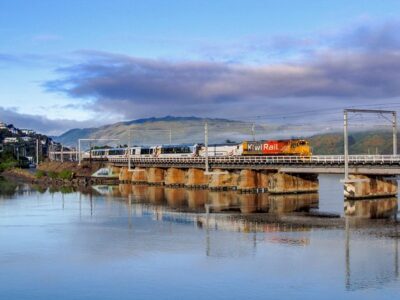
Northern Explorer Train Journey from Wellington to Auckland
Read our review →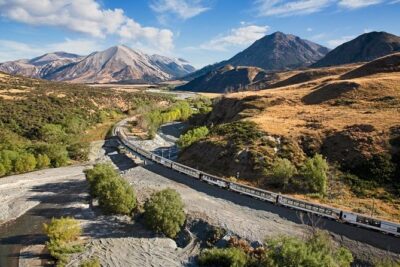
TranzAlpine Train, Arthur’s Pass and Castle Hill Day Trip
Read our review →
Coastal Pacific Train Journey from Picton to Christchurch
Read our review →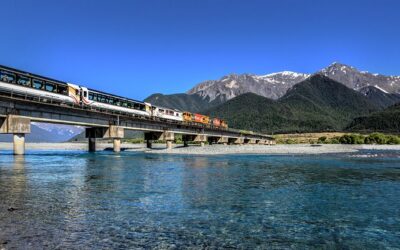
TranzAlpine Train Journey: Christchurch to Greymouth
Read our review →Browse the lists this tour appears in