
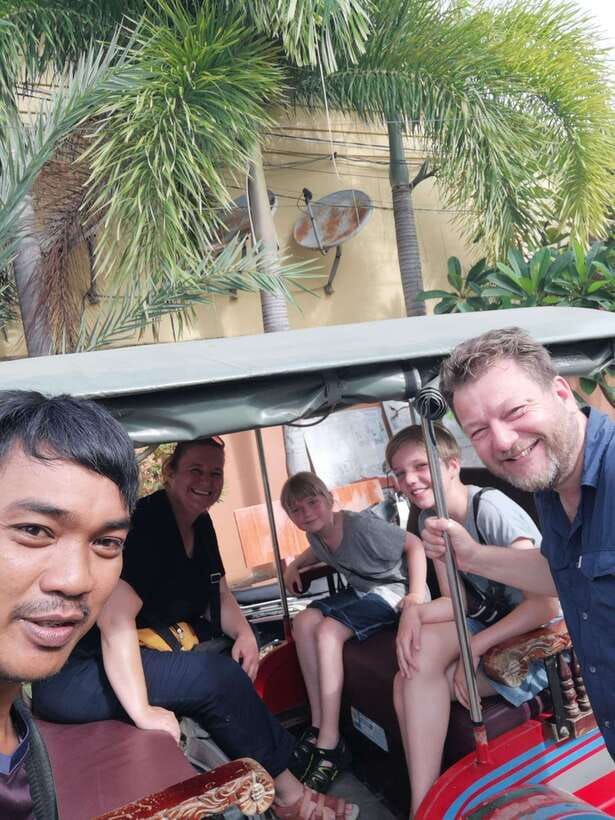
REVIEW · BATTAMBANG
Bamboo train. Phnom Sampove cave. Bat cave and Banan Temple
The day’s best moment comes late, when the bat cave erupts at sunset and a long stream of bats pours into the evening sky. Before that, you get a broad look at southwest Battambang: the bamboo train, old village homes, rice fields, farms, temples, caves, monkeys and wartime reminders around Phnom Sampov.
I like the mix of small village stops and major sights, and I like that Rich can adjust the day around your schedule. He has guided around Battambang for more than ten years, and his local knowledge adds useful details about fruit, farming and everyday Cambodian life. The main drawback is the pace: nine hours in the heat, with cave steps and walking, can be tiring, and the bamboo train costs an extra $5.
Key points to know before booking
- The sunset bat cave is the day’s finale: Plan to arrive with time to spare before the bats emerge.
- Rich leads the tour in English: He can tailor the route and explain local food, farming and history.
- The $24 price is not the full cost: Add $5 for the bamboo train, plus your own food and drinks.
- You see more than temples: The route includes farms, a fishing village, fruit trees, rice fields and village roads.
- Phnom Sampov requires some effort: The Killing Cave, natural cave and hilltop sights involve walking, while a ride up is not included.
- Small groups keep the day manageable: The tour is limited to five people, with hotel pickup and drop-off in Battambang.
A full day beyond Battambang’s quiet center
Battambang is Cambodia’s second-largest city, yet its mood is notably calm. This tour makes good use of that slower pace by taking you southwest into the surrounding countryside instead of keeping you inside town.
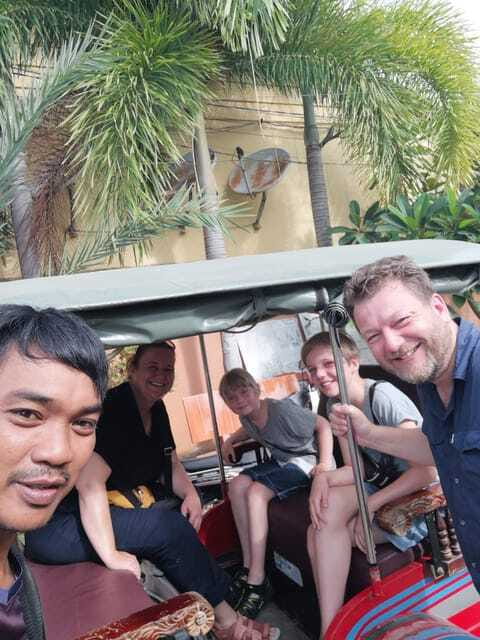
You leave around 9:30 a.m. and return around 6:30 p.m. That gives you enough time for a varied day, though it is still a long outing. I would not book it as a casual add-on after a late arrival in Battambang. You will get more from it if you are ready for a full day outside, with sun, road travel, stairs and several stops.
Rich is listed as the English-speaking guide and has spent more than ten years guiding in the area. His role matters here because the appeal is not just ticking off temples. He can explain what you are seeing in the fields and villages, point out fruit and vegetable production, and help connect the sights to local life.
Some published feedback refers to the guide as Rick or Fie, so if the exact guide matters to you, confirm the name when booking. The experience information identifies Rich as the provider and guide.
More Bamboo Train Rides in Battambang:
- Battambang: Tuk-Tuk, Bamboo Train, Killing/Bat Caves, Sunset
★ 4.9 · 1,436 reviews - Afternoon tour by tuk tuk to bamboo train,bat cave,killing cave,countryside.
★ 5.0 · 344 reviews - Battambang: Bamboo Train, Bat Cave, Killing Cave by Tuk Tuk
★ 5.0 · 182 reviews
The bamboo train sets the tone
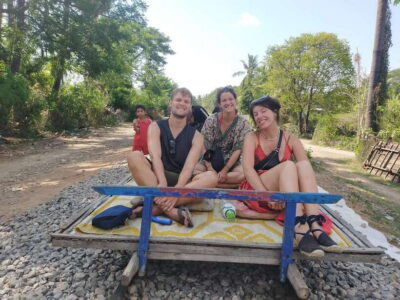
The bamboo train is the most famous stop, and it gives the morning an immediate sense of place. The simple platform is made for a short, unusual ride rather than a long scenic railway journey. The appeal lies in the directness of it: you sit low, the route passes through the countryside, and the experience feels tied to Battambang rather than imported for tourists.
The train fee is not included. Budget an additional $5 per person. At $24 for the tour itself, that makes the basic outing $29 before food and drinks.
I like that the bamboo train is combined with quieter stops instead of being treated as the whole day. On its own, the ride may feel brief. Set within a route of farms, bridges, temples and caves, it works as one lively piece of a much larger picture.
The train stop also shows why a small group helps. With no more than five participants, it should be easier to keep track of everyone and move on without the delays of a large coach group. Still, expect the day to follow local conditions and timing. This is a Cambodian countryside outing, not a tightly controlled theme-park schedule.
Wat Kor’s ancient house and the village road
The stop at the ancient house in Wat Kor Village gives the day a more personal scale. Rather than looking only at grand religious buildings, you see a traditional home connected to a village setting.
That contrast is useful. You can look at how people lived in older Cambodian houses, then continue through working countryside where farming and fishing remain part of daily life. The tour also includes vegetable farms, fruit farms and a fishing village, so you get several views of rural work instead of one staged photo stop.
The supplied details do not specify the house’s exact age, construction materials or family history, so I would not book this expecting a long museum-style presentation. Its value is in the setting and in Rich’s explanations. Ask him about the house, how it relates to other homes in the area, and which crops you are seeing.
This is also a good place to slow down with your camera. Bring one, as recommended, but leave room to watch the road and the people around you. The most useful photographs may be ordinary ones: fields, fruit, bridges and houses rather than only formal monuments.
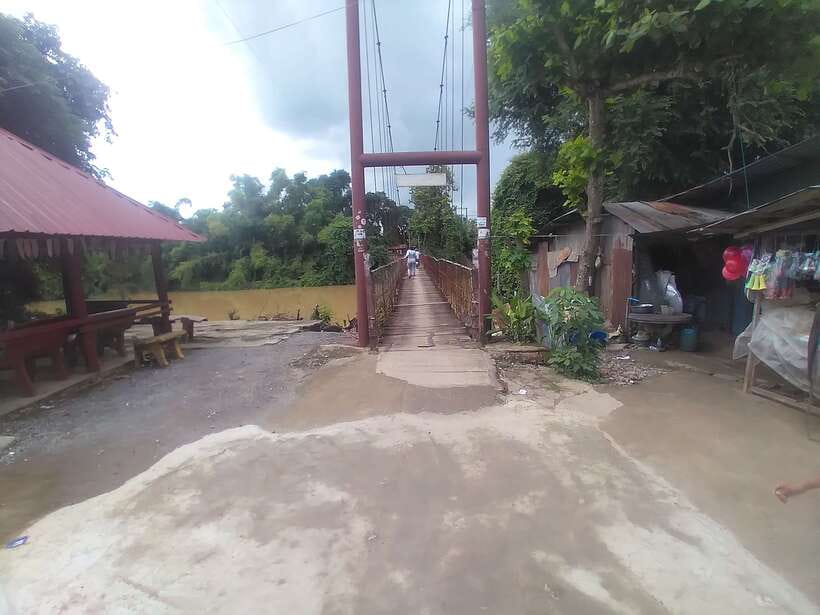
Kampong Pil suspension bridge and working countryside
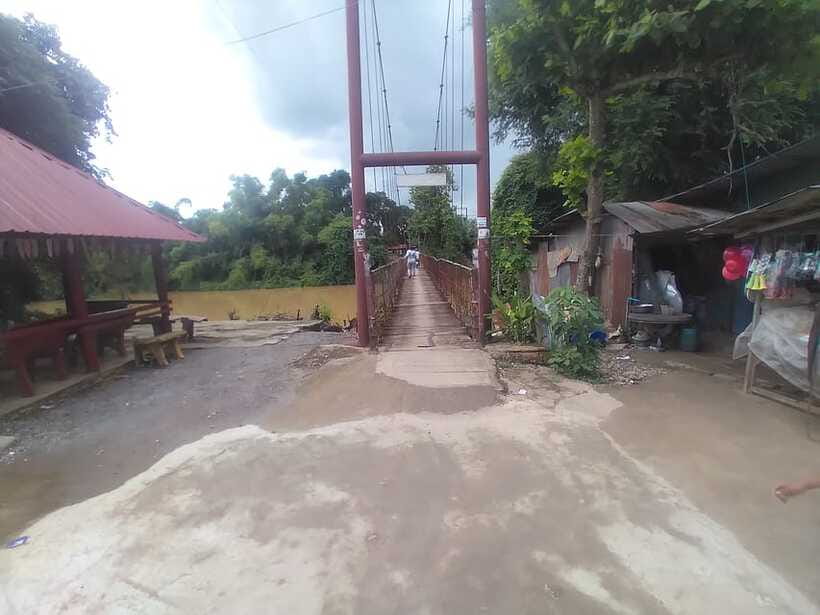
The suspension bridge at Kampong Pil adds a different kind of stop. It is a local crossing, not a monumental site, and that is exactly why it fits the tour. You see how villages connect across the countryside and how the road network changes as you move away from Battambang.
The route includes rice fields, vegetable farms, fruit farms and a fishing village. These stops give you something many temple-heavy day tours miss: a look at the food systems behind Cambodian meals.
Rich’s explanations about fruit received especially strong praise in the supplied feedback. That is a useful clue about how to approach this part of the tour. Ask questions. Find out what is growing, how the produce reaches local markets and how the seasons affect the fields. The answers will make the scenery more meaningful than simply passing it from a tuk-tuk seat.
The countryside portion is likely to be most rewarding for you if you want contact with ordinary life. It may be less satisfying if you want a nonstop list of formal monuments. There are stretches of road between stops, and the tour’s strength is the overall picture rather than a major attraction at every minute.
More Train Tours in Battambang:
- Full Day tour .City tour.Countryside.Bamboo Train.Secret Bat Cave
★ 5.0 · 178 reviews - Afternoon Tour: Bamboo Train, Killing Cave &Bat Cave
★ 5.0 · 73 reviews - Battambang: Bamboo Train, Bat Cave and Killing Cave Tour
★ 4.9 · 58 reviews - AfternoonTour.Bamboo train.killing cave with Secret bat cave
★ 5.0 · 41 reviews
Banan Temple brings the ancient sites into focus
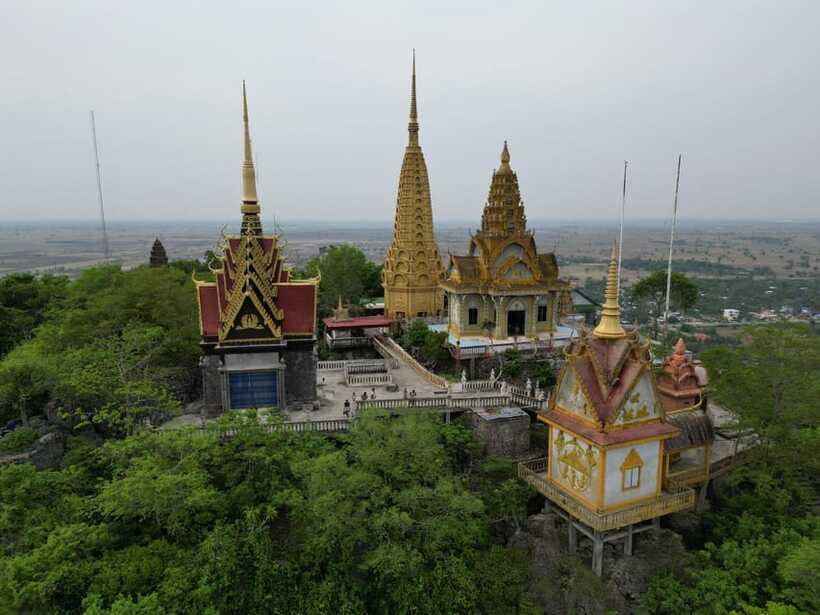
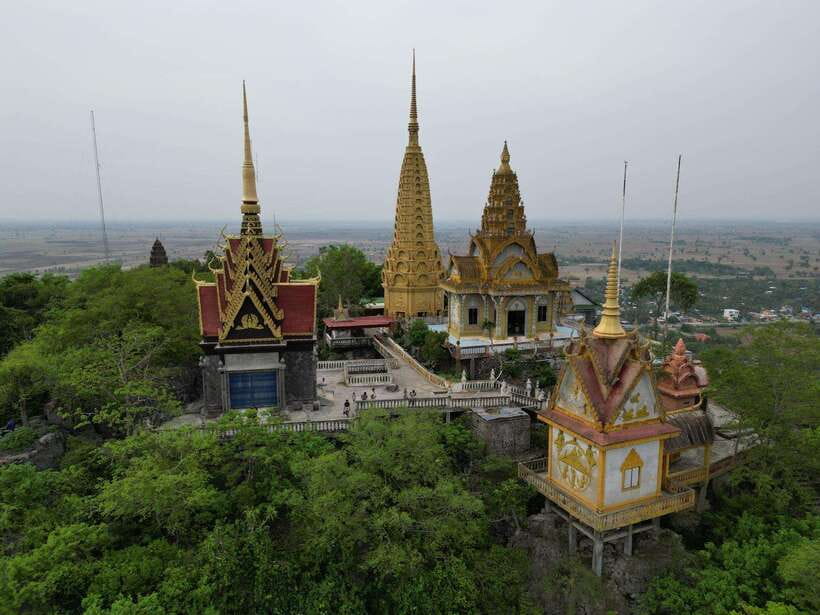
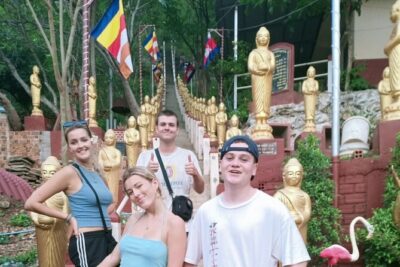
Banan Temple is one of the major historical stops on the route. It gives the day a strong architectural and religious focus after the village visits.
The provided information does not state the exact number of steps or describe the temple’s full construction, so you should expect a hilltop temple visit without assuming a particular level of access. You may need to walk and climb, and comfortable footwear is sensible.
I like the order of the day. After seeing homes, farms and bridges, you reach a site that helps place the region in a longer story. The temple is not just another isolated ruin. It becomes part of a route that links present-day village life with older religious buildings and the surrounding hills.
Take your time here, but keep some energy for Phnom Sampov. The tour continues to the Killing Cave, natural cave, monkey forest and hilltop views, so spending the entire afternoon at Banan Temple could make the final section feel rushed.
Phnom Sampov combines beauty and difficult history
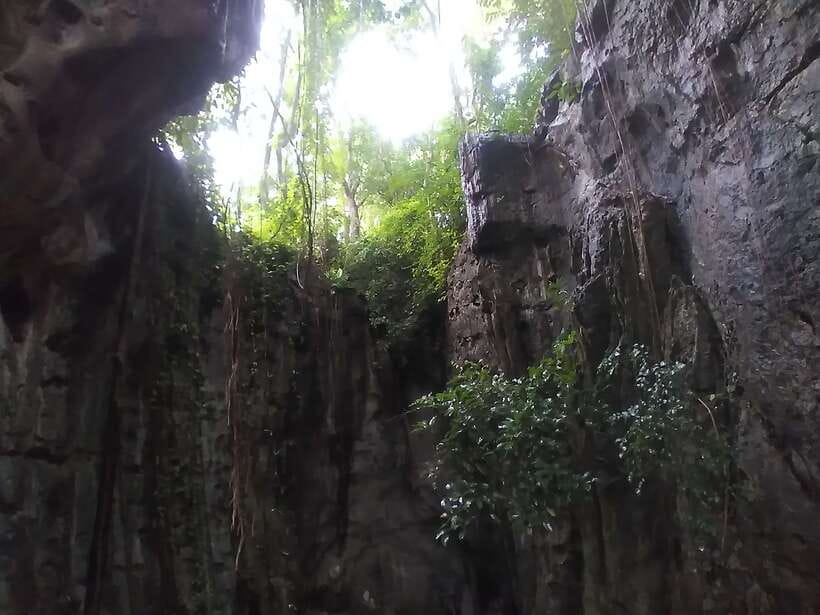
Phnom Sampov is the most serious stop. The area includes the Killing Cave, a natural cave, a monkey forest, large cannon guns and views from the mountain. These sights bring together nature, recent Cambodian history and striking views across the surrounding countryside.
The Killing Cave requires a respectful approach. It is not simply a cave for photographs. The name refers to a painful period in Cambodia’s past, and the stop can be emotionally heavy. I appreciate that the itinerary includes it alongside the natural cave and other hill sites, but you should allow yourself quiet time rather than rushing through.
The large cannon guns add another reminder of the area’s wartime past. They are not decorative temple objects, and their presence changes the way you read the hill. Phnom Sampov is a place where beautiful views and difficult memories exist close together.
The monkey forest is another distinct feature. Keep food and belongings secure, and follow Rich’s instructions. The tour data does not promise a particular level of monkey activity, so treat this as a chance to see the setting rather than a guaranteed animal encounter.
You can walk up to the Killing Caves for free. A ride up is not included, so ask Rich about the options and any extra cost if you do not want to make the climb. The tour is specifically not suitable for people with high blood pressure, and the hills, walking and heat are important considerations for anyone with limited stamina.
The bat cave is worth saving energy for
The day finishes near the bat cave, timed for the evening emergence. This is the tour’s most memorable natural event. As daylight fades, bats leave the cave in a long moving stream. The experience is simple but powerful because you watch it happen in open air, with no elaborate presentation required.
Timing matters. Adrian’s feedback praised the fact that the schedule allowed plenty of time to see the bats emerge. That is one of the strongest reasons to choose this as a guided day rather than trying to string the sites together without local timing.
The bat cave stop also gives the day a clear ending. You have already seen farms, temples, caves, monkeys and wartime remains. Then the route closes with a natural spectacle as the sun goes down.
Bring cash and a camera, but do not spend the whole event looking through a screen. The bat stream may be difficult to capture clearly, especially as the light changes. Watch first, photograph second.
What the $24 price really covers
At $24 per person, the tour offers good value if you want several Battambang-area sights in one day. The price includes hotel pickup and drop-off, an English-speaking tuk-tuk driver, water, a cold towel and entrance fees to the listed sites.
The extra costs are clear:
- Bamboo train: $5 per person
- Food and drinks: not included
- Optional ride up to the Killing Caves: not included
- Walking up to the Killing Caves: free
That means you should carry cash. The tour information specifically recommends it, and it will be useful for the train, food, drinks and any optional transport.
The value is strongest for a small group. A maximum of five people gives the day a more personal feel than a large bus excursion, while the included pickup removes the need to arrange separate transport between widely spaced sites.
Food is not included, but the route through farms and villages may make local food part of the conversation. One piece of feedback praised Rich for offering and explaining local specialties. Do not assume that food is part of the price, but ask what is available and what you might try along the way.
Who should book this Battambang tour?
I would book this tour if you want the major sights around Battambang plus a view of village life. It suits you especially well if you enjoy a mix of temples, countryside, local food, difficult history and an evening nature stop.
It is also a good choice if you prefer a guide who can adjust the day. Rich’s experience in the area and ability to tailor the route are useful when you have a fixed schedule or want more time at one kind of stop.
I would think twice if you dislike long days, tuk-tuk travel, heat or walking on hills. The itinerary is packed, and Phnom Sampov is not a completely effortless stop. People with high blood pressure should not book it, as the activity is specifically listed as unsuitable for them.
The tour also may not fit you if you want a slow, single-site excursion. You will visit many places in nine hours. That variety is the main attraction, but it also means you will not have unlimited time everywhere.
Practical details for a smoother day
Wear clothing suitable for heat and walking. Bring a camera and cash, and keep drinking water available even though water is supplied. A cold towel is included, which will be welcome during the warmer parts of the route.
Your pickup is from your hotel in Krong Battambang, with the driver meeting you in the hotel lobby. The scheduled day runs from 9:30 a.m. to 6:30 p.m., and you return to Krong Battambang.
Free cancellation is available up to 24 hours before departure, and you can reserve now and pay later. Check the available starting time when booking, since the bat cave timing is central to the final part of the day.
Should you book it?
Book this tour if you want Battambang to feel like more than a city stop. For $24, plus the $5 bamboo train fee, you get a full day of rural roads, farms, a traditional house, a suspension bridge, Banan Temple, Phnom Sampov and the sunset bat cave.
The best reason to choose it is the combination of places. The bamboo train supplies the fun, the villages provide local context, Phnom Sampov adds difficult history and the bats give you a memorable finish. Rich’s local guidance is another strong point, especially if you want explanations rather than quick photo stops.
Skip it if you need a short or physically gentle outing. Otherwise, this is a well-rounded way to see the countryside around Battambang, with enough practical support to make a busy day manageable.
FAQ
Where does the tour start?
Pickup is included from your hotel in Krong Battambang. The driver will meet you in the hotel lobby.
How long does the tour last?
The tour lasts nine hours, scheduled from about 9:30 a.m. to 6:30 p.m.
Where does the tour finish?
You return to Krong Battambang after visiting the listed sites.
Is the bamboo train included in the price?
No. The bamboo train costs an additional $5 per person.
Are food and drinks included?
No. Food and drinks are not included, so bring cash for anything you buy during the day.
Is the guide English-speaking?
Yes. The tour includes an English-speaking guide or tuk-tuk driver. The experience is provided by Rich Battambang Tour, and Rich is identified as the local guide.
How many people can join the tour?
The tour is limited to five participants, making it a small-group experience.
Can I walk to the Killing Cave?
Yes. Walking to the Killing Cave is free. A ride up is not included in the tour price.
Is the bat cave part of the itinerary?
Yes. The tour is timed to reach the bat cave for the evening emergence, after the Phnom Sampov stops.
Is the tour suitable for people with high blood pressure?
No. The tour is specifically listed as not suitable for people with high blood pressure.
Just added around Battambang
- Bamboo Train, Banann Temple, Fruit Bat, Bat Cave, Sunset★ 4.2 · 3 reviews
- Full-day: Wat Banan. Old bamboo train. Bat Cave. Killing cave★ 5.0 · 13 reviews
- Afternoon tour to Original Bamboo train. Bat cave. Killing cave★ 5.0 · 25 reviews
- Full Day-Tour: Handicraft, Bamboo train, Killing cave. Bat cave★ 5.0 · 29 reviews
- Morning Tour Bamboo Train, Ancient House, Local, Countryside★ 5.0 · 3 reviews
- Battambang Private afternoon tour bamboo train bat cave & village★ 5.0 · 3 reviews
- Full day tour by bicycle & tuk tuk,bamboo train,bat cave,villages★ 5.0 · 27 reviews
- AfternoonTour.Bamboo train.killing cave with Secret bat cave★ 5.0 · 41 reviews
Battambang Train Tours, compared.
Tuk-Tuk, Bamboo Train, Killing/Bat Caves, Sunset
Read our review →
Full Day tour .City tour.Countryside.Bamboo Train.Secret Bat Cave
Read our review →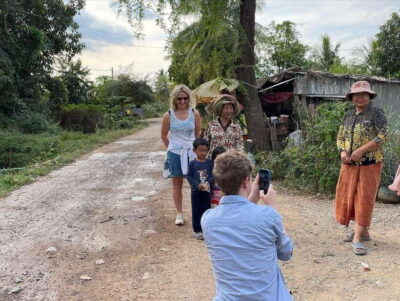
AfternoonTour.Bamboo train.killing cave with Secret bat cave
Read our review →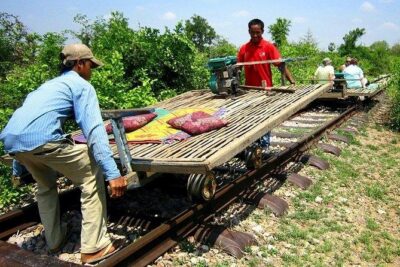
Full Day-Tour: Handicraft, Bamboo train, Killing cave. Bat cave
Read our review →
Full day tour by bicycle & tuk tuk,bamboo train,bat cave,villages
Read our review →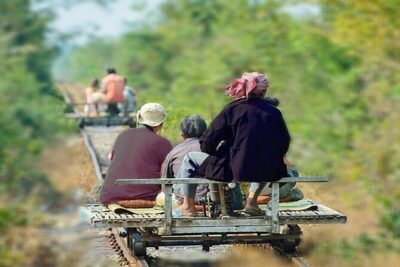
Afternoon tour to Original Bamboo train. Bat cave. Killing cave
Read our review →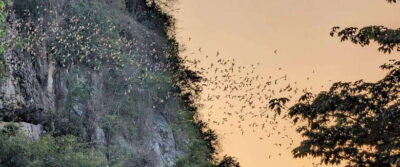
Half-day swing bridge, bamboo train, batcave & Killing cave
Read our review →Browse the lists this tour appears in