REVIEW · HANOI
Sapa: 3-Day, 3-Night Trek and Hotel with Overnight Train
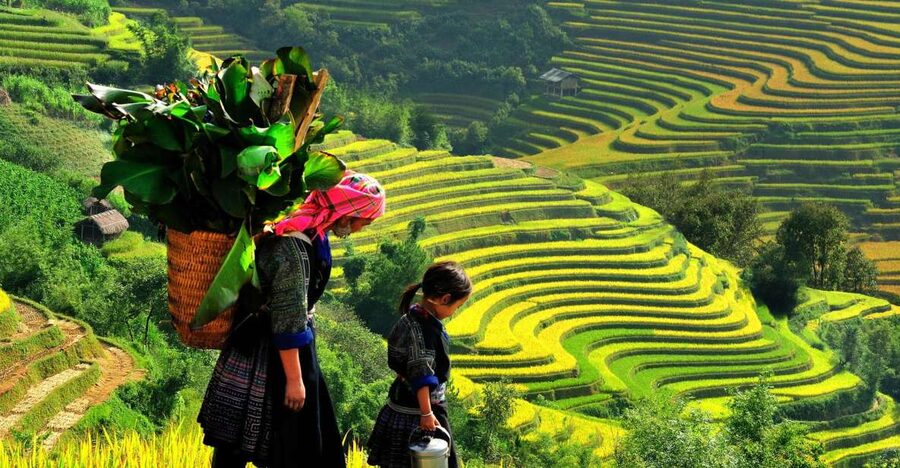
The best part of this trip is the change of pace: you leave Hanoi at night and wake among rice terraces and hill villages in northern Vietnam. Over three days, you walk from Sapa through Sin Chai, Y Linh Ho, Lao Chai, Ta Van, Giang Ta Chai, and Su Pan, meeting Hmong, Dzay, and Red Dao communities along the way.
I like the one-night homestay in Ta Van, which gives you a better feel for village life than a quick photo stop. I also like the practical mix of transport, with the overnight train saving a hotel night and the limousine ride returning you to Hanoi. The main drawback is the 9-kilometer trekking day, which can be hard in rain, mud, or fog, and local sellers may follow you for much of the walk.
Key points to know before booking
- Overnight train from Hanoi: You travel in a shared, four-berth air-conditioned cabin from Hanoi to Lao Cai.
- Three ethnic communities: The route introduces you to Hmong, Dzay, and Red Dao villages, each with its own traditions and handicrafts.
- One night in Ta Van: The homestay is a useful chance to spend more time in a village instead of returning to Sapa each evening.
- A proper mountain walk: The route includes rice terraces, steep paths, a waterfall, a rattan bridge, and bamboo forest.
- Cold and changeable weather: Pack warm layers, even if Hanoi is hot when you leave.
- Plan for persistent sellers: Local women and children may offer handicrafts or ask for money, especially at rest stops and in the villages.
What this Sapa trip is really like
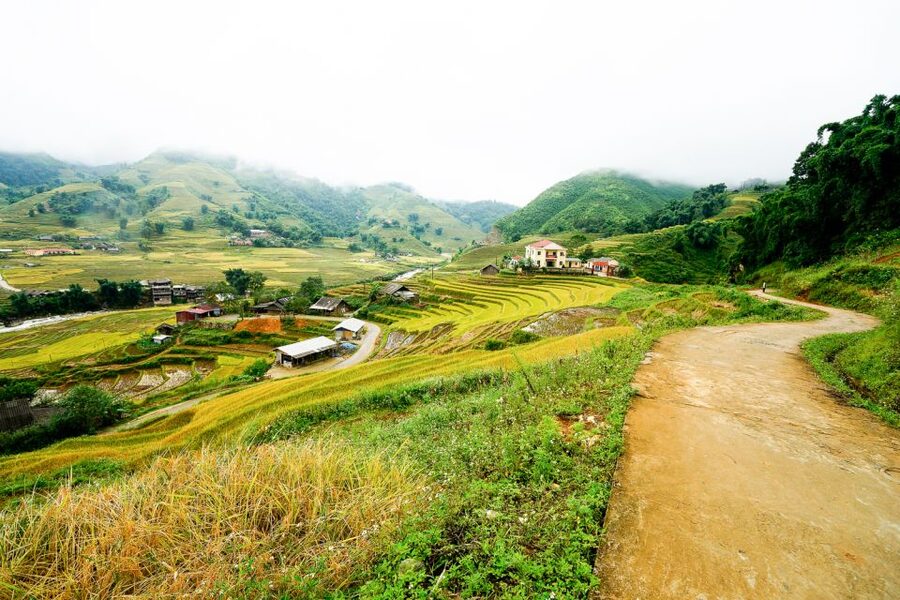
This is not a soft sightseeing excursion with a few short walks. It is a compact mountain trip that combines rail travel, village trekking, a homestay, and a hotel stay. You get a good introduction to the Muong Hoa Valley without having to arrange several separate bookings.
The price is $212 per person. That covers the Hanoi to Lao Cai train, the shared transfer to Sapa, one night in a three-star hotel, one night in Ta Van, meals listed in the schedule, guides, village sightseeing fees, and the return limousine to Hanoi. For a short trip that includes transport, lodging, food, and guiding, the price is reasonable. It is less attractive if you prefer to choose your own hotels, spend longer in one village, or travel independently.
The trip is sold as three to three and a half days, but the first night begins late in Hanoi. You need to be ready around 9 PM, with the train leaving at 10 PM. The last day ends with a return to Hanoi around 8 or 9 PM. In practical terms, you get two full days of walking and parts of two travel nights.
More Overnight and Sleeper Trains in Hanoi
- From Hanoi: Sapa Hill Tribes 2-Day Tour by Overnight Train
★ 4.4 · 62 reviews - Sa Pa Trekking 2 Days 3 Nights Homestay by Night Train
★ 4.5 · 11 reviews - Private Overnight Train Hanoi To Sapa Or Return
★ 3.5 · 10 reviews
Leaving Hanoi on the overnight train
You can arrange pickup from a hotel in Hanoi’s Old Quarter, or make your own way to Hanoi Railway Station. The meeting instructions direct you to meet the staff, collect your tickets, go to the second floor, and continue to gate 2A. If you are not staying in the Old Quarter, you need to select the appropriate meeting point option when booking.
The train cabin has four berths, air-conditioning, and bedding. It is a useful way to cover the distance while saving a night in Hanoi or Lao Cai. The tradeoff is noise and movement. Expect a real train ride, not hotel-room quiet. The toilet can also be awkward, and berth position may not be your choice, so pack a small bag with water, tissues, medication, and anything you need overnight.
The train reaches Lao Cai early in the morning. From there, a shared minibus takes you uphill to Sapa at about 6 AM. That early arrival makes the first day long, but it also gives you more time in the mountains.
Sin Chai village and your first morning in Sapa

After reaching Sapa, you leave your luggage at the hotel and have breakfast. Standard room check-in is at 2 PM, so do not count on entering your room immediately unless you pay for early check-in. This matters after a night on the train, especially if you want a shower or a short rest before walking.
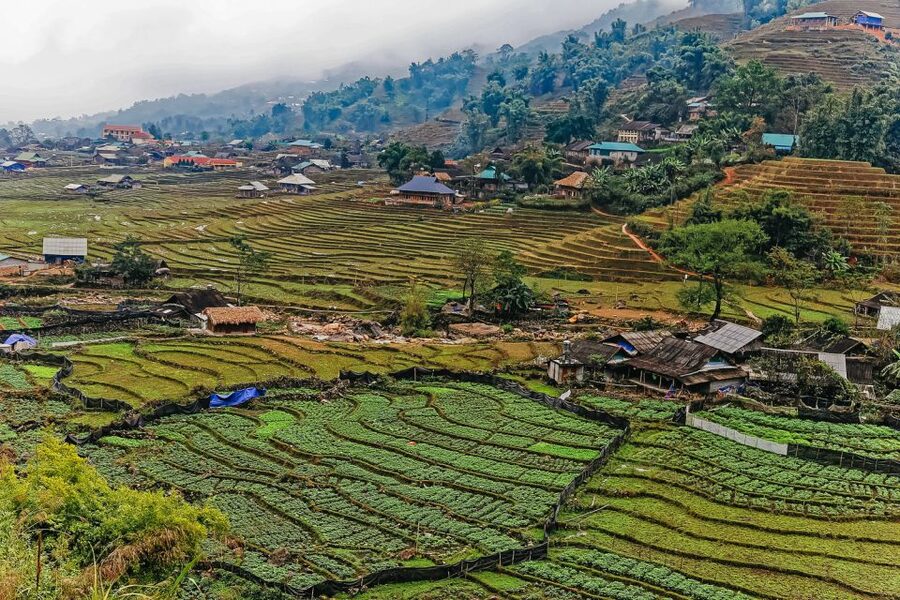
The first trek heads southwest from Sapa to Sin Chai, a Black Hmong village about 2 kilometers from the town center. Sin Chai is described as simple and rustic, with a quieter feel than the more heavily visited villages closer to the main valley route. The value here is the gentle introduction. You begin seeing how highland homes and daily routines differ from the busy streets of Sapa.
This opening walk is also a useful test of your footwear and fitness. The itinerary later includes a longer 9-kilometer trek, so pay attention to how your knees and feet feel. Comfortable trekking shoes are essential. Sandals and smooth-soled sneakers are poor choices if rain has turned the paths slick.
After Sin Chai, you return to the hotel for lunch and free time. Use this break sensibly. You can explore central Sapa, rest, or pick up cash and supplies before the longer valley walk. Dinner is around 6 PM, leaving you time to see Sapa after dark. Roasted corn and baked eggs by a charcoal fire are among the local snacks mentioned for the evening.
You sleep in a three-star hotel in central Sapa. This night gives you a more familiar base before the homestay. It also means you are not giving up comfort for the entire trip.
Walking the Muong Hoa Valley to Ta Van
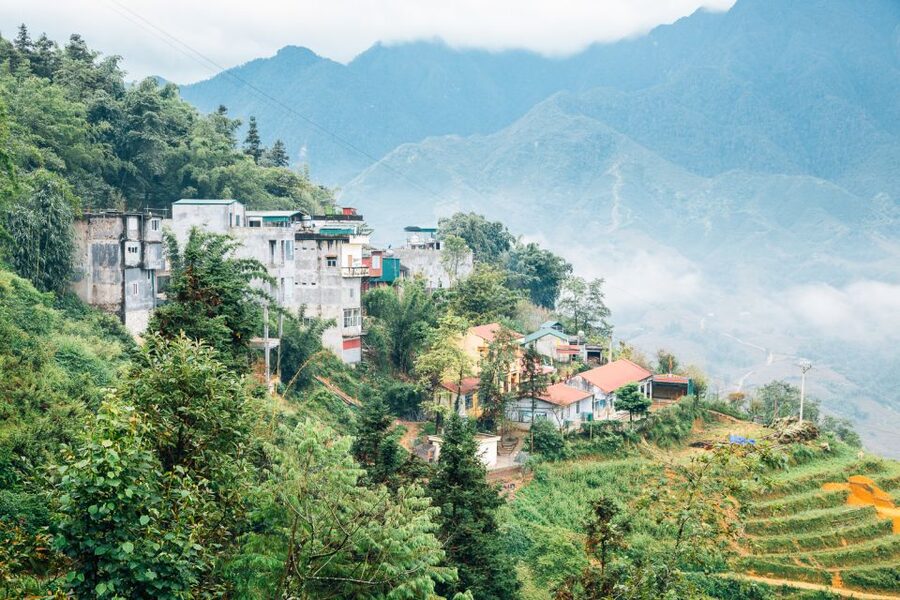
Day two is the heart of the trip. After breakfast, you walk along the side of the Muong Hoa Valley toward Y Linh Ho, a Black Hmong village. The route then continues to Lao Chai, another Hmong village, before lunch.
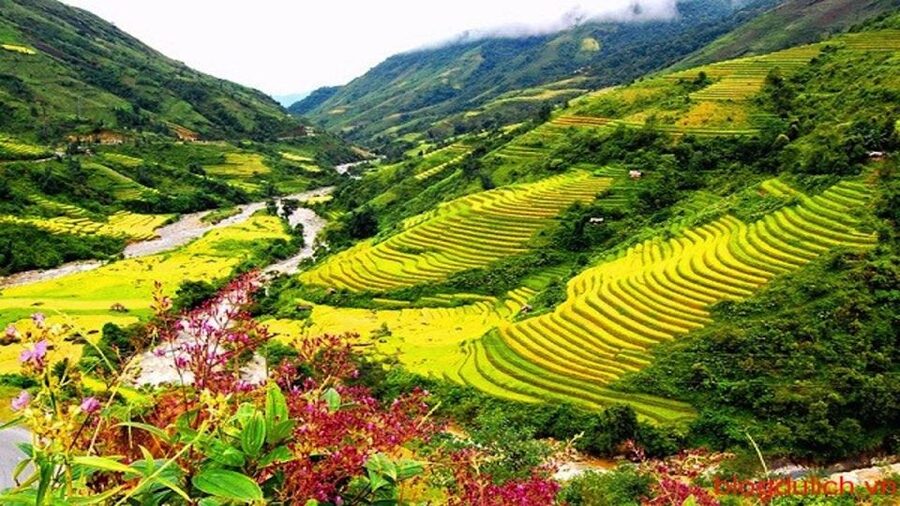
This is the day for the classic Sapa views: terraced rice fields cut into mountain slopes, village paths, and broad views down the valley. The scenery changes with the season. In May, rice planting may be underway, giving you a chance to see how the fields are prepared and, if invited, try part of the process yourself. At other times, the terraces may look different, and fog can soften or hide the views.
Do not expect a paved path all the way. The trek is described as demanding, especially after heavy showers. Mud, uneven ground, slippery slopes, and wet weather can make the distance feel longer than it sounds. The route is not recommended for older people or children, and it is not suitable for people with mobility limitations or wheelchair users.
The guide matters here. Guides named Su Su, Ai, Mai, and Chu have led departures, and the trip works best when you ask questions as you walk. You have time for photographs and stops, rather than being pushed from one viewpoint to the next. A local guide can also explain the difference between Hmong and Dzay villages in a way a roadside sign cannot.
After lunch, the path continues through rice terraces to Ta Van, home to the Dzay minority community. Ta Van is the overnight stop, and this is one of the strongest parts of the program. Staying overnight means you are not simply passing through, taking a picture, and leaving before dinner.
More Overnight and Sleeper Trains in Vietnam
- 3 Days Sapa Tour with Night Train from Hanoi
★ 4.5 · 8 reviews - Sapa Trekking Tour by Night Train from Hanoi 3 Nights – 2 days
★ 5.0 · 7 reviews - 2 days 3 Nights Sapa Trekking Tour by Night Train from Hanoi
★ 4.0 · 7 reviews - Explore Sa Pa with Overnight Train & Sleeper Bus & Trekking
★ 3.9 · 7 reviews
One night with a Dzay family in Ta Van
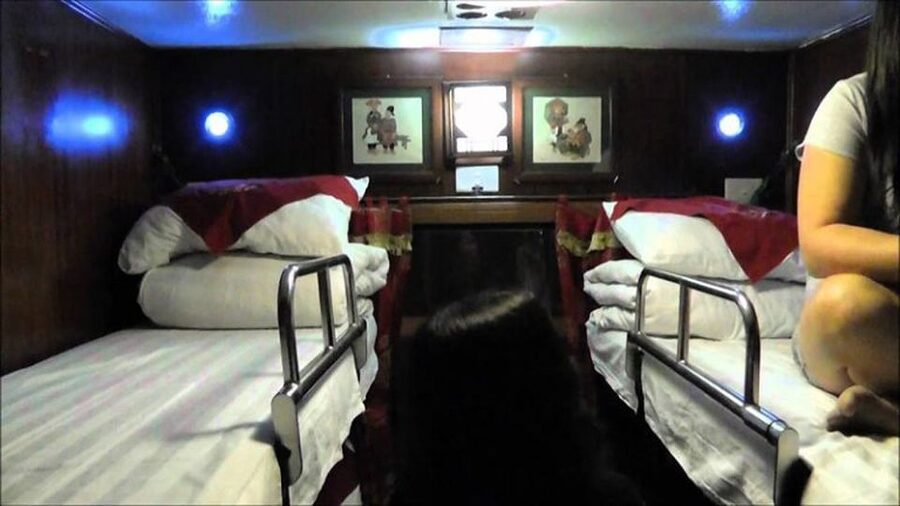
The homestay is a shared village stay rather than a private hotel room. It lets you spend an evening in Ta Van and see a slower side of mountain life. The accommodation has been described as clean and pleasant, but you should still expect basic village lodging rather than three-star facilities.
Meals are included according to the schedule, but drinks are not. Bring Vietnamese dong for water, drinks, snacks, and small purchases. Sapa’s banking system can be unreliable, so relying only on a card is unwise. US dollars, euros, and Australian dollars are accepted in Sapa, but Vietnamese currency is the most useful option in villages.
The social side of the homestay is important. You share the meal and sleeping arrangement with others on the trip, and the setting is more communal than private. Solo visitors should ask about the current single supplement, since a supplement applies to two nights of accommodation, including the hotel and a private bungalow arrangement.
You may also see handicrafts made or sold by local women. The program includes a visit to a handicraft center where women gather to exchange skills. That stop gives you a better sense of craft as part of community life, although you should remain clear about prices before buying anything.
Giang Ta Chai, Su Pan, and the return to Sapa
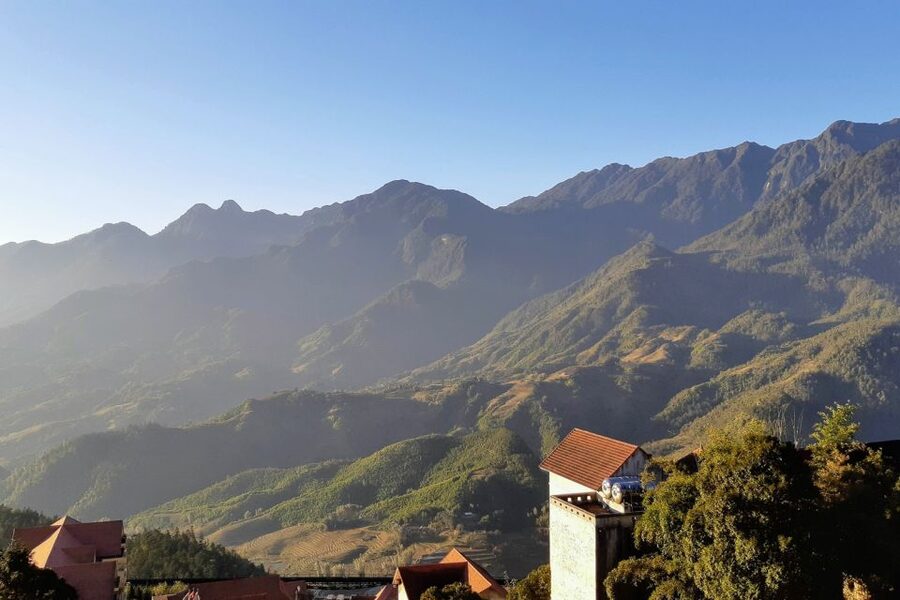
The final trekking day visits Giang Ta Chai and Su Pan, with a focus on Red Dao and Hmong communities. The route includes a waterfall, a rattan bridge, and views through bamboo forest. These features add variety after the long rice-terrace walk of day two.
The waterfall and bridge are not separate theme-park attractions. They are useful natural and village stops along the walking route, giving you places to pause and take pictures. The bamboo forest can feel enclosed and atmospheric, especially when the valley is foggy. At the same time, wet bamboo paths can be slippery, so keep your hands free and move at the guide’s pace.
At some point, you leave the trail for the main road and take a car back to Sapa. The exact timing can shift with weather and walking speed. After returning, you have time to pack before leaving around 2 PM.
The ride back to Hanoi is by limousine. This is more comfortable than the shared minibus used between Lao Cai and Sapa, and the scheduled arrival is around 8 to 9 PM. Confirm your exact Hanoi drop-off before departure. The activity information describes Old Quarter hotel pickup and drop-off, but one account describes arriving without a hotel transfer and needing to deal with taxis at the early-morning train stage. Having the final transport details in writing will save hassle.
The people, villages, and selling problem
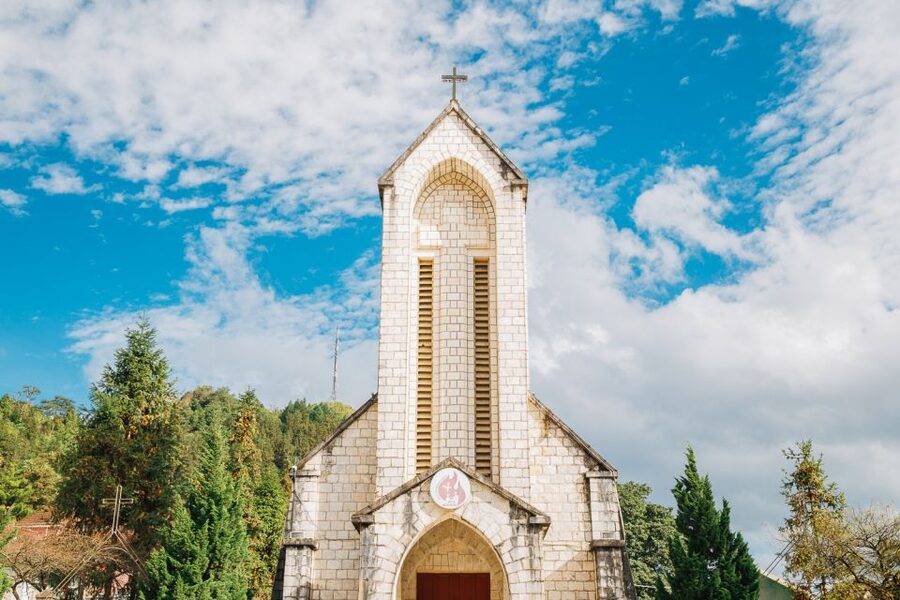
The trip offers real contact with several ethnic groups, but it is not a private window onto untouched village life. Sapa is a major tourism center, and local Hmong women and children may walk beside you, offer handicrafts, ask for money, or wait at lunch and rest stops.
The operator specifically warns that local people may accompany the group and try to sell items at high prices. The practical advice is simple: listen to your guide, stay with the group, and decide in advance what you are comfortable buying. A firm but polite no is usually better than a long explanation.
You can also treat these encounters with some humanity. People are working, and it is unfair to blame the guide for a difficult local economy. At the same time, you should not feel forced to buy. Ask the guide about fair prices, avoid giving money directly to children, and do not let persistent selling spoil the walking itself.
The handicraft center can help put this side of Sapa into context. You see women sharing skills and making products, not just selling objects beside a trail. Still, buy only what you genuinely want and confirm the price before handing over cash.
Food, weather, and what to pack
Breakfast, lunch, and dinner are included on the scheduled days, but drinks are extra. Meals have received strong praise, yet individual tastes vary. Bring a few small snacks for the train and trek, especially if you need food at unusual hours.
Sapa is cooler than Hanoi, and the weather can turn quickly. From September through March, cold conditions are common. Fog is especially possible in December, January, February, and March. Pack layers, a scarf, a hat or cap, and a waterproof outer layer if possible.
Your basic packing list should include:
- Broken-in trekking shoes
- Warm clothing and a light waterproof layer
- Sunglasses and sun cream
- Insect repellent
- Personal medicine
- Vietnamese dong
- A small day bag
- Water and tissues for the train
Keep your large luggage to a minimum. You leave bags at the Sapa hotel before the first walk, but you will need a small bag for the train, the trail, and the homestay.
Who should book this Sapa tour?

I would choose this trip if you want a structured first visit to Sapa and prefer having transport, lodging, meals, and a guide arranged together. It suits active adults who can manage a long walk on uneven ground and who enjoy learning through village visits rather than simply viewing the mountains from a hotel.
It also suits anyone who likes variety. In a short period, you get an overnight train, a central Sapa hotel, two main trekking days, a homestay, several ethnic communities, and a limousine ride back to Hanoi.
I would look elsewhere if you need quiet transport, private rooms throughout, guaranteed control of your train berth, or a gentle walking program. Families with young children, people with mobility issues, and anyone uncomfortable with mud or steep paths should not choose this route.
The private group option may be worth considering if you want more control over stops and pace. Solo visitors should ask about supplements and how guides and group arrangements will work, since a solo departure may involve changing companions or meeting points.
Should you book it?
Book this Sapa trek if you want a well-packed introduction to the Muong Hoa Valley and accept the rough edges that come with mountain travel. The strongest reasons are the Ta Van homestay, the range of village communities, the helpful local guiding, and the efficient use of the overnight train.
Go in prepared for a noisy train, paid drinks, possible fog, persistent sellers, and a demanding 9-kilometer walk. Pack warm layers, carry cash, confirm your final Hanoi drop-off, and keep your expectations focused on village life and mountain scenery rather than polished comfort. At $212, it offers good value for an active three-day trip, provided you are fit enough for the trail.
FAQ
How long does the experience last?
The trip lasts about three to three and a half days. It begins with an overnight train from Hanoi to Lao Cai and ends with a limousine ride back to Hanoi around 8 to 9 PM on the final day.
Where do I meet the group in Hanoi?
You can meet at Hanoi Railway Station, where staff provide your train tickets. The instructions direct you to the second floor and gate 2A. Pickup can also be arranged from hotels in Hanoi’s Old Quarter.
What accommodation is included?
You spend one night in a shared four-bed air-conditioned train cabin, one night at a homestay in Ta Van Village, and one night in a three-star hotel in central Sapa.
How difficult is the trekking?
The program includes a 9-kilometer trek and is not recommended for older people or children. It is also unsuitable for people with mobility impairments or wheelchair users. Rain can make the paths more demanding.
Are meals and drinks included?
The meals listed in the schedule are included. Drinks and meals not listed are extra, so bring Vietnamese dong for water, beverages, snacks, and personal purchases.
What should I bring for the weather?
Bring comfortable trekking shoes, warm clothes, a scarf, hat or cap, sunglasses, sun cream, insect repellent, and personal medicine. Sapa can be cold, and fog is possible from December through March.
More Evening Trips in Hanoi
- Vespa Female Ao Dai riders Night Street Food + See Train Street
★ 5.0 · 254 reviews - Hanoi Jeep By Night Street Food Tour and Train Street Experience
★ 5.0 · 66 reviews - Hanoi Jeep Night Street Foodie Tour, Train Street and Egg Coffee
★ 5.0 · 60 reviews - Female Riders Vespa Night Street Food + Train Street food 4 Hours
★ 5.0 · 35 reviews
More Walking and Hiking Trips in Hanoi
- Trekking Sapa – Bac Ha Market: Sleep on Train & Homestay
★ 4.5 · 7 reviews - 2-day Sapa Trekking & Fansipan Cable Car & Bus from Hanoi
★ 4.0 · 7 reviews - Sapa – Bac Ha Trek Tour – Night Train & Bus & Homestay overnight
★ 5.0 · 6 reviews - 2-Day Amazing Sapa Trek With Sleeper Train From Hanoi – Overnight At Homestay
★ 5.0 · 5 reviews
Just added around Hanoi
- Visit Train Street Hear History &Eat Local Food Know Culture★ 5.0 · 20 reviews
- Uncover Hanoi’s Hidden Treasures: Old Quarter & Train Street★ 5.0 · 61 reviews
- The insider’s Hanoi + Train Street 4,5 Hours Female Ao Dai Riders★ 5.0 · 53 reviews
- The insider’s Hanoi 4.5 hours All highlight Places & Train Street★ 5.0 · 41 reviews
- Female Riders Vespa Night Street Food + Train Street food 4 Hours★ 5.0 · 35 reviews
- Highlights and Secrets of Hanoi Old Quarter Through Train Street★ 5.0 · 24 reviews
- Red River island backroad, Rural Countyside Area and Train Street★ 5.0 · 57 reviews
- Hanoi Vespa After Dark Street food + Train Street+ Live Music★ 5.0 · 18 reviews
Hanoi Train Tours, compared.
Street Food Tour with Train Street & Hidden Alleyways
Read our review →
Guided Street Food Tour with Train Street Experience
Read our review →
Hanoi City Tour Highlight, Train Street Combine visit Countryside
Read our review →
Hanoi Walking Street Food Tour with Train-Street Visit
Read our review →
Hanoi Jeep City Highlight, Backstreet, Train Street, Countryside
Read our review →