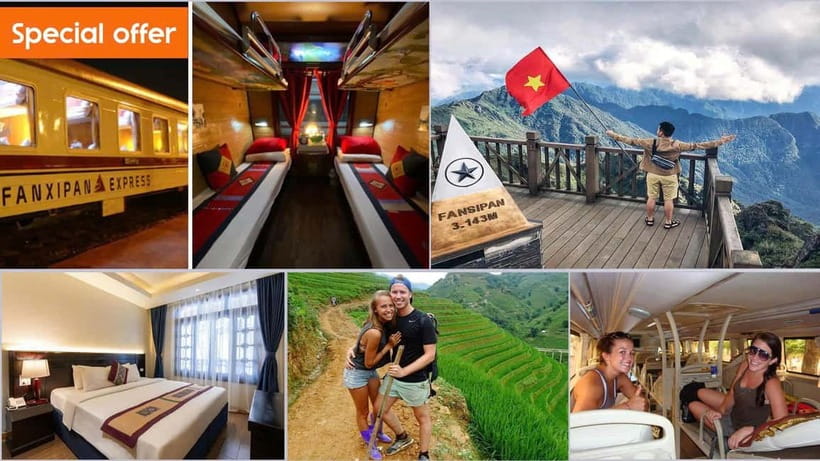
REVIEW · HANOI
Explore Sa Pa with Overnight Train & Sleeper Bus & Trekking
The unusual appeal here is the mix of transport and walking. You travel north from Hanoi by air-conditioned night train, wake near Lao Cai, then trade the rails for village paths among the Black H’Mong and Red Dzao communities.
I like the visit to Ma Tra and Ta Phin, which gives you a quieter village outing before the longer Lao Chai to Ta Van trek. I also like the practical return by sleeper bus, so you do not repeat the same train journey. The main drawback is the tight schedule: a night train, an early transfer, and a long walk all arrive in quick succession.
- Two transport styles: Go north by soft-sleeper train and return to Hanoi by sleeper bus.
- Four mountain villages: Visit Ma Tra, Ta Phin, Lao Chai, and Ta Van, with different walks and cultural settings.
- Local guiding in Sa Pa: An English-speaking guide helps explain Black H’Mong and Red Dzao life.
- One night in town: Sleep at a 3-star hotel in Sa Pa rather than returning to Hanoi immediately.
- Choice on the first afternoon: Take the long Lao Chai to Ta Van trek or visit Cat Cat village and its waterfall.
- Optional Fansipan visit: Add the cable car and transfer on your free morning for an extra cost.
The appeal of arriving in Sa Pa by night train
This trip makes the journey part of the holiday. You meet at Hanoi Railway Station at 120 Le Duan Street, board a soft-sleeper train, and spend the night in an air-conditioned cabin shared by four or six people.
That arrangement saves a Hanoi hotel night and gets you close to Sa Pa by morning. It also gives the trip a more local, old-fashioned rhythm than simply flying or taking a daytime coach. You wake around 5:00 to 5:30 AM at Lao Cai, where a joining vehicle takes you uphill to Sa Pa.
Be realistic about comfort. The train is not a private room, and the cabin may hold six people. One recent assessment found the organization and contact with the operator very good, while the train and bus were only just comfortable enough. That is fair advice. You are buying an efficient overnight journey, not a luxury rail cabin.
Heavy rain can also disrupt the rail plan. In one reported case, the train was cancelled, and the operator arranged a sleeper bus plus a short train station visit instead. That kind of change is worth accepting in northern Vietnam, where weather can affect transport, but you should keep your first morning flexible.
A quick morning in Sa Pa before the villages
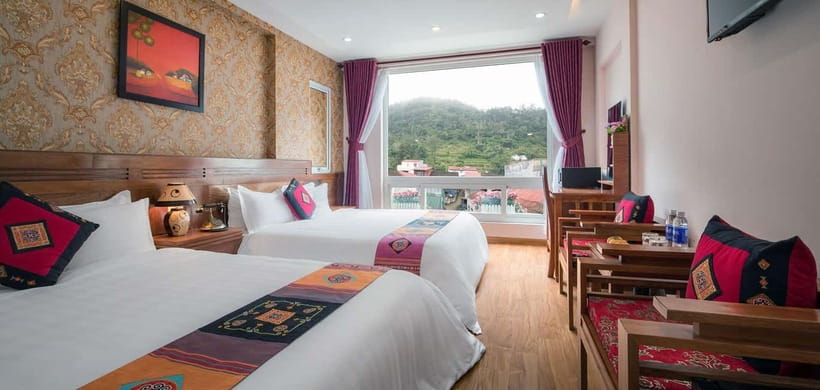
After the Lao Cai pickup, the shared vehicle climbs to Sa Pa. You arrive early enough to refresh and eat breakfast at the hotel before the first village outing at about 8:00 or 8:30 AM.
That hotel stop matters. After a night on a train, a shower and breakfast can make the difference between enjoying the walk and simply getting through it. Still, this is a long first day. You will have been traveling overnight, then walking by midmorning, so pack light and keep your expectations practical.
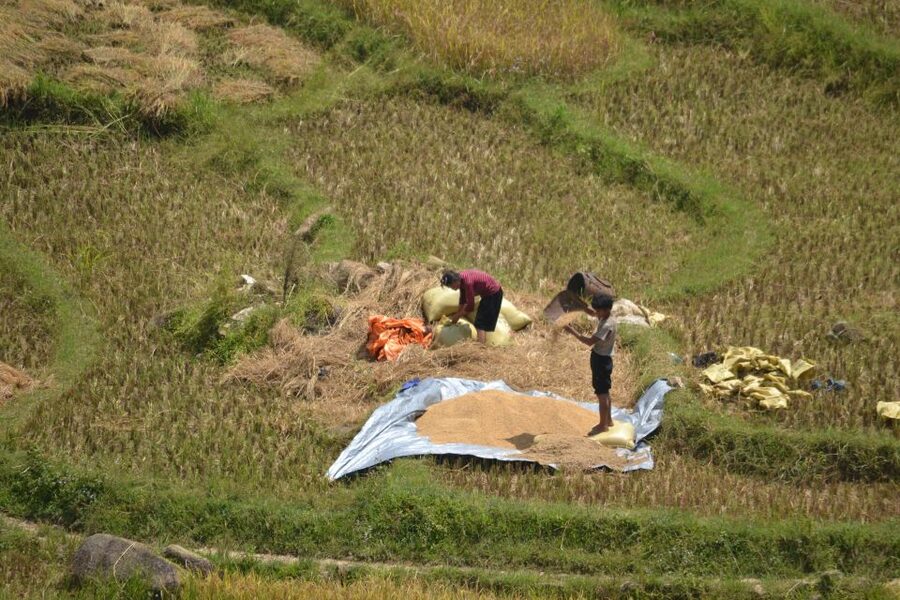
Sa Pa sits at about 1,650 meters. The town is known as a base for visits to minority communities, especially the Black H’Mong and Red Dzao. The guide helps put names, clothing, customs, and village life into context, which is more useful than simply taking photographs from a vehicle.
The tour is conducted in English, and the guide works locally in Sa Pa. No individual guide name is provided, so you should not expect to request a particular person when booking.
More Overnight and Sleeper Trains in Hanoi
- Sapa: 3-Day, 3-Night Trek and Hotel with Overnight Train
★ 4.2 · 64 reviews - From Hanoi: Sapa Hill Tribes 2-Day Tour by Overnight Train
★ 4.4 · 62 reviews - Sa Pa Trekking 2 Days 3 Nights Homestay by Night Train
★ 4.5 · 11 reviews
Ma Tra and Ta Phin bring two communities into view
The morning visit combines Ma Tra and Ta Phin, with a short trek through villages associated with Black H’Mong and Red Dzao people.
This is a good early walk because it is shorter than the afternoon route. You get your first look at rural Sa Pa without committing immediately to a demanding trek. The setting is also less focused on central Sa Pa, giving you a clearer sense of life outside the town.
Ma Tra and Ta Phin are presented as less touristy than some of the better-known stops. That does not mean you will have the area to yourself, but the outing is intended to feel quieter and more local than a quick town visit. Your guide is particularly useful here, since the value comes from understanding who lives in each community and how the two groups differ.
You return to Sa Pa for lunch. The package includes meals mentioned in the schedule, while the conditions also say that meals not clearly listed are excluded. I would confirm the exact meal coverage before paying, especially if you have dietary needs or want to know which lunches and dinners are included.
The afternoon choice: Lao Chai and Ta Van or Cat Cat

From about 2:30 PM, you choose between two very different outings.
The more ambitious option is the long trek from Lao Chai to Ta Van. This is the better pick if walking through mountain villages is your main reason for coming. The route gives you more time on foot and more contact with the rural surroundings than a short stop beside a road.
The schedule does not provide a distance or difficulty grade, so do not assume the phrase long trek means a gentle stroll. Wear shoes with a firm grip, bring water, and keep some energy in reserve. You will have already traveled overnight and completed the Ma Tra to Ta Phin outing.
The second option is Cat Cat village with a waterfall. This is more suitable if you want a shorter cultural visit or prefer to save your legs for exploring Sa Pa. It is also the sensible choice if your group has mixed walking abilities.
The choice is important because it changes the character of your day. Lao Chai and Ta Van emphasize walking between villages. Cat Cat gives you a more compact visit with a waterfall as the main natural feature. Ask the guide how the group is dividing before you commit.
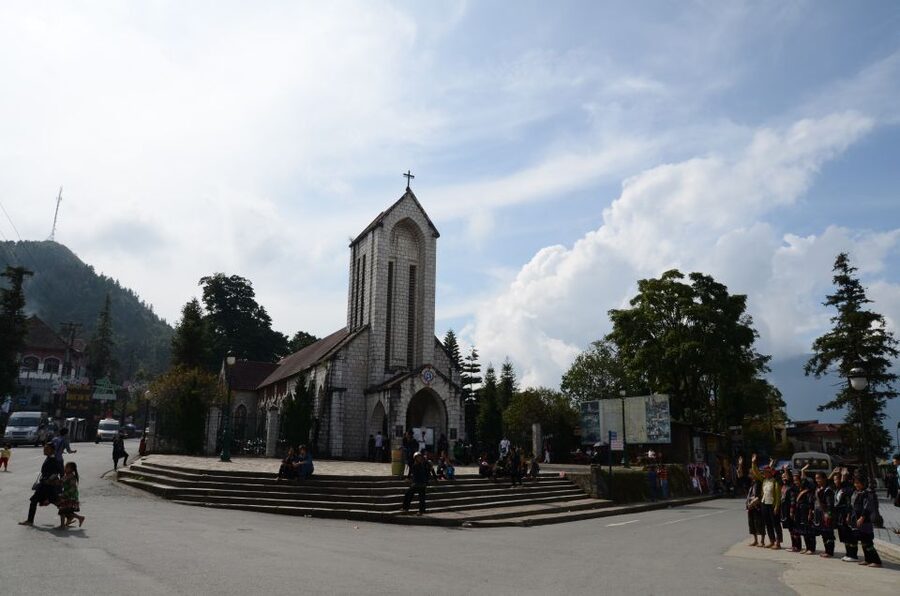
After the afternoon activity, you return to the hotel to shower. Dinner follows, then you can explore Sa Pa center on your own. That independent evening is a pleasant feature. You are not shepherded from one meal to the next, and you can visit the church, browse the town, or simply turn in early.
A practical Sa Pa hotel night
Accommodation is at a 3-star hotel in Sa Pa, based on twin sharing. A single supplement of $20 per room per night applies if you want your own room.
The hotel is less important here than its timing. You need a proper bed after the overnight train, a place to shower after trekking, and a base for the next morning. The included arrangement is functional rather than lavish, and the available feedback describes the hotel as satisfactory.
The schedule does not name the hotel, so room facilities and exact location may vary. If you care about a particular view, elevator, or walking distance to the center, ask before booking.
More Overnight and Sleeper Trains in Vietnam
- Private Overnight Train Hanoi To Sapa Or Return
★ 3.5 · 10 reviews - 3 Days Sapa Tour with Night Train from Hanoi
★ 4.5 · 8 reviews - Sapa Trekking Tour by Night Train from Hanoi 3 Nights – 2 days
★ 5.0 · 7 reviews - 2 days 3 Nights Sapa Trekking Tour by Night Train from Hanoi
★ 4.0 · 7 reviews
Your free morning, with Fansipan as an optional upgrade
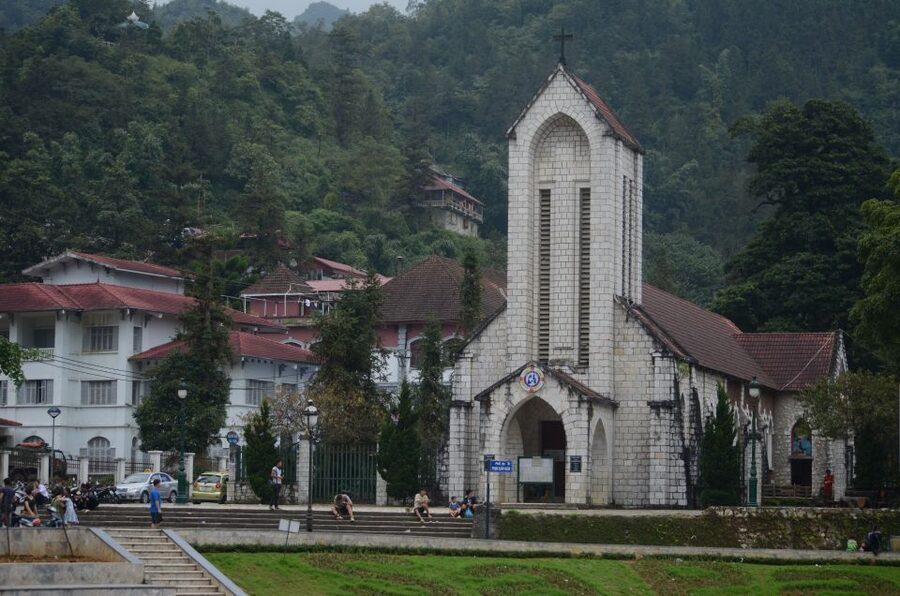
Day two begins with breakfast at about 7:30 AM. The morning is free for Sa Pa town, which gives you a chance to slow down after the full first day.
You can visit the church, local market, or Sa Pa Museum. The plan does not include a guided town walk, so this is your time to choose your own pace. I like that flexibility, especially after a tightly scheduled arrival day.
You can also add a Fansipan visit by cable car. The extra cost listed is $20 per person for the transfer and $36.50 per person for the return cable car ticket. Those charges are separate from the $145 tour price, so the optional mountain visit adds $56.50 per person.
Fansipan is not included automatically, and the schedule says you should request it so the transfer can be arranged. If you want this option, mention it before the trip rather than waiting until the morning. You will then return to the hotel for lunch before preparing for the ride back to Hanoi.
The sleeper bus back to Hanoi
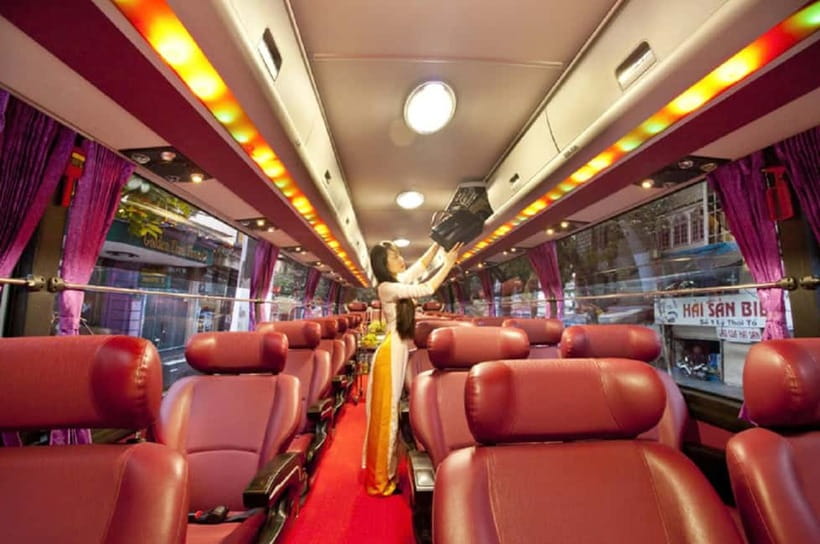
At about 1:30 to 2:00 PM, you board a sleeper bus for Hanoi. The expected arrival is around 8:30 PM.
This return method saves you another night on the train and gives you a different view of the route. It also means the final day is mostly transport. You will not have much time for extra sightseeing after lunch, so treat the bus as the end of the experience rather than trying to fit in another major activity.
The sleeper bus uses berth-style seating. That can be more comfortable than a standard coach, but it is not the same as having a private bed. One assessment described the bus, like the train, as a little borderline in comfort. If you are tall, sensitive to road movement, or poor at sleeping on vehicles, take that seriously.
The bus finishes at a station on Tran Quang Khai Street in Hanoi. You arrange your own onward trip to your hotel or accommodation. The information also describes the activity as ending back at the meeting point, so confirm the exact drop-off point and final transfer details when booking.
What the $145 price really covers

At $145 per person, the package has solid value if you want transport, guiding, meals, and a hotel organized in one booking.
The price includes:
- Pickup and transfer to Hanoi Railway Station
- Soft-sleeper train ticket in a four-person or six-person air-conditioned cabin
- A 3-star hotel in Sa Pa on a twin-sharing basis
- Meals stated in the schedule
- An English-speaking local guide in Sa Pa
- Entrance fees for Ma Tra, Ta Phin, Lao Chai, and Ta Van
- Sa Pa transfers and the sleeper bus to Hanoi
You are paying for convenience as much as for sightseeing. Planning the train, Lao Cai transfer, hotel, village transport, guide, and return bus separately would take more time and would leave you responsible for making each connection.
The price does not include drinks, travel insurance, tips, personal expenses, or the Fansipan add-on. A single supplement of $20 per room per night applies. Holiday dates also carry a surcharge of 700,000 Vietnamese dong per person, paid directly to the guide. The listed dates include April 30, May 1, September 1 to 3, December 24, December 31, and January 1.
Because the meal wording is not perfectly clear, ask exactly what is included. That small check prevents an avoidable surprise.
Who will get the most from this two-day plan
I would choose this experience if you have limited time in northern Vietnam and want Sa Pa without arranging the moving parts yourself. It suits you if you like local village walks, are happy with shared transport, and can handle a night on a train followed by an early morning.
It is also a good fit if you want to see both sides of the trip: rural communities and Sa Pa town. The first day gives you a guide and planned visits. The second morning gives you freedom to explore the center or add Fansipan.
I would think twice if you need quiet, private transport, or a slow schedule. The shared train cabin, sleeper bus, early Lao Cai pickup, and long first day can wear you down. People who want a serious trek should also ask for the route length and difficulty, since those details are not supplied.
Bring warm clothes from November through March. Sa Pa is high and can feel cold, particularly after an overnight journey. Good walking shoes, a small day bag, water, and a light rain layer are sensible additions, though the supplied information only specifically requires warm clothing.
The cancellation policy is reasonably flexible: you can cancel up to 24 hours before departure for a full refund, and you can reserve now and pay later. That helps if your northern Vietnam schedule is still shifting.
Should you book this Sa Pa experience?

Book it if you want an efficient two-day introduction to Sa Pa, especially the Black H’Mong and Red Dzao villages, without spending time building your own transport plan. The strongest parts are the local guide, the Ma Tra and Ta Phin visit, the Lao Chai to Ta Van trekking option, and the unusual train-in, bus-out arrangement.
Go in knowing that comfort is basic and the timetable is demanding. The $145 price is fair for the included transport, hotel, guide, meals listed, and entrance fees, but Fansipan costs extra and the train or bus may feel cramped.
My practical choice would be the long Lao Chai to Ta Van trek if walking is your priority, or Cat Cat if you want a gentler first day. Confirm the meals, the exact hotel, your transport arrangements, and the final Hanoi drop-off before you pay. If those details suit you, this is a useful, well-organized way to see Sa Pa in a short window.
FAQ
Where does the experience start?
It starts at Hanoi Railway Station, at 120 Le Duan Street.
How long does the experience last?
The trip lasts two days, with an overnight train journey from Hanoi to Lao Cai before the Sa Pa program begins.
How do I travel from Hanoi to Sa Pa?
You take a soft-sleeper, air-conditioned night train from Hanoi to Lao Cai, then transfer by vehicle to Sa Pa.
How do I return to Hanoi?
You take a sleeper bus from Sa Pa, leaving around 1:30 to 2:00 PM and arriving in Hanoi at about 8:30 PM.
Where does the return journey finish?
The sleeper bus finishes at a station on Tran Quang Khai Street. You arrange your own onward journey to your hotel or accommodation.
What villages are included?
The planned visits include Ma Tra, Ta Phin, Lao Chai, and Ta Van. You choose between the long Lao Chai to Ta Van trek and Cat Cat village with a waterfall for the afternoon activity.
Which communities can I learn about?
The experience introduces you to the Black H’Mong and Red Dzao communities, with explanations from a local English-speaking guide.
Is accommodation included?
Yes. One night at a 3-star hotel in Sa Pa is included, based on twin sharing. A $20 single supplement per room per night applies.
Can I visit Fansipan?
Yes, but Fansipan is optional and costs extra. The listed charges are $20 per person for the transfer and $36.50 per person for the return cable car ticket.
What should I bring?
Bring warm clothes, especially from November through March. Comfortable walking shoes are also sensible for the village treks.
Can I cancel the booking?
You can cancel up to 24 hours in advance for a full refund. The activity also allows you to reserve now and pay later.
More Walking and Hiking Trips in Hanoi
- Trekking Sapa – Bac Ha Market: Sleep on Train & Homestay
★ 4.5 · 7 reviews - 2-day Sapa Trekking & Fansipan Cable Car & Bus from Hanoi
★ 4.0 · 7 reviews - Sapa – Bac Ha Trek Tour – Night Train & Bus & Homestay overnight
★ 5.0 · 6 reviews - 2-Day Amazing Sapa Trek With Sleeper Train From Hanoi – Overnight At Homestay
★ 5.0 · 5 reviews
Just added around Hanoi
- Visit Train Street Hear History &Eat Local Food Know Culture★ 5.0 · 20 reviews
- Uncover Hanoi’s Hidden Treasures: Old Quarter & Train Street★ 5.0 · 61 reviews
- The insider’s Hanoi + Train Street 4,5 Hours Female Ao Dai Riders★ 5.0 · 53 reviews
- The insider’s Hanoi 4.5 hours All highlight Places & Train Street★ 5.0 · 41 reviews
- Female Riders Vespa Night Street Food + Train Street food 4 Hours★ 5.0 · 35 reviews
- Highlights and Secrets of Hanoi Old Quarter Through Train Street★ 5.0 · 24 reviews
- Red River island backroad, Rural Countyside Area and Train Street★ 5.0 · 57 reviews
- Hanoi Vespa After Dark Street food + Train Street+ Live Music★ 5.0 · 18 reviews
Hanoi Train Tours, compared.
Street Food Tour with Train Street & Hidden Alleyways
Read our review →
Guided Street Food Tour with Train Street Experience
Read our review →
Hanoi City Tour Highlight, Train Street Combine visit Countryside
Read our review →
Hanoi Walking Street Food Tour with Train-Street Visit
Read our review →
Hanoi Jeep City Highlight, Backstreet, Train Street, Countryside
Read our review →