
REVIEW · GERMANY
Private Sachsenhausen Concentration Camp tour with train
Sachsenhausen is not a sightseeing stop in the usual sense. It is a place of remembrance, and the triangular camp design, roll call square, and Station Z make Nazi cruelty feel coldly planned rather than distant or abstract. A private guide helps you understand what you are seeing without turning the visit into a rushed checklist.
I like two things here. First, your guide meets you at your hotel and handles the route by train, bus, and foot, giving the day a useful look at ordinary Berlin life along the way. Second, the private format lets you ask hard questions and slow down when a particular barrack, exhibit, or memorial needs more time. The main drawback is simple: $338.15 per person is a lot, especially since this is public transportation rather than a private vehicle.
Key points to know before booking
- A private guide from your Berlin hotel: Guides including Martin, Ioana, Maria, Klaus, Nickolai, Paul, and Chloe have been praised for clear explanations, patience, and good judgment during a difficult subject.
- Train travel is part of the plan: Hotel pickup means meeting your guide, not necessarily riding in a car. The route usually includes a train to Oranienburg and walking or local transport onward.
- Oranienburg adds useful context: The town was tied to the camp through forced labor and factories that used prisoners during the Nazi war effort.
- The site requires stamina: Expect roughly six hours overall, with some reports of 11,000 to 16,000 steps and uneven pavement.
- The camp visit is serious and detailed: You learn about imprisonment, forced labor, SS control, mass killing, liberation, and the Soviet special camp that followed.
- Plan for limited amenities: Wear solid walking shoes, bring water, and consider carrying food since meals are not included.
Why Sachsenhausen deserves a full day
Sachsenhausen was built just north of Berlin in 1936, during the period of the Nazi Olympics. It was intended to hold political enemies and became a model for the concentration camp system. Around 200,000 people were imprisoned there during the Nazi period.
That number is hard to grasp from a city museum. At Sachsenhausen, the shape of the grounds and the surviving structures give the system a physical scale. You see how prisoners entered, where roll calls took place, how barracks were arranged, and how the SS organized daily control.
This is a somber visit, not a pleasant outing. I would not book it simply because it is a major Berlin attraction. Book it because you want to spend several hours learning how persecution, forced labor, punishment, and mass murder were organized, and why memorial sites still matter.
The private format helps because the subject is too serious for a guide who simply recites dates. A good guide can explain the machinery of the camp, then pause when you need time to take in the place. Several guides have been praised for doing exactly that, including Klaus, who was noted for knowing when to stop talking, and Chloe, who allowed extra time in areas that interested the group.
More Private Train Tours in Germany:
- Dachau Concentration Camp Private Tour by Train from Munich
★ 5.0 · 185 reviews - Private Day Trip to Potsdam from Berlin by Train
★ 4.5 · 27 reviews - Salzburg History & Food Private Tour with Munich train add-on
★ 4.5 · 24 reviews
Meeting your guide and leaving Berlin by train
The day begins with hotel pickup. In practice, this usually means your guide meets you in the lobby or outside your accommodation and then takes you to the station. It does not mean a private car is guaranteed.
That distinction matters. One dissatisfied customer expected a vehicle, found the train journey and walking tiring, and felt the price was too high. The tour title and route make clear that the main transport is by train, but I would still confirm exactly what is included before paying, especially regarding train, bus, or local taxi fares.
The public transport route has a genuine advantage. You see a piece of everyday Berlin and the outer suburbs before arriving in Oranienburg. Guides often begin the historical explanation on the train, which gives you time to understand the camp’s place in the Nazi system before entering the memorial grounds.
Some guides have arranged tickets or helped with transit passes. Others have asked guests to provide their own. Do not assume the same arrangement for every departure. Ask the operator whether transport tickets are included, and bring a payment method for a taxi if the walking route becomes too much.
The journey also makes the six-hour duration understandable. You are not spending six hours inside the camp itself. Time goes toward hotel pickup, station transfers, the train, the route through Oranienburg, the walk or local connection to the memorial, the camp visit, and the return trip.
Oranienburg, a town tied to the camp
The first planned stop is Oranienburg, where you spend about 25 minutes walking through town. This is not filler. It helps show that the camp was not isolated from ordinary German society.
Local businesses and factories used prisoners as forced labor, including factories making war materials. Some residents took part in the Nazi system, while others knew enough to look away. The town benefited from the labor extracted from people held just outside its streets.
That connection is one of the most useful parts of the tour. It challenges the easy idea that concentration camps were hidden places known only to Nazi officials. The system depended on administration, transport, business, guards, contractors, and ordinary people who accepted the benefits or avoided asking questions.
The town walk is short, but its meaning carries into the memorial. You begin to see Sachsenhausen not only as a prison compound, but as part of a wider network of local and national power.
Entering Sachsenhausen Memorial
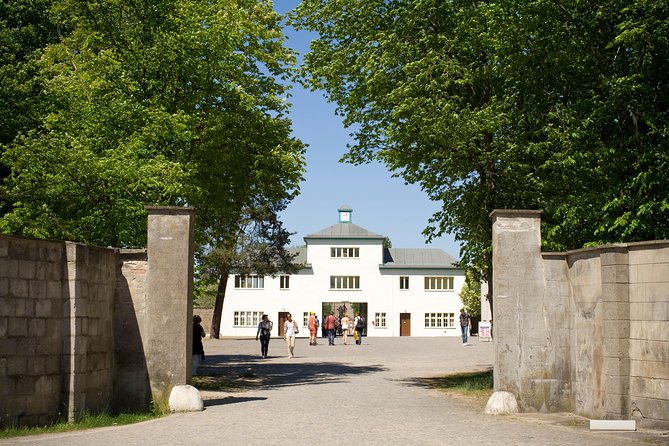
At the memorial and museum, your guide leads you through the former camp grounds. Admission to the memorial is included, and the guide is described as licensed and trained by the memorial authority.
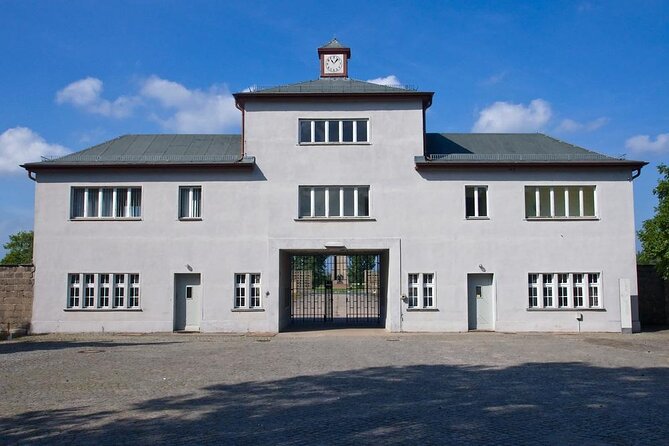
The entrance area and the camp’s layout are especially important. The triangular design was intended to help the SS control the prisoners from a central point. Tower A served as the main entrance, giving the camp a single, tightly controlled gateway.
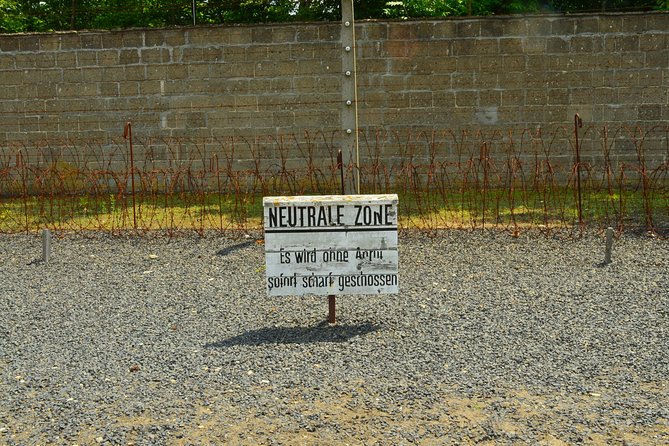
The roll call square is another key place. Prisoners could be forced to stand outside for long periods in cold, heat, or rain while guards counted them. The point was not only administration. Roll call was also a tool of humiliation, exhaustion, and control.
You will hear about overcrowding, forced labor, starvation, punishment, disease, and the way the Nazis reduced people to their usefulness as workers. One account describes barracks designed for about 150 people holding around 700. Details like this explain the system better than a list of dates.
The tour also addresses the camp’s role as a place where methods of repression were developed and applied. A guide can connect the buildings and routines to the wider Nazi structure, including political persecution, racial ideology, and the use of prisoners in the war economy.
More Train Tours in Germany:
- Dachau Concentration Camp Memorial Site Tour from Munich by Train
★ 4.5 · 5,637 reviews - Salzburg Sightseeing Day Trip from Munich by Rail
★ 4.5 · 3,125 reviews - Nuremberg: City Tour with the Bimmelbahn Train
★ 4.4 · 2,475 reviews - Würzburg: City Tour with the Bimmelbahn Train
★ 4.4 · 1,322 reviews
Station Z and the mechanics of killing
Station Z is one of the most chilling parts of the grounds. It was the area used for industrialized killing, and the name itself carries a grim logic: if Tower A marked the entrance, Station Z represented the end.
Your guide may explain how killing was organized and how the SS tried to make murder systematic and impersonal. This is difficult material. You should expect direct discussion rather than a softened version of the past.
The best guides balance facts with restraint. Maria, Daniel, Xavier, Martin, Ioana, and others have been praised for explaining the history clearly without treating the site as entertainment. That matters here. You need enough detail to understand what happened, but you also need room to think.
The visit can be emotionally draining. Give yourself permission to be quiet. You do not need to fill every pause with conversation or photographs. This is one reason a private tour can be better than a large group. Your guide can respond to your mood and spend time where you feel it is useful.
The museum, survivor testimony, and memory
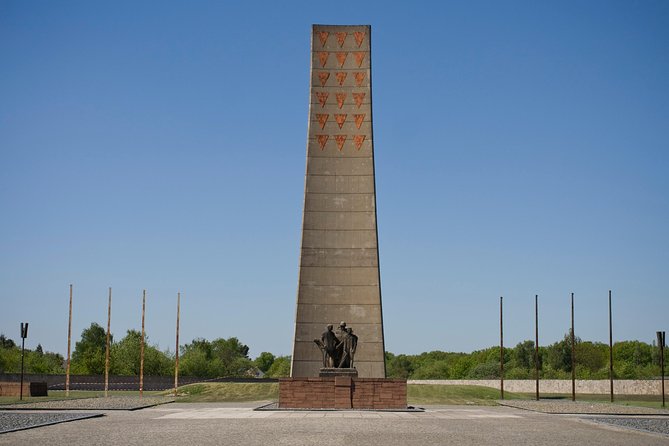
The museum adds evidence and individual stories to the physical grounds. You may find exhibits, documents, and survivor testimony that show how prisoners lived and how the camp operated.
The most effective historical explanation connects personal experience with institutional design. A prisoner’s fear, hunger, isolation, and need for support become easier to understand when you also see the barrack system, guard towers, roll call area, labor assignments, and punishment structure.
The guides draw on survivor accounts to make the history human. They also explain the efforts to preserve the site and keep the names and experiences of prisoners from being reduced to statistics.
Sachsenhausen is not only about Nazi crimes. After the camp was evacuated in 1945, Soviet authorities used it for another five years as a special camp for around 60,000 people, including Nazis and Nazi collaborators. That later chapter can be uncomfortable and confusing, but it is part of the site’s history and deserves careful explanation.
A strong guide also places Sachsenhausen within the wider setting of Nazi propaganda, the failure of international efforts to protect refugees, and the rise of extremist politics. Brian Bell, for example, has been praised for connecting the memorial to German political and social conditions today. That wider context helps you see why the site is not sealed safely in the past.
How much walking should you expect?
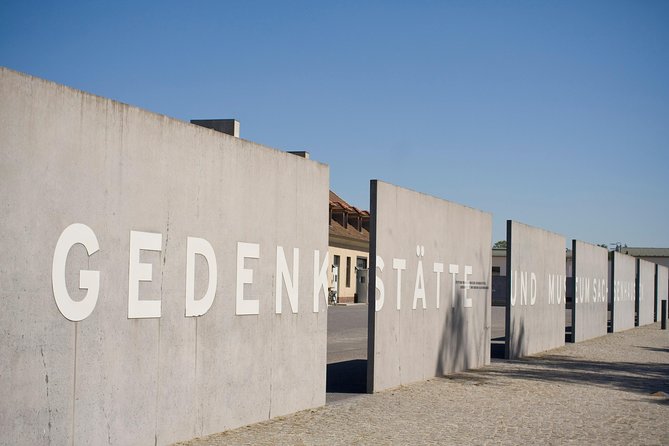
Plan for a physically demanding day. The official guidance calls for moderate fitness and says the tour is not recommended for people with limited mobility or walking impairments.
The route includes walking from the hotel to public transport, station changes, the trip to Oranienburg, the town walk, the route to the memorial, and extensive movement around the former camp. Some people have recorded about 11,000 steps. Another day reached 16,000 steps.
The ground can include uneven pavement, and amenities are limited. Wear comfortable shoes with good support. Bring water, and pack food because food and drinks are not included.
Taxi use can make the day easier. Guests have used taxis between Oranienburg station and the camp, sometimes paying about six euros for a short ride. Guides such as Walid have arranged taxis for groups with people who would struggle with the full walk.
Wheelchair access may be possible on an adapted route, but you should not rely on that without discussing your needs in advance. One guide, Natalie, found a route suitable for a parent using a wheelchair, yet the general tour information warns against limited mobility. Treat that as a promising example, not a guarantee.
Guide quality is the main reason to choose private
The guide makes or breaks this tour. The historical subject is serious, and a flat or hurried presentation would weaken the visit.
The strongest guide reports describe people who explained difficult ideas clearly, answered questions, adjusted the pace, and brought in local context. Martin has been praised for his knowledge of the camp, World War II, Berlin, and East Germany. Ioana has been praised for preparation, punctuality, and tailoring the explanation to the guest’s background. Paul, Daniel, Maria, Nickolai, Klaus, Hannah, Taylor, Pip, and Chloe have also been singled out for clear and respectful guiding.
You may not receive a particular guide, so do not book solely because one name appears in an account. The broader point is that the private format gives the guide room to adapt. A family with teenagers may need a different pace from a history specialist. Someone visiting several Holocaust museums may want comparison and context, while another person may need basic background on Hitler’s rise and the camp system.
The guide can also help with the practical details that make public transport less stressful. Meeting on time, finding the correct station, explaining the route, and arranging a taxi when needed all matter more on a long day outside central Berlin.
Is $338.15 per person a fair price?
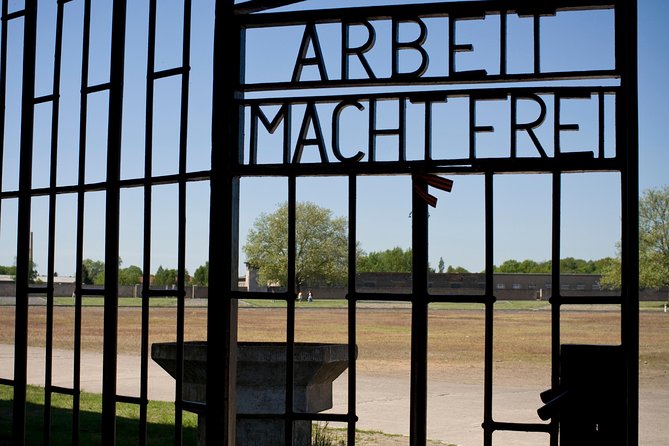
At $338.15 per person, this is a premium experience. You are paying for a private guide, hotel pickup and drop-off, a flexible departure time, and several hours of personal attention.
You are not paying for a private vehicle, food, or necessarily every transit fare. That makes the price harder to justify if you mainly want transportation to the memorial. A group tour or a self-guided visit may cost less and may suit you better if you are comfortable with the train route and want to set your own pace.
The private tour becomes better value when you care about interpretation. You can ask questions throughout the train ride and camp visit. You can request more context about Nazi Germany, forced labor, the Soviet period, or local involvement. You can also avoid being tied to a large group’s pace.
For a family or small group, compare the total price rather than focusing only on the per-person figure. Group discounts may be available, and the private rate can make more sense when divided among several people. Still, confirm the final price, group size, and transport arrangements before booking.
Who should book this experience?
I would choose this tour if you want a serious, guided study of Sachsenhausen rather than a quick outing. It suits people who value personal questions, historical context, and a flexible pace.
It is also a good fit if you are staying in a central Berlin hotel and do not want to work out the Oranienburg route alone. The guide handles the day’s structure and gives you useful background before you arrive.
I would hesitate if you dislike long public transport journeys, have limited walking ability, or expect hotel pickup to mean a private car. The six-hour schedule can feel long, and the site itself is emotionally heavy.
Book at least a little ahead when possible. The tour is often reserved about 41 days before the date, suggesting that popular departure times can fill. Free cancellation is available if you cancel at least 24 hours before the start time. Late cancellations and changes are not accepted for a refund.
Should you book the private Sachsenhausen tour?
Book it if you want the camp explained by a dedicated guide and you value the chance to ask questions throughout the day. The best parts are the local context in Oranienburg, the careful explanation of the camp’s design and operation, and the ability to move at your group’s pace.
Do not book it expecting a luxury transfer or a light half-day excursion. You will use public transportation, walk a great deal, and confront painful history. At this price, confirm ticket arrangements and mobility needs before booking.
For the right person, the cost buys more than a route to the memorial. It buys time, context, and a guide who can help you understand what the site asks of you: attention, honesty, and remembrance.
FAQ
How long does the Sachsenhausen tour last?
The tour lasts approximately six hours, including hotel pickup and drop-off, public transportation, the Oranienburg walk, and time at the memorial.
Is hotel pickup included?
Yes. Hotel pickup and drop-off are included. Pickup means the guide meets you at your hotel and travels with you, usually by public transportation, rather than guaranteeing a private vehicle.
Does the tour use a train?
Yes. The experience travels from Berlin to Oranienburg by train. The route may also include walking, a local bus, or a taxi.
Is transportation included in the price?
The tour includes hotel pickup and drop-off, but the supplied details do not clearly confirm that every train, bus, or taxi fare is included. Confirm transit costs before departure.
Is admission to Sachsenhausen included?
Yes. Admission to the memorial and museum is included.
Is this a private tour?
Yes. Only your group participates, and the guide can adjust the pace and answer questions specific to your group.
Is the tour offered in English?
Yes. The tour is offered in English.
How much walking is involved?
A considerable amount. The route includes station connections, the walk through Oranienburg, the route to the camp, and movement around the memorial. Some people have walked about 11,000 to 16,000 steps.
Is the tour suitable for someone using a wheelchair?
The general guidance does not recommend the tour for people with limited mobility or walking impairments. An adapted route has been arranged for a wheelchair user before, so discuss your needs with the provider in advance.
Are food and drinks included?
No. Food and drinks are not included. Bring water and consider packing food because amenities can be limited during the day.
Just added around Germany
- City tour through Regensburg with the little train★ 4.0 · 67 reviews
- City tour through Nuremberg with the little train – Christmas tour★ 4.0 · 23 reviews
- Nuremberg Private Guided Tour from Munich by Rail★ 4.5 · 23 reviews
- Dachau Concentration Camp Memorial Site Tour from Munich by Train★ 4.5 · 5,637 reviews
- Dachau Small-Group Half-Day Tour from Munich By Train★ 5.0 · 811 reviews
- Salzburg History & Food Private Tour with Munich train add-on★ 4.5 · 24 reviews
- Lübeck Day Trip From Hamburg By Train With Private Guide And Lunch★ 5.0 · 16 reviews
- Take the U Train: An Audio Story of Berlin’s Oldest Elevated Railway Line★ 4.0 · 2 reviews
Germany Train Tours, compared.
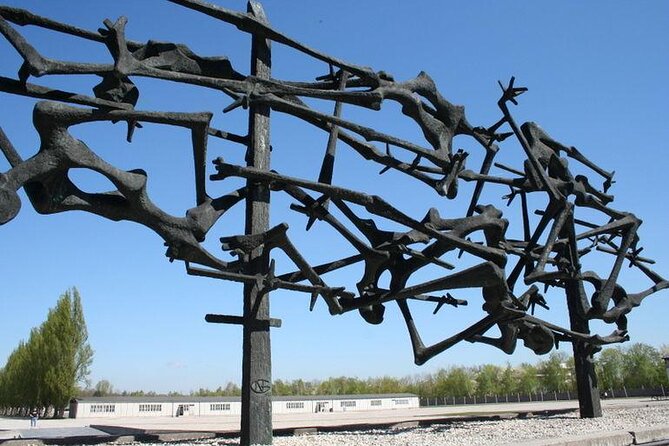
Dachau Concentration Camp Memorial Site Tour from Munich by Train
Read our review →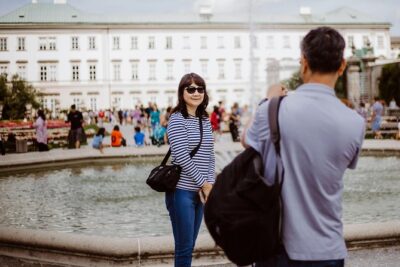
Salzburg Sightseeing Day Trip from Munich by Rail
Read our review →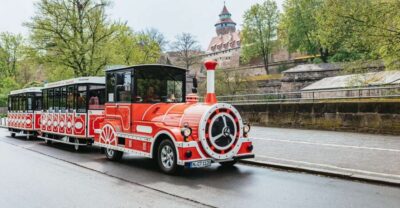
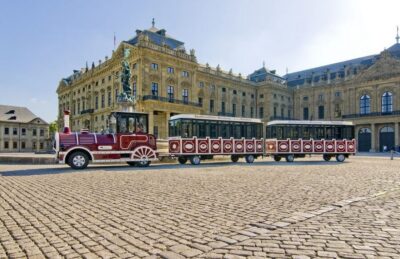
Würzburg: City Tour with the Bimmelbahn Train
Read our review →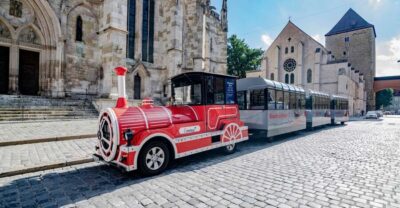
Regensburg: City Tour with the Bimmelbahn Train
Read our review →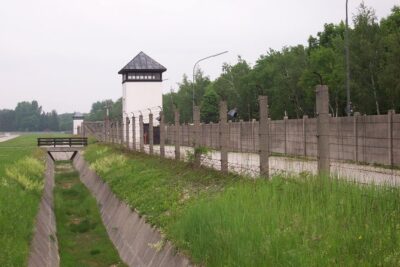
Dachau Concentration Camp Memorial Tour with Train from Munich
Read our review →
Guided Dachau Concentration Camp Memorial Site Tour with Train from Munich
Read our review →
Dachau Small-Group Half-Day Tour from Munich By Train
Read our review →Browse the lists this tour appears in