
REVIEW · CUSCO
Cusco: 4-Day Salkantay Trek to Machu Picchu, Panoramic Train
The best part of this four-day trip is the sharp change in scenery: you begin among snow-capped peaks, cross the high Salkantay Pass, then walk down into orchid-filled cloud forest before reaching Machu Picchu. I like the small group of up to 16 and the mix of outdoor comfort, with glamping, Andean huts, and a hotel night in Aguas Calientes. I also like the Pachamanca meal and coffee stop, which give the trek more local flavor than a simple point-to-point hike.
The main caution is the physical effort. Day two reaches 4,630 meters and includes a long descent, while day three combines a hike, transport, and another three-hour walk. The second night’s huts and bathrooms may feel basic, and a warm shower there can cost extra, so pack with realistic expectations.
Key points to know before booking
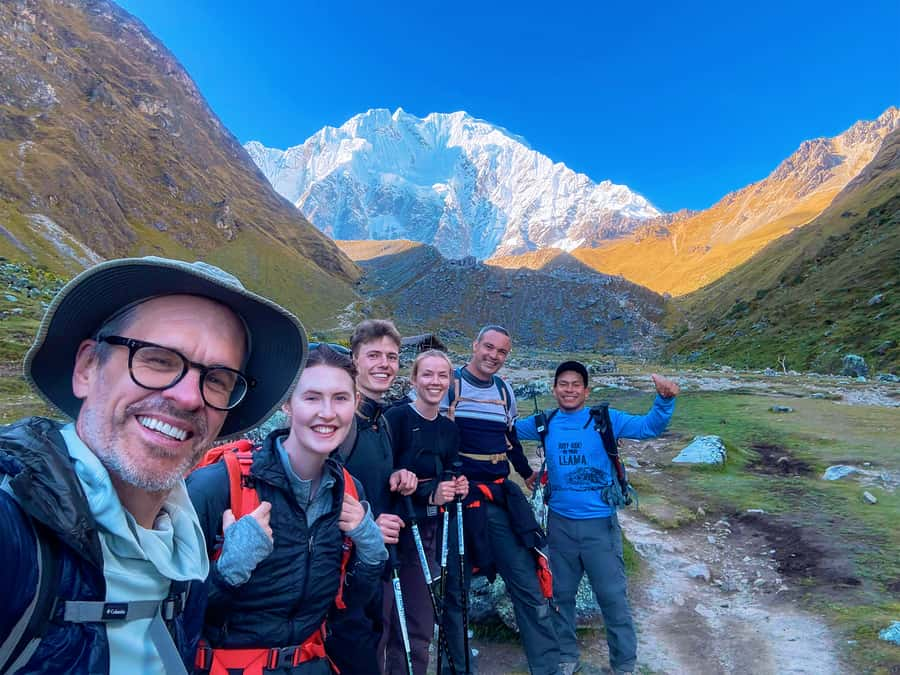
- 4,630-meter Salkantay Pass: The highest point comes on day two, after about two hours of uphill walking.
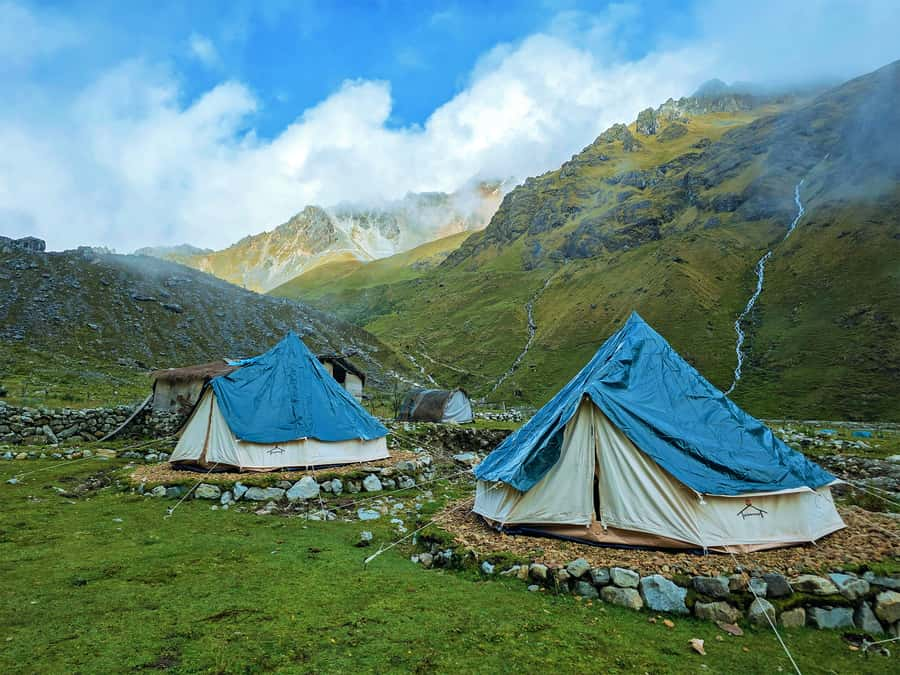
- Three very different sleeping styles: Sleep in a glamping tent, an Andean hut, and a 3-star hotel in Aguas Calientes.
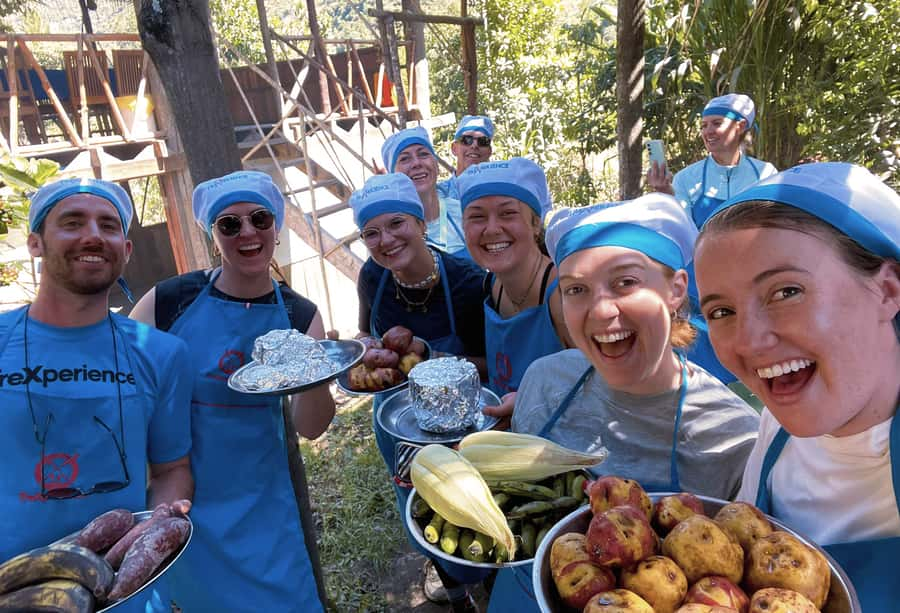
- A real food highlight: A Pachamanca barbecue cooks meat, vegetables, and fruit underground with hot stones.
- Coffee from bean to cup: At Lucmabamba, you learn about local coffee and prepare your own espresso.
- A comfortable return to Cusco: Your package includes a Vistadome or 360° panoramic train.
- A demanding route with support: Guides, cooks, a duffle transfer of up to 7 kilograms, first-aid gear, oxygen, and a satellite phone are included.
Why this Salkantay route is worth considering
The Salkantay Trek gives you a broader range of scenery than a short approach to Machu Picchu. You start in the dry, high Andes near Humantay Lake, walk beneath Salkantay Mountain, and then lose altitude into warmer forest. That change is the heart of the trip.
At $552 per person, the price covers much more than the hiking itself. You get transportation, accommodation, trail meals, a guide, entry arrangements listed for the trek and Machu Picchu, the special food and coffee activities, and the return train. You also receive a duffle bag, sleeping pad, pillow, rain poncho, hand towels, daily snacks, and water.
That package can be good value if you want the major details handled for you. It is less suitable if you prefer to arrange your own camps, carry all your gear, or travel at a slower pace. Before paying, check exactly which Machu Picchu ticket and circuit are included. The information supplied for this trip says Circuit 2 is the default, but it also separately advises booking Machu Picchu tickets ahead, so this point deserves confirmation.
The trip has an average rating of 4.3 from 17 ratings, with especially warm praise for the guides, cooks, organization, and food. The less flattering comments focus on the second night’s accommodation and the charge for a hot shower. That is a fair picture: the service and meals are a major strength, but not every night offers the same comfort.
More Scenic Train Journeys in Peru
- Cusco: Machu Picchu 2-Day Inca Trail with Panoramic Train
★ 4.9 · 260 reviews - Excursion to the Sacred Valley and Machu Picchu by Panoramic Train
★ 5.0 · 45 reviews - Inca Trail 4 Day Adventure to Machu Picchu with Panoramic Train
★ 5.0 · 34 reviews
Day one: Humantay Lake and your first night at SalkaGlamp
Your day begins early, with a 4:30 a.m. pickup from accommodation in Cusco’s historic center. Be in the lobby ten minutes before pickup, and look for the driver holding a sign with your last name. If you stay outside the Cusco district, you will meet the group at a designated point near the main square.
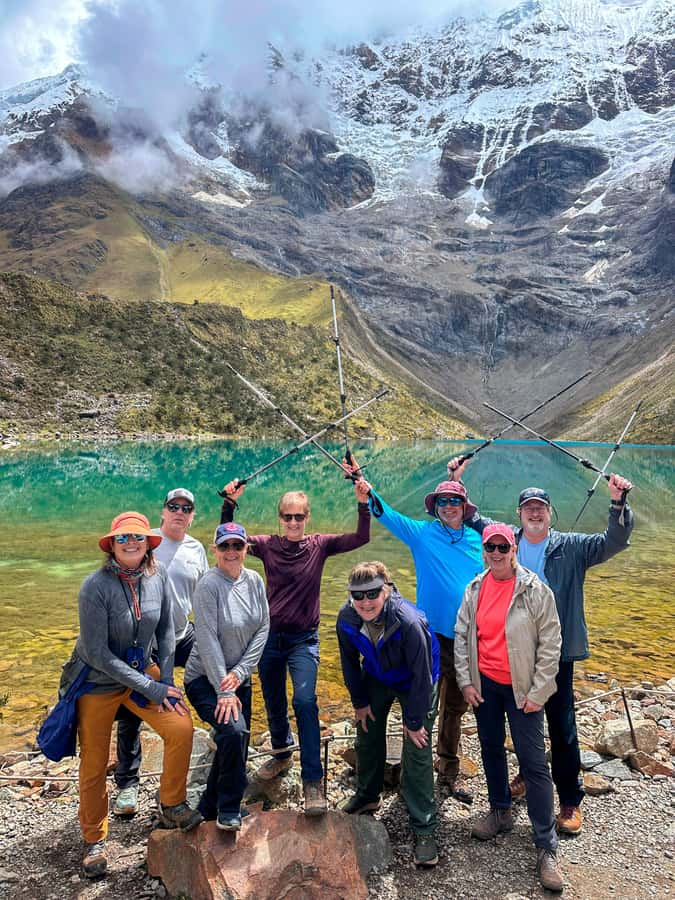
The drive goes through Andean valleys to Mollepata, where you stop for breakfast. From there, continue to Challacancha and begin walking toward Humantay Lake. The lake is known for its turquoise water, with mountain slopes rising around it. This is one of the trip’s most photogenic stops, but it comes early in the day and at altitude, before your body has settled into the trek.
After visiting the lake, you descend to Soraypampa for lunch. That downhill section is welcome after the climb, though your legs are only getting started. The route then continues toward the Salkantaypampa camp.
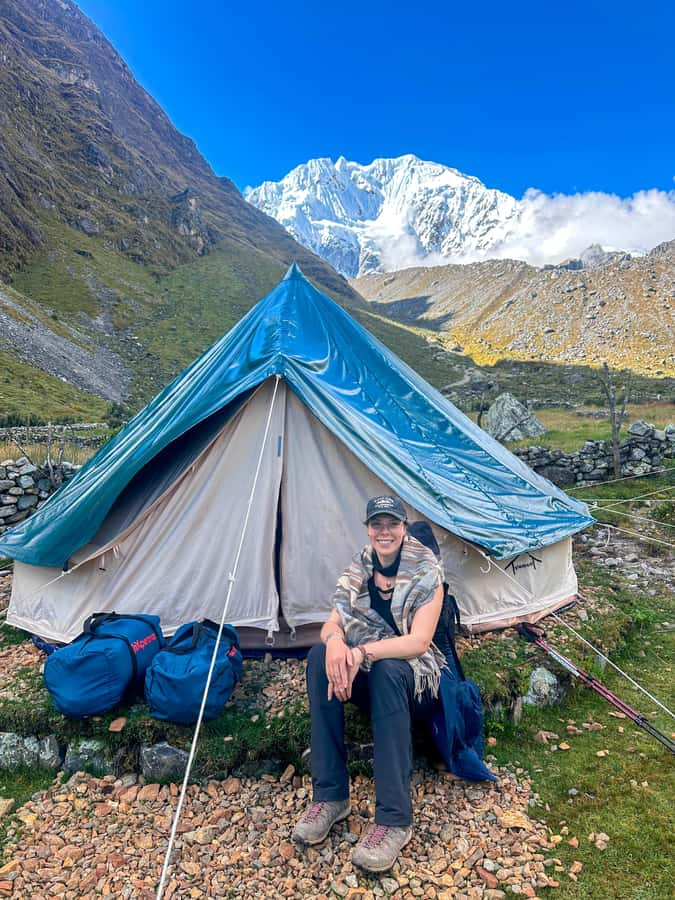
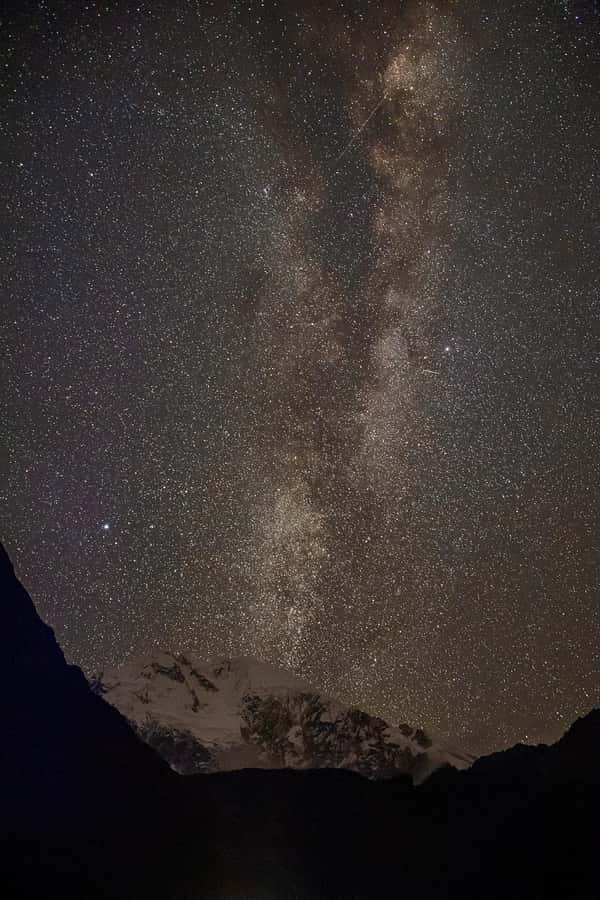
The first night is the most comfortable camping stop. Your glamping tent comes with a pillow and sleeping pad, and you have dinner at camp. The appeal is simple: you spend the night high in the Andes, with the possibility of clear stars and a quiet setting, without needing to pitch your own tent.
This is also a useful night for judging how your body handles the altitude. Take the first day steadily. Drink the provided water, use the snacks, and do not treat the Humantay Lake climb as a race. Your guide can help set the pace for the group.
Day two: Salkantay Pass at 4,630 meters
Day two is the physical centerpiece. Coffee or coca tea is brought to your tent in the morning, followed by breakfast. Then you begin about two hours of uphill walking to the Salkantay Pass, the highest point at 4,630 meters, or 15,190 feet.
At the pass, you can look toward snow-capped peaks and the lake below Salkantay Mountain. This is the moment that gives the trek its name and its sense of achievement. It is also the point where altitude matters most. Even fit hikers can feel short of breath, so keep your steps short and steady.
The descent to Wayracmachay takes about three hours, followed by lunch. Descending is easier on your breathing but can be hard on knees and thighs. Trekking poles are available to rent, and I would seriously consider them for this section, especially if you are not used to long mountain descents.
After lunch, the route continues for another three hours into cloud forest. The change is dramatic. Snow and exposed high country give way to flowers, orchids, and hummingbirds. The warmer, greener setting makes the route feel like a new trek rather than the second half of the same day.
By evening, you reach Collpapampa and sleep in Andean huts. These are not a hotel replacement. The accommodation and bathroom facilities can be rough, and a hot shower may cost extra. Bring a small towel, toiletries, hand sanitizer, and patience. The setting is close to nature, but the comfort level is basic.
The strong point of this day is the careful route design. You tackle the highest climb before descending into easier, warmer country. One past group described the higher first camp as useful for adapting before the pass, and that makes practical sense. The hard part is concentrated, not spread across every day.
Day three: Pachamanca, coffee, and the walk to Aguas Calientes
After breakfast at Collpapampa, you hike for about three hours to Lucmabamba. This section continues through warmer forest and leads to two of the trip’s most distinctive activities.
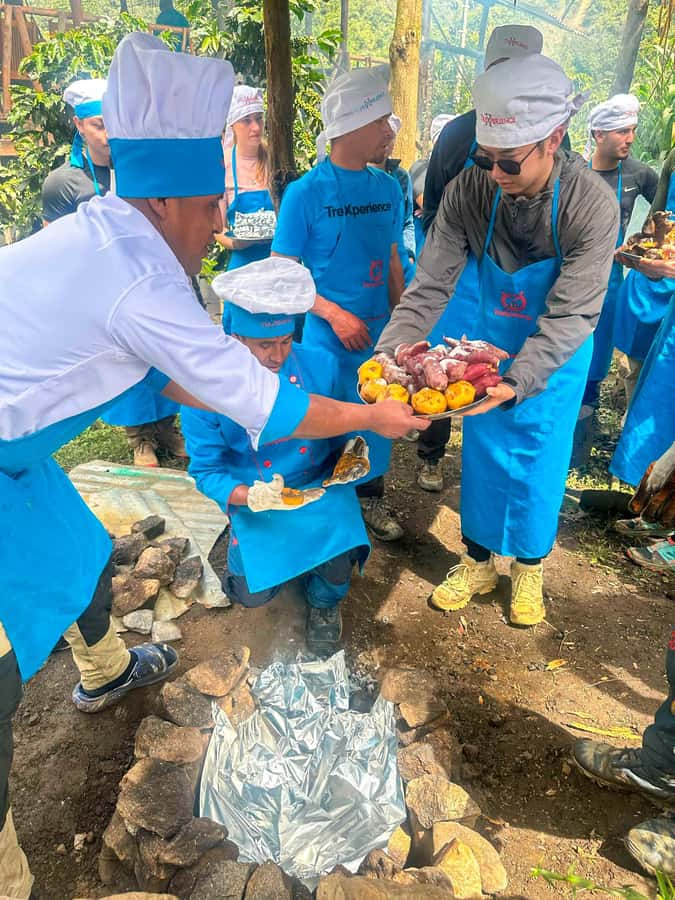
The first is a Pachamanca barbecue. Food is cooked underground with hot stones, including vegetables, fruit, and meats. This is more than a standard trail lunch. It connects the meal to an Andean cooking method and gives you a chance to see how food can be prepared with local materials and plenty of time.
At a nearby coffee farm, you learn how coffee moves from bean to cup. You also prepare your own espresso. If you care about food and drink, this may be one of the most memorable parts of the trip. Several group accounts praised the cooks and the variety of fresh meals, and one highlighted the coffee-making as a favorite activity.
The walk is not over after lunch and coffee. You take a vehicle to Hidroelectrica, then walk for about three hours to Aguas Calientes. The trail section follows the approach toward Machu Picchu, but it is still a long day. Save some energy for the final stretch.
In Aguas Calientes, you check into a 3-star hotel, eat dinner at a local restaurant, and prepare for an early start. This hotel night is a welcome change after the huts. You will want the proper bed, shower, and chance to organize your small daypack for Machu Picchu.
The trip provides a duffle bag for up to 7 kilograms of personal belongings. Use it for clothing and overnight items, while keeping passport, money, camera, medication, and anything essential in your daypack. The portered duffle system means you do not need to carry every item over the pass.
More Machu Picchu Train Tours in Cusco:
- The First Class Machu Picchu Train by Inca Rail
★ 4.0 · 182 reviews - From Cusco: 1-day Machu Picchu Tour by Train
★ 4.6 · 138 reviews - From Cusco: Sacred Valley & Machu Picchu 2-Day Tour by Train
★ 4.9 · 79 reviews - Machu Picchu 2-Day Adventure by Train with Overnight Stay
★ 5.0 · 70 reviews
Day four: Machu Picchu and the panoramic train
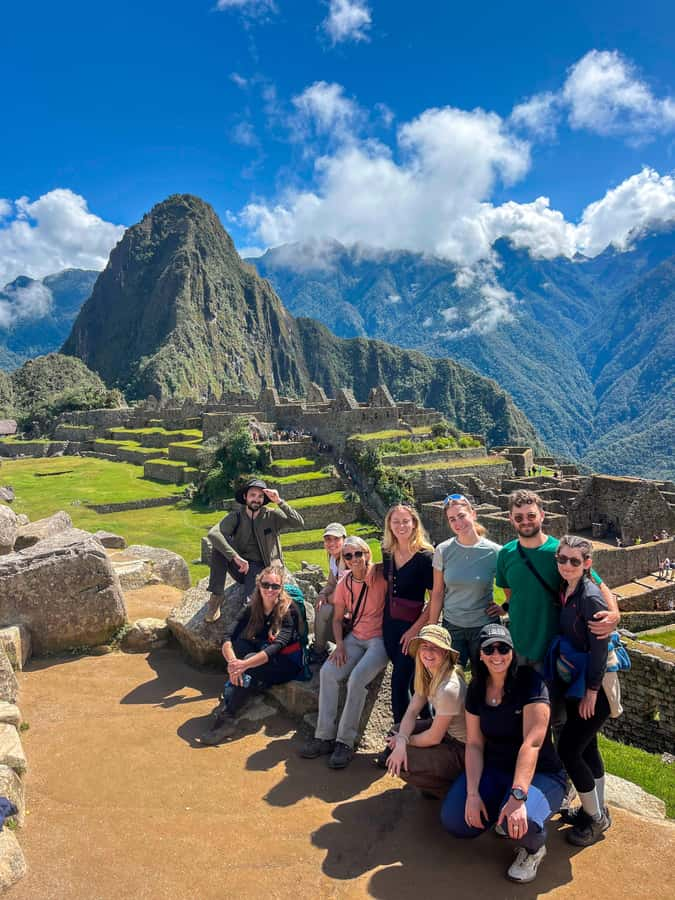
The final morning begins early. You take one of the first buses up to Machu Picchu and may see morning light over the surrounding mountains. Early access also helps you begin the guided visit before the day feels fully crowded, although the exact experience depends on entry times and site rules.
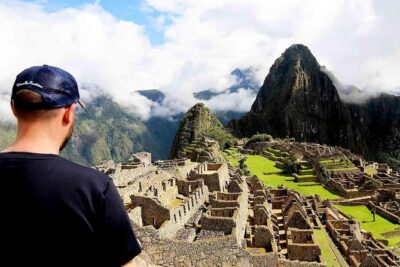
Your guide leads a two to three-hour visit through the citadel. The focus is on the main areas, with explanations of Inca history and the questions that still surround the site. This guided time matters because Machu Picchu is easy to admire but harder to understand from signs alone.
Circuit 2 is listed as the default route. If it is sold out, Circuit 1 or Circuit 3 may be assigned. Huayna Picchu and Machu Picchu Mountain are optional and require advance booking. If one of those climbs is important to you, arrange it early and confirm how it fits with the main guided circuit.
After the visit, you return to Aguas Calientes for lunch, which is not included. Keep money ready for this meal, and do not count on the tour price covering it. Then you board either the Vistadome or 360° panoramic train for the journey back toward Cusco.
The train is a good finish after several long walking days. Large windows and broad views let you watch the scenery change from the warm valley back toward the highlands. The company then transfers you to your Cusco hotel.
Guides, cooks, and the human side of the trek
The guide can make a major difference on a route that includes altitude, changing weather, and several accommodation changes. Names praised in past departures include Alex, José, Filio, Roger, and William. Their roles included explaining Inca culture, keeping the group updated, helping slower walkers, and coordinating the wider team.
You should not assume you will receive a specific guide, but the pattern is clear: guide support is one of the better reasons to choose an organized small-group trek. One guide can lead the main group while another stays with hikers who need more time. That matters on the Salkantay Pass and during the long descent.
The cooking teams also receive strong praise. Cooks named in past departures include Félix, Zenobio, Dionissios, Ismael, and Evangelino’s wider support team. The included menu is not just basic fuel. You receive three breakfasts, three lunches, three dinners, water, and daily snacks, with local dishes and plenty of food intended to support long walking days.
Special diets must be reported when you book. Do not wait until the first breakfast, since the cooking team needs notice.
What to pack for comfort and safety
Bring a passport, hiking shoes, comfortable clothes, warm layers, rain gear, sun protection, insect repellent, toiletries, a flashlight, cash, and a change of clothes. The route moves from cold high altitude to warmer forest, so one fixed outfit will not work well.
A student card is also listed among the items to bring. Pack tissues or hand sanitizer, since facilities vary, especially at the basic hut accommodation. A camera, sunglasses, and a sun hat will be useful, but keep electronics protected from rain.
Sleeping bags, air mattresses, and trekking poles are not included, but they can be rented. I would give special attention to the sleeping bag and poles. The camps provide a sleeping pad, but nights at altitude can be cold, and poles can make the long descent much easier.
The operator supplies a rain poncho, pillow, hand towels, first-aid kit, oxygen tank, and satellite phone. Those items do not remove the need for good preparation, but they provide sensible backup on a remote route.
This tour is not suitable for pregnant women, people with back or heart problems, people with mobility impairments, or wheelchair users. Children must be accompanied by a responsible adult.
Who should book the Salkantay Trek?
I would choose this trip if you want Machu Picchu paired with a serious mountain walk, but you still want meals, gear support, organized transport, and a comfortable final night. It suits hikers who can manage long days and who enjoy seeing the Andes change from high pass to forest.
I would think twice if your priority is hotel-level comfort every night. The glamping camp and Aguas Calientes hotel are appealing, but the Collpapampa huts are basic. You also need to accept a 4:30 a.m. start, high altitude, long descents, and a non-refundable booking.
At $552, the trip offers solid value for someone who would otherwise need to arrange several transfers, meals, camps, guides, site access, and the return train separately. Confirm the Machu Picchu ticket details, circuit, and any optional mountain ticket before booking.
Should you book it?
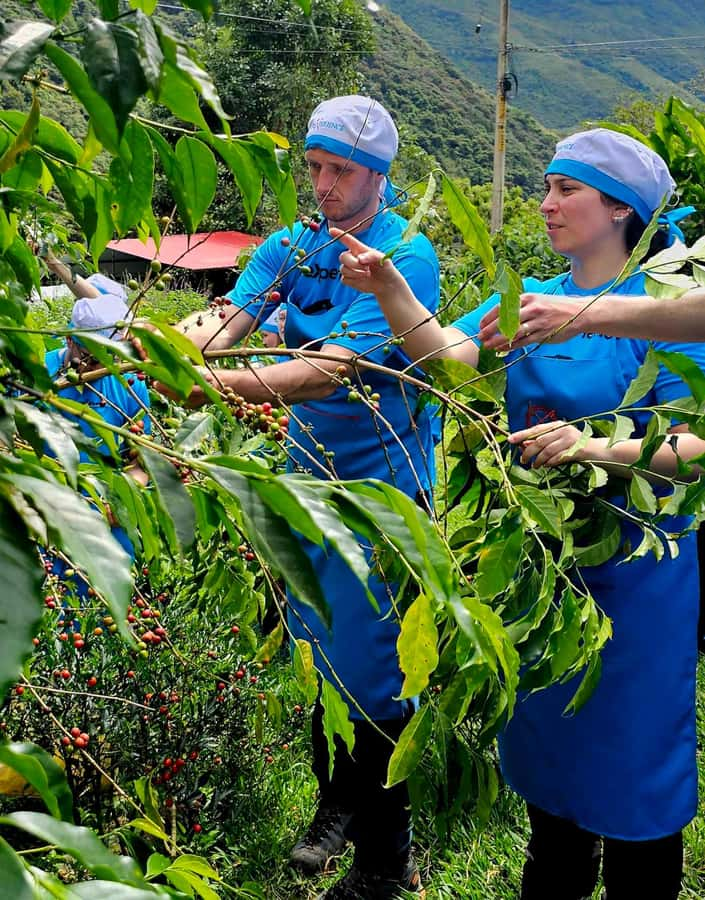
Book this Salkantay Trek if you want the full progression from Humantay Lake and snow peaks to cloud forest, coffee farms, and Machu Picchu, with a helpful support team around you. The food, guide care, and return train add real value.
Choose another option if you need polished accommodation throughout or if you are not ready for the altitude and back-to-back long walks. For prepared hikers who want variety and local food rather than a simple road trip to Machu Picchu, this is a strong four-day choice.
FAQ
How difficult is the four-day Salkantay Trek?
The trek is demanding. Day two includes a two-hour ascent to the 4,630-meter Salkantay Pass and a three-hour descent, followed by another three hours into cloud forest. Day three includes a three-hour hike to Lucmabamba and a further three-hour walk from Hidroelectrica to Aguas Calientes.
What accommodation is included?
You spend one night in a glamping tent at Salkantay Camp, one night in Andean huts at Collpapampa, and one night in a 3-star hotel in Aguas Calientes. The Aguas Calientes hotel includes breakfast.
Are meals included?
The tour includes three breakfasts, three lunches, three dinners, water, and daily snacks during the trek. The Pachamanca barbecue is included, but lunch on the final day in Aguas Calientes is not.
Is the Machu Picchu ticket included?
The included services list entrance tickets for the Salkantay Trek and Machu Picchu, while the exclusions also say Machu Picchu tickets must be booked ahead. Confirm the exact ticket arrangement when booking. Circuit 2 is the default, with Circuit 1 or 3 assigned if needed.
Can I visit Huayna Picchu or Machu Picchu Mountain?
Yes, both are listed as optional hikes, but tickets must be booked in advance. They are not part of the standard tour unless separately arranged.
What train returns to Cusco?
The return is by either the Vistadome or 360° panoramic train. Transportation back to your Cusco hotel is included after the train journey.
More Walking and Hiking Trips in Cusco
- St. Lucia Zip line, Aerial Tram and Hiking tour Ultimate 3
★ 5.0 · 313 reviews - St Lucia Ultimate 3: Aerial Tram, Zipline and Hiking at Rainforest Adventures
★ 4.5 · 262 reviews - Tour with the Mountain Train, Trek to Mystic Forest and Castle
★ 5.0 · 101 reviews - Babonneau/Castries: Rainforest Zip Line, Tram, and Hike Tour
★ 4.1 · 77 reviews
More Scenic Train Journeys in Cusco
- Private Machu Picchu Day Tour by Panoramic Train
★ 5.0 · 32 reviews - Cusco: 4-Day Lares Trek to Machu Picchu with Panoramic Train
★ 4.9 · 20 reviews - 2-Day Inca Trail Hike to Machu Picchu & Panoramic Train
★ 4.7 · 7 reviews - From Cusco: Machu Picchu Private Day Trip on Panoramic Train
★ 5.0 · 6 reviews
Just added around Cusco
- Tour to Machupicchu By Train Full-Day★ 4.5 · 56 reviews
- Machu picchu one day by train all included★ 4.5 · 53 reviews
- Tour To Machupicchu 2 Days by Train★ 5.0 · 64 reviews
- Machu Picchu 1 Day Tour from Cusco by Train★ 5.0 · 44 reviews
- 2-Day Sacred Valley Machu Picchu by Train with Llama Experience★ 5.0 · 55 reviews
- Machu Picchu Tour By Train (2 Days)★ 4.5 · 49 reviews
- Excursion to MachuPicchu with Train Vistadome Full Day★ 4.5 · 31 reviews
- Machu Picchu 2-Day Adventure by Train with Overnight Stay★ 5.0 · 70 reviews
Cusco Train Tours, compared.
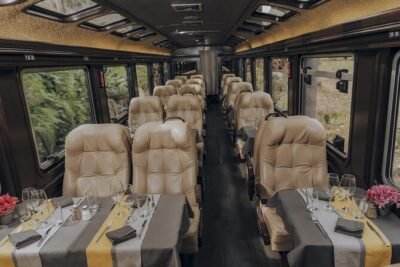
The First Class Machu Picchu Train by Inca Rail
Read our review →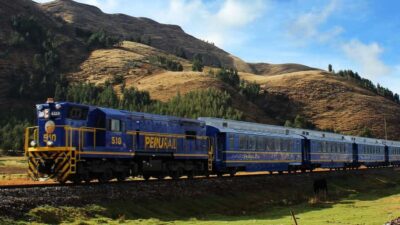
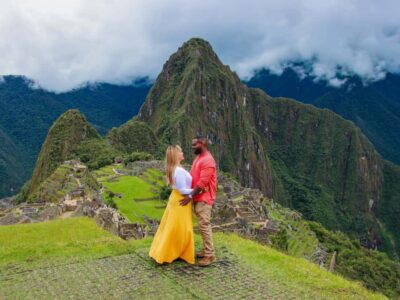
Sacred Valley & Machu Picchu 2-Day Tour by Train
Read our review →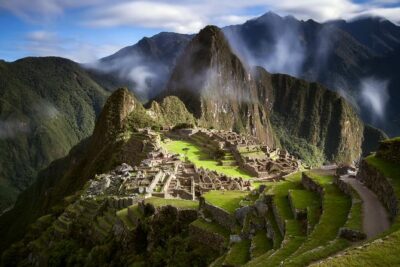
Machu Picchu 2-Day Adventure by Train with Overnight Stay
Read our review →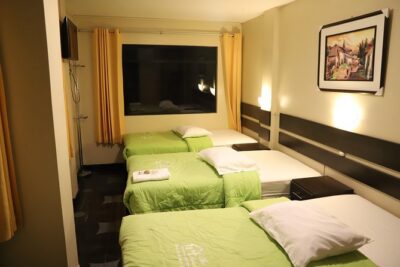
2-Day Sacred Valley Machu Picchu by Train with Llama Experience
Read our review →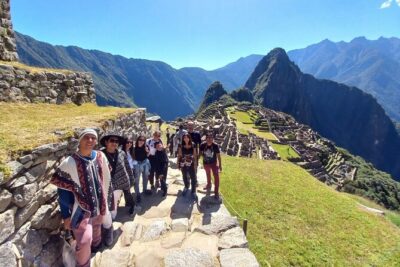
Browse the lists this tour appears in