
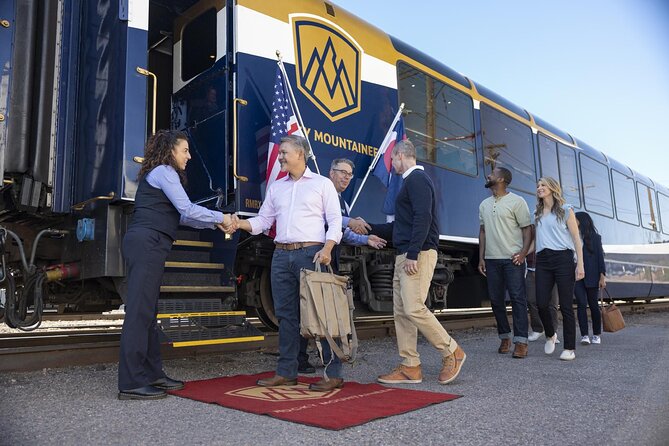
REVIEW · USA
Rockies to the Red Rocks Train Moab to Denver SilverLeaf
The best part of this journey is the route itself. You watch Utah’s red-rock country give way to Colorado canyons, rushing rivers, snowy mountain country, and the Front Range, all from a comfortable rail car. I especially like the slow, scenic pace and the fact that your luggage is handled while you enjoy meals and commentary. The overnight in Glenwood Springs breaks up what could otherwise be a long day.
The main drawback is simple: this is a sightseeing train, not a hop-on, hop-off tour. The train passes Arches National Park, Ruby Canyon, Cisco, Winter Park, and other notable places without stopping. At $1,723 per person, the package can be good value if you want the meals, service, hotel, and views, but it is a serious price for a two-day trip.
Key points to know before booking
- Moab to Denver by rail: The route takes you from Utah’s red-rock desert through Colorado’s river canyons and high country.
- Arches without a park visit: You pass near Arches National Park, but the train does not stop, so plan a separate Moab stay if you want to explore it.
- SilverLeaf service: Meals, snacks, beverages, friendly Hosts, restrooms, and luggage transfers are included.
- One night in Glenwood Springs: Your midpoint hotel and transfers are covered, with time to visit the famous hot springs.
- The best scenery comes on Day 2: Glenwood Canyon, Gore Canyon, the Colorado River, Moffat Tunnel, Boulder, and the Continental Divide fill the second morning and afternoon.
- A small group feel: The activity lists a maximum of 15 participants, though the train itself is part of a larger rail operation.
Why this train route is special
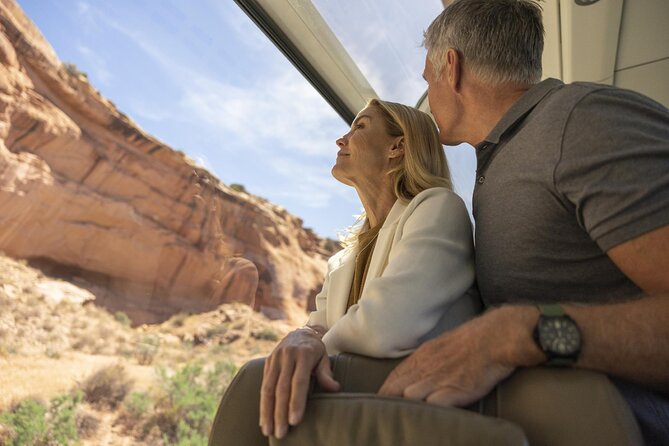
Rocky Mountaineer’s Rockies to the Red Rocks route is built around scenery you would normally see in fragments from a highway. You are not rushing from Moab to Denver on Interstate 70. Instead, you follow old rail corridors, river valleys, canyon walls, and mountain grades that make the journey itself the main event.
I like this kind of trip for one reason: you can keep your eyes outside. There is no need to navigate, hunt for a parking place, or pull over every few minutes. Your Host brings food and drinks to your seat, and the train carries you through places that are hard to reach by road.
The standard SilverLeaf package includes breakfast, lunch, dinner, snacks, and complimentary beverages. It also includes gratuities, onboard restrooms, luggage handling to and from the midpoint hotel, and motorcoach transfers between central meeting points and the train. That matters because the cost is not just paying for a seat beside a window.
The experience still requires realistic expectations. This is not a national park tour with guided walks. Most named places are viewed from the train, and the schedule gives you little time to explore towns along the route. Think of it as a moving panoramic tour with one overnight stop.
More Train Tours in the USA:
- Verde Canyon Railroad Adventure Package
★ 4.5 · 2,821 reviews - Key West Conch Tour Train
★ 4.5 · 792 reviews - Streetcar Food Tour and Findlay Market with Riverside Food Tours
★ 5.0 · 653 reviews
Day 1: Leaving Moab through Utah’s red-rock country
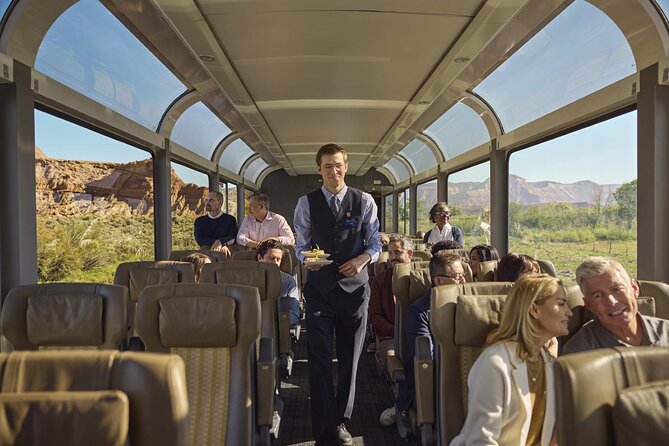
Your journey begins at the Rocky Mountaineer Moab Guest Centre at 59 South Main Street. The listed start time is 2 p.m., and the exact train meeting details are provided in your final travel documents. A central motorcoach transfer is included as part of the departure arrangements.
Moab is a fitting starting point. It is known as the gateway to Utah’s Mighty Five national parks, including Arches, Bryce Canyon, Canyonlands, Capitol Reef, and Zion. You will not see all five on this train trip, of course, but Moab gives you a chance to add park time before the rail journey.
Once aboard, the first stretch is all about red sandstone, open desert, and the La Sal Mountains. These mountains rise sharply beyond the desert and form a striking contrast with the warm-colored rock closer to the train. The route passes near Arches National Park, home to more than 2,000 natural arches, including Landscape Arch with its 306-foot opening.
Here is the important catch: the train passes the park but does not stop. If Delicate Arch, the Windows, or a proper park drive is on your list, spend extra time in Moab before boarding. This rail trip gives you a broad view of the region, not an Arches National Park visit.
The train then moves through Thompson Springs. The town has only a few remaining buildings, and nearby Thompson Wash contains rock art listed on the National Register of Historic Places. You will not get out to see the petroglyphs and pictographs, but the passing view adds a human layer to the otherwise stark canyon country.
Cisco offers another quick glimpse into the past. It once served as a water stop for steam locomotives on the Denver and Rio Grande Western Railroad. Later, the end of steam trains and the arrival of Interstate 70 helped turn it into a near-ghost town. Film fans may recognize Cisco from Thelma and Louise.
Ruby Canyon and the Colorado border
One of Day 1’s strongest sections is Ruby Canyon. Red sandstone walls rise along a roughly 25-mile stretch of the Colorado River, and much of this river corridor is difficult to reach by car. The train gives you a comfortable way to see the canyon while following the river through its narrow red-rock setting.
Look for the painted Utah and Colorado border marker on the canyon wall. It is a small detail, but it helps you understand the route as you cross from one state into the next.
The train continues through Fruita, known for dinosaur fossils and the odd local story of Mike the Headless Chicken. Fruita also sits among mesas and agricultural land, a reminder that western Colorado is not only cliffs and desert. Grand Junction follows, located near the meeting point of the Gunnison River and the Colorado River.
Palisade brings fruit orchards, peaches, and Colorado’s first wine region into view. Mount Garfield rises above the town, forming part of the Book Cliffs, a long band of sandstone stretching roughly 200 miles across the Utah and Colorado border area.
As the afternoon continues, the scenery becomes more mountainous near New Castle and De Beque Canyon. The Colorado River remains your main companion. The area supports fishing, rafting, and kayaking, and the surrounding country is home to deer, elk, black bears, and mountain lions. You might spot wildlife, but the train’s movement and the distance make sightings unpredictable.
Glenwood Springs: A useful overnight pause
You arrive in Glenwood Springs in the evening. This old resort town is more than a place to sleep. Its hot springs give you a chance to loosen up after several hours in the train seat, though the exact amount of free time depends on your arrival and hotel arrangements.
Your hotel may be within walking distance of the station area, and a complimentary motorcoach transfer is also available. A Rocky Mountaineer representative provides the next morning’s pickup details on the way to the hotel, so keep those instructions handy.
The overnight stop is one of the smartest parts of the schedule. Without it, Moab to Denver would be a long continuous rail day. Glenwood Springs divides the trip into two manageable sections and gives you a taste of a historic Colorado resort town.
Still, do not book this expecting a full Glenwood Springs visit. The stop is designed around the rail schedule. If you want a long soak, dinner out, or time to explore town, you may need to plan carefully around the evening arrival and morning departure.
Same tracks, a very different ride:
- Jackson Hole: Aerial Tram and Gondolas Sightseeing
★ 4.8 · 632 reviews - Washington DC: Arlington Nat. Cemetery Ticket & Tram Tour
★ 4.6 · 544 reviews - New York City Slavery and Underground Railroad Tour
★ 5.0 · 411 reviews - Alaska Railroad Anchorage to Seward Round-Trip Same Day Return
★ 4.5 · 371 reviews
Day 2: Glenwood Canyon, Gore Canyon, and the river
The second morning begins with a two-course hot breakfast made with locally sourced ingredients. This is where SilverLeaf service becomes especially practical. You can eat while the scenery starts moving past your window instead of searching for breakfast before an early departure.
Leaving Glenwood Springs, the train enters Glenwood Canyon, one of the most striking natural features along the route. The canyon walls rise close to the Colorado River, and the combination of rock, water, and rail line makes this a strong start to the day.
Gore Canyon brings an even wilder setting. Its cliffs rise more than 1,000 feet above the river in places, and the upper section drops about 300 feet over three miles. The river here includes difficult Class 4 and 5 rapids, with names such as Fisherman’s Nightmare and Applesauce.
You may see rafters along this part of the Colorado River. The train follows the river for much of the day, so the views keep changing without losing their central thread. Byers Canyon offers more rugged walls and another chance to spot native wildlife.
These canyon sections are why rail works so well here. The route lets you see river bends and cliff faces without the pressure of driving a winding road. The tradeoff is that you cannot stop at the viewpoint that catches your eye. Your best strategy is to keep your camera ready and avoid spending the whole ride looking at a screen.
Winter Park and the Moffat Tunnel
The train passes Winter Park, a mountain resort town with a long connection to rail travel. Skiing began there in 1940, with access provided by the Denver and Rio Grande Western Railroad Ski Train. The town now has about 3,000 acres of skiing terrain and receives roughly 300 inches of snow each year.
Winter Park is a pass-by point, not a station visit on this itinerary. You will see the setting and learn how the railroad helped make the resort accessible, but you will not have time for skiing or town exploration.
After Winter Park, the train enters the Moffat Tunnel. The tunnel cuts through 6.2 miles of mountain terrain as the route crosses the Continental Divide. This is less about a view and more about the railroad’s engineering. The train has to gain elevation while keeping the grade suitable for rail, a challenge that shaped the entire route.
The Big 10 Curve is another engineering feature later in the journey. Its tight 10-degree curves add track length and help keep the grade at about 2 percent. These details may sound technical, but they help explain why the train does not simply charge straight toward Denver.
Boulder, the Front Range, and Denver
As you continue toward Denver, the train passes Gross Reservoir Dam. The reservoir supplies water to Denver and to agricultural areas east of the mountains. Boulder comes into view below, set where the Rocky Mountains meet the Plains.
Look for the Flatirons, the distinctive sloping rock formations associated with Boulder. You may also catch sight of Boulder and Bear Peaks. The views here shift again, from enclosed canyons to a broader sweep across foothills, city, and plain.
The train journey ends at Denver Union Station, at 1701 Wynkoop Street. A motorcoach transfer takes you through RiNo, Denver’s River North Art District, on the way to the final arrival point. The district is known for colorful murals and creative businesses, with rhino symbols appearing in its art and signs.
Denver gives you plenty to do after arrival. Lower Downtown, live music, and the city’s food scene are all close options, depending on your energy and onward plans. Since post-trip lodging is not included, arrange your Denver hotel before booking flights or other connections.
What SilverLeaf service is really worth
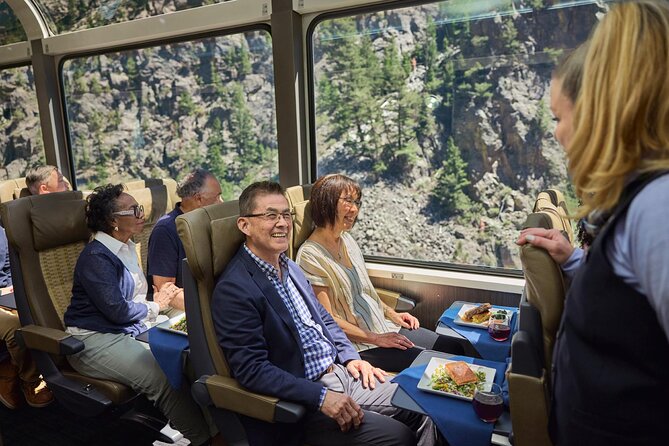
SilverLeaf is the standard service level here. Food and drinks come to your seat, so you are not left managing meals while trying to watch the view. The package includes a hot breakfast on Day 2, along with lunch, dinner, snacks, and complimentary beverages during the journey.
The onboard Hosts are an important part of the experience. Tristan is identified as a server and Host who provides commentary on geography, history, plants, and wildlife. Rae prepares the meals, including creative dishes that fit the rail setting. Coach is named as a motorcoach driver who helps with the transfer to the train.
You can pay extra for SilverLeaf Plus, which adds access to a lounge car with more room to relax and a small outdoor viewing area. It also includes a more elaborate dining setup with wine pairings, premium alcoholic drinks, and signature cocktails. The standard package already covers the core services, so Plus makes the most sense if lounge space and drinks matter to you.
WiFi is not included. That is not a major issue for a sightseeing ride, but it is worth knowing if you need to work or stay connected. Treat the train as a place to look outside rather than a moving office.
Price, group size, and practical value
At $1,723 per person, this is a premium rail experience. You are paying for more than transportation: two days of hosted service, meals, drinks, one hotel night, gratuities, luggage handling, and motorcoach transfers are included.
The price is easier to justify if you already want a scenic rail journey and would otherwise pay separately for a Glenwood Springs hotel, meals, transfers, and a guided sightseeing experience. It is harder to justify if your main goal is simply reaching Denver from Moab. Driving will give you more freedom to stop, and flying may be faster.
The listed maximum is 15 participants, which should make the transfer and hosted portions feel manageable. Most people can participate, and service animals are allowed. The activity is near public transportation at its meeting points, but airfare and transportation before Moab or after Denver are not included.
The cancellation terms are strict. The booking is non-refundable and cannot be changed for any reason, so confirm your dates, hotel plans, and onward transportation before paying.
Who should book this journey?
I would choose this trip if you value scenery, service, and a relaxed pace more than independent exploring. It suits someone who wants to see the Colorado River corridors without driving and who likes having meals, luggage, and the overnight stop arranged.
It is also a good fit for a special occasion or a first scenic rail trip. The route has enough variety to hold your attention: red rock, ghost towns, river canyons, mountain resorts, a major tunnel, Boulder, and Denver.
I would think twice if you want national park hikes, long town stops, or complete control over your schedule. Arches National Park is viewed from the train but not visited, and every other named stop is also a pass-by point. Add extra nights in Moab and Denver if you want more time on either end.
Should you book the Moab to Denver train?
Book it if the journey matters as much as the destination. The strongest reasons are the hard-to-reach canyon views, the steady Colorado River route, the included Glenwood Springs night, and the attentive onboard service from people such as Tristan and Rae.
Skip it if $1,723 feels too high for a two-day transfer or if you need frequent stops and outdoor activity. For the right person, this is a comfortable way to see the West without wrestling with a rental car. Just remember that the train shows you the country rather than letting you explore every part of it.
FAQ
Where does the train journey begin?
It begins at the Rocky Mountaineer Moab Guest Centre at 59 South Main Street, Suite 3, Moab, Utah.
What time does the Moab departure begin?
The listed start time is 2 p.m. Final meeting details are provided in the travel documents.
Where does the journey end?
The train journey ends at Denver Union Station, at 1701 Wynkoop Street in Denver.
How long is the experience?
The journey lasts approximately two days, with one overnight stay in Glenwood Springs.
Is a hotel night included?
Yes. One night of accommodation in Glenwood Springs is included.
Are meals included?
Yes. Breakfast, lunch, dinner, snacks, and complimentary beverages are included. Day 2 begins with a two-course hot breakfast.
Does the train stop at Arches National Park?
No. The train passes near Arches National Park but does not stop there.
Is luggage handling included?
Yes. Luggage handling to and from the Glenwood Springs accommodation is included.
Is WiFi available onboard?
WiFi is not included with the experience.
Can I cancel or change the booking?
The experience is non-refundable and cannot be changed for any reason.
Just added around the USA
- Virginia City Day Tour From Lake Tahoe with Train Ride★ 4.8 · 19 reviews
- Ventura: Rail Bike Guided Tour with Farm Stand Stop★ 4.1 · 18 reviews
- Winnipesaukee Scenic Railroad★ 4.5 · 7 reviews
- Walking Tour of Still’s Underground Railroad in Alexandria★ 5.0 · 9 reviews
- Laughton Glacier Hike and White Pass Rail Adventure★ 5.0 · 12 reviews
- Uncorked: Wine Fest at Verde Canyon Railroad★ 5.0 · 8 reviews
- Grand Canyon Excursion from Sedona with First Class Train Ride★ 4.5 · 47 reviews
- Snoqualmie Fall & Railway Museum 3-Hours (Private Tour)★ 5.0 · 4 reviews
USA Train Tours, compared.
Streetcar Food Tour and Findlay Market with Riverside Food Tours
Read our review →
Jackson Hole: Aerial Tram and Gondolas Sightseeing
Read our review →
Washington DC: Arlington Nat. Cemetery Ticket & Tram Tour
Read our review →
New York City Slavery and Underground Railroad Tour
Read our review →
Alaska Railroad Anchorage to Seward Round-Trip Same Day Return
Read our review →
Colorado: All Aboard the Royal Gorge Route Railroad!
Read our review →Browse the lists this tour appears in