
REVIEW · ROME
Pompeii & Herculaneum by Train from Rome with Pizza Lunch
Pompeii and Herculaneum make a powerful pair: Pompeii shows you a large Roman city frozen by the eruption of Vesuvius, while Herculaneum offers a smaller, quieter look at remarkably preserved homes, frescoes, and wooden details. This 11-hour day trip gets you there from Rome without asking you to arrange trains, local buses, or site tickets yourself.
I like the high-speed train, which cuts the Rome-to-Naples journey to about 1 hour and 10 minutes, and I like having the same local guide lead you through both archaeological parks. The included lunch is another plus: it is presented as a pizza lunch, but the meal can include antipasti, a main course, dessert, and a drink.
The trade-off is simple: this is a long, walking-heavy day. Heat, uneven ground, and two hours at each site can be demanding, especially for anyone with knee or mobility problems.
Key points to know before booking
- Two Roman cities in one day: Visit Pompeii and Herculaneum, whose different sizes and levels of preservation make them a useful pair.
- Fast rail from Rome: Ride from Termini Station to Naples in about 1 hour and 10 minutes, then continue by private air-conditioned coach.
- Guides make the difference: Guides such as Ida, Paola, Ciara, Felicia, Luda, and Vincenzo have been praised for clear storytelling and strong site knowledge.
- Lunch is more than a slice of pizza: Expect a sit-down meal with pizza or another main option, starters, dessert, and one drink, though the exact menu may change.
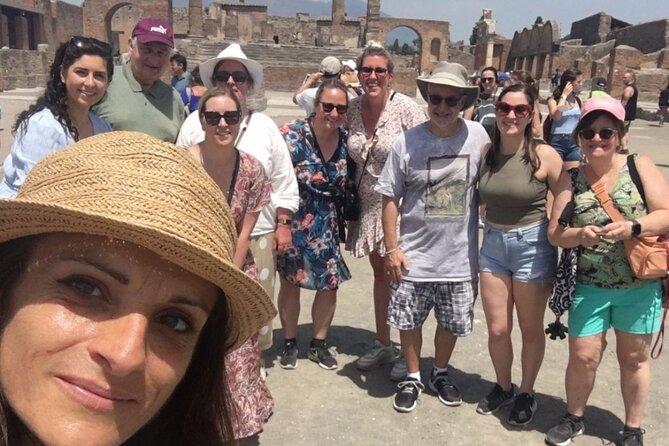
- Small-group format: The tour is capped at 18 people, making it easier to hear the guide and stay together.
- Plan for serious walking: Wear supportive shoes, carry water, and think carefully about visiting in very hot weather.
Why the train makes Pompeii possible from Rome
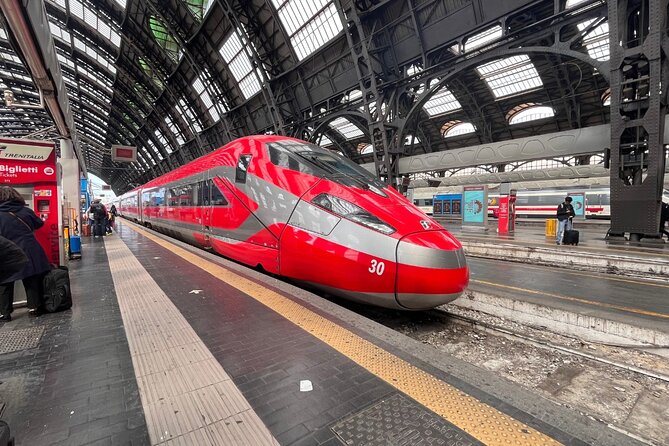
The distance between Rome and Pompeii is the main reason many visitors skip it. Driving or using slower regional trains can turn the day into a tiring exercise in transfers. This trip uses high-speed rail from Rome Termini to Naples, then a private air-conditioned coach for the archaeological sites.
Your morning begins at 8:00 am at Caffè Vergnano on Via Marsala, beside Rome Termini. A representative helps you find the correct train and board it. That support matters because Termini is a large station, and the meeting area can be confusing if you do not know the layout.
The rail trip takes about 1 hour and 10 minutes. You can sit back, watch the countryside pass, and save your energy for the ruins. Staff also help with the return train, and arrangements can include seating people from the same booking together.
At Naples Centrale, another guide meets you. You then board a private, air-conditioned minibus for the roughly 30-minute ride to Pompeii. The system involves several handoffs, but that is also the point: you are not left to work out the Naples connection, local transport, and park entrances by yourself.
More Trips with Lunch in Rome:
- Rome to Pompeii Guided Tour with Wine & Lunch by High Speed Train
★ 5.0 · 1,379 reviews - Rome: Pompeii Tour with Wine and Lunch by High Speed Train
★ 4.8 · 485 reviews - Tuscany Comfort Day Tour from Rome with Wine & Lunch
★ 5.0 · 313 reviews
Pompeii: a large city that needs a guide
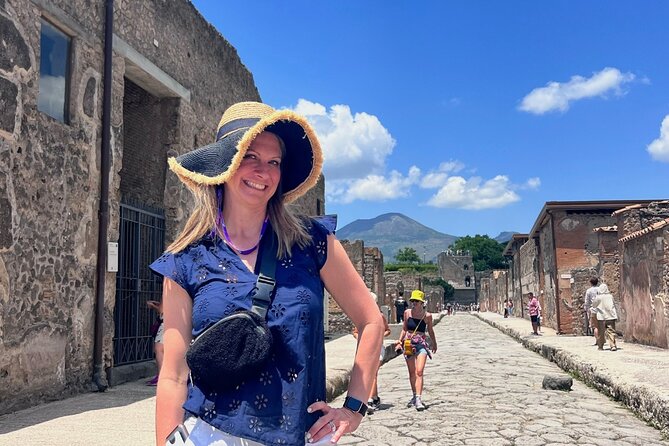
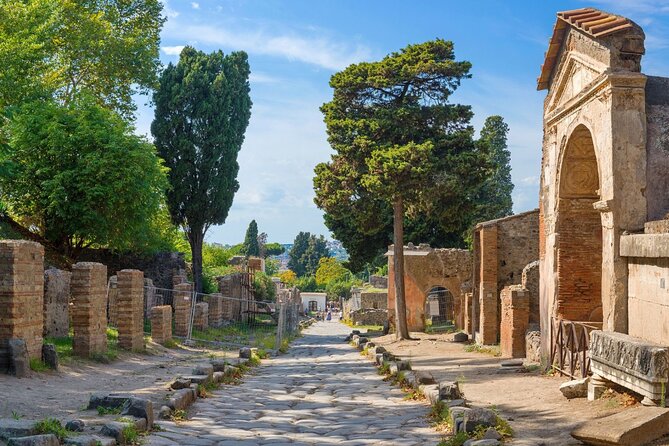
Pompeii is not a small collection of ruins that you can understand in half an hour. It was a full Roman city with streets, houses, public buildings, theaters, shops, and religious spaces. The two-hour guided visit gives you a useful route through the site, though it cannot cover everything.
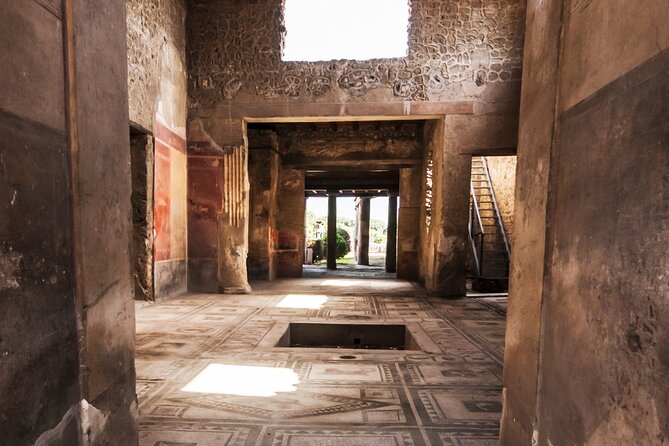
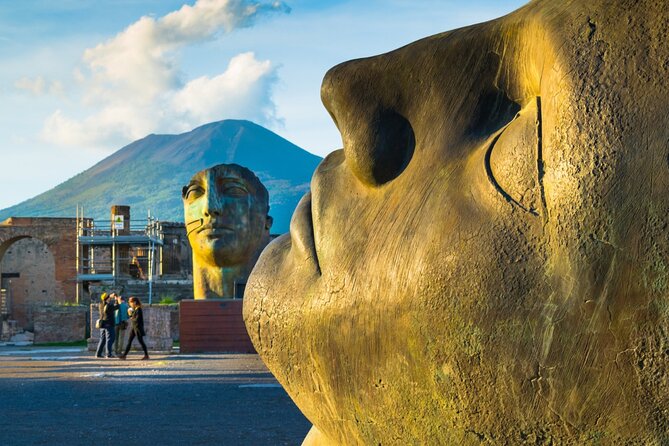
The eruption of Mount Vesuvius in AD 79 buried Pompeii and preserved an extraordinary amount of evidence about daily Roman life. You may see the layout of homes, public spaces, theaters, and streets, while the guide explains how each place worked and what archaeologists have learned from it.
The site can feel overwhelming because of its scale. One guide-led visit may cover roughly a quarter of Pompeii, focusing on major highlights rather than every open street. That is not a flaw in the tour. It is a practical way to see the most meaningful sections without wandering until your legs give out.
The quality of the guide matters greatly here. Ida is praised for explaining both archaeology and history in a lively way. Ciara has been noted for choosing less crowded areas when possible, and Felicia has experience studying and helping restore parts of the sites. Guides named Paola, Aida, Luda, Antonio, and Franchesca have also been singled out for clear explanations, humor, and strong storytelling.
Guide assignments can change, so you should not book on the assumption that one particular person will lead your group. The useful point is that this tour uses guides with strong local and archaeological experience rather than simply handing you an audio device and a map.
Lunch near Pompeii, with more than pizza
After Pompeii, you stop at a historic pizzeria in the Pompeii area. The advertised meal includes typical starters, Neapolitan pizza, one drink, and dessert. In practice, the meal has also included a choice of main course, such as pasta or pizza, along with antipasti and a light dessert.
That makes lunch better value than the title alone suggests. Some meals have included beer or another drink, a vegetable salad, and tiramisu or gelato. Food quality can vary, and one meal was considered disappointing, but the wider experience points to a substantial sit-down lunch rather than a quick takeaway slice.
The restaurant arrangement may feel less polished than the archaeological guiding. One party had to ask several staff members where to sit before being directed to the correct group table. That is a minor irritation, but it is worth knowing if you prefer a tightly controlled schedule.
Dietary needs should be raised when booking or before the tour. One group with a member who had celiac disease was able to receive gluten-free choices. The supplied details do not guarantee a particular menu for every departure, so ask ahead rather than relying on the standard pizza description.
Herculaneum: smaller, quieter, and often more preserved

After lunch, the coach takes you back toward Naples and on to Herculaneum. The visit lasts about two hours, matching the time at Pompeii but covering a much smaller archaeological park.
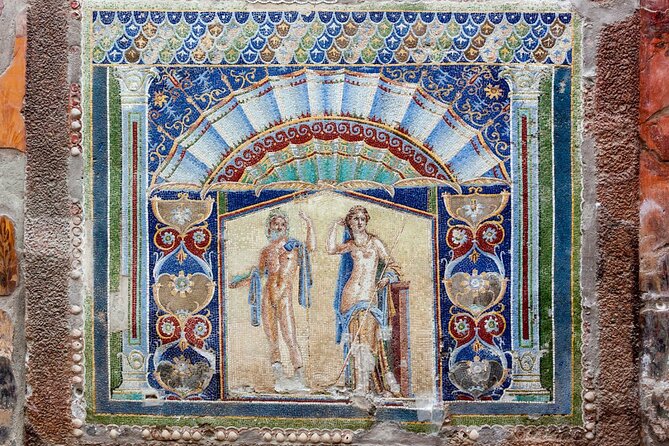
Herculaneum was a coastal town, smaller than Pompeii and associated with wealthier homes. The eruption preserved wooden structures, wall paintings, and other details that can be harder to find at Pompeii. The result is a different kind of visit: less about the scale of a city and more about the quality of individual houses and objects.
Seeing both sites helps you understand the eruption from two angles. Pompeii gives you broad streets, public buildings, and the feel of a working city. Herculaneum lets you look more closely at domestic architecture and the lives of residents with money and status.
The order works well for many people because Pompeii provides the larger introduction, followed by a more focused visit at Herculaneum. Still, the order is not ideal for everyone. If you have already visited Pompeii, you may prefer to spend more energy on Herculaneum, but this itinerary places Pompeii first. One person with bad knees chose to remain on the coach during Herculaneum after using up their energy at Pompeii, a clear warning about the physical demands.
More Train Tours in Rome:
- Ancient Ostia Antica Semi-Private Day Trip from Rome by Train with Guide
★ 4.5 · 579 reviews - From Rome: Ostia Antica Guided Half-Day Trip by Train
★ 4.8 · 486 reviews - Venice Day Trip from Rome by High-Speed Train with Happy Hour
★ 4.5 · 445 reviews - From Rome: Day Trip to Venice by High-Speed Train
★ 4.6 · 352 reviews
Walking, heat, and the real pace of the day
This is not a relaxed sightseeing outing. You spend two hours touring Pompeii, walk through a large archaeological area on uneven surfaces, eat lunch, then tour Herculaneum for another two hours. Add the station walks, coach transfers, and train platforms, and you have a full physical day.
A moderate fitness level is required. Wear firm, comfortable shoes and bring water. Water refill stations are available at the sites, and guides may try to keep the group in shade when the weather is hot, but shade is not guaranteed throughout the tour.
Summer heat can change the experience completely. One traveler had to stop because July temperatures became too intense, while others managed to continue. If you have flexibility, spring or autumn should be more comfortable than the hottest part of summer, though the tour can operate in different seasons and conditions can change.
Rain creates a different problem. The tour requires suitable weather, and poor conditions may lead to a different date or a full refund. You should also expect the sites to involve uneven paving and limited opportunities to sit.
Group size and guide quality
The maximum group size is 18 people. That is large enough to keep the price below a private-tour level, but small enough for a guide to keep the group together and answer questions.
This matters most inside Pompeii, where it is easy to lose sight of a guide among walls, streets, and other tour groups. Guides have been praised for using stories rather than simply listing dates and names. Vincenzo, for example, is known for bringing the sites to life with energy and personal explanation, even on a cold and rainy day.
A good guide also controls the rhythm. You need enough time to look at a house or theater, but not so much that the group falls behind and loses the train. Paola and Ciara have been praised for keeping people comfortable and making sure questions were answered without holding up the whole day.
Because the tour is offered in English, it suits English-speaking visitors who want live interpretation. The exact guide changes, but the format gives you context that you would miss by walking through the ruins alone.
Is $279 a fair price?
At $279 per person, this is not a budget excursion. The price includes round-trip high-speed rail from Rome to Naples, local coach transfers, skip-the-line admission to Pompeii and Herculaneum, a fully guided visit, and lunch.
Buying each part separately might cost less if you are comfortable arranging train tickets, navigating Naples, finding local transport, purchasing park admission, and hiring separate guides. But the savings come with more work and more risk. A missed connection or slow ticket line could cost valuable time on a day when the schedule is already tight.
I see the strongest value in the transport and guiding. The fast train makes a full day from Rome realistic, while the guide gives Pompeii and Herculaneum meaning beyond the visible stones. The lunch is useful, but it should not be the main reason you book.
The tour also removes much of the uncertainty. A representative meets you at Termini, a guide meets you in Naples, and staff handle the return process. That support is worth more if this is your first visit to Italy or if you do not enjoy managing several transport legs in one day.
Meeting details and cancellation terms
You meet at Caffè Vergnano, Via Marsala, Rome, at 8:00 am. The activity returns to the same meeting point after the train ride back from Naples.
Confirmation is provided when you book, though essential documents and final itinerary information may arrive electronically closer to the date. The experience is near public transportation, but the tour itself depends on the planned train and coach connections.
You can cancel for a full refund up to 24 hours before the start time. Changes or cancellations inside that 24-hour window are not accepted for a refund. If poor weather causes the operator to cancel, you can choose another date or receive a full refund.
Who should book this Pompeii and Herculaneum day trip?
I would choose this tour if you are staying in Rome but strongly want to see the Vesuvian ruins. It is especially useful for first-time visitors who want one organized day rather than a separate research project involving trains, buses, tickets, and guides.
It also suits history fans who want proper explanation. The archaeological background of guides such as Felicia and Luda can add much more than a standard sightseeing route, particularly if you want to ask questions about restoration, building use, or Roman domestic life.
Families can benefit from the clear structure and included meal, though younger children may struggle with the length and heat. The 18-person limit is helpful, but it does not turn the day into a private outing.
I would hesitate if you have serious walking limitations, bad knees, or little tolerance for heat. You may enjoy one site, but completing both parks after the train journey and lunch can be too much. If Pompeii is already familiar to you, a tour focused on Herculaneum alone may suit you better, but that is not what this experience offers.
Should you book it?
Book it if you want both sites, have only one day available from Rome, and value expert explanation and organized transport. The high-speed train is the key feature, and the combination of Pompeii and Herculaneum gives you a fuller picture than either site alone.
Skip it if you want a slow visit, dislike fixed schedules, or need frequent rest breaks. For most reasonably fit visitors, the day is tiring but worthwhile, and the strongest reasons to book are the efficient rail connection, the expert local guides, and the chance to see two very different Roman cities in one trip.
FAQ
How long is the tour?
The experience lasts approximately 11 hours, beginning at 8:00 am and returning to the meeting point in Rome.
Where does the tour start?
The meeting point is Caffè Vergnano, Mychef rist. comm. S.p.A., on Via Marsala near Rome Termini Station.
How do I travel from Rome to Naples?
You travel by high-speed train from Rome Termini to Naples. The journey takes approximately 1 hour and 10 minutes.
Is transport between Naples and the archaeological sites included?
Yes. Local transfers use an air-conditioned private coach between Naples, Pompeii, and Herculaneum.
Are Pompeii and Herculaneum admission tickets included?
Yes. Skip-the-line admission tickets to both archaeological parks are included.
Is the tour guided in English?
Yes. The experience is offered in English and includes a fully guided visit.
What is included in lunch?
The sample meal includes typical starters, Neapolitan pizza, one drink, and dessert. The exact choices can vary, and some meals have included pasta or other main-course options.
How much walking is involved?
You spend about two hours touring Pompeii and another two hours touring Herculaneum, in addition to walking through stations and between transport points. A moderate level of physical fitness is recommended.
Can I cancel for a full refund?
Yes. You can cancel at least 24 hours before the experience start time for a full refund. If the operator cancels because of poor weather, you can receive a full refund or choose another date.
Just added around Rome
- Rome: Castelli Romani Day Trip by Train and E-Bike★ 5.0 · 4 reviews
- Florence and Venice from Rome: 2-Day Semi-Private Tour by Train★ 5.0 · 2 reviews
- Villa Adriana Private Day Trip from Rome By Train★ 5.0 · 9 reviews
- Venice from Rome: Full Day Small Group Tour by Fast Train★ 4.5 · 14 reviews
- Florence from Rome by High Speed Train at your pace★ 4.5 · 11 reviews
- Capri Island Small Group Boat Tour from Rome by Train★ 4.5 · 69 reviews
- Venice from Rome: Private Day Trip by train with Islands Tour★ 5.0 · 25 reviews
- Transfer from Civitavecchia by train with Rome HopOnHopOff Option★ 3.5 · 4 reviews
Rome Train Tours, compared.
Rome to Pompeii Guided Tour with Wine & Lunch by High Speed Train
Read our review →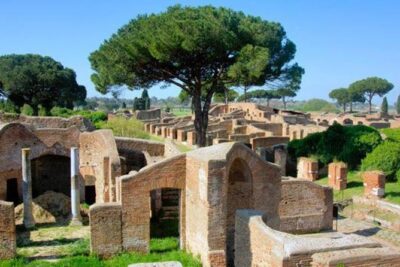
Ancient Ostia Antica Semi-Private Day Trip from Rome by Train with Guide
Read our review →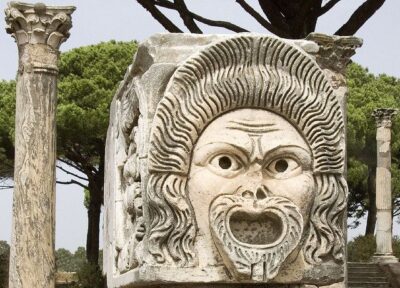
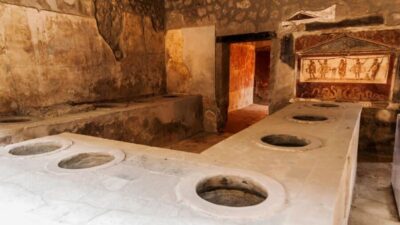
Pompeii Tour with Wine and Lunch by High Speed Train
Read our review →
Venice Day Trip from Rome by High-Speed Train with Happy Hour
Read our review →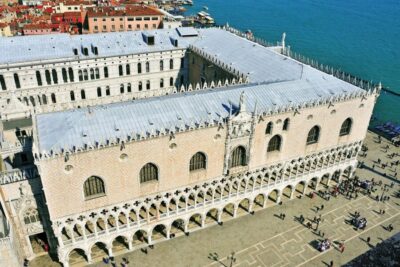

Tuscany Comfort Day Tour from Rome with Wine & Lunch
Read our review →
Rome to Florence: High-Speed Train Day Trip with Guided City Tour
Read our review →Browse the lists this tour appears in