
REVIEW · TOKYO
Private Tour – Thousands of lucky cats! Go by tram, Gotokuji Tour
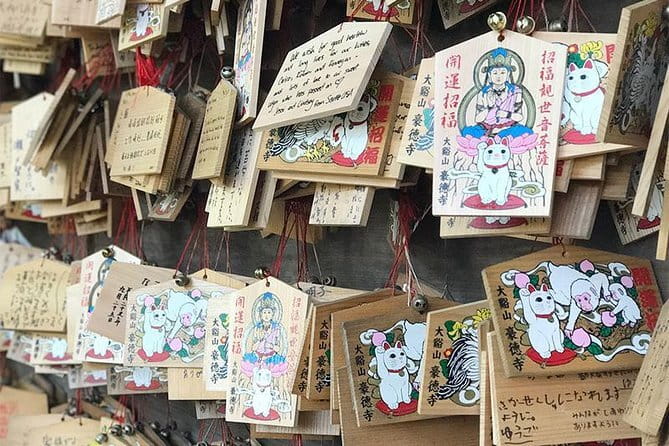
Gotokuji Temple is famous for its thousands of maneki neko, the small beckoning cats linked with good fortune and business success. This private tour reaches them by way of quiet Setagaya streets, a shrine, an old shopping district, an Edo-period mansion, and a local museum, giving you a much fuller picture of Tokyo than a quick temple visit.
I like the private format, which lets you set the pace and ask questions without keeping up with a large group. I also like the route from Sangenjaya to Gotokuji, since it trades central Tokyo’s neon and crowds for ordinary neighborhood life. The main drawback is that one museum stop can close unexpectedly, and bad weather may change the route or transportation plan.
Key points to know before booking
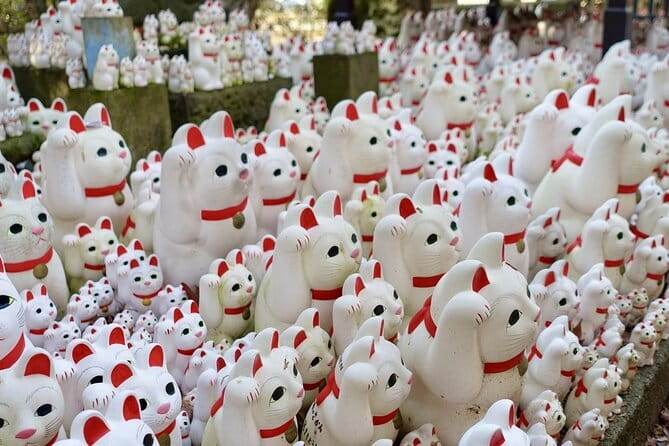
- Thousands of lucky cats at Gotokuji: The temple is the tour’s main attraction, with rows of maneki neko connected to Japanese good-luck customs.
- A quieter side of Tokyo: Setagaya offers shrines, small shops, historic buildings, and residential streets away from the usual sightseeing circuit.
- Private English-speaking guide: Your group receives personal attention and may adjust the pace or finishing point.
- Five varied stops: The route combines religious sites, local shopping, an Edo-era residence, a museum, and a Zen temple.
- Allow extra cash: The tour price is $68.64 per person, with estimated local transportation of 380 yen per person paid separately.
- About three and a half hours: The tour finishes at Gotokuji Station rather than where it begins, at Sangenjaya Station.
Why the maneki neko are worth the trip
Many visitors know the maneki neko as a shop decoration, often seen with one paw raised. Gotokuji gives that familiar symbol a more meaningful setting. Instead of seeing one or two ceramic cats by a cash register, you encounter a large collection at a temple associated with the figure.
That makes the visit more interesting than a simple photo stop. Your guide can explain the cultural background of the cats and show how the temple fits into the story of Japanese luck, business, and religious practice. The tour description connects the cats with good fortune and success in business, so this is especially appealing if you have wondered why the symbol appears in stores and restaurants across Japan.
The temple itself has around 600 years of history and belongs to the Zen tradition. The cats are the memorable hook, but the setting gives you room to think about how religious places and popular customs overlap in Japan.
The tour allows about 30 minutes at Gotokuji. That is enough for a focused visit, though not an unhurried temple exploration if you want to study every building or take a large number of photographs. The private format helps here because you can ask your guide to spend more or less time with the cats, depending on your interests.
More Tram and Streetcar Tours in Tokyo:
- Mallorca: Island Tour with Boat, Tram & Train from the South
★ 4.4 · 3,888 reviews - Lisbon: 72/96-Hour Hop-On Hop-Off Bus, Tram & Boat Ticket
★ 4.4 · 2,170 reviews - From Cape Town: Franschhoek Wine Tram Hop-on Hop-off
★ 4.7 · 1,972 reviews
Starting at Sangenjaya Station
The meeting point is outside Sangenjaya Station at 2 Chome-15 Taishido, Setagaya City. Sangenjaya is a useful starting point because the tour quickly moves you away from the most familiar central Tokyo sights and into Setagaya.
From the start, expect a walking-focused outing with local transportation included in the plan. The estimated transportation cost is 380 yen per person, separate from the tour price. Bring cash, since some places along the route may not accept credit cards.
The tour lasts approximately three hours and 30 minutes. That is long enough to create a sense of place, but short enough to fit into a day when you still have evening plans elsewhere in Tokyo. You should wear comfortable shoes, since the route includes several stops and walking between them.
Because this is a private tour, you are not tied to the tempo of a large group. You can ask for explanations, pause for photographs, or tell the guide if you need a slower pace. The operator also says the finishing point can be changed if you discuss it with the guide.
Shoin Shrine and the story of Yoshida Shoin
The first stop is Shoin Shrine, with about 25 minutes set aside for the visit. The shrine honors Yoshida Shoin, a 19th-century educator and philosopher.
This stop gives the tour a cultural and historical starting point. You will see stone lanterns and a stage used for music offered to the gods. The emphasis here is on the atmosphere of a Japanese shrine, not on a long list of major tourist attractions.
I like this kind of opening because it gives you a chance to slow down before the more unusual Gotokuji visit. You can observe the religious setting, ask about shrine customs, and hear why this particular figure is remembered.
Twenty-five minutes is a fairly brief window. If you want an exhaustive explanation of Yoshida Shoin or a long period for quiet reflection, you may find the stop short. On the other hand, it keeps the outing moving and leaves time for the other four locations.
A local shopping street with time to look around
Next comes Shōin Shrine Avenue, also described as the Shōei-kai Shopping Street. The tour allows about 30 minutes here.
This is not presented as a major department-store district or a food-focused market. Its appeal is more ordinary and local: long-established shops and small businesses with items worth stopping to see. You can use this part of the tour to observe the day-to-day character of Setagaya and notice how a neighborhood shopping street differs from Tokyo’s famous commercial zones.
The private format is useful in this setting. You can ask your guide about a shop or local custom rather than simply walking past everything in a group. If a particular store catches your eye, the guide may help you understand what you are seeing, subject to the time available.
Do not book this tour expecting a dedicated shopping session. Thirty minutes passes quickly, and the tour’s purpose is to connect the shopping street with the area’s wider history. Still, this may be one of the most authentic parts of the route because it shows you a working neighborhood rather than a sightseeing district built mainly for visitors.
More Private Train Tours in Tokyo:
- Mt Fuji & Hakone Private Tour from Tokyo: Return by Bullet Train
★ 5.0 · 22 reviews - Private Full-day Tokyo Walking Subway Tour by Japan Gray Line
★ 5.0 · 19 reviews - Bullet Train Experience & Mishima Shrine Private Tour from Tokyo
★ 5.0 · 9 reviews - Tokyo Private Guided 1/2-Day Walking Subway Tour English guide
★ 5.0 · 7 reviews
Stepping into the Setagaya Daikan residence
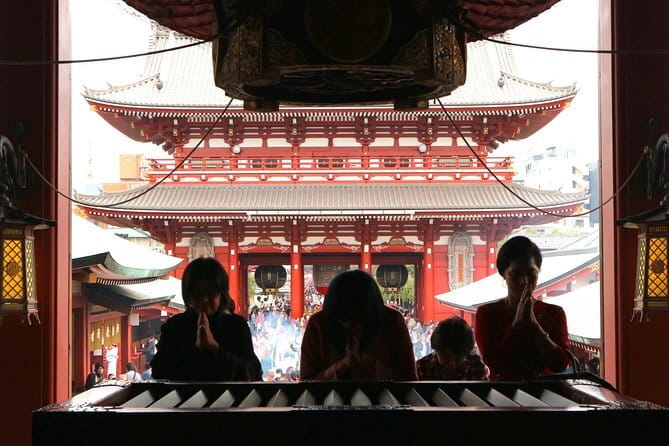
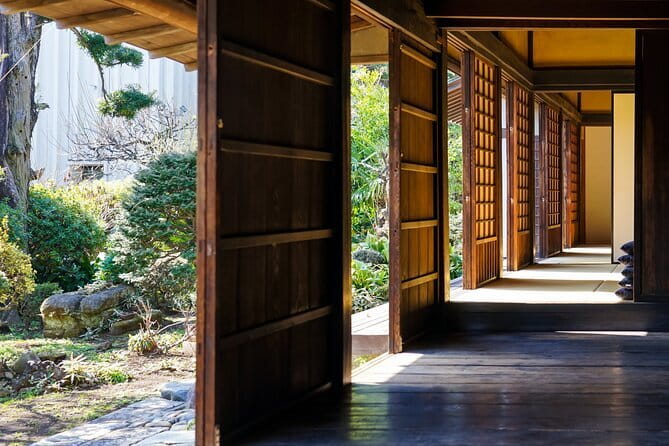
The third stop is the site of the Setagaya Daikan’s residence, with approximately 20 minutes for the visit. This traditional mansion belonged to the clan leader who ruled the area during the Edo era, from roughly 1700 to 1900 according to the tour details.
This stop offers a physical sense of how local authority and daily life were organized in earlier Japan. Instead of learning about the Edo period only through dates or museum labels, you can see a traditional residence connected to the people who governed the area.
The visit is described as feeling similar to stepping into a Japanese person’s home from the past. That makes the site valuable even if you have already visited large historic attractions elsewhere in Tokyo. The scale and domestic character can offer a different view of the period.
The time allowance is again compact. You will not have hours to examine every architectural feature, and the exact buildings or rooms available may depend on the day. Your guide can help you focus on the details that matter most.
Setagaya Local History Museum
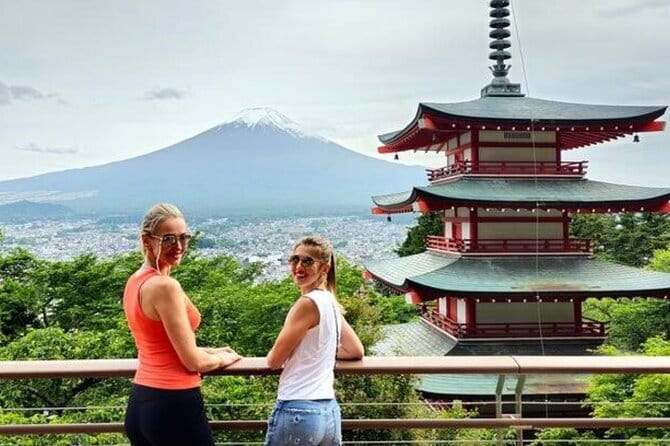
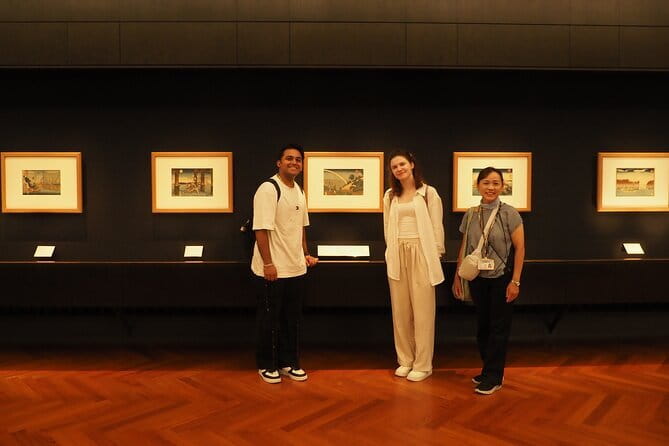
Next door is the Setagaya Local History Museum. The planned visit lasts about 20 minutes and covers local history, literature, and paintings from the Edo period.
The museum helps connect the previous residence with the broader area. You can see how Setagaya developed and how local culture was recorded through art and written works. This stop is particularly useful if you prefer context before visiting Gotokuji, since it places the temple and neighborhood within a larger story.
Twenty minutes is enough for an introduction, not a complete museum visit. If you enjoy reading every display, you may want to ask the guide how to use the time well. The museum’s opening status also deserves attention. One scheduled tour stopped was missed because the museum was closed for a holiday, and the group reached the site before discovering that it was unavailable.
That problem was not presented as a regular feature of the experience, but it is a practical warning. Check the planned date if the museum is important to you, and keep an open mind about substitute stops. The operator says destinations may change when a site closes temporarily.
Gotokuji Temple and the famous cat figures
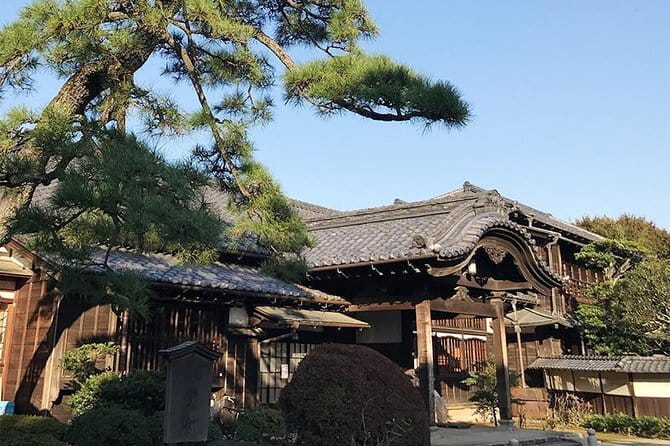
The final major stop is Gotokuji Temple, with around 30 minutes planned. This is the part most people will remember, especially if they have seen maneki neko in Japanese shops and wanted to know where the tradition came from.
The temple is a Zen temple with about six centuries of history. Its collection of beckoning cat figures creates a striking visual scene, but the guide’s explanation is what turns it into more than a novelty. You can learn why the cats are associated with good luck and business success, and how a familiar commercial symbol relates to a religious site.
I would save some questions for this stop. Ask about the raised paw, the meaning of the figures, and how people use or display them. The available information does not promise a formal ceremony or a hands-on activity, so expect a guided cultural visit rather than a ritual experience.
Thirty minutes should work well for a first visit. It gives you time to see the cat figures and absorb the temple setting without making the entire tour about one location. If Gotokuji is your main reason for booking, the private guide can help you focus on it, though the full route still includes all the earlier stops.
What the private format is really worth
The tour costs $68.64 per person, and the estimated transportation expense is an additional 380 yen per person. Admission fees are listed as zero, and meals are not included.
That price makes the most sense for people who value explanation and flexibility. You are paying for a private English-speaking guide, not just transport to a temple. The guide links five different stops into one story and can respond to your questions as you go.
A public group tour might cost less, but it would likely give you less control over pacing and conversation. Here, a family can slow down, a photography-minded visitor can request extra time where possible, and a curious first-time visitor can ask basic questions without feeling rushed.
The value is less obvious if you only want to see the cats. You could visit Gotokuji without paying for a private tour, but you would lose the shrine, shopping street, historic residence, museum, and local context. If you already know Setagaya well, the price may feel high for a three-and-a-half-hour outing. If this is your first time in the area, the guided route makes a stronger case.
Timing, weather, and practical planning
The tour begins at Sangenjaya Station and ends at Gotokuji Station, so you should plan for a one-way outing rather than a return to the original meeting point. The end location is convenient for continuing your day, but you should not leave important luggage or plans tied to Sangenjaya.
Bring cash. Some sites do not accept credit cards, and the transportation estimate is paid separately. Lunch and drinks are also your responsibility, so eat before the tour or plan food after it. The provided information does not include a meal stop.
Bad weather may affect the route, destinations, and transportation. Since much of the experience involves walking between local sites, rain or other poor conditions could change the feel of the outing. Ask your guide about the day’s plan if the forecast is poor.
Most people can participate, and the tour is near public transportation. The information does not give a detailed accessibility assessment, so anyone with mobility concerns should ask the provider about walking distances, surfaces, and any steps before booking.
Free cancellation is available up to 24 hours before the start time. Changes or cancellations made within 24 hours are not accepted for a refund.
Who will enjoy this Setagaya outing
I would recommend this tour to families, couples, and small groups who want a quieter Tokyo experience with a clear local focus. The private setting is especially useful for families because the guide can adjust explanations and pace. One ten-year-old was reported to have stayed riveted by the guide, which is a good sign for children who may lose interest in a standard temple lecture.
It also suits repeat visitors who have already seen major areas such as Shibuya, Asakusa, or Shinjuku. Setagaya offers a different rhythm, with neighborhood shops, local religious sites, and small historical attractions.
You may want to skip it if your priority is fast sightseeing, major landmarks, or a full day of shopping. The tour has no included meal, no listed admission attraction, and no guarantee that every stop will be open. Its value comes from the combination of places and the guide’s personal attention.
Should you book it?
Book this tour if you want a private introduction to a less familiar Tokyo neighborhood and the maneki neko at Gotokuji are high on your list. The mix of shrine, shopping street, historic residence, museum, and Zen temple gives you more substance than a direct visit to the cats alone.
Think twice if you need a fixed itinerary or have only a few hours before another reservation. Holiday closures and weather can change the plan, and the museum stop may not be available. For families and curious first-time visitors, though, the private format, manageable length, and 4.9 rating from 16 reviews make this a strong way to see a calmer side of Tokyo.
FAQ
How long does the Gotokuji private tour last?
The tour lasts approximately three hours and 30 minutes.
How much does the tour cost?
The listed price is $68.64 per person. Estimated transportation costs of 380 yen per person are extra.
Is this a private tour?
Yes. Only your group participates in the activity.
Where does the tour begin?
The meeting point is Sangenjaya Station, at 2 Chome-15 Taishido, Setagaya City, Tokyo 154-0004, Japan.
Where does the tour end?
The planned ending point is Gotokuji Station, at 1 Chome-43 Gotokuji, Setagaya City, Tokyo 154-0021, Japan.
Is transportation included in the tour price?
The guide’s necessary expenses are included, but transportation is listed as an additional estimated cost of 380 yen per person.
Are admission fees included?
Admission fees are listed as zero. Any costs incurred at visited locations are paid by the customer.
Is lunch included?
No. Lunch, drinks, and other food costs are not included.
What happens if the weather is bad?
The transportation method, destinations, or route may change if the weather is poor. Temporary closures may also require a substitute stop.
Just added around Tokyo
- Train in Samurai Swordsmanship and Defeat the Demon in Tokyo★ 5.0 · 5 reviews
- Tokyo Private Guided 1/2-Day Walking Subway Tour English guide★ 5.0 · 7 reviews
- Private tour with Yasushi and Yoko – by car, train, on foot★ 5.0 · 2 reviews
- Tokyo-Izu: Volcano, Ocean& Capybara Cuddle with Izu Scenic Train★ 3.5 · 3 reviews
- Snow Monkey Park and Miso Production Tour Bullet Train from Tokyo★ 4.5 · 26 reviews
- Bullet Train and Mt. Fuji Famous Food Tour★ 5.0 · 4 reviews
- Kyoto Early Bird Tour Tokyo Round or One Way Shinkansen★ 5.0 · 10 reviews
- Mt Fuji & Hakone Private Tour from Tokyo: Return by Bullet Train★ 5.0 · 22 reviews
Tokyo Train Tours, compared.
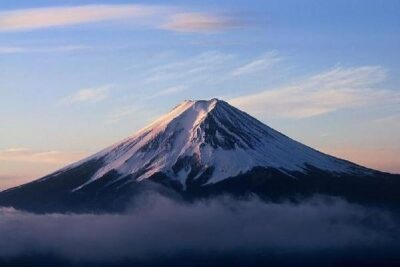
Mt Fuji & Hakone Cruise, Drum Show Bullet Train 1 Day from Tokyo
Read our review →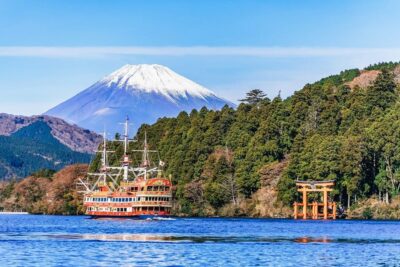
Tokyo Mt Fuji 5th St & Hakone Cruise Bus Tour w/Bullet Train
Read our review →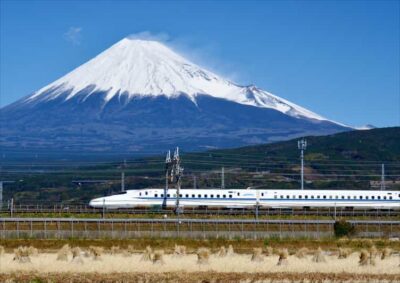
Mt. Fuji & Hakone Tour w/ Return by Bullet Train
Read our review →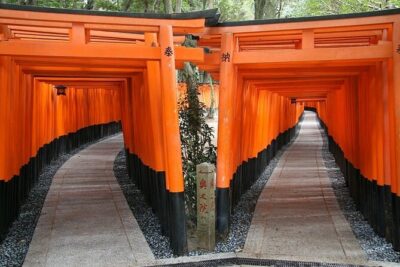
From Tokyo 1-Day Kyoto English-guided Tour by Bullet Train
Read our review →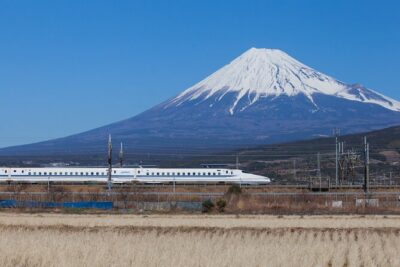
Mt. Fuji and Hakone Day Trip From Tokyo with Bullet Train Option
Read our review →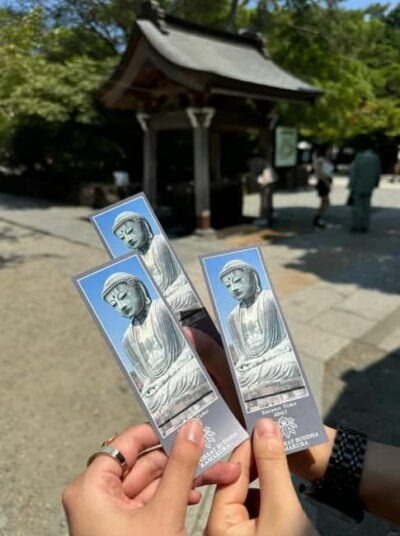
Kamakura & Enoshima Day Tour with Pickup & Train Ride
Read our review →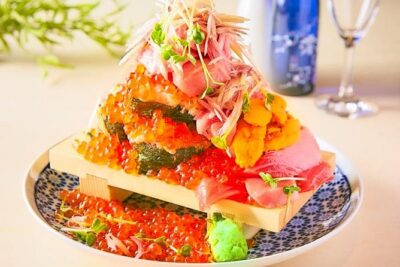
Haneda Layover tour of 5hours with local Japanese guide by car
Read our review →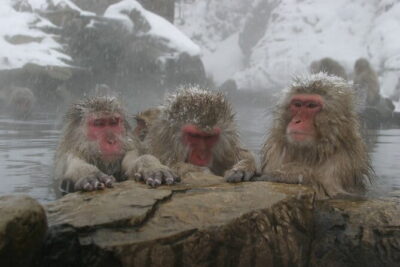
Snow Monkey Park and Miso Production Tour Bullet Train from Tokyo
Read our review →Browse the lists this tour appears in