REVIEW · HANOI
From Hanoi: Sapa Hill Tribes 2-Day Tour by Overnight Train
Sapa is at its best on foot, where old buffalo paths lead through rice terraces and scattered mountain villages. This trip pairs that scenery with an overnight train, so you can leave Hanoi at night and wake near the Hoang Lien Son mountains. I especially like the chance to learn about daily life from local guides such as Chi, Suu, Chan, Ca, or Trang, and the useful mix of easy village walking and more demanding hill trekking.
The two strongest points are the personal local guiding and the chance to see more than Sapa town itself. You also get a surprisingly full package for $199, including trains, transfers, accommodation, meals, and entry fees. The main caution is that the train can be noisy, Cat Cat can feel commercial, and the longer trek becomes hard in heat, humidity, or rain.
Key points at a glance
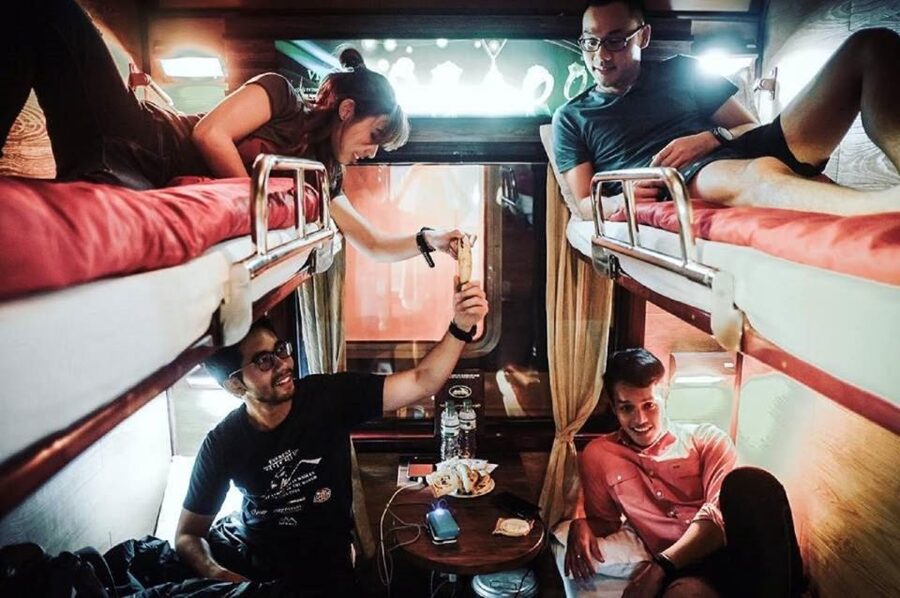
- Sleep your way from Hanoi to the mountains: The air-conditioned train leaves from Hanoi Railway Station around 22:00 and reaches Lao Cai at about 6:00 the next morning.
- Meet several hill communities: The route introduces you to H’Mong, Black H’Mong, Red Dzao, Tay, and Dzay cultures.
- Walk beyond the town center: Cat Cat is the short introductory walk, while Lao Chai, Ta Van, and Giang Ta Chai provide the stronger countryside experience.
- Choose your train arrangement: You can share a four-bed cabin or pay more for a private cabin for your group of up to four.
- Expect real exertion: Buffalo trails include uphill and downhill sections, and wet weather can make them slippery.
- Plan for simple comforts: Hotels are generally comfortable, but standards can vary, and a homestay option gives you a more basic local experience.
Why the overnight train makes sense
The tour begins at 120 Le Duan, Hanoi Railway Station. You should be there by 21:00 to exchange your tickets and prepare for the 22:00 departure. A representative is scheduled to collect you from your hotel at least one hour before the train leaves, but do not cut this close. Railway stations are easier when you have time to find the right platform and cabin.
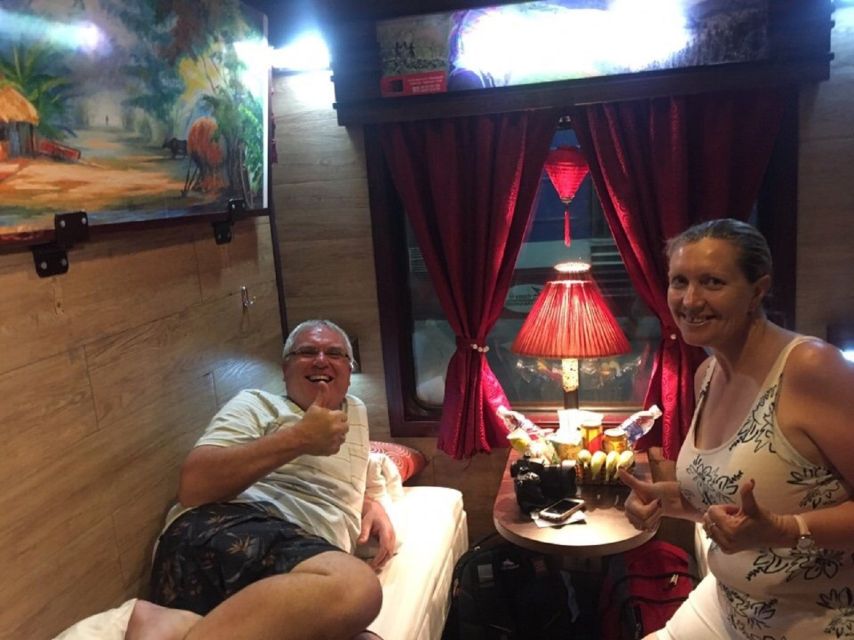
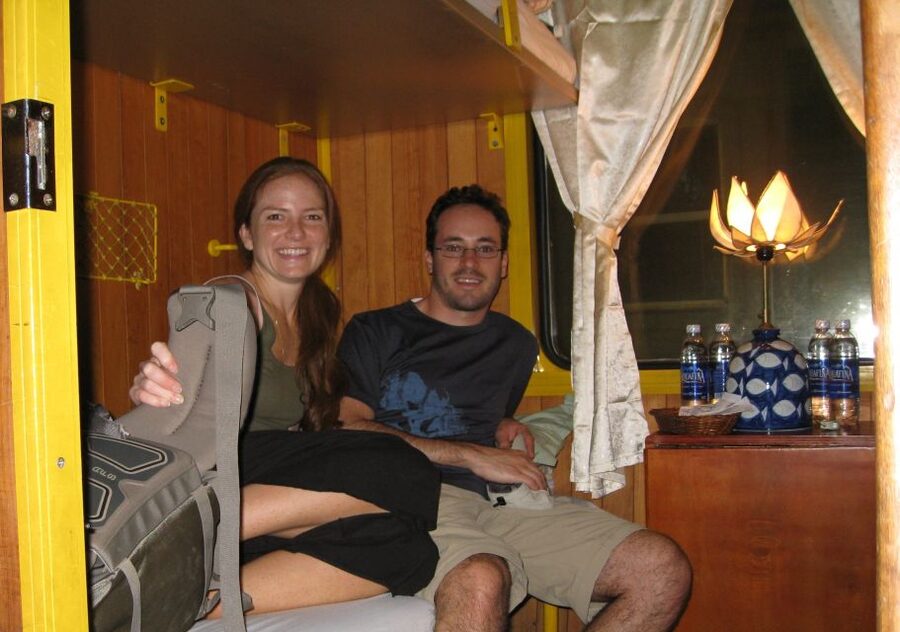
The train has four berths in an air-conditioned cabin. You can share with other passengers, or select a private cabin for one to four people. The private option is worth considering if you value quiet, want to control the sleeping arrangements, or are traveling as a family or small group.
I like the basic logic of this transport. You avoid spending a full daytime transfer crossing northern Vietnam, and you wake close to the mountains. Still, this is not a guaranteed night of perfect sleep. The train can be bumpy and noisy, and one couple chose to return by car because the ride was more uncomfortable than expected.
Bring a small overnight bag rather than taking your full suitcase. The instructions specifically advise against large luggage, and you will find it easier to manage one compact bag on the train, in the transfer vehicle, and at the hotel.
More Overnight and Sleeper Trains in Hanoi
- Sapa: 3-Day, 3-Night Trek and Hotel with Overnight Train
★ 4.2 · 64 reviews - Sa Pa Trekking 2 Days 3 Nights Homestay by Night Train
★ 4.5 · 11 reviews - Private Overnight Train Hanoi To Sapa Or Return
★ 3.5 · 10 reviews
Lao Cai to Sapa: a dramatic morning transfer
The train arrives in Lao Cai at roughly 6:00. From there, an air-conditioned vehicle takes you up the mountain roads to Sapa. The ride changes quickly from railway town to highland scenery, with steep slopes, forests, valleys, and terraced fields appearing along the way.
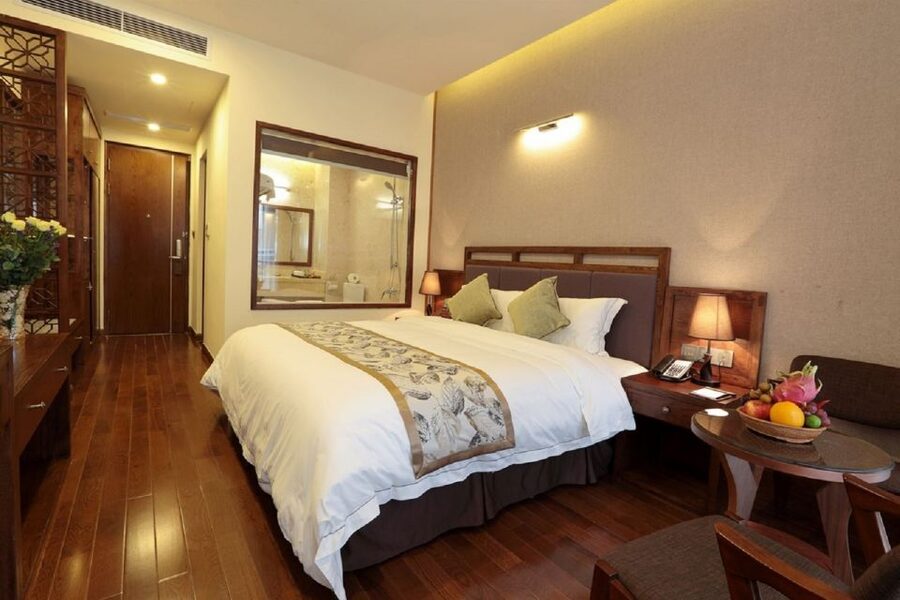
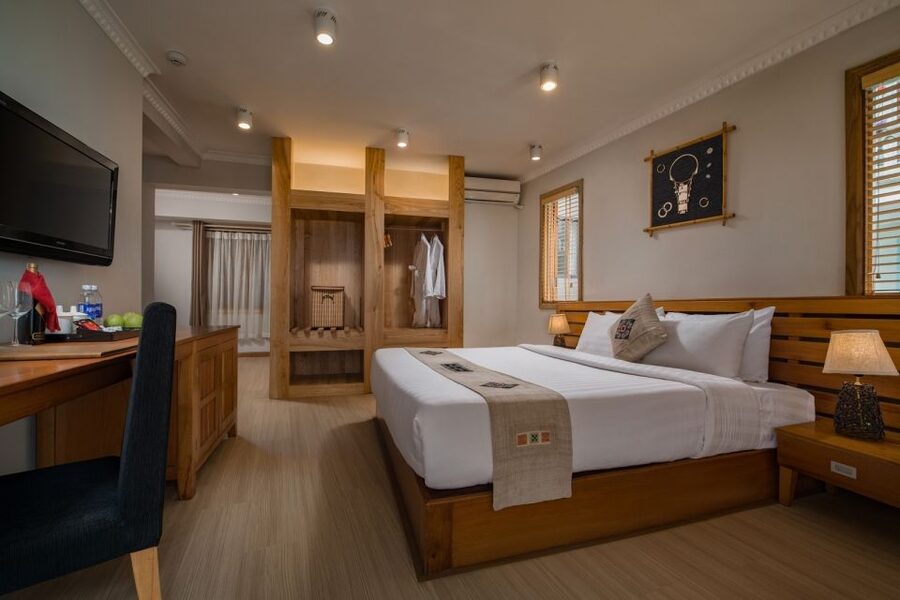
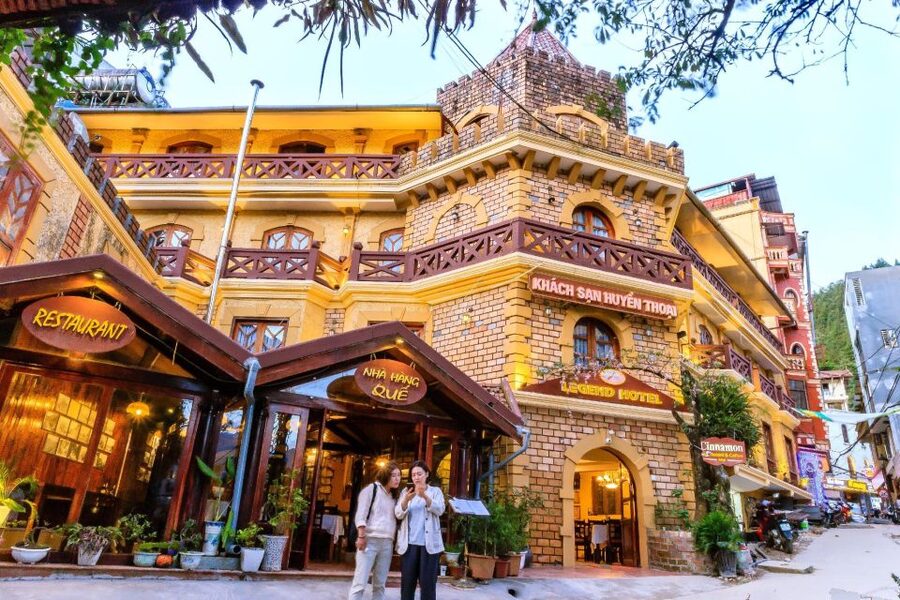
On arrival, you check into a hotel in central Sapa, usually Sapa Legend Home, Sapa Charm Hotel, or a similar property. The schedule allows time to freshen up before breakfast, but standard hotel check-in is not until 13:00. That difference matters. You should expect access to the room to depend on the hotel and timing, not assume an early check-in is guaranteed.
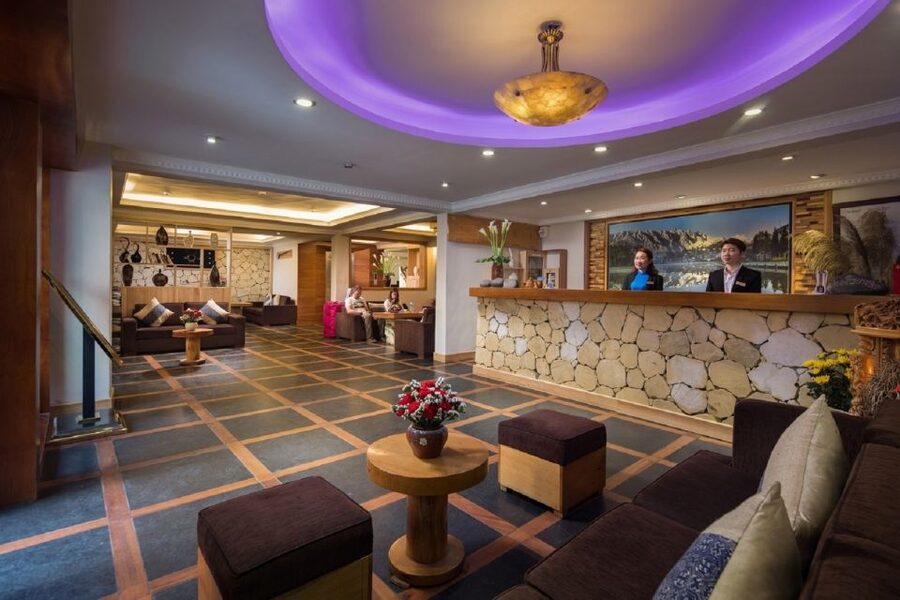
The accommodation is one of the less predictable parts of the package. Some arrangements have used comfortable hotels with good food and friendly staff. Other rooms have been described as basic and in need of attention. If the hotel matters greatly to you, ask which property is confirmed before paying, since the exact hotel can affect how much value you feel you receive.
Cat Cat village and the first look at H’Mong life
After breakfast, you walk toward Cat Cat, a village associated with the H’Mong community. This is a useful first walk because it introduces you to local building styles, clothing, family life, and the valley setting without immediately demanding a full day of hard trekking.
The route reaches H’Mong homes and village areas, where your guide explains traditional work and everyday routines. Guides from the region can add far more than a standard sightseeing escort. Ca, Chan, and other local guides have been especially effective at explaining both the attractive and difficult parts of village life, including the lack of hot showers and the practical limits of remote living.
Cat Cat is also the most tourist-oriented section of the trip. It has been described as feeling closer to a theme park than an untouched village in some areas. Keep your expectations sensible. You are not seeing a place untouched by tourism, but you are getting an accessible introduction to H’Mong culture and a scenic walk near Sapa.
The walk is generally easier than the following day’s route. That makes it a good warm-up, especially if you arrived tired from the train. If the weather is wet, take care on stone paths and steps, and keep your rain gear ready rather than buried in your bag.
The long walk through Lao Chai, Ta Van, and Giang Ta Chai
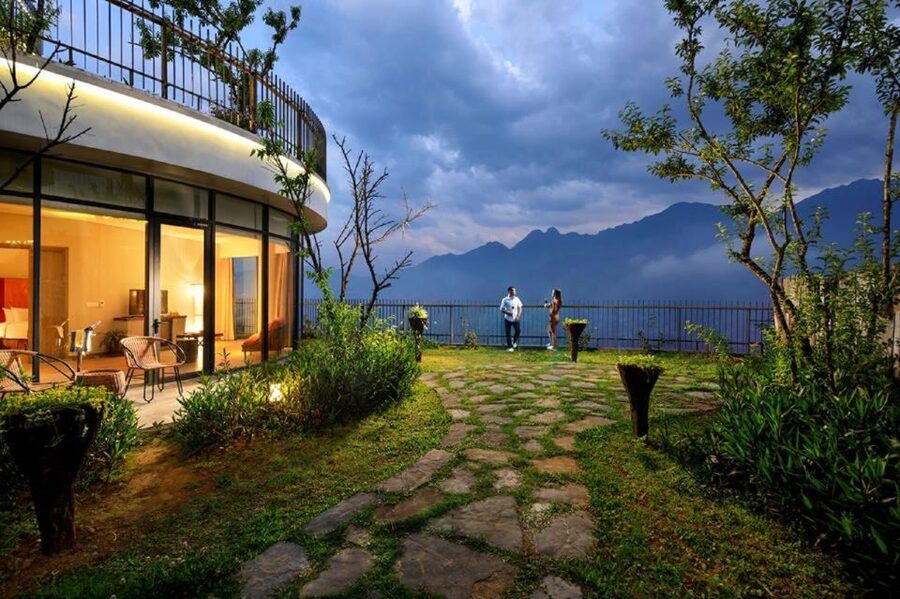
The second day in Sapa is the heart of the trip. After breakfast, you follow old buffalo trails through the surrounding hills and pass several villages. The route includes Lao Chai and Ta Van, with additional scenery around Giang Ta Chai before you return to Sapa.
This is where the trip earns its keep. The views open across layered rice terraces, forested slopes, irrigation channels, and villages spread along the valley floor. You get a much clearer sense of how farming, weather, terrain, and village life fit together than you can from a road or a viewpoint.
Lao Chai is closely connected with the Black H’Mong community. Ta Van is associated with the Dzay people. The wider region also includes Tay and Red Dzao communities. Your guide is the key to making these encounters useful rather than superficial. You can ask about clothing, farming, family life, work, and changes brought by tourism.
The walk lasts around three hours for some groups, including a lunch stop, but the pace and exact route can change. A private guide may adjust the distance to suit your fitness and interests. Suu, Chi, Trang, and Ca have each been praised for adjusting the pace, explaining local life clearly, and helping visitors feel safe on less obvious paths.
Do not mistake the phrase soft trekking for a flat stroll. The route rises and falls, and the humidity can make moderate hills feel serious. One uphill section may be intense, especially in warm weather. Hiking shoes, comfortable clothing, water, and a raincoat are practical necessities, not optional extras.
The lunch stop adds a welcome human touch. Some arrangements include a meal at a village home, where you may meet a guide’s family and eat food prepared locally. Other lunches can be more ordinary, so do not expect every meal to match the hotel dining. The food package is generous overall, but the quality and setting vary from one meal to the next.
More Overnight and Sleeper Trains in Vietnam
- 3 Days Sapa Tour with Night Train from Hanoi
★ 4.5 · 8 reviews - Sapa Trekking Tour by Night Train from Hanoi 3 Nights – 2 days
★ 5.0 · 7 reviews - 2 days 3 Nights Sapa Trekking Tour by Night Train from Hanoi
★ 4.0 · 7 reviews - Explore Sa Pa with Overnight Train & Sleeper Bus & Trekking
★ 3.9 · 7 reviews
What meeting local people really adds
The best part of this trip is not simply seeing people in traditional clothing. It is hearing a local guide explain how people work, travel, cook, farm, raise children, and cope with limited services in the mountains.
That context can change the way you see the scenery. Rice terraces are beautiful, but they also represent demanding seasonal work. A village path is picturesque, but it is also part of a working community. Guides such as Hien, Trang, Sissy, Chi, and Suu have helped turn those details into conversations rather than a quick procession through villages.
You should also approach these visits with respect. Do not treat homes or clothing as photo props. Ask before taking pictures, listen when your guide explains local customs, and understand that some contact may include selling handmade bags or other items.
On some routes, local women may walk alongside groups and offer products at the end. That can feel slightly staged or commercial, especially if you prefer a quiet walk. It does not cancel out the scenery or the cultural value, but it is part of the experience you should know about.
Meals, hotels, and the return to Hanoi
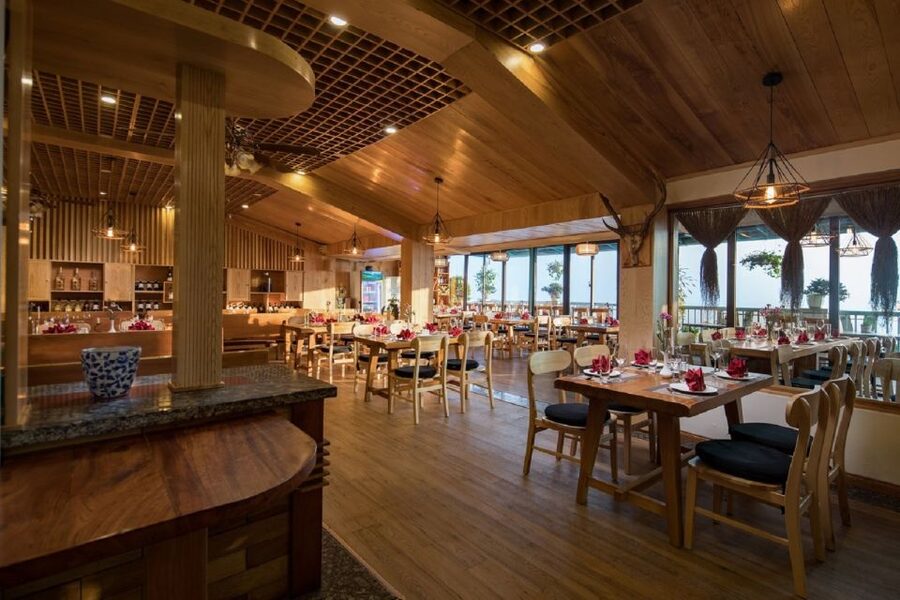
Breakfast and lunch are included during the Sapa portion, with dinner provided before the return train. Portions can be large, and some hotel meals are better than expected. Drinks are not included, so budget separately for bottled water, coffee, soft drinks, or other refreshments.
After the second day of trekking, you return to Sapa for dinner and have some free time in the town center. This is not a long independent visit, but it gives you a chance to walk around before the transfer to Lao Cai Railway Station.
The return train takes you back to Hanoi, where the organized service ends at the station. You can then take a taxi to your Old Quarter hotel. Since the schedule involves a night train, you may want to keep the following morning light rather than planning an important early appointment.
The package is described as three days and two nights, with one hotel night in Sapa and two overnight train journeys. The wording can be confusing because the mountain stay is often described as a two-day tour. Think of it as one night on the way north, one full hotel night, and one night on the way back.
Is $199 a fair price?
At $199 per person, the price is not the absolute cheapest way to reach Sapa. Local agencies in Hanoi may sometimes offer a lower rate, particularly if you arrange the trip after arrival. Online booking can cost about the same as other organized options, depending on the cabin and hotel selected.
The value comes from what is bundled. You receive round-trip night trains, Lao Cai and Sapa transfers, accommodation, meals, entry fees, and guided walks. A private cabin or private guide costs more but can make sense for a couple, family, or group of four.
The package also saves you from arranging separate train tickets, finding a Lao Cai pickup, negotiating a mountain transfer, and locating a guide once you arrive. That convenience matters after an overnight train. The price feels strongest if you want a ready-made plan and do not want to coordinate several local bookings.
It feels less compelling if you prefer choosing your own hotel, eating independently, or setting your own trekking route. Ask about the exact hotel, cabin type, group size, and guide arrangement before booking. Those details affect the value more than the headline price.
Who should book this Sapa trip?
I would choose this tour if you want a first look at northern Vietnam without spending several days arranging transport. It suits people who enjoy mountain walking, village visits, and conversations about local life more than polished sightseeing.
It is also a good fit for couples and small groups. A private four-berth train cabin gives you a degree of privacy, while a private guide can adjust the walking pace. Several guides have been praised for clear English, warm conversation, and flexible route planning.
You should think twice if you have back problems, dislike overnight trains, or want a completely quiet and independent experience. The long walk can be hard in humid weather, Cat Cat can feel commercial, and the train may not provide much sleep.
Pack warm clothes from November through March. Sapa can feel cold, and the mountain weather changes quickly. At any time of year, bring comfortable shoes, proper hiking shoes, rain gear, comfortable clothing, and a head covering if you use one. Pets are not allowed.
Should you book it?
Book this trip if you want the main Sapa experience in a compact package: sleeper train, mountain scenery, rice terraces, village walks, local guides, and included meals. The strongest memories are likely to come from the longer route around Lao Chai and Ta Van, not from Cat Cat alone.
Before paying, confirm your cabin arrangement and hotel, and ask how strenuous the trek will be. If you can accept a noisy train and basic hotel standards, $199 is a reasonable price for the transport and guiding included. If you need maximum comfort, choose the private cabin and confirm the accommodation in advance.
FAQ
How long does the full experience last?
The activity lasts three days and includes two overnight train journeys. The Sapa portion covers two days, with one hotel night in Sapa.
Where does the tour begin?
You meet the guide at Hanoi Railway Station, at 120 Le Duan. You should be at the station by 21:00 for the train departing around 22:00.
What time does the train reach Lao Cai?
The train is scheduled to arrive in Lao Cai at approximately 6:00 the next morning.
Do I get a private train cabin?
That depends on the option you select. A shared cabin has four beds, while a private cabin is available for your own group of one to four people.
Which villages are included?
The route includes Cat Cat, Lao Chai, Ta Van, and Giang Ta Chai. It introduces you to H’Mong, Black H’Mong, Dzay, Tay, and Red Dzao communities in the Sapa area.
Is accommodation included?
Yes. Accommodation is included in a Sapa hotel or a Ta Van homestay, depending on the option selected. Hotel check-in is normally at 13:00, and checkout is by 12:00.
Are meals included?
Breakfast, lunch, and dinner during the tour are included as specified in the schedule. Drinks are not included.
What should I bring?
Bring your passport or ID card, comfortable clothing, comfortable shoes, hiking shoes, warm clothes from November through March, and rain gear. Try not to bring large luggage.
More Two-Day Trips in Hanoi
- 2-day Sapa Trekking & Fansipan Cable Car & Bus from Hanoi
★ 4.0 · 7 reviews - 2-Day Amazing Sapa Trek With Sleeper Train From Hanoi – Overnight At Homestay
★ 5.0 · 5 reviews - 2-Day Amazing Sapa Trek With Sleeper Train From Hanoi – Overnight At Hotel
★ 5.0 · 5 reviews - Sapa 2 Days 1 night By Bus/Train – Overnight in Hotel 3* With Mountain View
★ 4.0 · 2 reviews
Just added around Hanoi
- Visit Train Street Hear History &Eat Local Food Know Culture★ 5.0 · 20 reviews
- Uncover Hanoi’s Hidden Treasures: Old Quarter & Train Street★ 5.0 · 61 reviews
- The insider’s Hanoi + Train Street 4,5 Hours Female Ao Dai Riders★ 5.0 · 53 reviews
- The insider’s Hanoi 4.5 hours All highlight Places & Train Street★ 5.0 · 41 reviews
- Female Riders Vespa Night Street Food + Train Street food 4 Hours★ 5.0 · 35 reviews
- Hanoi Vespa After Dark Street food + Train Street+ Live Music★ 5.0 · 18 reviews
- Highlights and Secrets of Hanoi Old Quarter Through Train Street★ 5.0 · 24 reviews
- Red River island backroad, Rural Countyside Area and Train Street★ 5.0 · 57 reviews
Hanoi Train Tours, compared.
Street Food Tour with Train Street & Hidden Alleyways
Read our review →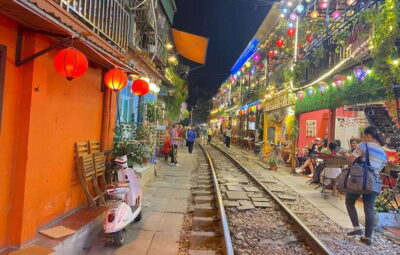
Guided Street Food Tour with Train Street Experience
Read our review →
Hanoi City Tour Highlight, Train Street Combine visit Countryside
Read our review →
Hanoi Walking Street Food Tour with Train-Street Visit
Read our review →
Hanoi Jeep City Highlight, Backstreet, Train Street, Countryside
Read our review →