REVIEW · HANOI
2 Day Sapa-Bac Ha Market: Night Train& Homestay-Bus Ha Giang
Sapa’s best moments happen on foot, not from a minibus window. This trip takes you through Black H’Mong, Zay, and Red Dao villages, with a night in Ta Van where the room is simple, the bathroom is shared, and dinner is part of the experience. Guides such as Tung and Soa have been praised for explaining village life with warmth, humor, and clear cultural insight.
I like the long walk through Muong Hoa Valley, where rice terraces, mountain homes, streams, and bamboo forest replace the usual town sightseeing. I also like the flexible finish: you can return toward Hanoi, add a Sunday trip to Bac Ha Market, or arrange a paid bus onward to Ha Giang.
The catch is the pace. Overnight transport, two days of trekking, and basic homestay facilities make this a poor match for anyone wanting a soft, leisurely break. You should also confirm your exact transport option, since the program combines several routes and add-ons.
Key points at a glance
- Night train arrival: Leave Hanoi around 9:30 p.m. and reach Lao Cai at about 5 a.m., followed by a 40-kilometer transfer to Sapa.
- Three major village walks: Visit Cat Cat, Lao Chai, Ta Van, and Giang Ta Chai, each linked to different ethnic communities and scenery.
- Ta Van homestay: Sleep on a shared mattress in a basic home with a public bathroom, clean water, fresh food, and included dinner.
- Strong local guiding: Guides such as Tung and Soa add humor, personal stories, and cultural explanation to the walking route.
- Bac Ha option: On a Sunday, add a private car and guide to visit the colorful market, Hoang A Tuong’s castle, and Pho village.
- Ha Giang connection: Continue from Sapa by limousine or sleeper bus, but the six-hour ride costs extra and is not included in the $56 base price.
What the $56 price really covers
At $56 per person, this is a useful package if you want transport, guiding, meals, village walks, and a homestay arranged in one booking. The price includes the Hanoi to Sapa and Sapa to Hanoi transport combination selected for your booking, a local English-speaking guide, meals listed in the schedule, the Ta Van stay, and entrance tickets.
That is good value for a short trip, particularly if you are starting in Hanoi and want to reach Sapa without losing a full daytime travel period. The night train lets you travel while you sleep, though the early arrival means you should expect a tiring first morning.
The price does not include drinks, insurance, VAT, personal purchases, or a private homestay room. It also does not include the Sapa to Ha Giang bus, listed at 300,000 Vietnamese Dong per person. A private Bac Ha extension is an additional arrangement, with a private car, guide, and hotel included under that option.
Holiday periods bring a surcharge of 700,000 Vietnamese Dong per person. This applies to dates including April 30 and May 1, September 1 through 3, December 24 and 31, and January 1. Ask for the final cost before paying if your dates fall near one of these holidays.
More Overnight and Sleeper Trains in Hanoi
- Sapa: 3-Day, 3-Night Trek and Hotel with Overnight Train
★ 4.2 · 64 reviews - From Hanoi: Sapa Hill Tribes 2-Day Tour by Overnight Train
★ 4.4 · 62 reviews - Sa Pa Trekking 2 Days 3 Nights Homestay by Night Train
★ 4.5 · 11 reviews
The overnight journey from Hanoi to Lao Cai
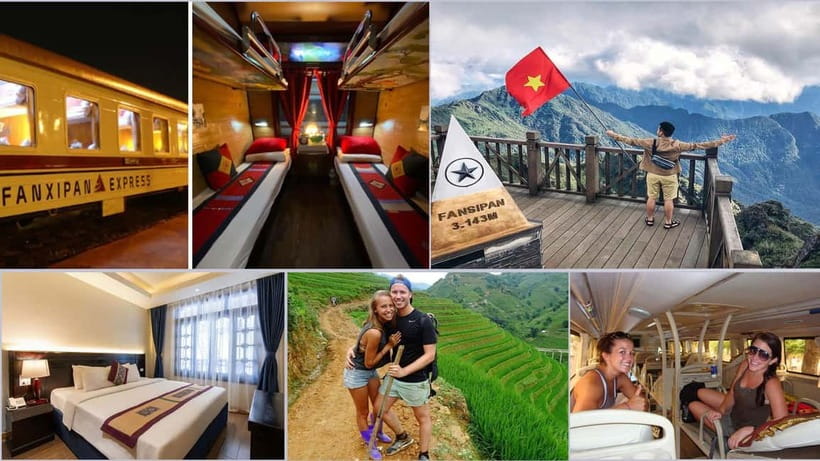
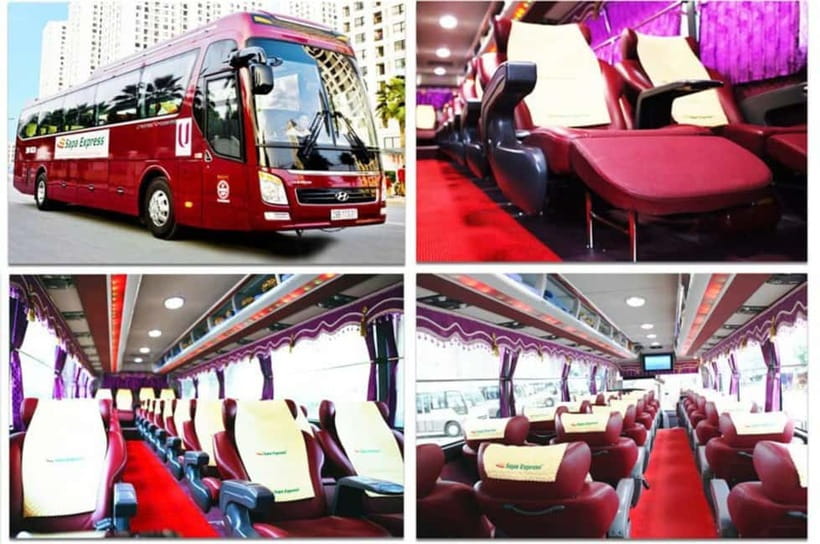
The trip begins at Hanoi Train Station, where you meet the local team for the train leaving at about 9:30 p.m. The listed services are SP1, SP2, and SP3, depending on the date and arrangement. Some bookings may use a sleeper bus instead, so confirm the option you are buying rather than assuming the train is guaranteed.
The train is part of the old-fashioned appeal. You travel overnight toward Lao Cai, the rail gateway for Sapa, then meet a driver around 5 a.m. for the 40-kilometer road transfer uphill to Sapa town. This is efficient, but it is not restful in the way a hotel night is restful.
Once in Sapa, you can refresh and eat breakfast at the hotel before walking. That early breakfast matters. You have not simply arrived for a normal morning tour. You have been moving since the previous evening, so pack your overnight items carefully and keep the first day’s clothes, medication, and walking gear easy to reach.
The transport plan can be confusing because several versions appear in the program. One route returns you toward Hanoi by bus after the Sapa trek. Another adds Bac Ha. A third sends you toward Ha Giang. Check the departure point, final destination, and extra charges with the operator before the trip begins.
Cat Cat Village and the first Sapa walk
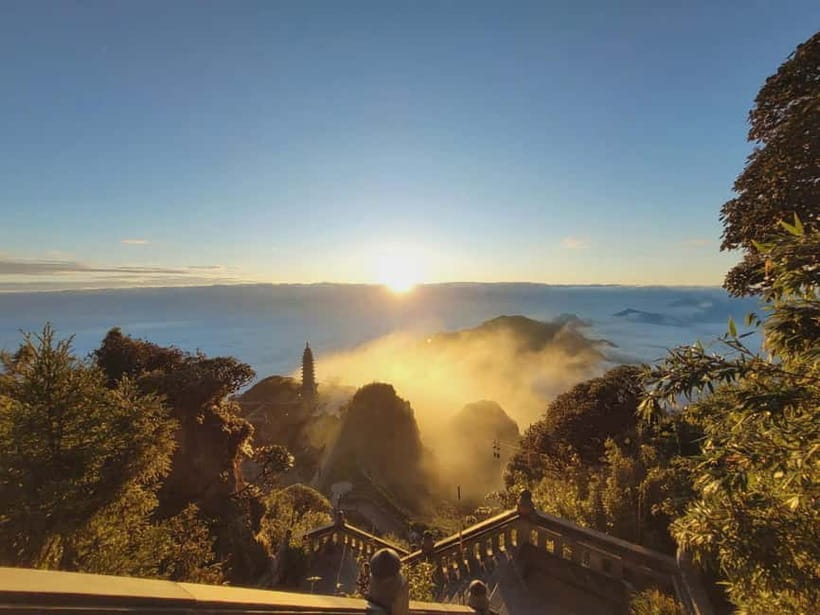
After breakfast, you set out with a local H’Mong guide carrying only a light bag. Cat Cat is associated with the Black H’Mong community and gives you an early look at village homes, local schools, Muong Hoa Stream, and a waterfall.
The route also passes a hydroelectric power plant built during the French period. It is a small but interesting reminder that Sapa’s mountain setting has long attracted outside projects as well as local communities.
Cat Cat is a good opening walk because it combines culture and scenery without asking you to tackle the longest section immediately. You will see terrace fields and mountain views, but you should not expect every path to be smooth. Good walking shoes are important, and rain can make village paths slippery.
The guide makes a big difference here. Tung, one of the guides associated with this experience, has been praised for telling stories, adding humor, and explaining village life in a way that helps the scenery make sense. Soa has also been singled out for sharing her own cultural background openly and for making the homestay feel well cared for. Guide assignments can change, so these names are possibilities rather than a guarantee.
After Cat Cat, a car returns you to the hotel for lunch. This break is practical. It divides the walking into manageable sections and gives you a chance to collect anything needed for the longer afternoon route.
Lao Chai and Ta Van through Muong Hoa Valley
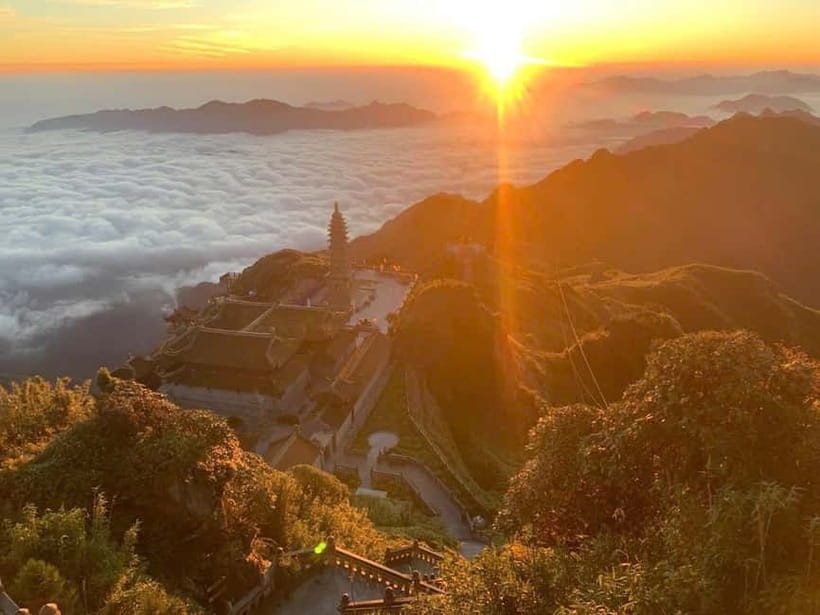
The afternoon walk is the heart of the experience. You follow a scenic route through Lao Chai and onward to Ta Van, with the slopes of Fansipan above the valley.
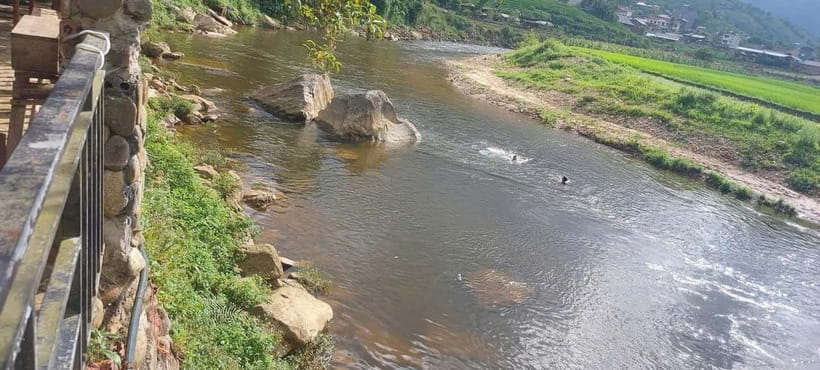
Lao Chai is home to Black H’Mong families and sits beside Muong Hoa Valley and its stream. The route takes you past rice terraces, mountain homes, cooking smoke, and rural paths. This is not a museum visit. You are walking through a living community, so your guide’s explanation and your own respectful behavior matter.
The terraces are the main visual reward. Their appearance changes with the growing season, and the program does not promise a particular color or planting stage. What you can count on is a broad valley setting, steep mountain surroundings, and homes spread along the route.
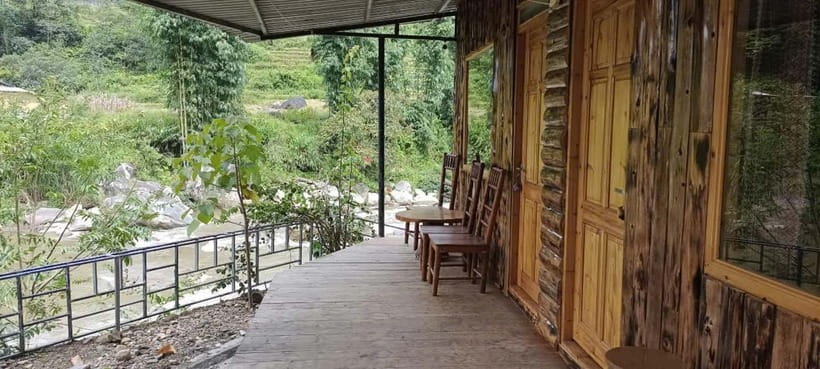
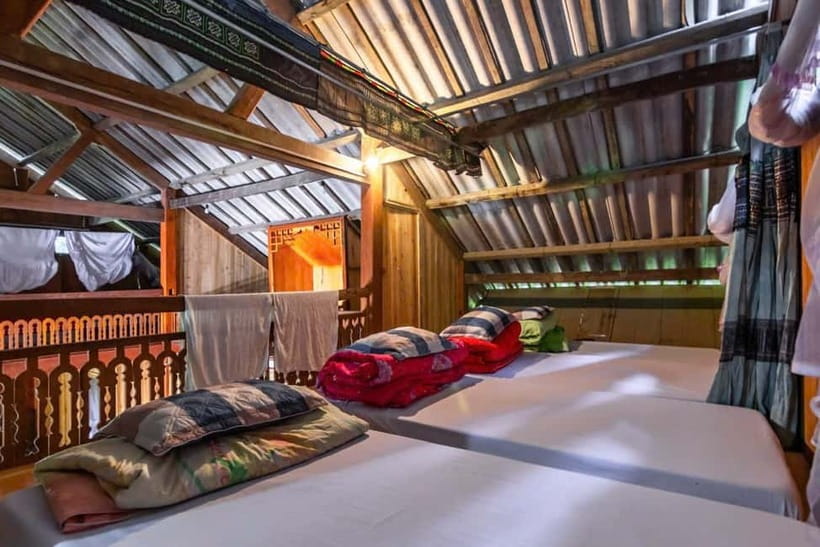
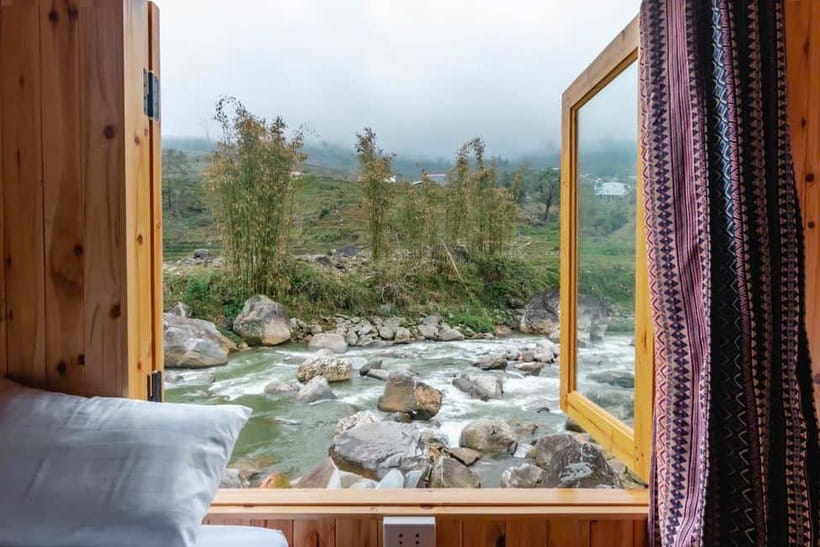
By afternoon, you reach Ta Van, associated here with Zay people. This is where you spend the night. The stay is not a private hotel in the mountains. It is a basic homestay with shared sleeping space or a single mattress, a public bathroom, clean water, and fresh food.
That simplicity is part of the point, but it is also the main comfort warning. If you need a private bathroom, quiet hotel room, or polished facilities, pay the single supplement for a private room if available or choose another type of Sapa tour. The homestay is best suited to someone who sees shared facilities as a fair trade for staying in a local village.
Dinner is included and gives the day a natural ending. The program does not specify a fixed menu, so you should not book this expecting a particular dish. You can expect local food prepared at the homestay, with drinks extra.
More Overnight and Sleeper Trains in Vietnam
- Private Overnight Train Hanoi To Sapa Or Return
★ 3.5 · 10 reviews - 3 Days Sapa Tour with Night Train from Hanoi
★ 4.5 · 8 reviews - Sapa Trekking Tour by Night Train from Hanoi 3 Nights – 2 days
★ 5.0 · 7 reviews - 2 days 3 Nights Sapa Trekking Tour by Night Train from Hanoi
★ 4.0 · 7 reviews
Morning in Ta Van and the Giang Ta Chai trail
The second morning begins with breakfast and a medium-length walk from Ta Van toward Giang Ta Chai. The route offers views back across Muong Hoa Valley and passes through bamboo forest.
Giang Ta Chai is linked with Red Dao, Zay, and Black H’Mong communities. That mix makes the walk useful for comparing the different cultural groups encountered along the way, especially when your guide explains clothing, village life, and local customs.
The walk is shorter or less demanding than the previous day’s long route, but it is still a trek. This is not a sightseeing bus with a few photo stops. Wear shoes with a solid grip, carry sunscreen and insect repellent, and bring sunglasses. Comfortable clothing will make the second day much easier.
A car collects you after the walk and returns you to Sapa for lunch. From there, your trip splits into different directions. This is the moment to know exactly what you booked.
Three ways to finish the trip
The standard return arrangement sends you toward Hanoi in the afternoon, around 1:30 or 2 p.m. The bus makes two or three stops and finishes at 160 Tran Quang Khai Street. From there, you make your own way back to your hotel.
This option works best if Sapa is a short side trip from Hanoi and you want a fixed two-day program. The bus ride is not described in detail, so allow for a long afternoon on the road and keep valuables with you.
The second choice is a Bac Ha extension, available when the schedule fits a Sunday market. After lunch, a guide and private car drive you for about two hours to Bac Ha. You check into a hotel, eat dinner, and spend the night there before visiting the market the next morning.
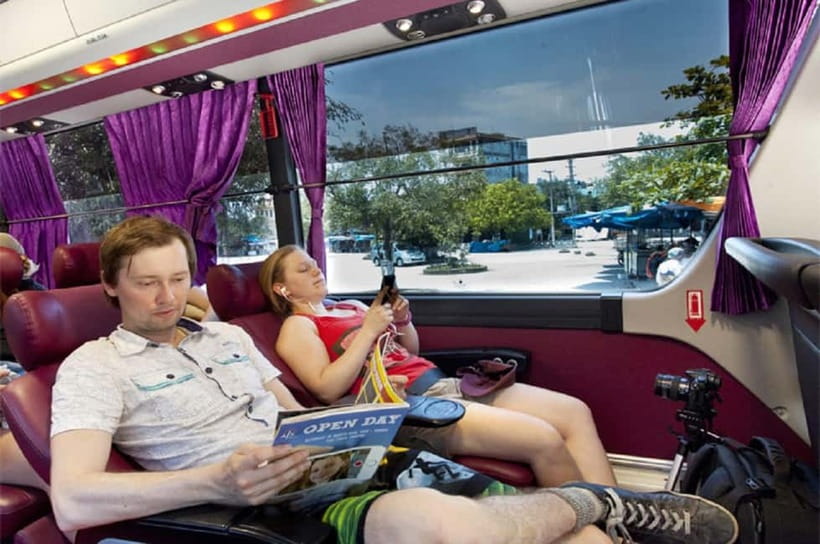
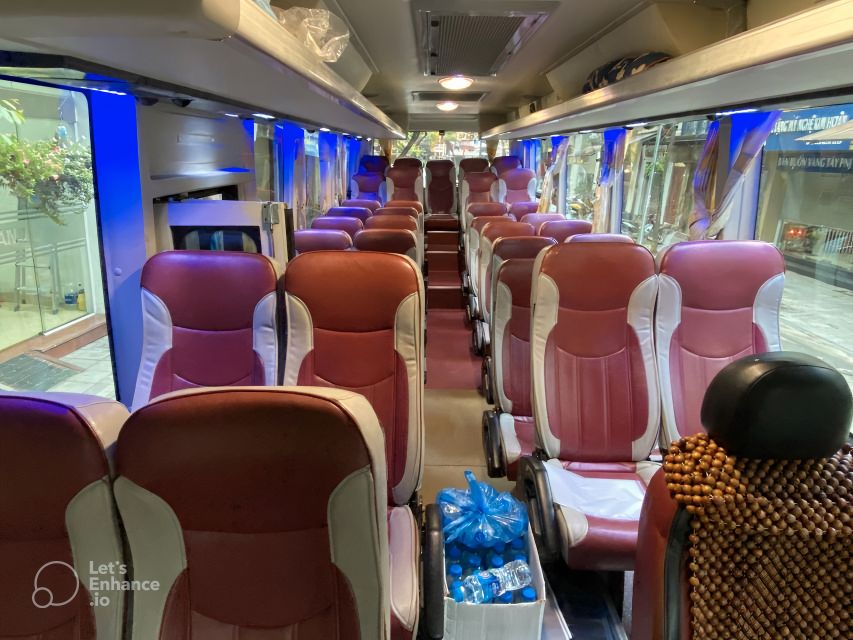
The third choice is continuing from Sapa to Ha Giang. Two departures are listed: a limousine bus around 2:30 p.m. from May Hotel, with 18 seats, or a sleeper bus around 7:30 p.m. from its meeting point, with 40 seats. Both rides take about six hours, and both cost extra.
This Ha Giang connection is useful if you are building a northern Vietnam route, but it changes the character of the trip. You are no longer simply returning to Hanoi after Sapa. You are adding another long road journey at the end of a trekking program. The later sleeper bus may be easier on your budget, while the limousine has fewer seats and an earlier departure.
Why Bac Ha Market deserves the extra day
Bac Ha Market is offered only on Sunday in the schedule, so timing matters. It is described as a place where local people exchange goods, including pigs, hens, souvenirs, and other products. The market brings together Red H’Mong, Zay, Red Dao, and Tay communities.
The attraction is not just shopping. The market shows how trade works in a mountain region and gives you a chance to see several ethnic groups in one place. It is also likely to be a much busier, more social morning than the quiet village paths around Ta Van.
The private car and guide make this extension easier than arranging the route yourself, especially after the Sapa trek. You also receive a hotel in Bac Ha on a twin-sharing basis. A single supplement may apply, so ask if you are traveling alone.
The Bac Ha day continues to Hoang A Tuong’s castle, once the home of a H’Mong ruler and his family. The building provides a different kind of cultural stop from the market, with a focus on local power and wealth in the past.
Pho village is close to Bac Ha Market and offers a quieter walk along roads where you can see everyday life. This helps balance the crowded market atmosphere. After lunch, the car and guide take you to Lao Cai to catch transport toward Hanoi, with two or three breaks before the final stop at 160 Tran Quang Khai Street.
What the guides add to the walking
A village trek can easily become a parade of views if nobody explains what you are seeing. The guide is the main reason to value this experience beyond the transport and accommodation.
Tung is described as funny and well informed about village culture, with a talent for telling stories along the route. Soa is associated with a more personal style, sharing her own culture and taking care of the group during the homestay. The operator says guides can change depending on the route, so treat these as examples of the guide quality you may receive, not a promise of a specific assignment.
The group is limited to 15 people. That is small enough for questions and easier movement on village paths, though it is not a private tour. If you choose the Bac Ha add-on, the car and guide arrangement is private for that section.
Who should book this Sapa trek?
I would recommend it to you if you want a compact introduction to northern Vietnam’s mountain communities and prefer walking to a string of roadside viewpoints. It suits people who are comfortable with early starts, shared sleeping space, local meals, and changing transport.
It is also a good fit if you are trying to connect several northern destinations. The optional Ha Giang bus saves you from returning to Hanoi before heading north again, though you pay extra and face another six-hour ride.
I would be cautious about booking it for children under six, pregnant women, or anyone with mobility limits. The program specifically says those groups should not take part, and the route includes long and medium trekking sections.
Bring Vietnamese Dong because banking in Sapa can be unreliable. US Dollars, Euros, and Australian Dollars are accepted, but local currency is the safer choice for small purchases. Also provide a working phone number through WhatsApp, Line, Viber, or KakaoTalk so the local operator can confirm arrangements.
The activity allows cancellation up to 24 hours before departure for a full refund, and you can reserve now and pay later. Those terms help if your northern Vietnam route is still taking shape, but the transport details still need checking before departure.
Should you book it?
Book this trip if the idea of walking between H’Mong, Zay, and Red Dao villages appeals more than staying in central Sapa. The strongest features are the local guides, the Muong Hoa Valley trekking, and the chance to spend a night in Ta Van rather than simply visiting for an hour.
Choose the Bac Ha extension if your schedule includes Sunday and you want a market with several ethnic communities in one place. Choose the Ha Giang bus if you are continuing north and accept the added cost and long ride.
Skip it if you need polished accommodation, private bathrooms, or a relaxed pace. At $56, the core trip offers solid value, but the value comes from covering ground, meeting local guides, and accepting simple conditions. Check your chosen transport, final destination, and optional costs before booking.
FAQ
Is the tour really two days?
The main Sapa trekking program lasts two days, including the overnight journey from Hanoi and one night in Ta Van. The Bac Ha market option adds an extra night and a third day.
Does the trip include a night train from Hanoi?
The program includes Hanoi to Sapa transport by night train or sleeper bus, depending on the option booked. The listed trains leave Hanoi at about 9:30 p.m. and arrive at Lao Cai around 5 a.m.
How do I get from Lao Cai to Sapa?
A driver picks you up at Lao Cai Train Station and takes you about 40 kilometers to Sapa town.
Where do I sleep in Ta Van?
You stay in a basic homestay with a shared room or single mattress and a public bathroom. A private room may be available for an additional single supplement.
Which villages does the trek visit?
The route visits Cat Cat, Lao Chai, Ta Van, and Giang Ta Chai. The villages are associated with Black H’Mong, Zay, and Red Dao communities.
Is the Bac Ha Market visit included in the basic price?
Bac Ha is an optional extension, not part of the standard two-day Sapa program. It includes a private car, guide, hotel in Bac Ha, and a market visit on Sunday.
Can I travel from Sapa to Ha Giang after the trek?
Yes. A limousine bus and a sleeper bus are listed, and both take about six hours. The fare of 300,000 Vietnamese Dong per person is extra.
What should I bring?
Bring comfortable trekking shoes, sunglasses, sunscreen, insect repellent, and cash in Vietnamese Dong. Pets are not allowed, and the program is not suitable for children under six or pregnant women.
More Shopping Trips in Hanoi
- Bangkok: Floating Market and Train Market Experience
★ 4.8 · 3,998 reviews - Half-Day Railway Market and Floating Market Tour in Thailand
★ 4.5 · 3,924 reviews - Bangkok: Damnoen Saduak, Train Market & Mahanakhon Day Trip
★ 4.7 · 2,162 reviews - Damnoen Saduak Floating Market and Maeklong Railway Market Tour
★ 4.5 · 1,588 reviews
More Market Trips in Hanoi
- Trekking Sapa – Bac Ha Market: Sleep on Train & Homestay
★ 4.5 · 7 reviews - Bangkok: Damnoen Saduak Market and Maeklong Railway Market
★ 4.5 · 26,723 reviews - The Old Siam: Damnoen Saduak and Maeklong Railway Market
★ 4.5 · 10,992 reviews - Bangkok: Train Market & Floating Market with Boat Ride
★ 4.7 · 9,547 reviews
Just added around Hanoi
- Visit Train Street Hear History &Eat Local Food Know Culture★ 5.0 · 20 reviews
- Uncover Hanoi’s Hidden Treasures: Old Quarter & Train Street★ 5.0 · 61 reviews
- The insider’s Hanoi + Train Street 4,5 Hours Female Ao Dai Riders★ 5.0 · 53 reviews
- The insider’s Hanoi 4.5 hours All highlight Places & Train Street★ 5.0 · 41 reviews
- Female Riders Vespa Night Street Food + Train Street food 4 Hours★ 5.0 · 35 reviews
- Red River island backroad, Rural Countyside Area and Train Street★ 5.0 · 57 reviews
- Hanoi Vespa After Dark Street food + Train Street+ Live Music★ 5.0 · 18 reviews
- Highlights and Secrets of Hanoi Old Quarter Through Train Street★ 5.0 · 24 reviews
Hanoi Train Tours, compared.
Street Food Tour with Train Street & Hidden Alleyways
Read our review →
Guided Street Food Tour with Train Street Experience
Read our review →
Hanoi City Tour Highlight, Train Street Combine visit Countryside
Read our review →
Hanoi Walking Street Food Tour with Train-Street Visit
Read our review →
Hanoi Jeep City Highlight, Backstreet, Train Street, Countryside
Read our review →