
REVIEW · JAPAN
Hakone and Kamakura: 3-day Rail Pass
Hakone and Kamakura make a strong pairing: one gives you volcanic valleys, mountain views, and Lake Ashinoko, while the other brings temples, shrines, and beaches along the bay. This pass ties them together with unlimited rides on Odakyu lines, Enoden, and selected local transport. I especially like the freedom to hop on the Hakone Ropeway, sightseeing cruise, and local buses without buying a new ticket each time. The discounts at more than 90 facilities add value if you plan to visit several paid sights.
The main catch is that this is not an all-region Japan transport pass. Only listed operators and designated routes are covered, so you can still face extra fares, including the Limited Express Romance Car and Izu Hakone Bus. Redeeming the voucher at Shinjuku can also take patience, since the correct service center is on the B1 floor of the West Exit area.
Key points to know before you buy
- Hakone’s eight included transport services cover trains, buses, the cable car, ropeway, sightseeing cruise, and attraction loop bus.
- Enoden is included, giving you access to Kamakura and its coastal rail route without paying separate fares.
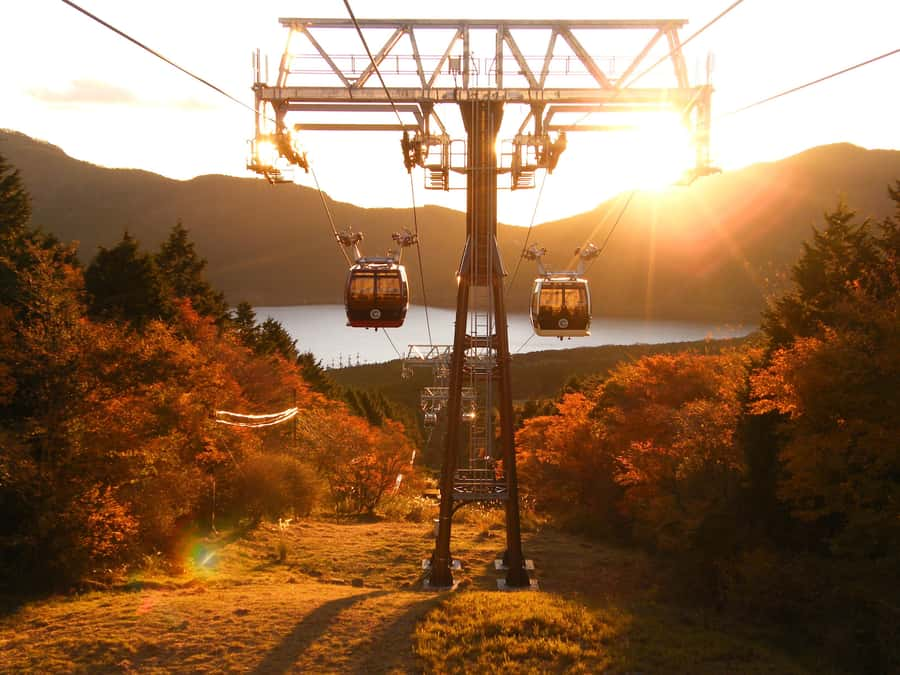
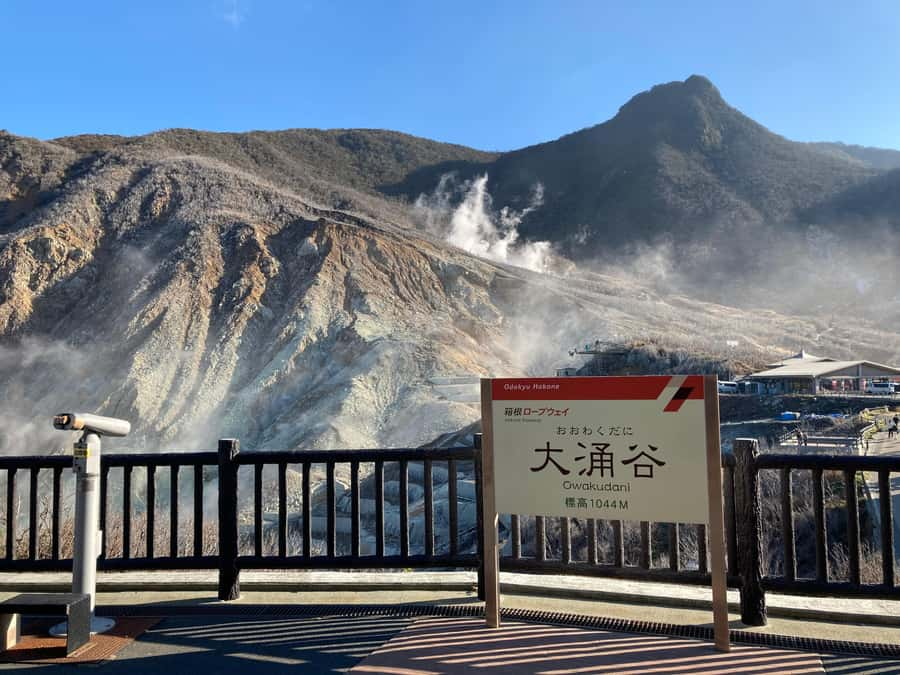
- Owakudani and Lake Ashinoko are the pass’s big scenic rewards, though wind can stop the ropeway and pirate-style sightseeing boat.
- The pass is for non-Japanese passport holders only, and you must carry the same passport or ID used with the pass.
- The Romance Car fare is extra, so budget for it if you want the fastest or most comfortable Odakyu service from Shinjuku.
- The Shinjuku West service center is easy to miss, so allow time to find it before starting your trip.
What this pass actually covers
The pass is designed for three days of movement around Hakone and Kamakura after first activation. One part of the supplied information describes it as a 36-hour pass, while the main validity details say three days. Because that wording does not fully match, check the exact validity printed on your voucher or physical pass before you set your schedule.
In Hakone, you can use eight forms of transport:
- Hakone Tozan Train
- Hakone Tozan Cable Car
- Hakone Ropeway
- Hakone Sightseeing Cruise
- Hakone Tozan Bus on designated routes
- Odakyu Hakone Highway Bus on designated routes
- Tokai Bus on designated routes
- KANKO SHISETSU-MEGURI sightseeing bus
You also receive unlimited rides on all Enoden lines. The pass is valid on Odakyu lines, most Hakone local transport, and the listed Enoden service. That sounds broad, but the details matter. You are not receiving unlimited access to every bus or railway in the region.
The pass is issued to one named person. You must carry your passport or ID and show it if station staff ask. It is also intended only for people holding non-Japanese passports. At the end of the trip, you need to return the physical pass at the final station, so do not treat it as a souvenir.
More Three-Day Trips in Japan:
- 3-Day Private Tokyo and Nagano: Snow Monkeys, Tsukiji Market and Bullet Train
★ 5.0 · 2 reviews - 3-Day Isle of Skye, ‘Hogwarts Express’ Train and Highlands Tour
★ 5.0 · 972 reviews - 3-Day Blarney Castle, Ring of Kerry, & Cliffs of Moher Rail tour
★ 4.5 · 211 reviews
Starting at Shinjuku without losing your morning
The redemption point is the Odakyu Sightseeing Service Center, Shinjuku West. It is on the B1 floor of Odakyu Line Shinjuku Station, by the West Exit ticket gate. The office is open from 8:00 AM to 6:00 PM.
This is the least polished part of the experience. The station is large, and the service center can be hard to locate if you arrive in a hurry. I would give yourself extra time, especially if you plan to leave for Hakone early. Search for the specific West office rather than assuming any Odakyu information desk can exchange the voucher.
The center is also where you need to get your physical pass. Keep your passport or ID ready. Once you have the pass, the system becomes much easier to use because you can board covered services without repeatedly buying local tickets.
The Limited Express Romance Car is not included. If you choose it, you pay that fare separately. The pass still covers the relevant Odakyu travel, but the reserved express supplement is an additional cost. If saving money matters more than a faster or more comfortable ride, use the covered Odakyu service instead.
Hakone Tozan Train and Cable Car
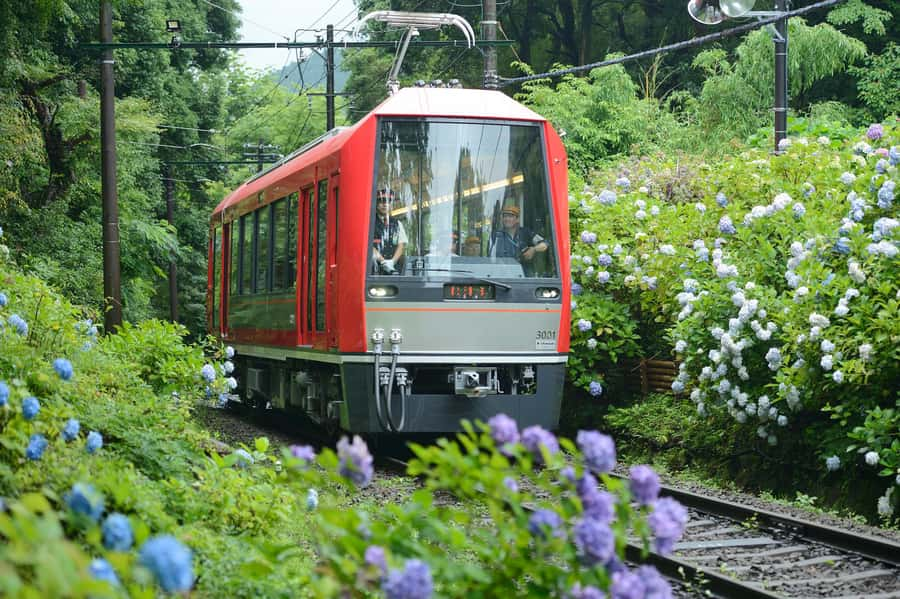
The Hakone Tozan Train gives you a useful way to move into the mountain area, and the pass lets you ride it as often as needed. This is practical on a busy sightseeing day because you can stop at several places without worrying about the price of each short trip.
The Hakone Tozan Cable Car continues the mountain journey. Together, the train and cable car form an important part of the route toward the ropeway and Owakudani. You do not need to plan every ride as a one-way commitment. With unlimited use, you have more room to adjust if weather changes or a stop takes longer than expected.
The pass is most valuable when you use several parts of the network in one day. A single train ride will not justify the full price on its own. The savings begin to make sense when you add the cable car, ropeway, cruise, and buses.
Owakudani and the Hakone Ropeway
Owakudani is one of Hakone’s most distinctive stops. It is a volcanic area, and the ropeway gives you a dramatic way to reach it. You can use the Hakone Ropeway without paying another fare, then continue through the Hakone sightseeing network.
This is where weather matters. Strong winds can stop the ropeway, and that can disrupt the usual Hakone route. You should not build your entire day around one perfect sequence of rides. If the ropeway is not running, use the other covered buses or train services where possible, then adjust your plan.
The ropeway is also one of the pass’s clearest value points. Paying separately for several ropeway sections can quickly add up. One account put a round-trip ropeway fare at about $25, alongside roughly $25 for a round-trip train ride from Shinjuku and another $25 for the boat. Those figures are approximate, but they show why the $54 pass can pay for itself with a full Hakone day.
More Train Tours in Japan:
- Mt Fuji and Hakone 1-Day Bus Tour Return by Bullet Train
★ 5.0 · 26,383 reviews - Mt Fuji & Hakone Cruise, Drum Show Bullet Train 1 Day from Tokyo
★ 4.0 · 7,413 reviews - Tokyo Mt Fuji 5th St & Hakone Cruise Bus Tour w/Bullet Train
★ 4.4 · 5,024 reviews - From Tokyo: Mt. Fuji & Hakone Tour w/ Return by Bullet Train
★ 4.2 · 1,278 reviews
Lake Ashinoko and the sightseeing cruise
Lake Ashinoko is the scenic centerpiece of many Hakone visits. The included Hakone Sightseeing Cruise lets you cross the lake as part of the covered transport network. The boats are known for their pirate-style appearance, making the ride feel more like an attraction than a basic transfer.
The cruise is particularly useful because it connects sightseeing areas while giving you a change from buses and mountain rail. You can look for views toward Mount Fuji when conditions allow, though the mountain is never guaranteed. Clouds, haze, and wind can change the scene quickly.
The same wind problem that affects the ropeway can affect the cruise. A strong-weather day may remove two of the pass’s most memorable rides. That does not make the pass useless, since the trains and buses remain important, but it does reduce the value of the experience if you bought it mainly for the ropeway and boat.
Hakone Open-Air Museum and local buses
The Hakone Open-Air Museum is another major stop covered by the local transport network. The pass does not automatically mean admission to the museum is free, but the wider program offers special discounts at many sightseeing facilities. Check the discount terms at the specific attraction before assuming admission is included.
The local bus coverage is useful, but read the designated-area rules carefully. Hakone Tozan Bus, Odakyu Hakone Highway Bus, Tokai Bus, and the KANKO SHISETSU-MEGURI attraction bus are included only on specified sections.
That distinction is important. A pass that covers most of a route may still leave you with a short extra fare if you travel beyond the permitted area. The same issue applies to other operators. I would keep a little cash or another payment method available rather than assuming every bus in Hakone accepts the pass.
Kamakura, Enoden, and the coast
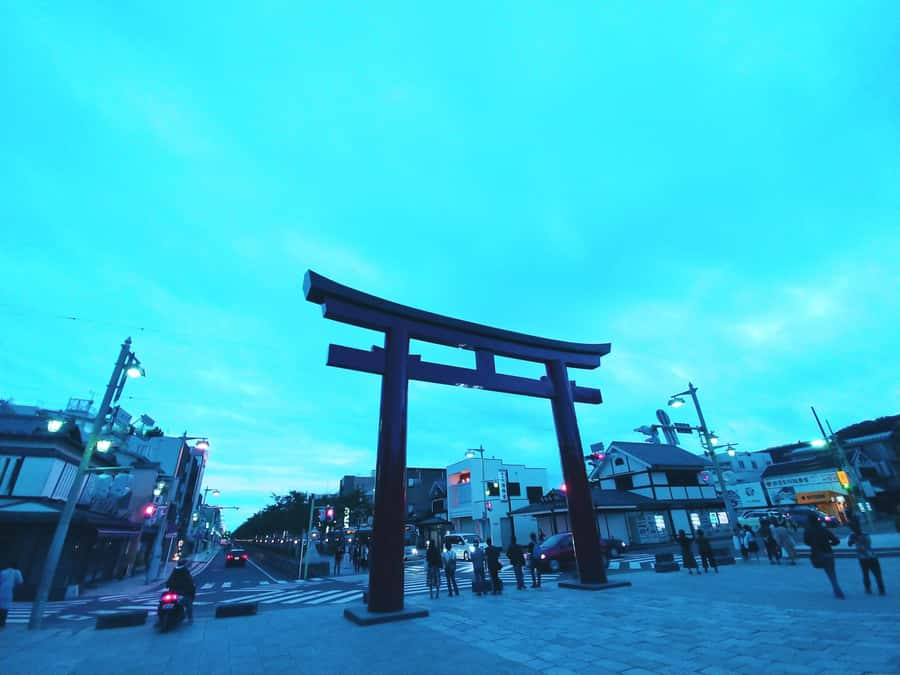
Kamakura gives the pass a different feel. Hakone is about mountain transport and natural sights, while Kamakura is an old samurai capital with temples, shrines, and bay views. Enoden connects the Kamakura area and is included for unlimited rides.
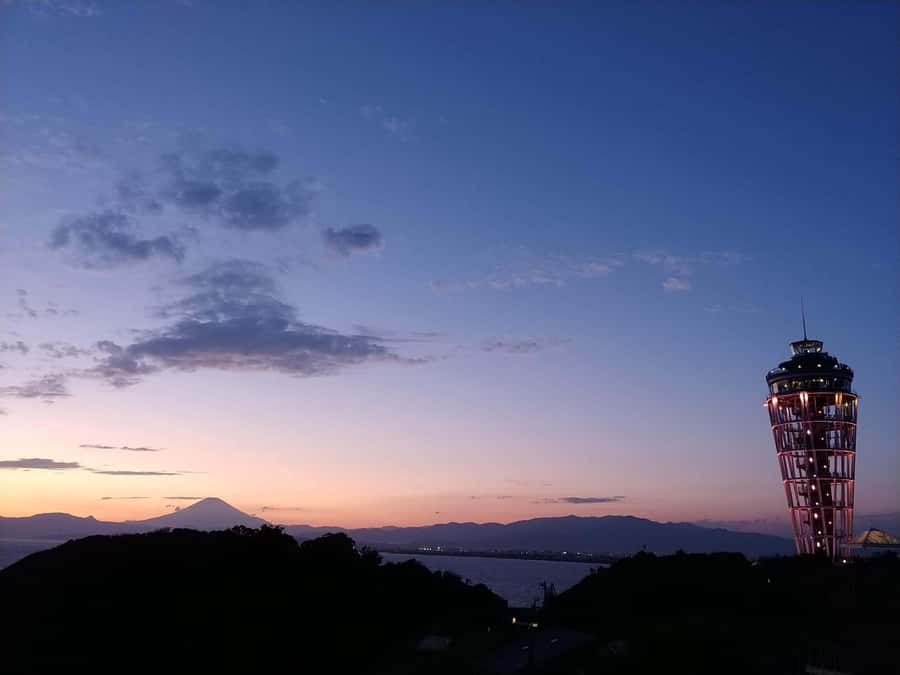
Enoden is valuable because it lets you make several short journeys without buying separate tickets. You can use it to build a day around Kamakura’s historic sights and coastal stops, then continue toward beach areas along the bay. The railway itself is part of the appeal, since it links the town and shore in a compact sightseeing corridor.
The pass does not turn Kamakura into a guided tour. You receive transportation, not a guide or arranged visits. That is good if you prefer to choose your own temples and stops, but less useful if you want historical explanations or a fixed itinerary.
You also need to remember that the pass covers Enoden, not every local service in Kamakura. If your route requires another operator, confirm the fare before boarding. The limitation is easy to miss when the pass is described in broad terms as covering both destinations.
Is $54 good value?
At $54 per person, the pass can be a good buy for an active three-day plan. The strongest case is a full Hakone circuit with several included services, followed by one or more Kamakura journeys on Enoden.
A simple cost comparison shows how quickly the numbers can work. A round-trip train journey from Shinjuku to Hakone was estimated at about $25, a round-trip ropeway at about $25, and a boat ride at about $25. You would already be near or above the pass price before counting local buses, the cable car, and Enoden rides.
That comparison is not a promise of exact savings. Fares and route choices vary, and you may not use every service. If you only ride a train to Hakone and make one short local trip, buying individual tickets could be cheaper.
The discounts at more than 90 sightseeing facilities improve the calculation. They matter most if you are already planning to visit paid attractions. Do not choose a museum or activity only because a discount exists. Use the pass for the places you genuinely want to see, then treat the discount as a bonus.
Planning three days without rushing
A sensible use of the pass is to give Hakone one full day and Kamakura another, leaving the third day flexible. That allows room for weather problems, transport delays, or a second look at the place you enjoyed most.
Hakone works best when you allow time for transfers. The train, cable car, ropeway, boat, and buses are not simply five versions of the same ride. Each adds a different view and a different pace. Trying to force every service into a few hours could turn a scenic day into a timetable exercise.
Kamakura is easier to shape around your interests. You might focus on temples and shrines, then use Enoden for coastal views and beach access. The pass gives you the freedom to change direction, but you still need to check the designated services and leave enough time to return the physical pass at the end of your trip.
The weather forecast deserves attention. Wind can close both the ropeway and cruise, so keep your schedule flexible. A clear day is especially valuable for the mountain and lake portions, while Kamakura can give you a useful alternative if Hakone conditions are poor.
The practical drawbacks
The pass is non-refundable. That makes careful planning important, especially if your schedule depends on good weather or if you are unsure how many rides you will take.
The biggest source of confusion is coverage. One company operates the included services, while other regional buses and trains are outside the pass. The Izu Hakone Bus is specifically excluded, and the Romance Car fare is also separate.
The Shinjuku exchange is another weak point. The West service center is open from 8:00 AM to 6:00 PM, but finding it may take time. Print or save the location details, arrive before your planned departure, and keep your voucher and passport together.
The pass is wheelchair accessible, which is useful, but the supplied information does not describe the accessibility of every individual vehicle, station, or attraction. If you need detailed access information, confirm it for each part of your intended route.
Who should buy it?
I would recommend this pass to you if you plan to use several Hakone services, visit both Hakone and Kamakura, and like setting your own pace. It is especially useful for people who expect to ride the ropeway, cruise, cable car, local buses, and Enoden rather than making only one or two journeys.
It is less attractive if you want a fully guided tour, need every regional operator included, or plan to spend most of your time at one attraction. You should also think twice if you cannot tolerate a non-refundable purchase or if your Hakone schedule depends entirely on ropeway and boat service.
FAQ
How long is the Hakone and Kamakura pass valid?
The pass is described as valid for three days from first activation. The activity details also refer to a 36-hour pass, so check the exact validity printed on your voucher or physical pass before planning.
Who can use this pass?
The pass is available only to holders of non-Japanese passports. It can be used only by the person whose name appears on the pass.
What identification should I carry?
Carry your passport or ID card. Station staff may ask to see it, and the pass is tied to the named user.
Where do I exchange the voucher?
Exchange it at the Odakyu Sightseeing Service Center, Shinjuku West. It is on the B1 floor of Odakyu Line Shinjuku Station, in front of the West Exit ticket gate.
What are the service center hours?
The service center is open from 8:00 AM to 6:00 PM.
Is the Romance Car included?
No. The Limited Express Romance Car fare is not included and must be paid separately.
Is the Izu Hakone Bus included?
No. The Izu Hakone Bus is specifically excluded from the pass.
Does the pass include Enoden?
Yes. You receive unlimited rides on all Enoden lines.
Do I need to return the physical pass?
Yes. You are required to return the physical pass at the final station of your trip.
Should you book it?
Book it if you want a flexible Hakone and Kamakura trip and expect to use several covered rides. The combination of the ropeway, sightseeing cruise, mountain railways, buses, and Enoden can make $54 good value, especially when you add the available attraction discounts.
Skip it if you want every local operator covered or if you are planning only a small number of rides. Before paying, confirm the three-day versus 36-hour wording, study the designated routes, and plan your visit to the Shinjuku West service center. Those few checks can turn a confusing purchase into a useful transport base for two very different parts of Honshu.
Just added around Japan
- Train in Samurai Swordsmanship and Defeat the Demon in Tokyo★ 5.0 · 5 reviews
- Private tour with Yasushi and Yoko – by car, train, on foot★ 5.0 · 2 reviews
- Tokyo-Izu: Volcano, Ocean& Capybara Cuddle with Izu Scenic Train★ 3.5 · 3 reviews
- Tokyo Private Guided 1/2-Day Walking Subway Tour English guide★ 5.0 · 7 reviews
- Snow Monkey Park and Miso Production Tour Bullet Train from Tokyo★ 4.5 · 26 reviews
- Private Tour – Thousands of lucky cats! Go by tram, Gotokuji Tour★ 5.0 · 16 reviews
- Bullet Train and Mt. Fuji Famous Food Tour★ 5.0 · 4 reviews
- Kyoto Early Bird Tour Tokyo Round or One Way Shinkansen★ 5.0 · 10 reviews
Japan Train Tours, compared.
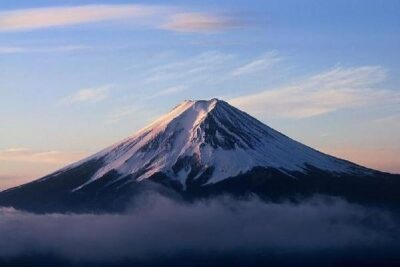
Mt Fuji & Hakone Cruise, Drum Show Bullet Train 1 Day from Tokyo
Read our review →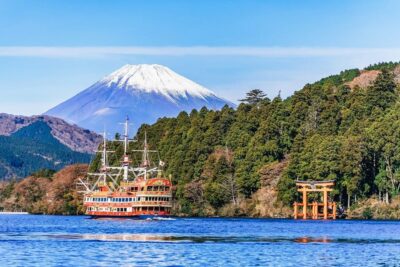
Tokyo Mt Fuji 5th St & Hakone Cruise Bus Tour w/Bullet Train
Read our review →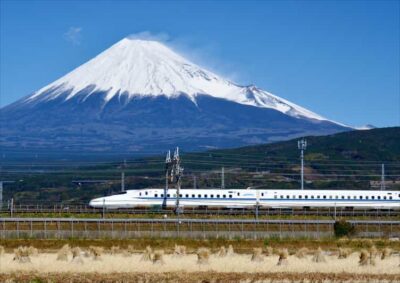
Mt. Fuji & Hakone Tour w/ Return by Bullet Train
Read our review →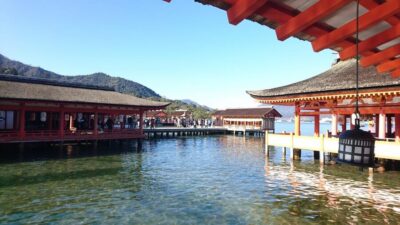
Osaka/Kyoto: Hiroshima Miyajima Bus Tour & Shinkansen Ticket
Read our review →
From Tokyo 1-Day Kyoto English-guided Tour by Bullet Train
Read our review →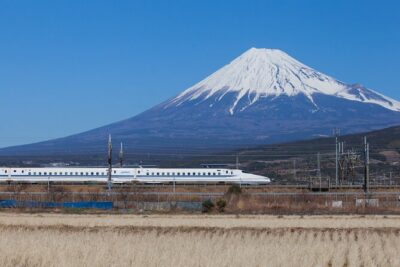
Mt. Fuji and Hakone Day Trip From Tokyo with Bullet Train Option
Read our review →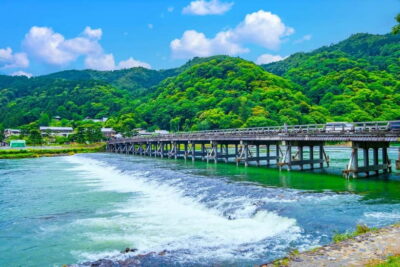
Fukuoka: Takachiho Gorge & Scenic Railway One Day Tour
Read our review →Browse the lists this tour appears in