
REVIEW · JAPAN
Hakone: Train Pass with Unlimited Rides & Activity Discounts
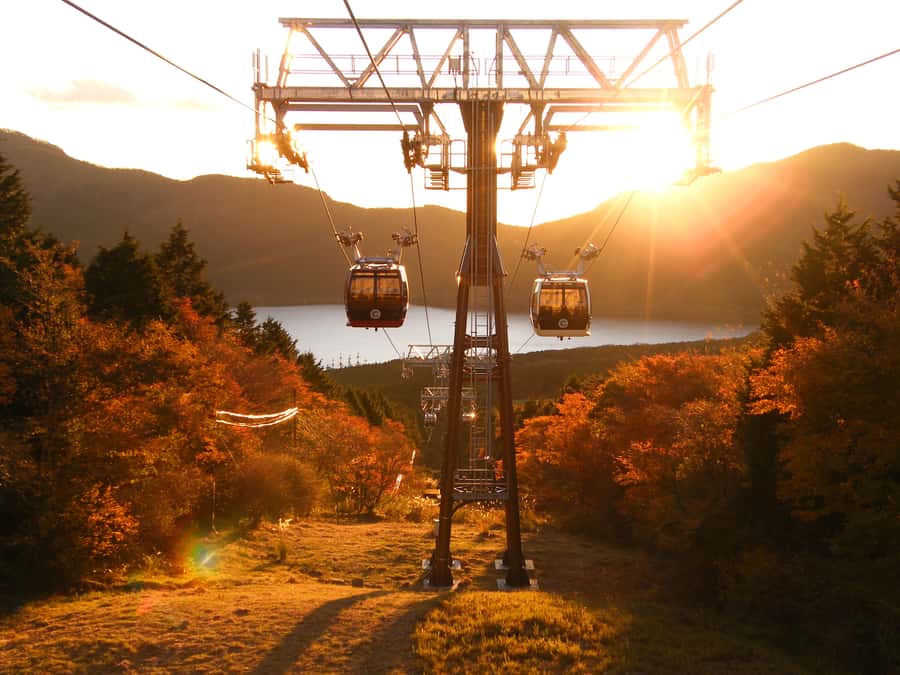
Hakone’s best feature is how many different rides fit under one pass: a train from Tokyo, a mountain railway, cable car, ropeway, buses, and a pirate-style sightseeing boat on Lake Ashi. I like the way this turns a complicated day into a simple chain of connections, especially if you plan to see Owakudani and Lake Ashi.
I also like the built-in discounts at more than 70 sightseeing facilities, plus the round-trip Odakyu fare between Shinjuku and Odawara. The catch is practical: you must collect the pass in Shinjuku, not Hakone, and the limited express Romancecar requires a separate fee.
Key points at a glance
- One pass covers the classic Hakone circuit: Use the Hakone Tozan Train, Cable Car, Ropeway, sightseeing cruise, and several bus networks.
- Tokyo transport is included: The pass covers round-trip Odakyu Line fare between Shinjuku and Odawara.
- Lake Ashi cruise access adds real value: The sightseeing boat links the lake portion of a typical Hakone route with no separate cruise ticket.
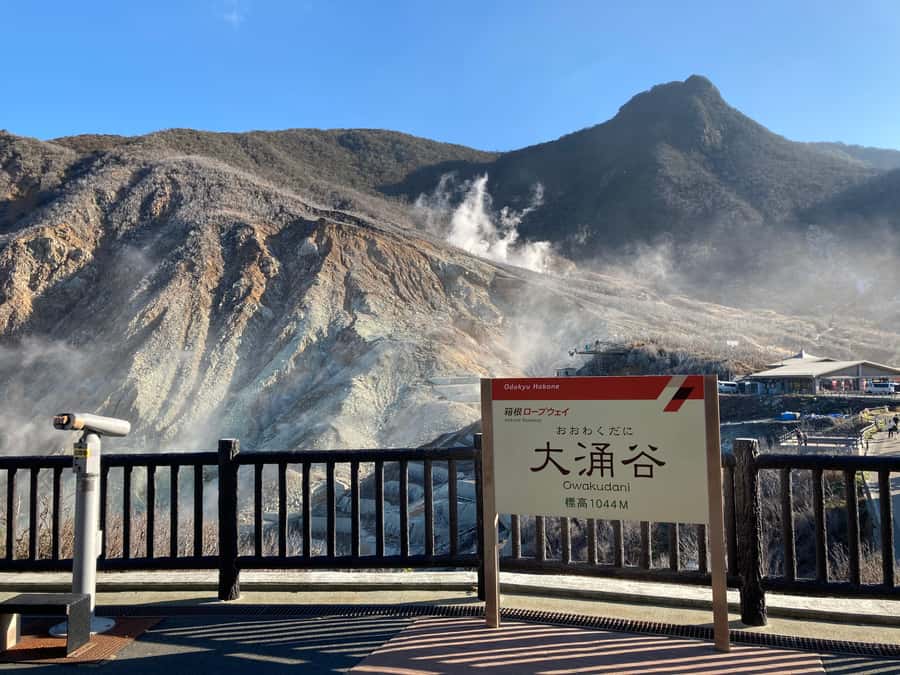
- Owakudani is easy to reach: The ropeway carries you toward the volcanic valley, one of Hakone’s most distinctive stops.
- Discounts go beyond transportation: More than 70 Hakone facilities offer special prices with the pass.
- Plan around the restrictions: Romancecar service, Izu Hakone buses, and full Odakyu Hakone Express Buses are not covered in every situation.
One ticket for Hakone’s famous mountain route
Hakone is not a place where you simply walk from one sight to the next. The area spreads around steep mountains, Lake Ashi, hot spring towns, and volcanic terrain. A single outing can involve several kinds of transport, and paying each fare separately takes time and attention.
This pass gives you a practical way to connect the main sights. From Shinjuku, you take the Odakyu Line toward Odawara, then continue into Hakone using the covered local systems. The exact order is up to you, but the pass is built for a loop that can include the mountain train, cable car, ropeway, lake boat, and buses.
I find that useful because Hakone’s charm comes from the changing views and the changing rides. The train climbs through the mountains. The cable car handles the steep section. The ropeway heads over volcanic ground. Then the sightseeing cruise carries you across Lake Ashi. You are not stuck repeating the same kind of journey all day.
The pass is sold as a two-day option in the supplied details, while the general description also refers to two or three consecutive days. Check the available duration carefully when booking. The key rule is that your chosen period runs on consecutive days, not on separate visits spread across a week.
More Train Tours in Japan:
- Mt Fuji and Hakone 1-Day Bus Tour Return by Bullet Train
★ 5.0 · 26,383 reviews - Mt Fuji & Hakone Cruise, Drum Show Bullet Train 1 Day from Tokyo
★ 4.0 · 7,413 reviews - Tokyo Mt Fuji 5th St & Hakone Cruise Bus Tour w/Bullet Train
★ 4.4 · 5,024 reviews
Leaving Shinjuku and reaching Odawara
Your trip begins at the Odakyu Sightseeing Service Center, Shinjuku West. It is on the B1 floor of Odakyu Line Shinjuku Station, in front of the West Exit ticket gate. The service center is open from 8:00 AM to 6:00 PM.
You exchange your confirmation voucher there for the physical pass. This detail matters more than it may seem. You cannot plan to arrive in Hakone and pick it up at your convenience, so allow time at Shinjuku before boarding the train.
The pass includes round-trip train fare between Shinjuku Station and Odawara Station on the Odakyu Line. That gives you a useful starting point, since Odawara is the gateway to the Hakone area.
If you want the limited express Romancecar, you must pay an additional fee. The pass itself does not include that supplement. I would treat the regular Odakyu journey as the included basic transport, then decide separately if the faster or reserved-seat option is worth paying for.
There is also one small end-of-trip obligation: return the pass at the final station of your trip. Keep it handy throughout the journey rather than putting it away with your day-one receipts.
Riding the Hakone Tozan Train
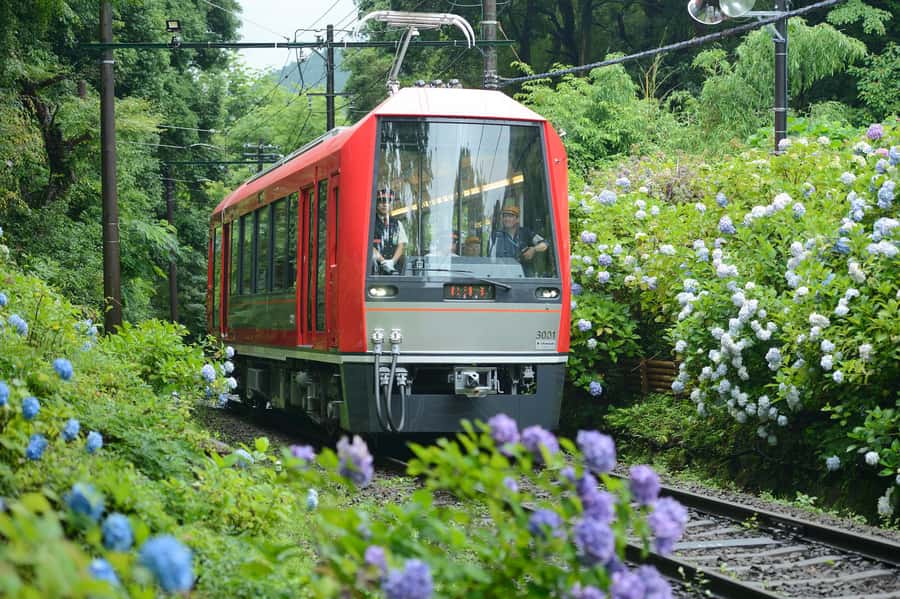
The Hakone Tozan Train is the classic mountain railway portion of the route. It takes you from the Odawara side toward Hakone’s higher areas and provides the transition from ordinary rail travel into the mountain setting.
This ride is valuable even when you are using it simply as transport. The pass removes the need to buy a separate ticket each time you continue to the next section, and you can focus on making the connections.
The train is also a good reason to avoid overloading your schedule. Hakone’s transport network has several stages, and a rushed plan can leave you watching the clock instead of enjoying the route. With two consecutive days, you have more room to use the train as part of a wider visit rather than forcing every stop into one long circuit.
Taking the cable car uphill
The Hakone Tozan Cable Car covers the steep climb between the lower mountain railway area and the ropeway connection. It is a short but important link in the standard Hakone route.
I like this part of the pass because the transport changes are part of the experience. You are not merely transferring between anonymous stations. The train, cable car, and ropeway each handle a different section of the mountain route.
Still, the cable car works best when you understand the overall sequence before setting out. The pass gives you access, but it does not provide a guide or a personal itinerary. Bring the route information supplied with your booking and allow extra time for connections, especially when weather affects mountain transport.
Same tracks, a very different ride:
- From Tokyo: Mt. Fuji & Hakone Tour w/ Return by Bullet Train
★ 4.2 · 1,278 reviews - Osaka/Kyoto: Hiroshima Miyajima Bus Tour & Shinkansen Ticket
★ 4.7 · 919 reviews - From Tokyo 1-Day Kyoto English-guided Tour by Bullet Train
★ 4.0 · 376 reviews - Mt. Fuji and Hakone Day Trip From Tokyo with Bullet Train Option
★ 4.0 · 368 reviews
Reaching Owakudani by ropeway
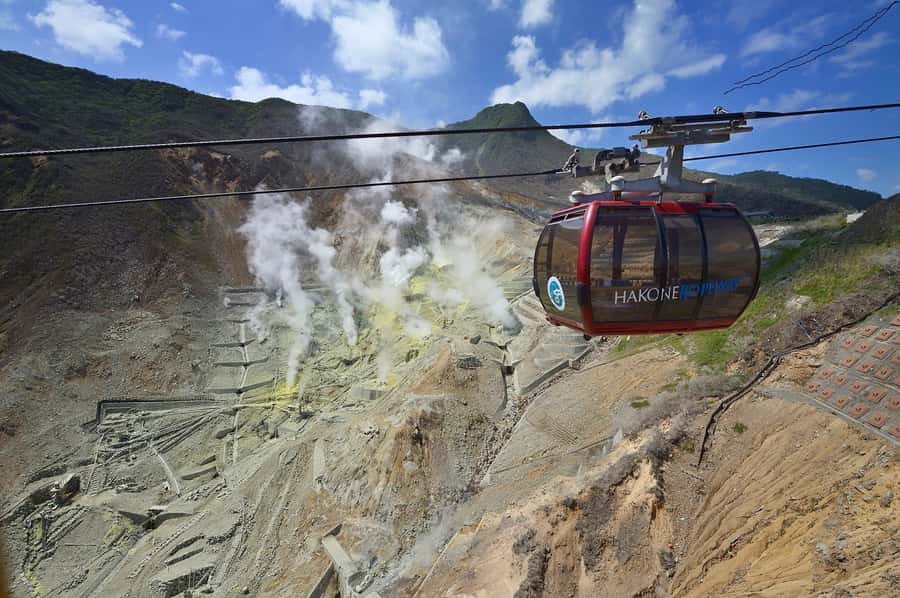
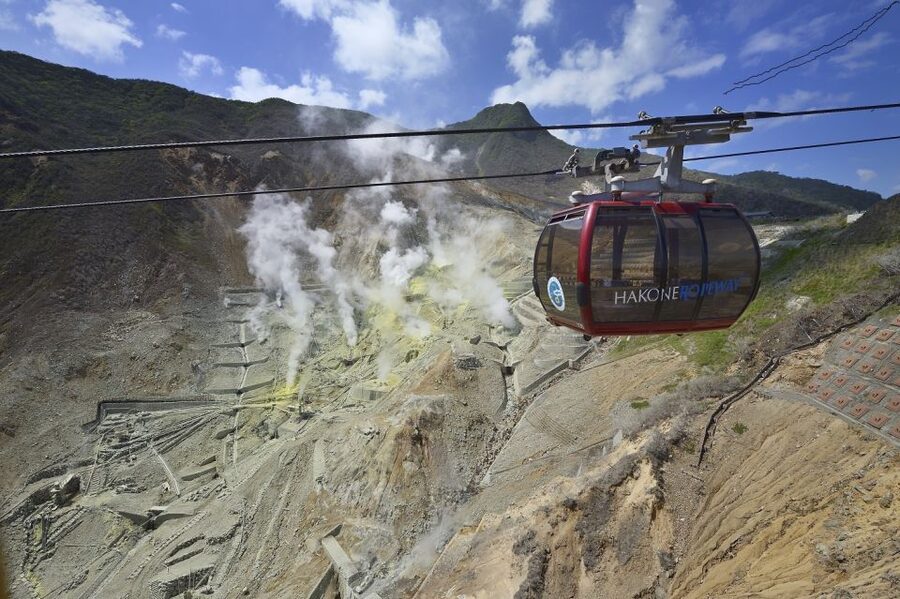
The Hakone Ropeway takes you toward Owakudani, a volcanic valley and one of the area’s best-known natural sights. The name refers to the Great Boiling Valley, and the stop gives your Hakone outing a stronger sense of place than a simple museum-and-shopping day.
The ropeway is one of the pass’s most useful inclusions because it links the high mountain section with the lake area. You can use it as part of a one-way route rather than retracing your steps.
Weather is the main concern here. Services can be suspended in poor conditions. If a covered transport service is suspended and you cannot board it during the whole trip, the particular unused portion may qualify for a refund through the Odakyu Sightseeing Service Center. That does not mean every disruption produces a full pass refund, so keep your expectations specific to the affected transport.
Crossing Lake Ashi on the sightseeing cruise
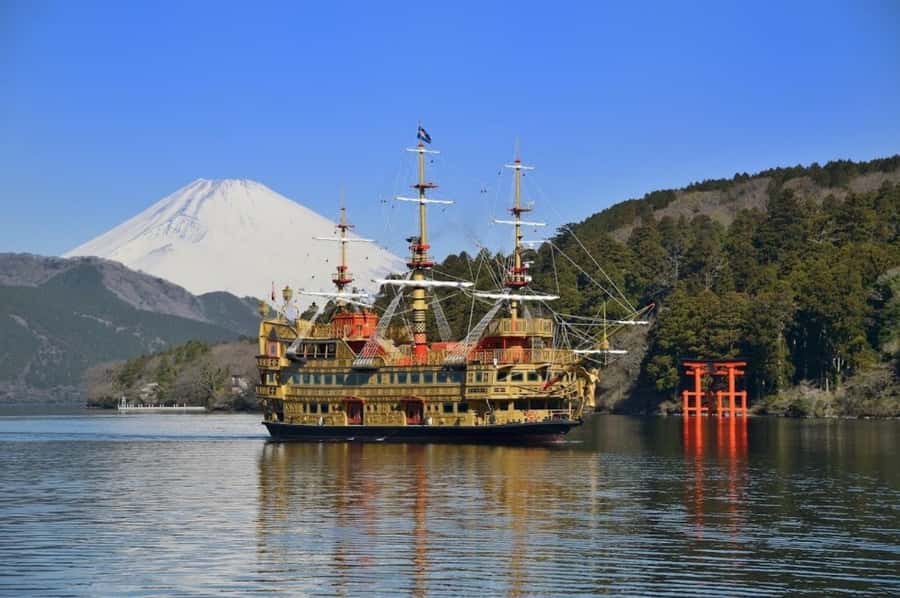
The Hakone Sightseeing Cruise is a highlight for many people because it changes the pace completely. After the mountain rail and ropeway sections, you reach Lake Ashi and continue by boat.
The cruise is sometimes described as a pirate-ship ride, which gives it a playful character rather than the feel of a plain ferry transfer. More importantly, it links the lake portion of the Hakone circuit and is included in the pass.
I consider this one of the strongest value points. If you paid separately for every transport segment, the cruise would be another item to add to your budget. Here it forms part of the same transport network as the train, cable car, and ropeway.
Do remember that a pass does not guarantee ideal conditions. Visibility and weather can affect the views, and service may stop in bad weather. Even so, the boat remains a useful connector between the Hakone side of the route and the lake side.
Using the buses around Hakone
The pass covers selected areas of several bus systems:
- Hakone Tozan Bus
- Odakyu Hakone Highway Bus
- Tokai Bus
- KANKO SHISETSU-MEGURI, the Tourist Attraction Sightseeing Bus
These buses matter because not every worthwhile stop sits directly beside a train, ropeway, or cruise terminal. They can take you toward museums and other attractions, and they help fill the gaps in the rail-and-lake route.
The word designated is important. Coverage applies only to certain areas and routes, not automatically to every bus operated by each company. I would check the route details before boarding, especially if a bus sign does not match the names listed above.
Izu Hakone Bus is excluded. That is an easy detail to miss if you assume every Hakone bus accepts the pass. Ask before boarding if you are unsure, since the pass is generous but not universal.
The Odakyu Hakone Express Bus also has a special restriction. Reserved-seat passengers have priority, and you cannot board if the bus is full. The pass gives you access where applicable, but it does not reserve a place for you.
Fitting in the Hakone Open-Air Museum
The Hakone Open-Air Museum is one of the named sights that you can reach within the pass network. It combines outdoor art with the mountain setting, making it a change of mood from the volcanic valley and lake cruise.
The pass does not mean admission to every facility is free. Instead, it gives you special discounts at more than 70 Hakone sightseeing facilities. The museum is therefore worth checking as a discount stop, not assuming that entry is fully included.
This distinction applies across the area. Transportation is the main included benefit. Attraction admission usually remains a separate purchase, with the pass reducing the price at participating places.
I like that arrangement for flexible sightseeing. You can choose the facilities that fit your interests instead of paying for a large bundle of attractions you may not visit. If you plan to see several museums, parks, or other participating facilities, the discounts can add to the transport savings.
Is the $45 price good value?
At $45 per person, the pass is easiest to justify when you use both halves of its value: transportation and attraction discounts.
The transport package includes the round trip from Shinjuku to Odawara, then unlimited rides on eight Hakone transportation systems during the selected period. A visitor who takes only one local ride and spends the rest of the time at one attraction may not get the full benefit.
Someone following the classic route can do much better. The train from Tokyo, Hakone mountain transport, ropeway, cruise, and buses can create several separate fares in a single day. Add a second day and a few discounted facilities, and the pass becomes more appealing.
There is a fair counterpoint. One price comparison found that buying locally could have been cheaper. That may happen if your plans are limited, if you use only a few covered services, or if you do not visit enough discounted facilities.
My advice is simple: list your intended rides before booking. Include the Odakyu return journey, then count the Hakone train, cable car, ropeway, boat, and buses you expect to use. If your plan includes the full mountain-to-lake route, the pass is much easier to defend than if you are making a short, single-stop visit.
How to plan the two days
For a two-day pass, I would avoid treating the first day as a race through every famous stop. Hakone’s transport can be the main event, and weather can change the order of your plans.
You could use the first day for the approach from Shinjuku, the Hakone Tozan Train, the Cable Car, and Owakudani. Then use the second day for the ropeway connection, Lake Ashi sightseeing cruise, buses, and one or more discounted facilities.
That is not a fixed itinerary, and conditions may force you to switch the order. The important point is to group connected rides rather than crossing the same area repeatedly.
If you have only one day, the pass can still make sense. One included Tokyo round trip plus the classic Hakone transport circuit can provide strong value. But you need an early start and a realistic schedule, since the route has multiple stages and possible weather interruptions.
What the pass does not solve
This is a transportation pass, not a guided tour. You do not get a named guide, commentary, or someone to manage each transfer. That gives you freedom, but you are responsible for reading the route information and choosing the sequence.
The separate Romancecar charge is the most obvious extra cost. Izu Hakone Bus is also outside the pass, and designated-area limits apply to several covered bus networks.
The pickup location is another practical hurdle. If you are already in Hakone, the pass cannot simply be collected there according to the supplied instructions. Pick it up at the Shinjuku service center before heading south.
Finally, bad weather can interrupt the ropeway, boat, or other services. The refund rule applies only to the particular transportation portion that was not boarded for the whole trip, and refunds are handled through the Odakyu Sightseeing Service Center.
Who should buy the Hakone Pass?
I would recommend it to you if you want the complete Hakone circuit, especially the train, cable car, ropeway, and Lake Ashi cruise. It is also a good fit if you are starting in Shinjuku and plan to visit several discounted facilities.
Families and first-time visitors may appreciate having one pass instead of stopping to buy tickets at each stage. It is wheelchair accessible, which may also help you compare it with other transport options, though the exact ease of each individual connection is not detailed here.
I would be more cautious if your plan is only one local ride, if you intend to use Izu Hakone Bus, or if you prefer the Romancecar without paying extra. In those cases, compare the separate fares before committing.
FAQ
How long is the Hakone pass valid?
The supplied activity details describe a two-day pass. The general description also refers to two or three consecutive days, so check the available duration and starting options when booking.
Does the pass include travel from Tokyo?
Yes. It includes round-trip train fare between Shinjuku Station and Odawara Station on the Odakyu Line.
Is the Romancecar included?
No. The limited express Romancecar requires a separate fee.
Which Hakone transport systems are included?
The pass includes the Hakone Tozan Train, Hakone Tozan Cable Car, Hakone Ropeway, Hakone Sightseeing Cruise, selected Hakone Tozan Bus routes, selected Odakyu Hakone Highway Bus routes, selected Tokai Bus routes, and the KANKO SHISETSU-MEGURI Tourist Attraction Sightseeing Bus.
Does it include Izu Hakone Bus?
No. Izu Hakone Bus is not included.
Where do I exchange the voucher?
Exchange your voucher at the Odakyu Sightseeing Service Center, Shinjuku West. It is on the B1 floor of Odakyu Line Shinjuku Station West Exit, in front of the ticket gate. The center is open from 8:00 AM to 6:00 PM.
Are sightseeing attractions included for free?
No. The pass provides special discounts at more than 70 Hakone sightseeing facilities. Attraction admission is not described as fully included.
What happens if bad weather suspends a service?
If you could not board a particular covered transportation service because of a suspension, you may request a refund for that particular unused portion at the Odakyu Sightseeing Service Center. The pass must be returned at the final station of the trip.
Should you book it?
Book this pass if you want Hakone’s full transport story, from Shinjuku and Odawara to the mountain train, Owakudani, Lake Ashi, and the sightseeing cruise. At $45, it can be good value when you use several rides and claim some of the facility discounts.
Skip it if your route is short, you need Izu Hakone Bus, or you want a Romancecar journey included without an extra charge. Before paying, sketch your route and count the rides. If your plan looks like a proper Hakone circuit, this pass gives you useful freedom and fewer ticket decisions along the way.
Just added around Japan
- Train in Samurai Swordsmanship and Defeat the Demon in Tokyo★ 5.0 · 5 reviews
- Private tour with Yasushi and Yoko – by car, train, on foot★ 5.0 · 2 reviews
- Tokyo-Izu: Volcano, Ocean& Capybara Cuddle with Izu Scenic Train★ 3.5 · 3 reviews
- Tokyo Private Guided 1/2-Day Walking Subway Tour English guide★ 5.0 · 7 reviews
- Snow Monkey Park and Miso Production Tour Bullet Train from Tokyo★ 4.5 · 26 reviews
- Private Tour – Thousands of lucky cats! Go by tram, Gotokuji Tour★ 5.0 · 16 reviews
- Bullet Train and Mt. Fuji Famous Food Tour★ 5.0 · 4 reviews
- Kyoto Early Bird Tour Tokyo Round or One Way Shinkansen★ 5.0 · 10 reviews
Japan Train Tours, compared.
Mt Fuji & Hakone Cruise, Drum Show Bullet Train 1 Day from Tokyo
Read our review →
Tokyo Mt Fuji 5th St & Hakone Cruise Bus Tour w/Bullet Train
Read our review →
Mt. Fuji & Hakone Tour w/ Return by Bullet Train
Read our review →
Osaka/Kyoto: Hiroshima Miyajima Bus Tour & Shinkansen Ticket
Read our review →
From Tokyo 1-Day Kyoto English-guided Tour by Bullet Train
Read our review →
Mt. Fuji and Hakone Day Trip From Tokyo with Bullet Train Option
Read our review →
Fukuoka: Takachiho Gorge & Scenic Railway One Day Tour
Read our review →Browse the lists this tour appears in