
REVIEW · BANGKOK
Bridge on the River Kwai and Thailand-Burma Railway Guided Tour
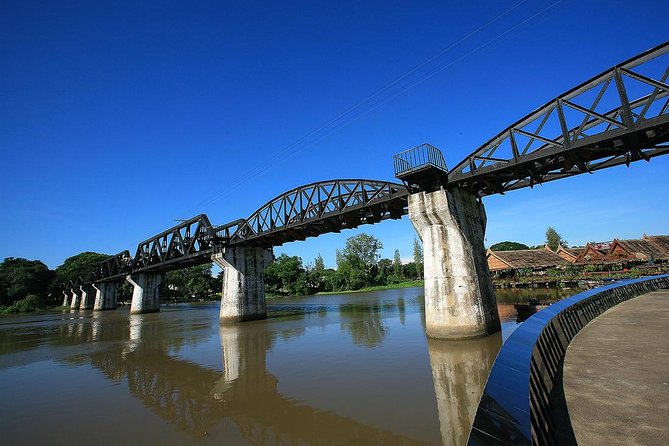
The most powerful part of this tour is the contrast between quiet war cemeteries and the lively countryside along the Death Railway. You walk across the famous bridge, see the tracks built by prisoners of war, and hear how the Thailand-Burma Railway was made during World War II.
I like the included train ride through Kanchanaburi and the long-tail boat approach to the river. Guides such as Oom and Rach have earned praise for bringing the history to life, though the day can feel rushed, and the drive from Bangkok may take much longer than the advertised 11 hours in heavy traffic.
Key points to know before booking
- The drive is the main commitment: Kanchanaburi is about 130 kilometers from Bangkok, with roughly two to three hours each way before traffic delays.
- The train ride is the star activity: Your ticket covers the Death Railway ride, but you must pay an extra 300 baht for a guaranteed seat.
- The boat ride adds atmosphere: A long-tail speedboat takes you along the river, though the actual ride may be shorter than you expect.
- The history is handled at several stops: You visit the bridge, Kanchanaburi War Cemetery, and JEATH War Museum.
- Guiding quality matters: Oom, Rach, and other guides have been praised for clear, warm commentary, but communication can vary.
- Lunch and hotel transport are included: Pickup and drop-off apply to centrally located Bangkok hotels, and the group size can reach 15 people.
Why this World War II day trip matters
The Bridge on the River Kwai is not just a film location or a photo stop. It is part of the Thailand-Burma Railway, a wartime project built between 1942 and 1943 by Allied prisoners of war and Asian forced laborers under Japanese control.
The railway linked Thailand with Burma, now Myanmar, and was built under brutal conditions. Disease, hunger, exhaustion, violence, and poor equipment killed large numbers of workers. The bridge you see today is a physical reminder of that suffering, but the surrounding memorials help you understand the human cost beyond the famous movie.
I find the tour most worthwhile when you treat it as a serious history visit with scenic transport added in. The river, train, and countryside make the day more varied, but the real reason to go is to understand what happened here.
The tour has a strong average rating of 4.5 from 353 ratings, but the experience is not equally smooth for everyone. The usual strengths are the guides, the historical content, lunch, and the train ride. The usual weak points are the long van journey, vehicle comfort, short stops, and occasional difficulty hearing the guide.
More Death Railway and River Kwai Tours in Bangkok:
- From Bangkok: Death Railway & Hellfire Pass Tour with Lunch
★ 4.6 · 931 reviews - Bridge on the River Kwai and Thailand-Burma Railway Tour
★ 4.5 · 658 reviews - Bridge over River Kwai and Hellfire Pass Tour with Train Ride
★ 5.0 · 199 reviews
Leaving Bangkok early for Kanchanaburi
Pickup begins at about 7:00 am, though your actual collection time may be 30 to 60 minutes earlier depending on your hotel. Only centrally located Bangkok hotels are covered, and you need to provide your hotel details when booking.
The first practical fact is simple: this is a long road day. The advertised duration is about 11 hours, but traffic can stretch the return to Bangkok well into the evening. One reported schedule ran from 6:00 am to 8:30 pm, so I would not book a dinner reservation, show, or airport transfer soon after the stated end time.
Transport is by air-conditioned vehicle. Some groups have found the minivan clean and suitable, while others have complained about hard seats, rough suspension, or difficulty hearing commentary from the back rows. The tour allows up to 15 people, although some departures are smaller. A private option gives you your own vehicle and guide, which is worth considering if comfort, flexibility, or direct conversation matters to you.
The road trip is not dead time. You pass from Bangkok into the countryside, and there are usually rest stops, but the travel can still feel tiring. Bring water, a hat, and a small fan for hot weather. Tissues or toilet paper are also useful, since some toilets rely on a handheld bidet spray rather than paper.
Approaching the River Kwai by long-tail boat
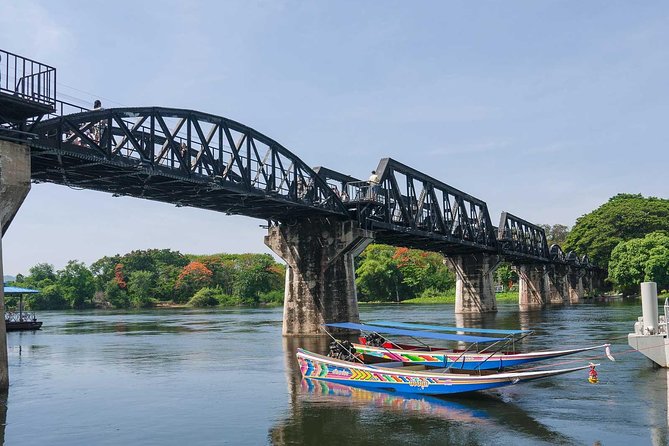
The long-tail speedboat is one of the tour’s more appealing touches. Instead of arriving at the bridge only by road, you get a river view and a brief ride in a traditional Thai boat.
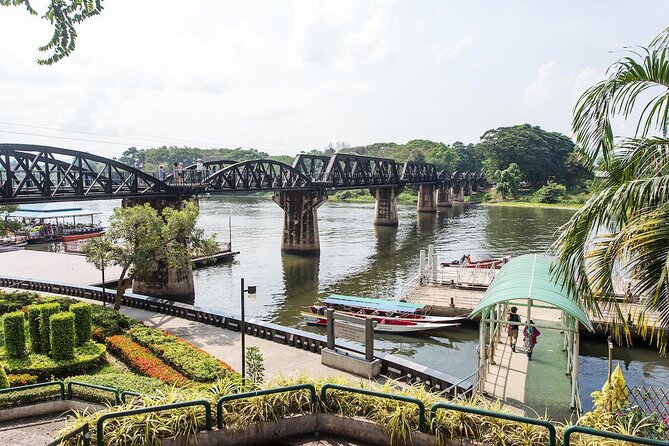
The river setting gives you a better sense of why this route mattered. The bridge is not isolated in a museum display. It crosses a real working river, surrounded by trees, buildings, tracks, and everyday local life.
Keep your expectations in check. The boat ride is included, but several people have found it closer to five minutes than the 20 minutes they expected. Landing conditions can also be basic, with an old or uneven jetty possible. I would treat the boat trip as a scenic introduction, not a major cruise.
The boat is still valuable because it changes your view of the site. You see the bridge from below and from the water, then move toward it in the same broad setting where wartime transport once mattered. That small shift in perspective adds more than another roadside photo stop.
Walking across the Bridge on the River Kwai
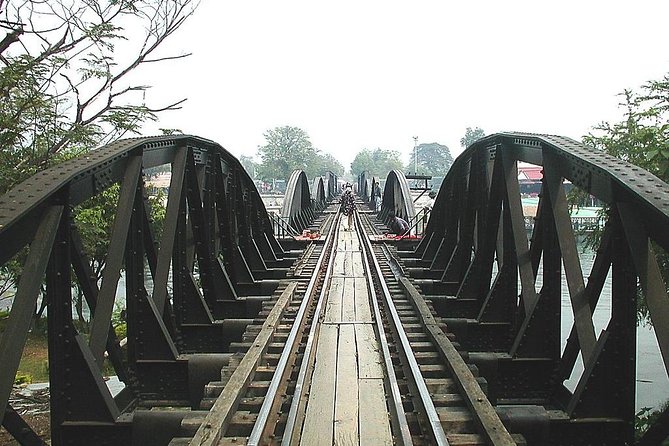
At the bridge, you have time to walk across the railway and look down at the river. The steel structure is the central visual moment of the day, and it connects the popular film title with the actual railway built during the war.
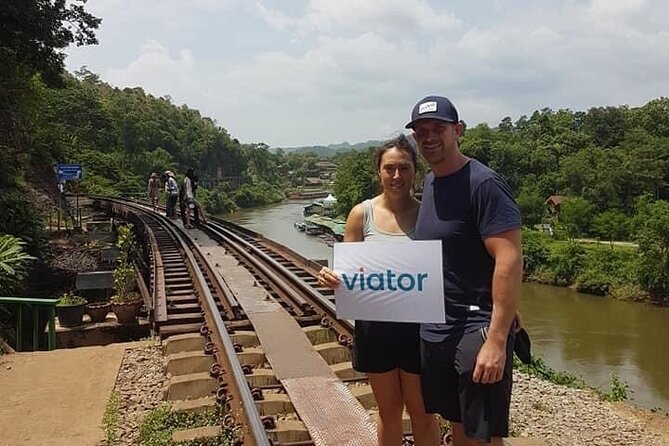
The bridge is active rather than frozen in time. Trains still use the line, so follow the guide’s instructions and pay attention to the train schedule. One group happened to see two trains pass through a nearby market and walk along the tracks between them, but that is not listed as a guaranteed part of this departure.
This is also where the film can create confusion. The 1957 movie helped make the bridge famous, but it used artistic changes. The tour’s historical commentary helps separate the movie story from the actual wartime events. If you have seen the film, the visit gives you a useful chance to compare the screen version with the place itself.
Allow yourself a quiet moment here. The bridge is photogenic, but it is not only a backdrop. The train tracks represent forced labor, military supply lines, and the deaths of many people. A good guide makes that meaning clear without turning the stop into a rushed lecture.
More Guided Trips in Bangkok:
- Bangkok: Floating Market and Train Tour with Guide in Spanish and English
★ 4.5 · 185 reviews - Private Guided Tour to Train Market and Damnoensaduak Floating Market
★ 4.0 · 9 reviews - Bangkok: Amphawa Floating & Railway Markets Guided Day Tour
★ 4.3 · 4 reviews - Hanoi: Guided Food Tour with Train Street Visit
★ 4.9 · 6,239 reviews
Kanchanaburi War Cemetery and the human cost
The Kanchanaburi War Cemetery is a smaller and more reflective stop. It is the main cemetery for prisoners of war who died while working on the Burma Railway, and it lies in town on Saeng Chuto Road.
The neat rows of graves create a very different mood from the bridge. You are no longer looking at machinery or scenery. You are reading names, ages, military units, and dates, and seeing how many lives ended far from home.
The stated visit lasts about 20 minutes. That is enough for a respectful walk, but not enough for a long personal study if you want to read many inscriptions. I would use the stop carefully: listen to the guide first, then spend your remaining time walking quietly through the rows.
Several people have felt that this stop deserved more time. That is a fair concern, because the cemetery is one of the most moving parts of the day. If you are especially interested in military history or family wartime history, a private tour may make it easier to request a slower pace, though the timing remains subject to the guide and the day’s conditions.
The JEATH War Museum: useful context, uneven presentation
The JEATH War Museum focuses on the prisoners of war who built the railway. It presents original photographs, letters, drawings, and displays about camp conditions and the work itself.
The museum is small and basic. Some of its displays are powerful because they use personal material rather than polished modern exhibits. You may see evidence of hunger, disease, exhaustion, and poor living conditions in a direct and unadorned way.
The downside is presentation. Some parts can feel dated, and not everyone finds the museum equally engaging. The stop is listed at about 20 minutes, but some people have considered that too long compared with the time available at the cemetery or bridge. Others find the museum an important part of the day because it gives detail to the guide’s spoken account.
I would not book this tour expecting a major museum visit. Think of JEATH as a compact historical supplement. Its value depends heavily on how your guide explains what you are seeing and how much time the group has.
Riding the Death Railway through the countryside
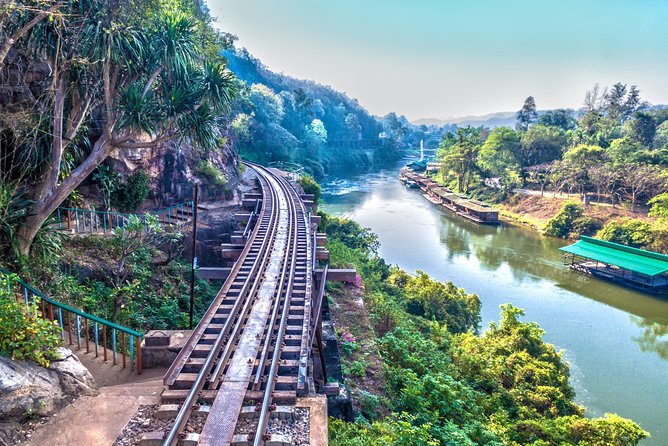
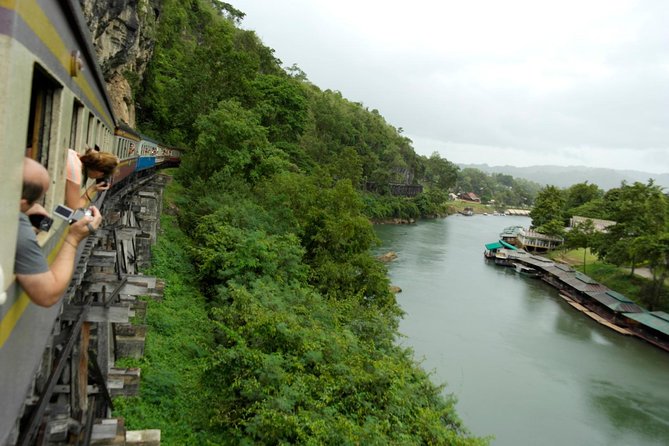
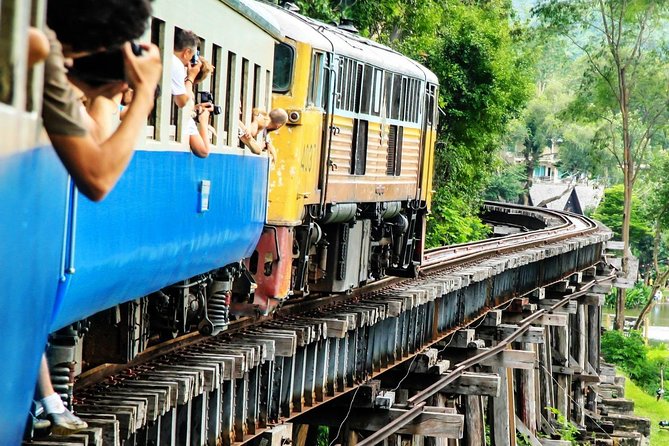
The train ride is the most distinctive activity included in the price. You ride a section of the Death Railway through Kanchanaburi, with countryside views from open windows and a slow, old-fashioned pace.
This is not a luxury train. It can be loud, and some cars have no air conditioning with the windows open. Bring ear protection if noise bothers you, and expect heat during the warmer part of the day. The rougher conditions are part of the character, but they may not suit you if you need a polished transport experience.
The views are a major reward. The train lets you see the route at ground level, passing through rural scenery that would be easy to miss from a sealed minivan. It also turns history into something physical: you are traveling on the railway itself rather than only looking at photographs.
There is one important extra charge. The tour includes the train ride but excludes a mandatory 300 baht seat fee per person. This is payable in cash at the station to the guide. The fee provides a guaranteed seat, so budget for it when comparing the tour price.
Lunch with a view
A buffet lunch is included, which is helpful on such a long day. You do not need to search for a restaurant or spend time ordering food while the group waits.
The meal has generally been considered acceptable to good, and the setting can be a highlight, with views that make the break feel more pleasant than a standard roadside stop. Do not book the tour purely for the food, but the included lunch improves the value and keeps the day moving.
If you have specific dietary needs, the information provided does not promise special menus, so ask the operator before departure. Carry a small snack as insurance, especially if you are sensitive to long gaps between meals.
Guides, group size, and the difference they make
This tour depends more on the guide than many sightseeing trips do. The bridge and railway are visually interesting, but the meaning comes from the explanation.
Guides named Oom and Rach have been singled out for warm, detailed commentary, humor, and care with the group. Other departures have also benefited from guides who answered questions well and gave useful background on the treatment of prisoners of war. A strong guide can connect the cemetery, museum, bridge, and train into one clear story.
Communication has not been perfect on every departure. Some people have found accents or vehicle acoustics difficult, especially from the rear seats. One guide was also criticized for rushing between stops, while another was considered too brief in his explanations.
The shared tour can include up to 15 people. That keeps the price reasonable, but it can make the day less flexible. If you want undivided attention, a private vehicle and guide are available as an upgrade. I would choose private travel for families, small groups, older relatives, or anyone who wants more time at the cemetery and bridge.
Is the $94.53 price good value?
At $94.53 per person, the tour covers hotel pickup and drop-off from central Bangkok, air-conditioned transport, the long-tail boat, train ride, lunch, entrance fees, and a professional Thai guide. The extra 300 baht train seat fee must be added to your real cost.
The value is strongest if you want to see the main sites in one day without arranging transport, tickets, and meals yourself. Kanchanaburi is far enough from Bangkok that a taxi or private car can cost much more, especially once you add a guide and admissions.
The price is less attractive if you dislike long drives, want extended time at each memorial, or expect a polished vehicle and leisurely schedule. You are paying for convenience and a broad introduction, not a slow specialist history tour.
For many people, the included transport and commentary make the cost fair. Just make the comparison honestly: this is a full road day with several short stops, not a relaxed half-day outing.
Who should book this tour?
I would recommend it to anyone with a clear interest in World War II, railway history, or the film connection. It also suits you if you have limited time in Thailand and want to reach Kanchanaburi without organizing the details yourself.
It is a good fit for first-time visitors who want a guided explanation rather than a quick bridge photo. The combination of cemetery, museum, boat, bridge, train, and countryside gives you several ways to understand the area.
I would be cautious if you have back problems, dislike rough minivan rides, or need a firm return time. The day can run 12 to 14 hours with Bangkok traffic, and some sections may feel rushed. The private option is worth the extra cost if you value comfort and control.
Final call: book it for the history, not the speed
Book this tour if you want a practical, all-in-one introduction to the Bridge on the River Kwai and the Thailand-Burma Railway. The train ride, cemetery, and thoughtful guide can make the long journey worthwhile, and the boat adds a pleasant change of pace.
Skip it if you need a short outing or expect every stop to receive equal attention. For the best experience, bring water, sun protection, tissues, ear protection for the train, and an open schedule for the return. Most of all, remember that the bridge is not merely a famous movie location. It is a memorial site, and the tour is at its best when you give that history the time and respect it deserves.
FAQ
How long does the Bridge on the River Kwai tour take?
The listed duration is about 11 hours, starting around 7:00 am. Traffic can make the day considerably longer, and hotel pickup may begin 30 to 60 minutes before the stated start time.
Is hotel pickup included?
Yes, hotel pickup and drop-off are included for centrally located Bangkok hotels. You must provide your hotel details when booking, and the operator may arrange a nearby pickup point if needed.
What is included in the tour price?
The price includes air-conditioned transport, hotel pickup and drop-off, a long-tail speedboat ride, the train ride, lunch, entrance fees, and a Thai local guide.
Is there an extra fee for the train?
Yes. A 300 baht fee per person is required for a guaranteed train seat. It is paid in cash at the train station to the guide.
How many people can join the shared tour?
The tour can have a maximum of 15 travelers. A private option with your own vehicle and guide is also available.
Can children join the tour?
Most travelers can participate. The child rate applies to children under 100 centimeters tall. Children over 100 centimeters are charged the adult rate.
Just added around Bangkok
- Floating & Railway Markets and Erawan Waterfall [Optional Luxury]★ 5.0 · 43 reviews
- Small Group: Kanchanaburi Death Railway, Erawan Waterfall and Elephant★ 4.0 · 3 reviews
- Floating Market & Railway Market near Bangkok★ 4.0 · 5 reviews
- Historic Kanchanaburi: Train, Boat & Skywalk + Lunch From Bangkok★ 4.5 · 3 reviews
- Railway Market, Floating Market and After the Rain Cafe★ 5.0 · 16 reviews
- Maeklong & Damnoen Saduak Markets: Railway & Floating Market Tour★ 4.0 · 17 reviews
- Historic Kanchanaburi:Train, Boat, Skywalk from Bangkok(No Lunch)★ 5.0 · 2 reviews
- Private tour : Railway & Floating Market and the Bridge over river Kwae★ 5.0 · 2 reviews
Bangkok Train Tours, compared.
Damnoen Saduak Market and Maeklong Railway Market
Read our review →
The Old Siam: Damnoen Saduak and Maeklong Railway Market
Read our review →
Half-Day Railway Market and Floating Market Tour in Thailand
Read our review →
Damnoen Saduak, Train Market & Mahanakhon Day Trip
Read our review →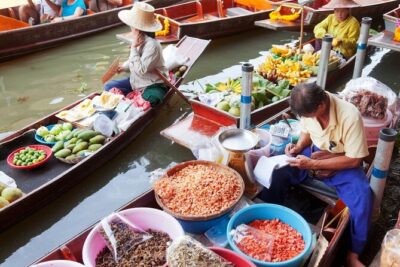
Damnoen Saduak Floating Market and Maeklong Railway Market Tour
Read our review →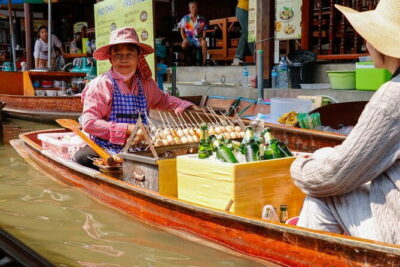
Day Trip to Bangkok Floating Market & Maeklong Railway
Read our review →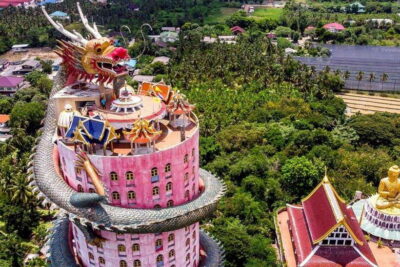
Railway and Floating Market Tour with Dragon Temple
Read our review →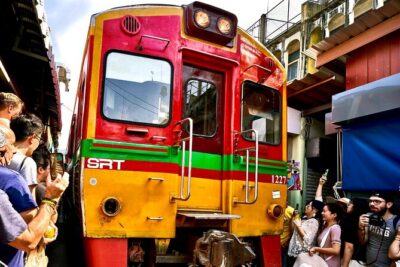
Browse the lists this tour appears in