
REVIEW · CANADA
Exporail, the Canadian Railway Museum
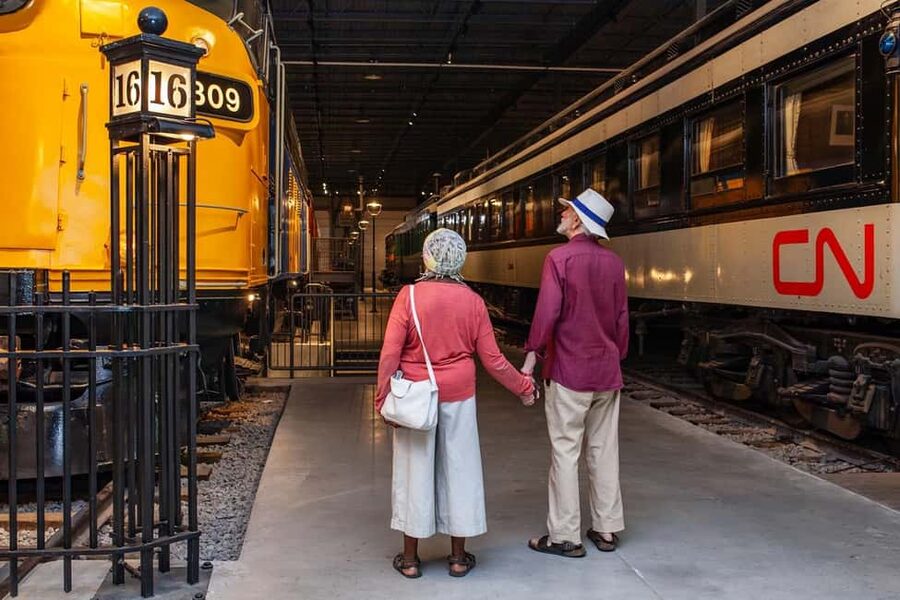
The most striking thing about Exporail is that it lets you step inside the railway story instead of viewing it from behind glass. You can climb aboard old streetcars, passenger cars, steam locomotives, and a caboose, then see the working world of teachers, conductors, and railway workers.
I like the mix of indoor displays and outdoor vehicles, and I like that your $17 ticket includes free parking and access to the current exhibitions. The main drawback is simple: you do a fair amount of walking outside, so a rainy or cold day can change the mood of your visit.
If you enjoy old trains, Exporail gives you plenty to see. Plan more than the advertised one-hour visit if you want to explore the discovery trail, browse the shop, or add one of the optional rides. Weekend guided tours are offered in French and English, though the exact theme and meeting details are provided at reception.
Key points to know before you go
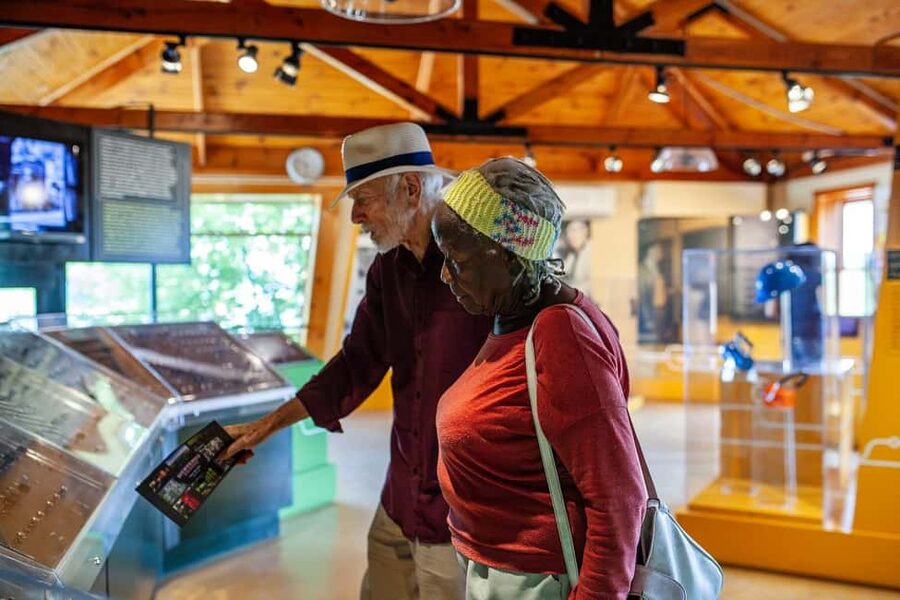
- More than 400 artifacts in the entrance tunnel: Start with this indoor display to get a quick sense of how railways shaped Canada.
- Historic vehicles you can enter: Walk through streetcars, passenger cars, steam locomotives, and a caboose rather than only looking at them from a distance.
- A living museum near Montreal: The exhibits connect machinery with the people who operated it, including a teacher in a school car and a worker who lived in a caboose.
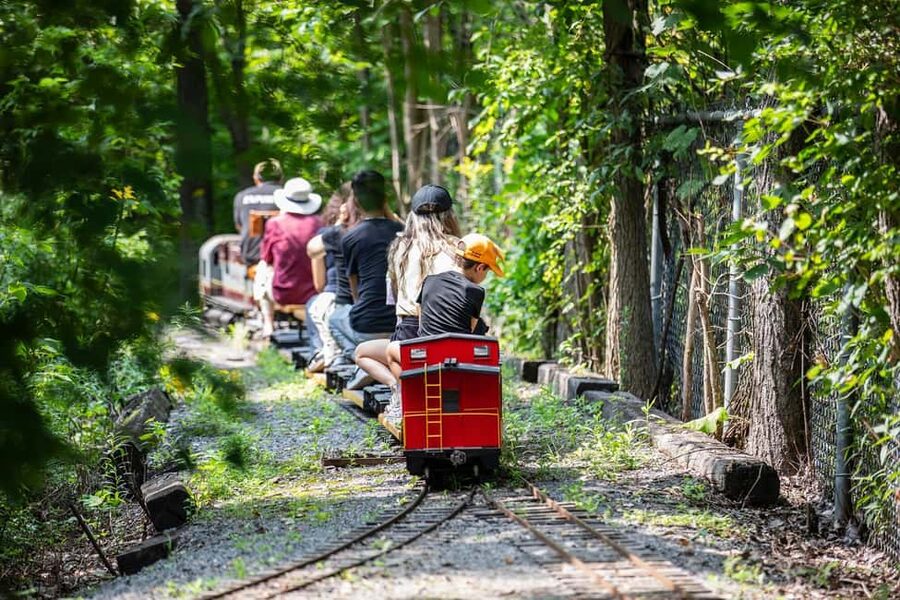
- Optional rides add variety: Depending on the day, you can take a tram, passenger train, or miniature railway ride for an extra fee.
- Indoor and outdoor visit: Comfortable, closed-toe shoes matter, and good weather makes the outdoor portions much more pleasant.
- Free parking and flexible booking: Parking is included, and you can cancel up to 24 hours before your visit for a full refund.
Why Exporail feels different from a standard transport museum
Railway museums can sometimes turn into rows of large machines with little sense of daily life. Exporail avoids that problem by presenting the railway as a working system that carried people, mail, workers, students, and communities across Canada.
The collection is presented as a living museum. That does not mean every vehicle is operating all the time. It means the exhibits are arranged to show how railway equipment functioned and how people used it.
I find this approach helpful because a locomotive is more interesting when you understand its job. A caboose becomes more than a small railcar when you consider that a railway worker lived and worked there. A school car becomes more than a curiosity when you picture a teacher bringing lessons to children in railway communities.
The museum is in Greater Montreal, so you can reach it without giving up a full day to a distant attraction. That location makes it a practical choice for families, railway fans, and anyone looking for a change from central Montreal museums.
More Museum Visits in Canada:
- Brussels: Train World Museum Entrance Ticket
★ 4.7 · 524 reviews - London: Postal Museum Entry Ticket and Underground Rail Ride
★ 4.6 · 363 reviews - Brussels Train World Museum Entrance Ticket
★ 4.5 · 220 reviews
Start with the 400-artifact tunnel
Your visit begins at the main entrance, currently at P1 near the railroad tracks crossing St. Pierre Street. Access through P2 is closed, so follow the current entrance directions rather than assuming the older access point is in use.
The entrance tunnel is a smart place to begin. It contains more than 400 artifacts and acts as a short introduction to the museum before you reach the larger vehicles. I would take time here instead of rushing straight outside, especially if this is your first railway museum.
The tunnel gives you a framework for the rest of the visit. You start to see rail transport not just as locomotives and tracks, but as a network connected with work, travel, education, and settlement.
This indoor section is also useful on a wet or chilly day. A visit can still have value when outdoor walking is less appealing, though the full experience includes both indoor and outdoor areas.
Enter the locomotives, streetcars, and passenger cars

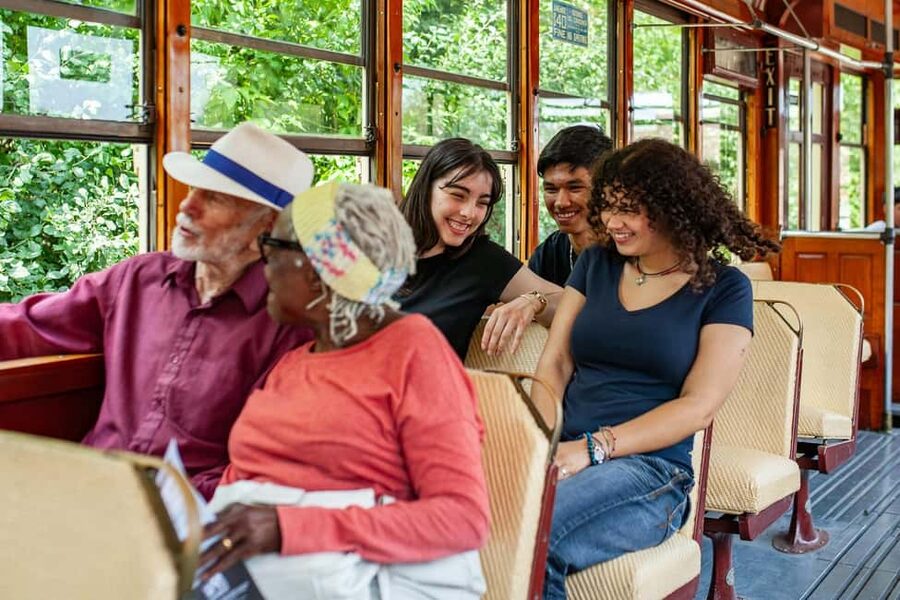
The heart of Exporail is the chance to board vehicles open to the public. You can enter streetcars, passenger cars, legendary steam locomotives, and a caboose.
For me, this is the part that gives the museum its strongest sense of place. A display case can explain how a vehicle worked, but walking through the actual interior gives you a better idea of its scale. You can look at the space where passengers sat, see how the cars were arranged, and consider how different rail travel once felt.
The variety matters. Streetcars connect the collection with urban life, while passenger cars show longer journeys. Steam locomotives provide the drama, but the smaller and more specialized cars help explain the railway system as a whole.
The caboose is particularly useful for understanding railway work. It was not simply an extra car at the end of a train. At Exporail, you get a sense of the railway worker who lived and worked there, which adds a human scale to a machine-centered collection.
Closed-toe shoes are required, and comfortable footwear is a good idea. Boarding old rail vehicles can involve movement between indoor and outdoor areas, so I would not treat this as a visit for dress shoes or delicate footwear.
Meet the people behind the railway machines
The exhibits also focus on characters connected with the vehicles. One example is the teacher who taught in a school car. Another is the railway worker who lived and worked in a caboose.
These stories help you picture how railways affected daily life. Canada’s rail system was not only a way to move from one city to another. It also supported work, education, and communities that depended on rail connections.
I appreciate this human focus because it gives children a simple way into the subject. A young visitor may not care about technical specifications, but a school inside a train or a worker’s living space is easy to understand.
Adults can also get more from the displays by asking practical questions. How was a car used? Who worked there? Who depended on it? What did the space feel like during an ordinary day? The museum gives you enough context to make those questions worthwhile.
More Train Tours in Canada:
- Old Quebec Classique Walking Tour with Funicular
★ 5.0 · 1,317 reviews - Quebec City: Old Quebec Classic Walking Tour with Funicular
★ 4.9 · 695 reviews - Private Walking Tour of Old Quebec with Funicular
★ 5.0 · 238 reviews - Niagara Parks: Power Pass + Falls Incline Railway
★ 4.7 · 164 reviews
Eight exhibitions give you more than one route through the museum
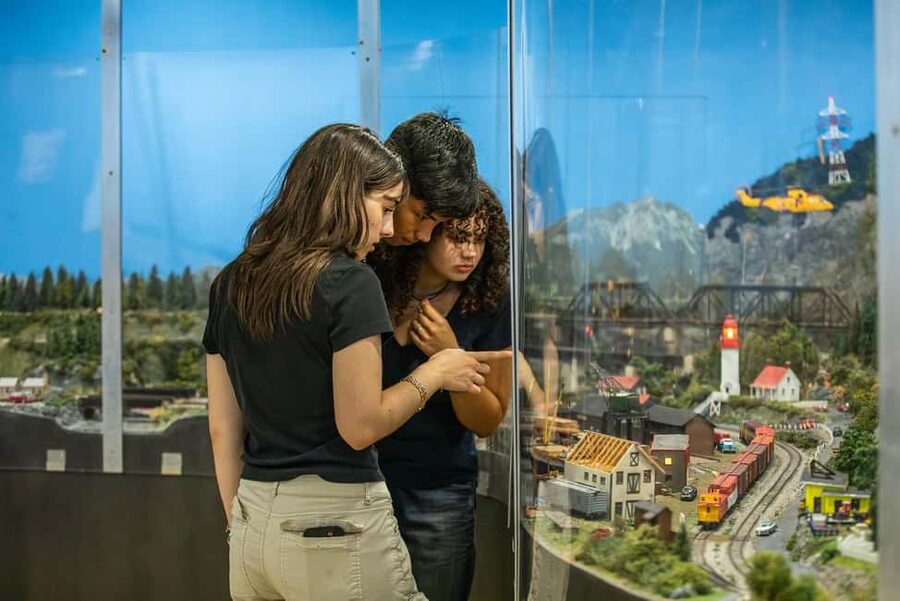
Your admission includes access to all current exhibitions, with the exact selection depending on the season. Eight exhibitions operate at the same time, tracing changes in rail transport and its effect on society.
That range makes the $17 admission a solid value, especially if you plan to look carefully rather than make a quick stop. You are not paying only to see one famous locomotive. You are getting access to multiple parts of the collection, indoor displays, vehicles, and the grounds.
The seasonal note matters. Some displays or activities may not be available every day or at every time of year. If a particular exhibition or ride is important to you, check availability before you go.
The museum is open all year, which gives you flexibility. In warmer months, you can make better use of the outdoor vehicles and discovery trail. In colder or wetter weather, you may spend more of your time with the indoor exhibitions and tunnel.
Add a tram, passenger train, or miniature railway ride
Optional rides can extend the visit. Depending on the day’s schedule, you may be able to choose a tram ride, passenger train ride, or miniature railway ride.
These activities are not included in the base admission, so keep that in mind when comparing the total cost. The $17 ticket covers the museum and current exhibitions, while the rides are add-ons.
I would treat the rides as a bonus rather than the main reason to book. Availability depends on the day, and the museum does not promise that every option will operate during every visit. Check the schedule when you arrive or ask at reception.
For families, the miniature railway may be the most appealing extra. For adults interested in transport history, the tram or passenger train could add a sense of movement after spending time with static displays. The right choice depends on what is running that day.
Walk the discovery trail when the weather cooperates
The discovery trail gives you another way to see the site beyond the main exhibits. It is part of the outdoor portion of the visit, so your enjoyment will depend heavily on the weather.
A French-language visitor specifically advised going when the weather is good because much of the movement is outside. That is practical advice. Exporail has strong indoor content, but the outdoor vehicles and trail are important parts of the experience.
Wear comfortable shoes and closed-toe shoes. Bring clothing suitable for the conditions, since you may move between indoor halls, outdoor vehicles, and the trail.
On a fine day, the outdoor sections help break up the visit. After examining the displays inside, you can walk at your own pace and see the vehicles in a more open setting. On a wet day, you may prefer to focus on the tunnel and indoor exhibitions, then decide if the trail is worth the discomfort.
The shop is worth a stop, even if you are not a train collector
The shop is designed for both adults and children. I would leave room for a quick look, particularly if you are visiting with a young railway fan.
A museum shop can sometimes feel like an afterthought. Here, it is presented as part of the visit and offers a way to carry the railway theme home. More important, purchases made on site support the preservation of Canada’s railway heritage.
That gives the shop a practical purpose beyond souvenirs. You can browse without treating it as a required stop, but it is a useful final pause after the exhibitions and vehicles.
How long should you plan for a one-hour activity?
The stated duration is one hour, which works as a short introduction. You can see the main tunnel and some of the accessible vehicles in that time, especially if you move at a steady pace.
I would allow extra time if you want the visit to feel relaxed. The museum includes eight exhibitions, more than 400 artifacts, outdoor vehicles, a discovery trail, a shop, and optional rides. You will need more than an hour to give each part proper attention.
The one-hour estimate is most useful for planning your day. It tells you that Exporail can fit into a larger Greater Montreal schedule. It does not mean you must leave after exactly 60 minutes.
If you are visiting with children, allow time for them to explore at a slower speed. Boarding old vehicles, looking at details, and stopping for a ride can stretch the visit naturally.
Price, parking, and what your ticket really covers
At $17 per person, admission is fairly priced for the amount of collection access included. Your ticket covers all current exhibitions, including the indoor tunnel and the accessible railway vehicles. Free parking adds value, especially if you are driving from Montreal.
You should budget separately for optional rides, since they are not part of the admission price. Their availability also depends on the day’s schedule, so do not count on a specific ride until you confirm it on site.
Dining areas are available, with indoor and outdoor spaces depending on the season. You can bring your lunch, which helps keep the visit affordable and makes it easier to stay longer without searching for a restaurant.
The museum also benefits from your spending. Purchases made on site help support the preservation of Canadian railway heritage, so the admission and shop are tied to the care of the collection.
Weekend tours, languages, and access
Guided tours are offered on Saturdays and Sundays. The exact meeting point and information are provided at reception according to the themed tour offered that day.
French and English are available, and live tour guide service is offered in both languages. Some content is shown in its original language, so you may encounter material that is not translated in every format.
The site is wheelchair accessible. Since the visit includes outdoor movement and historic vehicles, you may still want to ask reception about the best route for the current exhibits and activities.
Pets are not allowed, but assistance dogs are permitted. Alcohol and drugs are not allowed on the site.
Who will enjoy Exporail most?
I would recommend Exporail to anyone who likes transport, machinery, Canadian history, or hands-on museums. It is especially well suited to families because the vehicles are large, visible, and open for exploration.
You do not need to be a railway expert. The school car, caboose, passenger cars, and streetcars give you clear points of entry even if you cannot tell one locomotive from another.
It is also a good choice for adults who want something outside central Montreal. The museum offers enough material for a focused one-hour stop, but it can also fill a longer visit if you add the trail, shop, lunch, exhibitions, and optional ride.
I would be more cautious if you dislike outdoor walking or are visiting during poor weather. You can still see the indoor displays, but the full visit depends on moving between indoor and outdoor areas.
Should you book Exporail?
Book it if you want a practical, authentic railway museum near Montreal with vehicles you can enter and stories about the people who used them. The combination of eight exhibitions, the 400-artifact tunnel, free parking, and a $17 admission gives you good value.
Go on a fair-weather day if possible, wear closed-toe shoes, and ask at reception about the day’s rides and weekend tour. If you only have one hour, focus on the entrance tunnel and accessible vehicles. If you have more time, add the discovery trail, lunch, shop, and an optional ride.
I would choose Exporail for families, railway fans, and curious visitors who enjoy seeing how machines fit into ordinary life. I would skip it only if your schedule is too tight for the outdoor sections or the weather is likely to make walking unpleasant.
FAQ
Where is Exporail located?
Exporail is in Greater Montreal, Quebec, Canada. The current main entrance is at P1, near the railroad tracks crossing St. Pierre Street.
How much does admission cost?
The listed admission price is $17 per person.
How long does the visit take?
The listed duration is one hour. You may spend longer if you visit all available exhibitions, walk the discovery trail, visit the shop, eat lunch, or add an optional ride.
What does the admission ticket include?
Admission includes access to all current exhibitions, depending on the season, as well as free parking.
Are rides included in the admission price?
No. Tram, passenger train, and miniature railway rides are optional activities and are not included in the basic admission.
Are the optional rides available every day?
Optional activities depend on the schedule for the day. Ask at reception about what is operating during your visit.
Are guided tours offered?
Guided tours are offered on Saturdays and Sundays. The themed tour and meeting information are provided at reception.
What languages are available?
French and English are available for the live tour guide service. Some content is shown in its original language.
Is Exporail wheelchair accessible?
Yes, the site is wheelchair accessible.
Can I bring food?
Yes. Dining areas are available, and you can bring your lunch to enjoy in indoor or outdoor spaces, depending on the season.
Can I bring my pet?
Pets are not allowed. Assistance dogs are permitted.
What should I wear?
Wear comfortable shoes and closed-toe shoes. Since parts of the visit take place outside, clothing suited to the weather is also a good idea.
Can I cancel my booking?
You can cancel up to 24 hours in advance for a full refund. A reserve-now, pay-later option is also available.
Just added around Canada
- Whistler Train Wreck, Suspension Bridge & Hidden Waterfall Adventure★ 5.0 · 24 reviews
- Private Vancouver Airport YVR or Train Stn Transfer to Vancouver★ 5.0 · 5 reviews
- 6-Day Rocky Mountaineer Train Tour, From Vancouver to Rockies★ 4.5 · 10 reviews
- 5-Day Rocky Mountaineer Train Tour, From Vancouver to Rockies★ 4.5 · 8 reviews
- Quebec City Scenic Walking Tour with 1 Funicular Ride★ 4.5 · 7 reviews
- Shore Excursion: Private Walking Tour with Funicular★ 5.0 · 31 reviews
- Guided Bike Tour on Historical Kettle Valley Railway at Myra Canyon & Wine Tour★ 5.0 · 19 reviews
- Bicyle Tour on Historical Kettle Valley Railway from Myra Canyon to Penticton★ 5.0 · 62 reviews
Canada Train Tours, compared.

Old Quebec Classique Walking Tour with Funicular
Read our review →
Quebec City: Old Quebec Classic Walking Tour with Funicular
Read our review →
Private Walking Tour of Old Quebec with Funicular
Read our review →
Niagara Parks: Power Pass + Falls Incline Railway
Read our review →
Bicyle Tour on Historical Kettle Valley Railway from Myra Canyon to Penticton
Read our review →
Shore Excursion: Private Walking Tour with Funicular
Read our review →
Whistler Train Wreck, Suspension Bridge & Hidden Waterfall Adventure
Read our review →
Guided Bike Tour on Historical Kettle Valley Railway at Myra Canyon & Wine Tour
Read our review →Browse the lists this tour appears in