
REVIEW · BATTAMBANG
Grand Tour-Ek Phnom. Baset. Bamboo Train. Wat Banan. Phnom Sampov
Battambang’s best sights are scattered across farms, villages, hills, temples, and old roads. This long day connects them all, mixing local food workshops with the Bamboo Train, Wat Banan’s 358 steps, and Phnom Sampov’s evening bat flight. It gives you more than a quick city tour.
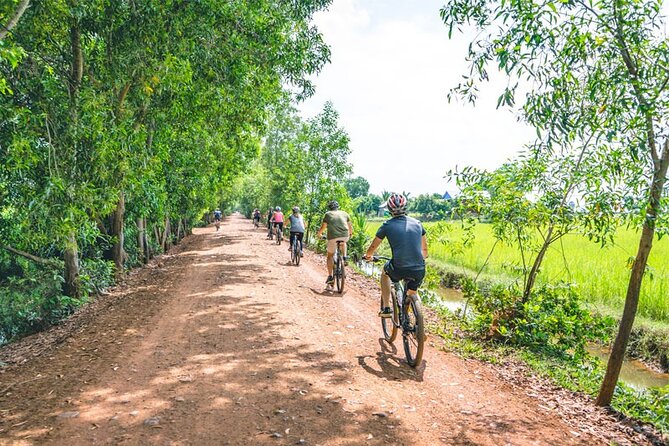
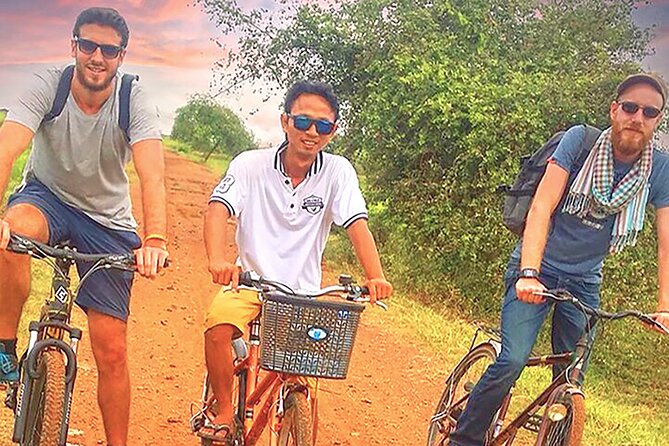
I like the small-group feel, with numbers capped at 10, and the chance to meet people making noodles, rice cakes, spring rolls, dried bananas, rice wine, and rice paper. I also like the low-emissions bicycle focus, with a Giant mountain bike and helmet supplied.
The main drawback is the packed schedule. At about 11 hours 30 minutes, this is a serious day out, and the cycling description does not fully match the detailed stop-by-stop plan, which also relies on a private tuk-tuk. Confirm the exact riding portion before booking.
Key points to know before you book
- A full Battambang day: You visit Baset, Ek Phnom, Wat Samrong Knong, the Bamboo Train, Wat Banan, Phnom Sampov, and the bat caves.
- Food is part of the sightseeing: Village stops may include noodles, sweet rice flour cakes, sticky rice dumplings, spring rolls, dried bananas, rice wine, and rice paper.
- Small-group operation: The group is capped at 10, and the tour is described as private for your own party.
- Two transport styles: The experience promotes bicycle travel with a Giant mountain bike and helmet, while the included private tuk-tuk handles transport between many stops.
- A demanding finish: Wat Banan requires 358 steps, and Phnom Sampov is best timed near sunset.
- Budget for the Bamboo Train: The train ride costs an extra $5 per person.
Why this is a useful way to see Battambang

Battambang is not a one-monument destination. Its appeal comes from the way the city opens into rice fields, small communities, food workshops, old temples, and limestone hills. This tour works because it links those pieces in one day rather than asking you to arrange separate rides.
I especially like the food element. You are not simply driven past rural Cambodia while someone points out a field. You can stop to see how everyday products are made and sample them along the way. That gives the countryside a human scale. Noodles, rice cakes, spring rolls, and rice paper are not just snacks here. They are part of the work and daily life of the villages.
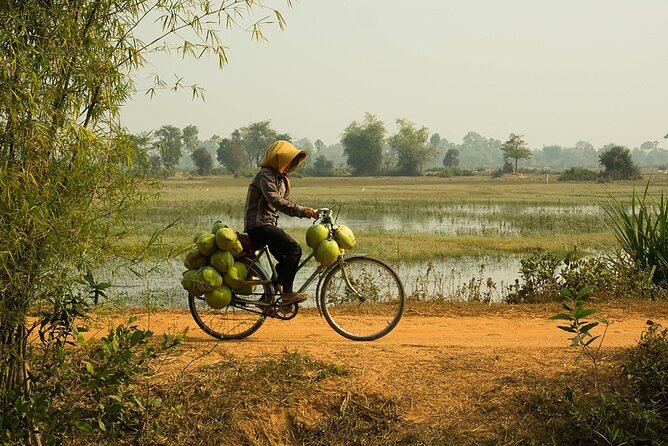
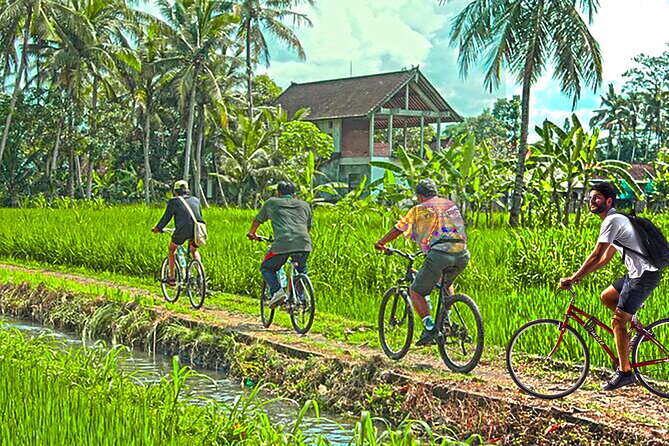
The bicycle angle also matters. A bike lets you move at a slower pace and notice homes, farms, and roadside activity more easily than you would from a sealed vehicle. The supplied helmet and Giant mountain bike are useful touches, especially for anyone who wants the ride to feel comfortable rather than improvised.
Still, read the transport details carefully. The tour summary presents cycling as a central feature, but the itinerary describes a private traditional tuk-tuk taking you between a series of distant attractions. That may be exactly what you want on a hot day, but you should ask how much actual riding is planned and where it takes place.
More Bamboo Train Rides in Battambang:
- Battambang: Tuk-Tuk, Bamboo Train, Killing/Bat Caves, Sunset
★ 4.9 · 1,436 reviews - Afternoon tour by tuk tuk to bamboo train,bat cave,killing cave,countryside.
★ 5.0 · 344 reviews - Battambang: Bamboo Train, Bat Cave, Killing Cave by Tuk Tuk
★ 5.0 · 182 reviews
Starting with Battambang’s statue and city sights
The day begins with a look at Battambang itself, possibly a colonial building or the provincial hall, followed by the Ta Dumbong Kro Aung statue. The statue has a local story attached to it, and your guide explains its place in the city.
This is a sensible opening. Before heading into the countryside, you get a quick orientation to Battambang and its public symbols. The first stop lasts about an hour, with no admission charge listed.
Do not expect a long architectural tour here. The city visit is a brief introduction rather than a full exploration of Battambang’s colonial streets. Its value comes from setting up the rest of the day and giving you context for the area beyond the center.
Baset Temple through farms and rice fields
The route then heads toward Prasat Baset on countryside roads. The journey passes small communities, farms, and rice fields, so the drive itself becomes part of the tour rather than dead time between attractions.
Baset is a good early temple stop because it changes the rhythm of the day. After the city, you move into open rural surroundings and an older religious site. Admission is included, and the stop lasts about an hour.
The tour description refers to Baset as a Hindu-Buddhist temple complex. That mix is worth keeping in mind. You are not visiting a single polished monument with a large visitor center. You are seeing an older religious site in a wider rural setting, with the guide helping you understand what you are looking at.
This is also one of the places where the physical pace may vary. If your group is cycling part of the route, the countryside roads offer a more direct connection with village life. If the tuk-tuk handles this section, you still see the farms and communities, but from a faster and less intimate viewpoint.
Wat Samrong Knong and Cambodia’s difficult past
Wat Samrong Knong brings a more serious tone. The stop includes memorials for victims of the Khmer Rouge and an explanation of the temple’s connection to that painful period.
You should not treat this as a light sightseeing stop. The memorial site asks for quiet attention, and it adds important historical weight to a day otherwise filled with food, scenery, and active stops. The visit takes about an hour and does not carry a listed admission fee.
I value its inclusion because it keeps the tour from reducing Cambodia to temples and pleasant rural views. You see how local places carry memories of national trauma. Your guide can help connect the site to Cambodia’s recent past, though the amount of historical detail will depend on the guide leading your group.
This is a good point to manage your expectations. The tour does not present itself as a specialist Khmer Rouge history program. Instead, Wat Samrong Knong is one part of a broad day. If you want an extended historical discussion, you may find the stop too brief. If you want a thoughtful introduction while visiting the area, it earns its place.
More Train Tours in Battambang:
- Full Day tour .City tour.Countryside.Bamboo Train.Secret Bat Cave
★ 5.0 · 178 reviews - Afternoon Tour: Bamboo Train, Killing Cave &Bat Cave
★ 5.0 · 73 reviews - Battambang: Bamboo Train, Bat Cave and Killing Cave Tour
★ 4.9 · 58 reviews - AfternoonTour.Bamboo train.killing cave with Secret bat cave
★ 5.0 · 41 reviews
Ek Phnom, the giant Buddha, and a shady rest
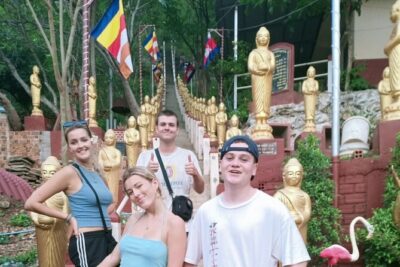
At Wat Ek Phnom, the tour visits an old temple north of Battambang. The grounds also include a large Buddha, and the plan allows about 90 minutes here.
This stop offers a welcome pause. You can look around the temple area, take in the surrounding countryside, and rest under a tree before moving on. That shade break matters on a day combining cycling, tuk-tuk rides, temple walks, and hill climbing.
Ek Phnom is also one of the more visually rewarding stops. The old temple and large Buddha provide contrasting sights in one visit. Admission is included, so there is no extra ticket to plan for here.
The word breathtaking is often used too freely in tour descriptions, but the setting does have a practical advantage: it gives you space. Compared with the tighter schedule at some later stops, Ek Phnom lets you slow down for a while. Use the time for photos, but also for water and a proper rest.
Village food workshops with real tasting time
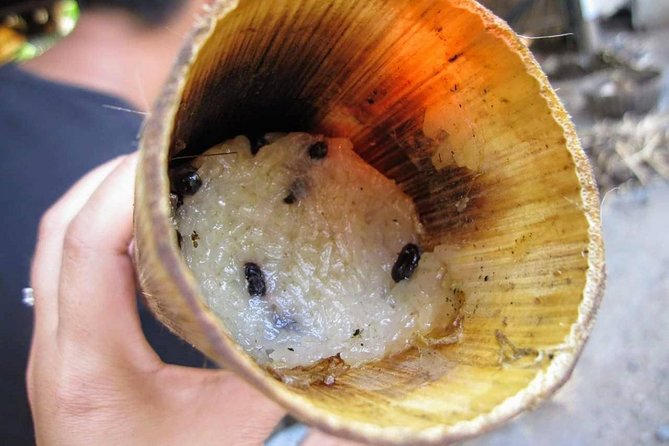
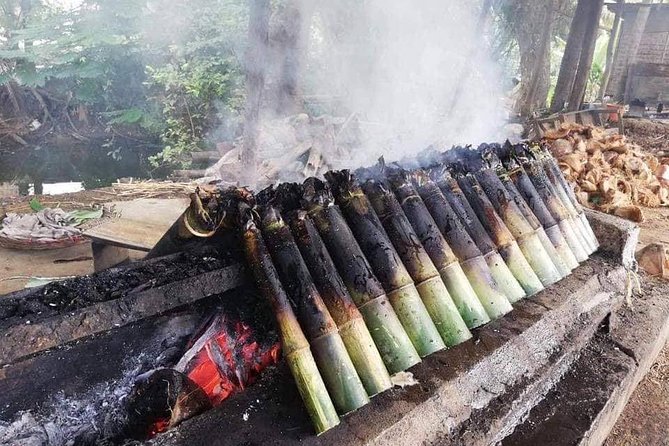
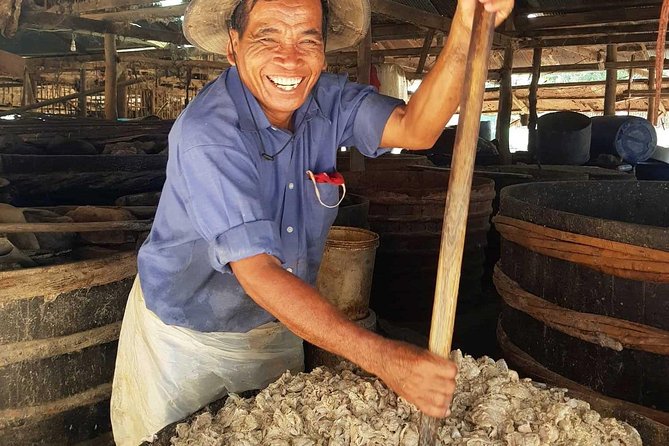
Food is one of the strongest reasons to choose this tour. Along the route, you may visit a noodle factory and learn how local makers prepare Khmer sweet rice flour cakes, sticky rice dumplings, spring rolls, dried bananas, rice wine, and rice paper.
The important point is that these are hands-on, everyday foods rather than a staged restaurant tasting. You get to see the work behind the finished product and sample several items. The tour includes local snacks in the village as an option, so ask your guide what is available that day and what carries an extra personal cost.
This part also gives you a chance to meet local people. The French-language review specifically praised the human side of the experience and the chance to learn about how handmade products are produced. That fits the strongest feature of the day: you are seeing a working countryside, not just passing through a series of photo stops.
Food preferences deserve a little planning. The provided information does not specify vegetarian, allergy, or dietary arrangements. Tell the provider in advance if that matters to you, and do not assume every sample will suit your diet.
The Bamboo Train’s one-hour ride
The Bamboo Train lies west of Battambang and gets about 90 minutes in the schedule, including a ride of roughly one hour. It is one of the day’s most unusual activities.
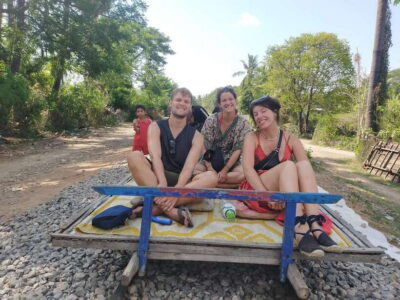
The ride uses a simple bamboo platform on a rail line, giving you a distinctly local and somewhat playful experience. It is not a polished theme-park attraction. That is part of its appeal, but it also means you should approach it with modest expectations about comfort and structure.
The Bamboo Train ticket is not included. The stated price is $5 per person, so add that to the $45 tour price. You should also keep some flexibility around the timing, since the detailed route mentions Ou Srolao village and a longer ride there, but the description is incomplete.
This is one of the clearest places to ask your guide for the day’s exact plan. The published information uses both Ou Srauo Laou and Ou Srolao, and it describes a one-hour ride as well as a longer route. The spelling may simply reflect different transliterations, but you should confirm where you are going and how long you will ride.
Wat Banan and its 358-step climb
After the train, the route continues to Wat Banan, a temple on top of a mountain. Reaching it requires climbing 358 steps.
That number is not a small detail. The climb is manageable for many people, but it will feel demanding after a full day of activity. Wear practical shoes, take your time, and keep water with you. The tour includes unlimited cold mineral water, which is particularly useful here.
At the top, five temple towers reward the climb, along with broad views of the surrounding area. Admission is included, and the planned stop lasts about 90 minutes. You will need to allow time for both the stairs and the visit above.
Wat Banan is probably the most physically demanding stop on the itinerary. If stairs are difficult for you, ask about the walking conditions before booking. The tour data says most people can participate, but it does not give specific accessibility arrangements.
Phnom Sampov at sunset
The final major outing is Phnom Sampov, a mountain south of Battambang. The plan gives this section about two hours and includes the Killing Caves.
The site combines natural views with another sobering historical place. The Killing Caves carry the memory of Khmer Rouge violence, so, like Wat Samrong Knong, this stop requires respect. The mountain setting can feel dramatic, but the historical meaning should not be pushed aside by the photo opportunity.
Timing is important. Phnom Sampov is best visited in the evening, when the sun is setting. This creates a natural climax to the day, but it also makes the schedule less forgiving. Delays earlier in the day could reduce your time at the mountain or the bat caves.
You will also need to balance the visit between the Killing Caves and the evening view. Ask the guide how the two are scheduled, especially if you want enough time for both.
The bat flight before darkness
The tour ends before sunset with the Battambang bat caves, where thousands of bats fly out of the mountainside caves at dusk. The planned time is about two hours, though the exact viewing window depends on the day’s pace and sunset.
This is a strong final stop because it is a natural event rather than another building to inspect. You wait, watch the cave opening, and see the bats stream out into the evening. The sight depends on timing, so the tour’s late finish is a feature, not a flaw.
It is worth keeping your phone or camera ready, but do not spend the whole moment looking at a screen. The bat flight can be brief or spread over a period of time, and the point is to watch the movement against the mountain as daylight fades.
What the $45 price really covers
At $45, the tour offers a lot for one day. The price includes hotel pickup and drop-off, an English-speaking local guide, private tuk-tuk transport, cold mineral water, listed temple admissions, and the bicycle equipment described in the tour details.
It also gives you a private experience for your own group, rather than placing you in a large coach. The group cap of 10 is useful if the booking is not entirely private, while the private-tour wording suggests that your party receives its own arrangement. Clarify the group setup if this distinction matters to you.
The Bamboo Train costs another $5 per person. Personal expenses and tips are also excluded, and village snacks are described as optional. With those additions, the real cost will be slightly higher than the headline price.
I consider the value good for people who want variety. You are paying for transport across a wide area, a guide, several cultural stops, food-related visits, two historical sites, a train ride, a mountain temple, and the bat flight. The value is weaker if you want a relaxed day at only one or two sites, because this schedule covers a great deal of ground.
Who should book this day
I would choose this experience if you have limited time in Battambang and want a broad introduction to the area. It suits you if you like mixing food, history, temples, countryside, light adventure, and local transport rather than focusing on one theme.
It is also a good fit for people who prefer a lower-impact way to see rural areas. The bicycle component, supplied helmet, and Giant mountain bike add comfort and structure to the ride. At the same time, the tuk-tuk means you do not have to pedal between every distant stop.
You should think twice if you dislike early starts, long days, stairs, heat, or frequent changes of scene. Wat Banan’s 358 steps and Phnom Sampov’s cave sites make this more active than a simple city tour.
The guide assignment deserves a quick check. The provider is Battambang Tour: Mr Lychee, while one review thanks a guide named Mr. Reed. That may reflect different guides working with the same provider. Ask who will lead your date, since the guide’s English and local explanations will shape the experience.
Free cancellation is available if you cancel at least 24 hours before the start time. Changes or cancellations inside that window are not accepted for a refund.
Should you book the Grand Tour-Ek Phnom, Baset, Bamboo Train, Wat Banan, and Phnom Sampov?
Book it if you want to see the many sides of Battambang in one ambitious day. The strongest features are the village food visits, small-group format, local guide, included tuk-tuk, and the excellent evening finish at the bat caves.
Before paying, confirm the cycling details, the guide’s name, the exact Bamboo Train route, and the timing at Phnom Sampov. If those points match what you want, $45 is a fair price for a full day with transport, admissions, water, and a wide range of stops.
FAQ
How long does the tour last?
The tour lasts approximately 11 hours and 30 minutes.
What is included in the price?
The tour includes an English-speaking local guide, hotel pickup and drop-off, private tuk-tuk transport, unlimited cold mineral water, and the bicycle equipment described for the cycling portion. Listed temple admissions are also included.
Is the Bamboo Train ticket included?
No. The Bamboo Train ride costs an additional $5 per person.
Is the tour private?
The activity is described as a private tour, with only your group participating. The tour information also says numbers are capped at 10.
Is bicycle equipment provided?
Yes. A helmet and a Giant mountain bike are provided for the cycling portion.
How many steps are there at Wat Banan?
You must climb 358 steps to reach the temple at Wat Banan.
When is the best time to visit Phnom Sampov and the bat caves?
Phnom Sampov is best visited in the evening near sunset. The bat caves are visited at dusk, when thousands of bats fly out of the mountainside.
Can I cancel for a full refund?
Yes, if you cancel at least 24 hours before the experience starts. Cancellations or changes made less than 24 hours before the start time are not accepted for a refund.
Just added around Battambang
- Bamboo Train, Banann Temple, Fruit Bat, Bat Cave, Sunset★ 4.2 · 3 reviews
- Full-day: Wat Banan. Old bamboo train. Bat Cave. Killing cave★ 5.0 · 13 reviews
- Afternoon tour to Original Bamboo train. Bat cave. Killing cave★ 5.0 · 25 reviews
- Full Day-Tour: Handicraft, Bamboo train, Killing cave. Bat cave★ 5.0 · 29 reviews
- Morning Tour Bamboo Train, Ancient House, Local, Countryside★ 5.0 · 3 reviews
- Battambang Private afternoon tour bamboo train bat cave & village★ 5.0 · 3 reviews
- Full day tour by bicycle & tuk tuk,bamboo train,bat cave,villages★ 5.0 · 27 reviews
- AfternoonTour.Bamboo train.killing cave with Secret bat cave★ 5.0 · 41 reviews
Battambang Train Tours, compared.
Tuk-Tuk, Bamboo Train, Killing/Bat Caves, Sunset
Read our review →
Full Day tour .City tour.Countryside.Bamboo Train.Secret Bat Cave
Read our review →
AfternoonTour.Bamboo train.killing cave with Secret bat cave
Read our review →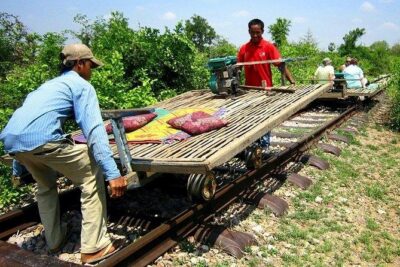
Full Day-Tour: Handicraft, Bamboo train, Killing cave. Bat cave
Read our review →
Full day tour by bicycle & tuk tuk,bamboo train,bat cave,villages
Read our review →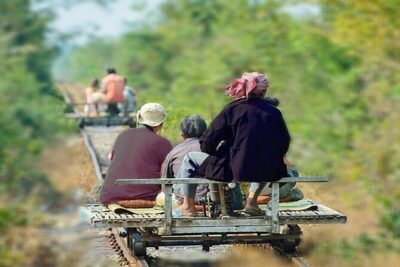
Afternoon tour to Original Bamboo train. Bat cave. Killing cave
Read our review →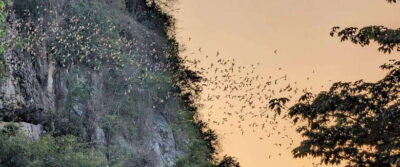
Half-day swing bridge, bamboo train, batcave & Killing cave
Read our review →Browse the lists this tour appears in