
REVIEW · USA
Guided Private Underground New York Subway Tour
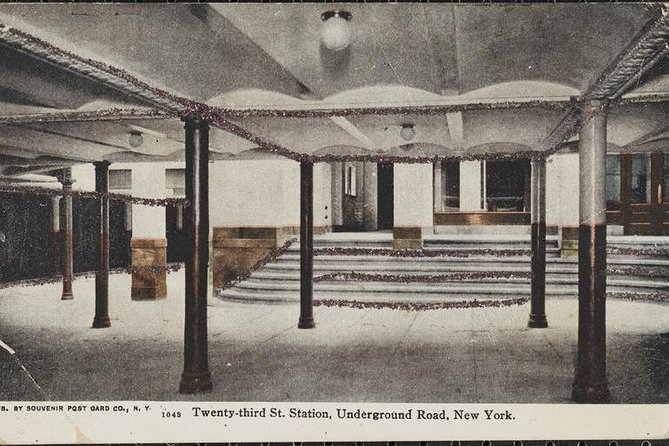
New York’s subway is more than a way to get across town. It is a record of the city’s growth, politics, engineering, art, and everyday life, all tucked below street level. This private tour follows the original 1904 route, rides through several important stations, and lets you view the old City Hall Station from the safety of a moving train.
I like two things right away: the tour is truly private, so Gary can answer questions and adjust the pace for your group, and it connects subway details to New York’s larger story. The original tiles, station layouts, train design, and Grand Central’s survival all fit into one clear narrative.
The main consideration is that this is a talk-heavy tour. You may spend long stretches standing or seated while Gary explains the system, and you will not walk abandoned tunnels or enter restricted areas. That is the safe and legal way to do it, but it may disappoint you if you expect an underground adventure.
Key points at a glance
- Ride the original subway route: Follow the early line through Brooklyn Bridge, Astor Place, Grand Central, and Times Square.
- View City Hall Station from the train: You stay aboard and see the ornate former station without entering the tunnels or tracks.
- Study overlooked station art: Astor Place’s ceramic beavers, original tiles, mosaics, and other details get the attention they usually miss.
- Hear the story from Gary: His presentation covers subway construction, train design, signals, politics, safety, and the forces that shaped the system.
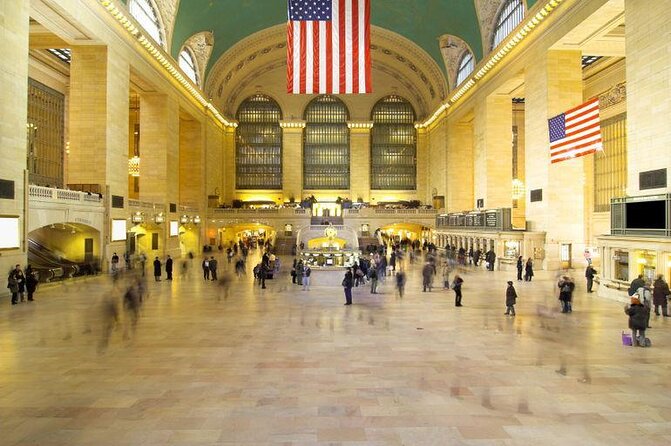
- Finish inside Grand Central Terminal: Learn how the terminal developed, nearly disappeared, and was saved and restored.
- Plan for a small amount of walking and stairs: You need a moderate fitness level and one subway fare, which is not included.
A subway tour that explains how New York grew
Many city tours use the subway only as transportation between sights. This one makes the system itself the subject. Gary explains why New York took so long to build a subway, how elevated railways and underground lines developed, and how the system expanded as the city moved northward.
That broader view is the tour’s greatest strength. You are not simply shown a pretty station tile and told to take a photograph. You learn why stations were built as they were, how engineers dealt with safety, and why train cars changed over time.
Gary also uses images on a pad or computer to support the talk. This helps when the station is noisy or when the subject involves something you cannot see clearly from the platform. The tradeoff is that the tour sometimes feels like a moving lecture, not a constant sightseeing walk.
The experience lasts about two and a half hours, with the timing at each stop approximate. The listed stop times add up to less than the full tour length, so allow room for transfers, questions, and the practical business of moving through the system.
More Private Train Tours in the USA:
- Private Pikes Peak COG Railway, Manitou & Garden of the Gods
★ 5.0 · 29 reviews - Cincinnati Private Streetcar Food Tour
★ 5.0 · 11 reviews - Snoqualmie Fall & Railway Museum 3-Hours (Private Tour)
★ 5.0 · 4 reviews
Starting at Brooklyn Bridge station
The tour begins at 1 Centre Street, outside the Brooklyn Bridge subway station. This is not a visit to the bridge itself. You begin with the subway station and the area around it, where Gary lays out much of the city’s early transportation story.
This opening is important because it gives the rest of the tour a timeline. Before New York had its present subway network, it relied on other forms of transit and faced major political, financial, and engineering obstacles. Gary explains the people and decisions behind the original line, then shows how those early choices still affect the system you use today.
Expect roughly 30 minutes here, including the initial explanation and the process of entering the subway. The subway fare is paid once when you enter the system. Your fare is not included in the tour price, so have a payment method ready for the station.
This is also where the tour’s style becomes clear. You may stand in one place for a while as Gary sets the scene. That can feel tiring, especially with a larger private group, but it gives you the background needed to understand the stations that follow.
Riding the original route and viewing City Hall Station
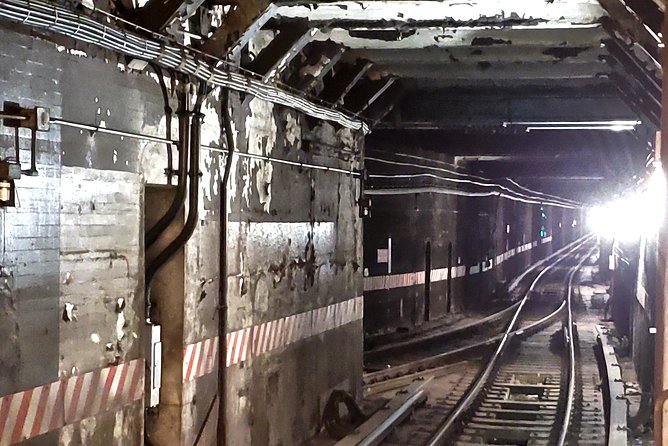
Once inside, you ride part of the original subway route. One of the most unusual moments is seeing the former City Hall Station from the train. It is often described as one of the world’s most beautiful abandoned stations, but the important practical point is this: you view it from the train only.
You do not enter the tunnels, walk on the tracks, or take part in anything illegal. This matters in a city where unofficial tunnel exploration can be dangerous and unlawful. If you are hoping to climb down into abandoned spaces, this is the wrong experience. If you want a safe explanation of what remains and a glimpse from a legal public route, it fits well.
The train ride section lasts about 40 minutes and includes the movement toward Astor Place, Grand Central Terminal, and the shuttle to Times Square. Gary discusses train development along the way, including how earlier car designs influenced the doors and layouts used later. He also covers signals and Automatic Train Stops, details that help explain why the system works as it does.
Subway noise is a real part of the setting. Gary’s approach is to check that people can hear and pause when an express train passes, but you should still expect interruptions. If you prefer a quiet museum-style tour, this environment may test your patience.
Astor Place and the ceramic beavers
Astor Place is a short stop, about 10 minutes, but it gives you one of the clearest examples of how easy subway art is to miss. The station is known for its terra-cotta work and ceramic beavers. These small details are not the sort of thing most riders stop to examine when they are rushing for a train.
Gary encourages you to look up, down, and around instead of staring only at the platform signs. The original tiles and decorative work show that early subway stations were designed as public architecture, not just functional passageways.
The stop is brief, so do not expect a long art walk. Its value comes from learning how to notice the system. After this tour, you will likely pay more attention to station walls, ceilings, mosaics, and trim during ordinary rides around town.
More Guided Trips in the USA:
- All-Day Guided Zipline Tour with Train Ride and Lunch in Durango
★ 5.0 · 133 reviews - Sedona, AZ: Grand Canyon Guided Tour and Historic Railway
★ 4.6 · 122 reviews - From Flagstaff: Grand Canyon Railroad Full-Day Guided Tour
★ 4.4 · 77 reviews - Skip the Line: Historic RailPark and Train Museum Ticket with Guided Tour
★ 4.5 · 59 reviews
Times Square station and the art below the crowds
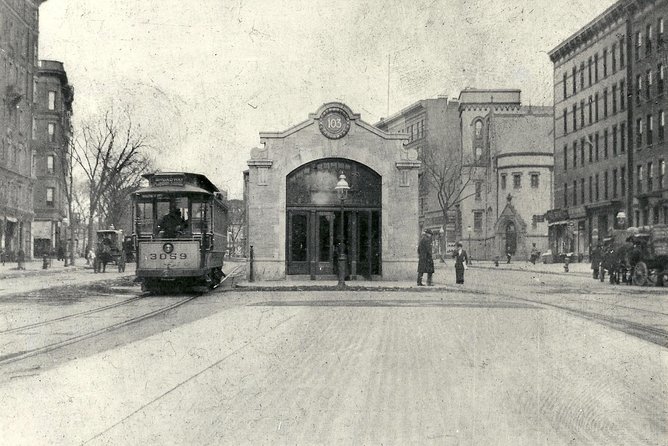
Times Square is covered in about 20 minutes. Above ground, it is New York’s best-known crossroads. Below ground, its station became the most important interchange in the subway system and contains artwork worth seeing despite the crowds and noise.
The tour explains how the station gained its importance and points out several million dollars’ worth of installed art. This is a useful stop for anyone who has used Times Square station only as a confusing transfer point. Gary gives the space historical and artistic context, helping you see more than signs, stairs, and streams of commuters.
You should keep your expectations realistic. This is still an active subway station, not a gallery reserved for the tour. You will be surrounded by normal station activity, and the time available is limited. The benefit is that the tour teaches you how to find meaning in a place most people hurry through.
Grand Central Terminal, saved from demolition
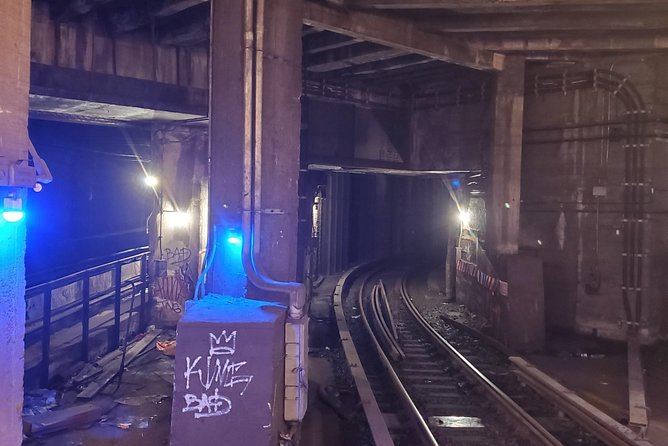
The tour ends at Grand Central Terminal, with about 25 minutes devoted to the building. This is a strong finish because the terminal’s story brings transportation, architecture, preservation, and New York politics together.
Gary explains how Grand Central came to be, what stood there before it, and why the terminal was nearly lost. He also discusses the major steps taken to save and renovate it. A particularly useful detail is the comparison between a restored ceiling section and an unrestored piece, which lets you see the difference rather than simply hearing that preservation work took place.
Ending here also makes practical sense. Grand Central is a major transportation hub, so you can continue to another part of the city after the tour. The route from downtown to Midtown gives the experience a natural sense of movement, from the city’s early core to one of its grandest terminals.
Gary’s presentation style
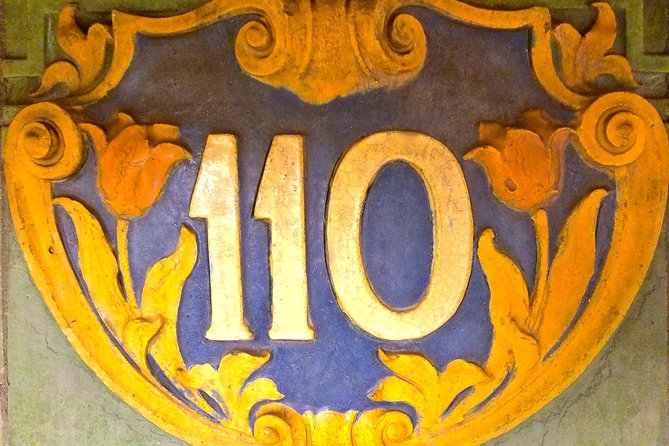
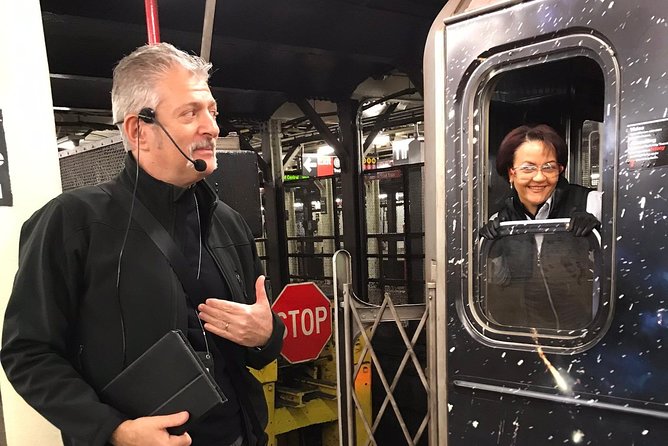
Gary is the central feature of this experience. He has spent years studying the subway’s history and presents far more than a basic explanation of how to buy a MetroCard or choose a train. His topics include construction, politics, train cars, materials, signal systems, station art, safety, and the people behind the system.
His style is enthusiastic and detailed. Families with children aged 12, 16, and 17 have found the subject accessible, and the tour can work well for curious teenagers who enjoy trains, engineering, or city stories. Locals can also get plenty from it. A strong part of the experience is discovering that familiar stations contain details even regular New Yorkers have overlooked.
The amount of information is both the attraction and the possible weakness. Gary may talk for much of the tour, and some sections involve looking at images rather than moving through unusual spaces. If you enjoy a guide who gives you a full explanation, that is a good match. If you want a photo stop every few minutes, you may find the pace slow.
Ask questions as you go. The tour is private, and the guide encourages questions throughout. That gives you a chance to steer some of the conversation toward architecture, rail technology, local history, or practical subway use.
What $220 means for your group
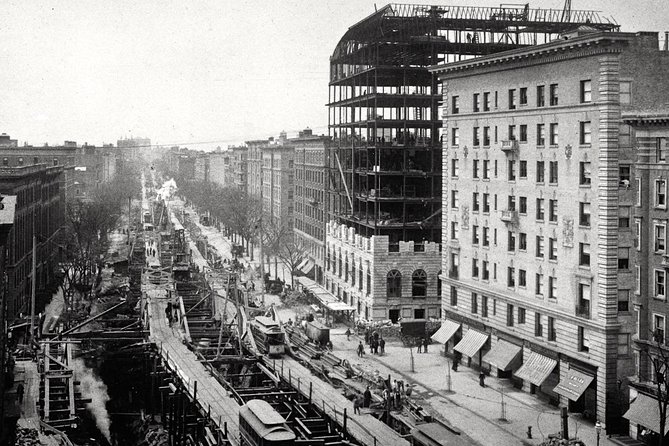
The price is $220 per group, rather than per person, which can make it a sensible choice for a family or group of friends. At five people, the base cost works out to $44 each before the subway fare. A smaller group pays more per person, but receives a more personal experience and more room for questions.
There is conflicting capacity information in the supplied details. The overview says up to eight people, while the included-tour description says a guide for a group of five maximum. Confirm the permitted group size before paying, especially if you are booking for more than five.
The subway ride itself is not included. You pay for one subway entry at the start, and no food or drinks are provided. There is no separate Grand Central admission charge.
The tour receives a 4.8 rating from 51 recorded reviews, with 94 percent recommending it. Those figures suggest a very strong fit for people who enjoy history and explanation, but they do not erase the central warning: this is not an off-limits tunnel tour.
Who should book this experience?
I would choose this tour if you are interested in New York’s growth, railway technology, public art, or the practical workings of the subway. It is especially good for families with older children, rail fans, local residents, and first-time visitors who want to understand the system instead of simply using it.
You should also book it if you like guides who can keep a subject going for hours. Gary’s enthusiasm and command of the topic are the reason many people describe the tour as one of their favorite experiences in New York.
I would skip it if your main goal is to enter abandoned stations, walk tunnels, or explore areas closed to the public. You will not do that here. I would also think twice if standing for extended periods is difficult, since there is some walking, some stair use, and time spent listening in busy stations.
The tour is offered in English, includes a mobile ticket, and allows service animals. It is near public transportation, but you should be comfortable with a moderate level of physical activity. Free cancellation is available up to 24 hours before the start time. Inside that window, changes and refunds are not accepted.
Should you book the New York subway tour?
Book it if you want the story beneath the city, not just a ride beneath the streets. The best parts are Gary’s detailed explanations, the original route, Astor Place’s decorative work, the view of City Hall Station from the train, and the preservation story at Grand Central.
Go in expecting a talk-rich tour with active subway noise, not a secret-tunnel expedition. For the right audience, $220 for a private group is a fair price for a focused lesson in how New York was built, connected, and preserved.
FAQ
How long does the tour last?
The experience lasts approximately two hours and 30 minutes. Timing at individual stops is approximate, and the route includes time for riding, transfers, explanations, and questions.
Where does the tour start and end?
It starts outside the Brooklyn Bridge subway station at 1 Centre Street, New York, and ends at Grand Central Terminal, 89 E 42nd Street.
Is the subway fare included?
No. The cost of one subway ride is paid separately when you enter the system at the beginning of the tour. That single entry covers the subway travel during the experience.
Do you enter the abandoned tunnels or City Hall Station?
No. You do not enter the tunnels, walk on the tracks, or do anything illegal. You view City Hall Station from the safety of the train and visit public areas that are sometimes overlooked.
How many people can join the private tour?
The supplied details are inconsistent. The overview states up to eight people, while the included information says the guide serves a maximum of five. Confirm the allowed group size before booking.
Can you cancel for a refund?
Yes. You can cancel at least 24 hours before the local start time for a full refund. Cancellations or changes made less than 24 hours before the start time are not accepted.
Just added around the USA
- Virginia City Day Tour From Lake Tahoe with Train Ride★ 4.8 · 19 reviews
- Ventura: Rail Bike Guided Tour with Farm Stand Stop★ 4.1 · 18 reviews
- Winnipesaukee Scenic Railroad★ 4.5 · 7 reviews
- Walking Tour of Still’s Underground Railroad in Alexandria★ 5.0 · 9 reviews
- Laughton Glacier Hike and White Pass Rail Adventure★ 5.0 · 12 reviews
- Uncorked: Wine Fest at Verde Canyon Railroad★ 5.0 · 8 reviews
- Grand Canyon Excursion from Sedona with First Class Train Ride★ 4.5 · 47 reviews
- Snoqualmie Fall & Railway Museum 3-Hours (Private Tour)★ 5.0 · 4 reviews
USA Train Tours, compared.
Streetcar Food Tour and Findlay Market with Riverside Food Tours
Read our review →
Jackson Hole: Aerial Tram and Gondolas Sightseeing
Read our review →
Washington DC: Arlington Nat. Cemetery Ticket & Tram Tour
Read our review →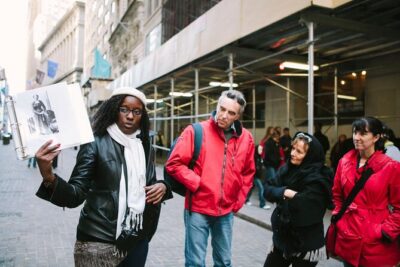
New York City Slavery and Underground Railroad Tour
Read our review →
Alaska Railroad Anchorage to Seward Round-Trip Same Day Return
Read our review →
Colorado: All Aboard the Royal Gorge Route Railroad!
Read our review →Browse the lists this tour appears in