
REVIEW · JAPAN
Mount Fuji & Hakone Private Tour with Bullet Train Return
The best part of this private Mount Fuji and Hakone tour is the variety packed into one long day. You move from shrine and mountain views to clear spring ponds, a volcanic valley, Lake Ashi, and finally a ride on Japan’s famous Shinkansen. It gives you a broad taste of the region without having to work out several train connections yourself.
I like the door-to-door pickup in Tokyo’s 23 wards, and I like the final bullet-train ride from Odawara. Guide Ryu has earned especially warm praise for his cultural insight, calm problem-solving, and good humor. The main tradeoff is time: ten hours is a lot, and traffic around Mount Fuji can turn this into a fast-moving day.
Key points to know
- A full Fuji and Hakone circuit: See major sights around Mount Fuji, then continue to Lake Ashi, the Ropeway, and Owakudani.
- Private transport from Tokyo: Hotel or Airbnb pickup in Tokyo’s 23 wards means no early scramble through several train stations.
- Choose your Fuji stops: The plan allows three of five Fuji-area options, so confirm your preferred combination before setting out.
- Shinkansen finish: You are dropped at Odawara Station and ride independently to Tokyo Station.
- Extra costs matter: Ropeway and cruise fees are listed at 3,000 yen each, while food, drinks, and the Oshino Hakkai museum are also separate.
- A guide can make the difference: Ryu is specifically praised for his Japanese cultural perspective and for handling an unexpected traffic closure.
Why this day works for first-time Japan visitors
Mount Fuji and Hakone sit close enough on a map to look easy, but seeing both in one day can be awkward by public transport. This tour removes much of that planning. You get picked up at your hotel or Airbnb, travel in a modern vehicle, and let the guide manage the road route and parking.
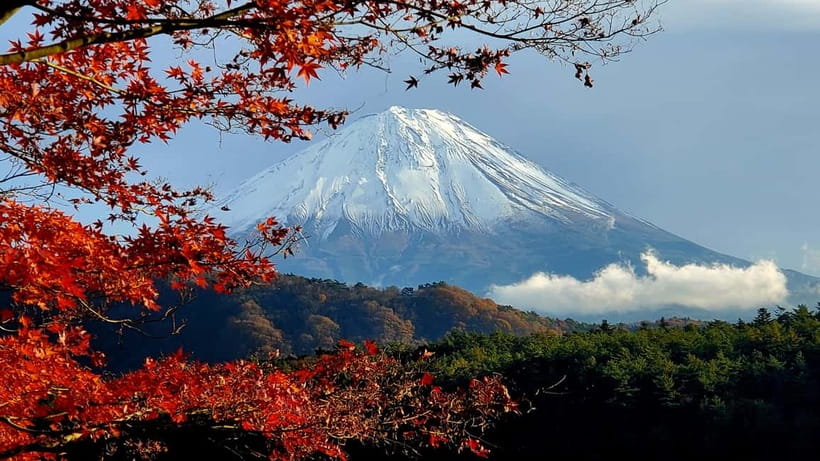
The payoff is not just convenience. The stops give you several ways to understand the area. Fuji appears as a sacred mountain at a Shinto shrine, a dramatic backdrop from Chureito Pagoda, and the source of the water at Oshino Hakkai. Hakone then changes the mood with hot volcanic ground, cable-car views, and a lake framed by wooded hills.
You should know what this is not. It is not a slow rural retreat. The schedule allows about an hour at many stops, with only 30 minutes at Kitaguchi-hongu Fuji Sengen Shrine and 45 minutes at Owakudani. You will see a lot, but you will not have endless time for every path, shop, or museum.
More Bullet Train Tours in Japan
- Mt Fuji and Hakone 1-Day Bus Tour Return by Bullet Train
★ 5.0 · 26,383 reviews - Mt Fuji & Hakone Cruise, Drum Show Bullet Train 1 Day from Tokyo
★ 4.0 · 7,413 reviews - Tokyo Mt Fuji 5th St & Hakone Cruise Bus Tour w/Bullet Train
★ 4.4 · 5,024 reviews
Chureito Pagoda and the classic Fuji view
Chureito Pagoda is often the visual high point of a Fuji day. The five-story pagoda sits on a hill, giving you a broad view over the surrounding countryside with Mount Fuji rising behind it when the weather cooperates.
The visit includes a photo stop, guided time, walking, and free time. Plan on stairs and comfortable shoes. The hilltop setting is the reason for the view, but it also means this stop asks more of your legs than a roadside viewpoint.
Weather controls the experience here. Clear skies can produce the famous pagoda, town, and mountain composition. Clouds may hide Fuji, even when the rest of the day is pleasant. Your guide can still explain the site and its setting, but you should treat the mountain view as a possibility rather than a guarantee.
Fuji Sengen Shrine and the mountain’s spiritual side
Kitaguchi-hongu Fuji Sengen Shrine offers a useful change of pace after the photo stop. This is a Shinto shrine connected to Mount Fuji, and the visit gives you a chance to see the cultural meaning of the mountain rather than only its appearance.
You have about 30 minutes here, enough for a guided walk, sightseeing, and perhaps a little shopping. That is a short visit, so do not expect a long study of the grounds. Still, this stop helps explain why Fuji has mattered to local people for generations.
I like that the tour includes this place instead of treating Fuji as a simple backdrop. The shrine gives the day some depth, even if the brief timing means you will need to keep moving.
Oshino Hakkai and Fuji’s clear spring water
Oshino Hakkai is a group of eight ponds fed by snowmelt from Mount Fuji. The water is known for its clarity, and the ponds support a small ecosystem that feels quite different from the broad mountain viewpoints earlier in the day.
You get roughly an hour for photos, a guided visit, free time, shopping, and local snacks. This is one of the better stops for a relaxed wander because it offers more than one thing to do. You can look at the ponds, sample something local, and browse the area without needing a major hike.
The optional Oshino Hakkai museum costs 300 yen. That fee is modest, but remember that it is not part of the tour price. Food and drinks are also on your own, so carrying cash is sensible.
Same tracks, a very different ride:
- From Tokyo: Mt. Fuji & Hakone Tour w/ Return by Bullet Train
★ 4.2 · 1,278 reviews - Osaka/Kyoto: Hiroshima Miyajima Bus Tour & Shinkansen Ticket
★ 4.7 · 919 reviews - From Tokyo 1-Day Kyoto English-guided Tour by Bullet Train
★ 4.0 · 376 reviews - Mt. Fuji and Hakone Day Trip From Tokyo with Bullet Train Option
★ 4.0 · 368 reviews
Fujikawaguchiko and Lake Yamanaka
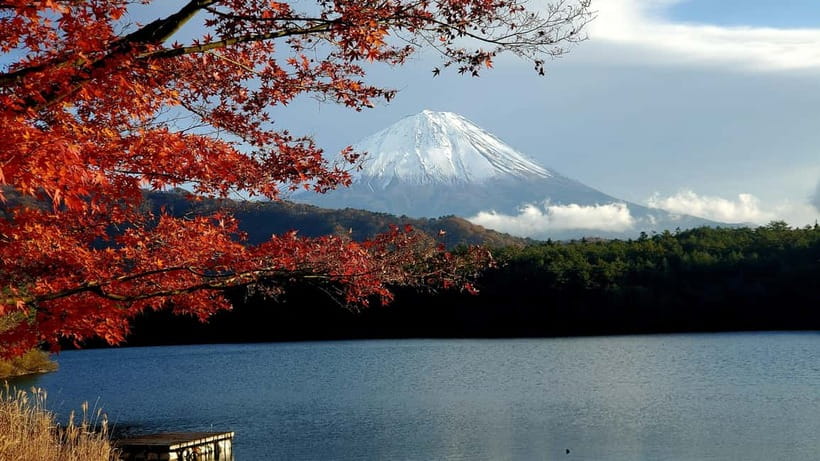
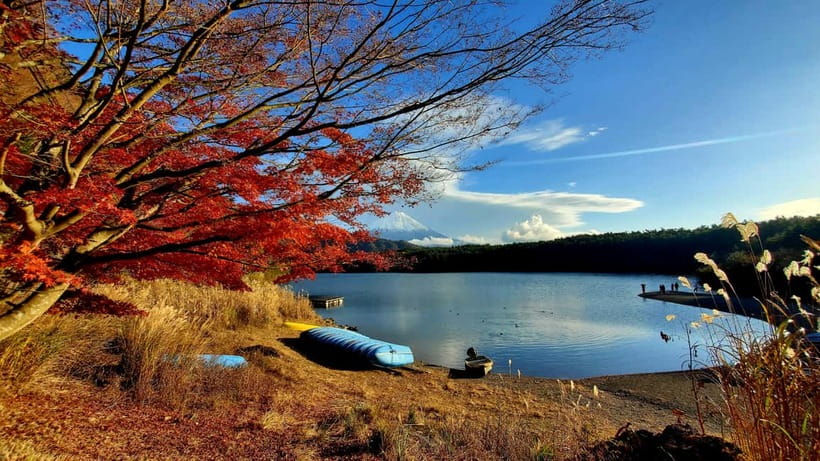
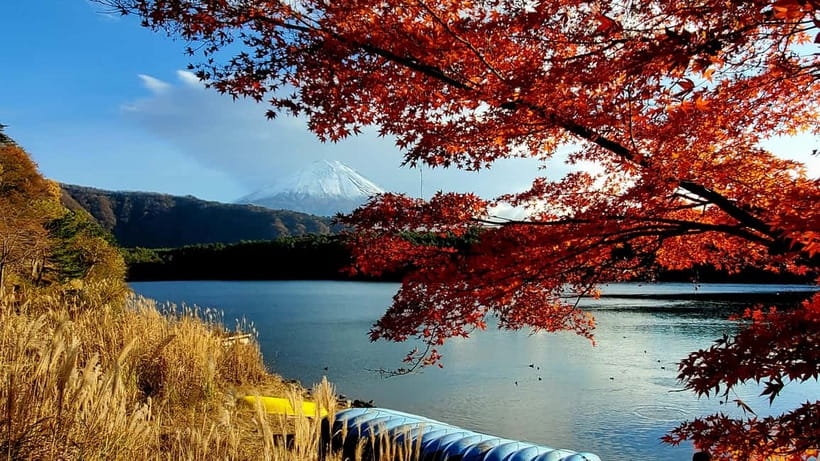
The plan also includes time around Fujikawaguchiko and Lake Yamanaka. These stops provide more chances for Fuji views, though the exact order and selection can depend on the three Fuji-area options chosen.
Lake Yamanaka includes a photo stop, a guided visit, and sightseeing. Fujikawaguchiko is listed as a one-hour visit. Since the tour description says you choose three of five Fuji-area options, confirm exactly which places you want before the day begins. The listed Fuji choices include Chureito Pagoda, Kitaguchi-hongu Fuji Sengen Shrine, Oshino Hakkai, Fujikawaguchiko, and Lake Yamanaka.
This flexibility is useful for a private group. You can favor mountain photography, cultural sites, or a gentler mix. It also means you should not assume every listed Fuji stop is guaranteed in one fixed sequence.
Hakone Ropeway: views from above
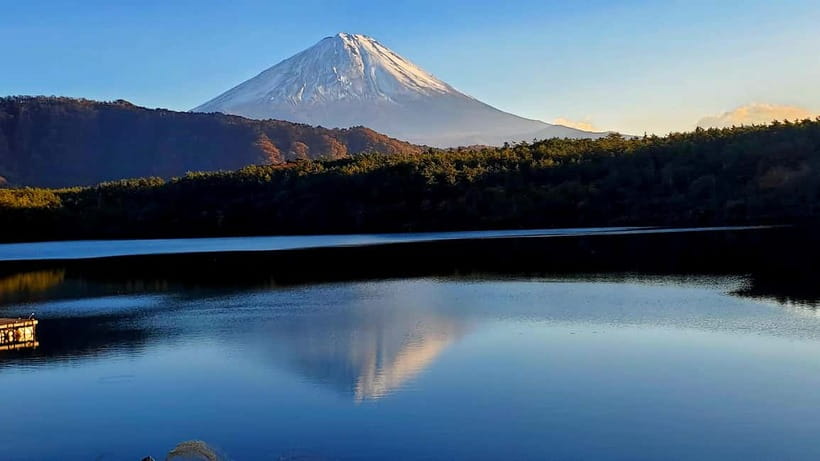
After the Fuji-area stops, the route moves toward Hakone and the Ropeway. The cable car provides aerial views of the surrounding mountains, forests, and Lake Ashi. This is a good way to cover distance while still seeing the area from a different angle.
The listed visit lasts about an hour and includes the cable-car ride and scenic views along the way. The Ropeway fee is listed at 3,000 yen and is not included in the $280 tour price. That is a significant extra, especially for a family or larger private group, so budget for it before booking.
The Ropeway is also one of the day’s schedule risks. Weather, operating conditions, or crowd levels can affect how smoothly it fits into the route. Ask your guide how the timing will work on the day, particularly if you have your heart set on riding it.
Owakudani Valley and the smell of sulfur
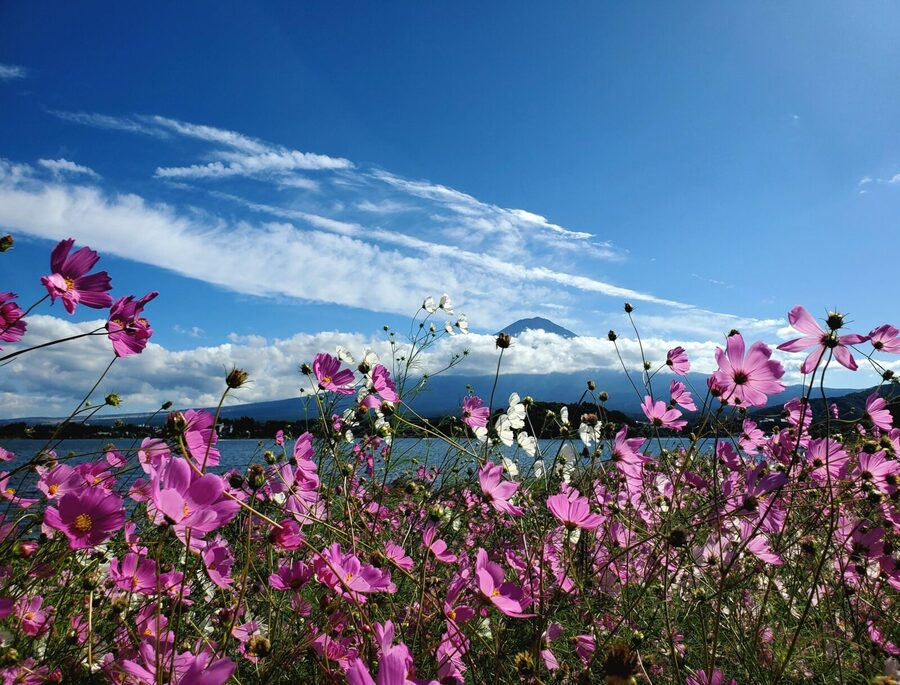
Owakudani is Hakone’s volcanic center, with steaming hot springs, bubbling mud, and sulfur fumes. It is one of the most unusual stops on the route because you can see and smell active geothermal activity rather than simply read about it.
The visit is listed at about 45 minutes. You may walk through the area and take in the steam rising from the ground, but this is not a long hike. The sulfur smell can be strong, and that is part of the experience. If you are sensitive to such odors, keep the stop in perspective and follow local instructions.
Owakudani also gives the tour a welcome bit of drama after the calmer shrine and pond visits. The raw ground, steam, and fumes make Hakone feel very different from the Fuji foothills.
Lake Ashi and the optional cruise
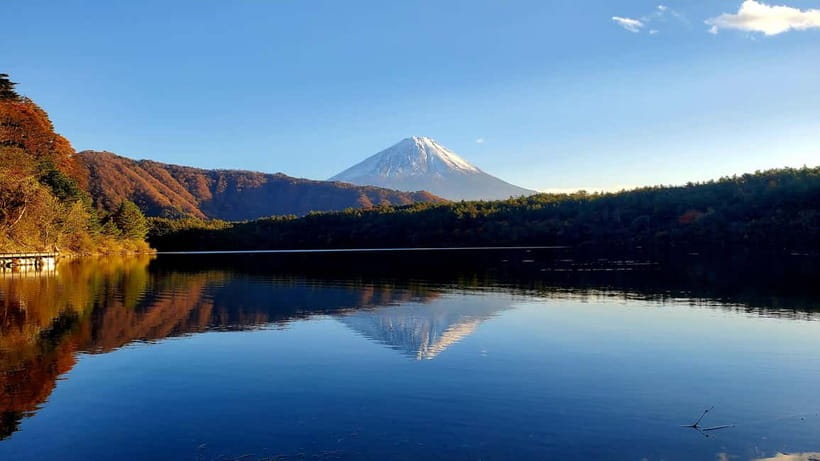
Lake Ashi, also called Lake Ashinoko, is surrounded by wooded hills and is one of Hakone’s signature sights. The tour allows time for a walk, photographs, and a guided visit. On clear days, you may see Mount Fuji across the water.
A boat cruise is an optional extra, listed at 3,000 yen. I would decide in advance whether the cruise matters to you. It can add a pleasant lake view, but it also costs more and must fit into a day that already has several moving parts.
The lake stop is a good place to slow down briefly. Still, do not count on a long, quiet lakeside afternoon. The tour’s main appeal is the range of sights, not extended time at one location.
The Shinkansen finish is useful, but not fully door to door
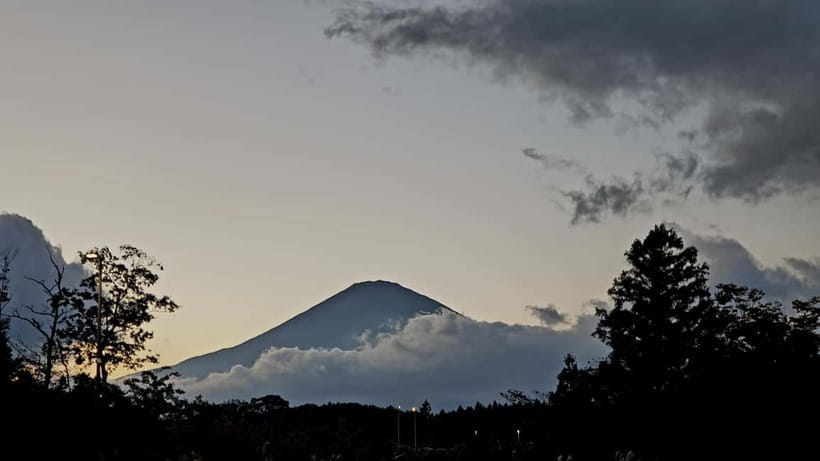
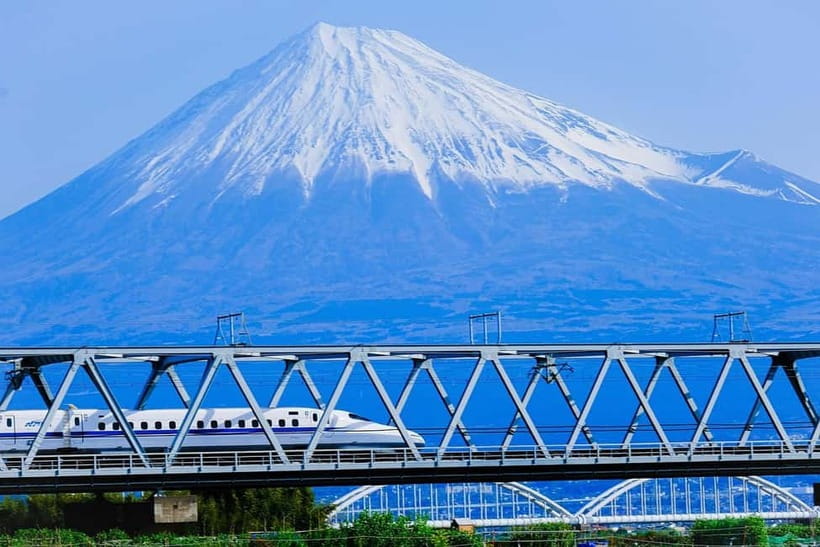
The tour ends at Odawara Station, where you take the bullet train to Tokyo Station without the guide. Your Shinkansen ticket is included, which is a valuable part of the package and gives you a memorable final leg.
You are responsible for getting from Tokyo Station to your hotel. That detail matters. The morning pickup is hotel or Airbnb based in Tokyo’s 23 wards, but the return is not a drop-off at your accommodation. You will need to handle the final Tokyo connection yourself.
The arrangement makes practical sense. Odawara is a useful rail point after Hakone, and the fast train avoids another long road journey into Tokyo. Just keep your phone charged, know your hotel address, and be ready to navigate the last stretch independently.
What the $280 price includes
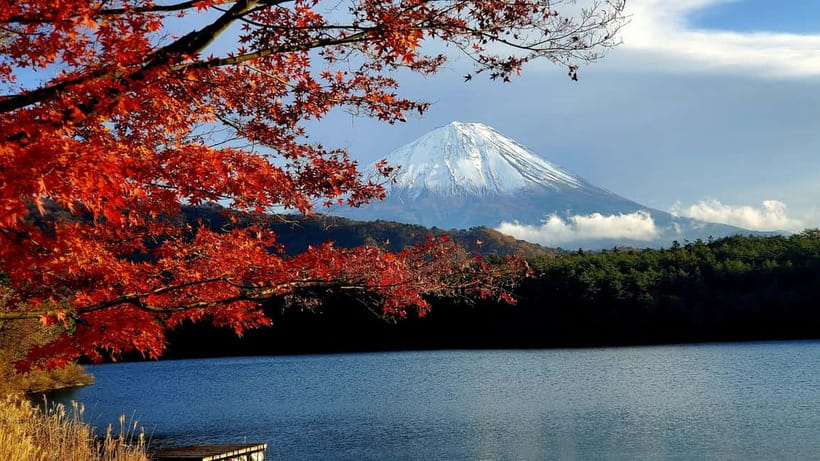
At $280 per person, this tour is not a budget sightseeing bus. It is priced around private transport, a guide, fuel, highway tolls, parking, hotel pickup, and the Shinkansen ticket.
That can be good value if you are traveling with family or friends and want a private vehicle rather than paying for several separate train and bus rides. It is also useful if you value a guide who can adjust the route and explain the cultural side of the region.
The extra fees change the real cost. Ropeway admission is 3,000 yen, and the cruise is another 3,000 yen if you choose both. The Oshino Hakkai museum costs 300 yen, while meals, drinks, and snacks are not included. Carry cash, as requested, and allow room in your budget for lunch and optional activities.
A private tour can also protect your time. The benefit is strongest when you are willing to accept the price for convenience and a tailored day. If you mainly want one Fuji viewpoint and a simple train ride, this package may offer more than you need.
Guide Ryu and the value of calm local help
Guide Ryu is the guide name most clearly associated with this experience. He is praised for being entertaining, courteous, and able to explain Japanese culture from his own perspective. That matters here because the route includes places that are more rewarding when someone explains their purpose.
One especially useful detail is his handling of an unexpected royal family visit that caused traffic disruption. The day still went well because he adjusted and solved problems as they appeared. You should not expect traffic around Tokyo and Fuji to behave perfectly, so this kind of calm flexibility is worth more than a polished speech.
Other guides may lead the tour, and the available languages include English, Urdu, Punjabi, and Hindi. The group is private, so you do not have to match the pace of a bus full of strangers.
Timing, traffic, and what to bring
The tour lasts ten hours including pickup and drop-off arrangements. Traffic can delay the driver by 10 to 30 minutes, and congestion, road conditions, or accidents can affect the route. This is particularly important on a day that covers Tokyo, Fuji, Hakone, and Odawara.
Wear comfortable clothes and shoes. You will walk at Chureito Pagoda, around the shrine and ponds, near the lake, and at Owakudani. Bring cash for optional fees, food, and drinks.
Smoking, food, alcohol, drugs, and littering are not allowed in the vehicle. These rules are simple, but they matter on a long private drive.
Who should book this private Fuji and Hakone day?
I would choose this tour if you want to see both Mount Fuji and Hakone in one day, prefer a private group, and like having a guide handle driving, tolls, parking, and route decisions. It is also a strong fit for families or small groups that can share the private-tour cost.
It suits first-time visitors who want cultural stops alongside famous views. The shrine, ponds, volcanic valley, and lake prevent the day from becoming nothing but photo stops.
I would think twice if you dislike early starts, long road days, changing weather, or a packed schedule. I would also compare costs carefully if you plan to skip the Ropeway and cruise. The tour is built for variety and convenience, not for lingering at one place.
Should you book it?
Book it if the combination of private transport, Fuji-area choices, Hakone’s Ropeway and volcanic valley, and a Shinkansen return sounds worth the price. The guide support and flexible stop selection are the strongest reasons to choose it, with Ryu’s calm handling of traffic problems an encouraging sign.
Before paying, confirm which three Fuji-area stops you want, check the extra fees, and remember that you finish at Tokyo Station, not at your hotel. If you accept those details, this is an efficient and memorable way to connect two of Honshu’s most famous scenic areas in a single day.
FAQ
How long does the Mount Fuji and Hakone tour last?
The tour lasts 10 hours, including pickup and drop-off arrangements.
Where does pickup take place?
Pickup is available from your hotel or Airbnb in Tokyo’s 23 wards. Pickup outside those wards may cost extra.
Where does the tour finish?
The tour finishes at Odawara Station. You then take the included Shinkansen to Tokyo Station without the guide.
Is transportation from Tokyo Station to my hotel included?
No. You are responsible for your own transportation from Tokyo Station to your hotel.
How many Fuji-area stops can I choose?
You choose three of five Fuji-area options. The listed options are Chureito Pagoda, Kitaguchi-hongu Fuji Sengen Shrine, Oshino Hakkai, Fujikawaguchiko, and Lake Yamanaka.
Are the Hakone Ropeway and cruise included in the price?
No. The Ropeway is listed at 3,000 yen, and the cruise is also listed at 3,000 yen. These costs are paid separately.
Is food included?
No. Meals, drinks, and snacks are not included. The tour information recommends bringing cash.
Which languages are available for the guide?
Guiding is available in English, Urdu, Punjabi, and Hindi.
Just added around Japan
- Train in Samurai Swordsmanship and Defeat the Demon in Tokyo★ 5.0 · 5 reviews
- Private tour with Yasushi and Yoko – by car, train, on foot★ 5.0 · 2 reviews
- Tokyo-Izu: Volcano, Ocean& Capybara Cuddle with Izu Scenic Train★ 3.5 · 3 reviews
- Tokyo Private Guided 1/2-Day Walking Subway Tour English guide★ 5.0 · 7 reviews
- Snow Monkey Park and Miso Production Tour Bullet Train from Tokyo★ 4.5 · 26 reviews
- Private Tour – Thousands of lucky cats! Go by tram, Gotokuji Tour★ 5.0 · 16 reviews
- Bullet Train and Mt. Fuji Famous Food Tour★ 5.0 · 4 reviews
- Kyoto Early Bird Tour Tokyo Round or One Way Shinkansen★ 5.0 · 10 reviews
Japan Train Tours, compared.
Mt Fuji & Hakone Cruise, Drum Show Bullet Train 1 Day from Tokyo
Read our review →
Tokyo Mt Fuji 5th St & Hakone Cruise Bus Tour w/Bullet Train
Read our review →
Mt. Fuji & Hakone Tour w/ Return by Bullet Train
Read our review →
Osaka/Kyoto: Hiroshima Miyajima Bus Tour & Shinkansen Ticket
Read our review →
From Tokyo 1-Day Kyoto English-guided Tour by Bullet Train
Read our review →
Mt. Fuji and Hakone Day Trip From Tokyo with Bullet Train Option
Read our review →
Fukuoka: Takachiho Gorge & Scenic Railway One Day Tour
Read our review →Browse the lists this tour appears in