
REVIEW · BANGKOK
Historic River Kwai Bridge: Train Journey & Tour
The most memorable part of this long day is the Death Railway train ride, which carries you through Kanchanaburi’s wooded countryside and across the wooden viaduct near Krasae Cave. The trip also connects the railway to the cemetery and bridge, so you see both the human cost and the physical remains of the wartime project.
I like the clear mix of history and scenery, especially the quiet Allied War Cemetery and the train crossing. I also like that lunch, insurance, a guide, and pickup in selected areas are included in the $94.89 price.
The main concern is consistency. The tour description promises an English-speaking guide, but one unhappy booking involved phone translation, extra payments, and little explanation at the stops. Check your pickup area, inclusions, and final route carefully before paying.
Key points to know before booking
- The day begins around 6:15 to 6:30 a.m. and usually ends in Bangkok between 6:00 and 7:00 p.m.
- The Death Railway train ride is the main event, with scenery and a crossing of the historic wooden viaduct.
- The JEATH War Museum costs an extra THB 50, even though most of the tour is packaged together.
- Saiyok Noi waterfall provides a welcome break with roughly 30 to 45 minutes to walk around.
- Pickup is limited to a free zone, with a THB 100 per person surcharge from Rachadapisak, Suttisarn, Intamara, and Rama 4 areas.
- The group can reach 30 people, so the guide experience may feel less personal than a small private tour.
Why this River Kwai day trip matters

This is not simply a sightseeing loop from Bangkok. Kanchanaburi’s railway and cemeteries tell a hard story about World War II prisoners of war who were forced to build the railway under brutal conditions. The route lets you approach that past in several ways: a cemetery, a museum, the bridge, and the railway itself.
I value that order. You first encounter the names and graves at the Kanchanaburi War Cemetery. Then you see photographs, paintings, and tools at the JEATH War Museum. After that, the train makes the old route physical. You are no longer only reading about the railway. You are riding on part of it.
The tour also gives you time away from the war sites. Thai lunch and the stop at Saiyok Noi waterfall add a lighter rhythm to a serious day. That balance matters, since the history here can be emotionally heavy.
At $94.89 per person, this is not the cheapest way to reach Kanchanaburi. You are paying for a very early shared transfer, a full day out of Bangkok, a guide, lunch, insurance, and the convenience of a coordinated route. The value is strongest if you want transport arranged and prefer not to manage separate trains, taxis, and admissions yourself.
The value is weaker if you only want to see the bridge. In that case, the long drive and full-day schedule may feel excessive. This tour makes more sense for you if the cemetery, museum, railway, and waterfall all sound worthwhile.
More Death Railway and River Kwai Tours in Bangkok:
- From Bangkok: Death Railway & Hellfire Pass Tour with Lunch
★ 4.6 · 931 reviews - Bridge on the River Kwai and Thailand-Burma Railway Tour
★ 4.5 · 658 reviews - Bridge on the River Kwai and Thailand-Burma Railway Guided Tour
★ 4.5 · 353 reviews
The early pickup from Bangkok
Pickup begins around 6:15 to 6:30 a.m., with the return usually scheduled for 6:00 to 7:00 p.m. That makes this a genuine full-day outing, not a short excursion squeezed into a spare afternoon.
The transfer is shared, and the free pickup applies only in a specified zone. If you stay in Rachadapisak, Suttisarn, Intamara, or Rama 4, expect an added THB 100 per person. Confirm the pickup point before booking, since an inexpensive-looking tour becomes less convenient if you must arrange your own way to the vehicle.
The drive to Kanchanaburi takes about two hours according to the schedule. Bring water, sun protection, and something small to eat if you need breakfast early. Lunch is included, but the day starts before most Bangkok restaurants open.
The group may contain up to 30 people. That is a reasonable size for a shared excursion, though it can mean waiting when people leave the vehicle or gather at a stop. If you want long conversations with your guide, a smaller group would be a better fit.
Kanchanaburi War Cemetery and the human cost
The first main stop is the Kanchanaburi War Cemetery at about 9:30 a.m. You have around 30 minutes here, with no separate admission charge listed.
This is the quietest part of the day. The grounds are carefully maintained, and the rows of graves put a human face on the railway’s history. The site honors 6,982 Allied prisoners of war who died during construction of the railway.
Thirty minutes is enough for a respectful walk and some time to read the markers, but it is not a long guided visit. This is one point where the quality of the guide matters. A clear explanation can help you understand what you are seeing. Without one, you may mainly receive a brief drop-off and pickup.
Give yourself time to slow down here. The cemetery is not a place to rush through for photographs. Its value comes from the names, dates, and scale of the loss.
The JEATH War Museum at an extra THB 50
At about 10:00 a.m., the tour continues to the JEATH War Museum. The museum sits on the grounds of a former World War II prisoner-of-war camp and displays paintings, photographs, and tools connected with the railway and POW experience.
The entry fee is THB 50 per person and is not included in the tour price. That is a small charge, but it is worth knowing before you arrive. The schedule allows up to two hours in this part of the route, although the exact division between the museum and train-related activities may vary.
The museum gives you visual material that the cemetery cannot provide. Photographs and tools help explain the harsh working conditions and the practical difficulty of building the railway. I would treat the museum as an important context stop rather than the polished centerpiece of the day. Its appeal lies in the subject matter and historical setting.
If you want detailed historical interpretation, listen closely to the English guide and ask questions. One serious concern raised about this experience involved the guide using a phone translation app instead of providing proper English commentary. That is not a small issue on a history tour. Confirm that an English-speaking guide will accompany your group, rather than assuming the label guarantees a full explanation.
More History Trips in Bangkok:
- Private Historic River Kwai Death Railway, War Cemetery and Hellfire Pass Tour
★ 4.5 · 12 reviews - Historic Kanchanaburi: Train, Boat & Skywalk + Lunch From Bangkok
★ 4.5 · 3 reviews - Historic Kanchanaburi:Train, Boat, Skywalk from Bangkok(No Lunch)
★ 5.0 · 2 reviews - Prague: Hop-on Hop-Off Historical Tram Ticket for Line 42
★ 4.1 · 1,702 reviews
The Bridge over the River Kwai
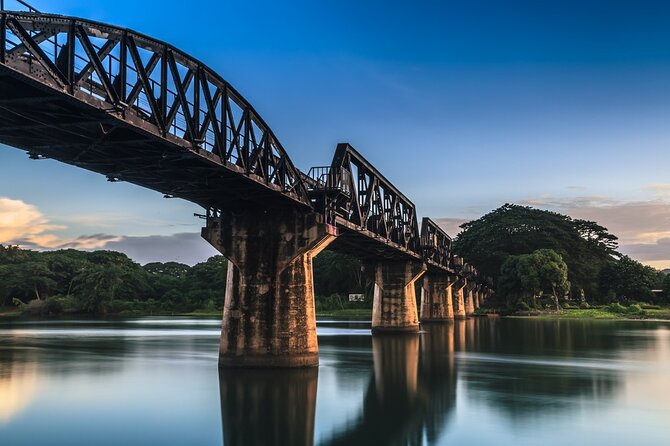
The bridge is the tour’s best-known sight. It is also the place where the railway’s past becomes easy to picture. You see the structure, the river, and the route that still carries trains through the area.
The schedule gives about an hour at the River Khwae Bridge, with admission included. That is more useful than a quick roadside photo stop. You should have time to look at the bridge, take pictures, and understand how it fits into the wider railway route.
The bridge itself is famous, but do not let the name turn the visit into a simple checklist item. The cemetery explains the human cost. The museum supplies evidence and images. The bridge shows the engineering project that demanded that cost.
The name can also cause confusion. You may see both River Kwai and River Khwae used in descriptions of the area. For your purposes, this is the historic bridge associated with the Death Railway in Kanchanaburi.
Riding the Death Railway through Kanchanaburi
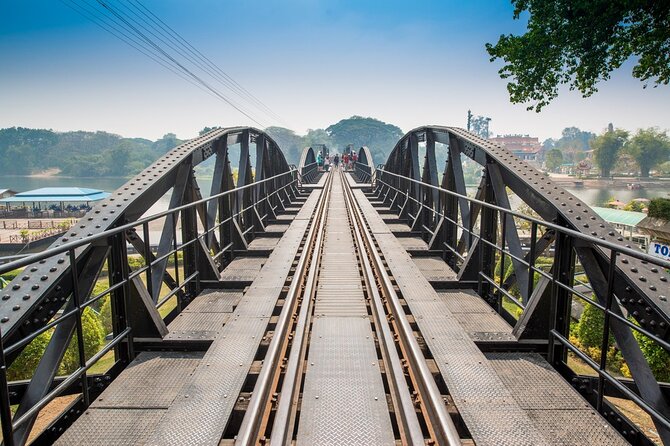
The train ride is the strongest reason to choose this particular outing. You travel along the Death Railway and cross the historic wooden viaduct built by Allied POWs. The ride gives you a view that cannot be recreated from a museum display or a bridge-side stop.
The train portion is scenic, but the setting carries weight. You are not riding a purpose-built tourist attraction detached from the past. You are using a railway connected to one of World War II’s most painful construction projects.
Expect the ride to be part of a wider touring day rather than a long railway journey with a private carriage. The route description allows about an hour at the bridge and mentions a two-hour museum and railway portion, so the exact time on board may depend on the operating schedule and the group’s timing.
The wooden viaduct near Krasae Cave is a visual highlight. The train passes through countryside before reaching this famous section, and the views are likely to be the most scenic part of the day. Keep your camera ready, but also look out from the window. The point is not only the photograph. It is the chance to see how the railway fits into the terrain.
Lunch, Krasae Cave, and Saiyok Noi waterfall
The schedule places Thai lunch at about 1:00 p.m. Lunch is included, which makes the price easier to judge against a self-organized day. The description does not specify a restaurant or menu, so you should expect a straightforward Thai meal rather than choose from a detailed dining program.
The itinerary also names Krasae Cave, though the timing gives more detail about the railway and the later waterfall stop than about cave access. Treat the cave as part of the railway area unless your guide confirms exactly how much time is allocated there.
Around 2:00 p.m., you head to Saiyok Noi waterfall. You get roughly 30 to 45 minutes of free time to explore at your own pace. This is a useful pause after the cemetery and railway, giving you a chance to stretch your legs and enjoy a natural setting.
Do not expect a long hike or a full afternoon at the waterfall. The scheduled time is brief. You can walk around, take photographs, and cool off, but the stop is designed as a short break before the return to Bangkok.
The waterfall also gives the day a better emotional rhythm. After several hours focused on war and death, a quiet natural stop helps you reset before the long ride home.
The return to Bangkok and the real time commitment
The return begins in the afternoon, with arrival in Bangkok expected between 6:00 and 7:00 p.m. Traffic can affect the exact timing, so do not schedule an important evening reservation too closely after the stated return window.
The total duration is about 10 to 12 hours. That sounds long because it is long. You spend much of the day moving between stops, but that is the tradeoff for visiting Kanchanaburi from Bangkok in one day.
I would not book this on the same day as an evening flight or anything with a strict start time. The tour is better suited to a free day in your Bangkok schedule, when a late return will not cause trouble.
Guide quality and route clarity matter
The included English guide should be central to the experience. The best version of this tour connects the cemetery, museum, bridge, and train ride into one understandable story. You should know what happened at each stop, why the railway mattered, and how the sites relate to one another.
There is a serious warning here: one booking involved site drop-offs with little information, while communication was handled through a translation app. Another complaint concerned extra payments and a route that did not match expectations. These problems may not affect every departure, but they show why you should confirm details before the day begins.
Ask the operator to confirm:
- Your exact pickup location and any surcharge
- That an English-speaking guide will be present
- That the Death Railway train ride is included
- That the route includes the bridge, cemetery, museum, and Saiyok Noi waterfall
- That the JEATH Museum fee of THB 50 is paid separately
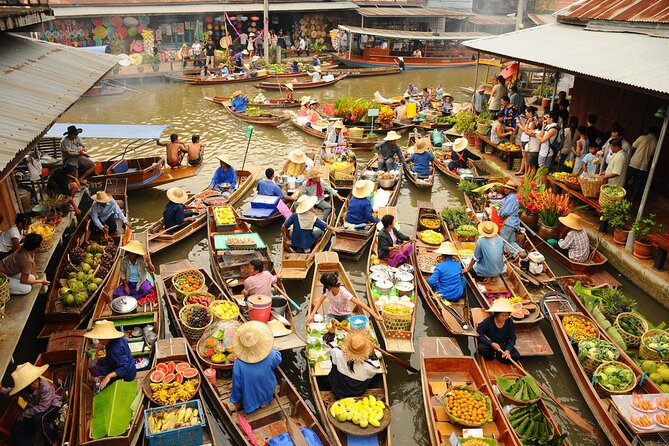
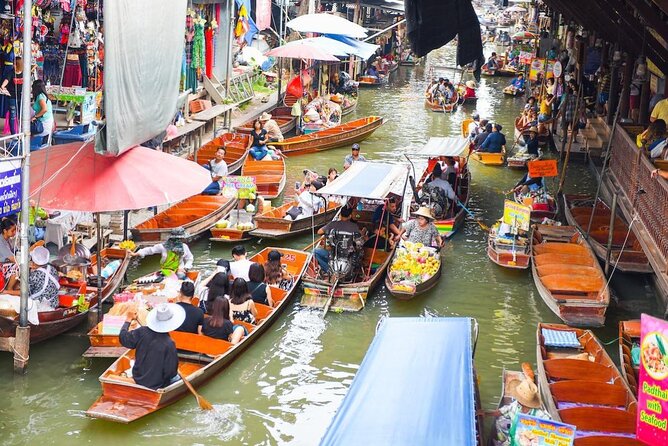
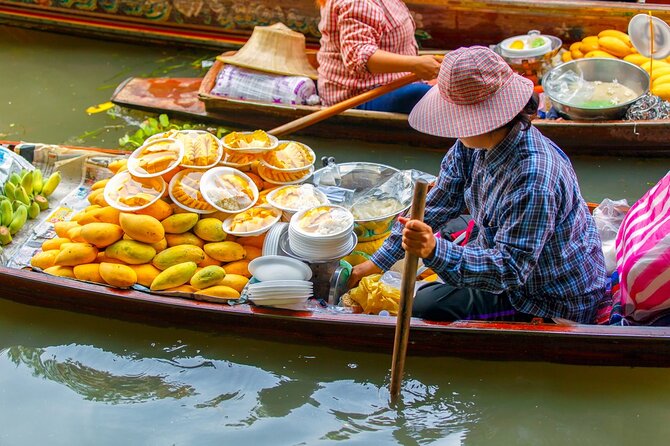
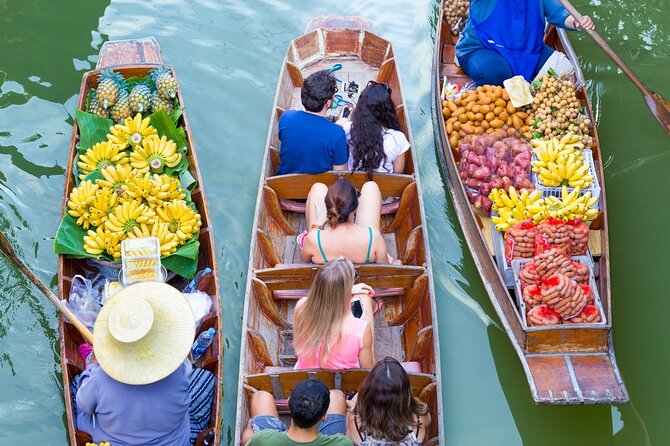
The supplied route does not include a floating market. If you have seen another Kanchanaburi tour advertised with one, do not assume this experience includes it. Compare the stops carefully.
Who should book this tour?
I would recommend it to you if you want a structured introduction to Kanchanaburi and prefer an arranged day from Bangkok. It suits people who want several major sights in one trip and value included lunch, insurance, pickup, and a guide.
It is also a good choice if the train ride matters more to you than spending hours in one museum. The railway gives the day its strongest sense of place, while the cemetery and museum supply the needed context.
Families and first-time visitors may appreciate the simple format, since most people can participate and the route does not require complicated transport changes. The waterfall provides a break for anyone who might find a full day of war history too intense.
I would hesitate if you dislike early starts, shared vehicles, or long days. I would also hesitate if you need a guide who can provide detailed English commentary at every stop. In that case, confirm the language arrangement in writing or consider a private tour with clearer control over the guide.
Should you book this River Kwai tour?
Book it if you want the convenience of a full-day package and the chance to ride the Death Railway, not just photograph the bridge. The cemetery, JEATH Museum, train, viaduct, and waterfall create a varied day, and the included lunch and insurance add practical value to the price.
Do not book without checking the pickup zone, the extra museum fee, and the promised English guiding. The route has real historical value, but the experience depends heavily on clear communication and competent guidance. If those details are confirmed, this is a useful first visit to Kanchanaburi. If they remain vague, choose a provider with a more precise schedule and stronger language guarantees.
FAQ
What time does the tour start?
Pickup begins around 6:15 to 6:30 a.m. The listed start time is 6:30 a.m.
How long does the experience last?
The full day lasts approximately 10 to 12 hours. Return to Bangkok is scheduled between 6:00 and 7:00 p.m.
Is hotel pickup included?
Roundtrip transfer is included in the free pickup zone. Pickup from Rachadapisak, Suttisarn, Intamara, and Rama 4 costs THB 100 per person.
Is the JEATH War Museum entrance fee included?
No. The museum entrance fee is THB 50 per person and must be paid separately.
Is lunch included?
Yes. A Thai-style lunch is included in the tour price.
Does the tour include the Death Railway train ride?
Yes. The experience includes a scenic train ride on the Death Railway and a crossing of the historic wooden viaduct.
Can I cancel for a full refund?
Yes, if you cancel at least 24 hours before the experience starts. Cancellations made less than 24 hours in advance are not refunded.
Just added around Bangkok
- Floating & Railway Markets and Erawan Waterfall [Optional Luxury]★ 5.0 · 43 reviews
- Small Group: Kanchanaburi Death Railway, Erawan Waterfall and Elephant★ 4.0 · 3 reviews
- Floating Market & Railway Market near Bangkok★ 4.0 · 5 reviews
- Historic Kanchanaburi: Train, Boat & Skywalk + Lunch From Bangkok★ 4.5 · 3 reviews
- Railway Market, Floating Market and After the Rain Cafe★ 5.0 · 16 reviews
- Maeklong & Damnoen Saduak Markets: Railway & Floating Market Tour★ 4.0 · 17 reviews
- Historic Kanchanaburi:Train, Boat, Skywalk from Bangkok(No Lunch)★ 5.0 · 2 reviews
- Bangkok: Railway & Damnoen Saduak Floating Market with Transfer★ 4.5 · 14 reviews
Bangkok Train Tours, compared.
Damnoen Saduak Market and Maeklong Railway Market
Read our review →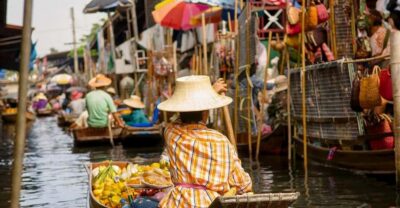
The Old Siam: Damnoen Saduak and Maeklong Railway Market
Read our review →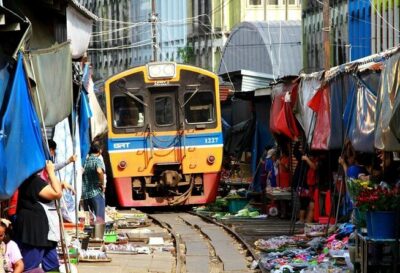
Half-Day Railway Market and Floating Market Tour in Thailand
Read our review →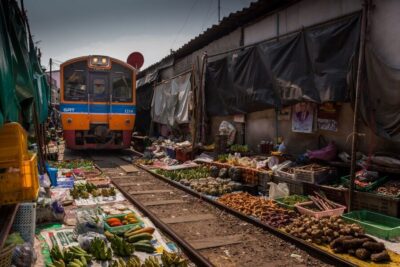
Damnoen Saduak, Train Market & Mahanakhon Day Trip
Read our review →
Damnoen Saduak Floating Market and Maeklong Railway Market Tour
Read our review →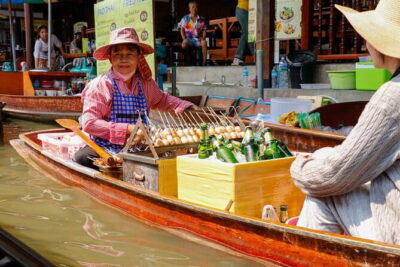
Day Trip to Bangkok Floating Market & Maeklong Railway
Read our review →
Railway and Floating Market Tour with Dragon Temple
Read our review →
Browse the lists this tour appears in