
REVIEW · USA
Boston: Underground Railroad History Tour of Beacon Hill
Boston’s Beacon Hill hides some of the city’s most important Black history behind handsome brick homes and quiet lanes. This 150-minute walk follows the Black Heritage Trail from Boston Common to the African Meeting House, then finishes at the memorial to the 54th Massachusetts Regiment.
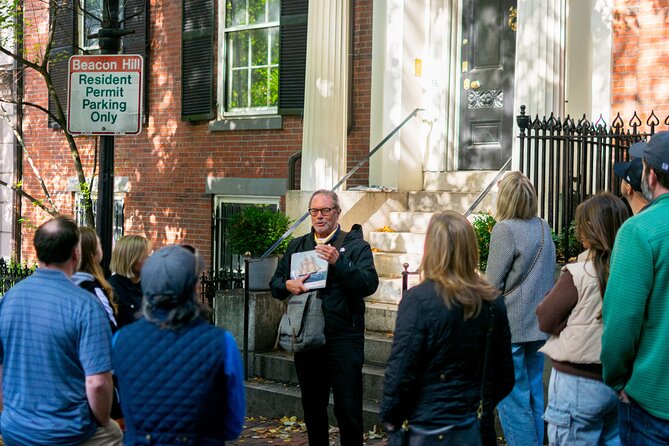
I like the small-group format, which makes it easier to hear a guide and ask questions on narrow sidewalks. I also like the way the tour links local events to the national crisis over slavery, rather than treating Boston as a detached abolitionist postcard. The main drawback is physical: you walk about 2 miles on steep hills and uneven, non-ADA-compliant sidewalks.
Key points at a glance

- Follow the Black Heritage Trail: Visit homes, schools, churches, and meeting places tied to Boston’s 19th-century Black community.
- See the African Meeting House: Spend about 20 minutes at one of the tour’s central landmarks, with museum admission not included.
- Connect local lives to the Civil War: Learn how debates over education, integration, slavery, and abolition shaped Boston before 1861.
- Walk the Underground Railroad story: See the homes of people who helped freedom seekers, including Lewis and Harriet Hayden.
- Finish with the 54th Massachusetts: End at the Robert Gould Shaw and 54th Massachusetts Regiment Memorial on Boston Common.
- Plan for real walking: Bring comfortable shoes and weather-ready clothing. The tour runs rain or shine.
Why this Beacon Hill walk matters
Boston often presents itself through the Revolution, the harbor, and the Freedom Trail. Those subjects deserve their place, but this tour shifts your attention to the decades before the Civil War, when the city’s Black residents fought for basic rights in schools, churches, workplaces, and courts.
You are not simply looking at old buildings. You are standing outside homes where people made hard choices under the Fugitive Slave Act, visiting schools tied to the fight for equal education, and hearing how Black and white Bostonians argued over abolition and racial integration.
That local focus gives the tour its value. You see how national politics landed on one small neighborhood. A classroom, church, or private house could become a place of protest, refuge, organizing, or danger.
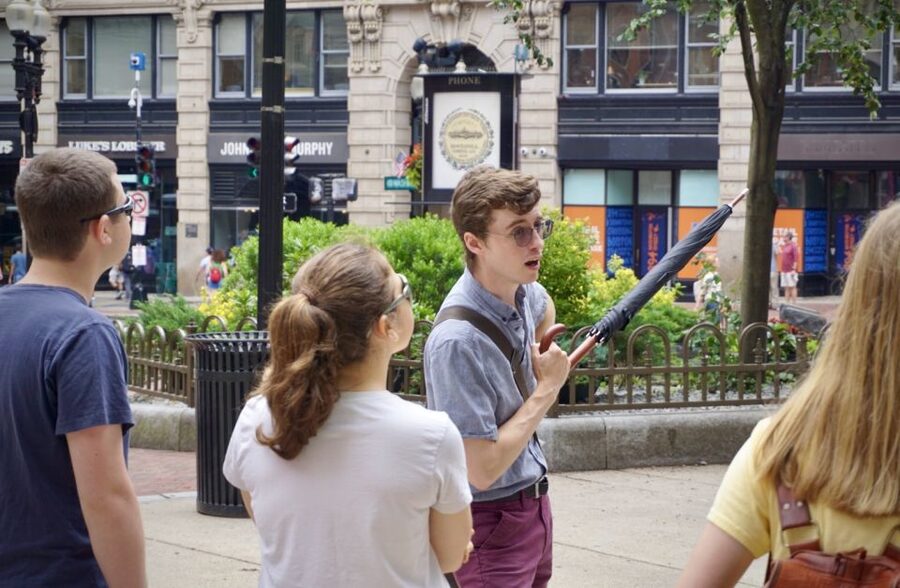
The guides bring different styles to the walk. Will is known for animated storytelling and answering many questions in detail. Dana is praised for energy and a strong grasp of lesser-known Black history. Joe has used visual aids with his group, and William has been described as clear, enthusiastic, and passionate about the subject.
The precise guide matters less than the subject itself, but it is useful to know that this is not a silent point-and-name walk. Expect a guide who explains people, events, and conflicts in a way that links one stop to the next.
More History Trips in the USA:
- Fairbanks: Gold Dredge 8 Historic Train Tour
★ 4.7 · 219 reviews - Boston: Underground Railroad History Tour of Beacon Hill
★ 5.0 · 141 reviews - Sedona, AZ: Grand Canyon Guided Tour and Historic Railway
★ 4.6 · 122 reviews
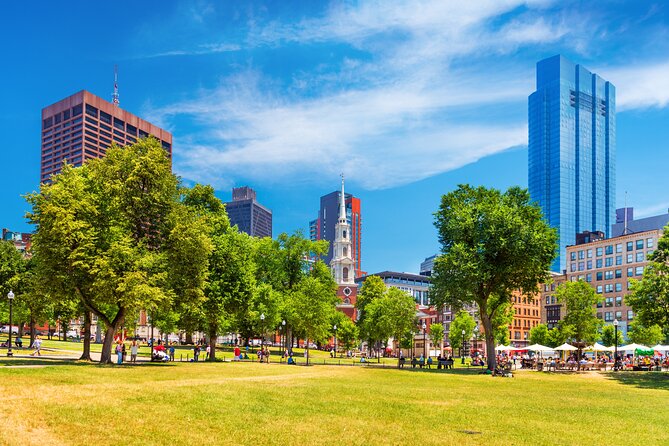
Starting at Boston Common’s Soldiers and Sailors Monument
Meet at the Soldiers and Sailors Monument in the center of Boston Common, close to the Boston Common Visitors Center at 139 Tremont Street. Look for the white granite column topped by a female figure holding a flag, with four bronze figures around its base.
This is a practical meeting point if you are already exploring central Boston. Give yourself time to locate the monument, since the Common is broad and the starting point is not inside the visitors center.
The tour begins near the origin of the Black Heritage Trail. From there, your guide frames the walk around the tense three decades leading to the Civil War. The opening on Boston Common helps place Beacon Hill in the wider city, then the route turns toward the neighborhood’s narrow streets.
Beacon Hill’s elegant streets and difficult past
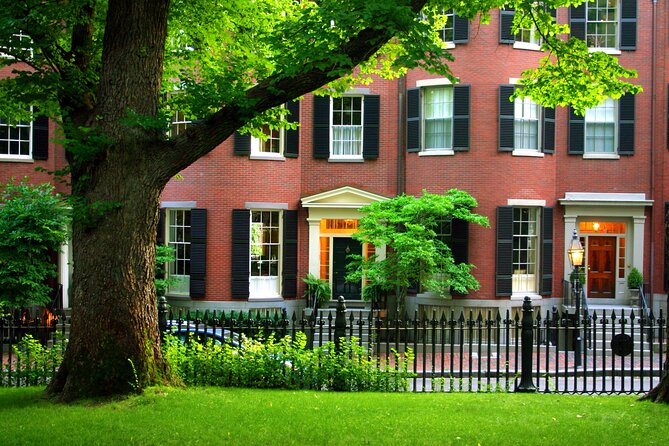
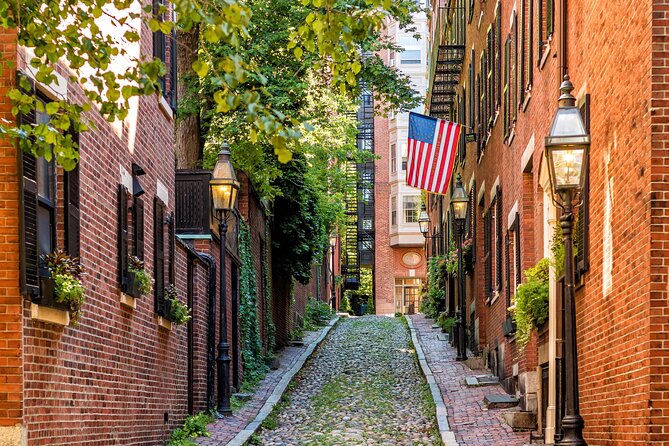
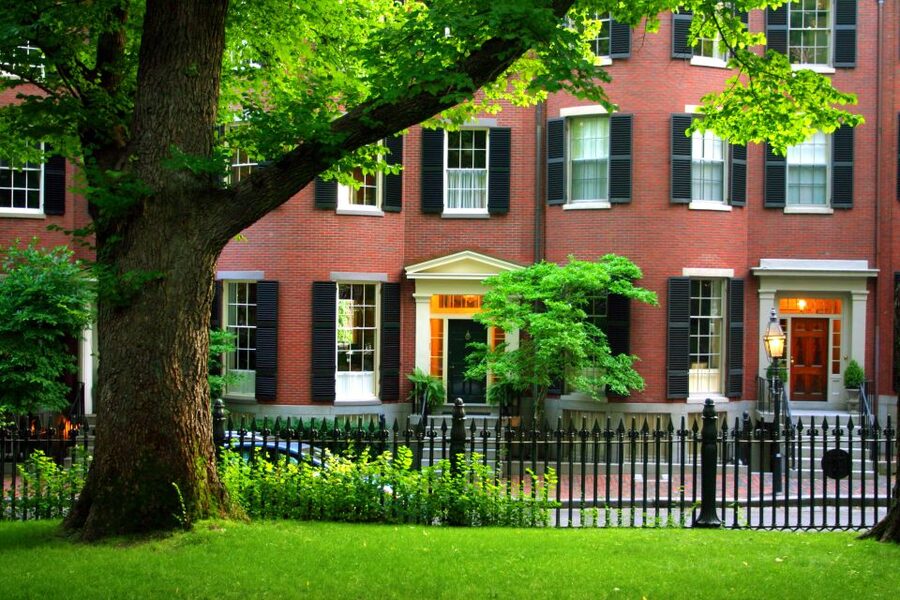
Mount Vernon Street, Acorn Street, and Louisburg Square show off Beacon Hill’s polished side. The brick facades, tidy lanes, and expensive homes can make the neighborhood feel removed from the struggles being discussed.
That contrast is part of the lesson. A free Black community lived only a short distance from Boston’s wealthiest residents. The tour asks you to notice the physical closeness while considering the legal and social distance between those communities.
Acorn Street is a brief stop, as is Mount Vernon Street. Louisburg Square gets more time, about 10 minutes. These are not long interior visits. You will hear the guide explain how the neighborhood’s buildings and residents fit into the story, then continue on foot.
Take the word walking tour seriously. Beacon Hill has steep sections, and its sidewalks can be narrow or uneven. You will want shoes that can handle roughly 2 miles without complaint.
Phillips School and the fight over education
The Phillips School is one of the most useful stops for understanding the daily work of equality. Here, the discussion turns to education and the debate over racial integration.
This part of the tour helps you move beyond broad labels such as abolitionist or reformer. Schooling was a direct issue for families. Where children learned, who sat beside them, and how the city enforced separate arrangements all carried political weight.
The stop lasts about 15 minutes, enough time for the guide to explain the conflict without rushing through it. If you care about the social history of a city, this is the kind of place that gives the larger political story a human scale.
More Train Tours in the USA:
- Verde Canyon Railroad Adventure Package
★ 4.5 · 2,821 reviews - Key West Conch Tour Train
★ 4.5 · 792 reviews - Streetcar Food Tour and Findlay Market with Riverside Food Tours
★ 5.0 · 653 reviews - Jackson Hole: Aerial Tram and Gondolas Sightseeing
★ 4.8 · 632 reviews
Homes that made the Underground Railroad real
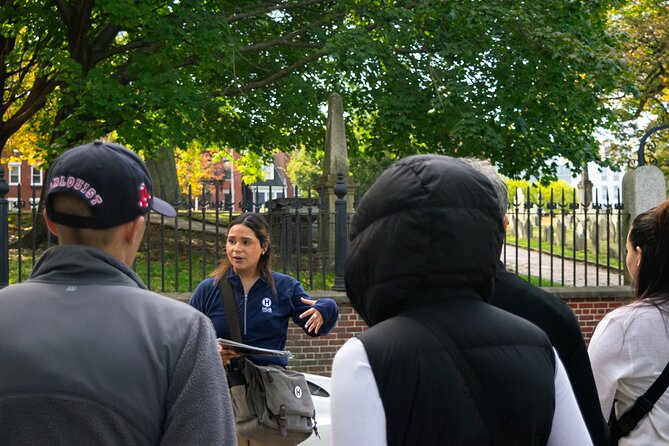
The route then passes several houses linked to Black Boston’s civic and abolitionist life. The John J. Smith House and John Coburn House are among them. You will not be entering every building, but the guide uses the addresses to explain the people who lived there and the work they carried out.
The Lewis and Harriet Hayden House is a major stop, with about 15 minutes devoted to it. The Haydens are central to the local Underground Railroad story, and the house helps make clear that escape from slavery depended on people willing to take serious risks.
A useful point to keep in mind: this is not a tour of hidden tunnels or a railroad in the literal sense. The phrase refers to a loose network of people and safe places that helped freedom seekers move toward safety. One visitor specifically wanted more detail about the Underground Railroad itself, so if that is your main interest, ask direct questions during this section.
The tour also passes the Otis House Museum and Old West Church. These are drive-by style points from the sidewalk, not included museum admissions. They add context to the neighborhood but do not turn the walk into a series of indoor visits.
Churches, public life, and the Charles Street Meeting House
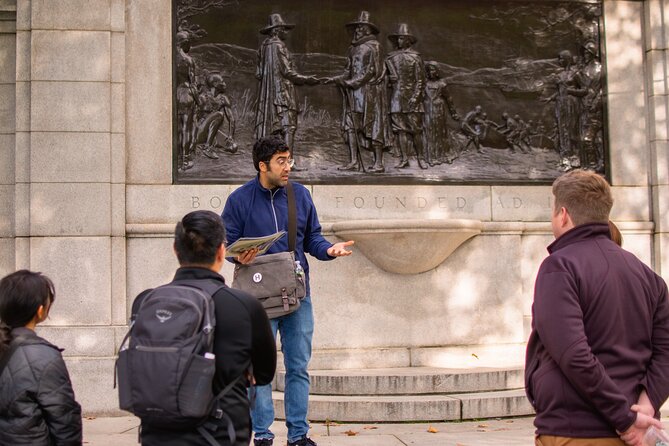
The Charles Street Meeting House receives about 15 minutes. Its role gives the tour a chance to discuss religious institutions, abolition, and the use of public spaces for political action.
The route continues along Charles Street before reaching more residences connected to Black civic life. The pacing is generally moderate, with time for questions. A small group makes a real difference here: a guide can keep people together on tight sidewalks without shouting across a crowd.
You should expect the tour to remain outside for its full length. The stated price of $35 does not include museum admission, so if you want to go inside places such as the African Meeting House or nearby museums at another time, plan that separately.
Lewis and Harriet Hayden’s house
The Hayden home deserves special attention because it places the Underground Railroad story in a residential setting. This was not an abstract political movement. It involved homes, neighbors, trust, secrecy, and the constant possibility of legal punishment.
The guide’s job here is to connect the house to the wider campaign against slavery. That includes the practical help given to freedom seekers, but also the public arguments that made Boston a major center of antislavery activity.
The stop is long enough to ask questions. If you are curious about how the network worked, how federal laws affected Boston, or how Black residents organized, this is a good moment to speak up.
Smith Court, the Abiel Smith School, and the African Meeting House
Smith Court Residences lead into one of the strongest sections of the route. This cluster of buildings gives you a clearer picture of a settled Black community, not just a collection of isolated heroes.
The Abiel Smith School is especially important for the education story. It ties back to the earlier discussion of the Phillips School and shows how debates over schooling were built into the neighborhood itself.
The African Meeting House is the centerpiece. The tour allows about 20 minutes here, including a break. The building represents religious life, community organizing, abolitionist work, and Black self-determination in Boston.
Admission inside museums is not included, so confirm what your tour includes on the day. The information provided describes the landmark as part of the walk, but not a guaranteed indoor museum visit. That distinction matters if you are expecting a long interior tour.
I would treat this as the point where the many themes come together: education, community leadership, antislavery politics, and the movement of people seeking freedom. It is also a natural place to pause, drink water, and reset before the final stretch.
George Middleton and the long road toward military service
The George Middleton House provides another look at Black leadership and the long history of civic participation. The stop lasts about 15 minutes and helps widen the story beyond the Underground Railroad.
The tour is not only about people escaping slavery. It is also about free Black Bostonians building institutions and asserting their place in public life. That distinction is important, since the city’s Black community had its own leaders, families, churches, schools, and political debates.
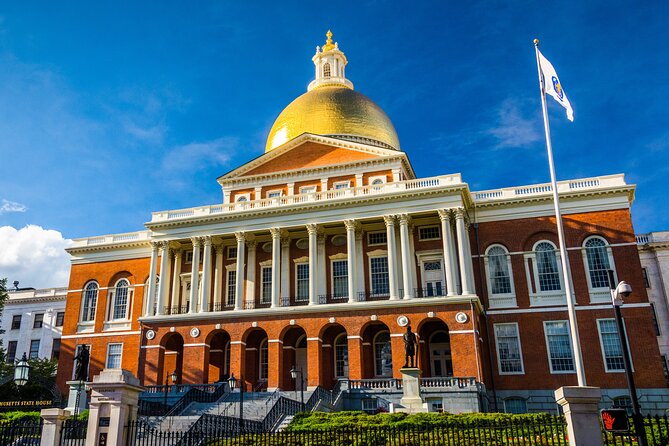
From here, you get scenic views toward Park Street Church and pass the Massachusetts State House. These are short exterior moments rather than full visits. The familiar landmarks take on a different meaning after you have spent two hours hearing about who could enter public institutions, who could vote, and who was allowed equal access to education.
Ending with the 54th Massachusetts Regiment Memorial
The final stop is the Robert Gould Shaw and 54th Massachusetts Regiment Memorial on Boston Common. The tour devotes about 20 minutes to it, giving the ending enough weight.
The 54th Massachusetts was a Black Union regiment, and its memorial provides a strong bridge from the antebellum years to the Civil War itself. After hearing about the fight against slavery and discrimination in Boston, you end with a monument to Black military service.
This is a thoughtful finish because the tour does not stop at the outbreak of war. It shows how the earlier struggles over education, citizenship, abolition, and racial equality fed into the conflict and its human cost.
The route ends near where it began, just up Beacon Street from the starting point. That makes it simple to continue sightseeing in central Boston, return to the Common, or connect with other historic attractions.
What $35 gets you
At $35 per person, the tour offers 150 minutes with a local historian and access to a carefully connected route through Beacon Hill. You are paying for interpretation, not admission tickets or transport.
I consider the price fair if you want context rather than a quick list of old houses. A guide can explain why a plain residence matters, how one school dispute fits into a national argument, and why a memorial on Boston Common belongs in the same story as a private home on Beacon Hill.
The value also depends on your interests. If you prefer indoor museums, self-guided walks, or broad Boston history without a focused theme, you may find the tour too narrow. If you want Black Boston, abolition, and the road to the Civil War explained in one compact outing, the cost is reasonable.
The small-group setting improves the value. You avoid the feel of a large procession and can ask questions. The group size is not stated, so do not assume a private tour, but the format is designed to avoid large crowds and crowded sidewalks.
Practical details before you book
The walk lasts 150 minutes, though the total duration can vary and will not exceed three hours. It covers about 2 miles, entirely outdoors, and operates rain or shine.
Wear comfortable shoes and clothing suited to the weather. There are steep hills and sidewalks that are not ADA compliant. The tour is not suitable for wheelchair users, people with mobility impairments, people with a low level of fitness, or children under six.
The guide speaks English. Large bags and luggage are not allowed, and video recording is not permitted. You can ask questions, take notes, and take ordinary sightseeing photos where appropriate, but follow the guide’s instructions.
You can cancel up to 24 hours before the start for a full refund. A reserve-now, pay-later option is also available, useful if your Boston plans may shift.
Who should take this tour?
I would choose this walk if you want a focused look at Boston that is missing from many first-time visits. It suits adults, older children who can manage the distance, students, history-minded visitors, and anyone who wants the Civil War explained through local people and places.
It is especially useful early in a Boston stay. Afterward, landmarks such as the Common, State House, and Beacon Hill streets will carry more meaning.
I would skip it if you need step-free access, dislike outdoor walking in uncertain weather, or want a tour centered mainly on interiors. I would also choose a different outing if your only interest is the Underground Railroad in a narrow sense, since the tour gives equal attention to education, abolition, community life, and the Civil War.
Should you book it?
Book this tour if you want serious history delivered at street level, with enough time to ask questions and connect homes, schools, churches, and monuments. The strongest parts are the African Meeting House, the Hayden house, the education story, and the final 54th Massachusetts memorial.
The drawbacks are clear and manageable: hills, outdoor conditions, no included museum admission, and a subject that deserves attention rather than a casual hour between attractions. Bring good shoes, arrive ready to listen, and ask about the Underground Railroad if that is your priority. For the right pace and interest, $35 buys a useful, human-scale introduction to Black Boston.
FAQ
How long is the Boston Underground Railroad History Tour?
The tour lasts 150 minutes, though the duration can vary and will not exceed three hours.
How far does the walking tour go?
The route covers approximately 2 miles, or 3.2 kilometers, through Boston Common and Beacon Hill.
Where does the tour meet?
Meet at the Soldiers and Sailors Monument in Boston Common, near the Boston Common Visitors Center at 139 Tremont Street.
Where does the tour finish?
The walk finishes at the Robert Gould Shaw and 54th Massachusetts Regiment Memorial on Boston Common.
Is the African Meeting House included?
The African Meeting House is included as a landmark on the walking route, with about 20 minutes there. Admission inside museums is not included.
Does the tour operate in bad weather?
Yes. The activity operates rain or shine and takes place entirely outdoors.
Is the tour accessible for wheelchair users?
No. The route includes steep hills and non-ADA-compliant sidewalks, and it is not suitable for wheelchair users or people with mobility impairments.
Can I cancel the booking?
You can cancel up to 24 hours in advance for a full refund. A reserve-now, pay-later option is also available.
Just added around the USA
- Virginia City Day Tour From Lake Tahoe with Train Ride★ 4.8 · 19 reviews
- Ventura: Rail Bike Guided Tour with Farm Stand Stop★ 4.1 · 18 reviews
- Winnipesaukee Scenic Railroad★ 4.5 · 7 reviews
- Walking Tour of Still’s Underground Railroad in Alexandria★ 5.0 · 9 reviews
- Laughton Glacier Hike and White Pass Rail Adventure★ 5.0 · 12 reviews
- Uncorked: Wine Fest at Verde Canyon Railroad★ 5.0 · 8 reviews
- Grand Canyon Excursion from Sedona with First Class Train Ride★ 4.5 · 47 reviews
- Snoqualmie Fall & Railway Museum 3-Hours (Private Tour)★ 5.0 · 4 reviews
USA Train Tours, compared.

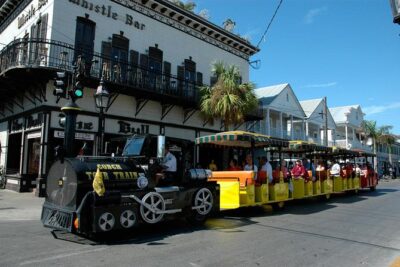
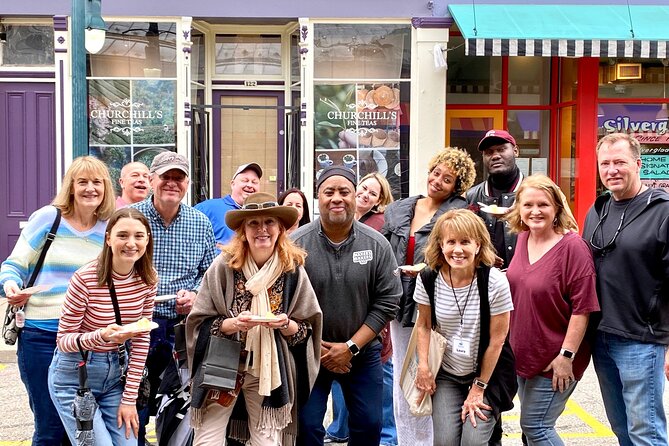
Streetcar Food Tour and Findlay Market with Riverside Food Tours
Read our review →
Jackson Hole: Aerial Tram and Gondolas Sightseeing
Read our review →
Washington DC: Arlington Nat. Cemetery Ticket & Tram Tour
Read our review →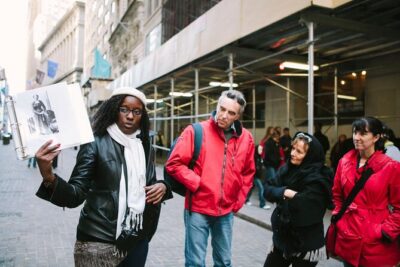
New York City Slavery and Underground Railroad Tour
Read our review →
Alaska Railroad Anchorage to Seward Round-Trip Same Day Return
Read our review →
Colorado: All Aboard the Royal Gorge Route Railroad!
Read our review →Browse the lists this tour appears in