
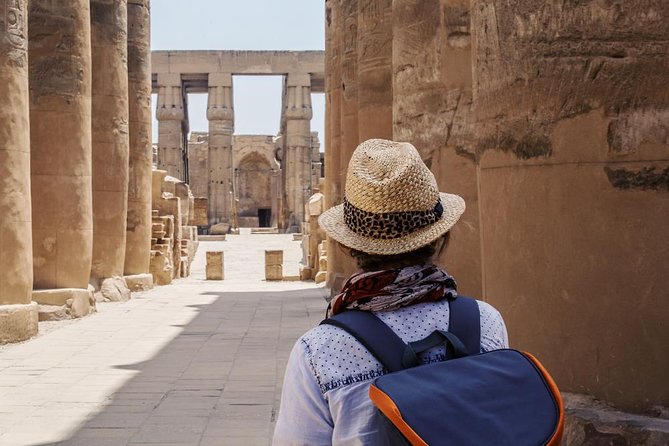
REVIEW · CAIRO
Cairo and Nile Cruise Tours to Luxor and Aswan by Sleeping Train
Egypt’s great attraction here is the change of pace: you move from Cairo’s crowded monuments to an overnight sleeper train, then wake in Aswan for a three-night cruise toward Luxor. It gives you Egypt’s main sights in one connected trip, without arranging each transfer yourself.
I like the mix of famous and local-feeling stops, especially the short felucca ride in Aswan and the evening walk through its bazaar. I also like the broad coverage: Giza, Saqqara, Memphis, Philae, Kom Ombo, Edfu, Karnak, Luxor Temple, and the West Bank all make the route.
The main drawback is the pace. You spend two nights on trains and pack a lot into several long sightseeing days, while entrance fees and drinks are extra. If you want slow mornings and long stays at each site, this may feel rushed.
Key points to know before booking
- Two overnight train journeys: You travel first from Cairo to Aswan, then from Luxor back to Cairo in a first-class sleeper train.
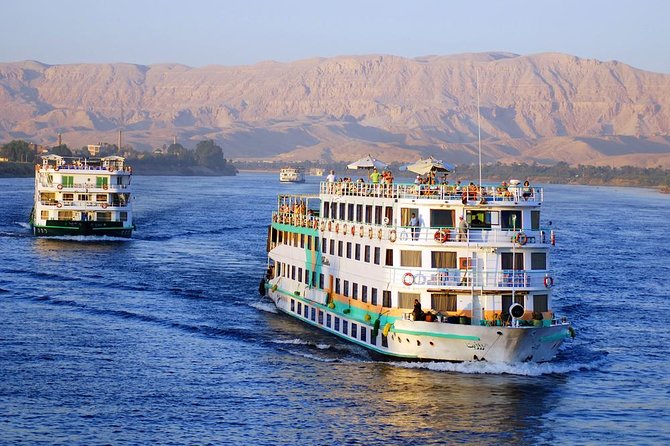
- Three nights on a Nile cruise: The cruise includes breakfast, lunch, and dinner while connecting Aswan, Kom Ombo, Edfu, Esna, and Luxor.
- A private tour for your group: An air-conditioned vehicle, transfers, and a tour leader are provided rather than placing you in a large shared group.
- Cairo’s major sights come first: Giza, the Sphinx, the Valley Temple, Saqqara, and Memphis fill the second day.
- A strong temple lineup: Philae, Kom Ombo, Edfu, Karnak, Luxor Temple, Hatshepsut Temple, and the Valley of the Kings are all included.
- Meals are mostly covered: Six lunches, six breakfasts, and five dinners are listed, though entrance tickets and drinks are not included.
Cairo begins with pyramids, mummies, and a packed first day
Your tour starts with airport pickup and help obtaining your Egypt visa. An EZ Tour Egypt tour leader then takes you to your Cairo hotel. This is useful after a long flight, since you do not need to work out the first transfer on your own.
Day two goes straight to the heart of ancient Egypt. After breakfast, you visit the three great pyramids at Giza, the Sphinx, and the Valley Temple. The pyramids are the headline sight, of course, but the Sphinx and Valley Temple help you see the Giza complex as more than a single photo stop.
Lunch is included during the day. You then continue to Saqqara and Memphis, two stops that add context to Giza. Saqqara is associated with Egypt’s early pyramid building, while Memphis was an important ancient capital. Together, these sites show that Egypt’s story did not begin and end with the best-known pyramids.
The tradeoff is time. This is a full sightseeing day before you board the train, and the stated excursion lasts about three hours before the evening departure. You should expect a quick-moving schedule, not a leisurely archaeological study.
That night, you transfer to Giza train station for the first-class sleeper train to Aswan. Sleeping by train saves a hotel night and moves you a long distance south, but it is also one of the less predictable parts of the trip. You need to be comfortable with a basic overnight rail experience rather than a quiet hotel room.
More Train Tours in Cairo:
- Egypt on Budget – 8 Days ( Cairo , Aswan , Nile Cruise – Luxor ) Sleeper Train
★ 4.5 · 121 reviews - Overnight Luxor Tours by train from Cairo with Hot Air Balloon and much more
★ 5.0 · 29 reviews - 6- Days Aswan , Abu Simbel , Cruise , Luxor & Round Sleeper Train
★ 5.0 · 25 reviews
Aswan brings a gentler Nile rhythm
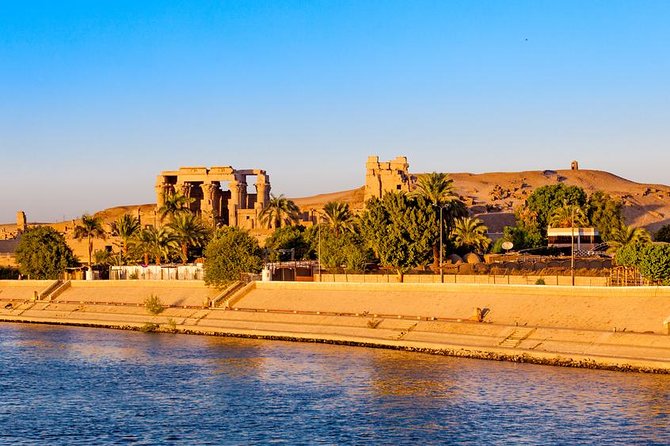
You arrive in Aswan on day three and are met by a guide before transferring to the five-star Nile cruise for check-in. After lunch, the program turns softer and more scenic with a felucca ride around Aswan.
A felucca is a traditional Nile sailing boat. The ride is listed at about two hours, giving you a pleasant contrast to the previous night on the train. You also have time for a free evening tour through the Aswan bazaars before returning to the ship for dinner.
This is one of the better-balanced parts of the route. The sights are important, but the schedule also leaves room to walk and look around. I would use the bazaar visit to buy small souvenirs only after checking prices and quality, since the tour later includes another shopping stop at Khan Al-Khalili.
The cruise is described as five-star and includes three nights with breakfast, lunch, and dinner. That makes the cruise the practical center of the trip. Instead of changing hotels every night along the river, you unpack once and let the ship carry you toward Luxor.
The exact cruise vessel is not specified, so you should not assume a particular ship, cabin layout, or onboard entertainment schedule. Meals are included, but drinks are not, and the tour price does not cover entrance tickets.
Philae and the High Dam explain modern Aswan
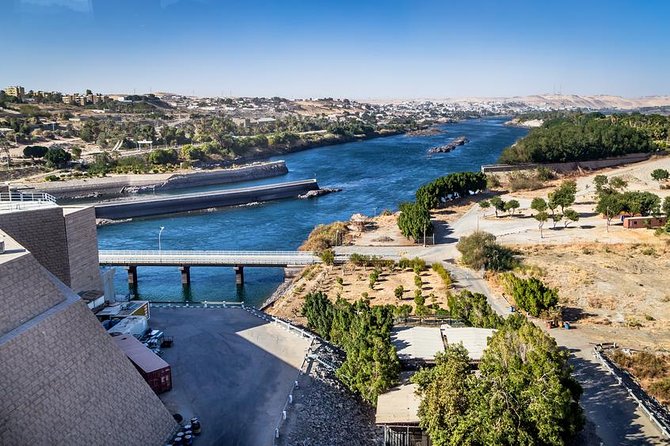
Day four begins with the Temple of Philae and the High Dam. Philae, also called the Temple of Isis, is one of Aswan’s essential visits. Its setting on an island makes the approach part of the experience, while the temple itself gives you a close look at the religious architecture of ancient Egypt.
The High Dam provides a useful modern counterpoint. It is not an ancient monument, but it changed the relationship between the Nile and the communities along it. Seeing both on the same morning helps you understand that the river is not just scenery. It has always shaped settlement, farming, transport, and political power.
You return to the ship and sail toward Kom Ombo. Tea time is scheduled during sunset, which should be a welcome pause after the morning tour. At Kom Ombo, you visit the temple before sailing again toward Edfu.
Kom Ombo is unusual because the temple is dedicated to two gods, with a layout that reflects this double focus. The visit lasts about an hour and a half. It is shorter than the major Luxor visits, but it fits well into the cruise schedule because the ship continues moving after the tour.
The evening includes a galabia party and an oriental dinner. These activities are part of the cruise program, not optional private touring. If you enjoy organized evening entertainment, they add a social element. If you prefer quiet nights, you may find the schedule a little full.
Edfu’s Temple of Horus is the cruise highlight
On day five, you visit Edfu Temple, dedicated to Horus. It is described as the best-preserved temple on the route, and the two-hour visit gives you more time than at Kom Ombo.
Edfu is valuable because its walls and layout make the temple easier to read. You can see how a major religious complex was arranged and appreciate details that are harder to grasp when only fragments remain. The stop is also a good reminder that Egypt’s ancient buildings were not all pyramids. Later temple architecture has its own scale and character.
The cruise then sails to Esna. The schedule includes seeing the Esna water lock, called Esnaa Hawis in the tour details. A lock is a practical piece of river infrastructure, but it can also be an enjoyable travel moment because you watch the ship handle the changing water level.
After Esna, you continue to Luxor. The schedule places Karnak and Luxor Temple on the same day. Karnak is the larger and more sprawling complex, while Luxor Temple sits in the modern city and is particularly striking later in the day. Together, they form the core of ancient Thebes.
The listed visit lasts about four hours, but that includes both temples and the sailing transition. You should expect an active afternoon and evening. Comfortable shoes, water, and a willingness to keep moving will help, especially since drinks are not covered by the tour.
Same tracks, a very different ride:
- Cairo : Luxor East and West Banks Tour & Overnight SLEEPER Train Rounded trip
★ 4.5 · 21 reviews - Cairo : Luxor East and West Banks Tour by Overnight Sitting Train Rounded trip
★ 5.0 · 20 reviews - 4 Days Nile cruise luxor, Aswan,Hot air balloon&abu simbel with Train from Cairo
★ 4.5 · 12 reviews - Cairo: Luxor East and West Banks Guided Tour& Overnight Sitting Train Round Trip
★ 5.0 · 8 reviews
Luxor’s East and West Banks complete the ancient story
Karnak deserves time because it is not one building but a huge temple complex developed over roughly 2,000 years. The scale can be hard to grasp at first. Follow your guide’s explanation, then pause to look at the columns, courts, and carved surfaces without trying to photograph every corner.
Luxor Temple feels different. It is closer to the city and more compact, so the visit can feel easier to follow after Karnak. Seeing both sites together gives you a strong sense of Luxor’s role as a ceremonial center.
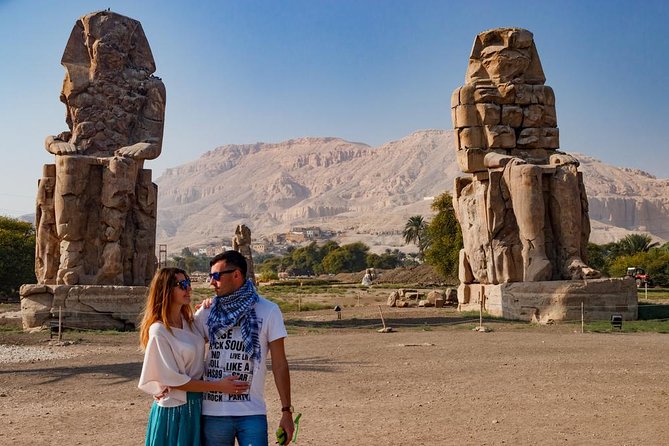
Day six crosses to the West Bank for the Valley of the Kings, the Colossi of Memnon, and Hatshepsut Temple. The Valley of the Kings is the major draw. It brings you into the burial area used by pharaohs, where the decorated tombs matter as much for their painted interiors as for the famous names connected to them.
Hatshepsut Temple has a very different look, with broad terraces and a dramatic position against the cliffs. The Colossi of Memnon are a shorter stop, but they help break up the route between the larger visits.
The West Bank tour is listed at about five hours. Afterward, you board the sleeper train back to Cairo. This is another long day followed by overnight travel, so the route is best for someone who values seeing the main sites over maintaining a relaxed schedule.
Cairo’s final day adds Islamic and Coptic history
You arrive back in Cairo and begin day seven with Salah El-Din Citadel and the Alabaster Mosque of Mohammed Ali. The citadel gives you a broad look at Cairo’s later history, while the mosque is known for its pale stone and Ottoman-style design.
The tour continues to Coptic Cairo and the religious center of Old Cairo. This matters because the trip is not limited to pharaonic monuments. You see Islamic and Christian parts of the city as well, giving Cairo a wider historical frame.
The day ends at Khan Al-Khalili Bazaar and El Moez Street. Khan Al-Khalili is the place for souvenirs, while El Moez offers a walk through one of the old city’s most important streets. Keep your purchases modest until you have compared prices, and remember that bargaining is part of the shopping experience.
You then check into a Cairo hotel for the final night. Two Cairo hotel nights are included on a bed-and-breakfast basis, one at the start and one after the Nile and train sections. Day eight is simple: breakfast followed by transfer to Cairo airport.
What the $1,200 price really covers
At $1,200 per person, the tour is not a low-cost independent trip, but it covers a substantial amount. You receive private touring, an air-conditioned vehicle, airport and hotel transfers, two Cairo hotel nights, three nights on the Nile cruise, two sleeper train journeys, and most listed meals.
The food allowance is useful. Six breakfasts, six lunches, and five dinners are included, though the details also list breakfast, lunch, and dinner on the cruise. Drinks are excluded, and entrance fees to all sites are separate. You should set aside extra money for those costs before deciding that the advertised price is your full budget.
The value comes from coordination. Egypt’s major sites are spread across Cairo, Aswan, and Luxor, and the trip handles the difficult links by rail and cruise. You also have a private group rather than sharing every sightseeing stop with a large crowd.
There are limits. The tour does not include international flights, and the exact hotel and cruise ship names are not provided here. If the quality of the room or cabin is central to your decision, ask for those details before paying.
Guide support and practical pace
The included tour leader meets you on arrival and helps with the Egypt visa process. On the main touring days, an Egypt guide accompanies the visits. A guide named Phoebe is specifically associated with a highly praised booking, and Daniel responds on behalf of EZ Tour Egypt.
That personal support is one of the tour’s strongest features. The service covers the whole chain, from airport arrival to the final airport transfer, rather than ending after one sightseeing day. It is especially helpful when you are moving between hotel, station, ship, and airport.
The group is private, so only your party participates. Pickup is offered, mobile tickets are available, and confirmation is provided at booking. The listed start time is 8:00 am, although the exact pickup details should be confirmed for your hotel.
Most people can participate, and the tour is near public transportation. Still, the schedule involves train boarding, ship transfers, temple walks, and long sightseeing days. I would choose it only if you are comfortable being active and keeping to a fixed timetable.
You can cancel for a full refund up to six full days before the start time. A 50 percent refund applies two to six days before departure, while cancellations less than two days before the start are not refunded. The experience requires good weather, with a different date or full refund offered if poor weather causes cancellation.
Who should book this Egypt route?
I would recommend it to a first-time Egypt visitor who wants the main sights handled in one private package. It suits you especially well if you like the romance of overnight rail travel, want a Nile cruise, and do not want to arrange Cairo, Aswan, Luxor, hotels, meals, and transfers separately.
It is also a good match for couples, families, and small groups who value help on arrival. The praised service from airport pickup through departure is meaningful here because the trip has several moving parts.
I would hesitate if you dislike overnight trains, need long unscheduled breaks, or want to choose every hotel and cruise detail yourself. The route is full, and entrance tickets and drinks add to the advertised cost.
Should you book it?
Book this tour if your priority is coverage and convenience. In eight days, you see Egypt’s most famous pyramid complex, several major temples, the Valley of the Kings, Cairo’s Islamic and Coptic quarters, and the Nile between Aswan and Luxor.
Skip it if you want a slow, highly tailored holiday. For the right person, the sleeper trains, private guide support, included meals, and Nile cruise make $1,200 a reasonable starting value, provided you budget separately for entrance fees, drinks, and international flights.
FAQ
How long does the tour last?
The tour lasts approximately eight days, beginning with arrival in Cairo and ending with transfer to Cairo airport on day eight.
Does the tour include airport pickup?
Yes. A tour leader welcomes you on arrival, helps with the Egypt visa, and arranges transfer to your Cairo hotel. A final transfer to Cairo airport is also included.
Are the sleeper trains included?
Yes. First-class sleeper train travel is included from Cairo to Aswan and from Luxor back to Cairo.
How many nights are spent on the Nile cruise?
The package includes three nights aboard a five-star Nile cruise, with breakfast, lunch, and dinner included.
Are entrance fees included?
No. Entrance fees to all sites are excluded from the tour price.
Are drinks included with the meals?
No. Drinks are not included.
Is this a private tour?
Yes. This is a private activity, and only your group participates.
What meals are included?
The inclusions list six breakfasts, six lunches, and five dinners. Meals are also included during the three-night Nile cruise.
What is the cancellation policy?
You can receive a full refund by canceling at least six full days before the start time. A 50 percent refund applies when canceling two to six full days before the start, and cancellations less than two full days before the start are not refunded.
Just added around Cairo
- over night by train from Cairo to luxor with hot air balloon★ 5.0 · 2 reviews
- Private Tour: 8 Days 7 Nights Great Pyramids & Nile Cruise by Train from Cairo★ 4.5 · 3 reviews
- 2-Day Private Tours to Luxor and Dendera from Cairo by Sleeper Train★ 5.0 · 3 reviews
- Luxor Day Tour by Sleeper Train★ 5.0 · 3 reviews
- Package 8 Days 7 Nights to Pyramids, Luxor & Aswan by Train★ 5.0 · 3 reviews
- Cheap Egypt holiday 11 Days Cairo-Luxor-Aswan-Abu Simbel by sleeping train★ 5.0 · 4 reviews
- 10 Day Around Egypt to Cairo ,Giza ,White desert ,Nile Cruise With Train & Hotel★ 5.0 · 5 reviews
- Package 7-Days 6-Nights Cairo Pyramids, Nile Cruise&Alexandria by Sleeper Train★ 5.0 · 2 reviews
Cairo Train Tours, compared.
Overnight Luxor Tours by train from Cairo with Hot Air Balloon and much more
Read our review →
6- Days Aswan , Abu Simbel , Cruise , Luxor & Round Sleeper Train
Read our review →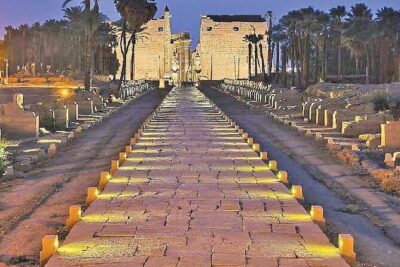
Luxor East and West Banks Tour & Overnight SLEEPER Train Rounded trip
Read our review →
Luxor East and West Banks Tour by Overnight Sitting Train Rounded trip
Read our review →
4 Days Nile cruise luxor, Aswan,Hot air balloon&abu simbel with Train from Cairo
Read our review →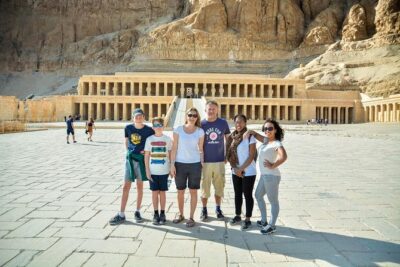
Luxor East and West Banks Guided Tour& Overnight Sitting Train Round Trip
Read our review →
12-Night Private Tour: Amarna and El Minya with Cruise and Train
Read our review →
Egypt 8 D: Cairo, Aswan,Abu Simbel, cruise, Luxor & Sleeper Train
Read our review →Browse the lists this tour appears in