
REVIEW · KYOTO
Full Day Hiroshima and Miyajima Tour by Bullet Train from Kyoto
Hiroshima and Miyajima in one day is a big undertaking, but this tour makes the distance manageable. You ride the Shinkansen from Kyoto, cross by boat to sacred Miyajima, then return to Hiroshima for the Atomic Bomb Dome and Peace Memorial Museum. The day joins two very different sides of Japan: beauty and reflection.
I like the reserved bullet-train travel and the careful handoff from Kyoto staff to the Hiroshima guide. I also like the mix of free time and guided visits, especially on Miyajima, where you can choose oysters, okonomiyaki, or an eel rice bowl for lunch. The main drawback is time: the museum can feel rushed after the long ride and island visit.
Key points at a glance
- Two major destinations in one day: Miyajima and central Hiroshima, without arranging trains, buses, and ferries yourself.
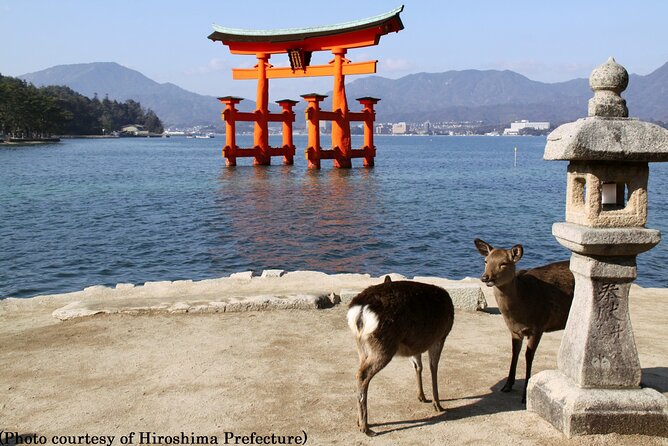
- Itsukushima Shrine: See the famous torii gate and shrine complex, with the view changing according to the tide.
- Emotional Hiroshima visit: The Peace Memorial Museum, Atomic Bomb Dome, Children’s Peace Monument, and Atomic Bomb Memorial Mound form the serious heart of the day.
- English-speaking guidance: Guides such as Masako, Azusa, Sato, Takeshi, and Taeko have led groups on different departures, though the assigned guide varies.
- Long schedule: Meet at 7:30am and return to Kyoto Station around 9pm.
- Lunch is not included: You choose and pay for lunch on Miyajima, so use the free time wisely.
Why this Kyoto day trip works
The smartest feature here is the transportation. Hiroshima is far enough from Kyoto that a self-guided visit takes planning, especially when you add Miyajima, the local train, the ferry, and the return trip. This tour handles the main connections and uses the bullet train for both long legs.
You meet at the JTB Sunrise Tours Desk inside the Avanti building, across from Kyoto Station’s Hachijo Exit. Staff walk you to the station and help get you to the correct platform. In Hiroshima, a guide takes over for the local portion of the day.
That handoff matters. You do not need to puzzle out which train reaches Miyajimaguchi or how to connect with the ferry. The tradeoff is a fixed schedule and a group pace. With a maximum of 40 people, this is not an intimate private outing, though the group size remains workable if the guide is organized.
The tour costs $399.71 per person. That is not a cheap day trip, and lunch is extra. Still, the price includes the Kyoto to Hiroshima and return Shinkansen journeys, local transportation, ferry travel, Miyajima visitor tax, museum admission, and an English-speaking government-licensed guide during the Hiroshima portion.
For many people, that is reasonable value. A self-planned day may cost less, but you would need to coordinate several departures and protect your return timing. The tour also adds explanations at places where a sign alone cannot give you much context. If your priority is the lowest possible price, this may feel expensive. If you value smooth connections and a guide, the cost makes more sense.
More Bullet Train Tours in Japan
- Mt Fuji and Hakone 1-Day Bus Tour Return by Bullet Train
★ 5.0 · 26,383 reviews - Mt Fuji & Hakone Cruise, Drum Show Bullet Train 1 Day from Tokyo
★ 4.0 · 7,413 reviews - Tokyo Mt Fuji 5th St & Hakone Cruise Bus Tour w/Bullet Train
★ 4.4 · 5,024 reviews
The 7:30am start and Kyoto Station handoff
The meeting point is inside Avanti, on the basement level. This is the detail most likely to cause morning stress. The building is across from Kyoto Station’s Hachijo Exit, but the desk is downstairs, and the directions can be easy to miss among the station traffic.
I would arrive early and locate Avanti the day before if possible. Give yourself enough time to find the B1F desk, check in, and follow the staff to the station. The tour starts at 7:30am, and a late arrival could create a serious problem because the group is traveling on a reserved train schedule.
The ride to Hiroshima takes about two hours. The train is a quiet, efficient part of the day, and reserved seating in either a standard car or Green Car is included. Seats may not be assigned exactly as you prefer, so do not assume that your whole party will have a perfect table arrangement.
This is also your best chance to rest. The day becomes active once you reach Hiroshima, and the return to Kyoto comes after a full schedule. Pack water, comfortable shoes, and anything you need for a long day away from your hotel.
Miyajima and the view of Itsukushima Shrine
After arriving in Hiroshima, you travel toward Miyajimaguchi by train or vehicle and then take a boat to Miyajima, also called the Sacred Island. The crossing gives you a pleasant change of pace after the train, and the island visit begins on a gentler note than the afternoon memorial sites.
Itsukushima Shrine is the main attraction. Founded in the sixth century, it is known for its Heian-period architectural style and the large torii gate that can appear to float on the water at high tide. The shrine is a UNESCO World Heritage site, but the appeal is not only its official status. The setting makes the visit memorable, with the shrine buildings, water, and island scenery working together.
The schedule allows about an hour at the shrine, though the exact order and timing can change. You may also see tame deer moving around the island. They add charm, but remember that this is still a busy public place, not a quiet nature walk.
The biggest limitation is the amount of time. Miyajima has more to offer than the shrine alone, yet this tour does not provide a long island stay. You may have enough time for the shrine, photographs, a quick look along the shopping street, and lunch, but not for a relaxed exploration of every corner.
Tide conditions can also affect the famous torii view. At high tide, it may look as if the gate floats. At lower water, the view changes. The tour schedule cannot be built around every individual preference, so treat the island as a focused visit rather than a full-day Miyajima experience.
Lunch on your own in roughly an hour
Lunch is not included, which gives you freedom but also puts the clock in your hands. Miyajima is known for oysters, Hiroshima-style okonomiyaki, and conger eel rice bowls. These are the obvious local choices if you want a meal tied to the region.
With only about an hour for lunch and island time, I would avoid a slow, elaborate meal. Choose a place quickly, keep an eye on the meeting instructions, and leave time to return to the group. Vegetarian choices may require extra care, as the available food is not designed around a dedicated vegetarian menu.
This is one point where the tour’s convenience and its limits meet. You get a chance to eat local food, but you do not get a long, unhurried lunch. If shopping, snacking, and browsing are important to you, the island portion may feel short.
Same tracks, a very different ride:
- From Tokyo: Mt. Fuji & Hakone Tour w/ Return by Bullet Train
★ 4.2 · 1,278 reviews - Osaka/Kyoto: Hiroshima Miyajima Bus Tour & Shinkansen Ticket
★ 4.7 · 919 reviews - From Tokyo 1-Day Kyoto English-guided Tour by Bullet Train
★ 4.0 · 376 reviews - Mt. Fuji and Hakone Day Trip From Tokyo with Bullet Train Option
★ 4.0 · 368 reviews
Hiroshima Peace Memorial Park and the Atomic Bomb Dome
The mood changes sharply when you return to Hiroshima. The afternoon centers on the Peace Memorial Park and the remains of the Genbaku Dome, also called the Atomic Bomb Dome or Hiroshima Peace Memorial.
The Dome is one of the few buildings left standing after the atomic bombing on August 6, 1945. Its damaged frame is difficult to look at casually. The structure is preserved as a reminder of the bombing and as a call for peace and the elimination of nuclear weapons.
Nearby, the Children’s Peace Monument is covered with origami cranes made by children. The Atomic Bomb Memorial Mound contains the ashes of 70,000 victims, many of whom were unidentified or had no surviving family members to claim them. These sites are quiet, direct, and emotionally heavy.
A guide adds useful context here. You can read plaques on your own, but a good guide helps connect the monuments to the city’s past and recovery. Guides such as Masako, Azusa, Sato, Takeshi, and Taeko have been praised for clear explanations, humor when appropriate, organization, and care with the subject.
The quality of the guide matters greatly. Some departures have included audio equipment that did not work well, and a large group can make it hard to hear. Stay close, ask for clarification if needed, and make sure you can hear before the group moves on.
One hour inside the Peace Memorial Museum
The Peace Memorial Museum is the most demanding stop. It contains exhibits about the atomic bombing and its effects on Hiroshima and its people. The material can include disturbing images and accounts of injuries, death, and suffering, so this is not a light sightseeing stop.
You generally have about an hour inside the museum. That is enough to see the main building and absorb key exhibits, but it is not enough for a slow reading of everything. Some people will want more time here, especially after seeing the Dome and memorials outside.
This is the tour’s clearest scheduling weakness. The island visit and the long transportation legs leave limited room for the museum. If Hiroshima is your main reason for booking, you may wish the day devoted less time to Miyajima and more time in the museum.
There is an important practical option: you may be able to leave the organized portion and stay longer at the museum, but you would need to change your return Shinkansen ticket yourself. That is not a simple choice for everyone, and it means giving up the group’s return arrangements. Most people will find it easier to follow the scheduled departure.
The museum is also a place where crowding and heat can affect your visit. If it is busy, you may need to move steadily. Start with the main building if your guide recommends it, since you may not have time to see every section carefully.
The ride home to Kyoto
After the Hiroshima visits, the group returns to Hiroshima Station for the bullet train back to Kyoto. The tour ends when you arrive at Kyoto Station, usually around 9pm. There is no hotel drop-off, so you arrange your own onward travel from the station.
That late finish is worth taking seriously. You have a long train ride in the morning, walking and standing at several sites, an island visit, a museum, and another train ride at night. I would not schedule an important evening meal or a second activity after the tour.
The return train is also one reason the organized format is useful. Your seat and major transport are arranged, so you do not have to make decisions when you are tired. One family group even received a dinner suggestion in Hiroshima before the return train, though you should not assume every departure will include the same extra stop or recommendation.
Guide quality and group experience
The guide is the human center of the day. Strong guides have made a real difference, using humor during the lighter Miyajima portion and a respectful tone at the memorial sites. Masako has been described as attentive and energetic, Azusa as informative and funny, and Taeko as particularly useful with practical details.
The assigned guide changes, and English ability can vary. Most of the praise centers on guides who kept the group together, explained the background clearly, and watched out for safety. There have also been departures where explanations felt limited or where the guide was difficult to hear.
A group of up to 40 people requires patience. You need to stay aware of meeting times and remain close enough to hear instructions. If you prefer to linger over a display, take photographs at your own pace, or wander down side streets, a private or self-guided day may suit you better.
Who should book this Hiroshima day trip?
I would choose this tour if you are based in Kyoto and want to see Hiroshima and Miyajima without spending a night away. It suits first-time visitors who want transportation handled, historical context, and a clear route through the major sites.
It also works well for families and small groups that value organization. Children can join, but the museum material may be upsetting for younger children. Children up to age five may join free without a bus seat, while a reserved seat requires a child-rate booking.
I would hesitate if your main goal is a slow Miyajima visit, a thorough museum study, or independent photography. You get the highlights, but the schedule leaves little room for wandering. The day is also too long for anyone who dislikes early starts and late returns.
Free cancellation is available up to 24 hours before the start time. Confirmation is sent within 48 hours, subject to availability. Participants under 18 need written parental permission, and anyone under 15 or not yet in middle school must be accompanied by a parent or guardian.
Should you book it?
Book this tour if you want the practical advantage of a reserved bullet train, organized local transport, and a guide who can explain Hiroshima’s memorials with care. Its best feature is the range: one day takes you from Miyajima’s shrine and island scenery to the Atomic Bomb Dome and Peace Memorial Museum.
Skip it if you want more time at either major destination. The museum deserves unhurried attention, and Miyajima can easily fill a full day on its own. For most first-time visitors with limited time in Kyoto, though, this is a worthwhile and emotionally important day, provided you accept the early start, $399.71 price, extra lunch cost, and late return.
FAQ
How long is the tour?
The tour lasts approximately 13 hours and 20 minutes. It begins at 7:30am and returns to Kyoto Station around 9pm.
Where does the tour begin?
You meet at the JTB Sunrise Tours Desk inside Avanti B1F, across from Kyoto Station’s Hachijo Exit.
Where does the tour end?
The tour ends at Kyoto Station. Hotel drop-off is not provided.
Is transportation included?
Yes. The tour includes transportation costs, the Shinkansen between Kyoto and Hiroshima, local transportation, and the boat to Miyajima.
Are bullet-train seats reserved?
Reserved seating is provided in either a standard car or Green Car, though specific seats may not be designated.
Is lunch included?
No. Lunch is on your own in Miyajima. Local choices include oysters, Hiroshima-style okonomiyaki, and conger eel rice bowls.
Is Itsukushima Shrine included?
Yes. Admission to Itsukushima Shrine is included, and the visit lasts about an hour according to the planned schedule.
Does the tour visit the Peace Memorial Museum?
Yes. Museum admission is included, and the scheduled museum visit lasts about an hour.
Does the tour visit the Atomic Bomb Dome?
Yes. The group visits the Atomic Bomb Dome for approximately 40 minutes, along with nearby memorial sites.
Can children join the tour?
Yes. Children up to age five may join free without a bus seat. A child-rate booking is needed if a bus seat is required. Participants under 18 need written parental permission, and anyone under 15 or not yet in middle school must travel with a parent or guardian.
More Full-Day Trips in Japan
- Full Day Hiroshima and Miyajima Tour by Bullet Train from Osaka
★ 4.5 · 117 reviews - Private Full-day Tokyo Walking Subway Tour by Japan Gray Line
★ 5.0 · 19 reviews - Hiroshima and Miyajima Full-Day Tour from Kyoto by Bullet Train
★ 5.0 · 3 reviews - Bangkok: Ayutthaya, Railway & Floating Markets Full-Day Tour
★ 4.7 · 1,200 reviews
Just added around Japan
- Train in Samurai Swordsmanship and Defeat the Demon in Tokyo★ 5.0 · 5 reviews
- Private tour with Yasushi and Yoko – by car, train, on foot★ 5.0 · 2 reviews
- Tokyo-Izu: Volcano, Ocean& Capybara Cuddle with Izu Scenic Train★ 3.5 · 3 reviews
- Tokyo Private Guided 1/2-Day Walking Subway Tour English guide★ 5.0 · 7 reviews
- Snow Monkey Park and Miso Production Tour Bullet Train from Tokyo★ 4.5 · 26 reviews
- Private Tour – Thousands of lucky cats! Go by tram, Gotokuji Tour★ 5.0 · 16 reviews
- Bullet Train and Mt. Fuji Famous Food Tour★ 5.0 · 4 reviews
- Mt Fuji & Hakone Private Tour from Tokyo: Return by Bullet Train★ 5.0 · 22 reviews
Kyoto Train Tours, compared.
Arashiyama Day Tour with Train, Boat, and Onsen
Read our review →
Arashiyama Tour with optional Sagano Romantic Train
Read our review →
Kyoto Hozugawa River Boat Sagano Romantic Train Tour
Read our review →
Kyoto Sagano Romantic Train in Arashiyama Bus Tour
Read our review →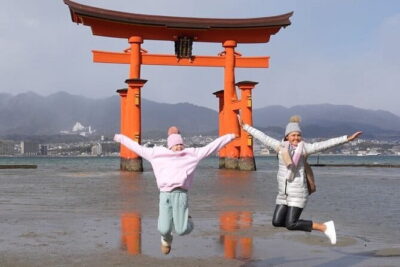
Private Day Trip To Hiroshima from Kyoto or Osaka by Bullet Train
Read our review →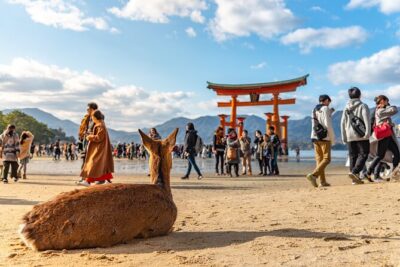
Hiroshima and Miyajima Full-Day Tour from Kyoto by Bullet Train
Read our review →Browse the lists this tour appears in