
REVIEW · KYOTO
Kyoto Railway Museum Admission Ticket
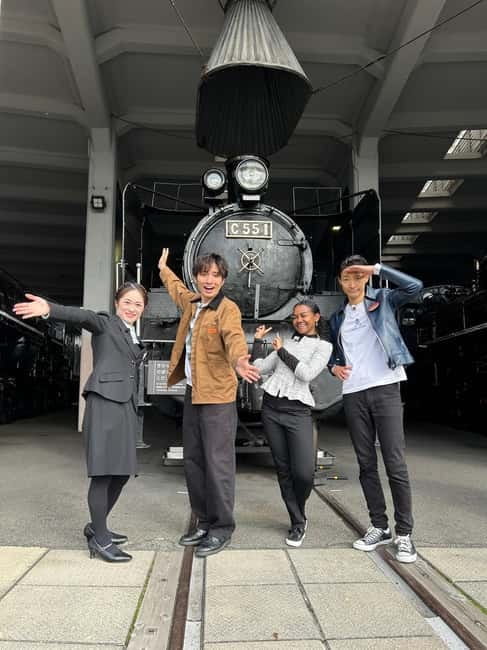
Kyoto Railway Museum puts Japan’s railway story on full display, with 53 real trains ranging from black steam locomotives to sleek Shinkansen cars. You can step inside several trains, test interactive exhibits, study detailed railway dioramas, and watch a working steam locomotive in action.
I especially like the steam locomotive ride and the roundhouse turntable, two features that turn a museum visit into a real railway experience. I also like the mix of serious engineering displays and hands-on activities, which gives children something to do while adults study the machines. The main drawback is that admission is non-refundable, and popular activities may require patience when the museum is crowded.
Key points at a glance
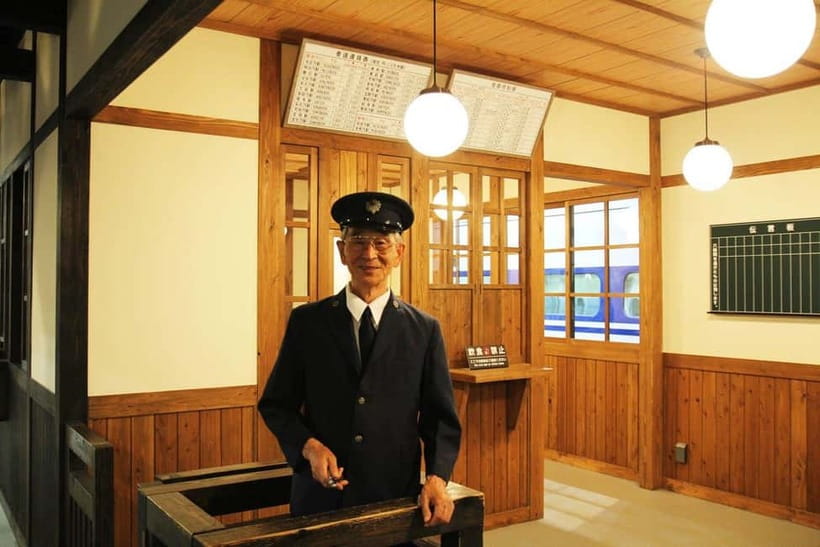
- See 53 genuine railway vehicles: The collection covers steam trains, historic cars, and Japan’s famous Shinkansen.
- Ride a working steam locomotive: This adds movement, sound, and old-fashioned charm to the museum visit.
- Watch the roundhouse turntable rotate: It is one of the most memorable sights in the building.
- Try railway simulators and hands-on displays: You can do more than read signs behind glass.
- Look over Kyoto from the Sky Terrace: It gives your museum day a change of pace and a broader view.
- Plan around Wednesday closures: Check the official opening hours before you set out.
Why this museum belongs on a Kyoto day plan
Kyoto is known for temples, gardens, and traditional streets, but its modern identity is tied closely to rail travel. The city is one of Japan’s major railway hubs, and the Kyoto Railway Museum gives you a useful look at the machines, people, and systems that helped shape the country.
This is not a small collection of polished train models. You see full-size railway vehicles that you can examine from close range. The scale matters. A locomotive’s wheels, connecting rods, cabin, and mechanical parts make much more sense when you are standing beside them rather than looking at a photograph.
The museum works well for different ages because it does not depend on one style of learning. You might spend ten minutes reading about railway engineering, then move to a driving simulator or climb into a train cab. Children can focus on controls and movement, while adults can pay attention to the design, history, and technology.
You should allow most of a day if you want to see the main exhibits, ride the steam locomotive, try interactive features, and pause at the Sky Terrace. The ticket is valid for one day, so there is no need to rush through the collection.
More Museum Visits in Japan:
- Guided Half-day Tour(PM) to Toyota Commemorative Museum & SCMAGLEV Railway Park
★ 5.0 · 3 reviews - Kyoto Railway Museum Advance Tickets
★ 5.0 · 2 reviews - Brussels: Train World Museum Entrance Ticket
★ 4.7 · 524 reviews
Entering a collection of 53 real trains
The heart of the museum is its train collection. The range is the main attraction. Steam locomotives show the early power and machinery of rail travel, while the Shinkansen represents Japan’s polished high-speed railway age.
The contrast between the two is part of the fun. Steam engines are heavy, open, and mechanical, with visible rods and wheels. Shinkansen cars are smooth, clean-lined, and built around speed and efficiency. Seeing both in one place helps you understand how much railway technology changed over time.
You can step inside iconic trains rather than simply viewing their exteriors. That gives you a better sense of scale and daily use. Walk through the carriages, look at the seating areas, and imagine how rail travel felt in different periods.
The collection also gives rail fans plenty to inspect. Details that might seem minor to a casual visitor, such as the shape of a carriage, the driver’s controls, or the arrangement of mechanical parts, become easier to appreciate when several generations of trains are displayed together.
For a first visit, I would not try to examine every vehicle with equal care. Start with the trains that interest you most, then return to the smaller displays after you have seen the major highlights. The museum offers enough variety that a strict, room-by-room approach can become tiring.
The roundhouse and its turning locomotive

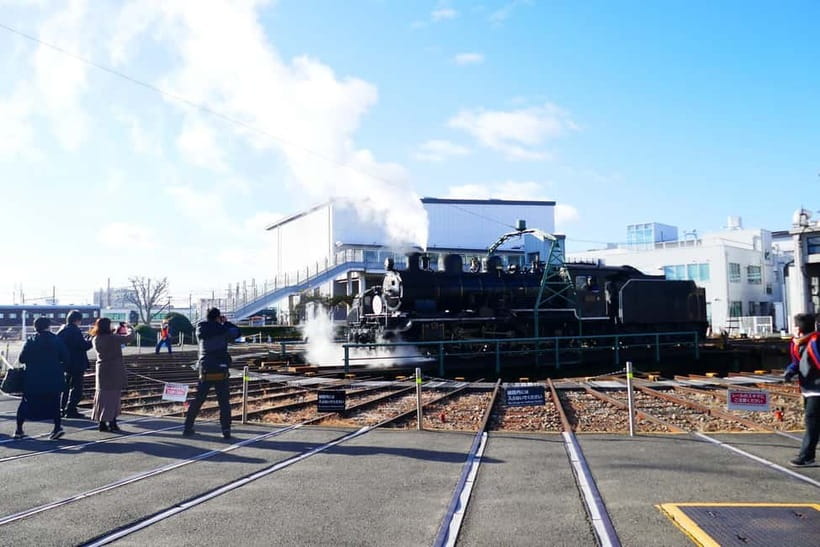
The historic roundhouse is one of the museum’s most distinctive spaces. Its circular arrangement gives the building a strong sense of place, and the turntable provides a clear demonstration of how locomotives were moved and positioned.
Watching the turntable rotate is a simple but memorable event. Instead of reading about railway maintenance, you see the machinery perform its job. A locomotive slowly turning into position has a physical quality that modern digital exhibits cannot replace.
This area is especially worthwhile if you enjoy the practical side of railways. The roundhouse is not just a backdrop for photographs. It shows how steam locomotives were handled, stored, and prepared for service.
The turntable activity may be popular, so give yourself time to watch rather than passing through quickly. If the museum is busy, finding a good viewing position may take a little patience. That is a fair trade for one of the most atmospheric parts of the visit.
Riding the working steam locomotive
The steam locomotive ride adds a real sense of occasion. You are not only looking at an old engine in a display hall. You get to ride behind a working steam locomotive and feel the museum’s railway theme become physical.
The ride is a good choice for families, railway fans, and anyone who wants one clear memory from the day. The motion and sound make the older trains easier to understand. Even a short ride can explain why steam railways have such lasting appeal.
I would treat this as a highlight to plan around rather than something to squeeze in at the end. The supplied information does not give a fixed ride timetable, so check current details when you arrive and allow room in your day for possible queues.
This is also one area where the museum’s popularity can affect your pace. On a quiet day, it may feel relaxed. On a busy day, you may need to wait. Since the ride is a central part of the experience, it is worth accepting a slower rhythm instead of skipping it.
More Tickets in Japan:
- Osaka/Kyoto: Hiroshima Miyajima Bus Tour & Shinkansen Ticket
★ 4.7 · 919 reviews - Nagasaki: Half Day Sightseeing Private Tour with 1day Tram Ticket
★ 4.5 · 8 reviews - Christ the Redeemer Entry Ticket by Corcovado Train
★ 4.4 · 4,476 reviews - Granada City Train 1 or 2-Day Hop-On Hop-Off Ticket
★ 3.5 · 3,128 reviews
Hands-on simulators and railway technology
The driving simulators give you a chance to try the railway from the operator’s side. They are useful because they turn abstract controls and procedures into something you can handle yourself.
You should expect these activities to be especially appealing to children, but adults can enjoy them too. The museum’s strength is the balance between watching and doing. After looking at a locomotive’s controls or studying how trains operate, a simulator gives you a more active way to think about the same subject.
The interactive displays also help if you are not a railway specialist. You do not need to know Japanese railway terminology before entering. Start with the controls and visual displays, then read the explanations that catch your interest.
Some hands-on activities may attract queues, particularly when families are visiting. If a simulator is busy, move on to the nearby exhibits and return later. The museum is large enough that you can usually vary your pace rather than waiting beside one feature for too long.
Dioramas that explain the railway system
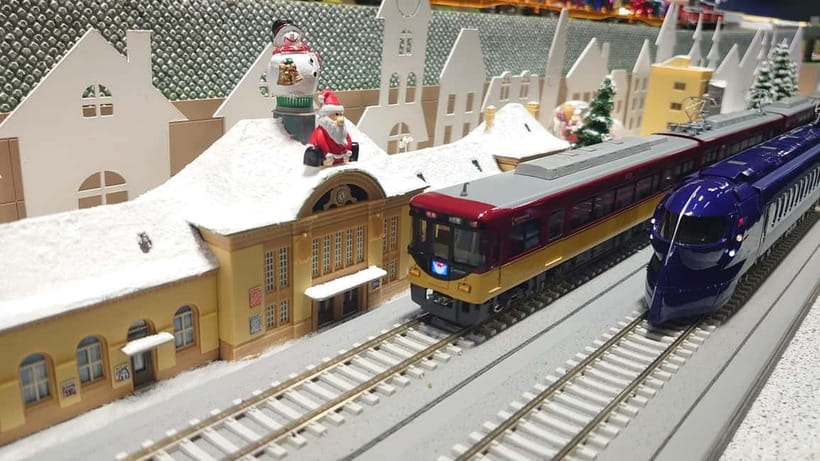
The railway dioramas show rail travel in miniature, but they are more than decorative models. They help you see how trains, tracks, stations, and surrounding areas work together.
A full-size locomotive shows you the machine. A diorama shows you the wider system. You can follow how a railway line connects places, how trains move through stations, and how many parts must work together for a journey to run smoothly.
These displays are a good pause between the larger exhibits. After the visual impact of 53 real trains, the smaller scale encourages closer attention. Look for the movement of trains, the track layouts, and the details around the stations.
You might find the dioramas less exciting if your main goal is to climb aboard trains, but they add useful context. They are also a good option when you need a quieter activity after the steam ride or the busier interactive areas.
Inside the Shinkansen and Japan’s high-speed age
The Shinkansen is one of the museum’s strongest draws, even for people who would not call themselves train enthusiasts. Japan’s bullet trains are known around the world, and seeing one at close range makes the design feel more real.
You can step inside an iconic Shinkansen car and compare it with older railway vehicles. The contrast is immediate. One represents steam power and visible machinery. The other represents speed, streamlined design, and modern passenger travel.
I recommend taking time to look beyond the famous nose of the train. The interior, passenger space, and controls help explain why the Shinkansen became such an important part of Japan’s railway image.
The museum also puts the Shinkansen into a wider story. You are not seeing an isolated modern wonder. You are seeing one stage in a long development that includes steam locomotives, conventional trains, railway engineering, and changing ideas about speed and comfort.
The Sky Terrace gives you a breather
The Sky Terrace offers a welcome change after time indoors. From there, you can take in views connected to Kyoto’s railway setting and watch trains from above.
I like having an outdoor pause built into a museum day. You can step away from the machinery, let children move around a little, and regain your bearings before returning to the exhibits.
The terrace is also useful for understanding the museum’s relationship with active railway lines and the wider city. The museum does not feel cut off from rail travel. The trains on display connect with the working railway world around you.
Do not treat the terrace as the main reason to visit. It is a supporting feature, but a valuable one. A short break there can make the rest of the museum easier to enjoy, especially if you have spent a long time studying the collection.
How much time should you allow?
The ticket is valid for one day, and you should use that flexibility. The museum contains enough material for a full visit, particularly if you want to ride the steam locomotive, use the simulators, inspect the trains, study the dioramas, and stop at the Sky Terrace.
A shorter visit can still work if you focus on the most famous features. In that case, prioritize the real trains, the roundhouse, the steam ride, the Shinkansen, and one or two interactive displays.
I would plan your visit around energy levels. Begin with the major train collection while you are fresh, then add the steam ride and hands-on activities. Use the terrace and diorama areas for slower periods.
Opening hours can change, so check the official museum website before you go. The museum is closed every Wednesday. That single detail matters if you are building a tight Kyoto schedule.
Price, access, and practical planning
At $9 per person, the admission offers good value for a full day, especially compared with paid attractions where you are finished in an hour or two. The value is strongest if you care about trains, have children who enjoy interactive displays, or want an indoor activity with real educational content.
The ticket covers standard museum admission. The supplied information does not state that every simulator or activity has an extra charge, so check current arrangements at the museum if a particular feature is important to you.
Children under three enter free. Children from three to seven can buy tickets on-site for 200 yen. This makes the museum especially practical for families with young children, though you should check the current age and ticket rules before arrival.
The museum is wheelchair accessible. Go directly to the Kyoto Railway Museum for redemption at 34.9870986, 135.7422732. You do not need to arrange a separate meeting with a guide because this is a self-guided admission experience.
If the entrance is crowded, follow the line for the Early Bird Advance Ticket entrance as directed by staff. Keep your admission ticket if you plan to leave and return, since you must show it when re-entering.
The booking is non-refundable. I would only reserve it once you are reasonably sure of your date, especially since the museum closes on Wednesdays and opening times may vary.
Who will enjoy this museum most?
Railway enthusiasts will find the largest amount of detail, but you do not need to be a train expert to have a good time. The museum combines large machines, technology, family activities, and city views in a way that gives different visitors their own points of interest.
It suits:
- Families looking for an indoor Kyoto activity with hands-on features.
- Adults interested in Japanese technology and transport.
- Visitors who want to see steam locomotives and Shinkansen in one place.
- Anyone needing a break from temples and outdoor sightseeing.
- Rail fans who want real vehicles rather than only models or photographs.
It may be less suitable if you want a guided tour with a named expert, since no guide is included or listed. It is also not the best choice if your Kyoto schedule allows only a very brief stop. The museum rewards time and curiosity.
The language information provided does not list a specific guide language service. You can still enjoy the trains and interactive features directly, but check the official website if written language support is important to you.
Should you book the Kyoto Railway Museum?
Book it if you want more than a quick look at Japanese trains. The combination of 53 full-size vehicles, a working steam locomotive, the rotating roundhouse turntable, simulators, dioramas, and the Sky Terrace gives you enough variety for a satisfying day.
I would especially recommend it for families and anyone who has already seen Kyoto’s major temples and wants a different side of the city. The museum is practical, educational, and lively without requiring a guide or a complicated schedule.
Skip it if your itinerary is packed and you would only have time to rush through. Also check the Wednesday closure, current opening hours, and the non-refundable booking rule before paying.
For $9, this is an easy value call when you can spare several hours. Go with a loose plan, make time for the steam ride and turntable, and let the trains guide the rest of your visit.
FAQ
Where is the Kyoto Railway Museum?
The museum is in Kyoto on Honshu, Japan. The listed coordinates are 34.9870986, 135.7422732. Proceed directly to the museum for ticket redemption.
How long is the ticket valid?
The admission ticket is valid for one day.
What does the ticket include?
The ticket includes standard admission to the Kyoto Railway Museum.
Is the museum open every day?
No. The museum is closed every Wednesday. Opening hours may change, so check the official website for current information.
Can children under three enter free?
Yes. Infants under three years old are free of charge.
How much do children aged three to seven pay?
Children between three and seven years old can purchase tickets on-site for 200 yen.
Is the museum wheelchair accessible?
Yes. The activity is wheelchair accessible.
Can I leave and re-enter the museum?
Yes, but you must present your admission ticket to staff when you re-enter.
Just added around Japan
- Train in Samurai Swordsmanship and Defeat the Demon in Tokyo★ 5.0 · 5 reviews
- Private tour with Yasushi and Yoko – by car, train, on foot★ 5.0 · 2 reviews
- Tokyo-Izu: Volcano, Ocean& Capybara Cuddle with Izu Scenic Train★ 3.5 · 3 reviews
- Tokyo Private Guided 1/2-Day Walking Subway Tour English guide★ 5.0 · 7 reviews
- Snow Monkey Park and Miso Production Tour Bullet Train from Tokyo★ 4.5 · 26 reviews
- Private Tour – Thousands of lucky cats! Go by tram, Gotokuji Tour★ 5.0 · 16 reviews
- Bullet Train and Mt. Fuji Famous Food Tour★ 5.0 · 4 reviews
- Kyoto Early Bird Tour Tokyo Round or One Way Shinkansen★ 5.0 · 10 reviews
Kyoto Train Tours, compared.
Full Day Hiroshima and Miyajima Tour by Bullet Train from Kyoto
Read our review →Arashiyama Day Tour with Train, Boat, and Onsen
Read our review →
Arashiyama Tour with optional Sagano Romantic Train
Read our review →
Kyoto Hozugawa River Boat Sagano Romantic Train Tour
Read our review →
Kyoto Sagano Romantic Train in Arashiyama Bus Tour
Read our review →
Private Day Trip To Hiroshima from Kyoto or Osaka by Bullet Train
Read our review →
Hiroshima and Miyajima Full-Day Tour from Kyoto by Bullet Train
Read our review →Browse the lists this tour appears in