
REVIEW · KYOTO
Train Katana with Real Dojo Students in Kyoto
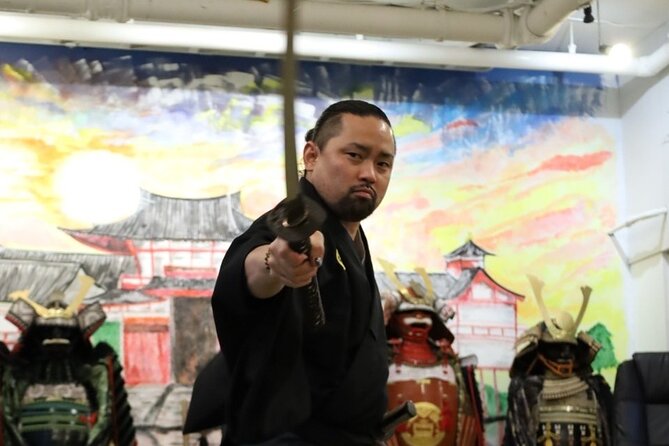
The most unusual part of this Kyoto experience is that you train inside a working dojo alongside local students, not on a staged set built for tourists. You’ll wear dōgi, obi, and hakama, learn the basics of drawing and handling a katana, and watch real cutting practice with rolled tatami mats.
I like two things right away: the tiny maximum group of three gives the session a personal feel, and the two-katana performance by the master adds a rare piece of sword work you are unlikely to see in a standard cultural show. The main consideration is that this is a serious physical activity, not a casual photo stop, and previous martial arts experience may help you get more from it.
Key points before you book
- Train beside local dojo students: You take part in an active training session rather than a tourist-only demonstration.
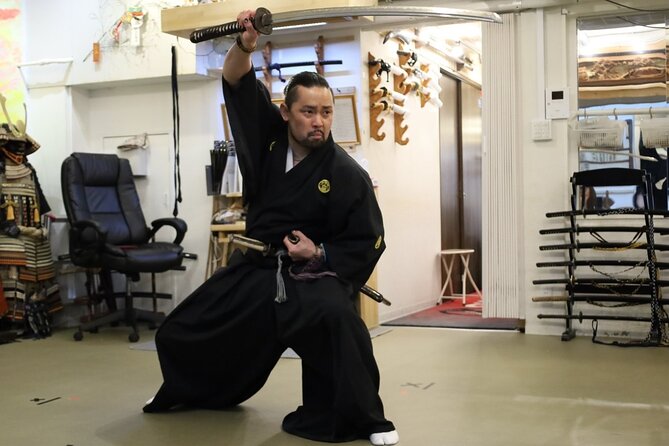
- Learn two distinct sword skills: The session covers iai, or katana drawing, and kenjutsu, or katana fighting techniques.
- Watch real tatami cutting: Students and the master cut rolled tatami mats with a real sword, but you do not perform test cutting.
- Wear traditional training clothing: Dōgi, obi, and hakama are provided as part of the experience.
- See a two-katana performance: The master presents a powerful demonstration that is a special feature of the three-hour visit.
- Expect a small, focused class: The maximum is three participants, and the minimum age is 12.
What makes this Kyoto dojo visit different
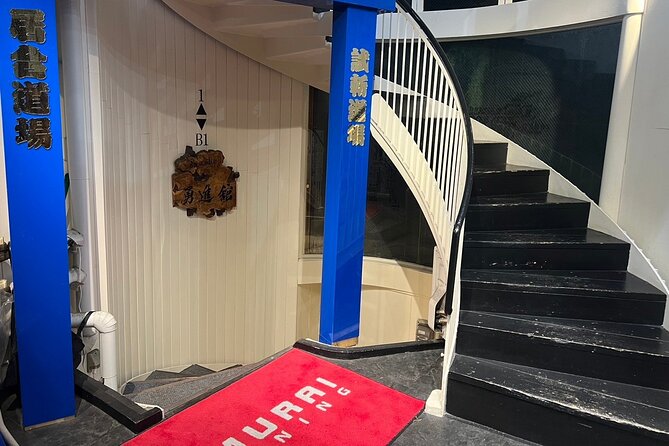
Many sword-themed activities are built around costume photographs, simple poses, and a quick demonstration. This one takes a more serious route. You enter Yushinkan Kyoto, a real katana dojo with dedicated local students, and take part in training that is already part of the school’s regular practice.
That distinction matters. You are not simply watching a performer play a samurai role. You are learning how the body, hands, and sword work together under instruction, then seeing students practice the same discipline. The setting gives you a clearer sense of swordsmanship as a demanding martial art rather than a movie stunt.
The dojo is led by a headmaster with more than 20 years of experience. The provider is Yushinkan Co., Ltd., also identified as SETO Yushin. John from Yushinkan International, Kyoto, is also associated with the experience. The available information does not set out a full teaching team, so you should expect instruction from the dojo rather than a large staff of guides.
The small group limit is one of the strongest practical features. With no more than three participants, you should have a better chance to hear corrections and follow the movement closely. It also means the session is not designed for a large family group or a busload of friends. If you are booking with several people, check the limit before paying.
More Train Tours in Japan:
- Mt Fuji and Hakone 1-Day Bus Tour Return by Bullet Train
★ 5.0 · 26,383 reviews - Mt Fuji & Hakone Cruise, Drum Show Bullet Train 1 Day from Tokyo
★ 4.0 · 7,413 reviews - Tokyo Mt Fuji 5th St & Hakone Cruise Bus Tour w/Bullet Train
★ 4.4 · 5,024 reviews
Arriving at 452-4 Matsugaechō
You meet at 452-4 Matsugaechō, Nakagyo Ward, Kyoto, 604-8034, and the activity ends at the same point. The location is near public transportation, which makes it workable as part of a Kyoto day in the central city.
Allow enough time to reach the address without rushing. This is a timed training session, and arriving late could cut into the instruction and dressing period. The meeting point is especially important because the experience does not include a separate sightseeing route. You go to the dojo, train there, and return to the same place when the session finishes.
The three-hour length is useful. It gives you room to change, receive instruction, watch the local students, and see the demonstrations without squeezing everything into a short performance. At the same time, three hours is long enough that you should plan the rest of your day around a real activity, not treat it as a quick stop between temples.
Putting on dōgi, obi, and hakama
The session begins with traditional training clothing: dōgi, obi, and hakama. This is not just a costume change for a photograph. These garments are part of the visual and practical language of Japanese martial arts, and wearing them helps you understand the posture and form expected in the dojo.
You should treat the dressing period as part of the lesson. The clothing changes how you stand, walk, and move your arms. It can also make the experience feel more formal than a typical sightseeing activity. Respect the setting, listen carefully, and avoid treating the uniform as a prop.
The supplied information does not specify changing-room arrangements, shoe rules, or what clothing to wear underneath. Choose comfortable clothing that allows movement, and follow the dojo’s instructions when you arrive. Since the session involves physical practice, avoid arriving in anything restrictive.
The minimum age is 12. That age rule is clear, but the experience is not described as a children’s activity. Younger participants should be able to follow instructions, stay focused, and manage a moderate level of physical activity.
Learning iai, the art of drawing the katana
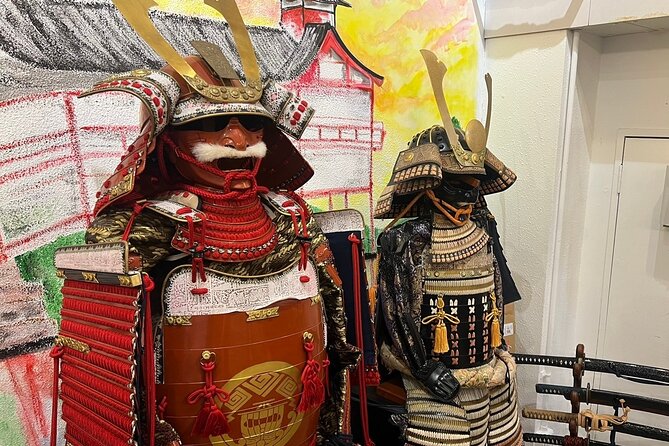
The first technical lesson focuses on iai, the art of drawing the katana. The movement is controlled and deliberate. It is not a matter of pulling out a sword quickly and swinging it around. Body position, hand placement, timing, and the path of the blade all matter.
For a first-time participant, iai offers an accessible way to understand the discipline of Japanese swordsmanship. You begin with basic actions rather than jumping straight into a dramatic fight sequence. That approach is valuable because the visual simplicity of sword drawing can hide the amount of control it demands.
You will need to concentrate closely on the instructor. A katana is a real weapon, and even basic handling requires care. The experience provides training in a controlled dojo setting, but you should not treat the sword as a toy or improvise outside the instructions.
Previous martial arts experience may help. One participant with experience in several martial arts but limited katana training found the session especially enjoyable. That is a useful clue for deciding who will appreciate this most: people who already enjoy disciplined physical practice may get more from the detail than someone seeking only a quick cultural photo.
Still, the experience is not stated to require prior sword training. You can book without claiming previous katana experience, but you should arrive ready to learn slowly and follow directions exactly.
Same tracks, a very different ride:
- From Tokyo: Mt. Fuji & Hakone Tour w/ Return by Bullet Train
★ 4.2 · 1,278 reviews - Osaka/Kyoto: Hiroshima Miyajima Bus Tour & Shinkansen Ticket
★ 4.7 · 919 reviews - From Tokyo 1-Day Kyoto English-guided Tour by Bullet Train
★ 4.0 · 376 reviews - Mt. Fuji and Hakone Day Trip From Tokyo with Bullet Train Option
★ 4.0 · 368 reviews
Practicing kenjutsu with local students
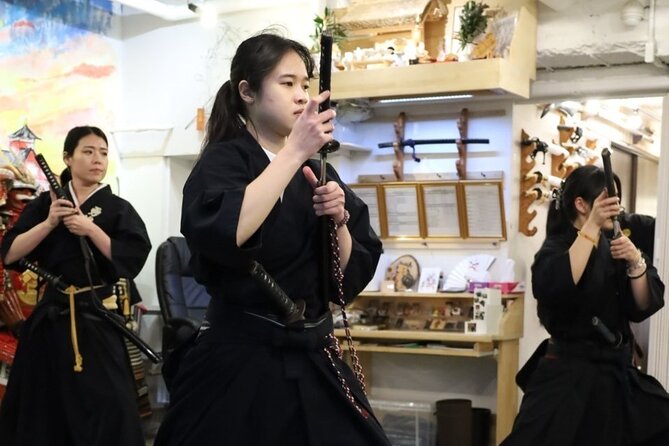
The session also covers kenjutsu, or katana fighting techniques. This gives you a second view of the sword. Iai emphasizes the draw and controlled movement, while kenjutsu introduces the ideas of attack, defense, distance, and timing within a martial practice.
The key word here is practice. The information does not promise a choreographed duel or a theatrical combat scene. You are training in a dojo where local students are rigorously working on their own skills. Watching their focus can help you understand the level of repetition behind polished sword movement.
This is also where the authentic setting makes a difference. In a tourist show, you might see sword techniques presented for entertainment. Here, your lesson takes place beside people who are training as part of an ongoing discipline. You may find the atmosphere quieter, more precise, and less immediately playful than a standard samurai attraction.
That can be a benefit or a drawback. If you want a serious introduction to martial arts, it is a strong match. If you want a light, highly staged activity with lots of photographs and jokes, this may feel too formal.
Your physical fitness should be moderate. The activity is not described as an extreme workout, but it does involve standing, movement, and repeated technique practice over about three hours. If you have concerns about your ability to participate, keep the physical requirement in mind before booking.
Watching real katana cutting on rolled tatami
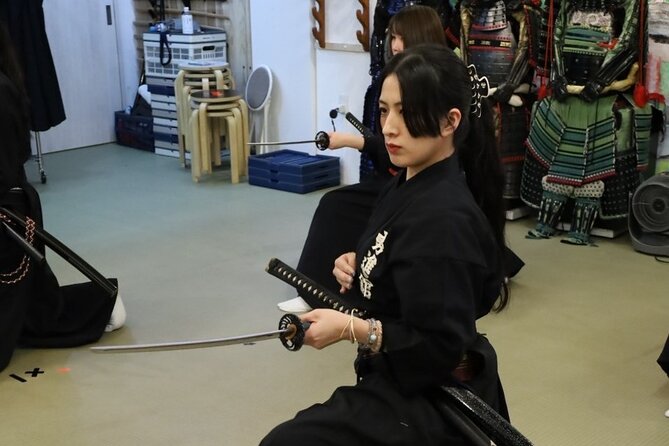
One of the most striking parts of the session is watching the students and master cut rolled tatami mats with a real katana. This is called test cutting, and it demonstrates how much control is needed to guide the blade through a target.
The cutting segment helps put the earlier lessons in context. Drawing a sword and practicing a movement can look simple. Seeing a real blade cut through a rolled mat shows that angle, alignment, speed, and follow-through must all work together.
You do not perform test cutting during this experience. That limitation is important. If you are booking because you want to swing a real sword at a target yourself, this is not the right activity. Your role is to learn iai and kenjutsu techniques, then watch the students and master demonstrate cutting.
I consider this a sensible safety boundary. It keeps the focus on instruction and observation while allowing you to see a demanding part of the art. It also makes the session more suitable for someone curious about swordsmanship but not ready for direct target cutting.
Video recording is not allowed. That rule may disappoint anyone hoping to capture the cutting demonstration or the two-katana performance, but it supports the dojo’s training environment. Bring your attention instead of expecting to document every movement on a phone.
The master’s two-katana performance
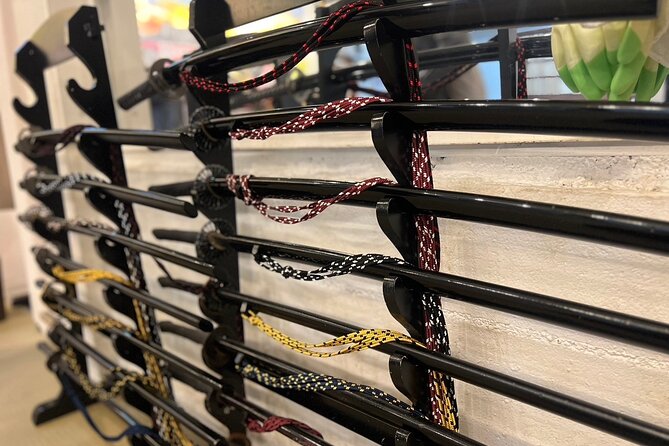
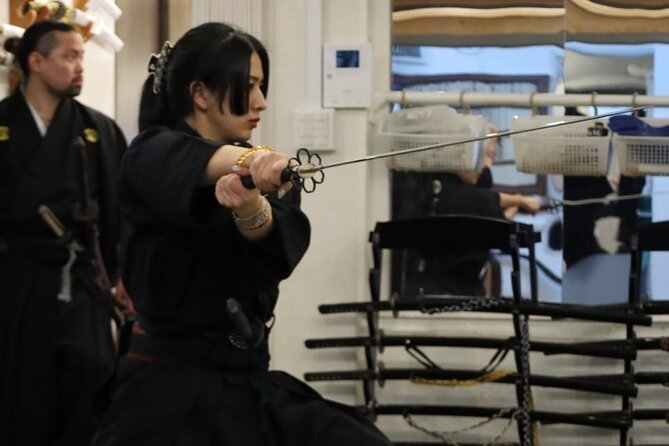
The master’s performance with two katana is the experience’s most distinctive viewing moment. The supplied details describe it as a powerful demonstration, and it offers something beyond the basic lesson in iai and kenjutsu.
Two-katana work demands visual focus because you are watching the relationship between both hands, both blades, and the master’s footwork. It is the kind of display that makes a short dojo visit feel special rather than routine.
The performance should not be confused with your own training. You are learning selected techniques under instruction, while the master demonstrates a higher level of ability. That difference is part of the value. You see where years of practice can lead, then return to the basic movements with a better sense of their difficulty.
Because the session is capped at three participants, you should have a clear view of the demonstration. The experience information does not promise a particular performance schedule beyond the visit, so the exact sequence may depend on the dojo’s training plan that day.
Is the $195.09 price good value?
At $195.09 per person, this is not a low-cost Kyoto activity. You are paying more than you would for a basic museum ticket or a short cultural demonstration. The value comes from the format: about three hours, traditional training clothing, direct instruction, a maximum of three participants, time beside local students, and demonstrations with a real katana.
I would compare it with the cost of other small-group specialist activities rather than with a general sightseeing attraction. The price makes more sense if you care about martial arts, Japanese swordsmanship, or serious cultural instruction. It is less convincing if your main goal is a samurai costume photograph.
The small group is important in that calculation. A class of three gives the experience a personal scale that a large stage show cannot match. You are also visiting an active dojo rather than a set made for visitors. Those are the details that make the fee easier to justify.
You should also factor in what is not included. You do not get to perform test cutting, and video recording is not permitted. If either of those is essential to you, the price will feel high because the activity will not meet your main goal.
The experience is often booked about 29 days in advance. That suggests you should not leave it until the last day of a Kyoto stay, particularly because confirmation is sent within 48 hours and remains subject to availability.
Who will enjoy this most?
I would recommend this to adults and young people aged 12 or older who enjoy martial arts, Japanese culture, or hands-on learning with firm rules. Someone with previous martial arts experience may appreciate the technical side, even if katana work is new.
It also suits you if you prefer a small, focused activity over a large entertainment show. The dojo setting, local students, and limited group size give the session a serious tone.
I would be more cautious about booking it for someone who dislikes physical activities, has no interest in instruction, or wants a relaxed photo opportunity. The three-hour duration can feel long if you are not prepared to stand, concentrate, and repeat movements.
Families should consider the age minimum and the needs of each participant. Since observing without paying is not allowed, every person who attends must be booked. You cannot have one person participate while others watch for free.
Booking, cancellation, and practical planning
You receive confirmation within 48 hours of booking, subject to availability. Since the experience is limited to three people and is commonly booked well ahead, I would arrange it before your Kyoto schedule fills up.
The cancellation policy is friendly but strict near the start time. You can cancel for a full refund up to 24 hours before the experience begins. Cancellations or changes made less than 24 hours before the start time are not accepted for a refund, and the cut-off follows Kyoto local time.
The ticket is mobile, so you can use it from your phone. Keep the meeting address available and plan your public transportation route in advance. The activity ends where it begins, which makes it easier to continue sightseeing afterward.
Wear comfortable clothing under the training gear and arrive ready to follow dojo etiquette. The provided information does not spell out every rule, so listen to the instructor before handling any sword or moving around the training area.
Should you book the Yushinkan Kyoto experience?
Book it if you want real dojo training, a small class, and a serious look at katana technique. The chance to practice iai and kenjutsu beside local students, watch tatami cutting, and see a two-katana performance gives this activity more substance than a standard samurai photo session.
Skip it if you mainly want to cut a target yourself, record a dramatic video, or spend less than an hour on the activity. Test cutting is not offered to participants, video recording is prohibited, and the three-hour format requires patience and moderate fitness.
For the right person, $195.09 buys a focused introduction to a living martial tradition, not just a costume and a staged sword pose. I would reserve it in advance, especially if you want one of the three available places.
FAQ
Where does the katana training take place?
The meeting point is 452-4 Matsugaechō, Nakagyo Ward, Kyoto, 604-8034, Japan. The activity ends back at the same meeting point.
How long does the experience last?
The experience lasts approximately three hours.
How much does the experience cost?
The listed price is $195.09 per person.
What age is required to participate?
Participants must be at least 12 years old.
Is previous martial arts experience required?
The provided information does not state that previous martial arts experience is required. The activity does require moderate physical fitness, and prior martial arts experience may help you follow the techniques.
What will I learn during the session?
You will learn iai, which involves katana drawing techniques, and kenjutsu, which involves katana fighting techniques.
Can I cut rolled tatami mats myself?
No. Participants do not receive test-cutting practice with a real katana. You watch the students and master perform the cutting.
Can I record the experience?
No. Video recording is not allowed.
Can I cancel for a refund?
Yes. You can cancel at least 24 hours before the start time for a full refund. Cancellations and changes made less than 24 hours before the start time are not accepted.
Just added around Japan
- Train in Samurai Swordsmanship and Defeat the Demon in Tokyo★ 5.0 · 5 reviews
- Tokyo-Izu: Volcano, Ocean& Capybara Cuddle with Izu Scenic Train★ 3.5 · 3 reviews
- Tokyo Private Guided 1/2-Day Walking Subway Tour English guide★ 5.0 · 7 reviews
- Private tour with Yasushi and Yoko – by car, train, on foot★ 5.0 · 2 reviews
- Snow Monkey Park and Miso Production Tour Bullet Train from Tokyo★ 4.5 · 26 reviews
- Private Tour – Thousands of lucky cats! Go by tram, Gotokuji Tour★ 5.0 · 16 reviews
- Bullet Train and Mt. Fuji Famous Food Tour★ 5.0 · 4 reviews
- Kyoto Early Bird Tour Tokyo Round or One Way Shinkansen★ 5.0 · 10 reviews
Kyoto Train Tours, compared.

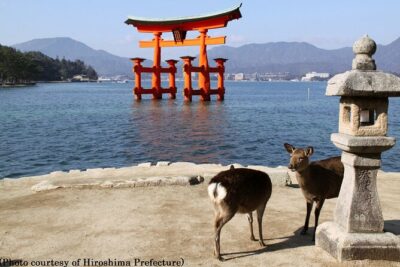
Full Day Hiroshima and Miyajima Tour by Bullet Train from Kyoto
Read our review →Arashiyama Day Tour with Train, Boat, and Onsen
Read our review →

Arashiyama Tour with optional Sagano Romantic Train
Read our review →
Kyoto Hozugawa River Boat Sagano Romantic Train Tour
Read our review →
Kyoto Sagano Romantic Train in Arashiyama Bus Tour
Read our review →
Private Day Trip To Hiroshima from Kyoto or Osaka by Bullet Train
Read our review →Browse the lists this tour appears in