
REVIEW · USA
Bowling Green: Historic RailPark & Train Museum Entry & Tour
The best part of this Bowling Green visit is the chance to walk through working spaces from the railroad era, not just look at engines behind a rope. You move from a diesel locomotive to a Railway Post Office, dining car, sleeper, and presidential car, with a guide explaining how employees and passengers used each one. The 1911 L&N Presidential Car is the grand finale.
I like the mix of personal stories and hands-on viewing. You hear about an L&N cook, Pullman porter, and conductor, then see the rooms where they worked. I also like that the museum works for different ages: children have interactive displays, while adults can study equipment and artifacts tied to American rail travel. The main drawback is important: the museum has an elevator, but the guided tour through the train cars is not accessible to people with mobility impairments.
Key Points
- 1925 train depot: Begin inside Bowling Green’s landmark passenger station, with the original wooden benches still used as the tour meeting place.
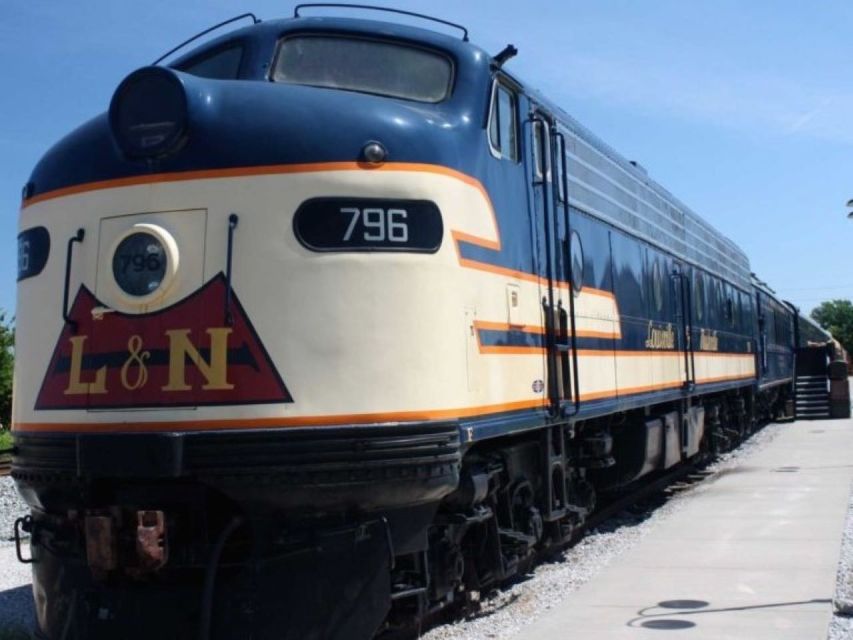
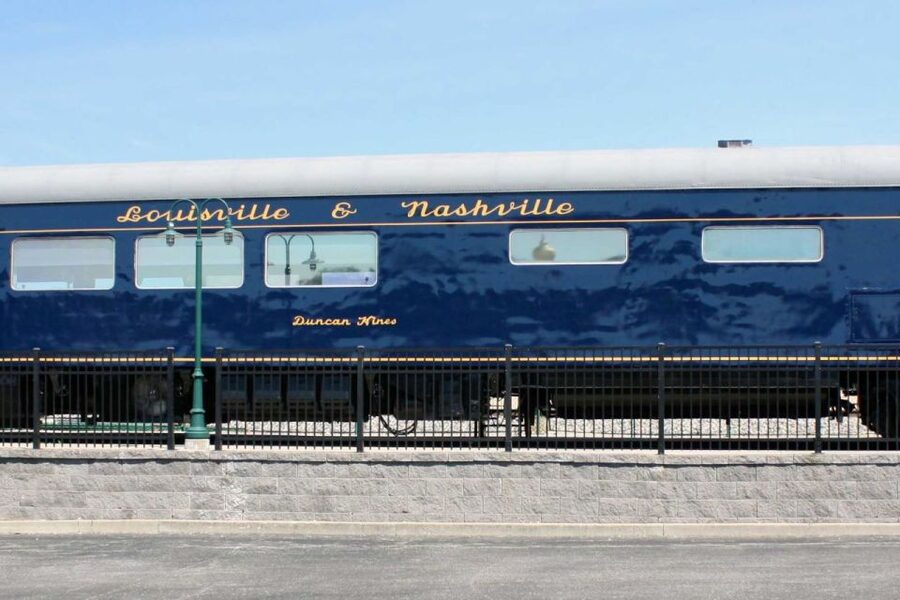
- Five historic cars: Walk through an E8 diesel-electric locomotive, Railway Post Office, Duncan Hines Dining Car, Towering Pine Sleeper Car, and L&N Presidential Car.
- Mail by rail: See how postal workers sorted and handled mail aboard an RPO car during nearly 150 years of railway mail service.
- Railroad jobs brought to life: Learn about cooks, Pullman porters, conductors, passengers, and the daily work that kept trains moving.
- 45-minute guided tour: Your guide leads the train-car portion, while you can explore the museum at your own pace.
- Useful planning detail: Tours depart at 10:15 AM, 11:15 AM, 12:15 PM, 1:15 PM, 2:15 PM, and 3:15 PM.
Starting in Bowling Green’s 1925 Depot
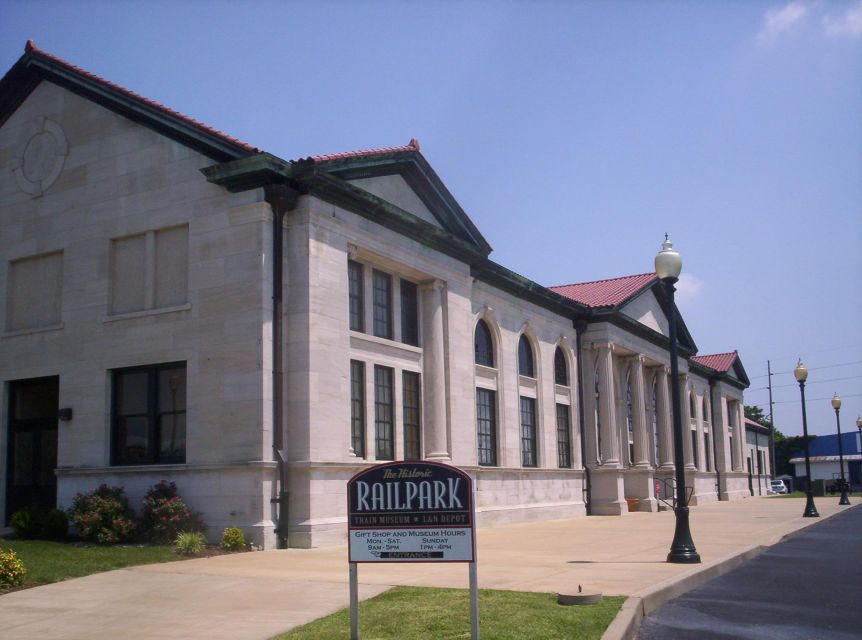
Your visit begins by passing five historic train cars before entering through the gift shop. This is a fitting arrival. You are not walking into a generic exhibit hall, but into a former railway setting where the station itself is part of the story.
The gift shop is also the practical entry point. Staff can explain the day’s tour schedule, assign you to the next available tour, and help with questions. You present your GetYourGuide voucher there, then go through to the museum.
Give yourself a little time before the guided portion. The museum includes vintage equipment, railroad artifacts, interactive displays, toy trains, puzzles, and train-themed activities. If you are visiting with children, this early browsing time helps keep the 45-minute tour from carrying the entire burden of the visit.
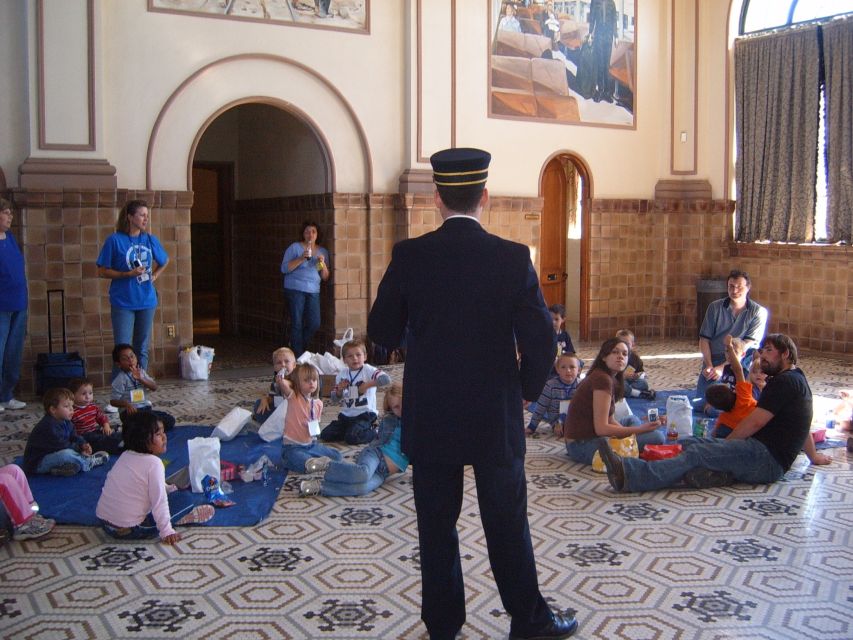
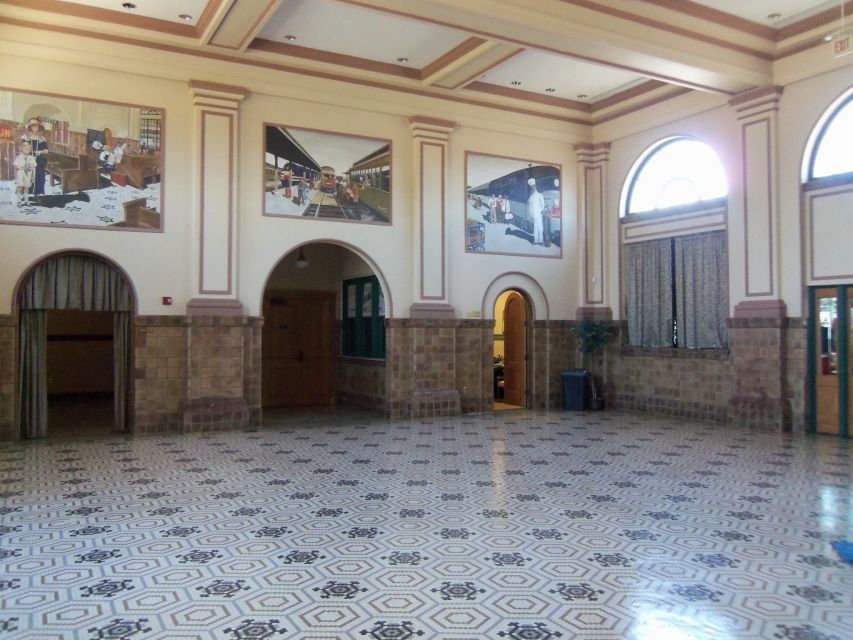
Your guide meets you on the first floor, five minutes before the scheduled departure. The meeting place is especially appealing: wooden benches that have been in the depot since 1925. Sitting there gives the opening talk a sense of place that a modern auditorium could not match.
The first part of the tour covers the Louisville and Nashville Railroad and the people connected with it. The strongest feature here is the human angle. Instead of hearing only about routes, dates, and machines, you learn how railroad jobs shaped daily life for workers and passengers.
More Museum Visits in the USA:
- Skip the Line: Historic RailPark and Train Museum Ticket with Guided Tour
★ 4.5 · 59 reviews - Salem Witch Tour from Boston by Train with Museum Tickets
★ 4.0 · 42 reviews - Snoqualmie Fall & Railway Museum 3-Hours (Private Tour)
★ 5.0 · 4 reviews
The E8 Locomotive and the Work Behind the Train
The train-car portion begins with an E8 diesel-electric locomotive. For many people, this will be the most recognizable piece of equipment on the tour. It gives you a clear starting point for understanding the machine that pulled passenger trains and the scale of the work involved.
The cars are immobile, so this is a walking and viewing experience, not a train ride. That is worth knowing before you book. You will not watch the countryside pass by or feel the train move. The reward is closer inspection: you can focus on the equipment, rooms, and working areas without the distractions of travel.
The museum’s stories about an L&N cook, Pullman porter, and conductor add useful context. Each job served a different part of the rail journey. The cook dealt with meals and supplies. The porter handled passenger service in the sleeping cars. The conductor managed the train and its passengers.
You can also compare the working spaces with the areas used by passengers. That contrast helps explain how much labor sat behind the apparently simple act of boarding a train and arriving somewhere else.
Inside the Railway Post Office Car
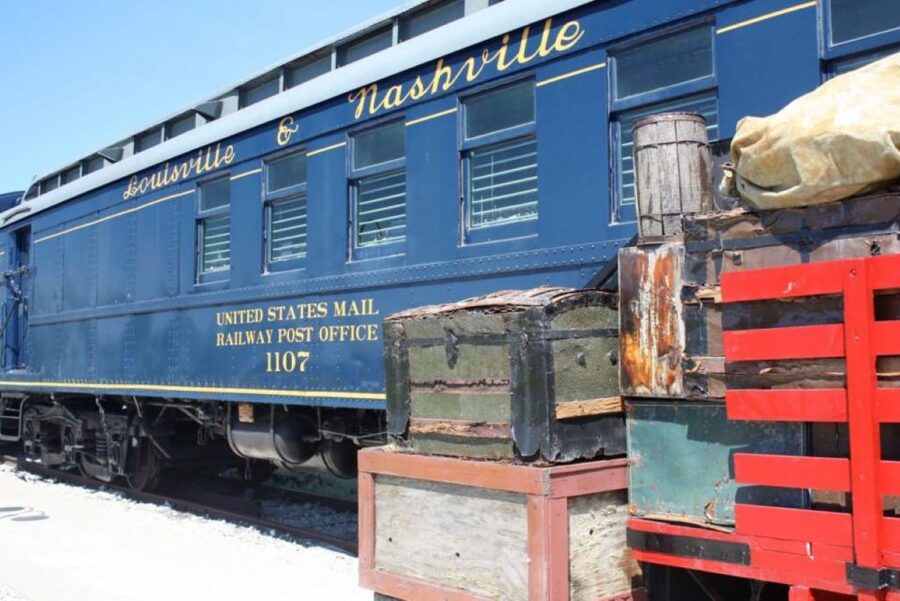
Next comes the Railway Post Office, or RPO, car. This is one of the tour’s most unusual stops because it shows a side of rail travel that is easy to overlook. Trains did not merely carry people and goods. They also helped move and sort the nation’s mail.
The RPO was a moving postal workplace. Mail was handled aboard trains for nearly 150 years, and the car lets you see that delivery system from the inside. The value here is practical history. You begin to understand that railway workers were part of a much larger communication network, not simply transportation staff.
This car should appeal to adults who enjoy the hidden systems behind familiar services. It also gives children a concrete way to think about how mail moved before today’s delivery networks and digital communication. The displays and guide’s explanations make the subject easier to follow than a simple date-filled panel.
The drawback is that the car cannot provide the full sensation of railway mail work because it does not move. Still, the fixed setting lets you look carefully at the space and listen to the explanation without rushing through it.
Meals in the Duncan Hines Dining Car
The next stop is the Duncan Hines Dining Car. Here you shift from transportation and mail to the experience of being served on a train. The guide explains what meals were like for the people eating, cooking, and serving them.
That three-part view matters. A dining car can look elegant from a passenger’s point of view, but the cooks and servers had a different experience. The tour encourages you to consider the work required to provide meals in a moving environment, as well as the expectations of different passengers.
The Duncan Hines name adds an appealing connection to American food culture, but the main value is the chance to see how dining fit into long-distance rail travel. If you like historic hotels, ocean liners, or old restaurants, you will probably enjoy this section because it connects design and service with everyday human routines.
Food and drinks are not included with admission. The car is an exhibit, not a meal stop, so plan to eat separately.
More History Trips in the USA:
- Fairbanks: Gold Dredge 8 Historic Train Tour
★ 4.7 · 219 reviews - Boston: Underground Railroad History Tour of Beacon Hill
★ 5.0 · 141 reviews - Sedona, AZ: Grand Canyon Guided Tour and Historic Railway
★ 4.6 · 122 reviews - Cincy Brunch History and Streetcar Tour with Riverside Food Tours
★ 5.0 · 108 reviews
Three Classes in the Towering Pine Sleeper Car
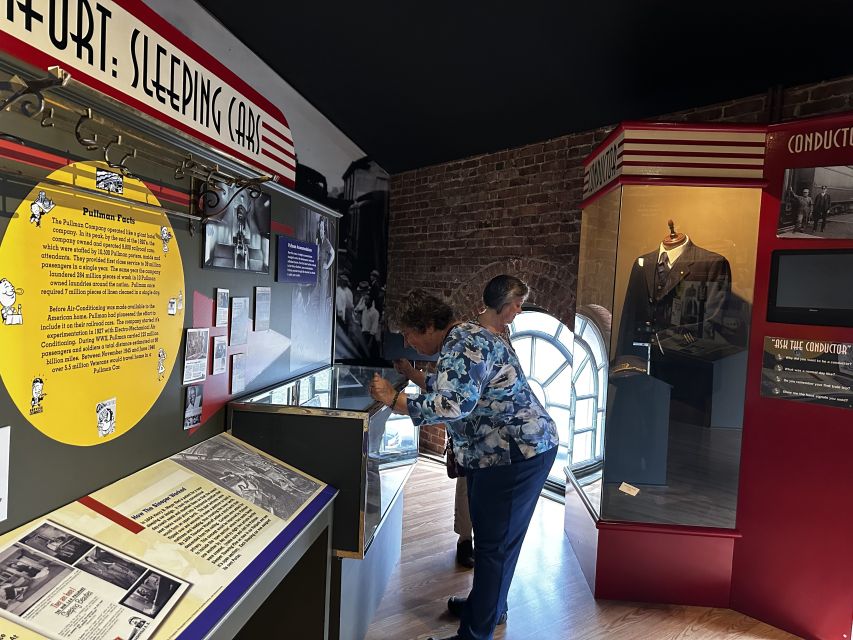
The Towering Pine Sleeper Car gives you a look at overnight travel and class differences. The tour shows what it was like to travel in first, second, and third class, making this more than a quick look at beds and compartments.
Sleeping arrangements reveal how rail travel was divided by price and comfort. The car lets you compare the options rather than hearing about class distinctions in the abstract. You can picture passengers settling in for the night while porters and other staff handled the work around them.
This is also where the stories of the Pullman porter become especially useful. The porter’s role connected passenger comfort with the labor that made it possible. The tour does not present the sleeper as a romantic object alone. It also points you toward the people working behind the scenes.
Families may find this section particularly engaging because the idea of sleeping on a train is easy to imagine. Adults may appreciate the sharper question of who received the most space and comfort, and who supplied the service.
The 1911 L&N Presidential Car
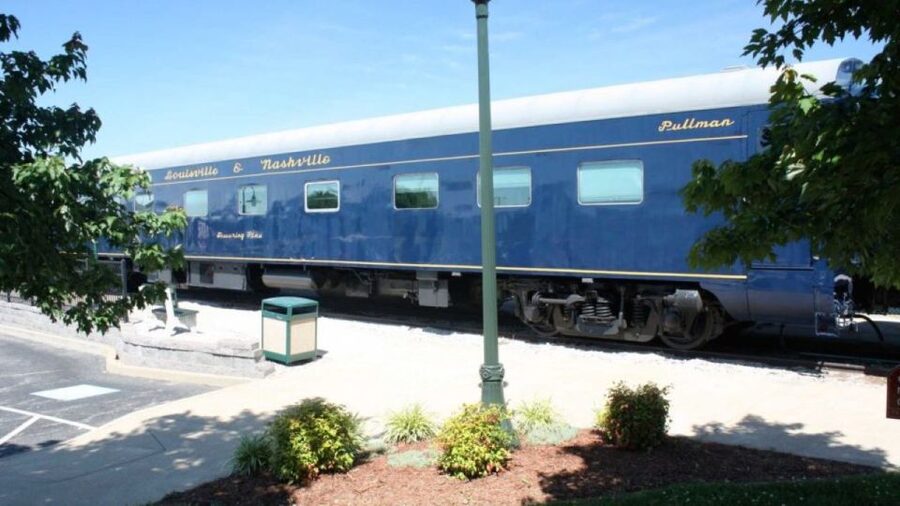
The final train-car stop is the L&N Presidential Car, built in 1911. It is the oldest surviving passenger car from the Louisville and Nashville Railroad, and it provides the tour’s most polished finish.
The car shows how railway travel could become a private and luxurious experience for important passengers. After seeing the locomotive, mail car, dining car, and sleeper, you have enough context to understand why this car feels different. It represents status, privacy, and comfort rather than the shared routines of ordinary passenger travel.
I like the order of the tour. You begin with the engine and railway operation, move through mail and food, then see sleeping arrangements before reaching the most prestigious car. Each stop adds another part of the railway system, and the final car brings the passenger experience into focus.
Do not rush this last section. The presidential car is one of the most distinctive objects at the museum, and its age gives it special importance. You are looking at a surviving piece of L&N passenger history, not a reproduction built for display.
A Museum That Works at Different Speeds
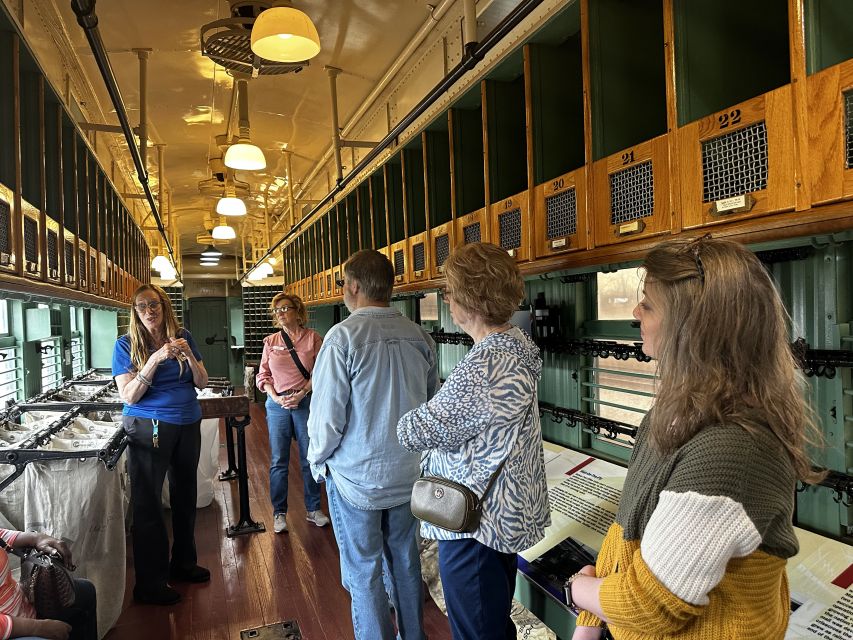
The guided tour lasts 45 minutes, but your museum visit can be more flexible. You can browse the indoor exhibits at your own pace before or after the scheduled walk through the cars.
That arrangement suits mixed groups. One person can study equipment and artifacts while another focuses on interactive displays. Children can spend time with the themed activities, while adults listen to stories about railroad work and passenger travel.
The gift shop is part of the experience rather than just a checkout area. It carries train memorabilia, toy trains, puzzles, and other railroad-themed items. If you are visiting with a young train fan, allow time for browsing because the shop may be as distracting as the exhibits.
The museum is also useful for people who remember an older era of American transportation. Vintage equipment can bring back memories, while the guided explanations fill in details that a casual visit might miss.
The top-rated guides have been praised for their patience and strong command of the subject. Molly is one guide specifically named in a positive experience, and another visitor noted that the guide handled a group patiently, including a toddler. Guide assignments can vary, but the format is consistent: a live English-speaking guide leads the train-car section.
Is $22 a Good Value?
Admission costs $22 per person and includes museum entry plus the 45-minute guided tour. For that price, I consider the experience a good value if you care about historic transportation, railway jobs, or preserved passenger cars.
The value comes from the combination. You are not paying only to walk around a depot, and you are not paying only for a short talk. You get time in the museum, a structured explanation from a guide, and access to five historic cars with different purposes.
The price is less compelling if you expect a train ride. Nothing moves, and there is no food or drink included. You are paying for preservation, interpretation, and access to historic interiors.
For a family, the museum’s range of displays and activities helps justify the cost. For a serious rail enthusiast, the five cars and the 1911 presidential car are the main draw. For a casual visitor, the guided stories are important because they give meaning to equipment you might otherwise pass quickly.
Free cancellation is available up to 24 hours before the visit, and you can reserve now and pay later. Those terms are useful if your Bowling Green plans are still changing.
Timing, Hours, and Access
Scheduled tours depart six times a day: 10:15 AM, 11:15 AM, 12:15 PM, 1:15 PM, 2:15 PM, and 3:15 PM. Check the available time when booking, since the museum’s tour schedule controls the guided portion of your visit.
From March 9 through January, the museum is open daily from 9:00 AM to 4:00 PM. From January through March 9, it is closed Mondays and Tuesdays and open Wednesday through Sunday from 10:00 AM to 4:00 PM.
The museum is closed on New Year’s Day, Easter Sunday, Thanksgiving Day, Christmas Eve, and Christmas Day. These seasonal details matter because a short winter visit can easily fail if you arrive on a Monday or Tuesday.
The museum has an elevator and is accessible, but the guided train-car tour is not accessible for people with mobility impairments. The cars require movement through the historic train interiors, so contact the museum before booking if mobility is a concern.
One parent visited with a toddler, and another person toured while using crutches, but that should not be taken as a guarantee that the guided car route will work for every visitor. The official access limitation is clear, so plan around it.
Who Will Enjoy This Museum Most?
I would recommend this experience to families, railway fans, history-minded visitors, and anyone curious about how people traveled before modern air travel became common.
It is especially good for you if you like seeing original spaces. The wooden depot benches, Railway Post Office, dining car, sleeper, and presidential car give the visit a physical quality that photographs cannot provide.
Children have enough to do, but the museum is not simply a children’s attraction. Adults get useful stories about work, class, service, and transportation. The guide-led format also helps younger visitors stay focused because the tour changes cars and subjects every few minutes.
You may want to skip it if you are looking for an active ride, a large collection of moving trains, or a full-day attraction with food included. The museum can fill much of a visit, but the guided segment itself is 45 minutes, and the cars remain stationary.
Should You Book the Historic RailPark Tour?
Book it if you want a close look at preserved railway spaces and appreciate a guide who explains the people behind the equipment. The RPO car and 1911 L&N Presidential Car give the visit unusual variety, while the dining and sleeper cars make the passenger experience easy to picture.
I would give it extra weight in a Bowling Green itinerary if you are traveling with children or with someone who enjoys American transportation history. The $22 price is fair for museum entry, five historic cars, and a guided tour.
Before booking, confirm that everyone in your group can manage the train-car route. If mobility access is essential, the museum itself may be suitable, but the guided car tour is not. If that limitation works for your group, this is a thoughtful, well-priced visit with enough detail to reward both curious beginners and serious train fans.
FAQ
How much does the Historic RailPark and Train Museum tour cost?
The experience costs $22 per person. Museum entry and the 45-minute guided tour are included.
How long does the guided tour last?
The guided tour lasts 45 minutes. You can also explore the museum exhibits at your own pace before or after the tour.
Does the tour include a train ride?
No. The historic trains are immobile, so the experience involves walking through and viewing the cars rather than riding on a moving train.
What train cars will I see?
The tour includes an E8 diesel-electric locomotive, a Railway Post Office car, the Duncan Hines Dining Car, the Towering Pine Sleeper Car, and the L&N Presidential Car.
What is special about the L&N Presidential Car?
Built in 1911, it is the oldest surviving passenger car from the Louisville and Nashville Railroad.
When do guided tours depart?
Scheduled departures are at 10:15 AM, 11:15 AM, 12:15 PM, 1:15 PM, 2:15 PM, and 3:15 PM.
Is the tour accessible for people with mobility impairments?
The museum has an elevator and is accessible, but the guided tour through the train cars is not accessible for people with mobility impairments.
What happens if I need to cancel?
You can cancel up to 24 hours in advance for a full refund. You can also reserve your place and pay later.
Just added around the USA
- Virginia City Day Tour From Lake Tahoe with Train Ride★ 4.8 · 19 reviews
- Ventura: Rail Bike Guided Tour with Farm Stand Stop★ 4.1 · 18 reviews
- Winnipesaukee Scenic Railroad★ 4.5 · 7 reviews
- Walking Tour of Still’s Underground Railroad in Alexandria★ 5.0 · 9 reviews
- Laughton Glacier Hike and White Pass Rail Adventure★ 5.0 · 12 reviews
- Uncorked: Wine Fest at Verde Canyon Railroad★ 5.0 · 8 reviews
- Grand Canyon Excursion from Sedona with First Class Train Ride★ 4.5 · 47 reviews
- Snoqualmie Fall & Railway Museum 3-Hours (Private Tour)★ 5.0 · 4 reviews
USA Train Tours, compared.
Streetcar Food Tour and Findlay Market with Riverside Food Tours
Read our review →
Jackson Hole: Aerial Tram and Gondolas Sightseeing
Read our review →
Washington DC: Arlington Nat. Cemetery Ticket & Tram Tour
Read our review →
New York City Slavery and Underground Railroad Tour
Read our review →
Alaska Railroad Anchorage to Seward Round-Trip Same Day Return
Read our review →
Colorado: All Aboard the Royal Gorge Route Railroad!
Read our review →Browse the lists this tour appears in