
REVIEW · SOUTH KOREA
Jeonju City tour by KTX bullet Train from Seoul
Jeonju gives you a sharp change of pace from Seoul: traditional tiled roofs, royal Joseon history, a bamboo-lined shrine, Catholic heritage, and Korea’s handmade paper tradition, all in one long day. The KTX train makes this possible without spending hours on a slower road journey.
I like the private format, since your guide can explain Korea’s complicated past at a useful pace. I also like the mix of major sights and hands-on culture, especially the Hanji paper-making session. The drawback is the price, $470 per person, plus the early start and the fact that Seoul drop-off and food are not included.
Key points to know before booking
- KTX makes Jeonju possible as a day trip: Round-trip economy train fare is included, with a 7:00 am start from Seoul.
- Your own English-speaking guide: Guide BH, also known as BeHappy, is praised for vivid explanations and a strong sense of storytelling.
- Hanok Village gets most of the day: The route includes a local history museum, Omokdae Pavilion, and Jeondong Catholic Church.
- Gyeonggijeon Shrine adds quiet space: Its royal portrait, archive buildings, bamboo paths, and filming locations provide a slower hour.
- Hanji is more than a souvenir: You learn how Korea’s traditional paper is made and can see its many practical uses.
- Plan around the missing extras: Food, drinks, and Seoul drop-off are not included, and one detailed stop description says admission is not included even though the overall tour information says entrance fees are covered.
Why Jeonju works well as a day trip from Seoul
Jeonju is a good choice if you want traditional Korea without giving up your Seoul base. The city has a strong connection to the Joseon Dynasty, old residential architecture, religious sites, and local craft traditions. This tour gathers those threads into a single day rather than asking you to arrange several separate tickets and local transfers.
The KTX is the key. You travel in economy class, with round-trip fare included, and avoid the uncertainty of finding your own train schedule or working out the Jeonju portion alone. You still need to accept the tradeoff: this is a packed excursion, not a lazy weekend in town.
The stated duration is about nine to ten hours, beginning at 7:00 am. Hotel pickup is offered in the Seoul area, which helps at the start of the day. Seoul drop-off is not included, so you should plan for the return portion of the evening on your own.
The tour is private, meaning only your group participates. That matters here because the day includes several historical stops, and a personal guide can spend more time on the subjects you care about. If you are fascinated by royal history, Catholic persecution, traditional crafts, or architecture, you can ask for more explanation instead of following a fixed group script.
More Bullet Train Tours in South Korea:
- Busan city tour from Seoul by KTX bullet train
★ 5.0 · 39 reviews - Busan and Gyeongju 2 days Tour from Seoul by KTX Bullet Train
★ 5.0 · 2 reviews - Mt Fuji and Hakone 1-Day Bus Tour Return by Bullet Train
★ 5.0 · 26,383 reviews
Start with Jeonju Hanok Village and its old rooftops
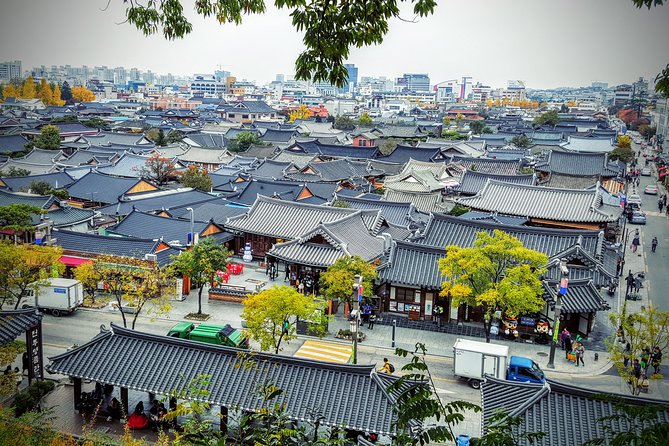
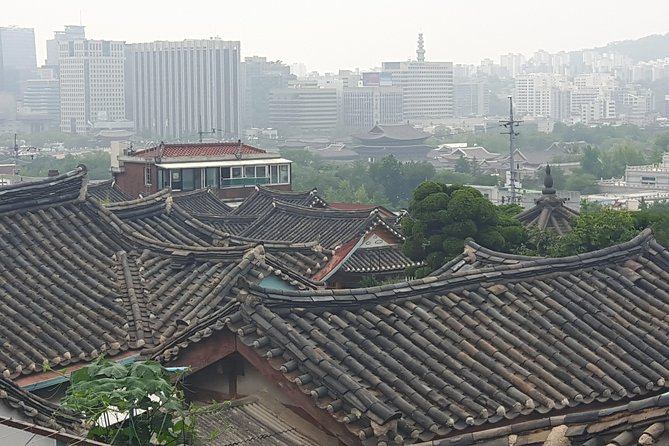
The main part of the day takes place around Jeonju Hanok Village. A hanok is a traditional Korean house, usually marked by tiled roofs, timber details, and a layout shaped by older Korean building customs. The village gives you a visual introduction to Jeonju, but the first stop adds context before you simply walk around taking pictures.
At the Chronicle of Jeonju Hanok Village, a local historical museum, you get an overview of how the area developed. This is a useful opening because the buildings mean more when you understand the city’s past and the role of the village. The museum is also a practical place to get your bearings before the walking portions begin.
The village portion is listed at about five hours, though that time includes several nearby sights. You should expect a substantial amount of walking, short stops, and historical commentary rather than one single indoor attraction. Comfortable shoes will help, particularly if you want to take your time around the lanes and viewpoints.
The guide is important here. One particularly positive account describes BH, also called BeHappy, as explaining Korea’s past with vivid detail and real feeling. That kind of personal storytelling suits Jeonju, where the same area can connect royal politics, war, religion, architecture, and daily life.
Climb to Omokdae Pavilion for the Hanok Village view
Omokdae Pavilion gives you one of the clearest visual moments of the day. It is linked to Yi Seong-gye, the founder of the Joseon Dynasty, who stopped there to celebrate a military victory in 1380 after fighting Japanese invaders near Hwangsan in Namwon.
The site is not just a scenic overlook. Your guide can connect the pavilion to the political change that followed in Korea, when Yi Seong-gye later established the Joseon Dynasty. The historical setting helps explain why Jeonju matters beyond its attractive old roofs.
From Omokdae, you can look across the Hanok Village. The view is especially useful after visiting the local museum because you can see how the traditional rooflines fit together as an urban district. The climb and walking route may feel tiring during a full day, but the viewpoint gives the village a welcome sense of scale.
This is also one of the places where a private guide adds value. A quick photo stop would miss much of the meaning. With commentary, the pavilion becomes a link between local geography, military history, and the rise of a royal dynasty.
See Jeondong Catholic Church and Korea’s difficult religious past
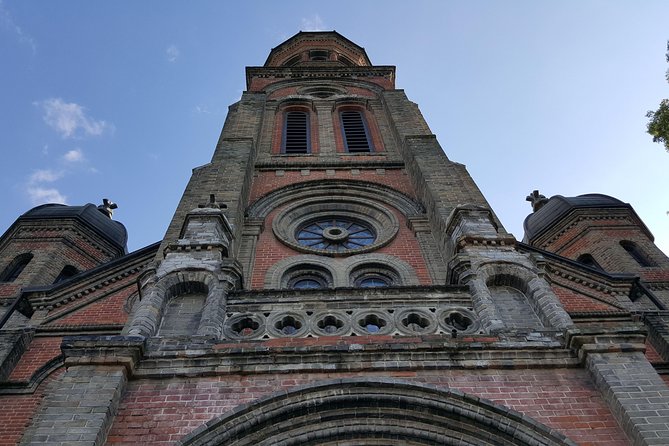
Jeondong Catholic Church brings a different layer to Jeonju. The red-brick church, listed as Historic Site No. 288, was built in honor of Catholic martyrs from the Joseon Dynasty. It occupies the same general place where those martyrs lost their lives.
The church is a striking contrast to the tiled hanok roofs and wooden structures nearby. Its presence shows that Jeonju’s story is not only about royal courts and traditional homes. It also includes periods of religious persecution and the arrival of ideas that challenged the established order.
The schedule includes a longer church visit as part of the Hanok Village section and also lists a separate ten-minute stop. That suggests the church may be seen during the main walking route, with a short dedicated viewing period later in the sequence. The supplied details do not make the exact timing clear, so you should ask the operator how the two entries are handled.
You do not need to be religious to find this stop worthwhile. It gives the day a more serious edge and shows how Korean history includes conflict between old institutions and new beliefs. The church is also a good example of how Jeonju places very different periods close together.
More City Tours in South Korea:
- Busan: Full-Day City Tour with Taejongdae, Gamcheon & More
★ 4.7 · 35 reviews - Busan Full-Day City Tour with Gamcheon Village, Sea Temple & more
★ 4.5 · 27 reviews - Granada City Train 1 or 2-Day Hop-On Hop-Off Ticket
★ 3.5 · 3,128 reviews - Porto: City Train Tour, River Cruise & Wine Cellar
★ 3.9 · 2,601 reviews
Walk the bamboo paths at Gyeonggijeon Shrine
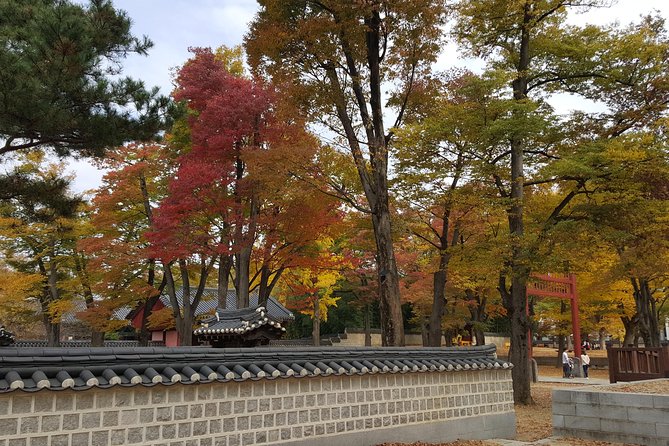
Gyeonggijeon Shrine was built in 1410 and houses a portrait of King Tae-jo, the founder of the Joseon Dynasty. It also contains monuments and structures connected to the royal family and the preservation of official records, including Jogyeongmyo, Jeonju Sago, and Taesil.
The shrine offers a slower hour after the busier village sights. Its grounds include broad paths and a bamboo trail, giving you room to walk and look around without the constant movement of a city street. The setting has also been used for Korean historical dramas and films, which may make some corners look familiar even if you do not know the productions.
The portrait of King Tae-jo gives the stop a clear focus. Rather than seeing another old building with little explanation, you can connect the shrine to the beginning of the Joseon period. The archive reference is also important because preserving records was a serious part of royal government.
The admission fee is listed as included for Gyeonggijeon Shrine. The overall tour information says all attraction admissions are included, but one detailed description says admission for the Hanok Village portion is not included. Because of that mismatch, confirm the entrance arrangements before paying. It is a small point, but it is better to settle it before the morning begins.
Make traditional Hanji paper in Jeonju
The Hanji Museum and workshop is the most hands-on part of the day. Hanji is Korea’s traditional paper, known for its use in calligraphy, painting, crafts, household decoration, and other practical products.
At Jeonju Jeontong Hanjiwon, you can see how the paper is made and take part in a paper-making experience. The workshop also displays Hanji in many forms, from colorful craft paper to paper used as wallpaper in red-clay homes and products connected with traditional heating materials.
This stop matters because it shows tradition as a working craft rather than a display behind glass. Hanji has a delicate appearance, but the range of uses described here shows how useful it has been in Korean life. Its colors and textures also make it easy to understand why the paper is treated as an art form as well as a household material.
The session lasts about one hour and admission is included. If you enjoy making things, this may be the part of the tour you remember most clearly. If you prefer monuments and historical buildings, it is still a helpful change of rhythm after several hours of sightseeing.
The Hanji visit also gives you a chance to buy traditional paper goods, though food and drinks are not included in the tour price. The information does not specify exactly what the hands-on activity produces or whether additional purchases cost extra, so ask the guide before the workshop begins if you want to plan for souvenirs.
What $470 per person really gets you
At $470 per person, this is an expensive day trip. The price is easier to justify for people who value convenience, a private guide, included KTX tickets, and hotel pickup more than the lowest possible fare.
You are paying for several moving parts: transport between Seoul and Jeonju, a qualified local English-speaking guide, sightseeing across multiple attractions, and a private arrangement for your own group. Organizing all of that independently could cost less, especially if you already speak Korean, feel comfortable using trains, and are happy to visit fewer places.
The strongest value comes from the guide. Jeonju’s attractions are appealing on their own, but the meaning behind Omokdae, Gyeonggijeon Shrine, and Jeondong Catholic Church is not always obvious from the buildings alone. A guide who explains the connections can turn a string of stops into a coherent day.
The price is harder to defend if you mainly want free time, local food, or a relaxed look around the village. Meals are not included, and the schedule is full. You also need to make your own plans after returning to Seoul because drop-off is not included.
Group discounts are offered, so the cost may work better for families or small groups than for a solo participant. Since only your group takes part, you also avoid the delays and fixed pace that come with a large shared excursion.
The pace, transport, and practical tradeoffs
A 7:00 am start is early, but it is necessary for a Seoul to Jeonju day trip with several stops. Hotel pickup is offered from the Seoul area, though the exact pickup range should be confirmed before booking. The tour is near public transportation, and most people can participate according to the supplied details.
The KTX portion is economy class. That is the sensible choice for a sightseeing day because the train gets you where you need to go without making the transport part the focus. Your round-trip fare is included, but the tour details do not provide exact train departure times.
Food and drinks are not included. You should plan for meals during the day, but the supplied information does not specify where or how long the meal break will be. Ask about this if you need a firm schedule or have dietary concerns.
The return is another point to watch. Seoul hotel pickup is included, but Seoul drop-off is not. Once you arrive back in Seoul, you will need to arrange your own way to your hotel or final destination.
Free cancellation is available if you cancel at least 24 hours before the local start time. Changes made within 24 hours are not accepted, and the experience requires a minimum number of participants. If that minimum is not met, you are offered another date or experience, or a full refund.
Who will get the most from this Jeonju tour
I would choose this tour if you have limited time in South Korea but want more than Seoul’s modern streets and major city sights. It suits you especially well if you enjoy guided history, traditional architecture, religious heritage, and craft demonstrations.
The private format works well for couples, families, or friends who want to ask questions and keep the day focused. It is also useful if you do not want to manage KTX tickets, local navigation, and attraction admissions on your own.
You may want a different plan if your priority is Jeonju food, shopping, or a slow independent wander. The day is attraction-packed, and the long village section, shrine visit, paper workshop, and train travel leave limited room for spontaneous stops.
Also think carefully about the price. The tour provides real convenience, but it is not a budget outing. Its value rests on the guide and the transport arrangement, not on the admission fees alone.
FAQ
Where does the tour start?
The tour starts in Seoul at 7:00 am, with hotel pickup offered from the Seoul area.
How do you travel from Seoul to Jeonju?
You travel by KTX bullet train. Round-trip economy-class fare is included.
Is this a private tour?
Yes. Only your group participates in the activity.
Is an English-speaking guide included?
Yes. A qualified local English-speaking guide is included. The guide is identified as BH, also called BeHappy.
What attractions are included?
The route includes Jeonju Hanok Village, the Chronicle of Jeonju Hanok Village museum, Omokdae Pavilion, Gyeonggijeon Shrine, Hanji Museum and workshop, and Jeondong Catholic Church.
Are meals and drinks included?
No. Food and drinks are not included in the tour price.
Is Seoul hotel drop-off included?
No. Hotel pickup in the Seoul area is included, but Seoul drop-off is not.
Should you book this Jeonju day trip?
Book it if you want a tightly organized introduction to Jeonju and value having a private English-speaking guide explain the difficult and fascinating parts of Korean history. The KTX connection, hotel pickup, royal sites, Catholic church, and Hanji workshop make a lot of ground possible in one day.
Skip it if $470 feels too high, if you want a relaxed schedule, or if Jeonju’s food scene matters more to you than its monuments and cultural sites. Before booking, confirm the exact train times, meal plan, church schedule, and conflicting admission details. For the right kind of visitor, this is an efficient way to add Jeonju to a Seoul trip without arranging the pieces yourself.
Just added around South Korea
- Seoul Tram Pedal Challenge★ 5.0 · 32 reviews
- Scenic Escape: Nami Island, Garden of Morning Calm, and Rail Bike★ 3.0 · 2 reviews
- Nami Island & Petite France & Italian Village & Gangchon Rail Bike One-Day Tour★ 4.5 · 52 reviews
- Gyeongju UNESCO Sites Tour by KTX train; The Museum Without walls★ 4.5 · 11 reviews
- Private Tour Rail Bike & Nami Island & (Petite France or Garden of Morning Calm)★ 4.5 · 13 reviews
- Nami Island Trip with Petite France & Italian Village and Gangchon Rail Bike★ 4.5 · 41 reviews
- Eobi+Nami+Hanbok Tour with Rail Bike or Strawberry Option★ 5.0 · 10 reviews
- Special Private Tour Nami Island, Rail Bike, Petite France★ 5.0 · 42 reviews
South Korea Train Tours, compared.
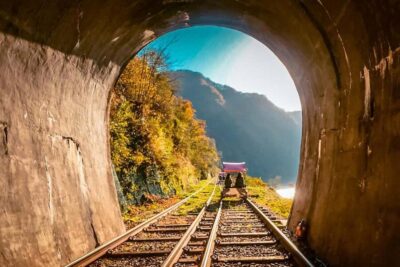
Nami Island, K-drama Garden & Rail Bike Day Tour
Read our review →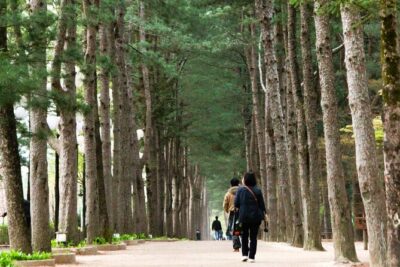
Day Trip to Nami Island with Rail bike and The Garden of Morning Calm
Read our review →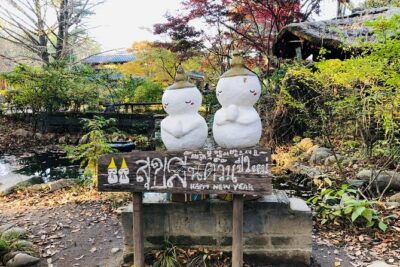
Nami+Alpaca+Garden of Morning Calm (+Rail Bike Option)
Read our review →
Alpaca, Nami, Morning Calm or Eobi (+Rail Bike)
Read our review →
Full-Day Tour in Mt. Seorak & Nami (+Rail Bike Option)
Read our review →
Alpaca World and Nami Island with Gangchon Rail Bike Tour
Read our review →
Nami Island & Petite France & Italian Village & Gangchon Rail Bike One-Day Tour
Read our review →
Special Private Tour Nami Island, Rail Bike, Petite France
Read our review →Browse the lists this tour appears in