
REVIEW · KYOTO
Kyoto Railway Museum Advance Tickets
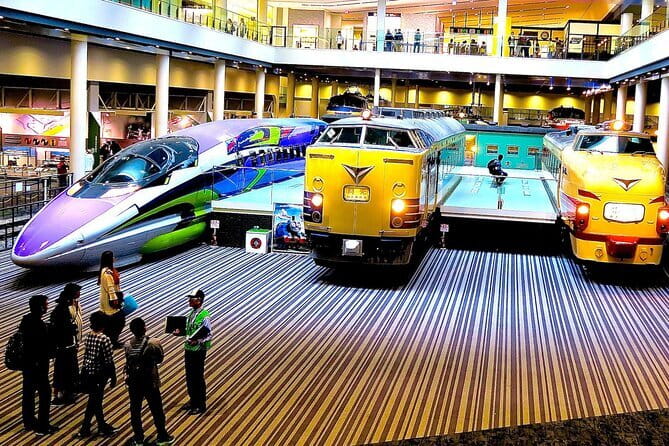
Kyoto Railway Museum brings Japan’s railway story to life with 53 preserved train cars, from early steam locomotives to sleek Shinkansen bullet trains. You can walk through selected cars, study the machinery, try hands-on exhibits, and watch an impressive railway diorama in action.
I like the mix of history and activity here. The diorama and conductor training simulators give you more to do than simply look at old engines, while the advance ticket makes arrival simple. The main drawback is time: two hours may cover the highlights, but anyone who loves trains could easily spend most of a day here.
Key points to know before you go
- Fifty-three important rail cars: See preserved steam locomotives, passenger cars, and Shinkansen trains tied to Japan’s modernization.
- More than a display hall: The museum’s Look, Touch, and Experience theme includes intricate exhibits and conductor training simulators.
- Allow more than two hours if you love trains: The official visit length is about two hours, but the collection rewards a slower pace.
- A memorable railway diorama: This is one of the museum’s main attractions and helps explain how Japan’s rail network works as a whole.
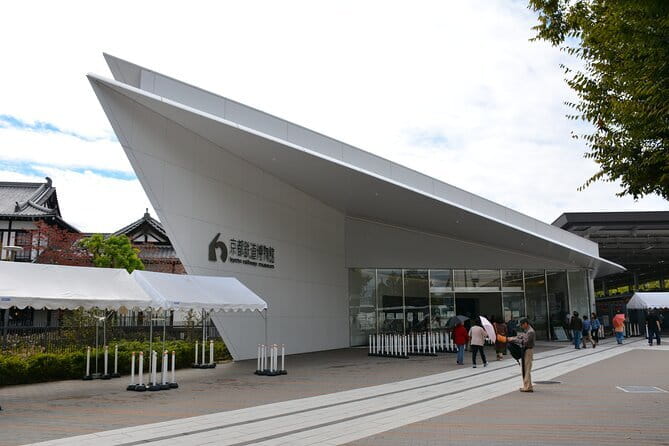
- Easy station access: Umekoji-Kyoton Nishi Station on the JR Sagano Line is about a two-minute walk away.
- The SL ride costs extra: If you want the steam train ride, buy that ticket at the museum rather than expecting it to be part of admission.
Why Kyoto Railway Museum is worth your time
Kyoto is packed with temples, gardens, shrines, and old streets. The railway museum offers a different view of Japan, one built around engineering, travel, and the country’s rapid modernization.
Japan’s trains are more than a way to get from one sight to the next. They connect cities, support daily life, and reflect major changes in technology. This museum lets you see that progress in physical form. A steam locomotive shows the force and mechanics of an earlier age. A Shinkansen car shows the precision and speed that came later.
The collection includes 53 cars that played an important part in Japan’s railway development. That range gives the museum a useful sense of scale. You are not looking at one narrow period or one type of train. You can compare the size, design, and purpose of different cars as you move through the exhibits.
I especially like that the museum does not ask you to admire the trains from behind a barrier and then leave. Its guiding idea is Look, Touch, and Experience. The hands-on displays, simulators, and walk-through cars make the subject easier to understand, even if you do not normally seek out technical museums.
More Museum Visits in Japan:
- Kyoto Railway Museum Admission Ticket
★ 4.3 · 23 reviews - Guided Half-day Tour(PM) to Toyota Commemorative Museum & SCMAGLEV Railway Park
★ 5.0 · 3 reviews - Brussels: Train World Museum Entrance Ticket
★ 4.7 · 524 reviews
From steam power to Shinkansen speed
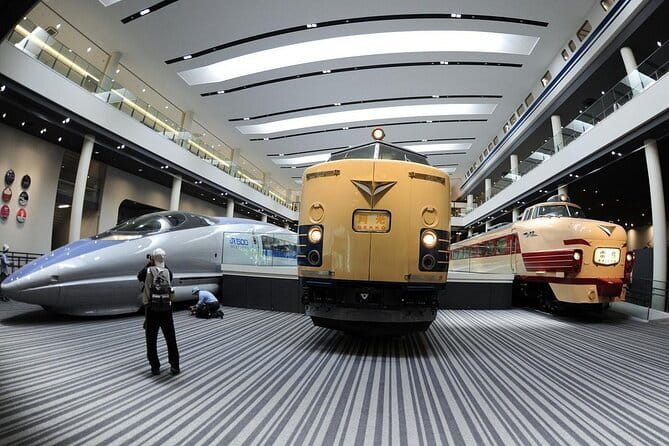
The preserved steam locomotives provide the strongest visual start. Their large wheels, metal fittings, and working parts give you an immediate sense of the power once needed to move people and freight across Japan.
Steam engines also help put the rest of the museum in context. When you later see a Shinkansen train, the contrast is striking. The bullet train represents a very different approach to rail travel, with speed, smooth design, and modern efficiency taking priority.
The museum’s collection is useful because it shows this change without reducing it to a simple old-versus-new display. You can see how railway cars served different jobs and different eras. Some were tied to everyday transport, while others represent major steps in Japan’s technical progress.
The information available for the full list of cars is in Japanese, so visitors who want to study every vehicle in detail may need patience or translation help. Still, the physical collection communicates plenty on its own. The trains are large, detailed objects, and seeing them in person gives you a better sense of their scale than photographs do.
Hands-on exhibits that keep the visit moving
A two-hour visit works best if you mix the main train halls with the interactive exhibits. The museum’s Look, Touch, and Experience theme is not just a slogan. It points you toward displays where you can do more than read a panel.
Conductor training simulators are one of the most practical examples. They offer a glimpse into the concentration and precision involved in operating a railway. You may find that these exhibits appeal to children, adults, and train enthusiasts for different reasons. Younger visitors get an activity. Adults get a better understanding of the work behind a familiar part of Japanese life.
The museum also includes numerous intricate exhibits. These reward close attention, but they can take time. If you move quickly through every room, you may see the broad collection without getting much from the smaller displays. I would choose a few areas to study carefully rather than trying to absorb everything at speed.
Strollers may be brought into the facility. Steerable toys such as tricycles and bicycles are not allowed, so families should plan around that rule. Eating and drinking are not permitted in the exhibit rooms, but you can use the restaurant, rest areas, or courtyard for a break.
The railway diorama deserves real time
The diorama is one of the museum’s most engaging features. It brings together the movement and organization of a railway system in a compact setting, giving you a view that individual train cars cannot provide.
A full-sized locomotive shows you one machine. The diorama shows how trains fit into a larger network. You can watch the relationship between routes, stations, and moving trains, which makes it easier to understand the planning behind rail travel.
One visitor specifically found that the diorama, along with the short train ride, made the visit much more satisfying. That is useful advice even if you arrive expecting to spend only two hours. Do not rush past the diorama in an effort to see every car. It is one of the places where the museum’s different parts come together.
The short train ride is separate from the static displays and adds a change of pace. The supplied information does not provide a full description of the ride, so I would treat it as an optional feature rather than plan your entire visit around it. If it is operating during your visit, it can make the museum feel more active and rounded.
More Tickets in Japan:
- Osaka/Kyoto: Hiroshima Miyajima Bus Tour & Shinkansen Ticket
★ 4.7 · 919 reviews - Nagasaki: Half Day Sightseeing Private Tour with 1day Tram Ticket
★ 4.5 · 8 reviews - Christ the Redeemer Entry Ticket by Corcovado Train
★ 4.4 · 4,476 reviews - Granada City Train 1 or 2-Day Hop-On Hop-Off Ticket
★ 3.5 · 3,128 reviews
The SL steam train costs extra

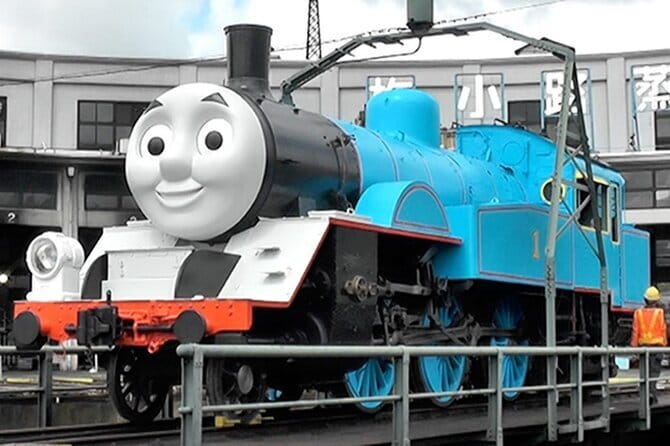
The museum offers an SL steam train ride, but the ticket is not included with general admission. You can purchase that ticket at the location.
This matters when you set your budget. The admission price is about $18.50 per person, and that covers entry to the museum. The steam train ride requires an additional purchase, so decide onsite if the extra activity suits your schedule and interests.
For many people, the preserved steam locomotives will be enough. You can see the engines at close range and spend time with the main collection without paying for the ride. If you have a strong interest in steam railways, though, the extra ticket may be worth considering.
Because the steam train ticket is sold at the museum, you do not need to commit to it before you arrive. That gives you some flexibility, although the available information does not specify its price, schedule, or capacity.
How long should you allow?

The listed duration is about two hours. That is a sensible minimum for a focused visit, especially if you want to see the major train cars, the diorama, and a few interactive displays.
I would not treat two hours as a strict limit. The collection includes 53 cars, and several exhibits invite you to slow down. A train enthusiast could easily spend far longer examining the locomotives, walking through preserved cars, and studying the technical displays.
The strongest advice comes from the shape of the museum itself: plan two hours if your schedule is tight, but give it more time if trains are a major interest. One visitor spent much longer than expected and particularly valued the diorama and short train ride.
Families may also need extra time because interactive exhibits can create pauses. You may arrive thinking you will move from one hall to the next, only to stop at a simulator or detailed display. That is not a problem, but it helps to avoid booking another important activity immediately afterward.
Getting there from Kyoto
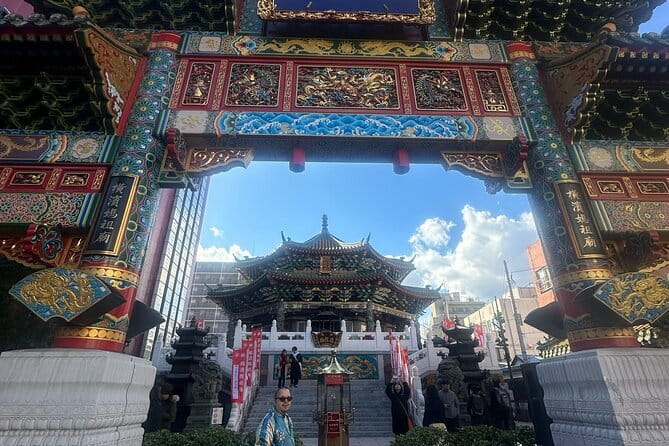
The museum is in Shimogyo-ku, Kyoto, near public transportation. Umekoji-Kyoton Nishi Station on the JR Sagano Line is about a two-minute walk from the facility.
That short walk makes advance entry easy to use. You can arrive in the area, follow the route to the museum, and present your admission rather than spending time dealing with a ticket purchase at the door.
The museum is open daily from 10 a.m. to 5 p.m. for the stated operating period, which runs through June 17, 2026. The available information does not specify a final admission time, so I would avoid arriving right before closing if you want to see the main collection.
The online advance ticket is best understood as a convenience purchase. It does not include personal expenses or the optional SL steam train ticket. Its value comes from having museum entry arranged before the day of your visit, not from bundled extras.
Is $18.50 good value?
At about $18.50 per person, admission is reasonable if you plan to spend several hours inside. You get access to a large collection of historic rail cars, the diorama, simulators, and other exhibits rather than a single short display.
The value is strongest for people who enjoy trains, engineering, transport, or modern Japanese history. Children can also find plenty to do, particularly with the hands-on exhibits. For someone who has little interest in railways, the museum may feel less essential than Kyoto’s cultural sights.
Advance tickets also help reduce uncertainty. Confirmation is provided when you book, and you can arrange the main admission before arriving. That can be useful on a tightly planned Kyoto day, even though the museum does not promise a guided tour or a personal guide.
I would not book this solely because it is one of the city’s major museums. Book it because the subject fits your interests, or because you want a break from temples and historic neighborhoods. The price makes sense when you use the museum as a substantial stop rather than a quick photo opportunity.
Practical rules inside the museum
The basic rules are easy to manage. Food and drinks are not allowed in exhibit rooms, but you can eat and drink in the restaurant, rest areas, or courtyard. Bringing your own food and beverages is allowed in the courtyard.
Smoking is prohibited inside all buildings. There are two designated outdoor smoking areas within the facility, and no cigarette vending machines are available.
The museum is near public transportation, and most people can participate. Strollers are allowed, but steerable toys such as tricycles and bicycles should be left at home.
The experience requires good weather according to the booking conditions. If poor weather causes cancellation, you will be offered a different date or a full refund. Since the museum itself is indoors, this policy is worth checking before you set aside the day.
You can cancel for a full refund up to 24 hours before the experience start time. Changes or cancellations made less than 24 hours ahead are not accepted, and the cut-off uses Kyoto local time.
Who will enjoy this museum most?
I would recommend Kyoto Railway Museum to:
- Families looking for a hands-on indoor activity
- Adults who enjoy trains, engineering, or transport
- Visitors curious about how Japan modernized its rail system
- Anyone who wants a change from Kyoto’s temples and gardens
- People with at least two hours available near the JR Sagano Line
The museum may be less satisfying if you want a guided cultural tour, a short stop of under an hour, or a general introduction to Kyoto. No guide names or guided commentary are provided, and the focus is on exploring the exhibits at your own pace.
You should also consider how much time you have. Two hours is enough for a practical overview, but the collection rewards a slower visit. If you have room in your schedule, allow part of a day and take your time with the diorama and simulators.
Should you book Kyoto Railway Museum advance tickets?
Book this experience if you want to see Japan’s railway story through real locomotives, passenger cars, Shinkansen trains, and interactive displays. The advance ticket is a simple way to arrange admission, and the station is only about two minutes away.
The best reason to go is the variety. You get the heavy machinery of steam power, the clean speed of the Shinkansen, the detail of a large diorama, and activities that make the museum more than a row of exhibits.
Skip it if your Kyoto schedule is already packed with cultural sights and you have little interest in trains. But if you can spare two hours, the $18.50 admission offers solid value, especially for families and rail enthusiasts. I would allow extra time, save the diorama for more than a quick glance, and decide onsite if the separate SL steam train ticket is worth adding.
FAQ
How much does Kyoto Railway Museum admission cost?
The advance admission ticket costs $18.50 per person.
How long does a visit to Kyoto Railway Museum take?
The approximate duration is two hours. You may want more time if you plan to study the 53 train cars, use the interactive displays, and watch the diorama.
What are the museum’s opening hours?
The museum is open Monday through Sunday from 10 a.m. to 5 p.m. during the stated operating period, which runs from April 8, 2023, through June 17, 2026.
How do I reach Kyoto Railway Museum by public transportation?
The museum is about a two-minute walk from Umekoji-Kyoton Nishi Station on the JR Sagano Line.
Is the SL steam train ride included?
No. The SL steam train ticket is not included with museum admission. You can purchase it at the museum.
Can I eat and drink inside the museum?
Food and drinks are prohibited in the exhibit rooms. You may eat and drink in the restaurant, rest areas, or courtyard, where you may also bring your own food and beverages.
Can I cancel my ticket for a refund?
Yes. You can cancel up to 24 hours before the experience start time for a full refund. Cancellations or changes made less than 24 hours before the start time are not accepted.
Just added around Japan
- Train in Samurai Swordsmanship and Defeat the Demon in Tokyo★ 5.0 · 5 reviews
- Tokyo Private Guided 1/2-Day Walking Subway Tour English guide★ 5.0 · 7 reviews
- Private tour with Yasushi and Yoko – by car, train, on foot★ 5.0 · 2 reviews
- Tokyo-Izu: Volcano, Ocean& Capybara Cuddle with Izu Scenic Train★ 3.5 · 3 reviews
- Snow Monkey Park and Miso Production Tour Bullet Train from Tokyo★ 4.5 · 26 reviews
- Private Tour – Thousands of lucky cats! Go by tram, Gotokuji Tour★ 5.0 · 16 reviews
- Bullet Train and Mt. Fuji Famous Food Tour★ 5.0 · 4 reviews
- Kyoto Early Bird Tour Tokyo Round or One Way Shinkansen★ 5.0 · 10 reviews
Kyoto Train Tours, compared.
Full Day Hiroshima and Miyajima Tour by Bullet Train from Kyoto
Read our review →Arashiyama Day Tour with Train, Boat, and Onsen
Read our review →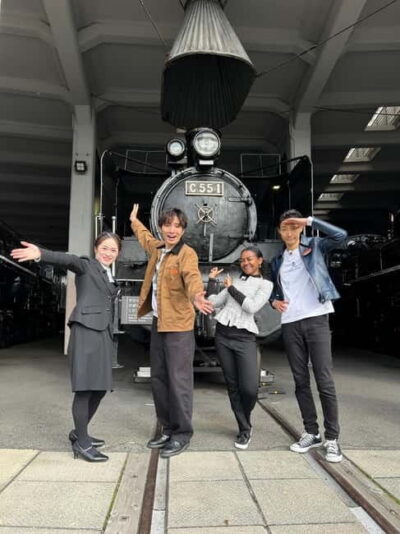

Arashiyama Tour with optional Sagano Romantic Train
Read our review →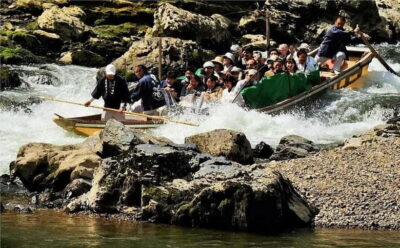
Kyoto Hozugawa River Boat Sagano Romantic Train Tour
Read our review →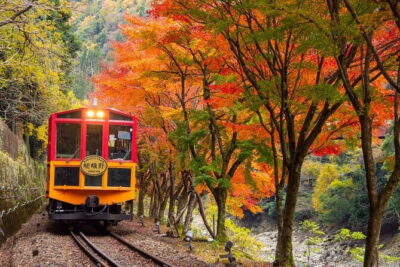
Kyoto Sagano Romantic Train in Arashiyama Bus Tour
Read our review →
Private Day Trip To Hiroshima from Kyoto or Osaka by Bullet Train
Read our review →Browse the lists this tour appears in