
REVIEW · USA
Self-Guided Boston’s Beacon Hill Underground Railroad Audio Tour Walking Tour
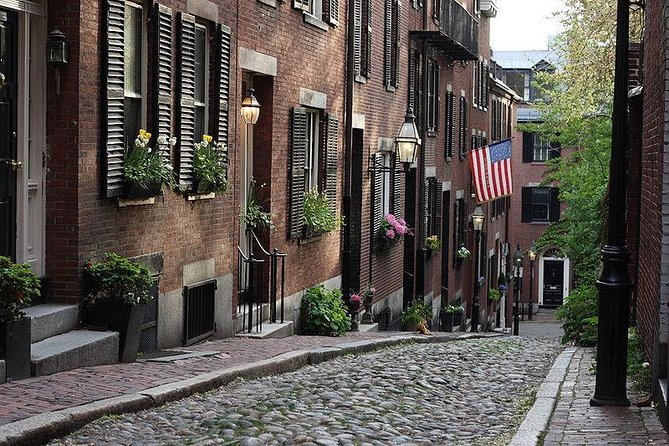
Beacon Hill’s brick streets conceal a powerful story: this was a working network of homes, churches, schools, boarding houses, and businesses that helped people escape slavery. This phone-guided walk brings that network into focus, stopping at places linked to John J. Smith, Lewis Hayden, Leonard Grimes, John Coburn, and other Black abolitionists.
I like the location-aware audio format, which lets you walk at your own pace, pause the narration, and return to extra details when you have time. I also like the theatrical presentation, with several voices bringing the people and risks of the Underground Railroad to life. The main caution is practical: some people have found the app instructions and route recovery confusing, so download and activate everything before you reach the starting point.
Key points to know before you go
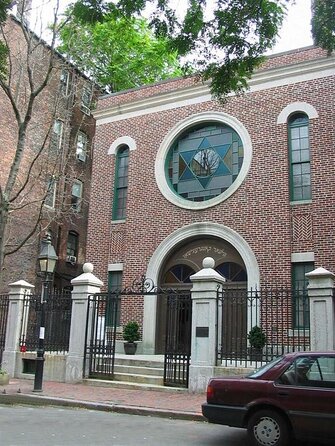
- The route connects nine important sites in Beacon Hill, including abolitionist homes, a former integrated school, the Vilna Shul, and the African American Meeting House.
- The tour takes about 45 to 55 minutes, though stopping for extra audio and photos can make it longer.
- You control the pace, with the ability to pause, rewind, and explore optional extra information.
- The walk includes hills and city streets, so comfortable shoes, water, and weather-appropriate clothing matter.
- The narration is in English only, with a mix of voices and dramatized storytelling.
- The price is $9.75 per person, a reasonable cost for a private, self-paced experience if the app works properly for you.
Why Beacon Hill is the right place for this story
The Underground Railroad was not a train line, and there was no single road leading north. It was a loose, dangerous network of people who offered food, shelter, money, information, transportation, and legal help to those fleeing slavery.
Beacon Hill is a useful place to understand that system because the story is tied to actual houses and institutions. Instead of hearing only broad facts about abolition, you move from one address to another and see how ordinary buildings became part of an organized resistance.
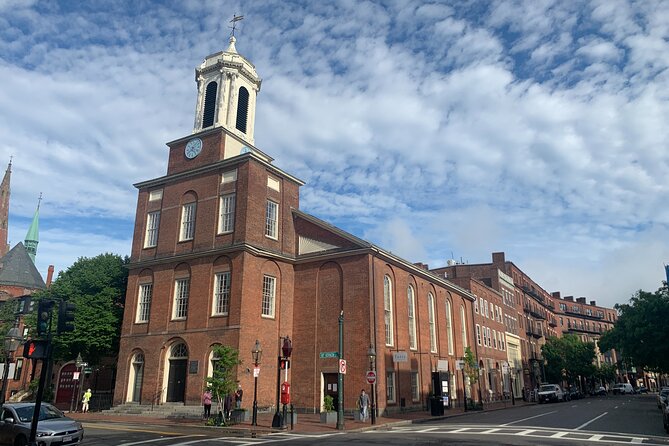
The walk begins at the Charles Street Meeting House, at 70 Charles Street. From there, the route works through the Beacon Hill streets and ends at 46 Joy Street, home of the African American Meeting House, the oldest surviving Black church building in the United States.
That beginning and ending give the tour a clear shape. You start near a major religious and civic landmark, then finish at a building that served as a center of Black community life and abolitionist work.
More Walking Tours in the USA:
- NYC: History of Slavery & Underground Railroad Walking Tour
★ 4.7 · 87 reviews - New York City: Roosevelt Island Walking Tour with Tram Ride
★ 4.6 · 12 reviews - Hollywood, DTLA and Santa Monica Full-Day Walking and Metro Tour
★ 4.5 · 11 reviews
How the audio tour works
This is not a traditional walking tour with a person leading your group. You use your phone and the WalknTours app to access narration, directions, photographs, and additional material.
The GPS feature is meant to trigger the appropriate story as you reach each location. You can stop when you want, replay a section, or take more time at a site. That freedom is particularly useful if you are traveling with family members who walk at different speeds or if you want to pause for photographs.
The extra information is one of the better features. After hearing the main story, you can select an option to learn more about a person or event. This gives you a choice: keep moving for a concise walk, or spend longer with the people behind the places.
The weak point is the technology. You need to find the View Ticket button in your booking details, follow the instructions for downloading the app, and enter the correct experience code. Several codes and confirmation messages can make the setup feel less obvious than it should.
I recommend completing the download and activation before leaving your hotel or lodging. Do not wait until you are standing on Charles Street in cold or wet weather trying to make the app work. Once it is operating, the route is much easier to manage.
John J. Smith House and the first working network
One early stop introduces John J. Smith and his role as a station keeper on the Underground Railroad. The important point here is that the network depended on people who were willing to make their homes available, often at great personal risk.
The narration explains how the system operated and how people moved from one safe place to another. This helps correct the common image of the Underground Railroad as a secret tunnel or fixed route. The real system relied on trust, quick decisions, coded communication, and brave local support.
At a house such as this, the story becomes personal. You are not simply hearing that Boston aided freedom seekers. You are learning about a particular person, a particular address, and the danger that came with helping someone escape slavery.
The street setting also reminds you that these were homes in an active neighborhood, not isolated stations in the countryside. The work happened close to other residents, authorities, businesses, and churches.
Harriet Tubman, John Sweat Rock, and Black achievement
The route next brings Harriet Tubman into the story before continuing to 83 Phillips Street, the former home of John Sweat Rock.
Tubman needs little introduction, but the audio format places her within a wider network of Black activists and abolitionists. Her story is not treated as a solitary adventure. Instead, you hear how individual freedom fighters depended on communities and supporters.
John Sweat Rock’s home offers a different angle. His many firsts in American history show that Boston’s Black community was involved in much more than escape assistance. The stop connects the Underground Railroad to education, professional achievement, public life, and the long fight for equal rights.
This is one of the tour’s strengths. You get names and addresses rather than a general lesson that could take place anywhere. The physical route gives you a sense of how close these people and institutions were to one another.
More Self-Guided Trips in the USA:
- Juneau: Mount Roberts Tram Ride with App and Map
★ 3.9 · 5 reviews - Electric Bike and Train Self Guided Tour of North San Diego Coast
★ 5.0 · 2 reviews - From Cairns: Self-Guided Kuranda Trip with Train and Skyrail
★ 4.6 · 3,392 reviews - Lisbon: Tram 28 Entry Ticket & Audio Guide with 24-Hour Pass
★ 4.0 · 930 reviews
Lewis Hayden’s home and the risks of station keeping
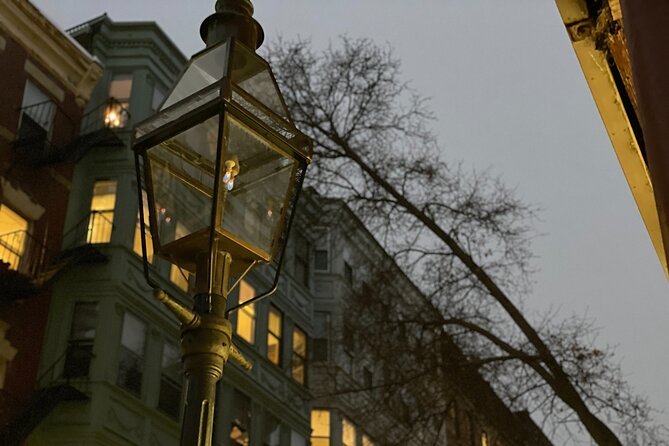
The home of Lewis Hayden is one of the most important stops. Hayden served as a station master and helped many people fleeing slavery.
The audio focuses on his courage and the work carried out from this Beacon Hill house. It is worth pausing here instead of rushing to the next location. The value of this stop lies in the contrast between the quiet residential street you see today and the danger attached to the same address in the 19th century.
A station keeper had to protect people while avoiding detection. That meant dealing with secrecy, law enforcement, hostile individuals, and the threat of punishment. The tour makes the Underground Railroad feel like a chain of difficult choices rather than a tidy sequence of successful escapes.
The story also gives the neighborhood moral weight. Beacon Hill was not merely a pretty historic district. It was a place where residents took public and private risks over slavery and freedom.
Leonard Grimes and the idea of a conductor
Another stop was once the home of Leonard Grimes, a conductor on the Underground Railroad.
The word conductor can sound almost formal, but the job involved guiding people through a dangerous process. The audio helps explain the human role behind the title. A conductor might transport or direct freedom seekers, connect them with safe houses, and help them reach the next stage of their journey.
This stop works well as part of the larger route because it shows that several types of participants were needed. Some opened their homes. Some moved people. Others raised money, offered legal support, taught children, or provided religious and political leadership.
You can expect the narration to keep returning to that networked structure. No single person could have done the work alone.
The Old Temperance Boarding House
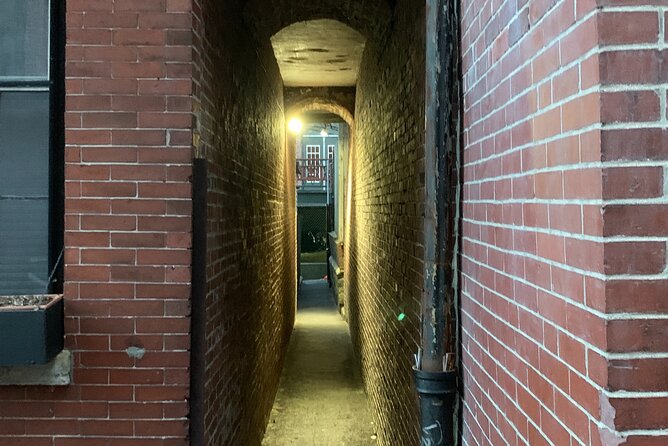
The Old Temperance Boarding House was another stop on the Underground Railroad. Its inclusion widens the story beyond private houses.
A boarding house could provide a temporary place to stay and a setting where people came and went without attracting the same attention as a private family residence. The stop encourages you to think about the practical side of escape: people needed a bed, a meal, directions, clothing, and time to plan the next move.
This is also where the walk’s street-level approach pays off. You can look at the building or site and consider how an ordinary lodging place might become part of a secret operation.
The tour does not require you to enter every property. Much of the experience takes place from public streets, so you should expect to view the sites from outside.
The Phillips School and Boston’s education battle
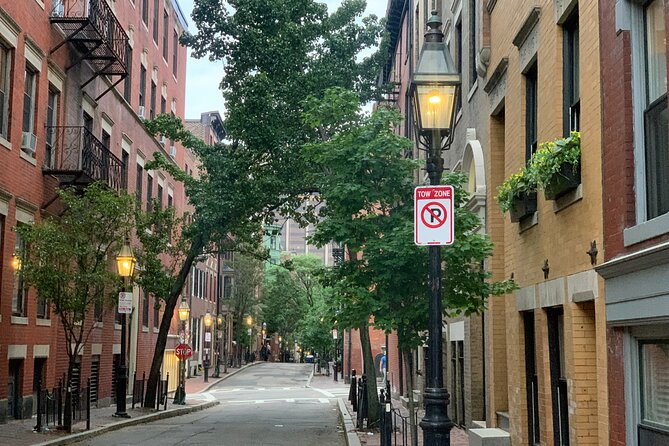
The route passes the former site of the Phillips School, described as Boston’s first integrated school. It also had the first African American teacher to teach at an integrated school.
This stop adds education to the story. The struggle for freedom did not end with helping someone leave slavery. Black Bostonians also fought over who could attend school, who could teach, and whether public institutions would treat children equally.
For families, this may be one of the most useful stops because it connects the past to a place children can understand: a school. The audio gives the site a human and civic meaning that is easy to miss when you are simply walking through Beacon Hill.
The building itself is not necessarily the visual highlight of the walk, and the former school site may require imagination. That is true of several stops. You are often standing at a historical address rather than entering a preserved interior.
The Vilna Shul and Jewish assistance
The tour passes the Vilna Shul, the oldest immigrant synagogue in Boston, and explains how members of the Jewish community helped with the Underground Railroad.
This is a valuable part of the route because it shows cooperation across communities. Opposition to slavery was not limited to one church, one neighborhood, or one ethnic group. Assistance could come from people whose own families had arrived in America under very different circumstances.
The Vilna Shul also gives the walk a broader Boston setting. Beacon Hill was home to multiple immigrant and religious communities, and those groups could contribute to abolitionist activity in different ways.
You may want to slow down here. The synagogue adds another layer to the walk, but the site is also part of a separate story about Jewish immigration and community life in Boston.
John Coburn’s home and gaming house
The next stop was once the home and gaming house of John Coburn, another station master.
This is a memorable detail because it avoids making abolitionists seem like a single type of person. Coburn’s business and his Underground Railroad work existed side by side. The stop suggests how freedom work could be woven into everyday economic and social life.
A gaming house may sound surprising in a tour about abolition. That is precisely why it is useful. History is full of people whose lives do not fit a simple category. Coburn was not only a name in an abolitionist textbook. He was also a local businessman with a place where people gathered.
The location helps you picture how information, contacts, and support could circulate through a neighborhood.
Charles Sumner’s birthplace and the wider abolitionist movement
The tour also stops by the birthplace of Charles Sumner, the well-known abolitionist and politician.
Sumner’s inclusion links neighborhood activism to national politics. The Underground Railroad depended on people who offered direct help, but the broader fight against slavery also required speeches, laws, court cases, newspapers, and political pressure.
This is a good point in the route to think about the difference between immediate aid and public reform. A person hiding someone from capture was taking one kind of action. An abolitionist politician challenging slavery in public was taking another. Both forms of resistance mattered.
The stop gives the tour a wider frame without losing its focus on Beacon Hill.
Ending at the African American Meeting House
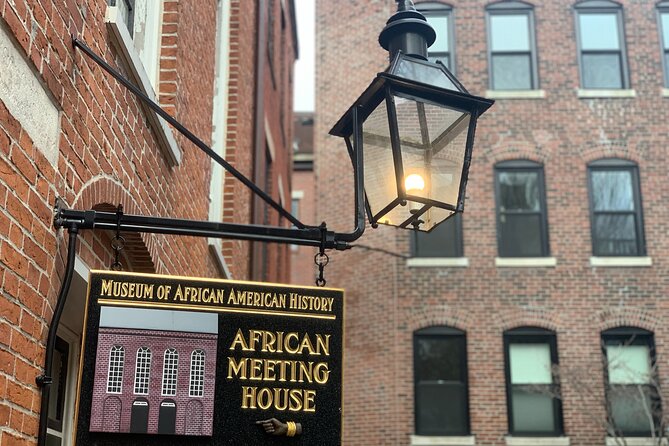
The final stop is the African American Meeting House at 46 Joy Street.
Ending here is more meaningful than finishing at an arbitrary corner. The building is the oldest surviving Black church building in America, and it served as a major center for Boston’s Black community. The end point brings together the themes of worship, education, abolition, organizing, and community protection.
The tour’s endpoint also gives you a chance to sit with the story rather than simply moving on to another attraction. If the building is open or you plan to visit it separately, check its arrangements independently, since this audio walk primarily guides you around the historic sites.
The route does not replace a museum visit or a formal lecture. Its strength is different: it lets you connect several addresses on foot and understand how close the people and institutions were.
Timing, hills, and the best way to walk it
The stated walking time is about 45 to 55 minutes. That is a reasonable estimate for the basic route, but optional extra content, photographs, wrong turns, and pauses can add time.
Beacon Hill includes hills, and you should wear comfortable shoes. Bring water and consider a snack, especially in warm weather. The route is available throughout the day and night according to the listed hours, so you can choose a time that fits your schedule.
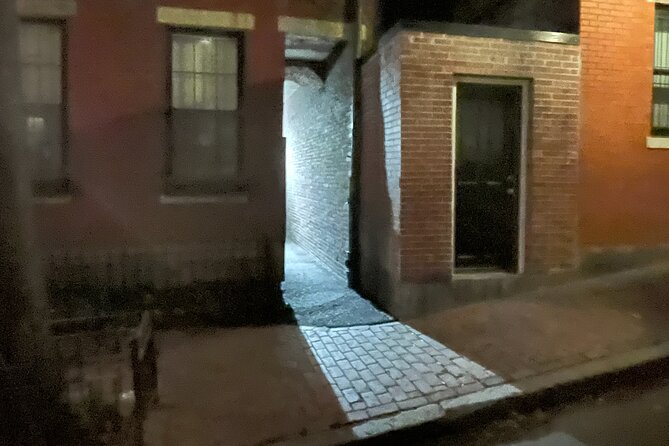
One person found that taking the walk at night added to the mood. That may appeal to you, but daylight is the safer choice if you want to read addresses, confirm landmarks, and keep the route easy to follow.
The walk is private in the sense that only your group participates. You are not joining a scheduled crowd or matching a guide’s pace. Most people can take part, service animals are allowed, and the starting point is near public transportation.
What $9.75 gets you
At $9.75 per person, this is priced below many live walking tours. You are paying for a narrated route, location-aware directions, photographs, and extra information rather than a person physically leading you.
That is good value if you want privacy and control. A family can pause for a child, friends can stop for photos, and a solo visitor can move at a comfortable speed. The ability to replay the narration also means you do not lose information because someone in your group was distracted.
The value drops sharply if the app will not activate. The most serious negative experience with this tour involved codes, missing instructions, and a failed attempt to start the walk in cold weather. That problem appears avoidable if you use the View Ticket instructions and set up the app before arriving, but it remains the main risk.
For comparison, Boston’s National Park Service offers free historical material. This paid walk makes its case through its route, dramatized narration, GPS features, and stops that may not be covered in the same way by a basic free tour.
Who should take this tour
I would recommend it most to people who want a focused introduction to Black history in Boston and prefer to explore independently.
It suits:
- Families who want the freedom to pause and discuss each stop.
- Friends who do not want to join a fixed group.
- Solo visitors who enjoy audio tours and walking at their own pace.
- History-minded visitors who want specific people and addresses.
- People with a flexible schedule who may prefer an evening walk.
It is less suitable if you want a live guide, a long historical lecture, or a tour in another language. The experience is offered in English only. It also may frustrate anyone who dislikes phone-based tours or has unreliable mobile access.
My verdict
Book this Beacon Hill walk if you want a low-cost, self-paced way to connect Boston’s Underground Railroad story with real streets and buildings. The strongest features are the moving narration, the variety of voices, the optional extra material, and the route’s focus on lesser-known Black abolitionists and community helpers.
Before you go, activate the app, confirm the route arrow, and dress for a hilly walk. If you do that preparation, $9.75 buys a thoughtful and flexible history lesson. If you want a human guide or a completely technology-free experience, choose a conventional walking tour instead.
FAQ
How long does the Beacon Hill Underground Railroad audio tour take?
The walking portion takes approximately 45 to 55 minutes. Pausing for extra information, photographs, or route checks can make the experience longer.
Where does the tour begin?
The tour begins at the Charles Street Meeting House, located at 70 Charles Street in Boston.
Where does the tour end?
The route ends at 46 Joy Street, at the African American Meeting House.
What is the African American Meeting House?
It is the oldest surviving Black church building in America and serves as the final historic site on the walking route.
What language is the tour offered in?
The tour is offered in English.
Is this a guided group tour?
No. It is a private, self-guided activity that uses your phone, narration, photographs, and location-aware directions. Only your group participates.
Can I pause or replay the tour?
Yes. You can pause, rewind, and return to sections. The app also provides optional additional information about people and events.
Are there hills on the route?
Yes. The walk includes hills in Beacon Hill, so comfortable shoes are recommended. Bringing water and a snack is also useful.
What is the cancellation policy?
You can cancel for a full refund up to 24 hours before the experience start time. Cancellations or changes made within 24 hours are not refunded.
More Audio Tours in the USA
- Zurich: Audio Guided City Tour and Train to “Top of Zurich”
★ 4.2 · 65 reviews - Rotorua Railcruising: Self-Drive Rail Car with Audio Guide
★ 4.6 · 19 reviews - Take the U Train: An Audio Story of Berlin’s Oldest Elevated Railway Line
★ 4.0 · 2 reviews
Just added around the USA
- Virginia City Day Tour From Lake Tahoe with Train Ride★ 4.8 · 19 reviews
- Ventura: Rail Bike Guided Tour with Farm Stand Stop★ 4.1 · 18 reviews
- Winnipesaukee Scenic Railroad★ 4.5 · 7 reviews
- Walking Tour of Still’s Underground Railroad in Alexandria★ 5.0 · 9 reviews
- Laughton Glacier Hike and White Pass Rail Adventure★ 5.0 · 12 reviews
- Uncorked: Wine Fest at Verde Canyon Railroad★ 5.0 · 8 reviews
- Grand Canyon Excursion from Sedona with First Class Train Ride★ 4.5 · 47 reviews
- Snoqualmie Fall & Railway Museum 3-Hours (Private Tour)★ 5.0 · 4 reviews
USA Train Tours, compared.


Streetcar Food Tour and Findlay Market with Riverside Food Tours
Read our review →
Jackson Hole: Aerial Tram and Gondolas Sightseeing
Read our review →
Washington DC: Arlington Nat. Cemetery Ticket & Tram Tour
Read our review →
New York City Slavery and Underground Railroad Tour
Read our review →
Alaska Railroad Anchorage to Seward Round-Trip Same Day Return
Read our review →
Colorado: All Aboard the Royal Gorge Route Railroad!
Read our review →Browse the lists this tour appears in