
REVIEW · USA
NYC: History of Slavery & Underground Railroad Walking Tour
New York’s early story is not only about merchants, churches, and grand avenues. It also includes enslaved Africans, free Black New Yorkers, revolts, abolitionists, and people who risked their safety to help others escape. This 150-minute walking tour brings that history into the streets around Lower Manhattan, where ordinary-looking blocks carry difficult and important stories.
I like the visit to the African Burial Ground National Memorial, which gives the tour a quiet place for reflection rather than treating slavery as a footnote. I also like the way the walk connects large landmarks such as Wall Street and Trinity Church with former Underground Railroad locations. The main consideration is the subject matter: some accounts involve violence, kidnapping, and oppression, so this is a serious history tour, not a light sightseeing stroll.
Key points at a glance
- The African Burial Ground comes first: Begin at an archaeological site and memorial honoring enslaved Africans in colonial America.
- Lower Manhattan gets a new meaning: See Fraunces Tavern, Trinity Church, Wall Street, and other landmarks through African American history.
- The Underground Railroad becomes practical: Learn how secret routes, safe houses, and trusted contacts helped people reach free states and Canada.
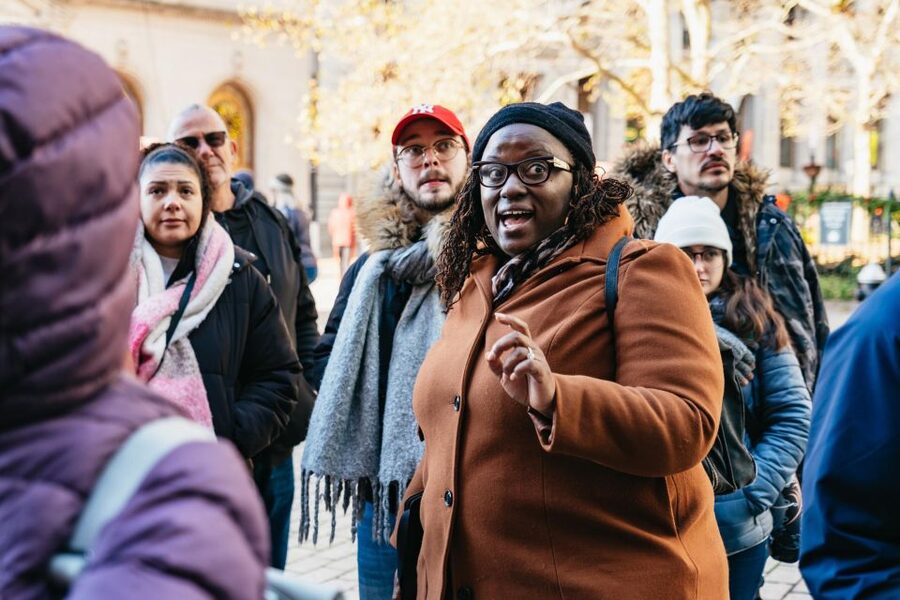
- Guides make the difference: Past tours have been led by Maia, Maya, Sean, Shaun, Ludie, Loudy, and Damaras, though your guide may differ.
- Expect a thoughtful pace: The tour includes walking and standing, but one past participant described the amount of walking as manageable.
- Good value for history-minded visitors: At $49, you receive a 150-minute guided experience with a licensed New York guide.
Starting at the African Burial Ground
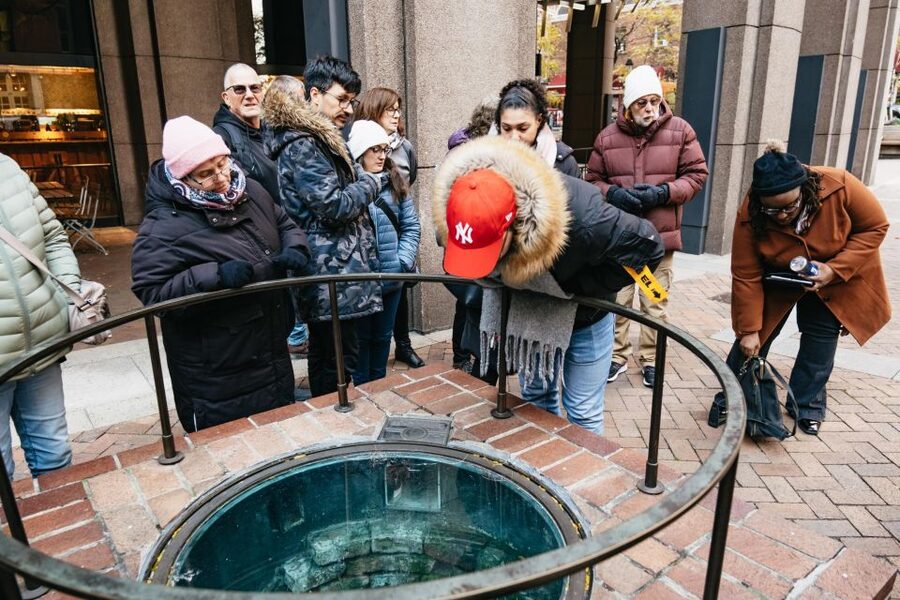
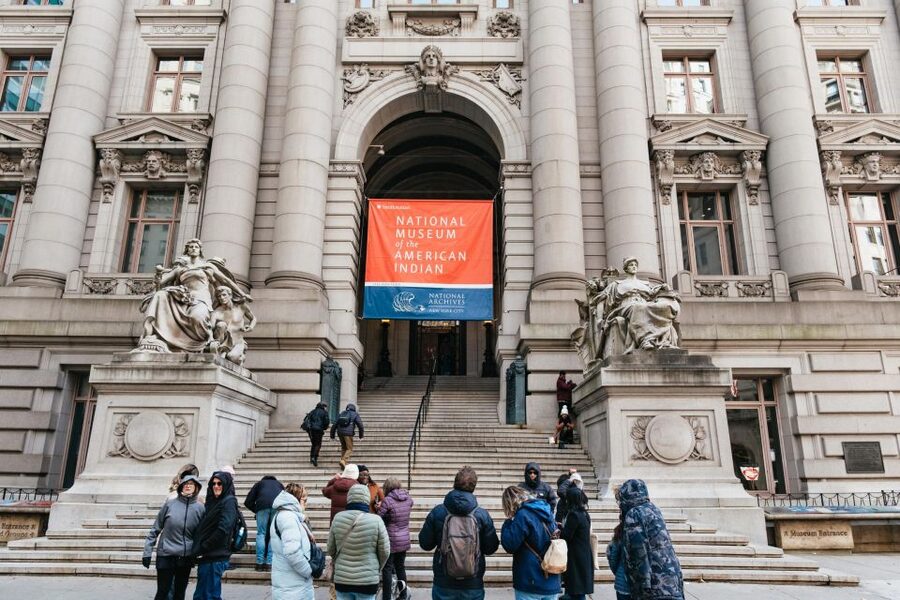
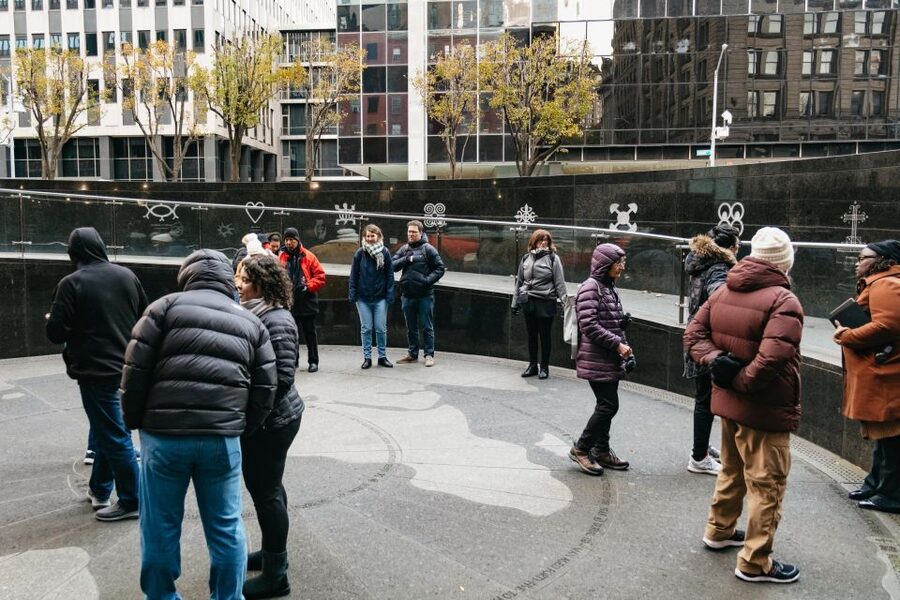
Meet in front of the American Indian Museum, then begin at the African Burial Ground National Memorial. This is an important choice for the opening of the tour. Instead of beginning with a general introduction to Manhattan, you start with a place tied directly to the lives and deaths of enslaved Africans in colonial America.
The memorial and archaeological site create a pause before the walking begins. You are not simply hearing dates while moving from one photo stop to the next. You are being asked to consider the people whose labor helped build the early city and whose burial place remained out of public view for generations.
The exact presentation depends on your guide. Maia and Maya have led tours praised for connecting the formation of New Amsterdam with later African American history. That wider frame matters because slavery in New York was not an isolated Southern story. The tour explains how enslaved people were part of the city from its earliest period and how their work, resistance, and family lives shaped New York.
Give yourself time to listen here. The memorial is one of the most meaningful stops, and the subject deserves more attention than a quick photograph. Comfortable shoes are still useful, but this opening section is also a chance to slow down.
More History Trips in the USA:
- Fairbanks: Gold Dredge 8 Historic Train Tour
★ 4.7 · 219 reviews - Boston: Underground Railroad History Tour of Beacon Hill
★ 5.0 · 141 reviews - Sedona, AZ: Grand Canyon Guided Tour and Historic Railway
★ 4.6 · 122 reviews
New Amsterdam and the foundations of New York
The tour places African American history near the beginning of New York’s story. You learn about slavery under Dutch and later English control, as well as the lives of free and enslaved Black people in the growing city.
This part helps correct a common assumption that slavery belongs only to plantations far from New York. The city was a commercial center, and its growth was tied to labor, trade, property, and political systems that included slavery. You also hear about resistance and uprisings, showing that enslaved people were never passive figures in the story.
One of the tour’s strengths is its attention to people rather than only institutions. Guides explain revolts, kidnappings, escapes, and acts of assistance. The result is a more human account of the period, with fear and courage placed side by side.
That approach has made this tour useful even for lifelong New Yorkers. Several past participants grew up in the city yet found that familiar streets took on a different meaning once the guide explained what had happened there. If you already know Lower Manhattan, you may get more from this walk than from another broad overview of colonial New York.
Fraunces Tavern, Trinity Church, and Wall Street
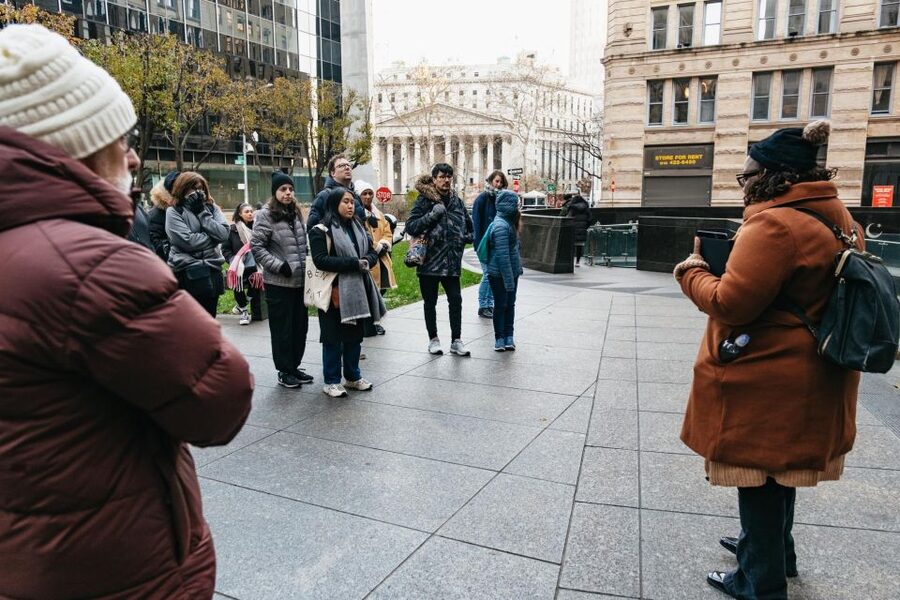
The route includes some of Lower Manhattan’s best-known sights, including Fraunces Tavern, Trinity Church, and Wall Street. These stops are valuable because they place African American history beside the buildings most visitors already plan to see.
Fraunces Tavern is associated with early New York and the revolutionary period. Trinity Church represents one of the city’s most recognizable historic institutions. Wall Street brings the tour into the center of finance and commerce. As you move among these places, the guide explains how Black New Yorkers lived and worked within the same city that produced famous merchants, politicians, and religious leaders.
Do not expect each landmark to function like a traditional interior visit. The focus is the history connected with the site, not a long architectural tour. Depending on the group and the guide, you may spend more time listening outdoors or in sheltered areas than entering buildings.
That is a practical point for planning. The tour is about streets, locations, and stories, so weather matters. One past group completed the walk in rain because the guide delivered much of the information under shelter. Still, wear weather-appropriate clothing and shoes that can handle about two and a half hours of walking and standing.
Finding the Underground Railroad in Lower Manhattan
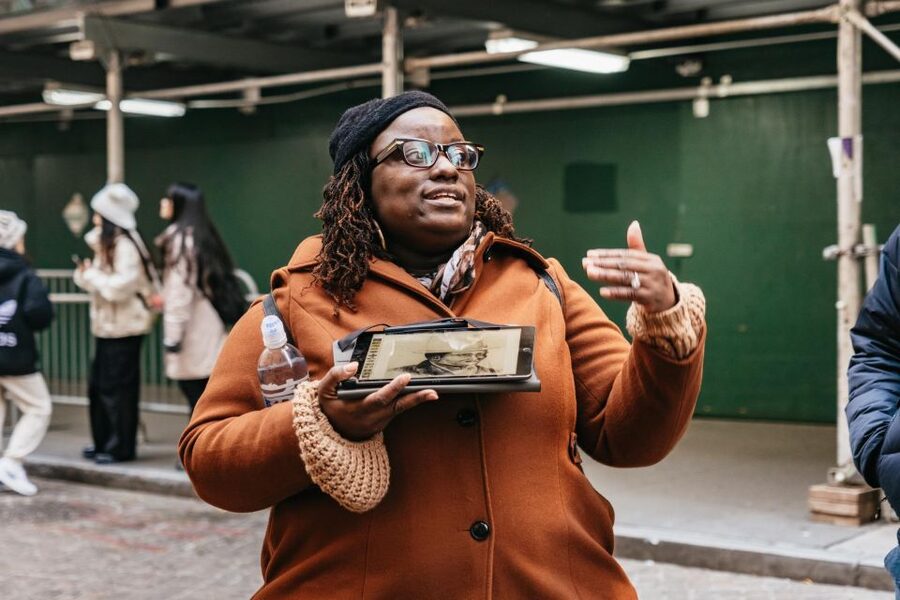
The Underground Railroad was not a literal railway, and this tour makes that clear. It was a loose network of people, secret routes, safe houses, and trusted contacts. Enslaved African Americans used these networks to seek freedom in northern states and, in some cases, Canada.
The Lower Manhattan stops show how this system depended on secrecy. A former station may look unremarkable today, but the guide uses the location to explain the risks involved. A person escaping slavery could face capture, kidnapping, violence, or betrayal. Anyone offering food, shelter, directions, or transport could also put their own life and property at risk.
This is where the walk becomes especially effective. You are not only told that the Underground Railroad existed. You learn how it operated and why it required cooperation. The guide also covers the abolitionist movement and the people who helped others reach safety.
The stories focus on real New Yorkers who made difficult choices. Some risked their property. Others used their local connections or personal courage. The tour presents these acts as part of a wider struggle, not as isolated tales of individual heroism.
You should expect serious material here. The walk includes revolts, kidnappings, and dramatic escapes. It also addresses the long effects of slavery and the fight for abolition. The guides have been praised for handling these subjects with empathy, directness, and room for questions.
More Walking Tours in the USA:
- Self-Guided Boston’s Beacon Hill Underground Railroad Audio Tour Walking Tour
★ 4.5 · 29 reviews - New York City: Roosevelt Island Walking Tour with Tram Ride
★ 4.6 · 12 reviews - Hollywood, DTLA and Santa Monica Full-Day Walking and Metro Tour
★ 4.5 · 11 reviews - Walking Tour of Still’s Underground Railroad in Alexandria
★ 5.0 · 9 reviews
Why the guide matters so much
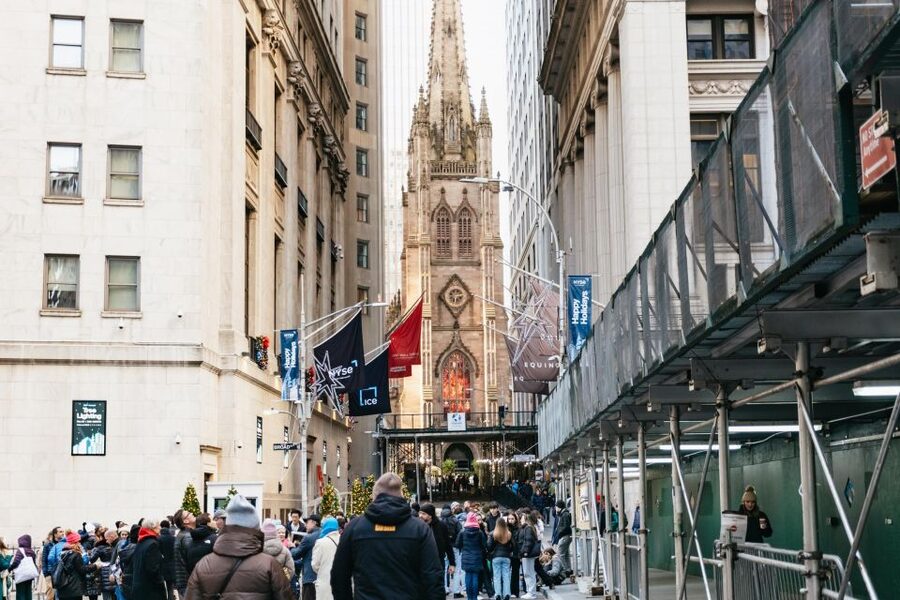
This is a guide-led experience, and the quality of the storytelling shapes the entire afternoon. Past guides have included Maia, Maya, Sean, Shaun, Ludie, Loudy, and Damaras. Your guide may be someone else, but the strongest descriptions of the experience point to clear explanations, thoughtful answers, and a willingness to discuss difficult questions.
Sean and Shaun were praised for answering a wide range of questions and sharing stories in an engaging way. Ludie was singled out for an excellent presentation, while Maia was praised for linking the early formation of New Amsterdam with the African Burial Ground. Damaras was remembered for being kind, patient, and able to respond to awkward questions without losing warmth.
That last point is important. A tour about slavery can become either too guarded or too theatrical. The best version is neither. You want a guide who names the injustice plainly, gives proper attention to Black resistance and achievement, and lets you think about the material without turning the walk into a lecture from a distance.
The format also allows some conversation. Past groups have been small enough at times to feel intimate, though the size of your group is not specified. You can ask questions, and the guide may use thought-provoking prompts to connect colonial history with later events and modern New York.
How much walking and standing to expect
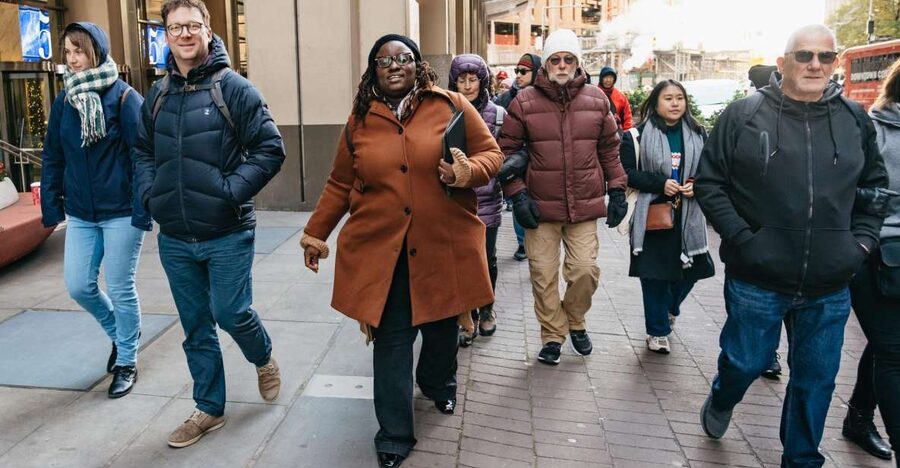
The experience lasts 150 minutes, or two and a half hours. It is a walking tour, but the amount of walking is not described as extreme. One past participant specifically found that there was walking but not a lot of it.
Still, you should plan for repeated movement between outdoor stops, periods of standing, and city conditions. Comfortable shoes are listed as essential. On a warm day, bring water even though it is not specifically listed among the required items. In rain or cold, clothing that keeps you comfortable will help you focus on the stories rather than the weather.
The route moves through a busy part of Manhattan, so this is not a silent memorial visit from beginning to end. You will hear city noise and encounter normal street activity. That contrast can be useful: the history is not sealed away in a museum. It sits beneath the daily life of Lower Manhattan.
Is $49 a fair price?
The cost is $49 per person. For that price, you receive a 150-minute walk led by a licensed New York tour guide. There is no hotel pickup or drop-off, so you need to reach the meeting point in front of the American Indian Museum on your own.
I see the value in the length and focus. A standard sightseeing walk might point out Wall Street and Trinity Church, then move on. This tour spends its time explaining the people and systems that are often left out of a basic city introduction. You also visit the African Burial Ground National Memorial and former Underground Railroad locations, which gives the tour a clear purpose beyond general sightseeing.
The value depends on your interests. If you want a quick list of famous buildings, $49 may feel high for a walk centered on one subject. If you want to understand how slavery, resistance, abolition, and Black life shaped New York, the price is reasonable for two and a half hours of guided interpretation.
The tour also offers free cancellation up to 24 hours before the start time and a reserve now, pay later option. Those policies make it easier to fit the walk into a changing New York schedule, but the main practical expense remains your own transport to the meeting point.
Who should book this walk?
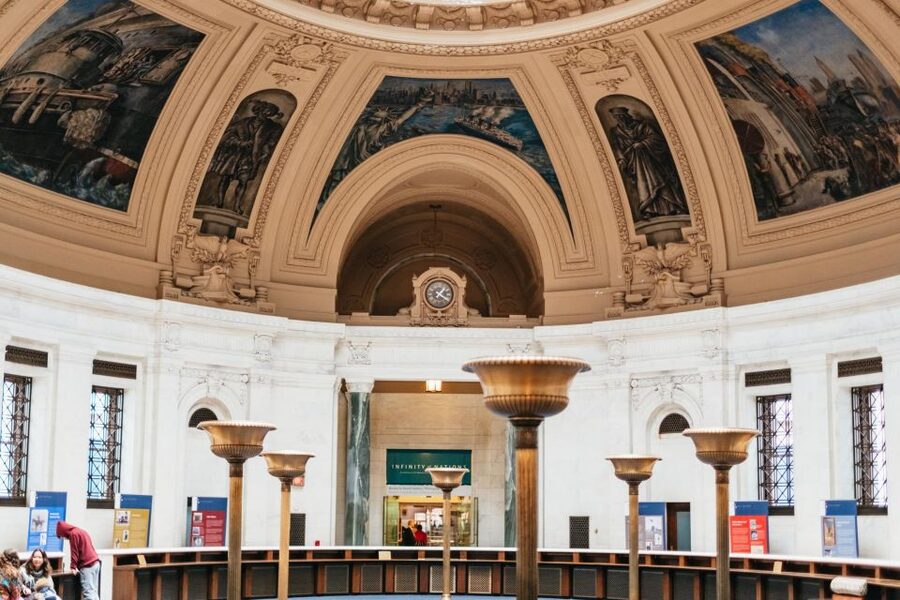
I would recommend it to first-time visitors who want more than the usual Lower Manhattan route. It also suits people who already know New York but have not studied the city’s African American past. The comments from lifelong New Yorkers show how much material can remain outside the standard school and sightseeing story.
It is a good choice for families with older children and teenagers who can engage with difficult history, though the supplied information does not set a minimum age. It also works well for visitors interested in abolition, the Underground Railroad, colonial New York, or the links between public landmarks and overlooked communities.
You should think twice if you want a relaxed architecture walk, a food tour, or a mostly indoor activity. The subject is emotionally demanding, and the walk takes place outdoors. You will get the most from it if you come ready to listen, ask respectful questions, and consider how historical systems shaped the city you see today.
Practical advice before you go
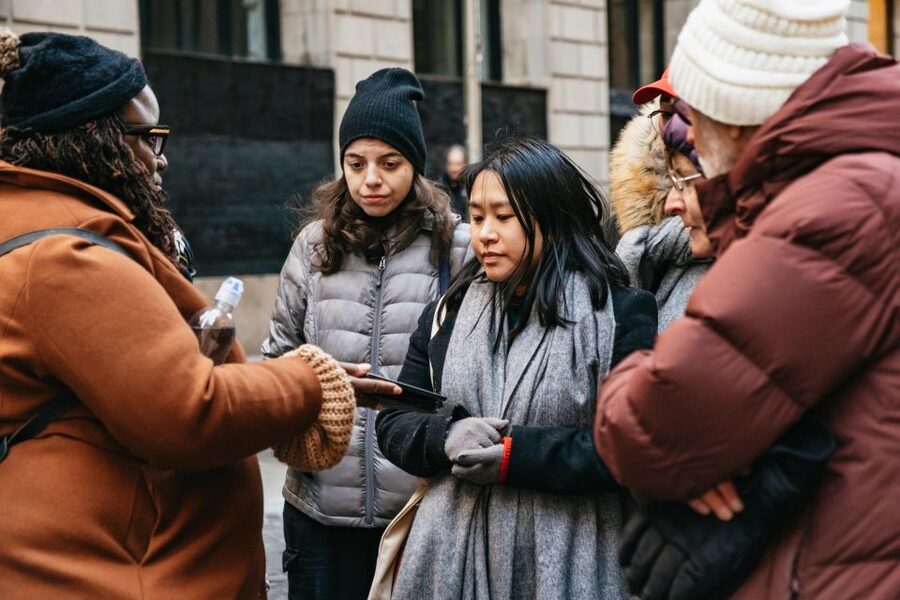
Wear comfortable shoes and check the forecast before leaving. The route includes walking between several locations, and you may stand while the guide speaks.
Arrive with enough time to find the American Indian Museum meeting point. Hotel pickup is not included. The tour is conducted in English with a live guide.
Keep the afternoon open for the full 150 minutes. Past guides have sometimes added useful stories while the group moved between stops, so the value is not limited to the headline landmarks.
If you use a booking app, check the current start time and cancellation terms before confirming. The activity allows cancellation up to 24 hours in advance for a full refund, and payment can be deferred when that option is available.
Should you book it?
Book this tour if you want to see Lower Manhattan through the experiences of enslaved and free Black New Yorkers, not only through the usual colonial and financial landmarks. The African Burial Ground, Underground Railroad sites, and personal stories give the walk a clear purpose, while guides such as Maia, Sean, Ludie, and Damaras have helped make the subject accessible and human.
Skip it if you are looking for light entertainment or a short sightseeing loop. For everyone else, $49 buys a serious, focused history lesson in the places where the story happened. It is especially worthwhile for lifelong New Yorkers and repeat visitors who want to understand what familiar streets have left out.
FAQ
Where does the tour meet?
The meeting point is in front of the American Indian Museum in New York City.
How long is the tour?
The tour lasts 150 minutes, or two and a half hours.
How much does the tour cost?
The price is $49 per person.
What language is the tour conducted in?
The live guided tour is conducted in English.
Is hotel pickup included?
No. Hotel pickup and drop-off are not included.
What sights are included?
The walk includes the African Burial Ground National Memorial, Fraunces Tavern, Trinity Church, Wall Street, and former Underground Railroad locations.
What is the African Burial Ground National Memorial?
It is an archaeological site and memorial dedicated to enslaved Africans in colonial America. The tour visits the site to honor those who perished and explain its place in New York’s history.
Does the tour explain how the Underground Railroad worked?
Yes. The guide explains its secret routes, safe houses, and networks of people who helped enslaved African Americans reach free states and Canada.
What should I bring?
Bring comfortable shoes and clothing suited to the weather.
Can I cancel for a full refund?
Yes. You can cancel up to 24 hours in advance for a full refund. A reserve now, pay later option is also available.
Just added around the USA
- Virginia City Day Tour From Lake Tahoe with Train Ride★ 4.8 · 19 reviews
- Ventura: Rail Bike Guided Tour with Farm Stand Stop★ 4.1 · 18 reviews
- Winnipesaukee Scenic Railroad★ 4.5 · 7 reviews
- Walking Tour of Still’s Underground Railroad in Alexandria★ 5.0 · 9 reviews
- Laughton Glacier Hike and White Pass Rail Adventure★ 5.0 · 12 reviews
- Uncorked: Wine Fest at Verde Canyon Railroad★ 5.0 · 8 reviews
- Grand Canyon Excursion from Sedona with First Class Train Ride★ 4.5 · 47 reviews
- Snoqualmie Fall & Railway Museum 3-Hours (Private Tour)★ 5.0 · 4 reviews
USA Train Tours, compared.

Streetcar Food Tour and Findlay Market with Riverside Food Tours
Read our review →
Jackson Hole: Aerial Tram and Gondolas Sightseeing
Read our review →
Washington DC: Arlington Nat. Cemetery Ticket & Tram Tour
Read our review →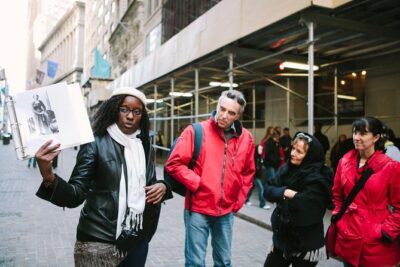
New York City Slavery and Underground Railroad Tour
Read our review →
Alaska Railroad Anchorage to Seward Round-Trip Same Day Return
Read our review →
Colorado: All Aboard the Royal Gorge Route Railroad!
Read our review →Browse the lists this tour appears in