
REVIEW · JAPAN
Shared Nagasaki Half-Day Sightseeing Tour for shore excursion
Nagasaki’s story is best understood in contrasts: the solemn ground of Peace Park and the Atomic Bomb Museum, followed by old stone bridges, Western-style houses, and harbor views. This four-hour shore excursion links those key sights by local tram, so you see more than you could on foot from the port.
I like the small group of four to eight people, which should make it easier to hear the English-speaking guide and ask questions. I also like the included one-day tram pass, since riding with local commuters adds a real sense of place and saves you from sorting out Nagasaki’s streetcar system on your own. The main catch is pace: the tour packs in four major stops, and crowded, hot trams plus stairs and steep hills can wear you down.
Key points to know before booking
- The Atomic Bomb Museum and Peace Park come first, giving the tour a serious and emotional opening.
- A one-day tram pass is included, and the tram is the main way to move between parts of Nagasaki.
- The group is limited to 4 to 8 people, a useful balance between price and personal attention.
- The tour begins about two hours after your ship’s scheduled arrival, not immediately after docking.
- Glover Garden is the final stop, and you walk downhill to Matsugae Port yourself afterward.
- The route requires moderate fitness, with stairs, steep slopes, and plenty of walking.
Nagasaki in four carefully packed hours
At $91.05 per person, this is not a bargain-basement outing, but it covers round-trip transportation, admission fees for the Atomic Bomb Museum and Glover Garden, an English-speaking guide, and the tram pass. The real value is time. From a cruise ship, you have only a short window ashore, and this route connects the city’s major sights without asking you to plan every tram ride yourself.
The group size matters. With four to eight people, you get the social feel of a shared excursion without being folded into a large coach group. The tradeoff is that the schedule is fixed. You cannot linger for an hour at the museum or spend extra time taking harbor photographs at Glover Garden.
The tour is set for about four hours, generally from 9:00 a.m. to 1:00 p.m. for the stated operating period. It begins roughly two hours after your ship’s scheduled arrival, so check the timing against your actual port schedule. The operator requires at least four participants, and the tour can be canceled if that number is not reached four days before departure.
More Shore Excursions in Japan:
- From La Spezia: Shore Excursion to Cinque Terre by Train
★ 4.0 · 959 reviews - Dublin: Cruise Excursion Hop-On Hop-Off Tour & Rail Ticket
★ 4.3 · 101 reviews - Dublin Cruise Ship Shore Excursion|Hop-on Hop-off & Rail Transfer
★ 4.0 · 90 reviews
Finding the start at Matsugae Port
The meeting point is the statue of Dr. Sun Yat-sen, Umeya Shōkichi, and Toku at 7-1 Matsugaemachi. This is near Matsugae Port, but do not assume a map pin will guide you perfectly. One person had trouble locating the guide because the Google Maps coordinates were inaccurate.
I would arrive early, keep the meeting-point description handy, and ask port staff for directions if needed. The provided information does not name the guide in advance, so you should not expect to meet a particular person by name. Look for the tour representative and fellow cruise passengers near the stated statue.
The tour is built around local streetcars and walking, not a private vehicle. That is part of its appeal, but it also means the route depends on normal city transit conditions. Trams can become crowded and hot, especially as the morning goes on.
Peace Park and the first look at Nagasaki’s past
Nagasaki Peace Park is the first major stop and lasts about 30 minutes. Its central statue presents a figure with the right hand pointing toward heaven, symbolizing the atomic bomb victims and a wish for lasting peace. The image is meant to express both divine love and Buddhist mercy.
This stop gives you space to take in the purpose of the memorial before entering the museum. The 30-minute visit is enough for the main monument and the guide’s explanation, but it is not a long, quiet park visit. If you prefer to read every plaque or walk through the grounds slowly, the schedule may feel tight.
The tone here is quiet and reflective. I appreciate that the tour does not treat Nagasaki as only a picturesque port city. Starting with Peace Park gives the rest of the day a necessary context.
The Atomic Bomb Museum is powerful and difficult
The Atomic Bomb Museum receives about 30 minutes. Its displays cover the bombing, the destruction of Nagasaki, the city’s rebuilding, the development of nuclear weapons, and the continuing wish for a world without them.
You should prepare for an emotional visit. The museum deals directly with suffering and loss, and the material can be difficult to see. That seriousness is not a flaw, but it is important to know before booking. This is not a light sightseeing stop that you can casually fit between shopping and photographs.
Thirty minutes allows a focused introduction, especially with a guide pointing out what matters most. It does not allow a leisurely look at every display. I would stay close to the guide at the start, then use any remaining time for the sections most important to you.
The route may visit the museum and Peace Park in either order depending on the guide’s timing. The planned stops give you both the memorial setting and the historical displays, which work well together.
More Half-Day Trips in Japan:
- Guided Half-day Tour(PM) to Toyota Commemorative Museum & SCMAGLEV Railway Park
★ 5.0 · 3 reviews - Half-Day Railway Market and Floating Market Tour in Thailand
★ 4.5 · 3,924 reviews - Dachau Small-Group Half-Day Tour from Munich By Train
★ 5.0 · 811 reviews - From Rome: Ostia Antica Guided Half-Day Trip by Train
★ 4.8 · 486 reviews
Riding Nagasaki’s tram between the sights
The tram is more than simple transport here. It lets you move through everyday Nagasaki while seeing how the city’s different districts connect. You are not sealed inside a tour bus, and you get a practical introduction to the city’s public transit.
The included one-day tram pass covers all tram lines in the city. Since the tour itself lasts only half a day, you may have little time to use the pass after the tour, but it simplifies the morning and removes the need to buy separate tickets during the route.
There is a practical downside. The trams can become crowded and hot, and standing or moving through a busy car is less comfortable than riding in a private vehicle. You also need to stay with the group while boarding and leaving. For me, that small inconvenience is part of the authentic feel, but it may not suit someone seeking a quiet, fully seated ride.
Megane Bridge and Nagasaki’s old city
Megane Bridge, or Meganebashi, is a 30-minute stop. Built in 1634 by the Zen master Mozi Ruding of Kofukuji Temple, it is known as Japan’s first arched stone bridge. The bridge measures about 22 meters long, 3.65 meters wide, and 5.46 meters high.
Its name comes from the reflection of the two arches in the water, which can resemble a pair of spectacles. The stop is near an old commercial street, giving you a quick change of mood after the museum and memorial park.
This is a compact sightseeing stop, best suited to photographs and a short explanation of the bridge’s place in Nagasaki’s history. The 30-minute limit means you will not have much time for extended shopping or independent exploration nearby.
I like this part of the route because it shows a different Nagasaki. The morning moves from twentieth-century tragedy to an older religious and commercial district, all within the same city.
Glover Garden saves the best view for last
Glover Garden is the final stop and lasts around 30 minutes. The garden contains six restored Western-style buildings from the Meiji period, including the former Glover and Ringer houses. These buildings reflect Nagasaki’s long connection with foreign trade and the Western merchants who lived in the hillside area.
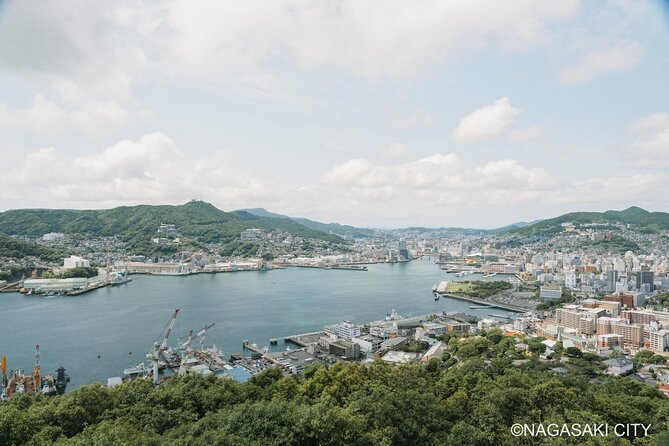
The garden is also the tour’s scenic payoff. Its elevated position looks over the harbor, and the view gives you a broad sense of Nagasaki’s setting. After the serious museum visit and the close quarters of the tram, the open outlook feels like a welcome change.
There is a logistical point you need to understand. The tour ends at Glover Garden, not back at the port. You must walk down the hill on your own and return to Matsugae Port. That descent may be simple for a fit walker, but you should allow time for it before your ship’s departure.
The garden’s hills and paths add to the physical effort. You will encounter slopes and stairs during the day, so comfortable shoes are essential. The route is manageable for someone with moderate fitness, but it is not designed for a slow, flat walk.
How much personal attention should you expect?
The tour uses a professional English-speaking guide, and the small group should make explanations easier to follow. The guide’s role is especially useful at the Peace Park and Atomic Bomb Museum, where context matters more than simply pointing out buildings.
The guide also helps with tram travel, which can be confusing if you have never used Nagasaki’s streetcars. You still need to keep pace, board promptly, and remain aware of the group’s movements.
The shared format keeps the cost below a private tour, but it limits flexibility. If one stop matters deeply to you, you probably will not be able to rearrange the route. A private option would make more sense for anyone needing slower movement, extra museum time, or special mobility arrangements.
Physical demands, heat, and timing
The tour requires a moderate level of fitness. Expect repeated walking, stairs, steep slopes, tram boarding, and time on your feet. Glover Garden sits on a hillside, and the return walk to the port is downhill.
A mobility aid may make this route difficult. The tour information specifically suggests considering a private option if you need one or have concerns about your physical condition.
Heat and crowding are also worth considering. The tram can become hot and crowded during the morning, and the combination of public transit, slopes, and a fixed schedule may feel tiring. Bring water if permitted by your cruise and wear shoes with good grip.
The tour starts about two hours after the scheduled arrival of your ship. That buffer may help with disembarkation, but you still need to confirm that your ship’s actual timing works with the 9:00 a.m. to 1:00 p.m. operating window.
What the $91.05 price really buys you
The price includes round-trip transportation, admission fees, the English-speaking guide, and the one-day tram pass. Meals are not included, but the tour is only about four hours and ends near Glover Garden rather than at a restaurant.
I see the strongest value in the time-saving structure. Nagasaki’s main sights are spread across different parts of the city, and the tour handles the basic connections. You also receive historical context at places where a quick independent visit could feel incomplete.
The price is less attractive if you are comfortable using public transit and willing to visit only one or two sights. Independent sightseeing could cost less, especially if you skip paid admissions. But from a cruise ship, the cost of a guide and a prearranged route may be worth it for peace of mind.
The small group improves the value compared with a large bus excursion. You are still sharing the tour, but a maximum of eight people makes it easier to hear explanations and regroup after each stop.
Who should book this Nagasaki shore excursion?
I would choose this tour if you have one morning in port and want a broad first look at Nagasaki. It suits you if you want the city’s major memorials, a historic bridge, a Western-style garden, and a harbor view in one compact route.
It is also a good fit if public transit interests you but you do not want to work out the tram system alone. The ride gives the day a local feel, and the guide helps tie the separate neighborhoods together.
I would hesitate if you dislike fixed schedules, crowded public transport, or emotionally difficult museums. I would also look for a private alternative if you need mobility support or more time at each stop.
Final call: a strong choice for a short port visit
Book this tour if your priority is efficient coverage with meaningful historical context. The route handles Nagasaki’s essential sights in a small group, and the tram pass adds a useful local touch.
Skip it if you want a slow day, a private vehicle, or a relaxed return directly to the ship. The emotional museum visit, crowded trams, hills, and self-guided walk back from Glover Garden are real considerations. For an active cruise passenger with four hours to spare, though, this is a practical and worthwhile introduction to Nagasaki.
FAQ
How long is the Nagasaki shore excursion?
The tour lasts approximately four hours.
How much does the tour cost?
The listed price is $91.05 per person.
Where does the tour begin?
It begins at the Statue of Dr. Sun Yat-sen, Umeya Shōkichi, and Toku at 7-1 Matsugaemachi, Nagasaki.
Where does the tour finish?
The tour ends at Glover Garden, at 8-1 Minamiyamatemachi. You must walk down the hill and return to Matsugae Port on your own.
Which sights are included?
The route includes Nagasaki Peace Park, the Atomic Bomb Museum, Megane Bridge, and Glover Garden.
Is admission included?
Admission is included for the Atomic Bomb Museum and Glover Garden. Peace Park and Megane Bridge have no admission charge.
Is transportation included?
Round-trip transportation is included, and the tour uses Nagasaki’s local trams. A one-day tram pass covering all tram lines is also included.
How large is the group?
The group has a minimum of four and a maximum of eight participants.
When does the tour begin after a cruise ship arrives?
The tour begins approximately two hours after the ship’s scheduled arrival.
Can I cancel for a full refund?
Yes. You can cancel at least 24 hours before the experience start time for a full refund. Changes or cancellations made less than 24 hours before the start time are not accepted for a refund.
Just added around Japan
- Train in Samurai Swordsmanship and Defeat the Demon in Tokyo★ 5.0 · 5 reviews
- Private tour with Yasushi and Yoko – by car, train, on foot★ 5.0 · 2 reviews
- Tokyo-Izu: Volcano, Ocean& Capybara Cuddle with Izu Scenic Train★ 3.5 · 3 reviews
- Tokyo Private Guided 1/2-Day Walking Subway Tour English guide★ 5.0 · 7 reviews
- Snow Monkey Park and Miso Production Tour Bullet Train from Tokyo★ 4.5 · 26 reviews
- Private Tour – Thousands of lucky cats! Go by tram, Gotokuji Tour★ 5.0 · 16 reviews
- Bullet Train and Mt. Fuji Famous Food Tour★ 5.0 · 4 reviews
- Kyoto Early Bird Tour Tokyo Round or One Way Shinkansen★ 5.0 · 10 reviews
Japan Train Tours, compared.
Mt Fuji & Hakone Cruise, Drum Show Bullet Train 1 Day from Tokyo
Read our review →
Tokyo Mt Fuji 5th St & Hakone Cruise Bus Tour w/Bullet Train
Read our review →
Mt. Fuji & Hakone Tour w/ Return by Bullet Train
Read our review →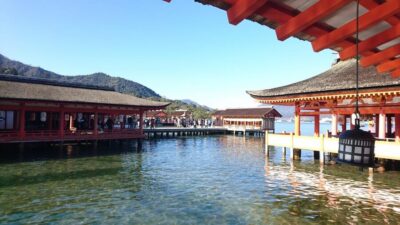
Osaka/Kyoto: Hiroshima Miyajima Bus Tour & Shinkansen Ticket
Read our review →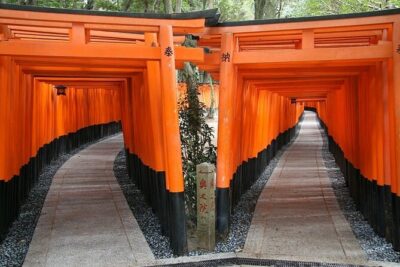
From Tokyo 1-Day Kyoto English-guided Tour by Bullet Train
Read our review →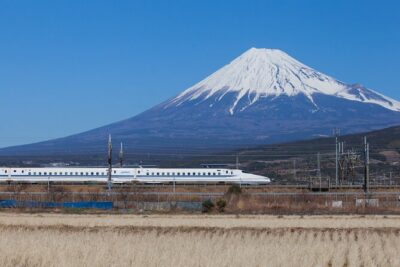
Mt. Fuji and Hakone Day Trip From Tokyo with Bullet Train Option
Read our review →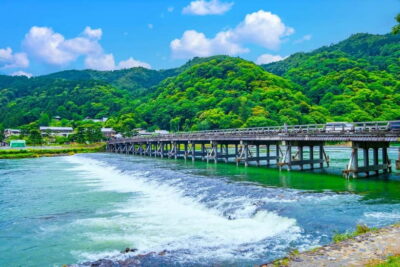
Fukuoka: Takachiho Gorge & Scenic Railway One Day Tour
Read our review →Browse the lists this tour appears in