
REVIEW · USA
Skip the Line: Historic RailPark and Train Museum Ticket with Guided Tour
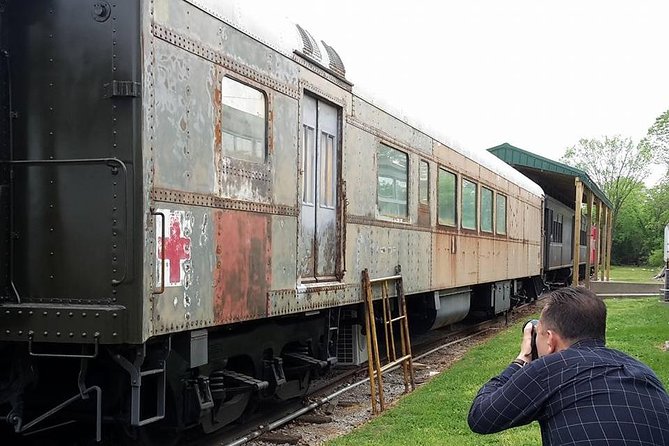
The most memorable part of this Bowling Green visit is not the small indoor museum. It is the chance to walk through actual railcars, including a railroad post office car, a 1949 Pullman diner, the Duncan Hines Diner, and the Pine, a towering 1953 Pullman sleeper. You get history you can step inside, not just read about behind glass.
I like the strong value here: $22 includes both the museum and the guided railcar tour. I also like the family-friendly format, with a short 45-minute visit and several departure times during the day. The main consideration is simple: the indoor exhibit area is fairly small, so the experience depends heavily on your interest in trains and the quality of the guided car tour.
Key points
- Walk through six historic railcars: See an E8 engine, railroad post office car, Pullman diner, sleeper, and the 353 Presidential office car.
- Learn how mail moved by rail: The post office car gives the tour a practical human story, showing how mail was sorted and delivered between cities.
- Visit a 1925 L&N Depot: Bowling Green once handled more than 20 departing trains a day from this site.
- Pay one modest admission for two experiences: Your ticket covers the self-guided museum and guided railcar tour.
- Plan around a short, flexible visit: The tour lasts about 45 minutes and is offered at multiple times.
- Expect an English-language tour: The booking includes mobile ticketing and confirmation at the time of purchase.
Bowling Green’s railroad story starts at the 1925 depot
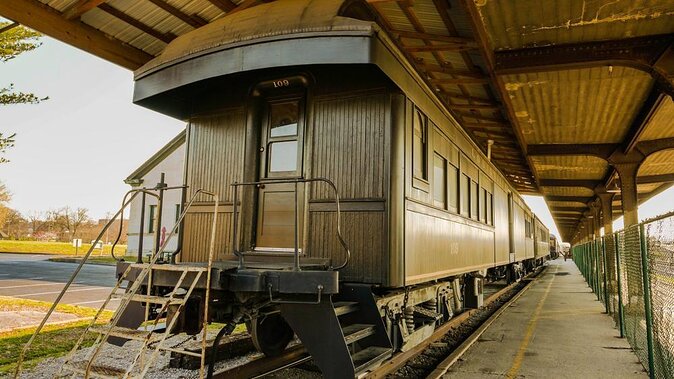
Bowling Green grew as a transportation center between Louisville and Nashville. The current L&N Depot was built in 1925, replacing an older station, and the site once sent more than 20 trains a day on their way through Kentucky and Tennessee.
That number helps you picture the depot as more than an old building. It was part of the town’s daily business life. People arrived here, mail moved through here, and rail connections helped shape Bowling Green’s economy.
You begin with the museum inside the depot. The exhibits cover regional and national railroad history, along with the social and economic changes tied to rail travel. This is a self-guided section, so you can move at your own pace rather than follow a strict lecture from start to finish.
The museum is not large. That is useful to know before you arrive. You will not spend hours wandering through a huge collection, and the indoor displays may feel limited if you want a major transportation museum. Still, the material gives you the background needed to understand the railcars outside.
More Museum Visits in the USA:
- Salem Witch Tour from Boston by Train with Museum Tickets
★ 4.0 · 42 reviews - Bowling Green: Historic RailPark & Train Museum Entry & Tour
★ 5.0 · 16 reviews - Snoqualmie Fall & Railway Museum 3-Hours (Private Tour)
★ 5.0 · 4 reviews
The railcars are the real heart of the visit
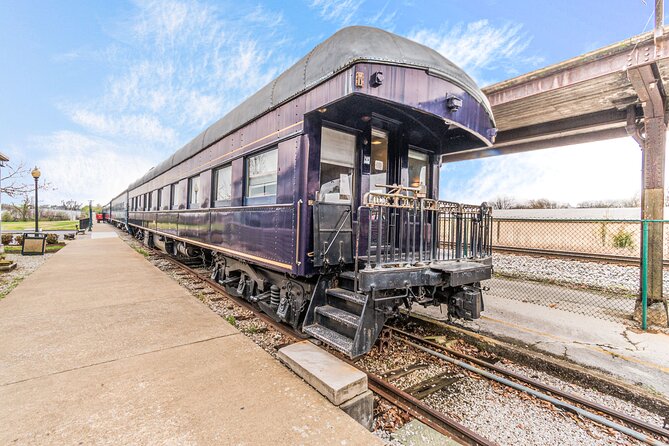
Behind the museum, about 450 feet of track holds the larger objects. This is where the experience becomes more physical and memorable. Instead of seeing a photograph of railroad life, you walk through cars built for work, dining, sleeping, and official business.
The collection includes an E8 engine, a railroad post office car, the Duncan Hines Diner, a 1949 Pullman diner, the Pine from 1953, and the 353 Presidential office car. Each car gives you a different view of rail travel.
The guided part matters here. A railcar can look impressive from the outside, but the guide explains what each space was for and how people used it. The strongest moments come from details that connect the machinery to everyday life: mail clerks sorting letters, diners serving meals, sleeping cars carrying passengers overnight, and official cars providing private working space.
The tour guide is described as passionate about the subject, which is important in a collection like this. The cars need explanation. Without context, you may simply notice old seats, narrow passages, and polished fittings. With a good guide, those same details show how rail travel once worked.
A railroad post office car brings the past down to human scale
The railroad post office car is one of the most interesting parts of the visit. Mail was not merely carried from one city to another. It could be sorted while the train was moving, allowing letters and packages to reach their destinations faster.
This car also gives the tour a useful point of comparison with modern communication. You can see the physical labor involved in handling mail, then consider how different delivery is now. The experience is educational without needing to be technical.
I would give this car extra time during the guided walk. It connects railroad technology with ordinary people. A locomotive can seem distant and mechanical, but mail is personal. Letters, addresses, routes, and deadlines make the old system easier to understand.
The post office car also suits families well. Children can grasp the basic idea of sorting mail on a moving train, while adults may appreciate the work and precision behind a service they once took for granted.
Pullman diners and sleepers show how people traveled
The 1949 Pullman diner and the Duncan Hines Diner shift the focus from transport to the experience of being on board. These cars show how railroads served meals and created a sense of comfort during long journeys.
The Pullman diner is especially useful for understanding the social side of train travel. It was not simply a place to sit with food. It was part of the journey itself, a shared space where passengers ate while the train moved between cities.
The Pine, a 1953 Pullman sleeper, offers a different view. Its height and design make it one of the more striking cars in the collection. Sleeping cars remind you that rail travel once involved spending an entire night on board, with the train serving as both transportation and temporary lodging.
You should expect narrow interior spaces and historic equipment rather than a polished modern attraction. That is part of the appeal, but it also means some visitors may find the experience less comfortable than a standard museum gallery. The reward is that you can see the layout directly and better understand how passengers lived during a long rail journey.
More History Trips in the USA:
- Fairbanks: Gold Dredge 8 Historic Train Tour
★ 4.7 · 219 reviews - Boston: Underground Railroad History Tour of Beacon Hill
★ 5.0 · 141 reviews - Sedona, AZ: Grand Canyon Guided Tour and Historic Railway
★ 4.6 · 122 reviews - Cincy Brunch History and Streetcar Tour with Riverside Food Tours
★ 5.0 · 108 reviews
The 353 Presidential office car adds a national connection
The 353 Presidential office car gives the collection a link to national political history. Its purpose was different from that of the diner or sleeper. This was a working environment for official travel, with privacy and office space instead of meals or beds as the main focus.
The car helps broaden the visit beyond Bowling Green and the local rail line. You still learn about the region, but you also see how railcars served important national figures and official business.
Because the car is an actual historic vehicle, walking through it gives you a stronger sense of scale than a display case would. You can notice the arrangement of rooms and the separation between public and private areas. The guided explanation is useful here, since the significance of the car may not be obvious from its exterior alone.
What the 45-minute schedule means for your day
The advertised visit lasts about 45 minutes. That makes this an easy addition to a Bowling Green sightseeing plan, especially if you want a focused stop rather than a full-day attraction.
The time includes the self-guided museum and the guided tour of the railcars. You should allow enough attention for both parts. The indoor exhibits provide the setting and background, while the railcar tour supplies the strongest visual and practical detail.
Multiple times are offered during the day, which gives you some freedom when arranging meals, other attractions, or a drive through the area. An instant confirmation and mobile ticket also make the booking process straightforward.
The short duration is both a strength and a limitation. It works well for families, people with a tight schedule, and anyone who wants to sample local history without committing half a day. If you prefer a large museum with many rooms and extensive displays, you may find the visit too brief.
Is $22 a good price for the experience?
At $22 per person, the ticket is a good buy if you plan to join the guided railcar tour. You are not paying only to enter a small depot museum. The price includes the self-guided museum and the guided tour through the cars outside.
The value comes from the collection’s physical access. You can walk through cars that served real working purposes for decades. That type of access usually leaves a stronger impression than a row of photographs or general text panels.
The price also makes this a reasonable family outing. Since the visit is short and the subject is easy to approach, you do not need to build an expensive full-day plan around it. You can combine it with other Bowling Green activities and still keep the transportation history stop affordable.
Food and drinks are not included. That is not a major issue for a 45-minute visit, but plan your meal separately. The attraction is near public transportation, which can help if you are not driving, though no specific transit route is provided here.
Who will enjoy this tour most?
I would recommend this experience to anyone interested in trains, transportation, local history, or the practical details of earlier daily life. The mail car is particularly good for people who enjoy seeing how familiar services worked before modern technology changed them.
Families should find the format manageable. The duration is short, the cars give children something physical to explore, and the subject can be explained through simple examples such as mail delivery, dining, and sleeping on a train.
It also suits history-minded visitors who want more than a general city introduction. Bowling Green’s position between Louisville and Nashville gives the depot a clear regional role, and the collection connects that local setting to national railroad developments.
You may want to choose another attraction if you are looking for a large museum, elaborate interactive displays, or a long guided program. The indoor section is small, and the total visit is compact. This is a focused stop built around authentic railcars, not a full-scale entertainment complex.
Practical details before you go
The ticket is mobile, and confirmation is provided when you book. The experience is offered in English, so you should be comfortable following an English-language guided tour.
Smart casual clothing is requested. Service animals are allowed, and the site is near public transportation. Most people can take part, though the supplied information does not give detailed notes about every physical feature of the railcars or the site.
The tour is offered several times throughout the day. Check your selected start time carefully, then arrive ready to handle both the self-guided museum portion and the scheduled railcar tour.
You can cancel for a full refund if you do so at least 24 hours before the start time. Cancellations or changes made within 24 hours are not accepted for a refund, and the cut-off follows local time.
Should you book the Historic RailPark tour?
Book it if you want a reasonably priced, family-friendly look at real railroad equipment with a guide who brings the cars to life. The mail car, Pullman diner, sleeper, and presidential office car give the visit more substance than the small indoor museum alone.
I would not choose it as your main Bowling Green activity if you expect a large museum or several hours of exhibits. But as a focused 45-minute stop, it delivers a clear sense of how railroads shaped work, communication, travel, and the city itself. At $22, the guided car access makes it a sensible choice for most history-minded visitors.
FAQ
How much does the Historic RailPark and Train Museum tour cost?
The ticket costs $22 per person. The price includes the self-guided museum and the guided railcar tour, along with taxes, fees, and handling charges.
How long does the experience last?
The visit lasts approximately 45 minutes. This includes both the museum portion and the guided tour of the historic railcars.
What does the ticket include?
Admission includes the self-guided museum and the guided railcar tour. Food and drinks are not included.
What historic railcars can I see?
The collection includes an E8 engine, a railroad post office car, the Duncan Hines Diner, a 1949 Pullman diner, the Pine, a 1953 Pullman sleeper, and the 353 Presidential office car.
Is the tour offered in English?
Yes. The experience is offered in English.
Is this experience family-friendly?
Yes. Most people can participate, and the short format and walk-through railcars make it suitable for families.
Can I use a mobile ticket?
Yes. A mobile ticket is available, and confirmation is provided at the time of booking.
Can I cancel for a refund?
Yes. You can receive a full refund if you cancel at least 24 hours before the experience start time. Cancellations or changes made less than 24 hours before the start time are not accepted for a refund.
More Skip-the-Line Tickets in the USA
- Sorrento: Skip-the-Line Pompeii Express Tour by Train
★ 4.8 · 2,038 reviews - Skip-the-Line Versailles Palace Tour by Train from Paris
★ 4.7 · 883 reviews - From Naples: Guided tour of Pompeii skip-the-line and round-trip train
★ 4.5 · 811 reviews - Skip the Line Kuranda Scenic Railway Gold Class and Skyrail Rainforest Cableway
★ 4.5 · 574 reviews
Just added around the USA
- Virginia City Day Tour From Lake Tahoe with Train Ride★ 4.8 · 19 reviews
- Ventura: Rail Bike Guided Tour with Farm Stand Stop★ 4.1 · 18 reviews
- Winnipesaukee Scenic Railroad★ 4.5 · 7 reviews
- Walking Tour of Still’s Underground Railroad in Alexandria★ 5.0 · 9 reviews
- Laughton Glacier Hike and White Pass Rail Adventure★ 5.0 · 12 reviews
- Uncorked: Wine Fest at Verde Canyon Railroad★ 5.0 · 8 reviews
- Grand Canyon Excursion from Sedona with First Class Train Ride★ 4.5 · 47 reviews
- Snoqualmie Fall & Railway Museum 3-Hours (Private Tour)★ 5.0 · 4 reviews
USA Train Tours, compared.
Streetcar Food Tour and Findlay Market with Riverside Food Tours
Read our review →
Jackson Hole: Aerial Tram and Gondolas Sightseeing
Read our review →
Washington DC: Arlington Nat. Cemetery Ticket & Tram Tour
Read our review →
New York City Slavery and Underground Railroad Tour
Read our review →
Alaska Railroad Anchorage to Seward Round-Trip Same Day Return
Read our review →
Colorado: All Aboard the Royal Gorge Route Railroad!
Read our review →Browse the lists this tour appears in