
REVIEW · JAPAN
Nagasaki: Half Day Sightseeing Private Tour with 1day Tram Ticket
Nagasaki puts two very different sides of Japan in one compact half-day: the quiet sorrow of Peace Park and the Atomic Bomb Museum, followed by the harbor views and Western-style homes of Glover Garden. An English-speaking guide leads your private group, and a one-day tram pass makes getting around much easier.
I like the small private format, which gives you room to ask questions and adjust the pace. I also like that admission to the museum and Glover Garden is included, along with a tram pass valid on every line. The catch is that four hours goes quickly, and the non-refundable booking policy makes illness, poor planning, or a missed meeting especially costly.
Key points at a glance
- A serious start at Peace Park: Spend about 30 minutes at the monument and reflect on Nagasaki’s call for peace.
- One hour in the Atomic Bomb Museum: See exhibits on the bombing, reconstruction, nuclear weapons, and the city’s anti-nuclear message.
- Glover Garden changes the mood: Explore restored Meiji-era Western buildings and views over Nagasaki after the museum visit.
- Private guiding with local help: Guides including Soda and Takaya have been praised for clear explanations, prompt starts, and help with the tram system.
- One-day tram pass included: Ride all Nagasaki tram lines during the tour and keep using the pass for your own exploring afterward.
- A useful four-hour sampler: You cover three major sights but still have part of the day free for lunch or independent sightseeing.
Why this half-day works in Nagasaki
Nagasaki is not a city you understand from one postcard view. Its history includes international trade, Christian influence, industrial growth, wartime destruction, and postwar rebuilding. This tour connects those threads without asking you to give up a full day.
The schedule is built around three major sights. Peace Park and the Atomic Bomb Museum explain the city’s most painful chapter. Glover Garden then shifts your attention to the foreign merchants and Western influence that helped shape modern Nagasaki.
The order gives the day a clear emotional arc. You begin with remembrance, spend time with difficult historical evidence, and finish among old houses and hillside views. That change of tone is useful, though you should not expect the final stop to erase the seriousness of the museum.
The tour begins and ends at Glover Garden, 8-1 Minamiyamatemachi. That arrangement is practical if you are already visiting the hillside district, staying nearby, or want to continue exploring the area after the guide leaves. It is less convenient if your accommodation or ship terminal is elsewhere, since you need to reach the meeting point yourself.
More Tram and Streetcar Tours in Japan:
- Private Tour – Thousands of lucky cats! Go by tram, Gotokuji Tour
★ 5.0 · 16 reviews - Mallorca: Island Tour with Boat, Tram & Train from the South
★ 4.4 · 3,888 reviews - Lisbon: 72/96-Hour Hop-On Hop-Off Bus, Tram & Boat Ticket
★ 4.4 · 2,170 reviews
Peace Park and the meaning of the statue
The Peace Park visit lasts about 30 minutes. That is enough time to see the main memorial area and hear the basic meaning behind its most recognizable statue, but not enough for a long, unhurried visit to every corner.
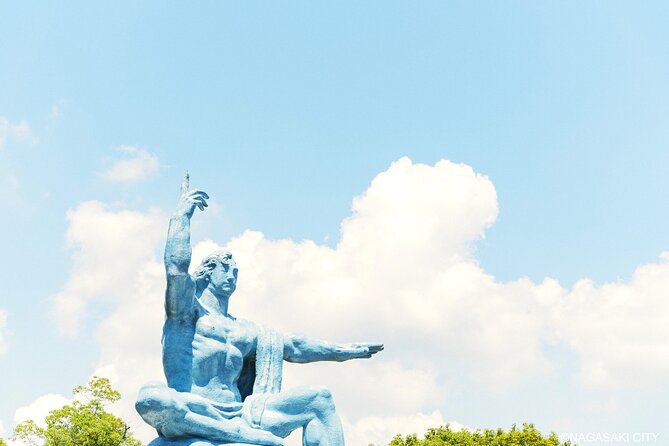
The statue represents the love of God and the mercy of Buddha, with a wish for the souls of the atomic bomb victims and lasting peace. Its raised right hand points toward the sky, recalling the atomic bomb, while the horizontal arm points toward peace. The gesture gives the memorial a visual language that is easy to grasp even if you know little about Nagasaki before arriving.
A guide is especially useful here because the park can seem simple at first glance. The value is not just in taking a photo of the statue. It is in learning why the memorial is shaped as it is and how Nagasaki presents its message of peace.
The short visit also keeps the morning moving. If you want a quiet personal moment, tell your guide. A private tour gives you a better chance to pause than a large group excursion, though the 30-minute allocation remains fairly tight.
The Atomic Bomb Museum requires time and attention
The Atomic Bomb Museum receives about one hour, and this is the heart of the tour. Admission is included, so you do not need to arrange a separate ticket before entering.
The museum covers the bombing itself, the suffering that followed, Nagasaki’s reconstruction, the development of nuclear weapons, and the city’s wish for a world without them. This is not a light sightseeing stop. Some displays are painful, and you may want to move at your own pace.
I appreciate the way the visit pairs historical facts with the city’s present-day peace message. The museum is not limited to the moment of destruction. It also asks you to consider what happened afterward and how nuclear weapons became part of a wider global story.
One hour gives you a solid introduction, but it does not allow you to read every display in detail. If museums usually hold your attention for a long time, you may want to return on your own after the tour. The included one-day tram pass makes that possible, provided you still have enough time in your day.
Your guide can add context before or after the visit, but the museum itself deserves respectful attention. This is one place where a fast pace can work against you. If the subject is important to you, say so before the tour begins and ask how much flexibility exists in the schedule.
Glover Garden and Nagasaki’s international past
Glover Garden receives about one hour. It is a hillside park with six Western-style buildings from the Meiji period, relocated and restored after originally being scattered around the city.
The garden presents a different Nagasaki. Here you see the city’s connection with foreign merchants, international trade, and the Western influence that entered Japan during the Meiji era. The restored homes give physical form to that story in a way that a museum display cannot.
The setting also provides a welcome visual change. After the enclosed and emotionally heavy museum, you are walking among historic buildings with views toward the harbor and city. The hillside location means you should expect some walking and changes in elevation, although the supplied information says most people can participate.
Because the tour starts and ends here, Glover Garden can also serve as your launching point for the rest of the day. You might stay longer after the guide finishes, depending on opening arrangements and your own schedule. The tour includes admission, which makes extending your visit easier than it would be with a tightly timed group ticket.
One hour is enough to understand the garden and see its main features. It is not enough for a slow architectural study of all six buildings. The stop works best as a focused introduction, especially if your main aim is to cover Nagasaki’s major sights in one morning or afternoon.
More Tickets in Japan:
- Osaka/Kyoto: Hiroshima Miyajima Bus Tour & Shinkansen Ticket
★ 4.7 · 919 reviews - Kyoto Railway Museum Admission Ticket
★ 4.3 · 23 reviews - Kyoto Railway Museum Advance Tickets
★ 5.0 · 2 reviews - Christ the Redeemer Entry Ticket by Corcovado Train
★ 4.4 · 4,476 reviews
The tram pass is more useful than a simple ride
The included one-day tram pass is one of the tour’s best practical features. It is valid on all tram lines, not just the routes needed for the guided itinerary.
Nagasaki’s streetcars are an efficient way to connect the main sightseeing areas. For a first visit, the system can be less obvious than it looks, particularly when you are watching the clock and trying to reach a museum or garden. A local guide can help you understand which line to take and where to change.
That help mattered to visitors guided by Takaya, who had tickets and passes ready and helped a first-time visitor manage the tram system. Soda was also praised for clear explanations and a strong grasp of the city. Those details matter because the pass is valuable only if you feel comfortable using it.
You can keep the pass after the four-hour tour for additional rides during its valid day. That changes the value calculation. You are not paying only for transportation between three stops. You are also receiving a practical tool for reaching other parts of Nagasaki independently.
The pass does not include meals, and the tour does not provide lunch. Plan to eat before or after the experience, or use the free part of your day to find your own meal. No restaurant stop is built into the schedule.
What the private format changes
Only your group participates, so this is not a standard bus tour with a fixed crowd. You can ask for explanations about the bombing, the tram system, local history, or the buildings at Glover Garden without having to speak over a large group.
The private setup may also help if your interests are uneven. One person may want more time at the museum, while another may care most about architecture and views. The guide can sometimes adjust the plan. A guide successfully helped one group change plans during rainy weather and still reach the main sights.
That flexibility has limits. The overall duration remains about four hours, and the three major stops already fill much of the schedule. A private tour does not turn a half-day into a full day.
The format is a good fit for first-time visitors who want orientation without surrendering the rest of their day. It also suits families or small groups who value a shared guide. Group discounts are available, though the amount is not specified, so check the final price for your party before booking.
Is $130.31 per person fair value?
At $130.31 per person, this is not a budget way to see Nagasaki. The price needs to be judged against what it bundles: a private English-speaking guide, admission to the Atomic Bomb Museum, admission to Glover Garden, and a one-day tram pass.
For a solo visitor, the cost is harder to justify unless you place a high value on private guidance. For two or more people, the personal attention and shared cost may make more sense, especially if you are visiting Nagasaki for a short time and want the main sights organized for you.
The guide is the part that can make or break the value. Past guides named Soda and Takaya were praised for being clear, prompt, friendly, and helpful with local transport. One person also praised a guide identified as Karu, though the name was not completely clear. You should confirm the guide and meeting details before setting out.
The price is also easier to accept if you plan to use the tram pass beyond the guided hours. If you finish the tour and return to your hotel, some of the pass value is wasted. If you continue to other sights by tram, the included ticket becomes much more useful.
Weather, timing, and booking cautions
The experience requires good weather and can be canceled if conditions are poor. If the operator cancels for that reason, you are offered another date or a full refund.
Your own cancellation terms are strict. This experience is non-refundable and cannot be changed for any reason once booked. That makes it wise to avoid scheduling it too close to an uncertain arrival, especially if your plans depend on a ship, flight, or other fixed transport.
Booking confirmation is sent within 48 hours, subject to availability. Do not assume that the tour is fully set until you receive confirmation.
Rain does not necessarily ruin the experience, but it can make the walking portions at Peace Park and Glover Garden less pleasant. The tram helps, yet you should bring suitable rain protection if the forecast looks unsettled. The schedule has enough structure that a very slow outdoor visit may be difficult.
Most people can participate, according to the supplied activity information. Still, Glover Garden is on a hillside, and the tour includes walking between sights and tram stops. If you have mobility concerns, ask the operator about the exact route before paying, since detailed accessibility information is not provided.
Who should book this Nagasaki tour?
I would choose this experience if you have only half a day, want the major historical sights explained in English, and prefer not to work out the tram system alone. It is especially useful for a first visit, when a local guide can put the city’s memorials and international past into context.
It also suits anyone who wants a private outing rather than a large group schedule. The guide can answer questions directly, and the tram pass gives you a way to keep exploring once the formal tour ends.
I would hesitate if you want long, reflective time in the Atomic Bomb Museum or a leisurely visit to Glover Garden. The four-hour plan is efficient, not slow. I would also hesitate if your schedule may change, since the booking cannot be refunded or amended.
FAQ
How long does the Nagasaki sightseeing tour last?
The tour lasts approximately four hours.
Where does the tour begin and end?
It begins and ends at Glover Garden, at 8-1 Minamiyamatemachi, Nagasaki, 850-0931, Japan.
Which sights are included?
The tour visits Nagasaki Peace Park, the Nagasaki Atomic Bomb Museum, and Glover Garden.
Is admission included?
Yes. Admission to the Atomic Bomb Museum and Glover Garden is included.
Is a tram ticket included?
Yes. You receive a one-day tram pass that can be used on all Nagasaki tram lines.
Is the tour private?
Yes. Only your group participates in the activity.
Are meals included?
No. Meals are not included.
What happens if bad weather cancels the tour?
If the operator cancels because of poor weather, you can choose a different date or receive a full refund.
Should you book it?
Book this tour if you want a well-organized introduction to Nagasaki’s three essential stops and value having an English-speaking guide beside you. The private format, included admissions, and all-lines tram pass give the experience real practical value, especially for a short visit.
Skip it if you prefer to set your own pace, spend several hours in the Atomic Bomb Museum, or need flexible cancellation terms. For most first-time visitors with only four hours available, it is a strong orientation tour, provided you are comfortable with its serious subject matter, hillside walking, and fixed non-refundable booking.
Just added around Japan
- Train in Samurai Swordsmanship and Defeat the Demon in Tokyo★ 5.0 · 5 reviews
- Private tour with Yasushi and Yoko – by car, train, on foot★ 5.0 · 2 reviews
- Tokyo-Izu: Volcano, Ocean& Capybara Cuddle with Izu Scenic Train★ 3.5 · 3 reviews
- Tokyo Private Guided 1/2-Day Walking Subway Tour English guide★ 5.0 · 7 reviews
- Snow Monkey Park and Miso Production Tour Bullet Train from Tokyo★ 4.5 · 26 reviews
- Private Tour – Thousands of lucky cats! Go by tram, Gotokuji Tour★ 5.0 · 16 reviews
- Bullet Train and Mt. Fuji Famous Food Tour★ 5.0 · 4 reviews
- Kyoto Early Bird Tour Tokyo Round or One Way Shinkansen★ 5.0 · 10 reviews
Japan Train Tours, compared.

Mt Fuji & Hakone Cruise, Drum Show Bullet Train 1 Day from Tokyo
Read our review →
Tokyo Mt Fuji 5th St & Hakone Cruise Bus Tour w/Bullet Train
Read our review →
Mt. Fuji & Hakone Tour w/ Return by Bullet Train
Read our review →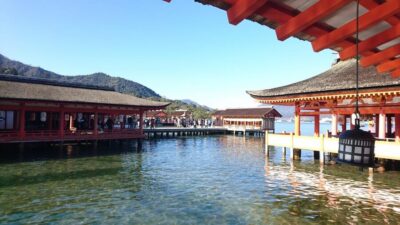
Osaka/Kyoto: Hiroshima Miyajima Bus Tour & Shinkansen Ticket
Read our review →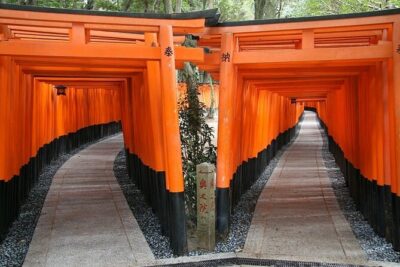
From Tokyo 1-Day Kyoto English-guided Tour by Bullet Train
Read our review →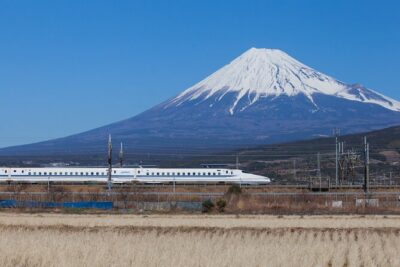
Mt. Fuji and Hakone Day Trip From Tokyo with Bullet Train Option
Read our review →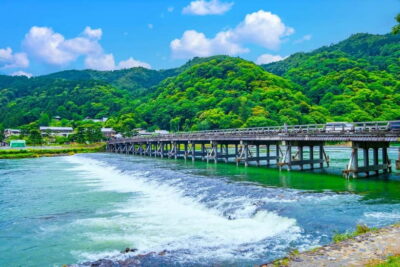
Fukuoka: Takachiho Gorge & Scenic Railway One Day Tour
Read our review →Browse the lists this tour appears in