
REVIEW · MUMBAI
Dabbawala, Dhobi Ghat & Dharavi slum Tour with Local Train Ride
Mumbai’s famous dabbawalas, open-air laundry workers, and Dharavi’s busy workshops tell three different stories about how the city works. In about four hours, you move between them by local train and on foot, with a resident guide explaining the work, homes, and daily routines you would be unlikely to understand from a taxi window.
I like the small group limit of 15, which gives you room to ask questions, and I like that the tour uses local trains rather than treating Mumbai as a sightseeing set. The main consideration is that Dharavi involves narrow lanes, working businesses, and sensitive poverty-related issues. You need to follow your guide’s lead, ask before taking photos, and expect a brisk outing in warm weather.
The essential points at a glance
- Dharavi from a resident’s point of view: See leather work, pottery, soap making, bakeries, dyeing, plastic recycling, schools, hospitals, and homes.
- A real local train ride: Transport between the sites is part of the experience, not an afterthought.
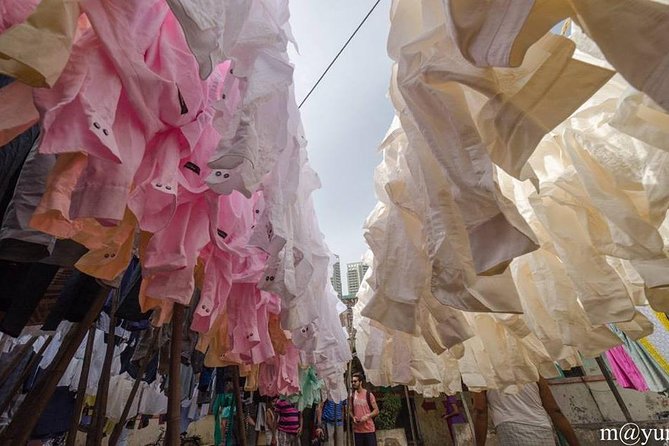
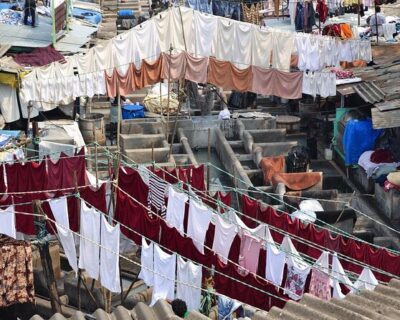
- Mahalaxmi Dhobi Ghat: Look down on Mumbai’s huge open-air laundry, where dhobis wash clothing from hotels and homes.
- Mumbai’s lunch-delivery system: Learn how dabbawalas move packed meals around the city.
- Guides with local ties: Rakesh, Abhishek, Sagar, Dinesh, Hardik, and others have led this experience, with some guides connected to Dharavi.
- Good value for a short tour: At $35.79, the price includes the guide and local train transport, but not food or drinks.
Why these three Mumbai stories belong together
At first, Dharavi, Dhobi Ghat, and the dabbawalas may seem like unrelated stops. They make sense together because each shows Mumbai through work. You see goods made, clothes washed, and meals carried from kitchens to offices.
That focus gives the tour more purpose than a simple walk through poor neighborhoods. You are not only looking at buildings. You are learning how families and workers earn a living in a city where space is costly and time matters.
The order of the stops can vary in practice, but the listed meeting point is on Maharshi Karve Road near Churchgate. The listed end point is in Dharavi, at Sai Multispeciality Hospital and Research Centre on 90 Feet Road. Plan your onward transport from Dharavi rather than expecting to finish back in central Mumbai.
The outing lasts about four hours. The schedule allocates roughly two hours to Dharavi, one hour to Dhobi Ghat, and one hour to the dabbawala section. Those figures are useful, but do not treat them as a minute-by-minute promise. Mumbai trains, walking pace, and group questions can affect the timing.
More Train Tours in Mumbai:
- Mumbai: Dharavi Slum and Dhobi Ghat Tour with Train Ride
★ 5.0 · 9 reviews - Primmum Mumbai Sightseeing With Local Train Ride Experience
★ 5.0 · 7 reviews - Mumbai City + Dabbawala aka Lunchbox + Train Ride Tour – The Unfeigned Mumbai.
★ 5.0 · 6 reviews
Riding Mumbai’s local train instead of watching from a car

The local train is one of the best parts of the experience because it connects the subject matter to ordinary city life. You are not simply driven from one attraction to another. You ride the transport system that millions of people rely on.
That changes your view of Mumbai quickly. The city’s trains are practical, crowded, and woven into the working day. A guide can help you understand where you are going and keep the group together, which matters when you are unfamiliar with the stations and the city’s pace.
The train ride also makes the tour feel like a route through working Mumbai rather than a collection of staged exhibits. You may find the train ride more tiring than expected, especially in hot or wet weather, so wear comfortable shoes and bring water. One useful tip from the experience is simple: bring extra water.
The tour accepts mobile tickets, and public transport is nearby at the meeting area. The group can include up to 15 people. That is still large enough to create a little movement on busy streets, but much more manageable than a large coach group.
Dharavi: work, homes, and daily life in narrow lanes
Dharavi takes up the largest portion of the outing, and rightly so. The tour enters a community that is often reduced to a single word, slum, even though it contains homes, workshops, shops, schools, medical facilities, and many forms of small industry.
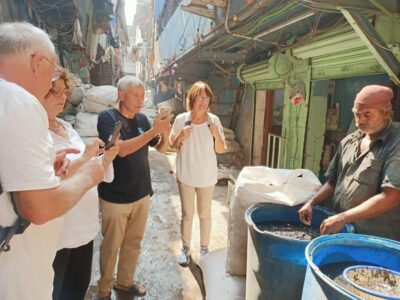
Your guide may take you through areas linked to leather production, pottery, soap making, bakeries, color dyeing, and plastic recycling. These businesses show the practical side of Dharavi. Work is often close to home, and the same narrow network of lanes can serve as a route for residents, a workspace, and part of a family’s living area.
The tour also points out schools and hospitals, along with houses in the community. That wider view matters. Dharavi is not only a place of hardship, and it is not a tourist display built for outsiders. It is a working neighborhood where people live and earn money.
Some visitors arrive expecting only poverty. A good guide helps you replace that narrow picture with something more accurate. You see pressure on space and infrastructure, but you also see skill, trade, organization, and enterprise.
Sagar is one guide specifically connected with Dharavi, and his personal connection has been an important part of the experience for some visitors. Rakesh is also praised for explaining local life and for making the visit feel comfortable and respectful. If your assigned guide is someone else, the quality of the day will depend partly on that person’s communication style and local ties.
The sensitive part is obvious. You are walking through people’s homes and workplaces, not through a museum. Keep your voice low, do not block entrances, and ask before taking photographs. The tour information does not promise a private home visit or a meal, so do not book expecting that special arrangement. One past outing included a family-home visit and homemade food with Sagar, but that should be treated as an individual experience, not a standard inclusion.
Mahalaxmi Dhobi Ghat and Mumbai’s outdoor laundry
Mahalaxmi Dhobi Ghat offers a sharp contrast to Dharavi. Instead of small workshops spread through a neighborhood, you see a large open-air laundry operation where dhobis wash clothing connected with Mumbai’s hotels and other businesses.
From the viewing area, you can grasp the scale of the operation. Clothes move through a system of washing and drying in full view, with workers handling tasks that many people usually imagine taking place behind factory walls.
The stop lasts about an hour. That is enough time to understand how the laundry functions and take in the scene, but it is not a hands-on laundry lesson. You will be looking at the operation and listening to the guide rather than joining the work.
This is one of the tour’s most striking contrasts. Dharavi shows small-scale production tucked into living quarters. Dhobi Ghat shows a specialized public work site serving the wider city. Together they help explain Mumbai’s habit of making limited space serve many purposes.
The guide matters here because the visual scene can be easy to misunderstand. Without context, you may simply see rows of washing areas and workers. With an explanation of the dhobis’ role and the customers they serve, the site becomes a lesson in the city’s service economy.
Same tracks, a very different ride:
- Mumbai: Dhobi Ghat Tour with Dharavi and Train Ride Options
★ 3.4 · 5 reviews - Dharavi Slum & Dhobi Ghat Mumbai: Private Guided Tour
★ 5.0 · 4 reviews - Dhobi Ghat Laundry and Dharavi Slum Tour with Local Train
★ 5.0 · 4 reviews - Mumbai Unseen: Local Train Ride And Sightseeing Tour
★ 5.0 · 3 reviews
Meeting the dabbawalas and understanding the lunch network
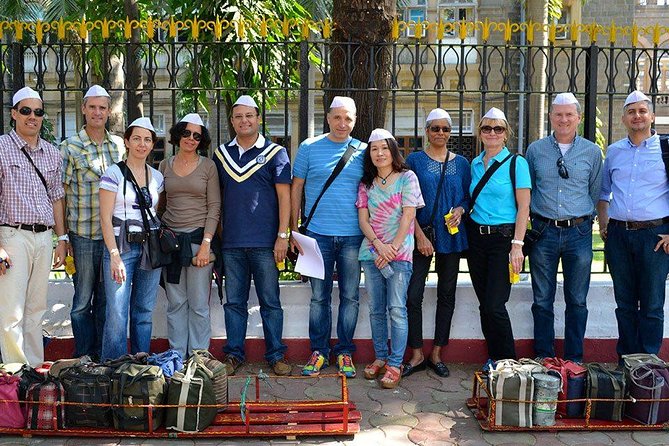
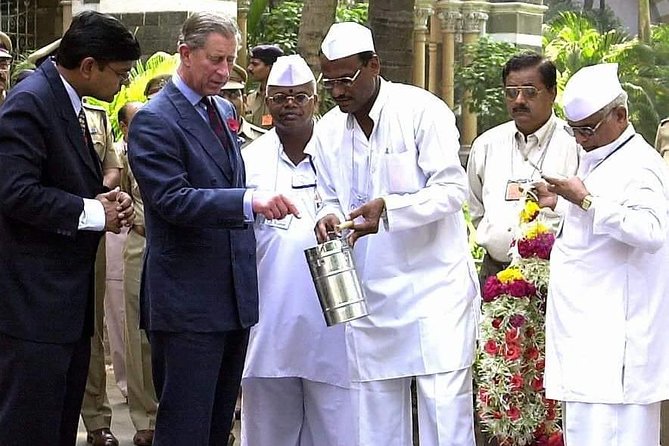
The dabbawala section introduces one of Mumbai’s best-known working systems. A dabbawala collects and delivers packed lunches, moving home-cooked food to office workers and returning containers later.
The tour includes a stop at the Dabbawala Tribute Statue and an explanation of who the dabbawalas are and how their work fits into the city. You may also have a chance to see dabbawalas at work and take photographs, but follow your guide’s instructions and do not interrupt deliveries.
This stop is less about a monument than about a city routine. Mumbai’s office workers need meals delivered on time, and the dabbawala network grew around that need. The system gives you another example of specialized labor carried out at city scale without a glossy presentation.
I like the way this part rounds out the tour. Dharavi explains production, Dhobi Ghat explains cleaning and service work, and the dabbawalas explain distribution. You come away with a clearer sense of how ordinary jobs keep Mumbai moving.
The time allocation is about an hour, although the exact flow can depend on the day. The dabbawala stop may be most useful for visitors who like practical systems, transport, and urban life. If you mainly want grand monuments, this will feel less compelling.
The guides make the difference
Several guides have led this experience, including Rakesh, Abhishek, Sagar, Dinesh, and Hardik. That matters because this is not a tour where the sights explain themselves. Your guide needs to handle personal questions, explain sensitive subjects, and keep the group moving through crowded areas.
Rakesh is described as friendly, respectful, and strong on local life. Abhishek is known for an engaging, humorous approach and for answering many questions. Hardik has been praised for being pleasant and informative, while Dinesh has helped groups feel safe and accommodated their needs, even in poor weather.
Sagar’s connection to Dharavi adds a particularly personal angle when he leads the tour. His passion for the area and communication skills can make the community feel less like an abstract subject and more like a place with real people and family ties.
Guide assignments can change, so you should not book solely around one person unless the operator confirms it. The consistent point is the importance of a resident or locally connected guide. You want someone who can explain what you are seeing without turning hardship into entertainment.
Is $35.79 a fair price?
At $35.79 per person, the tour offers solid value for a four-hour experience. The fee includes a professional guide and local train transport, and you receive three subjects in one outing rather than paying separately for each.
The price does not include food or drinks. That makes the water advice important, especially because the tour combines walking, trains, and outdoor stops. Wear comfortable shoes and bring what you need before meeting the group.
The tour also saves you the trouble of piecing together Dhobi Ghat, Dharavi, and the dabbawala network on your own. Independent exploration is possible in parts of Mumbai, but understanding Dharavi respectfully is much easier with a local guide.
Still, the value depends on your interests. If you want a relaxed sightseeing trip with long stops and plenty of personal space, this may feel busy. If you want an efficient look at how Mumbai works and are comfortable with public transport, the price is reasonable.
Who will enjoy this tour most?
You should consider booking if you like cities from the ground level. The tour suits people interested in work, transport, neighborhood life, and the practical systems behind a major city.
It is also a good choice if you have only a short time in Mumbai. Four hours gives you a focused look at several parts of the city without taking a full day away from other plans.
You may want to skip it if you dislike crowded trains, walking in narrow lanes, or tours that address poverty and working conditions directly. The Dharavi portion requires respect and attention. This is not a photo safari.
Most people can take part, and public transportation is nearby. You should still consider your comfort with walking and train travel. The outing is not designed as a slow, luxury experience.
Free cancellation is available if you cancel at least 24 hours before the start time. Cancellations made later, or changes made within that period, are not eligible for a refund.
Should you book it?
Book this tour if you want to understand Mumbai through its workers rather than only through its landmarks. The combination of a resident guide, local train rides, Dharavi’s industries, Dhobi Ghat’s laundry, and the dabbawala system gives you a useful cross-section of daily city life.
I would book it with three expectations: bring water, wear sensible shoes, and behave as you would in any residential neighborhood. If you do that, the tour offers a thoughtful and efficient way to see a side of Mumbai that is difficult to grasp from a standard sightseeing route.
FAQ
How long does the tour last?
The tour lasts approximately four hours.
Where does the tour begin?
It begins on Maharshi Karve Road near Churchgate in Mumbai, Maharashtra.
Where does the tour end?
The listed end point is Sai Multispeciality Hospital and Research Centre on 90 Feet Road in Dharavi.
Is local train transport included?
Yes. Transport by local train is included in the tour.
How many people can join the tour?
The maximum group size is 15 people.
What places does the tour visit?
It visits Dharavi, Mahalaxmi Dhobi Ghat, and the Dabbawala Tribute Statue area.
How much time is spent in Dharavi?
The Dharavi portion is scheduled for about two hours.
Is food included?
No. Food and drinks are not included.
Can I use a mobile ticket?
Yes. The experience offers mobile ticketing.
What is the cancellation policy?
You can cancel at least 24 hours before the start time for a full refund. Cancellations or changes made less than 24 hours before the start time are not accepted for a refund.
Just added around Mumbai
- Mumbai Unseen: Local Train Ride And Sightseeing Tour★ 5.0 · 3 reviews
- Mumbai Slum Tour with Dhobi Ghat Laundry & Train Ride Tour★ 5.0 · 2 reviews
- All in one-Combo of City, Dhobighat, Slum & Dabbawala with ferry and train ride.★ 4.5 · 2 reviews
- Dharavi Slum & Dhobi Ghat Mumbai: Private Guided Tour★ 5.0 · 4 reviews
- Meet Dabbawala Visit Dhobi Ghat & Dharavi slum with Train★ 5.0 · 2 reviews
- Mumbai: Dhobi Ghat Tour with Dharavi and Train Ride Options★ 3.4 · 5 reviews
- Dhobi Ghat Laundry and Dharavi Slum Tour with Local Train★ 5.0 · 4 reviews
- Dabbawaala Dhobi Ghat Dahravi slum With Local Train Ride★ 5.0 · 2 reviews
Mumbai Train Tours, compared.
Primmum Mumbai Sightseeing With Local Train Ride Experience
Read our review →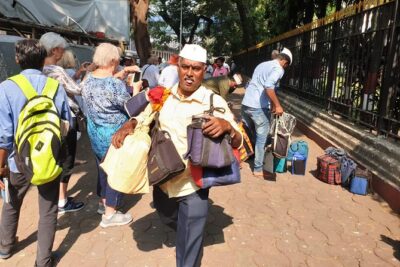
Mumbai City + Dabbawala aka Lunchbox + Train Ride Tour – The Unfeigned Mumbai.
Read our review →
Dhobi Ghat Tour with Dharavi and Train Ride Options
Read our review →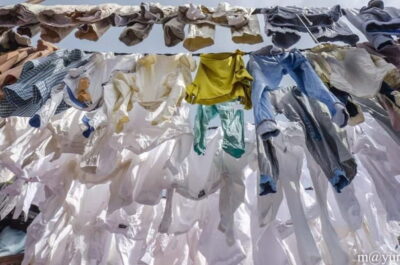
Dhobi Ghat Laundry and Dharavi Slum Tour with Local Train
Read our review →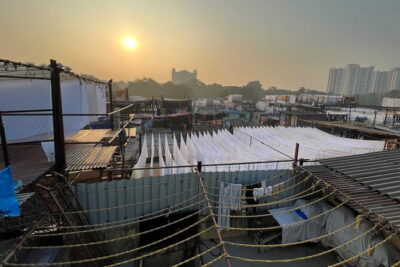
Dharavi Slum & Dhobi Ghat Mumbai: Private Guided Tour
Read our review →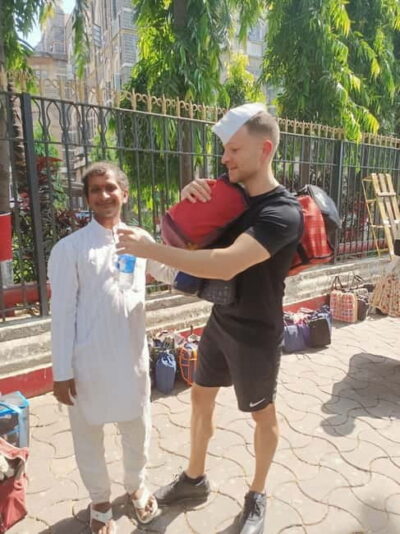
Best Combo Tour: Dabbawalas, Dhobi Ghat and Slum with Train
Read our review →
Mumbai Unseen: Local Train Ride And Sightseeing Tour
Read our review →Browse the lists this tour appears in